




New Orleans sits below sea level in a bowl surrounded by Lake Pontchartrain, the Mississippi River, and countless canals. This geography makes every property vulnerable to water intrusion. Heavy summer downpours overwhelm aging drainage systems in neighborhoods from the French Quarter to Lakeview. High humidity accelerates mold growth within 24 hours of any leak or flood. The water table sits just feet below ground in areas like Gentilly and Mid-City, causing groundwater seepage through foundation slabs during heavy rain events.
Hurricane season brings storm surge and catastrophic flooding to low-lying areas near the Industrial Canal and along the lakefront. Even minor tropical systems dump enough rain to flood streets and back water into homes through sewer lines. Older homes in Uptown and the Garden District have cast iron plumbing that corrodes and bursts without warning. The city's unique pier and beam foundations allow water to pool underneath structures, rotting support beams before you notice damage above.
Water damage in New Orleans is not a question of if, but when. The combination of extreme weather, aging infrastructure, high water tables, and below-sea-level elevation creates perfect conditions for devastating water events that require immediate professional intervention.
Grand Water Damage Restoration New Orleans operates with one mission: get on-site before water destroys what you've built. We maintain response teams throughout Orleans Parish and surrounding areas, guaranteeing arrival within 60 minutes of your call. Our trucks carry industrial-grade extraction equipment, thermal imaging cameras, and commercial dehumidifiers that begin working the moment we arrive.
We've restored properties through every disaster New Orleans has faced. Our technicians hold IICRC certifications in water damage remediation and applied structural drying. We understand how water behaves in the unique construction types found across this city, from raised Creole cottages to modern slab foundations. We know which materials can be saved and which must be removed to prevent mold colonization.
Insurance coordination sets us apart. We document every stage with photos, moisture readings, and detailed scope reports that insurance adjusters accept without argument. We handle the paperwork, communicate directly with your carrier, and fight for full coverage of necessary repairs. You should not have to battle your insurance company while your home sits wet.
Our pricing is transparent and competitive. We provide written estimates before starting non-emergency work. Emergency water extraction begins immediately because stopping active damage cannot wait for approval. We use only professional-grade equipment and proven drying protocols that meet industry standards for structural drying. When we leave, your property is dry, clean, and certified safe from secondary damage.

We dispatch teams from strategic locations across New Orleans to reach your property in under an hour. Fast response stops water from spreading into walls, subfloors, and insulation. The sooner we extract standing water and begin drying, the less demolition and reconstruction you face. Every minute of delay increases total damage and repair costs.

We handle all communication with your insurance carrier, provide detailed damage documentation, and ensure you receive maximum coverage for necessary repairs. Our estimates meet adjuster requirements and our work follows industry standards that carriers recognize. We remove the stress of navigating claims while your property sits damaged.
Every team member holds current certification from the Institute of Inspection, Cleaning and Restoration Certification. We follow proven water damage restoration protocols, use calibrated moisture detection equipment, and apply industry-standard drying techniques. Our training ensures proper remediation that prevents mold growth and structural failure.
We understand how New Orleans construction responds to water intrusion. We know the difference between drying a raised foundation in the Garden District and a slab home in New Orleans East. We account for high humidity, understand local building materials, and recognize when groundwater or sewage contamination requires specialized treatment.
Grand Water Damage Restoration New Orleans handles every type of water intrusion event, from burst pipes to hurricane flooding. Our services cover emergency water removal, structural drying, content restoration, mold remediation, and complete reconstruction. We respond to residential emergencies, commercial property damage, and multi-unit flooding events throughout Orleans Parish.
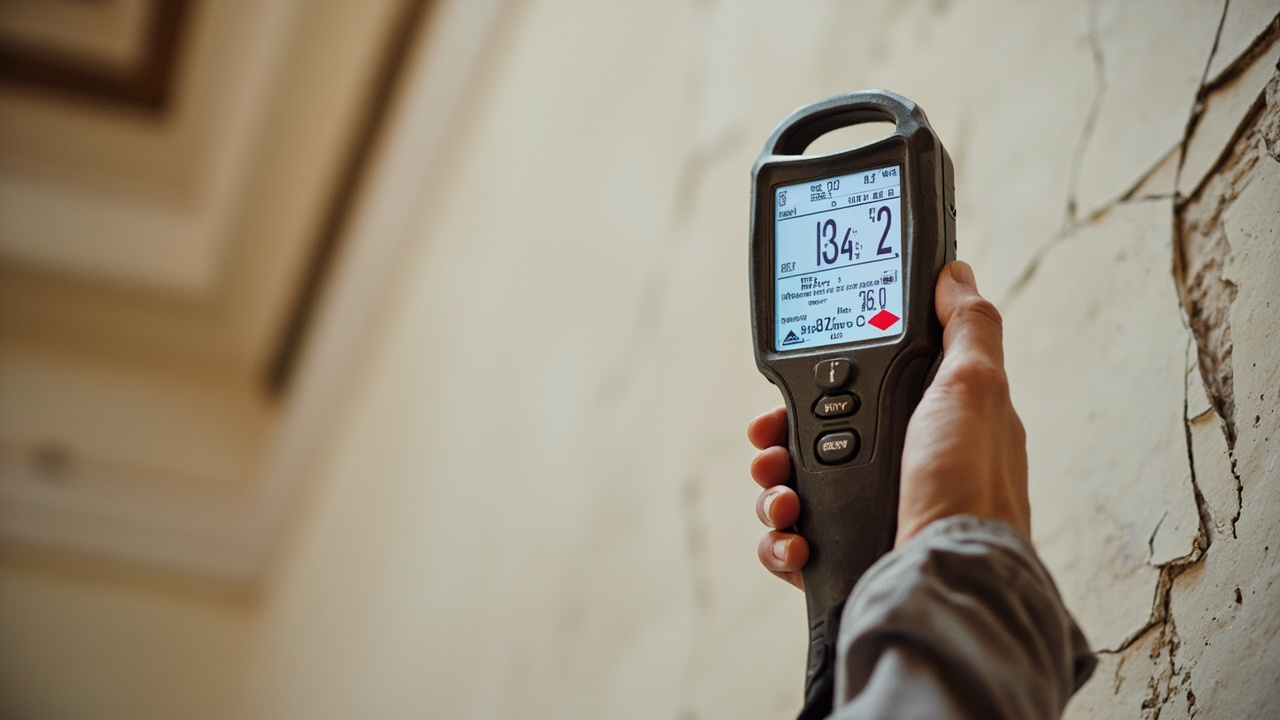
We categorize water damage by contamination level and source. Clean water from supply line breaks requires different treatment than grey water from appliance overflows or black water from sewage backups. Our approach changes based on water category, affected materials, and how long water has been present. We use thermal imaging to find hidden moisture in walls and ceilings, moisture meters to track drying progress, and air movers positioned using scientific drying principles.
Our service range includes emergency mitigation to stop active damage, complete water extraction using truck-mounted and portable pumps, structural drying with industrial dehumidifiers, content pack-out and cleaning, antimicrobial treatment, mold remediation when growth has started, and full reconstruction to return your property to pre-loss condition. We handle projects from small bathroom leaks to whole-home flood restoration.
When water is actively flooding your property, we arrive within 60 minutes to stop the source and begin extraction. Our emergency response includes shutting off water supplies, extracting standing water with truck-mounted pumps, removing soaked contents, pulling wet carpeting and padding, and setting up drying equipment. We work around the clock because water damage never waits for business hours. Emergency mitigation prevents secondary damage that turns a manageable leak into a total loss requiring major reconstruction.
After extracting standing water, we begin the critical drying phase that determines whether materials can be saved. We place commercial dehumidifiers and air movers based on psychrometric principles and monitor moisture levels daily using calibrated meters. Structural drying typically takes three to five days depending on materials affected and saturation levels. We document moisture readings throughout the process to prove your property has reached safe dryness levels that prevent mold growth and structural damage.
Once your property is dry, we handle all reconstruction needed to return it to pre-loss condition. Our restoration services include replacing drywall, repairing or replacing flooring, rebuilding damaged cabinetry, repainting, and coordinating licensed trades for electrical or plumbing repairs. We manage the entire project from demolition through final finishes so you work with one company instead of coordinating multiple contractors. Our goal is seamless restoration that erases all evidence of water damage.
New Orleans property owners face water damage from multiple sources year-round. Summer thunderstorms drop several inches of rain in hours, overwhelming drainage systems and causing street flooding that backs into homes. Hurricane season brings catastrophic storm surge and wind-driven rain through roof penetrations. Winter freeze events burst exposed pipes in uninsulated attics common in older construction.
The city's infrastructure creates constant risk. Aging cast iron sewer lines crack and allow groundwater infiltration. Water mains break regularly, flooding streets and properties. Pumping stations fail during heavy rain, causing neighborhood flooding. High water tables push groundwater through foundation slabs in low-lying areas near the lake and canals.
Building characteristics unique to New Orleans increase vulnerability. Raised pier and beam foundations allow water to pool underneath homes, rotting support structures before damage becomes visible inside. Shallow roofing pitches common on shotgun houses and Creole cottages allow water to pond and leak through. Many properties have inadequate interior drainage and rely on city systems that fail during heavy rain events.
Living below sea level means storm surge from Gulf hurricanes can flood entire neighborhoods. Even tropical storms bring enough rain to overwhelm pumping stations and flood streets for days. Floodwater contains sewage, chemicals, and debris requiring specialized cleaning and disinfection. Properties near the Industrial Canal, lakefront, and river face the highest risk during tropical systems that require evacuation and emergency response.
Aging cast iron plumbing corrodes from the inside and bursts without warning, flooding homes with hundreds of gallons before shutoffs can be reached. Supply line failures under sinks and behind toilets release water under pressure that soaks through walls and ceilings. Water heater failures dump 40 to 50 gallons across floors. Washing machine hoses crack and flood laundry areas and adjacent rooms.
Severe thunderstorms tear shingles and damage flashing around chimneys and vent pipes. Heavy rain then pours through openings into attics and ceilings. Shallow roof pitches allow water to pond and seep through nail holes and seams. Flat roofs on commercial buildings develop membrane failures that leak during every rain event. Wind-driven rain penetrates through windows and doors during tropical storms.
The high water table in areas like Lakeview and Gentilly causes groundwater to seep through foundation slabs during heavy rain. Hydrostatic pressure forces water up through concrete and into homes. Pier and beam foundations allow water to pool underneath, rotting support beams and floor joists. Poor lot drainage sends rainwater toward foundations instead of away, causing chronic basement and crawlspace flooding.
When you call Grand Water Damage Restoration New Orleans, you reach a live person who understands the emergency you face. We ask targeted questions to assess the situation and dispatch the appropriate team and equipment. Our call center provides an estimated arrival time and stays in contact until our crew reaches your property.
You can expect immediate action when we arrive. We assess the damage, identify the water source, and begin extraction within minutes. Our technicians explain what they are doing and why, walk you through the expected timeline, and answer your questions. We take photos and moisture readings to document initial conditions for insurance purposes.
Communication continues throughout the restoration. We provide daily updates on drying progress, explain next steps, and coordinate scheduling around your availability. We handle insurance paperwork, provide written estimates, and keep you informed of all costs before proceeding with reconstruction work. Our goal is to remove the stress and confusion from the restoration process so you can focus on getting back to normal.
We arrive within 60 minutes and begin emergency mitigation immediately. Our technicians identify the water source, stop active flooding, and start extracting standing water using truck-mounted pumps and portable extractors. We move furniture and contents to dry areas, remove soaked materials that cannot be saved, and document all damage with photos and moisture readings. You receive a verbal assessment of the situation and expected timeline before we leave the initial emergency visit.
We contact you daily with drying progress updates and moisture reading results. Our project manager becomes your single point of contact who answers questions, coordinates scheduling, and handles all communication with your insurance carrier. We provide written estimates before starting reconstruction work and explain all costs clearly. You receive advance notice before every visit and confirmation after each phase completes. We believe constant communication eliminates the anxiety that comes with property damage.
We do not consider a project finished until your property returns to pre-loss condition. Our final walk-through verifies all work meets your approval and industry standards. We provide documentation of final moisture readings proving structures have reached safe dryness levels. You receive copies of all insurance documentation, before and after photos, and warranties on reconstruction work. We follow up after completion to ensure your satisfaction and answer any remaining questions.
We follow a proven three-phase approach that stops damage fast, dries structures completely, and restores your property to pre-loss condition. This process applies whether we are responding to a burst pipe in the Garden District or hurricane flooding in Lakeview.
We arrive within 60 minutes, stop the water source, and extract all standing water using truck-mounted pumps and portable extractors. Our technicians remove soaked contents, pull wet carpeting and padding, and set up air movers and dehumidifiers to begin structural drying. We take detailed photos and moisture readings throughout your property to document initial damage for insurance purposes. Emergency mitigation happens immediately because every hour of delay increases total damage and reconstruction costs.
We monitor your property daily, taking moisture readings in affected materials and adjusting equipment placement to maximize drying efficiency. Commercial dehumidifiers remove moisture from the air while air movers create airflow across wet surfaces to speed evaporation. We use thermal imaging cameras to detect hidden moisture in walls and ceilings. Drying typically takes three to five days depending on materials affected and saturation levels. We continue until moisture readings confirm structures have reached safe dryness levels.
Once structures are dry, we begin rebuilding damaged areas. Our reconstruction services include replacing drywall, installing new flooring, rebuilding cabinetry, repainting, and coordinating licensed trades for plumbing or electrical repairs. We manage the entire project so you work with one company instead of multiple contractors. Our final walk-through ensures all work meets your approval and industry standards. We provide documentation and warranties on completed restoration work.
Professional water damage restoration follows standards established by the Institute of Inspection, Cleaning and Restoration Certification. These protocols define proper techniques for water extraction, structural drying, and contamination management based on scientific principles and decades of industry research.
Water damage is categorized by contamination level. Category 1 clean water comes from supply lines and poses no immediate health threat. Category 2 grey water contains some contamination from appliances or toilet overflow and requires disinfection during cleanup. Category 3 black water contains sewage or outside floodwater and requires specialized handling, protective equipment, and complete removal of porous materials that cannot be adequately disinfected.
Structural drying follows psychrometric principles that account for temperature, humidity, and airflow. Dehumidification removes moisture from air while air movers create evaporation at material surfaces. We calculate grain depression and measure grains per pound to determine drying progress scientifically rather than guessing. Materials are considered dry when moisture content returns to normal levels for that material type in this climate.
Louisiana requires proper licensing for mold remediation when growth exceeds 25 contiguous square feet. We follow EPA guidelines for containment, removal, and disposal of mold-contaminated materials. Air scrubbers with HEPA filtration prevent cross-contamination during remediation. Post-remediation verification testing by independent labs confirms successful mold clearance.
Insurance coverage depends on the cause of water damage. Sudden and accidental discharge from plumbing is typically covered. Gradual leaks, maintenance issues, and flood from outside sources require separate flood insurance. We document the cause, progression, and extent of damage to support your claim. Our estimates itemize all necessary work using industry-standard pricing that adjusters recognize and accept.
The IICRC sets restoration industry standards through research-based protocols taught in certification courses. Certified technicians understand water behavior, proper extraction techniques, structural drying science, and contamination management. Following IICRC standards ensures restoration work meets insurance requirements and prevents secondary damage from improper drying. Our entire team maintains current certification and continues education to stay current with evolving techniques.
Water damage restoration costs vary based on water category, affected square footage, materials saturated, and how long water was present before discovery. Clean water from supply lines costs less to remediate than sewage contamination requiring complete material removal. Hardwood floors may be saved if dried quickly but require replacement after extended exposure. Insurance typically covers sudden damage but excludes gradual deterioration from deferred maintenance.
Structural drying typically requires three to five days in normal conditions but extends longer for concrete, plaster, or heavily saturated materials. High humidity in New Orleans slows evaporation compared to dry climates. We cannot rush drying without risking mold growth or material damage from incomplete moisture removal. Daily monitoring tracks progress and ensures drying proceeds efficiently. Properties cannot be considered dry based on time alone but require verified moisture readings.
Louisiana requires mold remediation licenses when treating areas exceeding 25 contiguous square feet. Licensed remediators must follow containment protocols, use proper protective equipment, and dispose of contaminated materials according to state regulations. We maintain all required licenses and insurance coverage. Post-remediation verification by independent testing labs confirms successful clearance. Unlicensed remediation exposes property owners to liability and may void insurance coverage.
Professional overview of water damage restoration services in New Orleans covering emergency response, water extraction techniques, structural drying protocols, and complete reconstruction. Explains why New Orleans properties face unique water damage risks from below-sea-level geography, high water tables, and severe weather. Details IICRC certification standards, insurance claim processes, and realistic restoration timelines for residential and commercial properties across Orleans Parish.
Grand Water Damage Restoration New Orleans maintains rapid response capability throughout Orleans Parish and surrounding communities. We serve the historic French Quarter where aging infrastructure and street flooding create constant water damage risk. Our teams respond quickly to the Garden District and Uptown where raised Victorian homes face plumbing failures and roof leaks in ornate architecture that requires specialized restoration techniques.
We provide complete water damage restoration in Lakeview and Gentilly where proximity to Lake Pontchartrain creates vulnerability to storm surge and high water table issues. These neighborhoods rebuilt after Hurricane Katrina but still face flooding during heavy rain when pumping stations cannot keep pace with rainfall. Properties near the lakefront and along the canals require rapid response to prevent catastrophic damage during tropical weather.
Our service area extends throughout Mid-City where the bowl topography causes water to collect during storms. We respond to emergency calls in New Orleans East where slab foundation homes face groundwater intrusion and aging infrastructure causes frequent water main breaks. The Bywater and Marigny neighborhoods near the river receive our same rapid response for historic properties requiring careful restoration that preserves architectural details.
We serve the Westbank communities of Algiers and Gretna where properties face similar water damage risks from aging plumbing, severe weather, and drainage system failures. Our response times remain under 60 minutes regardless of which side of the river you call from. We understand the unique construction types found across the region, from Creole cottages to modern construction, and adapt our restoration techniques to each building's specific characteristics.
Commercial properties receive the same rapid emergency response. We handle water damage restoration for businesses along Canal Street, in the Central Business District, and throughout the Warehouse District where old buildings face plumbing failures and roof leaks. Our teams respond to apartment complexes, retail centers, and office buildings across Jefferson Parish including Metairie, Kenner, and Harahan where multi-unit flooding requires coordination and fast action to minimize business interruption.
Yes. Water damage gets worse fast in New Orleans' humid climate. What starts as a small leak can spread through drywall, flooring, and structural wood within 24 to 48 hours. Mold thrives here, growing in as little as 48 hours after water exposure. Professional restoration stops the spread, dries hidden moisture pockets, and prevents costly secondary damage like wood rot or foundation issues. If you wait, you risk replacing entire floors or wall sections instead of just treating the affected area. Fast action saves money and protects your home's value.
New Orleans faces ongoing subsidence and rising sea levels, but the city is not disappearing tomorrow. Coastal erosion threatens parts of Louisiana, with some projections showing increased flood risk over the next 30 to 50 years. The city invests in pumps, levees, and drainage systems to manage water. If you live here, focus on what you can control: proper home elevation, flood insurance, and quick water damage response. Worrying about distant timelines does not help. Preparing your property for tropical storms and heavy rains does.
Water damage restoration covers water extraction, structural drying, dehumidification, and cleaning. Technicians remove standing water using pumps and vacuums, then place industrial fans and dehumidifiers to dry walls, floors, and crawl spaces. They monitor moisture levels with meters to confirm complete drying. The process includes mold prevention, antimicrobial treatments, and removing damaged materials like soaked drywall or insulation. In New Orleans, where humidity slows drying, pros use thermal imaging to find hidden moisture in floors and ceilings. The goal is to restore your property to pre-loss condition and prevent future problems.
Yes. Water damage gets worse fast in New Orleans' humid climate. What starts as a small leak can spread through drywall, flooring, and structural wood within 24 to 48 hours. Mold thrives here, growing in as little as 48 hours after water exposure. Professional restoration stops the spread, dries hidden moisture pockets, and prevents costly secondary damage like wood rot or foundation issues. If you wait, you risk replacing entire floors or wall sections instead of just treating the affected area. Fast action saves money and protects your home's value.
New Orleans faces ongoing subsidence and rising sea levels, but the city is not disappearing tomorrow. Coastal erosion threatens parts of Louisiana, with some projections showing increased flood risk over the next 30 to 50 years. The city invests in pumps, levees, and drainage systems to manage water. If you live here, focus on what you can control: proper home elevation, flood insurance, and quick water damage response. Worrying about distant timelines does not help. Preparing your property for tropical storms and heavy rains does.
Water damage restoration covers water extraction, structural drying, dehumidification, and cleaning. Technicians remove standing water using pumps and vacuums, then place industrial fans and dehumidifiers to dry walls, floors, and crawl spaces. They monitor moisture levels with meters to confirm complete drying. The process includes mold prevention, antimicrobial treatments, and removing damaged materials like soaked drywall or insulation. In New Orleans, where humidity slows drying, pros use thermal imaging to find hidden moisture in floors and ceilings. The goal is to restore your property to pre-loss condition and prevent future problems.
Yes, if you act fast. Water damage is fixable when you address it within 24 to 48 hours. Professionals extract water, dry affected areas, and repair or replace damaged materials. Small leaks might only need drying and paint touch-ups. Larger floods can require subfloor replacement, drywall removal, or structural repairs. In New Orleans, high humidity makes DIY drying difficult. You need commercial-grade equipment to pull moisture from wood framing and concrete slabs. Waiting too long lets water seep deeper, causing permanent stains, warping, and mold. Speed determines how much you can save.
Restoration costs depend on the damage extent, water category, and affected square footage. Minor cleanups range from a few hundred dollars for drying and cleaning. Major flooding affecting multiple rooms, flooring, or requiring mold remediation can cost several thousand. In New Orleans, costs vary based on whether water came from a clean source like a broken pipe or a contaminated source like a sewage backup. Most companies provide free inspections and work directly with your insurance. Delaying increases costs because mold and structural damage grow over time. Fast response limits expense.
Usually, if the damage is sudden and accidental. Homeowners insurance covers burst pipes, appliance malfunctions, and storm-related water intrusion. Flood insurance is separate and required for rising water from heavy rains or storm surge, common in New Orleans. Insurance will not pay for gradual leaks or lack of maintenance. Document everything with photos and call a restoration company that handles insurance claims. They work with your adjuster to streamline approval. Read your policy to understand coverage limits and deductibles. Water damage claims are common here, so know what you have before an emergency hits.
This question involves climate projections outside the scope of local water damage restoration. Multiple coastal cities worldwide face flood risk by 2050, including parts of Miami, Jakarta, and Venice. New Orleans deals with subsidence and hurricane threats, but predictions vary widely depending on mitigation efforts. If you live in a flood-prone neighborhood, focus on practical steps: elevate your home, maintain drainage systems, and have a restoration plan. Worrying about global timelines does not protect your property today. Preparing for the next tropical storm does.
New Orleans is sinking due to subsidence, a process where soil compacts over time. The city sits on soft alluvial soil and reclaimed swampland, which settles gradually. Pumping groundwater and draining wetlands accelerates this. Some areas sink up to two inches per year. The city does not rise, but levee systems and pumps manage water flow. Subsidence means flood risk increases over time, making quick water damage response critical. If your home floods, moisture can seep into slab foundations and cause additional settling. Address water intrusion immediately to protect your foundation.
After Hurricane Katrina in 2005, parts of New Orleans stayed underwater for weeks. Some neighborhoods saw flooding for over 40 days as pumps worked to drain the city. The Lower Ninth Ward, Lakeview, and Gentilly experienced the worst inundation. The length of submersion caused catastrophic structural damage, mold growth, and contamination. This history shows why speed matters after any water event. Even a few days of standing water can destroy homes. Modern restoration techniques focus on immediate extraction and drying to prevent the kind of devastation seen post-Katrina.
Very likely if you do not dry everything within 24 to 48 hours. New Orleans' heat and humidity create perfect conditions for mold growth. Spores are always present in the air. When water soaks porous materials like drywall, insulation, or wood, mold colonizes fast. You might not see it immediately because it grows inside walls and under flooring. Professional restoration includes moisture detection and antimicrobial treatments to stop mold before it spreads. Skipping proper drying guarantees mold problems later, which costs more to remediate than the original water damage.
Yes, if you act fast. Water damage is fixable when you address it within 24 to 48 hours. Professionals extract water, dry affected areas, and repair or replace damaged materials. Small leaks might only need drying and paint touch-ups. Larger floods can require subfloor replacement, drywall removal, or structural repairs. In New Orleans, high humidity makes DIY drying difficult. You need commercial-grade equipment to pull moisture from wood framing and concrete slabs. Waiting too long lets water seep deeper, causing permanent stains, warping, and mold. Speed determines how much you can save.
Restoration costs depend on the damage extent, water category, and affected square footage. Minor cleanups range from a few hundred dollars for drying and cleaning. Major flooding affecting multiple rooms, flooring, or requiring mold remediation can cost several thousand. In New Orleans, costs vary based on whether water came from a clean source like a broken pipe or a contaminated source like a sewage backup. Most companies provide free inspections and work directly with your insurance. Delaying increases costs because mold and structural damage grow over time. Fast response limits expense.
Usually, if the damage is sudden and accidental. Homeowners insurance covers burst pipes, appliance malfunctions, and storm-related water intrusion. Flood insurance is separate and required for rising water from heavy rains or storm surge, common in New Orleans. Insurance will not pay for gradual leaks or lack of maintenance. Document everything with photos and call a restoration company that handles insurance claims. They work with your adjuster to streamline approval. Read your policy to understand coverage limits and deductibles. Water damage claims are common here, so know what you have before an emergency hits.
This question involves climate projections outside the scope of local water damage restoration. Multiple coastal cities worldwide face flood risk by 2050, including parts of Miami, Jakarta, and Venice. New Orleans deals with subsidence and hurricane threats, but predictions vary widely depending on mitigation efforts. If you live in a flood-prone neighborhood, focus on practical steps: elevate your home, maintain drainage systems, and have a restoration plan. Worrying about global timelines does not protect your property today. Preparing for the next tropical storm does.
New Orleans is sinking due to subsidence, a process where soil compacts over time. The city sits on soft alluvial soil and reclaimed swampland, which settles gradually. Pumping groundwater and draining wetlands accelerates this. Some areas sink up to two inches per year. The city does not rise, but levee systems and pumps manage water flow. Subsidence means flood risk increases over time, making quick water damage response critical. If your home floods, moisture can seep into slab foundations and cause additional settling. Address water intrusion immediately to protect your foundation.
After Hurricane Katrina in 2005, parts of New Orleans stayed underwater for weeks. Some neighborhoods saw flooding for over 40 days as pumps worked to drain the city. The Lower Ninth Ward, Lakeview, and Gentilly experienced the worst inundation. The length of submersion caused catastrophic structural damage, mold growth, and contamination. This history shows why speed matters after any water event. Even a few days of standing water can destroy homes. Modern restoration techniques focus on immediate extraction and drying to prevent the kind of devastation seen post-Katrina.
Very likely if you do not dry everything within 24 to 48 hours. New Orleans' heat and humidity create perfect conditions for mold growth. Spores are always present in the air. When water soaks porous materials like drywall, insulation, or wood, mold colonizes fast. You might not see it immediately because it grows inside walls and under flooring. Professional restoration includes moisture detection and antimicrobial treatments to stop mold before it spreads. Skipping proper drying guarantees mold problems later, which costs more to remediate than the original water damage.
While Grand serves the wider region with our expert water damage restoration services, we invite you to view our central operational location on the map. This helps you visualize our base of operations and understand our commitment to providing swift, efficient service across our service areas. Our team is strategically positioned to ensure rapid deployment when you need us most, so don't hesitate to contact us regardless of your specific location within our service radius.
Address:
New Orleans, LA, 70113
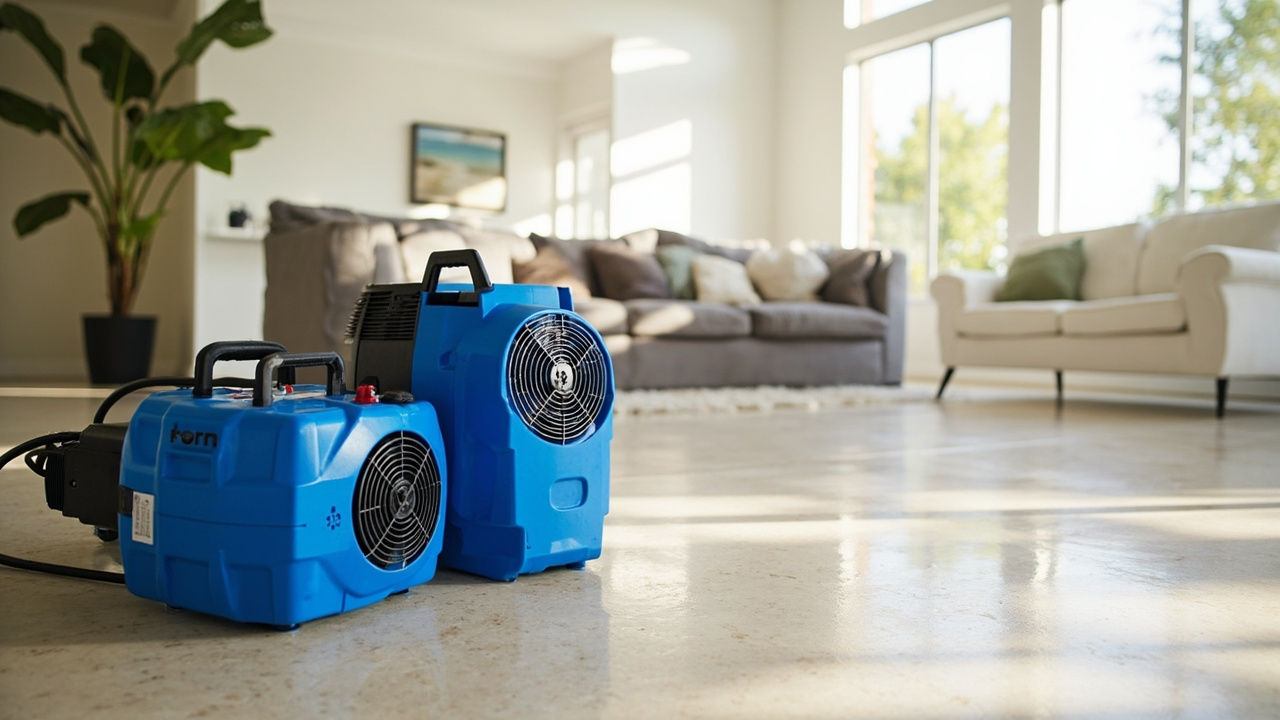
Emergency Burst Pipe Repair in Kenner Louisiana A burst pipe in your Kenner home creates an immediate crisis that requires more than just a mop and a bucket. When a main line fails near the…
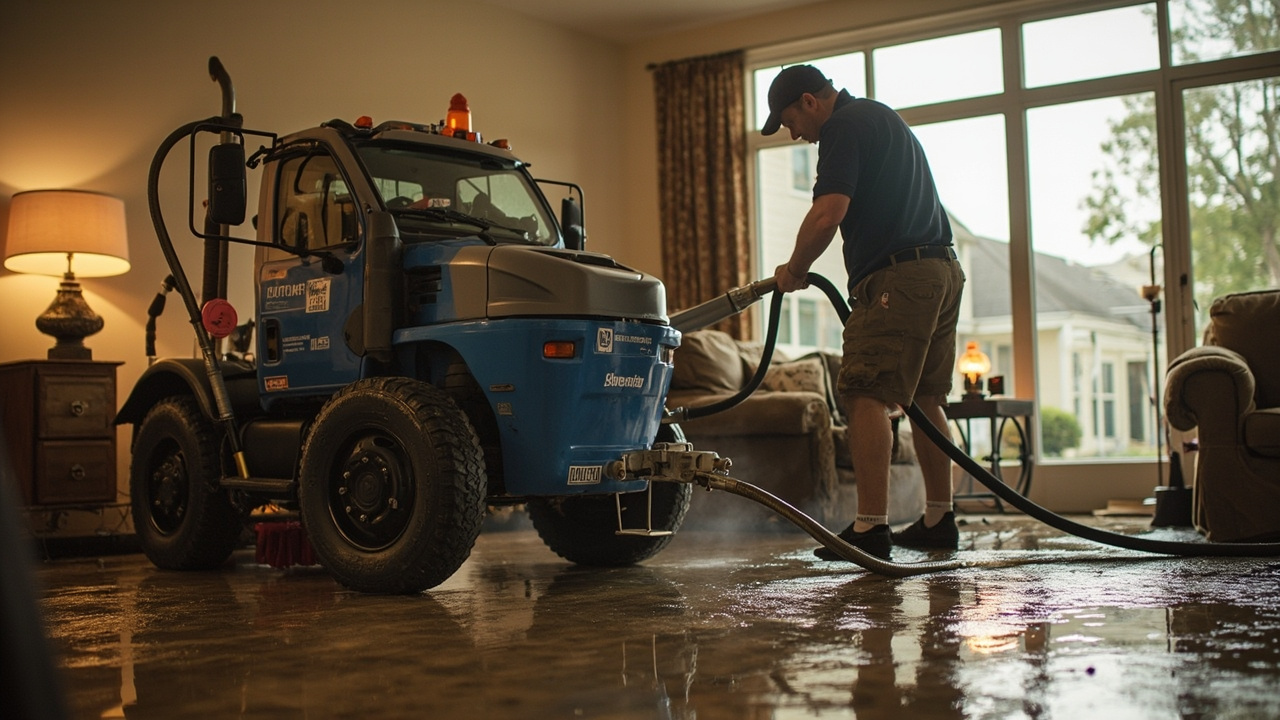
Standing water in your Gretna home requires an immediate response to prevent permanent structural issues…
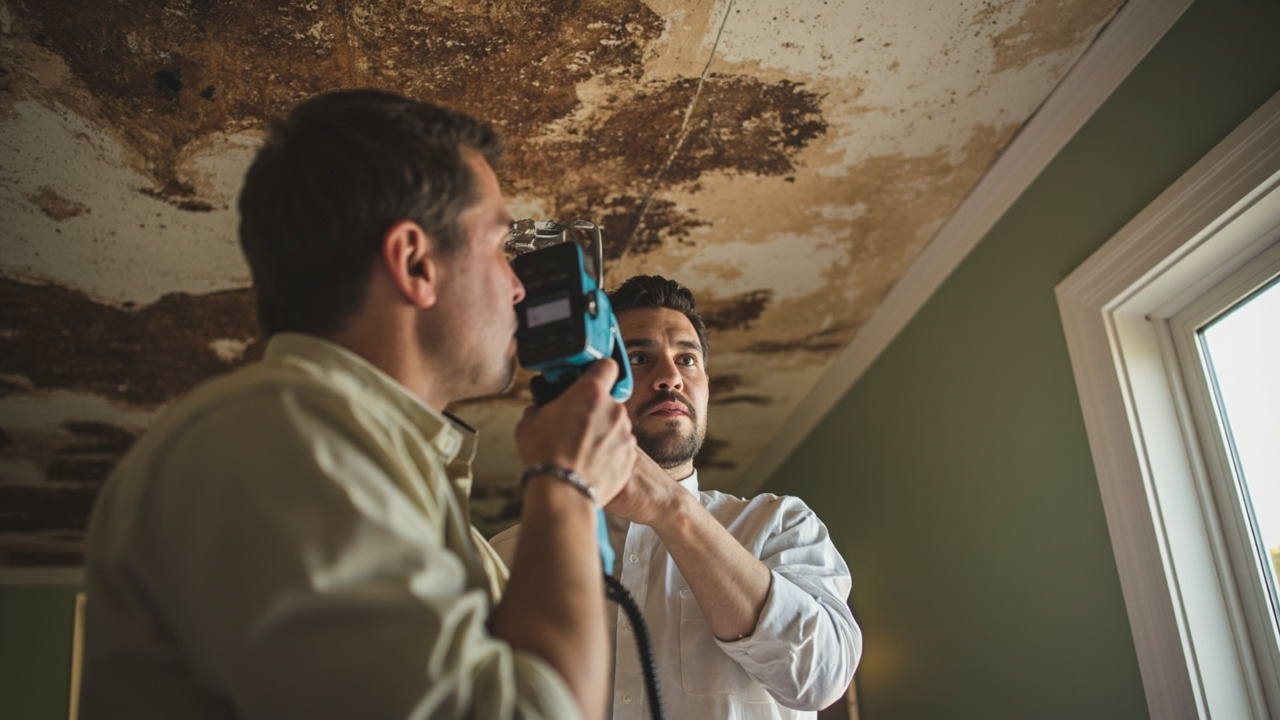
Dealing with Ceiling Water Damage Repair in Mid-City New OrleansA damp spot on your ceiling…
Living in a historic home in the Esplanade Ridge neighborhood offers a unique charm that…
Water damage is happening right now. Every minute of delay allows water to spread deeper into your walls, floors, and belongings. Call (504) 355-2332 immediately for emergency response. Our teams are standing by 24 hours a day to stop the damage and begin restoration.