


Westwego sits in one of Louisiana's most vulnerable flood zones, where the Mississippi River, Lake Cataouache, and the Intracoastal Waterway create a convergence of water risks. Properties near the Westbank Expressway and neighborhoods like Salaville and Marrero frequently deal with storm surge from hurricanes, heavy rainfall overwhelming aging drainage systems, and groundwater seepage through foundation slabs built on river delta soil.
The area's high water table means basements and crawl spaces stay perpetually damp. When tropical systems move through Jefferson Parish, water rises fast in low-lying areas near the Harvey Canal and Company Canal. Even minor storms can overwhelm pump stations, sending water into homes along Fourth Street and Avenue A.
Add in Westwego's aging housing stock with original cast iron plumbing, window unit air conditioners that drip condensation into walls, and roofs damaged by salt air corrosion, and you have constant water intrusion points. The subtropical climate keeps humidity above 70 percent year-round, which means wet building materials begin growing mold within 24 to 48 hours if not properly dried. Properties near the Alario Center and along Sala Avenue face additional risks from tidal flooding during king tides and storm events that push water inland from Bayou Segnette.
Grand Water Damage Restoration New Orleans operates from our Westbank facility with emergency response teams stationed to reach Westwego properties in under an hour. We've extracted water from hundreds of Jefferson Parish homes after hurricanes, burst pipes, and sewage backups, and we understand how water moves through the specific construction types common to Westwego neighborhoods.
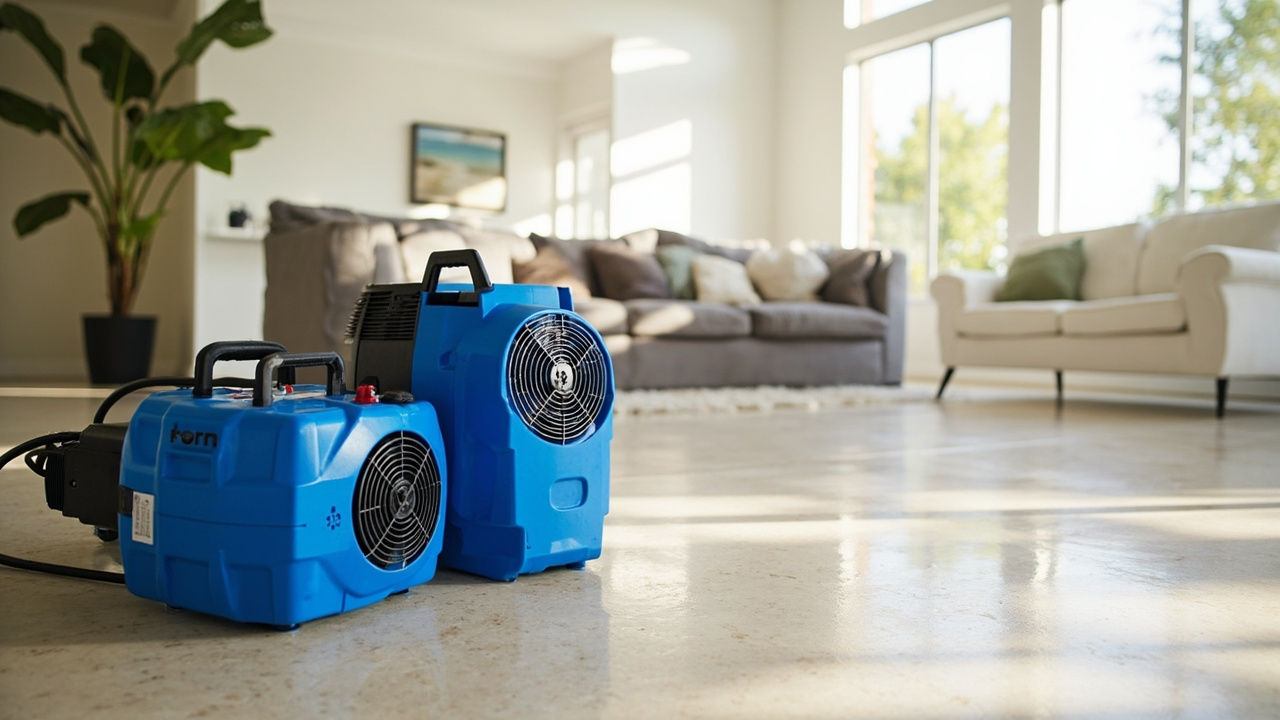
Our technicians hold IICRC Water Damage Restoration certifications and train on the commercial-grade extraction equipment, air movers, and dehumidifiers required to dry properties in Louisiana's humid climate. We use moisture meters and thermal cameras to find water trapped inside wall cavities, under vinyl flooring, and in ceiling assemblies where visual inspection misses hidden damage.
We work directly with every major insurance carrier serving Jefferson Parish. Our project managers document damage with digital photos, moisture readings, and detailed scope reports that insurers accept without argument. We submit estimates directly to adjusters, handle supplement negotiations, and coordinate with your mortgage company when claim checks require endorsement. You never chase paperwork or fight with insurance companies while your property sits wet.
Our crews respond immediately to stop ongoing damage. We extract standing water, remove wet materials that can't be saved, set up drying equipment, and begin antimicrobial treatment to prevent mold growth. We monitor moisture levels daily until your property reaches dry standards, then rebuild damaged areas using licensed contractors who match original finishes. From the first emergency call to final walkthrough, one project manager coordinates your entire restoration so nothing falls through the cracks.

Our dispatch center sends crews to Westwego properties within one hour of your call, 24 hours a day. We arrive with truck-mounted extraction equipment, industrial air movers, and commercial dehumidifiers to begin water removal immediately. Fast response prevents secondary damage that multiplies repair costs and gives you the best chance of saving building materials, flooring, and contents before they require replacement.

We document every aspect of water damage with photos, moisture readings, and detailed reports that insurance adjusters require. Our estimators use Xactimate software to create line-item scopes that match insurer formats exactly. We submit claims directly to your carrier, handle all supplement negotiations, and collect payment so you never write a check out of pocket for covered damages. We know what Jefferson Parish insurers approve.
Every crew member holds current Institute of Inspection Cleaning and Restoration Certification for water damage restoration. Our technicians train on psychrometry, structural drying science, and antimicrobial application protocols. We follow industry drying standards that prevent mold growth and structural damage, not shortcuts that leave moisture behind. You get certified professionals who understand building science, not untrained labor with shop vacs.
We've restored water damage in every Westwego neighborhood from Salaville to the industrial corridor near the Mississippi River. Our crews know which properties have slab foundations versus pier and beam, where storm drainage fails first, and how water moves through the specific housing types common to Jefferson Parish. Local knowledge means faster damage assessment and restoration plans that work for Westwego construction methods and flood patterns.
Grand Water Damage Restoration New Orleans handles every category of water damage that affects Westwego homes and businesses. We respond to clean water supply line breaks, contaminated washing machine overflows, and category three sewage backups with appropriate extraction methods, antimicrobial treatments, and containment protocols for each contamination level.
Our service range covers immediate emergency water removal, structural drying, contents restoration, mold remediation, and complete rebuild services. We deploy different equipment and protocols depending on water source, contamination level, and affected building materials. A burst supply line requires different treatment than a sewage backup or storm flooding that sat for days.
We operate as a single-source restoration contractor, which means one company handles your entire project from emergency water extraction through final reconstruction. You work with one project manager, one insurance estimate, and one warranty covering all work. We coordinate plumbers for broken pipes, electricians for wet panels, HVAC contractors for flooded systems, and finish carpenters for trim replacement. Water damage remediation, water damage cleanup, and water damage mitigation happen under one roof with unified oversight.
Our emergency response teams extract standing water from flooded properties using truck-mounted pumps that remove thousands of gallons per hour. We respond immediately to burst pipes, water heater failures, washing machine supply line breaks, storm flooding, and sewage backups with appropriate extraction equipment and containment methods. Crews remove wet contents, pull saturated carpeting and padding, and extract water from hardwood floors before cupping and warping become permanent. Fast water removal stops ongoing damage and begins the drying process before mold takes hold.
We dry your property using industrial air movers, commercial dehumidifiers, and heat drying systems positioned based on psychrometric calculations and moisture meter readings. Our technicians monitor moisture levels daily in framing, subfloors, drywall, and insulation until readings reach dry standards. We use thermal imaging to locate hidden moisture in wall cavities and ceiling assemblies. Proper structural drying prevents mold growth, wood rot, and secondary damage that occurs when moisture stays trapped in building materials after visible water disappears.
After drying your property, our licensed contractors rebuild damaged areas to match original conditions. We install new drywall, replace trim and baseboards, refinish hardwood floors, retexture ceilings, and repaint affected rooms. Our carpenters reconstruct custom built-ins, cabinets damaged by standing water, and architectural details. We coordinate plumbers, electricians, and HVAC contractors to repair systems damaged by flooding. You get complete water damage repair from one contractor with unified warranty coverage on all reconstruction work.
Jefferson Parish's location at the intersection of multiple waterways creates unique flooding risks that Westwego residents deal with year-round. Properties near the Mississippi River levee system face storm surge and rainfall that overwhelms drainage infrastructure designed decades ago for lower water volumes. Neighborhoods in the Company Canal basin flood when pump stations fail or lose power during storms.
The area's high water table means groundwater constantly pushes against foundation slabs and basement walls. When soil becomes saturated during heavy rain events, hydrostatic pressure forces water through foundation cracks, control joints, and the gap where slabs meet perimeter walls. Older homes built before modern waterproofing codes lack exterior foundation drainage and interior sump pumps to manage groundwater intrusion.
Westwego's aging housing stock contains original plumbing, roofing, and building envelope components that fail without warning. Cast iron drain lines corrode from the inside and crack under slabs. Galvanized supply pipes develop pinhole leaks inside walls. Water heaters installed in attics drip condensation into insulation or fail catastrophically, sending 40 to 80 gallons through ceiling assemblies. Window air conditioners without proper drainage dump condensation into wall cavities where it soaks insulation and drywall.
Tropical systems bring storm surge, heavy rainfall, and overwhelmed drainage that floods properties across Westwego. Water enters through doors, windows, and foundation penetrations, saturating everything it contacts. Category three floodwater contains sewage, chemicals, and bacteria requiring specialized cleanup protocols. Properties sit wet for days when power outages prevent pump stations from draining neighborhoods, accelerating mold growth and structural damage that multiplies repair costs.
Supply lines crack from age and water pressure, sending gallons per minute into living spaces. Washing machine hoses burst when rubber degrades, flooding laundry rooms and adjacent areas. Water heaters fail without warning, releasing their entire tank capacity through ceiling assemblies or across floors. Drain lines clog and overflow, backing sewage into homes. These failures happen suddenly and cause extensive damage within minutes if water supply isn't shut off immediately.
Water trapped inside wall cavities, under flooring, and in ceiling assemblies stays hidden while growing mold that spreads through HVAC systems. Air conditioner condensation drips into walls where vinyl siding traps moisture against sheathing. Roof leaks soak insulation and drywall behind finished surfaces. Groundwater seepage through slab cracks wets carpeting and padding. Without moisture meters and thermal imaging, property owners miss water damage until mold appears or floors buckle.
Insurance carriers deny claims for gradual damage, require immediate mitigation to prevent mold exclusions, and dispute repair scopes without proper documentation. Adjusters lowball estimates using depreciated values or miss hidden damage during initial inspections. Policy language confuses property owners about coverage for water backup, flood, and seepage. Claim payments get delayed when documentation doesn't match insurer requirements, leaving properties wet while disputes drag out and secondary damage worsens.
From your first emergency call through final walkthrough, Grand Water Damage Restoration New Orleans assigns one project manager who coordinates your entire restoration. You get a single point of contact who answers questions, provides updates, and ensures every phase happens on schedule.
We begin with immediate response to stop ongoing damage. Our dispatch center sends the closest crew to your Westwego property with equipment loaded and ready to extract water the moment they arrive. No waiting for equipment rental or supply runs while water spreads and soaks building materials.
Throughout your project, we communicate proactively with daily updates during emergency drying, photos showing progress, and advance notice before crew arrivals. Our project managers coordinate insurance adjusters, mortgage companies requiring inspection, and municipal inspectors for permits. We handle all third-party communication so you focus on your family and business instead of managing contractors. You receive written timelines, detailed scopes explaining each phase, and transparent pricing with no surprise charges for standard water damage restoration procedures.
When you call our emergency line, a live dispatcher answers immediately and sends the closest crew to your property. Technicians arrive within 60 minutes with extraction equipment, moisture detection tools, and containment supplies. We assess damage severity, identify water sources, shut off supply lines if needed, and begin water removal while explaining our findings and recommended action plan. You receive a written scope and timeline before crews start work, so you know exactly what happens next and how long restoration takes.
Our estimators document damage with photos, moisture readings, and detailed notes that insurance adjusters require. We create line-item scopes in Xactimate software that match your carrier's format exactly. Your project manager submits estimates directly to your insurer, schedules adjuster inspections, handles all supplement negotiations for hidden damage, and coordinates mortgage company endorsements when required. We collect payment directly from your carrier for covered work, so you never write checks for approved damages. You get copies of all documentation submitted to your insurance company.
After drying your property to industry moisture standards, our licensed contractors rebuild damaged areas using quality materials that match original finishes. We coordinate all trades including plumbers, electricians, and HVAC contractors under one project umbrella. Your project manager schedules inspections, pulls permits, and conducts final walkthroughs to verify work meets your approval. We provide written warranties covering all restoration work, guaranteeing materials and labor. If problems develop after project completion, one phone call brings our service team back to make things right.
Grand Water Damage Restoration New Orleans follows a systematic approach that stops damage immediately, dries your property using scientific methods, and restores everything to pre-loss condition. Our three-phase process ensures nothing gets missed and every step builds toward complete restoration.
Our crews arrive with truck-mounted extraction equipment and industrial pumps that remove standing water within hours. We extract water from flooring, pull saturated carpeting and padding, remove wet contents to climate-controlled storage, and extract moisture from hardwood floors before permanent damage occurs. Technicians photograph damage, document moisture readings, and identify the water source. We shut off supply lines, contain affected areas to prevent contamination spread, and apply antimicrobial treatments to surfaces contacted by category two or three water.
After extracting standing water, we position commercial air movers and dehumidifiers based on psychrometric calculations that account for temperature, humidity, and material moisture content. Our technicians monitor moisture levels daily using meters that measure wood framing, drywall, subfloors, and insulation. We adjust equipment positioning and add heat drying systems when needed to reach dry standards faster. Drying continues until moisture readings match unaffected areas of your property. We document daily readings and provide copies to your insurance adjuster.
Once your property reaches dry standards, our licensed contractors rebuild damaged areas. We install drywall, replace trim and baseboards, refinish or replace flooring, retexture and paint walls and ceilings, and reconstruct built-ins or cabinets damaged by water. Our carpenters match existing finishes and architectural details. We coordinate licensed plumbers to repair broken pipes, electricians to replace wet panels, and HVAC contractors to service flooded systems. Final walkthrough ensures every detail meets your approval before we close your project.
Grand Water Damage Restoration New Orleans follows Institute of Inspection Cleaning and Restoration Certification standards that define proper water damage restoration procedures. IICRC S500 Water Damage Guide establishes protocols for water classification, contamination categories, drying methods, and antimicrobial application that prevent mold growth and secondary damage.
We classify water damage by contamination level. Category one involves clean water from broken supply lines that poses no health risk if extracted quickly. Category two contains contaminants from washing machine overflows, dishwasher leaks, or toilet overflow without feces. Category three includes sewage backups, storm flooding, and any water that sat stagnant for over 48 hours. Each category requires different extraction methods, protective equipment, and disposal procedures.
Our drying protocols use psychrometry to calculate grain depression and vapor pressure differences that drive moisture from saturated materials into air. We position air movers to create airflow across wet surfaces at 400 feet per minute or greater. Dehumidifiers remove moisture from air using refrigerant or desiccant technology rated for cubic footage and ambient conditions. We target specific equilibrium moisture content levels based on material type, knowing wood framing dries to 15 percent or lower, drywall to 12 percent or lower, and concrete to seven percent or lower.
Louisiana's humid subtropical climate requires modified drying protocols because outdoor air contains too much moisture for effective ventilation drying. We use closed drying systems with commercial dehumidifiers that lower grain weight without introducing exterior humidity. Our technicians adjust equipment daily based on moisture readings and temperature changes, adding heat drying when needed to accelerate evaporation in stubborn wet areas.
Jefferson Parish requires permits for reconstruction work exceeding $500 in value. Our contractors pull permits for major rebuild projects, coordinate inspections, and ensure all work meets current building codes even when restoring older properties built to previous standards. We document permit compliance for insurance carriers who require verification that restoration work was performed legally.
Every Grand Water Damage Restoration New Orleans technician completes IICRC Water Damage Restoration certification covering psychrometry, structural drying science, microbial remediation, and contaminated water handling. We follow S500 protocols that define proper procedures for each water category and affected material type. Industry certification ensures crews understand building science and drying principles, not just equipment operation. Insurance carriers require IICRC certification to approve water damage mitigation invoices.
Water damage restoration costs depend on contamination category, affected square footage, materials requiring replacement, and drying duration. Category three sewage cleanup costs more than clean water extraction because of antimicrobial requirements and contaminated material disposal. Hardwood floor drying costs less than replacement. Properties with extensive hidden moisture require more equipment and monitoring days. Most insurance policies cover sudden water damage minus your deductible, but coverage varies by policy and water source.
Structural drying typically takes three to seven days depending on materials affected, humidity levels, and water volume. Hardwood floors require longer drying to prevent cupping. Properties with wet insulation inside walls need additional time. We monitor moisture daily and continue drying until readings reach industry standards. Rushing drying causes mold growth and material failure. Louisiana's humidity extends drying duration compared to arid climates. Insurance companies understand climate affects timelines and approve extended drying when documented properly.
Grand Water Damage Restoration New Orleans holds Louisiana State Contractor License for water damage restoration and reconstruction work. Our technicians carry Jefferson Parish business licenses. We pull building permits for reconstruction exceeding $500 value and coordinate inspections with parish building officials. Permits protect property owners by ensuring work meets current codes and passes inspection. Insurance carriers require permit documentation for claim payment on major reconstruction projects.
This video explains water damage restoration services in Westwego, Louisiana, covering emergency water extraction, structural drying protocols, and insurance claim coordination. Grand Water Damage Restoration New Orleans discusses why Westwego properties face flooding from storm surge, high water tables, and aging infrastructure. Viewers learn about IICRC water damage remediation standards, moisture monitoring procedures, and reconstruction timelines. The video addresses common water damage issues affecting Jefferson Parish properties and proper water mitigation techniques for Louisiana's humid climate.
Grand Water Damage Restoration New Orleans responds to water damage emergencies throughout Westwego and surrounding Jefferson Parish communities from our Westbank facility. We serve properties in Salaville, the historic neighborhood near Bridge City where older homes built along the Mississippi River face storm surge and aging plumbing failures. Our crews respond quickly to flooding near the Westbank Expressway where drainage overwhelms during heavy rainfall and properties in low-lying areas near Company Canal experience regular water intrusion.
We handle water damage restoration in neighborhoods along Avenue A and Fourth Street where mixed residential and commercial properties deal with burst pipes, roof leaks, and storm flooding. Properties near the Alario Center and along Sala Avenue receive the same rapid response as homes in newer developments near the Harvey Canal. Our technicians know the construction types common across Westwego, from pier and beam homes elevated against flooding to slab-on-grade properties with different moisture management challenges.
The industrial corridor near the Mississippi River contains commercial properties and warehouses that require large-scale water extraction and drying after sprinkler activations, roof failures, and flood events. We deploy truck-mounted extraction equipment and position dozens of air movers and dehumidifiers to dry these larger spaces efficiently.
We also serve adjacent communities including Harvey, Marrero, and Avondale where water damage challenges mirror those in Westwego. Properties throughout Jefferson Parish's Westbank face the same hurricane risks, high water tables, and aging infrastructure that cause water intrusion. Our response times stay under 60 minutes across the entire service area because we position crews strategically and maintain equipment inventory that handles multiple simultaneous dispatch calls.
Whether your property sits near Bayou Segnette, along the Intracoastal Waterway, or in neighborhoods farther from major waterways, Grand Water Damage Restoration New Orleans understands the specific flooding patterns, drainage issues, and construction methods that affect water damage severity and restoration requirements throughout greater Westwego and Jefferson Parish.
Most water damage restoration companies in Westwego offer 24/7 emergency response. You get a technician at your property within 1-2 hours of your call. Response time matters because water spreads fast and causes more damage each hour. Companies understand that flooding and leaks do not wait for business hours. When you call, expect immediate dispatch of a crew with extraction equipment and moisture meters. Quick response reduces structural damage and prevents mold growth. Local companies maintain on-call teams for nights, weekends, and holidays.
Water damage restoration expenses vary based on the extent of damage, affected area size, and required services. A small leak affecting one room differs from whole-home flooding. Factors include water extraction needs, drying equipment time, affected materials, and mold remediation requirements. The water source matters too. Clean water from a supply line differs from contaminated water from sewage. Companies provide free inspections and detailed estimates before starting work. Your insurance coverage affects your out-of-pocket expense. Get multiple quotes to compare services and pricing structures.
Most homeowners insurance policies cover sudden and accidental water damage in Westwego. Your policy typically covers burst pipes, appliance malfunctions, and storm-related water intrusion. Insurance usually excludes flood damage, requiring separate flood insurance. Gradual damage from neglected maintenance or slow leaks often gets denied. Review your policy to understand coverage limits and deductibles. Document all damage with photos before cleanup starts. Your insurance adjuster evaluates the claim and determines covered services. Filing promptly increases approval chances. Keep all receipts and restoration company invoices for reimbursement.
Most water damage restoration companies in Westwego offer 24/7 emergency response. You get a technician at your property within 1-2 hours of your call. Response time matters because water spreads fast and causes more damage each hour. Companies understand that flooding and leaks do not wait for business hours. When you call, expect immediate dispatch of a crew with extraction equipment and moisture meters. Quick response reduces structural damage and prevents mold growth. Local companies maintain on-call teams for nights, weekends, and holidays.
Water damage restoration expenses vary based on the extent of damage, affected area size, and required services. A small leak affecting one room differs from whole-home flooding. Factors include water extraction needs, drying equipment time, affected materials, and mold remediation requirements. The water source matters too. Clean water from a supply line differs from contaminated water from sewage. Companies provide free inspections and detailed estimates before starting work. Your insurance coverage affects your out-of-pocket expense. Get multiple quotes to compare services and pricing structures.
Most homeowners insurance policies cover sudden and accidental water damage in Westwego. Your policy typically covers burst pipes, appliance malfunctions, and storm-related water intrusion. Insurance usually excludes flood damage, requiring separate flood insurance. Gradual damage from neglected maintenance or slow leaks often gets denied. Review your policy to understand coverage limits and deductibles. Document all damage with photos before cleanup starts. Your insurance adjuster evaluates the claim and determines covered services. Filing promptly increases approval chances. Keep all receipts and restoration company invoices for reimbursement.
Water damage restoration in Westwego homes takes 3-7 days for minor incidents and 2-4 weeks for extensive flooding. The timeline depends on water volume, affected materials, and structural damage. Extraction happens within hours. Drying and dehumidification take 3-5 days for most spaces. Westwego's humidity extends drying time compared to drier climates. Repairs and reconstruction add weeks to the process. Mold remediation adds extra time if growth occurs. Your restoration company monitors moisture levels daily to ensure complete drying. Rushing the process leads to future mold and structural problems.
Watch for musty odors that indicate mold growth behind walls or under floors. Discoloration or staining on ceilings and walls signals water intrusion from above. Warped or buckling floors mean moisture underneath. Peeling paint or bubbling wallpaper shows water trapped behind surfaces. Feel for soft spots in drywall or ceiling tiles. Listen for dripping sounds within walls. Check for unexplained increases in your water bill. Look for rust on pipes or water heater connections. Condensation on windows year-round suggests excess moisture. Professional moisture meters detect hidden water your senses miss.
You stay home during minor water damage restoration affecting one or two rooms. Move to another area while technicians work. Extensive damage requiring whole-home drying equipment makes staying uncomfortable. Loud dehumidifiers and air movers run 24/7 for days. Sewage contamination or category 3 water requires evacuation for health reasons. Mold growth beyond 10 square feet means temporary relocation. Your restoration company advises based on safety and health factors. Ask about the work schedule and affected areas. Some families stay with relatives during major restoration projects.
Delaying water damage repair in your Westwego home leads to serious problems. Mold starts growing within 24-48 hours in the humid climate. Structural wood absorbs water and weakens, creating safety hazards. Drywall becomes unsalvageable after prolonged exposure. Flooring warps and requires complete replacement instead of drying. Electrical systems corrode and create fire risks. Standing water attracts pests and creates health hazards. Your insurance claim faces denial for failing to mitigate damage promptly. Restoration expenses increase exponentially with each passing day. Address water damage immediately to protect your home and investment.
Professional water damage restoration companies in Westwego work directly with insurance adjusters. They document damage with photos, moisture readings, and detailed reports. Companies provide itemized estimates that match insurance claim requirements. They communicate findings to your adjuster and answer technical questions. This collaboration streamlines your claim process and speeds up approval. Restoration teams understand insurance terminology and coverage standards. They advocate for necessary services to restore your home properly. Some companies handle claim paperwork on your behalf. This partnership reduces your stress during the restoration process.
Restoration companies combat Westwego's humidity with industrial dehumidifiers and high-velocity air movers. They create controlled drying environments despite outdoor moisture. Technicians seal off affected areas and condition the air inside. Commercial-grade equipment removes moisture faster than residential units. They monitor indoor humidity levels and adjust equipment placement daily. Thermal imaging cameras locate hidden moisture pockets. Companies use desiccant dehumidifiers for severe flooding. Air scrubbers filter particles and improve air quality during drying. The process continues until moisture meters show acceptable readings in all materials.
Heavy rainfall and poor drainage cause most water damage in Westwego homes. The area's low elevation and proximity to waterways increase flooding risk. Aging plumbing systems in older homes fail and leak. Air conditioning units overflow from clogged condensate lines in the humid climate. Roof leaks develop from wind-driven rain and hurricane damage. Sewer backups occur during heavy storms when municipal systems overflow. Water heaters fail after years of use. Washing machine hoses burst without warning. Foundation cracks allow groundwater seepage. Regular maintenance and inspections prevent many of these common water damage sources.
Water damage restoration in Westwego homes takes 3-7 days for minor incidents and 2-4 weeks for extensive flooding. The timeline depends on water volume, affected materials, and structural damage. Extraction happens within hours. Drying and dehumidification take 3-5 days for most spaces. Westwego's humidity extends drying time compared to drier climates. Repairs and reconstruction add weeks to the process. Mold remediation adds extra time if growth occurs. Your restoration company monitors moisture levels daily to ensure complete drying. Rushing the process leads to future mold and structural problems.
Watch for musty odors that indicate mold growth behind walls or under floors. Discoloration or staining on ceilings and walls signals water intrusion from above. Warped or buckling floors mean moisture underneath. Peeling paint or bubbling wallpaper shows water trapped behind surfaces. Feel for soft spots in drywall or ceiling tiles. Listen for dripping sounds within walls. Check for unexplained increases in your water bill. Look for rust on pipes or water heater connections. Condensation on windows year-round suggests excess moisture. Professional moisture meters detect hidden water your senses miss.
You stay home during minor water damage restoration affecting one or two rooms. Move to another area while technicians work. Extensive damage requiring whole-home drying equipment makes staying uncomfortable. Loud dehumidifiers and air movers run 24/7 for days. Sewage contamination or category 3 water requires evacuation for health reasons. Mold growth beyond 10 square feet means temporary relocation. Your restoration company advises based on safety and health factors. Ask about the work schedule and affected areas. Some families stay with relatives during major restoration projects.
Delaying water damage repair in your Westwego home leads to serious problems. Mold starts growing within 24-48 hours in the humid climate. Structural wood absorbs water and weakens, creating safety hazards. Drywall becomes unsalvageable after prolonged exposure. Flooring warps and requires complete replacement instead of drying. Electrical systems corrode and create fire risks. Standing water attracts pests and creates health hazards. Your insurance claim faces denial for failing to mitigate damage promptly. Restoration expenses increase exponentially with each passing day. Address water damage immediately to protect your home and investment.
Professional water damage restoration companies in Westwego work directly with insurance adjusters. They document damage with photos, moisture readings, and detailed reports. Companies provide itemized estimates that match insurance claim requirements. They communicate findings to your adjuster and answer technical questions. This collaboration streamlines your claim process and speeds up approval. Restoration teams understand insurance terminology and coverage standards. They advocate for necessary services to restore your home properly. Some companies handle claim paperwork on your behalf. This partnership reduces your stress during the restoration process.
Restoration companies combat Westwego's humidity with industrial dehumidifiers and high-velocity air movers. They create controlled drying environments despite outdoor moisture. Technicians seal off affected areas and condition the air inside. Commercial-grade equipment removes moisture faster than residential units. They monitor indoor humidity levels and adjust equipment placement daily. Thermal imaging cameras locate hidden moisture pockets. Companies use desiccant dehumidifiers for severe flooding. Air scrubbers filter particles and improve air quality during drying. The process continues until moisture meters show acceptable readings in all materials.
Heavy rainfall and poor drainage cause most water damage in Westwego homes. The area's low elevation and proximity to waterways increase flooding risk. Aging plumbing systems in older homes fail and leak. Air conditioning units overflow from clogged condensate lines in the humid climate. Roof leaks develop from wind-driven rain and hurricane damage. Sewer backups occur during heavy storms when municipal systems overflow. Water heaters fail after years of use. Washing machine hoses burst without warning. Foundation cracks allow groundwater seepage. Regular maintenance and inspections prevent many of these common water damage sources.
While Grand serves the wider region with our expert water damage restoration services, we invite you to view our central operational location on the map. This helps you visualize our base of operations and understand our commitment to providing swift, efficient service across our service areas. Our team is strategically positioned to ensure rapid deployment when you need us most, so don't hesitate to contact us regardless of your specific location within our service radius.
Address:
Westwego, LA, 70094
Emergency Burst Pipe Repair in Kenner Louisiana A burst pipe in your Kenner home creates an immediate crisis that requires more than just a mop and a bucket. When a main line fails near the…
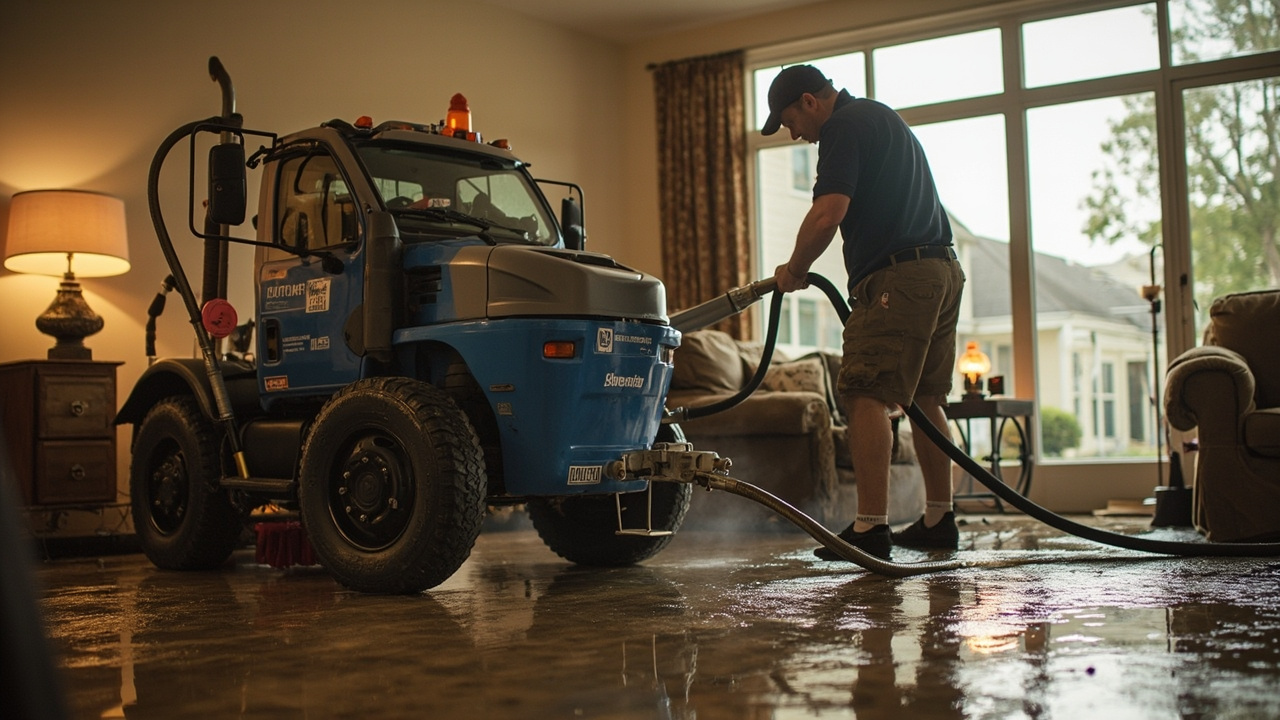
Standing water in your Gretna home requires an immediate response to prevent permanent structural issues…
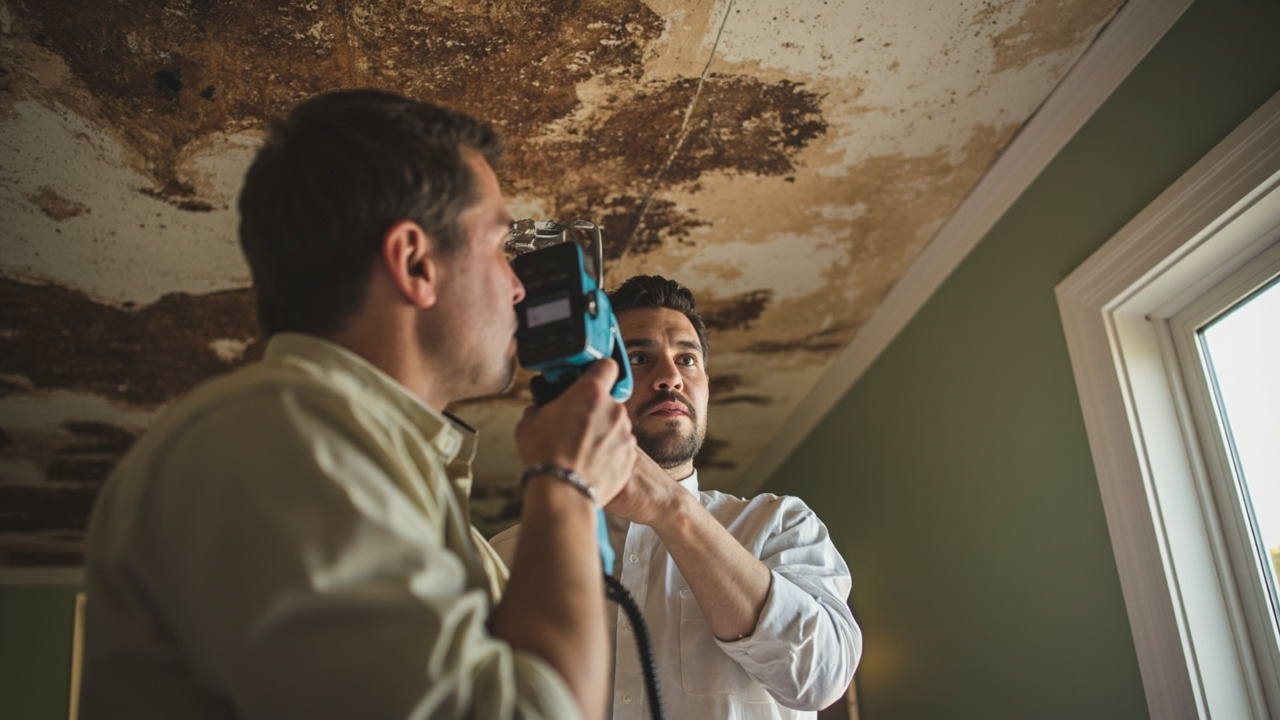
Dealing with Ceiling Water Damage Repair in Mid-City New OrleansA damp spot on your ceiling…
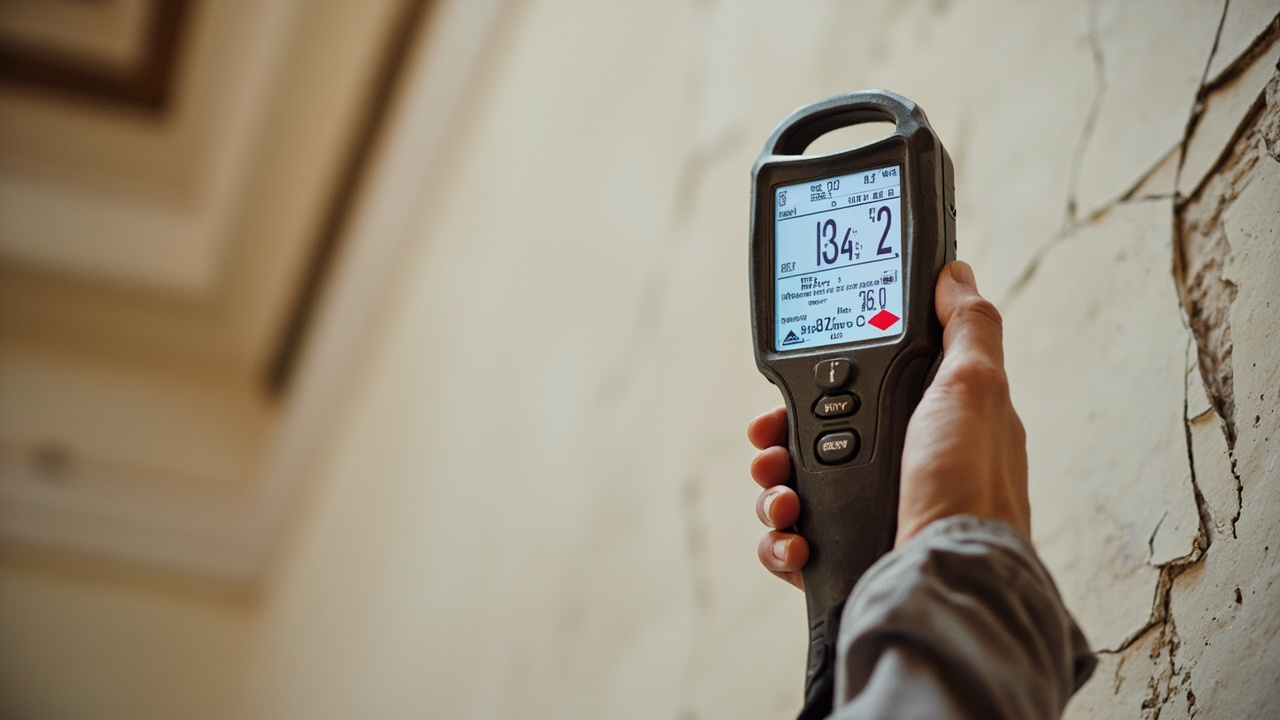
Living in a historic home in the Esplanade Ridge neighborhood offers a unique charm that…
Every minute water sits in your Westwego property increases damage and repair costs. Our crews respond 24/7 with equipment ready to extract water and begin drying immediately. Call Grand Water Damage Restoration New Orleans at (504) 355-2332 right now for emergency water damage restoration. We dispatch teams within 60 minutes and work directly with your insurance carrier.