



Gretna sits on the west bank of the Mississippi River, where proximity to waterways and elevation challenges create constant threats. Properties near the Harvey Canal, Gretna Boulevard, and along the levee system face flood risks during heavy storms. The city's mix of historic homes in neighborhoods like McDonoghville and newer construction near Terrytown means different building materials respond differently to water intrusion.
Louisiana's relentless humidity keeps moisture levels high year-round. When water damage happens, mold spores activate within 24 to 48 hours. Older homes built on pier and beam foundations common in Gretna trap moisture underneath, creating hidden damage zones. Properties near the industrial corridor along the Mississippi deal with groundwater seepage.
Jefferson Parish building codes require specific moisture barriers and drainage systems, but older Gretna homes predate these standards. Summer afternoon thunderstorms dump inches of rain in minutes, overwhelming gutters and downspouts. Winter freezes, rare but devastating, burst pipes in homes not built for cold snaps. The clay soil prevalent throughout Gretna expands when wet, shifting foundations and cracking slab floors. Water finds every weakness.
We built our reputation responding to Gretna's toughest water emergencies. Our crews train specifically on the building types common to Jefferson Parish, from shotgun doubles in old Gretna to raised ranch homes in newer subdivisions. We keep extraction equipment, industrial dehumidifiers, and air movers staged on the west bank for immediate deployment.
Insurance companies recognize our documentation standards. We photograph every stage of damage, measure moisture levels in walls and subflooring, and provide detailed estimates that match adjuster requirements. This speeds your claim and gets restoration started faster. Many Gretna homeowners discover their coverage includes more than they thought when we help them navigate the policy language.
Our technicians hold IICRC certification in water damage restoration and applied structural drying. We follow Louisiana state guidelines for mold remediation and work within Jefferson Parish permit requirements for structural repairs. When we extract water from your property, we monitor humidity levels until readings confirm complete drying. Stopping visible water is not enough. We use thermal imaging to find trapped moisture behind walls and under flooring.
You get the same project manager from emergency call through final walkthrough. No handoffs, no confusion about who to contact. We answer our phones 24 hours a day because water damage does not wait for business hours. Our commitment to Gretna goes beyond emergency response. We help property owners understand prevention strategies and maintenance practices that reduce future risk.

Equipment and crews stationed in Gretna mean faster arrival times when you call. We reach most west bank properties within 45 minutes, often sooner. Speed determines how much of your property we can save from permanent damage.

We document damage using the same software and protocols adjusters expect. Our estimates match insurance company formats, reducing disputes and delays. We can bill your insurance directly after you pay the deductible, eliminating upfront costs.
Every crew member completing water extraction and structural drying holds current certification from the Institute of Inspection Cleaning and Restoration Certification. We follow industry standards for moisture measurement, equipment placement, and drying verification. Your property gets professional remediation.
We test moisture levels in affected materials daily until readings reach acceptable standards. You receive documentation showing the drying progression. We do not consider a job complete until thermal imaging confirms no trapped moisture remains.
Water damage remediation requires different approaches based on the water source, affected materials, and contamination level. A burst supply line needs different handling than sewage backup or flood water intrusion. We provide the full spectrum of water removal services, from emergency extraction through final reconstruction.
Our service structure addresses three critical phases. Immediate response stops ongoing damage and removes standing water. Structural drying eliminates moisture trapped in building materials to prevent mold growth and wood rot. Restoration repairs or rebuilds damaged components to return your property to pre-loss condition.
Gretna properties face damage from clean water sources like supply line breaks, gray water from appliance failures and drain backups, and black water from sewage systems or flood events. Each category requires specific safety protocols and disposal procedures. We handle all contamination levels and work within Louisiana Department of Health guidelines for proper remediation. Our crews understand which materials can be dried and saved versus what requires removal and replacement.
We deploy truck-mounted extractors and portable pumps to remove standing water from your property. Our crews identify the water source, stop the flow, and begin extraction immediately. We remove waterlogged contents, pull wet carpeting, and extract water from padding and subflooring. Industrial air movers and dehumidifiers start the drying process while we work. Speed during this phase determines how much flooring, drywall, and personal property we can save from permanent damage.
After extraction, moisture remains trapped in walls, subflooring, insulation, and structural framing. We use moisture meters and thermal imaging to map wet areas, then position dehumidifiers and air movers to create controlled airflow. We monitor humidity levels and material moisture content daily, adjusting equipment placement as readings change. This phase continues until all materials reach dry standards. Proper structural drying prevents mold growth, wood rot, and secondary damage that appears weeks after the initial event.
Once drying verification confirms all moisture is gone, we rebuild damaged areas. This includes replacing drywall, installing new flooring, repainting, and reinstalling trim. We coordinate with licensed electricians and plumbers when water damages electrical systems or plumbing fixtures. Our reconstruction follows Jefferson Parish building codes and matches existing finishes. You work with one company from emergency through completion, eliminating coordination headaches between water mitigation and repair contractors.
Gretna's location and climate create predictable failure points in residential and commercial properties. Understanding these common problems helps property owners recognize warning signs before minor issues become major disasters. We respond to the same situations repeatedly across the west bank.
Older neighborhoods near the Mississippi River and Harvey Canal face combined sewer systems that back up during heavy rain. Properties in low-lying areas near Gretna City Park experience street flooding that seeps into foundations. The transition from historic construction methods to modern building codes means homes of different ages fail in different ways. Air conditioning systems running constantly in Louisiana humidity produce condensate that overwhelms drain lines. Water heaters installed in attics, common in Gretna homes without basements, cause ceiling collapses when tanks rupture.
Copper and CPVC supply lines corrode or crack over time, especially in older Gretna homes. A pinhole leak behind a wall releases gallons of water before anyone notices. Washing machine hoses, dishwasher connections, and refrigerator ice maker lines fail suddenly, flooding kitchens and laundry rooms. These clean water events still cause major damage if not addressed immediately.
Summer thunderstorms dump overwhelming amounts of rain in short periods. Gutters overflow, downspouts clog, and water pours into attics or against foundations. Poor grading around homes directs water toward the structure instead of away. Roof penetrations around vents and chimneys leak during wind-driven rain. Properties near drainage canals flood when pump stations cannot keep pace with rainfall.
Main sewer line clogs or city system overflows force sewage back through floor drains and toilets. This black water contains dangerous contaminants requiring specialized cleanup protocols. Tree roots invade older clay sewer pipes common in historic Gretna neighborhoods. These backups demand immediate professional response because of health hazards and potential contamination of porous building materials.
Louisiana humidity keeps indoor moisture levels high even without active leaks. Slow drips behind walls or under sinks create mold colonies before visible damage appears. Musty odors, respiratory symptoms, and visible black spots signal established growth. Mold spreads quickly once started, requiring containment and removal following Louisiana Department of Health guidelines.
You need to know what happens from your first call through project completion. We answer phones 24 hours a day, every day. You speak directly to a dispatcher who collects critical information about your emergency. They need to know the water source if you can identify it, how much standing water you see, and what areas are affected.
Our dispatcher contacts the nearest available crew and provides your address and situation details. The crew calls you within minutes to confirm arrival time and answer immediate questions about shutting off water or electricity. They arrive with extraction equipment, moisture meters, and protective gear ready to start work immediately.
Your first contact with the crew includes a walkthrough to assess damage extent and identify safety hazards. They explain what needs to happen during emergency response and provide a timeline. You receive documentation at every phase, from initial moisture readings through daily monitoring reports to final drying verification. We communicate through your preferred method, whether phone calls, text updates, or email reports.
Your call activates our dispatch system. We send the closest crew, often arriving within 45 minutes in Gretna. The crew leader completes a thorough damage assessment, identifying all affected areas including hidden moisture. You receive a detailed explanation of the remediation plan before work starts. We photograph everything for your records and insurance documentation. If the situation requires shutting off utilities or securing the property, we handle it immediately.
We check equipment and take moisture readings every day during the drying process. You receive updates on progress and any changes to the timeline. The same project manager stays with your job from start to finish. They answer questions, coordinate with your insurance adjuster, and keep you informed about next steps. We adjust equipment placement as needed based on moisture meter readings and environmental conditions.
We do not consider water damage cleanup complete until testing confirms all materials have reached acceptable moisture levels. You receive a final report with before and after photos, moisture reading logs, and equipment placement records. This documentation supports your insurance claim and provides proof of proper remediation. We walk through the property with you, explaining what was done and answering any remaining questions.
We follow a proven three-phase approach refined through thousands of water damage jobs across Jefferson Parish. This structure ensures thorough remediation while minimizing disruption to your property.
We arrive with truck-mounted extractors and portable equipment ready to remove standing water. The crew identifies the water source and stops the flow if possible. They extract water from all affected areas, remove wet contents, and pull saturated materials like carpeting and padding. Industrial dehumidifiers and air movers start immediately to begin dropping humidity levels. We document initial moisture readings in walls, floors, and ceilings using calibrated meters.
Equipment runs continuously, creating controlled airflow and removing moisture from building materials. We monitor and record moisture levels daily, adjusting dehumidifier settings and air mover positions based on readings. Thermal imaging identifies hidden moisture pockets behind walls and under flooring. This phase continues until all affected materials reach dry standards established by the IICRC. Rushing this process leads to mold growth and structural damage.
Once drying verification confirms complete moisture removal, reconstruction begins. We replace damaged drywall, install new flooring, repaint, and reinstall trim work. Licensed subcontractors handle electrical and plumbing repairs when needed. All work follows Jefferson Parish building codes and permit requirements. You receive a fully restored property that matches pre-loss condition, backed by documentation for your insurance company.
Professional water damage restoration follows specific protocols established by the Institute of Inspection Cleaning and Restoration Certification. These standards ensure thorough remediation and prevent secondary damage from inadequate drying. Understanding these protocols helps property owners recognize quality work versus inadequate cleanup.
Water damage falls into three categories based on contamination level. Category 1 involves clean water from supply lines or rainwater that has not contacted contaminants. Category 2 includes gray water from washing machines, dishwashers, or toilet overflow without feces. Category 3 consists of black water from sewage backups, flooding from rivers or streams, and any water that has contacted soil or waste materials. Each category requires different safety equipment and disposal procedures.
Structural drying requires measuring moisture content in affected materials, not just removing visible water. Wood framing, drywall, and flooring all have specific moisture content standards that must be reached before restoration begins. Professional-grade moisture meters measure this content accurately. Relative humidity in the affected space must drop to acceptable levels, typically below 60 percent, to prevent mold spore activation.
Air movement and dehumidification work together to remove moisture. Air movers create circulation across wet surfaces, promoting evaporation. Dehumidifiers remove moisture from the air, preventing it from being reabsorbed by building materials. The size and placement of this equipment depends on the affected area's cubic footage, the amount of water present, and the materials involved. Too little equipment extends drying time. Too much equipment wastes energy without speeding the process.
Louisiana's climate complicates drying because outdoor humidity often exceeds 70 percent. We cannot simply open windows and doors like in drier climates. Professional dehumidification creates controlled conditions regardless of outdoor weather. Our equipment removes moisture efficiently even during humid summer months when outdoor air adds moisture rather than removing it.
The IICRC establishes moisture content goals for different building materials. Wood framing must reach below 15 percent moisture content. Drywall should measure below 1 percent on a reference scale. Concrete slabs require different measurement methods using penetrating probes. We test materials daily and document readings to verify compliance with these standards.
Water damage restoration costs depend on the affected area size, water category, materials damaged, and drying time required. Category 3 black water costs more to remediate because of disposal requirements and safety protocols. Hardwood floors cost more to dry than carpet. Insurance typically covers water damage from sudden events like burst pipes, but excludes flood damage requiring separate flood insurance.
Most water damage situations require three to seven days of drying time. Dense materials like hardwood floors or plaster walls take longer than drywall or carpet. High humidity outdoor conditions extend drying time. We cannot accelerate this process beyond equipment capacity without risking incomplete drying. Moisture meters determine completion, not calendar days.
Louisiana requires mold remediation companies to follow Department of Health guidelines when addressing contamination over certain square footage thresholds. This includes containment procedures, air filtration, and proper disposal of contaminated materials. Water damage jobs that involve existing mold or develop mold during drying require these additional protocols. We maintain proper certifications and follow state requirements.
Professional water damage restoration demonstration showing the complete remediation process for Gretna, Louisiana properties. Covers emergency water extraction, structural drying using industrial dehumidifiers and air movers, moisture measurement with professional meters, and final restoration of damaged building materials. Explains IICRC standards for water damage cleanup, category classifications for clean water versus contaminated water, and proper drying verification procedures that prevent mold growth in Louisiana's humid climate.
Grand Water Damage Restoration New Orleans maintains a strong presence throughout Gretna and the greater west bank area. We serve historic neighborhoods in Old Gretna near the Mississippi River, where 19th-century homes require careful handling during water damage cleanup. Properties along Gretna Boulevard and around Gretna City Park receive the same rapid response as homes in newer subdivisions near Terrytown and Belle Chasse.
Our crews know the west bank geography, from the Harvey Canal corridor to neighborhoods along Westbank Expressway. We respond quickly to properties near the Oakwood Center shopping area, residential streets around McDonoghville, and commercial buildings in the industrial zones along the river. Each area presents different challenges based on building age, construction type, and elevation.
Homes near the levee system face different water intrusion patterns than properties in central Gretna. Older neighborhoods with combined sewer systems experience backup problems during heavy rain that newer areas with separate storm drainage avoid. We understand these local factors and adjust our approach based on the specific location and property type.
Our service area extends throughout Jefferson Parish's west bank communities. Properties in Marrero, Harvey, and Westwego receive the same fast response times and professional service as Gretna addresses. We maintain equipment staging locations that allow quick deployment regardless of where you are on the west bank.
The proximity to New Orleans means we understand regional construction methods, common building materials, and typical property configurations throughout the metro area. Whether your property sits near the Huey P. Long Bridge approach or along 4th Street in the heart of Old Gretna, we know the building types and respond with appropriate equipment and expertise.
Commercial properties along Lafayette Street and industrial facilities near the port receive specialized attention for larger-scale water damage events. We scale our response to match the property size and business continuity needs. Small residential jobs and large commercial projects both get professional service following the same IICRC standards.
Water damage restoration costs in Gretna vary based on the source, category of water, and affected square footage. Minor leaks in a single room typically start around a few hundred dollars, while major flooding from storm surge or sewage backups can reach several thousand. Factors include water extraction, drying equipment runtime, antimicrobial treatment, and structural repairs. Category 3 water (sewage) costs more due to contamination hazards. Humidity levels in Gretna mean longer drying times, which impacts equipment rental costs. Most reputable contractors offer free inspections and work directly with your insurance adjuster to clarify out-of-pocket expenses before work begins.
Water remediation stops the damage. It includes emergency water extraction, moisture removal, and drying to prevent further harm. Restoration rebuilds what was damaged. This means replacing drywall, repairing subflooring, repainting, and returning your property to pre-loss condition. In Gretna homes, remediation might involve extracting floodwater from a burst pipe and running dehumidifiers for three days. Restoration follows with installing new baseboards and patching ceiling damage. Many companies handle both phases, but remediation always comes first. You cannot restore a wet structure. Think of remediation as triage and restoration as surgery. Both are needed for complete recovery after water intrusion.
Stop the water source if safe to do so. Shut off the main water valve for pipe bursts or turn off appliances. Move valuables and electronics to dry areas. Do not enter standing water if electrical outlets are submerged. Document everything with photos for your insurance claim. Contact a water damage restoration company in Gretna immediately. High humidity accelerates mold growth here, so speed matters. Remove wet rugs and furniture if possible. Open windows only if outdoor humidity is lower than indoors. Avoid using household vacuums on water. Call your insurance provider within 24 hours to start your claim while professionals begin extraction and drying.
Water damage restoration costs in Gretna vary based on the source, category of water, and affected square footage. Minor leaks in a single room typically start around a few hundred dollars, while major flooding from storm surge or sewage backups can reach several thousand. Factors include water extraction, drying equipment runtime, antimicrobial treatment, and structural repairs. Category 3 water (sewage) costs more due to contamination hazards. Humidity levels in Gretna mean longer drying times, which impacts equipment rental costs. Most reputable contractors offer free inspections and work directly with your insurance adjuster to clarify out-of-pocket expenses before work begins.
Water remediation stops the damage. It includes emergency water extraction, moisture removal, and drying to prevent further harm. Restoration rebuilds what was damaged. This means replacing drywall, repairing subflooring, repainting, and returning your property to pre-loss condition. In Gretna homes, remediation might involve extracting floodwater from a burst pipe and running dehumidifiers for three days. Restoration follows with installing new baseboards and patching ceiling damage. Many companies handle both phases, but remediation always comes first. You cannot restore a wet structure. Think of remediation as triage and restoration as surgery. Both are needed for complete recovery after water intrusion.
Stop the water source if safe to do so. Shut off the main water valve for pipe bursts or turn off appliances. Move valuables and electronics to dry areas. Do not enter standing water if electrical outlets are submerged. Document everything with photos for your insurance claim. Contact a water damage restoration company in Gretna immediately. High humidity accelerates mold growth here, so speed matters. Remove wet rugs and furniture if possible. Open windows only if outdoor humidity is lower than indoors. Avoid using household vacuums on water. Call your insurance provider within 24 hours to start your claim while professionals begin extraction and drying.
Servpro pricing varies by location, damage extent, and water category. Basement cleanup in Gretna typically involves water extraction, dehumidification, antimicrobial treatment, and disposal of damaged materials. Costs depend on square footage, water source (clean, gray, or black), and how long water sat before discovery. Many franchises provide free estimates. However, prices are not publicly standardized and require on-site assessment. If comparing options, ask for itemized quotes that break down labor, equipment rental (air movers, dehumidifiers), and disposal fees. Always verify the company works directly with your insurance to avoid surprise bills. Get everything in writing before work starts.
Yes, especially in Gretna where humidity and seasonal flooding create high mold risk. Ignoring water damage leads to structural rot, toxic mold growth, and plummeting property value. Drywall holds moisture for weeks, creating hidden mold colonies behind walls. Floor joists weaken, and electrical systems corrode. Professional restoration prevents these cascading failures. Insurance often covers restoration costs if you act quickly, but delays can void coverage. The longer water sits, the more expensive repairs become. Category 3 water (sewage) poses serious health risks without proper decontamination. Restoration protects your investment, your health, and your ability to sell the property later. DIY efforts usually miss hidden moisture pockets.
Most homeowners insurance policies cover sudden and accidental water damage, like burst pipes or appliance failures. Flood damage from storms, storm surge, or rising water requires separate flood insurance, which is common in Gretna due to proximity to the Mississippi River. Gradual damage from slow leaks or neglected maintenance is usually excluded. Insurance typically pays for both water extraction and necessary repairs to restore your home. You pay the deductible. Always document damage immediately with photos and contact your insurer within 24 hours. Restoration companies in Gretna often work directly with adjusters to streamline claims and ensure proper billing codes are used.
Mold spores begin colonizing within 24 to 48 hours in Gretna's humid climate. High moisture and warm temperatures accelerate growth. Within 72 hours, visible mold patches can appear on drywall, wood, and fabrics. Porous materials like insulation and carpet pad grow mold fastest. Even if surfaces look dry, trapped moisture inside walls or under flooring feeds hidden colonies. This is why immediate water extraction and dehumidification are critical. Professional moisture meters detect hidden dampness you cannot see. Once mold establishes, removal costs escalate and health risks increase. Speed is everything. Waiting even two days significantly increases remediation complexity and cost.
Plumbers fix the water source but rarely perform full restoration. They repair burst pipes, replace water heaters, and stop leaks. Water damage restoration requires specialized equipment like industrial dehumidifiers, air movers, moisture meters, and thermal imaging cameras. Restoration teams extract standing water, dry structural materials, treat for mold, and rebuild damaged areas. In Gretna, you need both. Call a plumber to fix the broken pipe, then immediately contact a restoration company to handle drying and repairs. Some restoration companies have plumbers on staff or partner with local plumbing contractors to offer turnkey service. Always verify credentials and insurance for both trades.
Average payouts vary widely based on damage severity, policy limits, and deductible amounts. Minor water damage claims in Gretna average a few thousand dollars, while major flood events or sewage backups can reach tens of thousands. National data shows average water damage claims range from four thousand to eight thousand dollars, but hurricane-related flooding pushes this higher in coastal Louisiana. Your actual payout depends on your coverage limits, whether you have flood insurance, and your deductible. Insurers pay actual cash value or replacement cost, depending on your policy. Always document everything and work with your adjuster to ensure all damage is included in the estimate.
Yes, if the damage meets your policy terms. Standard homeowners insurance covers sudden, accidental water damage like pipe bursts, appliance malfunctions, or roof leaks from storm damage. Flood insurance (separate policy) covers rising water from storms or overflow. Gradual damage from poor maintenance is excluded. In Gretna, understanding flood zones matters. If you live in a high-risk area, flood insurance is often required by mortgage lenders. File claims immediately and document all damage with photos. Delays can result in claim denials due to secondary damage like mold. Work with your restoration contractor and adjuster together to ensure accurate estimates and full coverage.
Servpro pricing varies by location, damage extent, and water category. Basement cleanup in Gretna typically involves water extraction, dehumidification, antimicrobial treatment, and disposal of damaged materials. Costs depend on square footage, water source (clean, gray, or black), and how long water sat before discovery. Many franchises provide free estimates. However, prices are not publicly standardized and require on-site assessment. If comparing options, ask for itemized quotes that break down labor, equipment rental (air movers, dehumidifiers), and disposal fees. Always verify the company works directly with your insurance to avoid surprise bills. Get everything in writing before work starts.
Yes, especially in Gretna where humidity and seasonal flooding create high mold risk. Ignoring water damage leads to structural rot, toxic mold growth, and plummeting property value. Drywall holds moisture for weeks, creating hidden mold colonies behind walls. Floor joists weaken, and electrical systems corrode. Professional restoration prevents these cascading failures. Insurance often covers restoration costs if you act quickly, but delays can void coverage. The longer water sits, the more expensive repairs become. Category 3 water (sewage) poses serious health risks without proper decontamination. Restoration protects your investment, your health, and your ability to sell the property later. DIY efforts usually miss hidden moisture pockets.
Most homeowners insurance policies cover sudden and accidental water damage, like burst pipes or appliance failures. Flood damage from storms, storm surge, or rising water requires separate flood insurance, which is common in Gretna due to proximity to the Mississippi River. Gradual damage from slow leaks or neglected maintenance is usually excluded. Insurance typically pays for both water extraction and necessary repairs to restore your home. You pay the deductible. Always document damage immediately with photos and contact your insurer within 24 hours. Restoration companies in Gretna often work directly with adjusters to streamline claims and ensure proper billing codes are used.
Mold spores begin colonizing within 24 to 48 hours in Gretna's humid climate. High moisture and warm temperatures accelerate growth. Within 72 hours, visible mold patches can appear on drywall, wood, and fabrics. Porous materials like insulation and carpet pad grow mold fastest. Even if surfaces look dry, trapped moisture inside walls or under flooring feeds hidden colonies. This is why immediate water extraction and dehumidification are critical. Professional moisture meters detect hidden dampness you cannot see. Once mold establishes, removal costs escalate and health risks increase. Speed is everything. Waiting even two days significantly increases remediation complexity and cost.
Plumbers fix the water source but rarely perform full restoration. They repair burst pipes, replace water heaters, and stop leaks. Water damage restoration requires specialized equipment like industrial dehumidifiers, air movers, moisture meters, and thermal imaging cameras. Restoration teams extract standing water, dry structural materials, treat for mold, and rebuild damaged areas. In Gretna, you need both. Call a plumber to fix the broken pipe, then immediately contact a restoration company to handle drying and repairs. Some restoration companies have plumbers on staff or partner with local plumbing contractors to offer turnkey service. Always verify credentials and insurance for both trades.
Average payouts vary widely based on damage severity, policy limits, and deductible amounts. Minor water damage claims in Gretna average a few thousand dollars, while major flood events or sewage backups can reach tens of thousands. National data shows average water damage claims range from four thousand to eight thousand dollars, but hurricane-related flooding pushes this higher in coastal Louisiana. Your actual payout depends on your coverage limits, whether you have flood insurance, and your deductible. Insurers pay actual cash value or replacement cost, depending on your policy. Always document everything and work with your adjuster to ensure all damage is included in the estimate.
Yes, if the damage meets your policy terms. Standard homeowners insurance covers sudden, accidental water damage like pipe bursts, appliance malfunctions, or roof leaks from storm damage. Flood insurance (separate policy) covers rising water from storms or overflow. Gradual damage from poor maintenance is excluded. In Gretna, understanding flood zones matters. If you live in a high-risk area, flood insurance is often required by mortgage lenders. File claims immediately and document all damage with photos. Delays can result in claim denials due to secondary damage like mold. Work with your restoration contractor and adjuster together to ensure accurate estimates and full coverage.
While Grand serves the wider region with our expert water damage restoration services, we invite you to view our central operational location on the map. This helps you visualize our base of operations and understand our commitment to providing swift, efficient service across our service areas. Our team is strategically positioned to ensure rapid deployment when you need us most, so don't hesitate to contact us regardless of your specific location within our service radius.
Address:
Gretna, LA, 70056
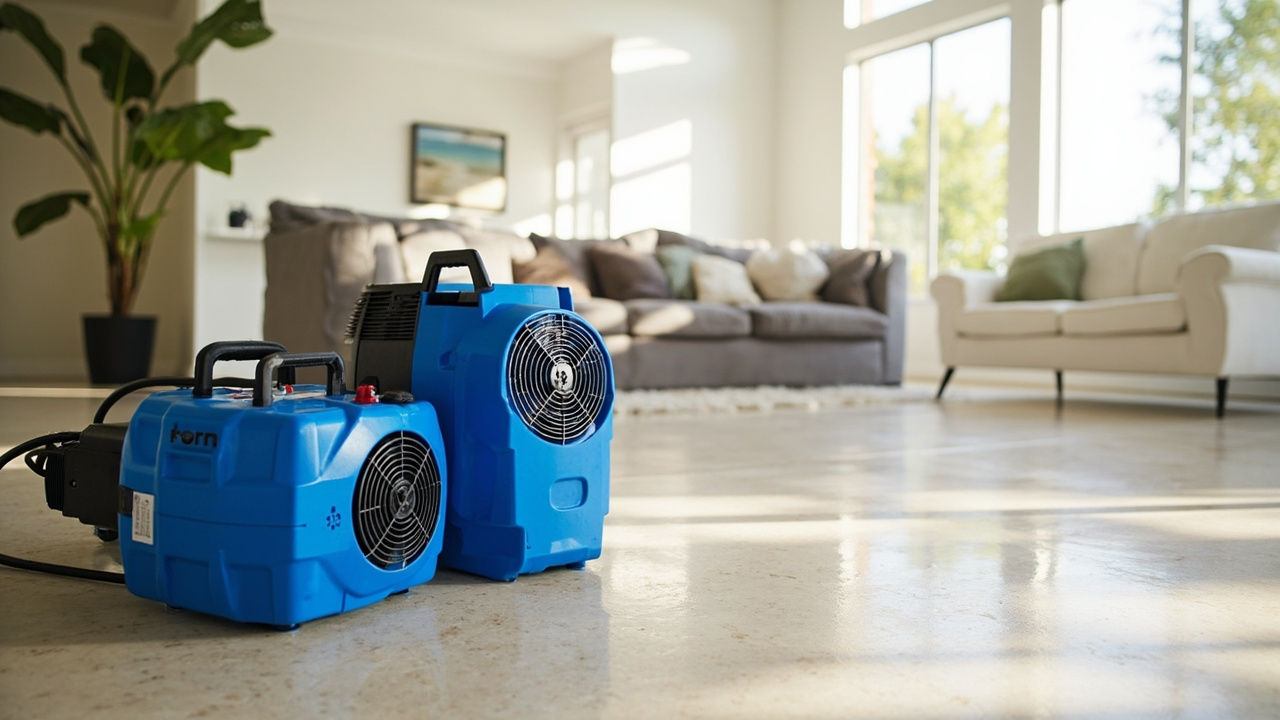
Emergency Burst Pipe Repair in Kenner Louisiana A burst pipe in your Kenner home creates an immediate crisis that requires more than just a mop and a bucket. When a main line fails near the…
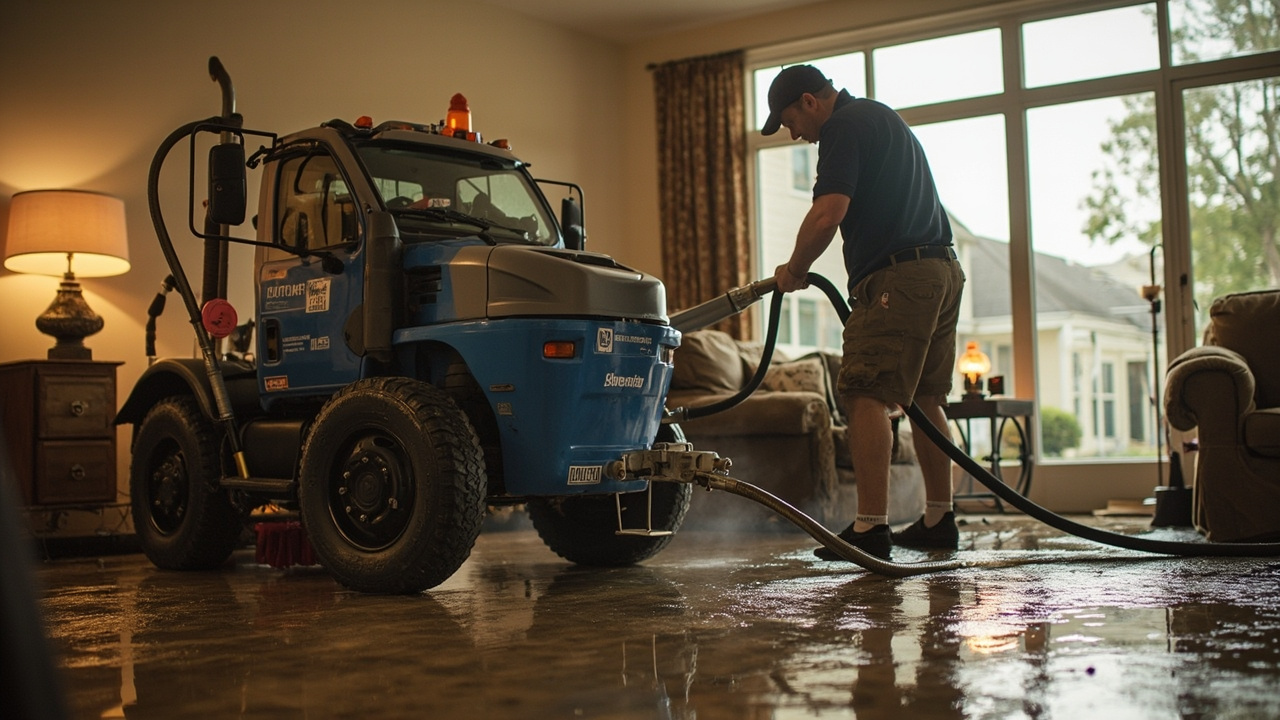
Standing water in your Gretna home requires an immediate response to prevent permanent structural issues…
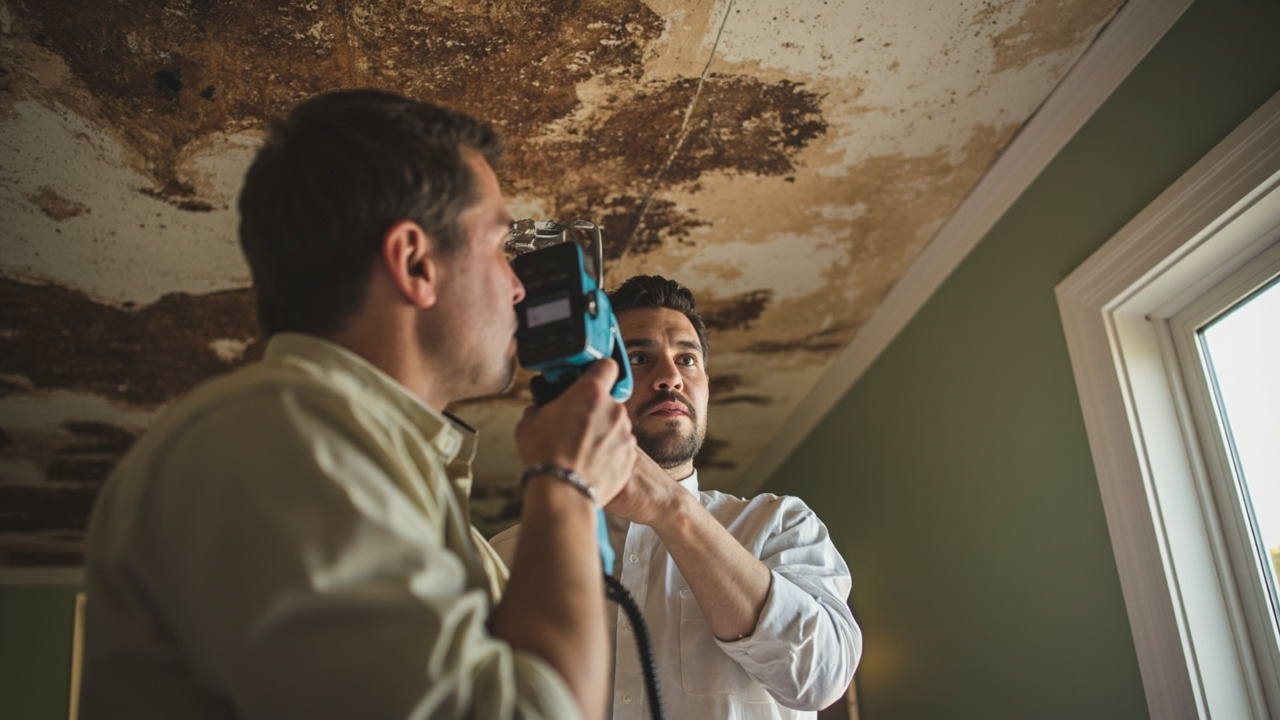
Dealing with Ceiling Water Damage Repair in Mid-City New OrleansA damp spot on your ceiling…
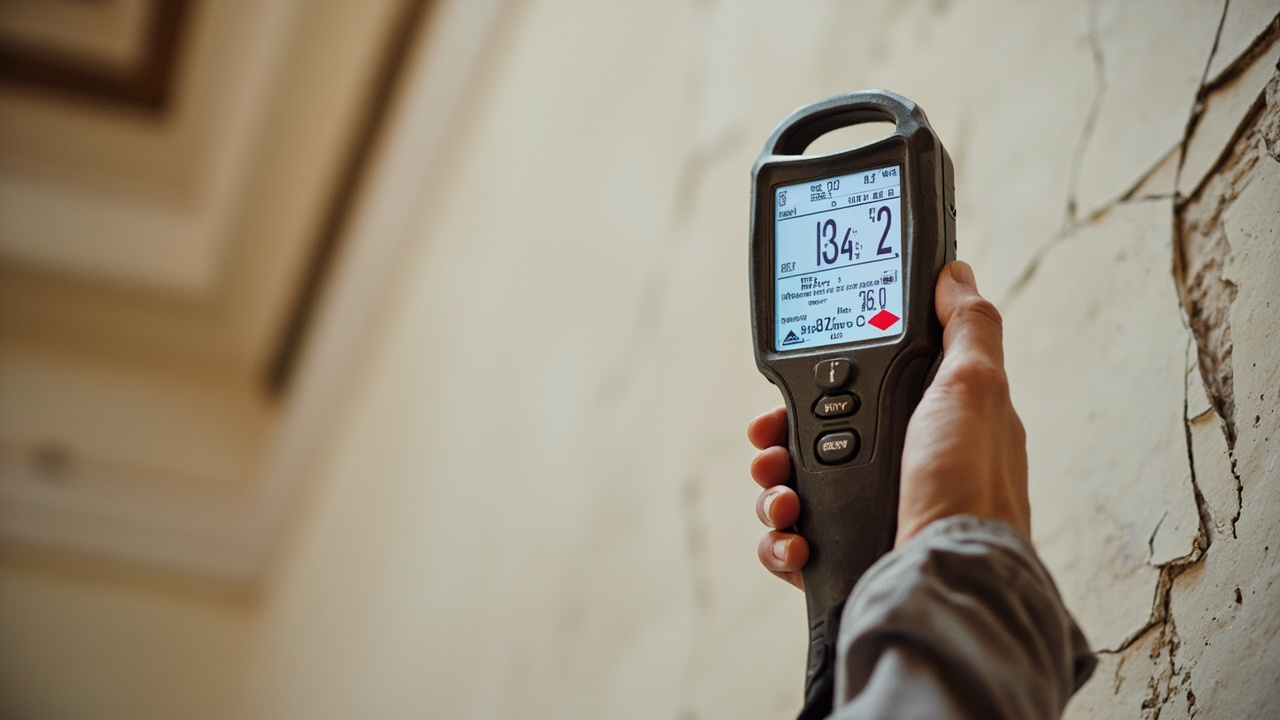
Living in a historic home in the Esplanade Ridge neighborhood offers a unique charm that…
Water damage gets worse every hour you wait. Call (504) 355-2332 right now for immediate dispatch of our certified restoration crew. We answer 24/7 and arrive ready to stop the damage. Your property deserves professional water damage cleanup that prevents mold growth and structural failure.