



menu

How to Handle Insurance Claims in New Orleans – Get Your Water Damage Covered Without the Runaround

Filing a water damage claim after flooding or a pipe burst is confusing enough. Grand Water Damage Restoration New Orleans guides you through every step of navigating water restoration claims so you get paid faster and avoid common denial traps.

Slider Image 1
Slider Image 2
Slider Image 3
Slider Image 4
Slider Image 5
Slider Image 7
Slider Image 8
Slider Image 9
Slider Image 10
Slider Image 11

Why New Orleans Water Damage Claims Get Denied or Delayed

New Orleans sits below sea level in a hurricane zone with aging infrastructure and relentless humidity. Your home or business faces constant water threats from storm surge, pluvial flooding, pipe failures in crawl spaces, and mold amplification. Yet insurance carriers in Louisiana routinely delay or deny legitimate claims.

The water damage insurance claim process is designed to be difficult. Adjusters look for gaps in documentation, missed timelines, or incomplete mitigation efforts. If you wait too long to dry out your property, the carrier blames you for secondary damage. If you start repairs before they inspect, they question the scope of loss. You are stuck in a system built to protect the insurer, not you.

Filing a water damage claim in New Orleans requires specific local knowledge. Louisiana law mandates certain deadlines and notice requirements. Policies written post-Katrina often contain exclusions for flood, mold, or gradual leaks that carriers exploit. The difference between a covered sudden discharge and an excluded seepage claim can hinge on a single word in your adjuster's report.

Managing water mitigation claims is not intuitive. You need real-time documentation, moisture readings, thermal imaging, and itemized estimates that match industry software like Xactimate. Most property owners discover these requirements after the claim is already compromised. Grand Water Damage Restoration New Orleans knows what adjusters demand because we work these claims daily across the metro. We help you prove your loss before the carrier finds a reason to lowball or reject it.

Why New Orleans Water Damage Claims Get Denied or Delayed
How We Document and Support Your Claim from Day One

How We Document and Support Your Claim from Day One

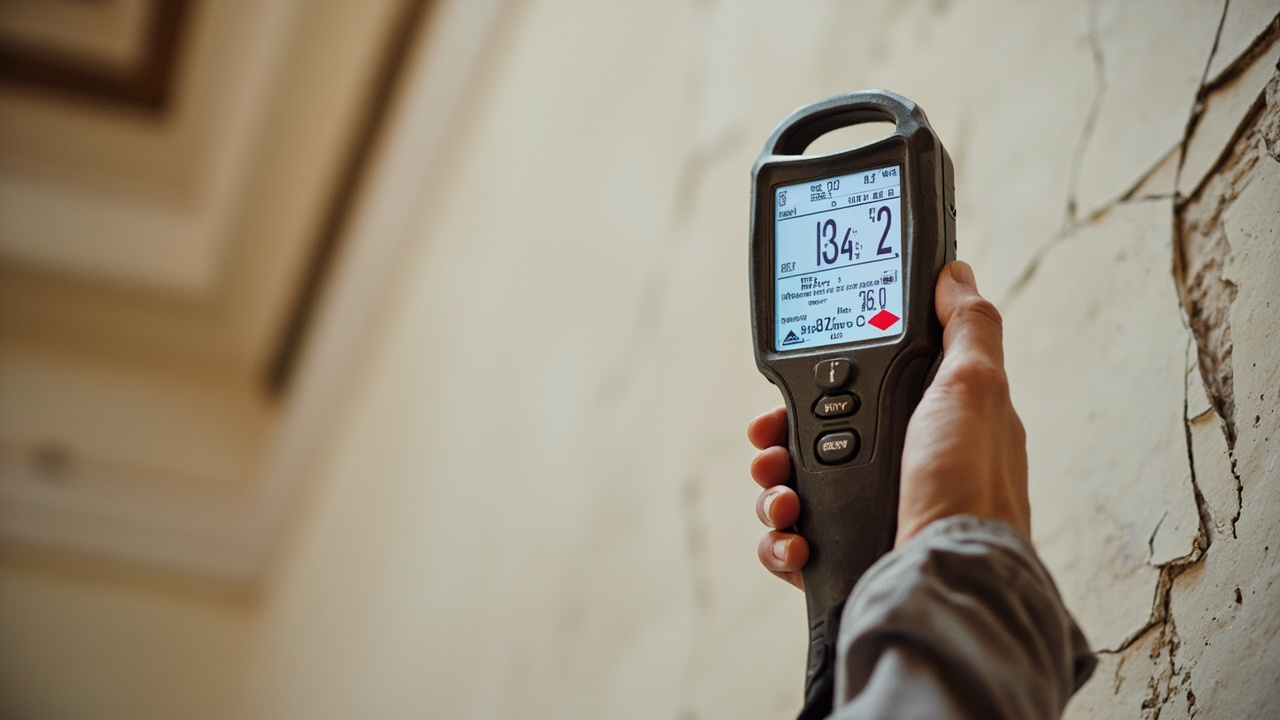
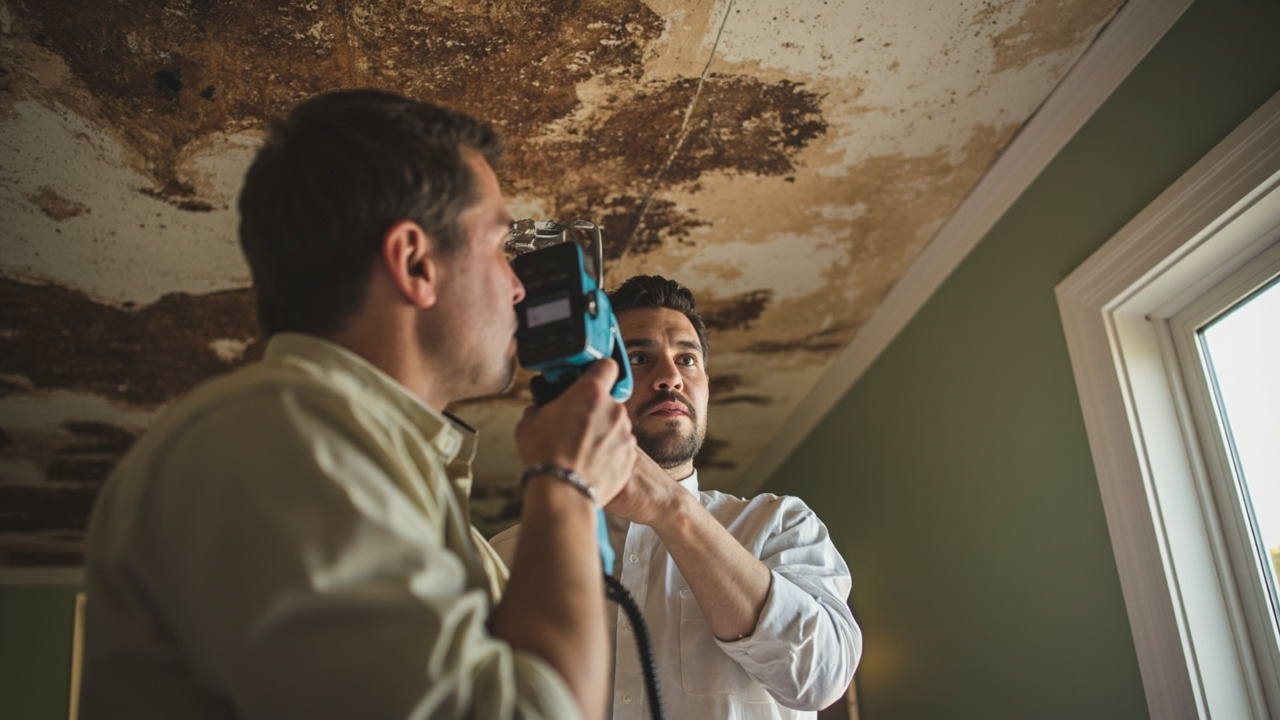
Navigating water restoration claims starts the moment you call. Our technicians arrive with calibrated moisture meters, infrared cameras, and photo documentation protocols that meet insurance standards. We map affected areas using psychrometric measurements, not guesses. Adjusters respect data they can verify.

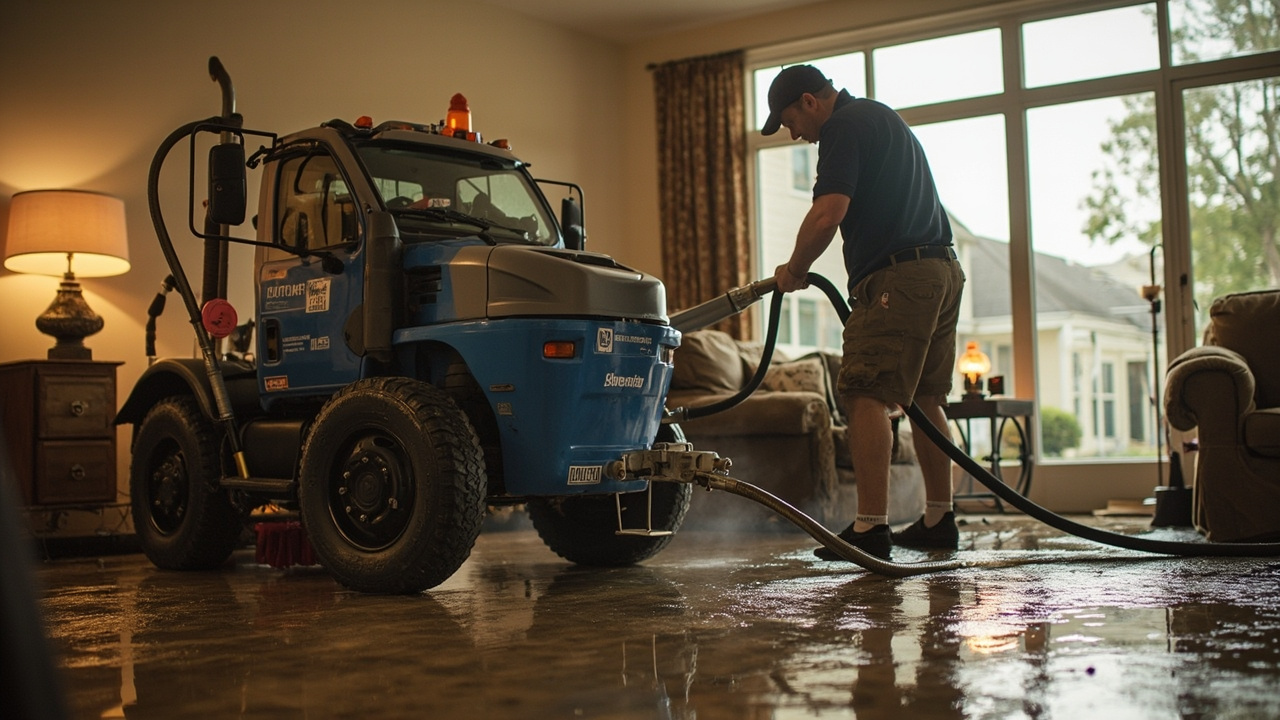
We extract standing water using truck-mounted pumps rated for high-volume removal, critical in below-grade spaces common to New Orleans homes. Dehumidifiers and air movers are placed according to IICRC S500 standards, which define acceptable drying goals. We log equipment placement, daily moisture readings, and environmental conditions. This creates an audit trail the carrier cannot dismiss.

Our estimates are written in Xactimate, the pricing software most insurers use. We break down every line item so your adjuster sees labor, materials, and equipment costs aligned with local market rates. We include overhead and profit when justified by trade involvement, a frequent sticking point in Louisiana claims. If the adjuster low-balls the estimate, we provide comparative data from recent New Orleans projects to justify our figures.

We also coordinate with your adjuster's inspection schedule. Adjusters in New Orleans often juggle dozens of claims during storm season. If you miss their narrow inspection window, your file goes to the bottom of the pile. We confirm appointments, ensure affected areas remain accessible, and walk the adjuster through our findings. This collaboration reduces disputes and speeds approval.

Grand Water Damage Restoration New Orleans does not practice law or negotiate settlements, but we provide the technical documentation your public adjuster or attorney needs to challenge a denial or underpayment. Clean records win claims.

Your Claim Support Roadmap

How to Handle Insurance Claims in New Orleans – Get Your Water Damage Covered Without the Runaround
01

Emergency Notification and Evidence Capture

We begin documenting the loss within hours of your call. Our team photographs water intrusion points, affected materials, and structural damage before we move anything. We record initial moisture readings in walls, subfloors, and ceiling cavities using non-invasive meters. This baseline evidence protects you if the carrier later disputes the extent of damage or claims you delayed mitigation.
02

Mitigation and Daily Logs

We extract water, remove non-salvageable materials, and stabilize the environment to prevent mold. Every action is logged with timestamps, moisture readings, and equipment Serial Numbers. We generate daily reports that comply with Louisiana claim requirements. These logs prove you acted promptly to minimize loss, a key factor in claim approval. If secondary damage occurs despite proper mitigation, our records show it was unavoidable, not negligent.
03

Estimate Delivery and Adjuster Coordination

Once drying goals are met, we compile a detailed Xactimate estimate covering all necessary repairs. We send this to you and your adjuster simultaneously. We schedule a walkthrough with the adjuster, answer technical questions, and provide supporting documentation like moisture maps and manufacturer datasheets. Our goal is to eliminate ambiguity so your claim moves to approval without rounds of back-and-forth negotiation.

Why New Orleans Property Owners Trust Us with Claim Documentation

Grand Water Damage Restoration New Orleans understands the local claim environment. We have worked with every major carrier operating in Louisiana, from State Farm to local mutuals. We know which adjusters require psychrometric charts, which demand mold air samples, and which accept thermal imaging as proof of concealed moisture. This familiarity shortens your claim timeline.

New Orleans construction presents unique documentation challenges. Pier-and-beam foundations, crawl space venting requirements, and historic district restrictions all impact restoration scope and cost. If your property sits in the French Quarter or Garden District, repairs must comply with Vieux Carré Commission or Historic District Landmarks Commission standards. These requirements add cost and complexity that out-of-town adjusters often miss. We include compliance costs in our estimates because we know the local approval process.

We also understand Louisiana's concurrent causation rules. If wind and water both damage your roof during a hurricane, the carrier may try to deny the water portion as flood. Our documentation separates wind-driven rain intrusion from storm surge so you receive the coverage you paid for. This level of specificity requires local storm experience, not just a manual.

Our team holds IICRC certifications in Water Damage Restoration and Applied Structural Drying. We follow Institute of Inspection, Cleaning and Restoration Certification standards, not shortcuts. Adjusters recognize IICRC protocols as industry best practice, which lends credibility to our findings. When your claim is questioned, our credentials and methodology speak louder than opinions.

You need a restoration partner who knows what insurance carriers in New Orleans expect and how to deliver it before they ask. That is what we provide.

What to Expect When You File with Our Support

Rapid Response and Same-Day Documentation

We arrive within hours of your call, even during overnight emergencies or weekend storms. Our trucks carry the diagnostic tools and safety equipment needed to start evidence collection immediately. You receive a preliminary damage assessment and moisture map before the end of day one. This speed is critical in New Orleans, where humidity accelerates mold growth and adjusters penalize delayed mitigation. We also notify your carrier on your behalf if you authorize us, ensuring the claim clock starts properly under Louisiana's strict notice rules.

Comprehensive Loss Documentation

Our assessment goes beyond surface observations. We use infrared thermography to detect hidden moisture in wall cavities and under flooring. We measure relative humidity and temperature to calculate vapor pressure and drying potential. We photograph serial numbers on damaged appliances and HVAC equipment so the adjuster can verify replacement costs. We also document pre-existing conditions separately to avoid disputes over what the water event actually caused. This thoroughness eliminates the guesswork that leads to claim denials.

Detailed Estimates Aligned with Carrier Software

Your estimate will be written in Xactimate with line-by-line justifications for every material and labor charge. We include local cost modifiers for New Orleans zip codes, trade-specific overhead and profit, and code upgrade costs when applicable. If your policy includes depreciation or replacement cost value clauses, we itemize both figures so you understand what you will receive upfront versus after repairs. This transparency prevents surprises when the carrier issues payment. Our estimates are defensible in appraisal or litigation if necessary.

Post-Claim Follow-Up and Quality Verification

After your claim is approved and repairs are complete, we conduct a final walkthrough with you. We verify that moisture levels have returned to normal and that no hidden pockets remain. We provide you with a Certificate of Completion and final moisture readings for your records. If your carrier requires proof that the job was done correctly, these documents satisfy their requirements. We also offer guidance on preventing future water intrusion, from sump pump maintenance to crawl space vapor barriers, so you avoid filing another claim.

Frequently Asked Questions

You Have Questions,
We Have Answers

How do you handle insurance claims? +

Start by documenting the damage with photos and videos before any cleanup. Contact your insurance company immediately to report the loss. Request a claim number and ask about your policy's specific coverage limits for water damage. In New Orleans, where flood and hurricane damage differ from standard water losses, verify whether you need a separate flood claim through NFIP. Your restoration company should provide a detailed estimate that matches insurance requirements. Keep all receipts for emergency expenses like hotel stays or temporary repairs. Never sign a release or accept a settlement before restoration costs are finalized. The claims process typically takes 30 to 60 days depending on damage severity.

What are the 3 D's of insurance claims? +

The 3 D's are Documentation, Disclosure, and Diligence. Documentation means photographing all damage and keeping detailed records of losses and expenses. Disclosure requires you to report damage honestly and completely to your insurer without exaggerating or omitting details. Diligence involves taking reasonable steps to prevent further damage, like tarping a roof or extracting standing water. In New Orleans, where high humidity accelerates mold growth after water intrusion, diligence is especially critical. Failing to act quickly can give insurers grounds to deny secondary damage. These three principles protect both you and the validity of your claim throughout the adjustment process.

What not to say during an insurance claim? +

Never admit fault or speculate about the cause of damage. Avoid saying the damage is your fault or that you delayed reporting it. Do not exaggerate losses or provide inaccurate information, as this can void your claim entirely. In New Orleans, do not assume hurricane damage is automatically covered under your standard homeowner's policy. Do not say you are unsure if you want to file a claim. Once you report damage, the insurer documents it regardless. Never accept the first settlement offer without review. Do not sign documents you have not read. Avoid discussing prior claims or unrelated property issues during the adjustment process.

What is the 80% rule in insurance? +

The 80% rule means you must insure your property for at least 80% of its replacement value to avoid a coinsurance penalty. If your coverage falls below this threshold, the insurer will only pay a proportional amount of any claim, leaving you responsible for the difference. For example, if your home's replacement cost is $400,000 but you only carry $250,000 in coverage, you are underinsured. In New Orleans, where construction costs have increased post-Katrina and supply chain issues persist, many older policies no longer meet the 80% threshold. Review your policy limits annually and adjust for inflation and rising material costs to avoid unexpected out-of-pocket expenses.

How New Orleans Flood Zones and Aging Infrastructure Complicate Claims

New Orleans operates 24 pumping stations and hundreds of miles of subsurface drainage to manage water in a city that averages six feet below sea level. When these systems fail during heavy rain, homes flood from street-level backflow, not named storms. Standard homeowners policies exclude flood, but they may cover the resulting pipe bursts or sewer backups if documented correctly. Adjusters often conflate pluvial flooding with excluded flood events to deny claims. Navigating water restoration claims here requires proving the proximate cause of loss, which demands precise documentation of where the water entered and why. We use flow patterns, debris analysis, and timestamped weather data to establish causation that holds up under adjuster scrutiny.

Louisiana Revised Statutes Title 22 governs unfair claims practices, including prompt payment and good faith duties. Carriers operating in New Orleans are familiar with these statutes and the penalties for non-compliance. Working with a restoration provider who understands local claim law signals to the adjuster that you are informed and prepared. Grand Water Damage Restoration New Orleans maintains relationships with public adjusters, insurance defense attorneys, and construction experts across the metro. If your claim escalates, we connect you with qualified professionals who can advocate on your behalf. Our reputation in the New Orleans restoration community adds weight to our documentation, which adjusters recognize.
Water Damage Restoration Services in The New Orleans Area

While Grand serves the wider region with our expert water damage restoration services, we invite you to view our central operational location on the map. This helps you visualize our base of operations and understand our commitment to providing swift, efficient service across our service areas. Our team is strategically positioned to ensure rapid deployment when you need us most, so don't hesitate to contact us regardless of your specific location within our service radius.

Address:
Grand Water Damage Restoration New Orleans, 201 St Charles Ave, New Orleans, LA, 70170

Additional Services We Offer

Our news updates

Latest Articles & News from The Blogs

Living in a historic home in the Esplanade Ridge neighborhood offers a unique charm that modern builds cannot replicate. Those…

Removing that stubborn musty smell from historic plaster walls in Esplanade Ridge

Living in a historic home in the Esplanade Ridge neighborhood offers a unique charm that modern builds cannot replicate. Those…

Why your Westbank home might have a hidden shower pan leak and the best next steps

Westbank homeowners in Gretna and Marrero face specific plumbing challenges due to the local environment. High humidity levels and shifting…

Why ignoring a slow water heater leak in Carrollton destroys your home

A tiny puddle under your water heater in the 70118 zip code might look like a minor inconvenience. In the…

Contact Us

Do not let poor documentation cost you thousands in uncovered repairs. Call Grand Water Damage Restoration New Orleans at (504) 355-2332 right now. We will document your loss, coordinate with your adjuster, and give you the evidence you need to get paid fairly.