



menu

Steps to Take After a Flood in New Orleans – Your Complete Post-Flood Recovery Checklist

When floodwaters recede, confusion sets in fast. Follow this immediate action guide for New Orleans homeowners to protect your property, document damage correctly, and start the restoration process before secondary problems take hold.

Slider Image 1
Slider Image 2
Slider Image 3
Slider Image 4
Slider Image 5
Slider Image 7
Slider Image 8
Slider Image 9
Slider Image 10
Slider Image 11

Why New Orleans Floods Hit Harder Than Most Cities

New Orleans sits below sea level in most neighborhoods, surrounded by the Mississippi River, Lake Pontchartrain, and an intricate network of canals. When heavy rain hits, water has nowhere to go. The city relies on an aggressive pumping system, but that system can lag during sustained storms. If you live in Lakeview, Gentilly, or the Lower Ninth Ward, you already know this reality.

Floodwater does not just soak your floors. It carries sewage, chemicals, and bacteria from the streets. It seeps into wall cavities, under subflooring, and inside insulation. The longer that water sits, the more damage it causes. Mold begins growing within 24 to 48 hours in New Orleans's humid subtropical climate, where average humidity hovers near 75 percent year-round.

Knowing what to do after a house flood is not optional here. It is survival. If you wait too long to act, you risk structural rot, black mold colonies, electrical hazards, and complete loss of irreplaceable belongings. Most insurance claims get denied or reduced when homeowners fail to document damage or mitigate further loss immediately.

This post-flood recovery checklist walks you through immediate actions after flooding, from safety protocols to working with your insurer. Every hour counts. Water damage clean up steps must begin fast, or you face compounding problems that cost thousands more to fix later.

Why New Orleans Floods Hit Harder Than Most Cities
The Right Way to Handle Flood Damage in New Orleans

The Right Way to Handle Flood Damage in New Orleans

Most homeowners make the same mistake after a flood. They grab towels, fans, and start mopping. That approach fails because you cannot see the real damage. Water migrates through porous materials like drywall, insulation, and wood framing. Surface drying leaves moisture trapped inside wall cavities, where it feeds microbial growth and structural decay.

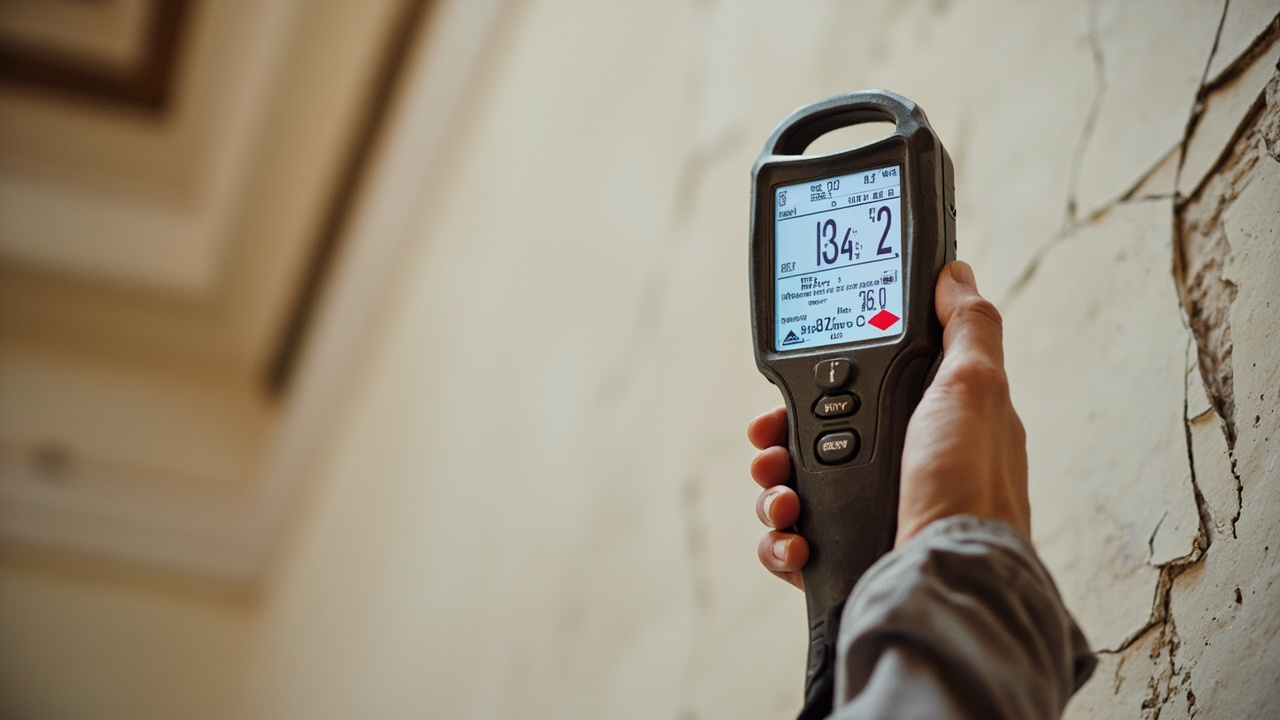
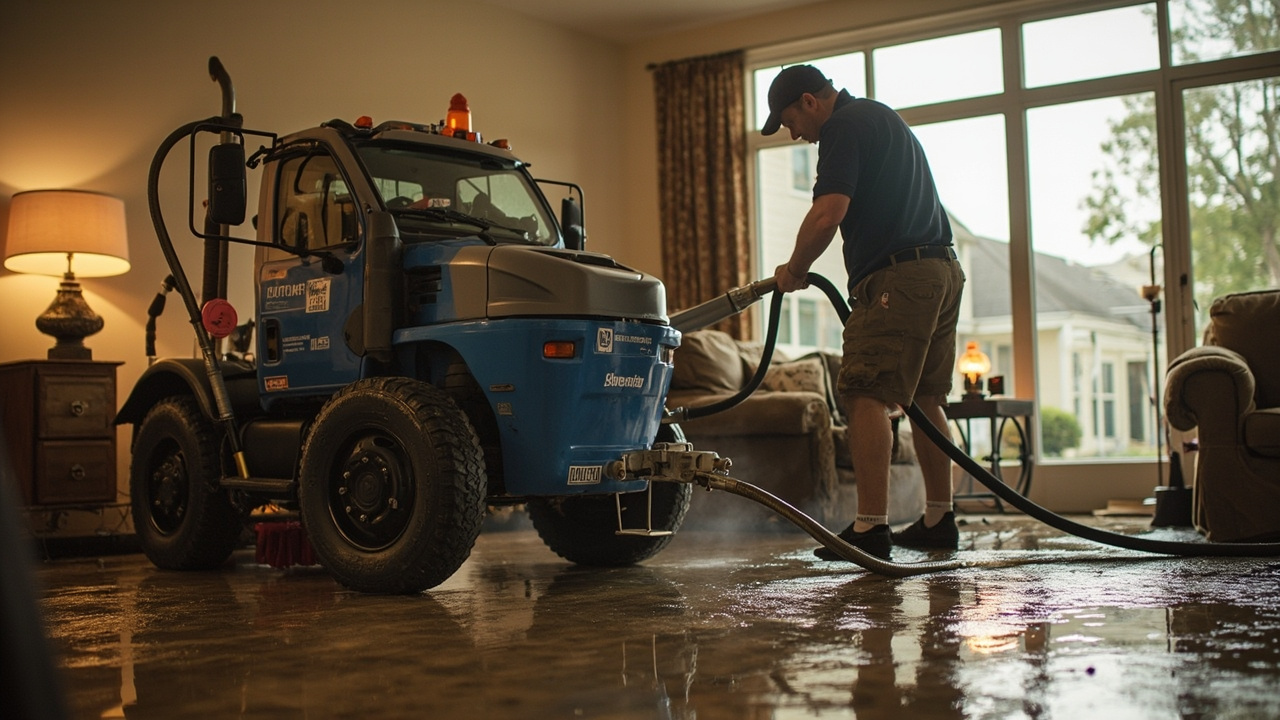
Professional water extraction uses commercial-grade submersible pumps and truck-mounted vacuums to remove standing water fast. Then we deploy moisture meters and thermal imaging cameras to map hidden saturation. You cannot trust your eyes or touch. A wall that feels dry on the surface can still hold moisture content above 20 percent behind the drywall, which guarantees mold colonization.

After extraction, we remove unsalvageable materials. Carpet pad almost always goes. Drywall gets cut 12 to 24 inches above the visible waterline because wicking pulls contamination higher. Insulation that contacted floodwater must be removed and disposed of properly. Hardwood floors require careful evaluation because cupping and crowning can sometimes be reversed with controlled drying, but only if addressed within the first 72 hours.

Structural drying comes next. We position high-velocity air movers to create airflow across all affected surfaces. Commercial dehumidifiers pull moisture from the air, lowering ambient humidity below 50 percent. We monitor daily with hygrometers and moisture meters, adjusting equipment placement as readings change. This process typically runs five to ten days, depending on the extent of saturation and building materials involved.

Only after drying is verified complete do we treat surfaces with antimicrobial agents and prepare for reconstruction.

Your First 72 Hours After Floodwater Recedes

Steps to Take After a Flood in New Orleans – Your Complete Post-Flood Recovery Checklist
01

Safety Assessment First

Do not enter your home until authorities confirm it is safe. Check for structural damage, gas leaks, and electrical hazards. If you smell gas or see sparking, stay out and call utility companies. Floodwater conducts electricity. Assume all standing water is energized if power lines are down nearby. Wear boots, gloves, and an N95 mask if you must enter before professional evaluation.
02

Document Everything Immediately

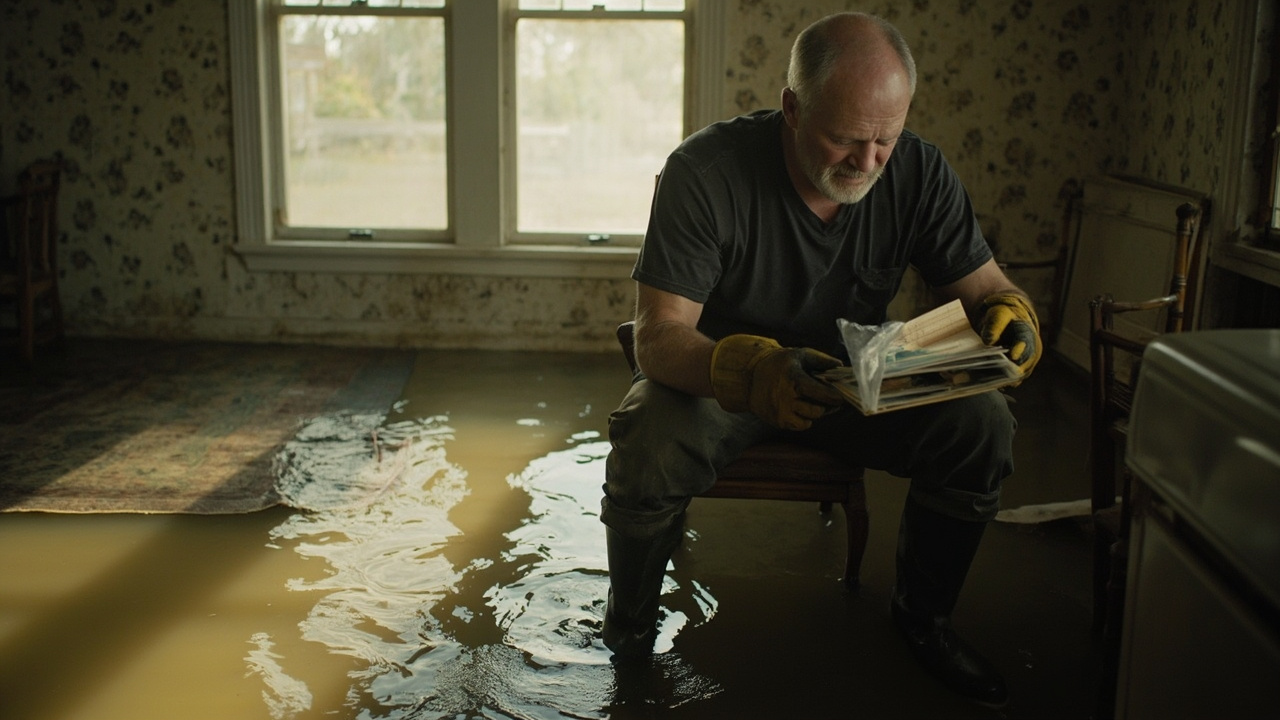
Take photos and video of every room, every damaged item, and all waterlines on walls before you move anything. Capture serial numbers on appliances. Your insurance adjuster needs this evidence. Most claims fail because documentation is incomplete. Do not throw anything away until your insurer approves it. Keep a written inventory with purchase dates and values if you can recall them.
03

Start Water Removal Now

Call a professional water damage restoration company immediately, even if you plan to handle some work yourself. Standing water must be extracted within 24 to 48 hours to prevent mold and structural damage. If you can safely remove small amounts of water with a wet vacuum, do it, but understand that submersible pumps and professional drying equipment work exponentially faster and reach hidden water you cannot access.

Why New Orleans Homeowners Trust Local Flood Restoration Experts

You need a restoration company that understands New Orleans construction. Homes in the French Quarter and Uptown feature pier and beam foundations that allow water to flow underneath. Mid-City and Gentilly homes often sit on concrete slabs, where water intrusion creates different problems. Shotgun houses have unique framing and wall configurations that require specialized drying techniques.

Grand Water Damage Restoration New Orleans has worked in every neighborhood, from Algiers Point to New Orleans East. We know which insurance adjusters operate in each parish. We understand how the Sewerage and Water Board's pumping failures create liability questions. We know which materials were used in construction during different eras, from pre-Katrina builds to modern elevated structures.

Local expertise matters when dealing with contaminated floodwater. New Orleans floodwater is category three, meaning it contains raw sewage, chemicals, and pathogens. Federal guidelines require specific disposal protocols for contaminated materials. We follow IICRC S500 standards for water damage restoration and handle hazardous waste according to Louisiana Department of Environmental Quality regulations.

We also move fast because we understand the urgency. Our trucks carry industrial extraction equipment, air movers, dehumidifiers, and antimicrobial treatments. We dispatch within hours, not days. We work directly with your insurance company to document everything correctly, which speeds up claims and reduces your out-of-pocket costs.

You will deal with enough stress after a flood. Hiring a restoration company that knows New Orleans removes one major source of frustration. We speak the language of local adjusters, understand parish permitting processes, and know which materials hold up best in this climate during reconstruction.

What Happens When You Call for Flood Restoration

Emergency Response Time

We answer calls 24 hours a day, seven days a week. When you call, you speak to a real person who dispatches a crew immediately. We typically arrive within two to four hours, depending on your location in the metro area and current demand. Our trucks come fully stocked with extraction equipment, moisture detection tools, and initial drying equipment. We start water removal the moment we arrive. Every hour of delay increases damage, so speed is not a luxury. It is a necessity.

Comprehensive Damage Assessment

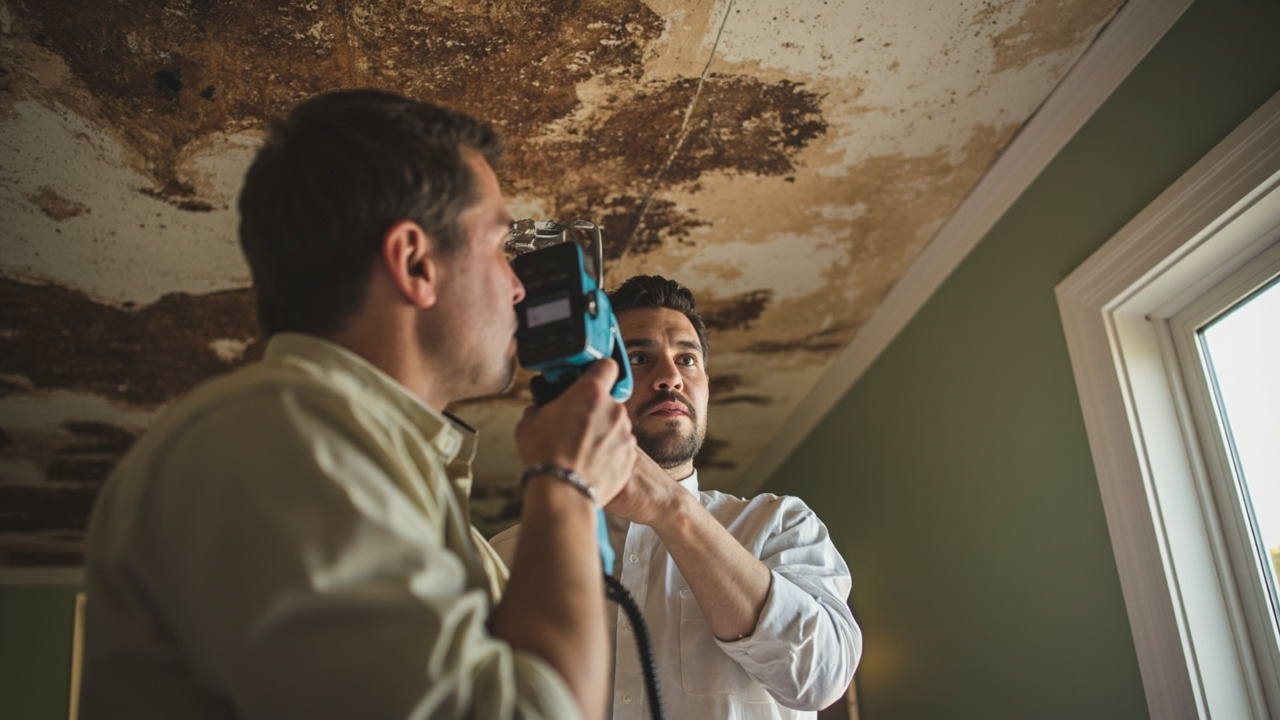
After we extract standing water, we conduct a full moisture assessment using thermal cameras and penetrating moisture meters. We check wall cavities, subfloors, and insulation. We measure humidity levels and identify hidden saturation. This assessment determines the scope of work and helps us provide an accurate estimate. We photograph everything for your insurance claim and explain what materials can be saved versus what must be removed. You get a written scope of work before any demolition begins.

Complete Structural Drying

Drying takes five to ten days on average, depending on saturation levels and building materials. We position high-velocity air movers and commercial dehumidifiers strategically throughout your home. We monitor progress daily with moisture readings and adjust equipment as needed. You receive daily updates on drying progress. We do not remove equipment until moisture content in all materials reaches acceptable levels per IICRC standards. Proper drying prevents mold growth and ensures your home is ready for safe reconstruction.

Post-Restoration Support

Once drying is complete, we treat all affected areas with EPA-registered antimicrobial solutions. If you need reconstruction, we coordinate with trusted local contractors who understand New Orleans building codes and can match historic details. We provide final moisture reports for your insurance company and keep all documentation organized. If mold testing is required, we connect you with certified third-party labs. We follow up 30 days after completion to ensure no moisture issues have returned and answer any questions about maintaining your restored space.

Frequently Asked Questions

You Have Questions,
We Have Answers

How New Orleans Drainage and Humidity Complicate Flood Recovery

New Orleans drains slower than almost any city in America. When pump stations fail or get overwhelmed, water sits in streets for hours or days. That means your home might flood from street water backing up, not just from rain. The city's aging infrastructure and below-sea-level geography create a flood risk even during moderate storms. Combine this with 75 percent average humidity, and you face ideal conditions for rapid mold growth. Materials that would dry naturally in Phoenix or Denver stay damp here for weeks without aggressive mechanical drying. This is why what to do after a house flood in New Orleans differs drastically from flood recovery protocols in other regions. You cannot wait. You cannot air-dry. You need industrial equipment running immediately.

Working with a restoration company that knows New Orleans means working with professionals who understand local building methods, insurance claim requirements, and permitting processes. We have relationships with adjusters from every major carrier operating in Orleans and Jefferson parishes. We know which documentation the Louisiana Citizens Property Insurance Corporation requires. We understand how elevation certificates affect coverage and claims. Our crews have restored homes in every neighborhood, from historic Creole cottages in Treme to post-Katrina elevated builds in Lakeview. Local knowledge speeds up every phase of recovery and reduces errors that delay your claim or create code violations during reconstruction.
Water Damage Restoration Services in The New Orleans Area

While Grand serves the wider region with our expert water damage restoration services, we invite you to view our central operational location on the map. This helps you visualize our base of operations and understand our commitment to providing swift, efficient service across our service areas. Our team is strategically positioned to ensure rapid deployment when you need us most, so don't hesitate to contact us regardless of your specific location within our service radius.

Address:
Grand Water Damage Restoration New Orleans, 201 St Charles Ave, New Orleans, LA, 70170

Additional Services We Offer

Our news updates

Latest Articles & News from The Blogs

Standing water in your Gretna home requires an immediate response to prevent permanent structural issues and mold growth. Residents living…

Fast Flood Restoration Strategies for Gretna Homeowners

Standing water in your Gretna home requires an immediate response to prevent permanent structural issues and mold growth. Residents living…

Resolving Ceiling Water Damage and Leaks in Mid-City Apartments

Dealing with Ceiling Water Damage Repair in Mid-City New OrleansA damp spot on your ceiling in a Mid-City apartment requires…

Removing that stubborn musty smell from historic plaster walls in Esplanade Ridge

Living in a historic home in the Esplanade Ridge neighborhood offers a unique charm that modern builds cannot replicate. Those…

Contact Us

Do not let floodwater sit. Call Grand Water Damage Restoration New Orleans at (504) 355-2332 right now. We dispatch crews 24/7 and start water extraction immediately. Every hour you wait increases damage and costs.