


menu

Commercial Water Damage Restoration in New Orleans – Minimize Downtime and Protect Your Business Continuity

Grand Water Damage Restoration New Orleans delivers rapid commercial water mitigation with industrial-grade equipment and 24/7 dispatch, reducing operational disruption and protecting your bottom line across the Greater New Orleans metro.

Slider Image 1
Slider Image 2
Slider Image 3
Slider Image 4
Slider Image 5
Slider Image 7
Slider Image 8
Slider Image 9
Slider Image 10
Slider Image 11

Water Intrusion Threatens Business Operations in New Orleans

Commercial properties in New Orleans face unique water damage risks that residential structures do not. The combination of high water tables, aging infrastructure in the Central Business District, and intense tropical weather systems creates conditions where flooding can halt operations in hours.

When your warehouse on Tchoupitoulas Street floods or your office in the Warehouse District experiences a pipe burst, every hour of downtime translates directly to lost revenue. Commercial water damage cleanup cannot wait for regular business hours. Inventory becomes compromised. Documents get destroyed. Equipment fails. Mold colonizes porous materials within 24 to 48 hours in New Orleans's high humidity environment, where relative humidity regularly exceeds 75 percent even indoors.

The city's commercial zones, from the French Quarter to Metairie, contain buildings with flat membrane roofing systems prone to ponding water. Subsurface clay soils shift with seasonal moisture changes, stressing pipe connections. Pump stations serving below-sea-level commercial districts can fail during severe weather, allowing sewage backflow into ground-level spaces.

Commercial water damage repair requires different protocols than residential work. You need crews who understand fire suppression system failures, HVAC condensate overflow in multi-story buildings, and the liability implications of delayed remediation. Business water damage restoration demands coordination with property managers, insurance adjusters, and sometimes tenants, all while maintaining code compliance and minimizing business interruption.

The cost of improper commercial water remediation extends beyond the immediate damage. Structural deterioration, health code violations, and potential litigation from delayed response can exceed the original loss by multiples.

Water Intrusion Threatens Business Operations in New Orleans
Methodical Commercial Water Mitigation Protocols

Methodical Commercial Water Mitigation Protocols

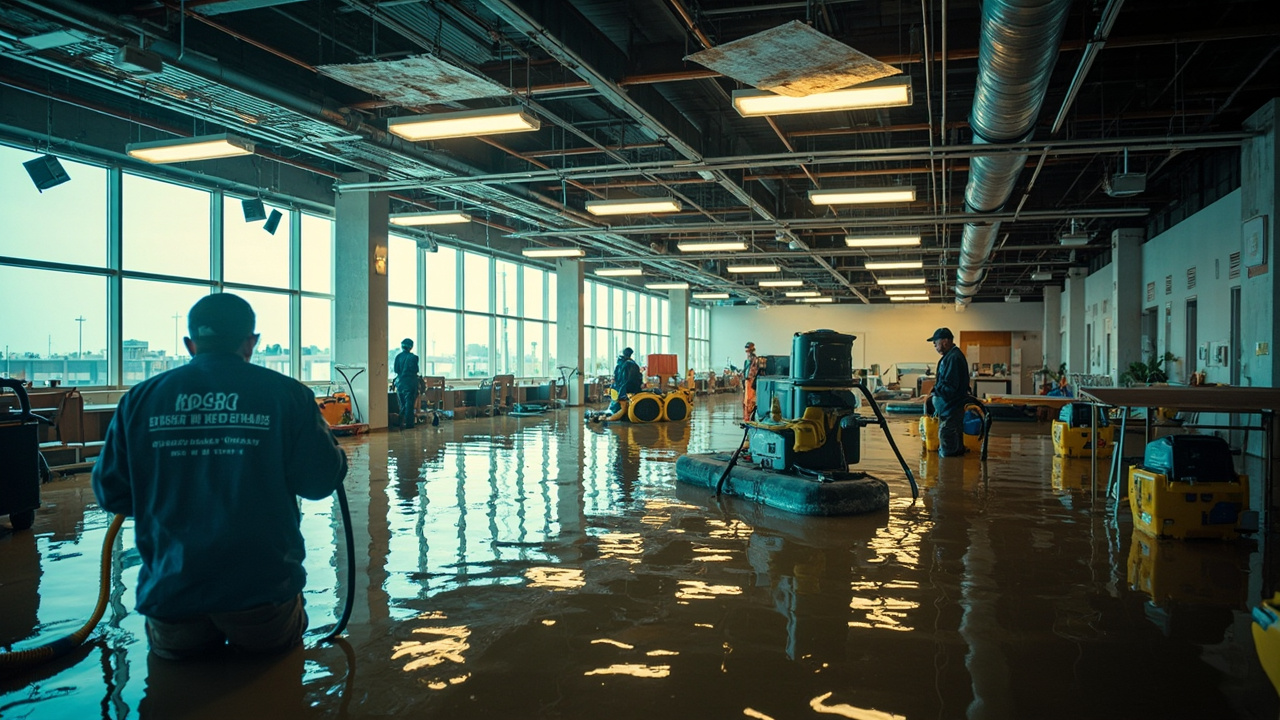
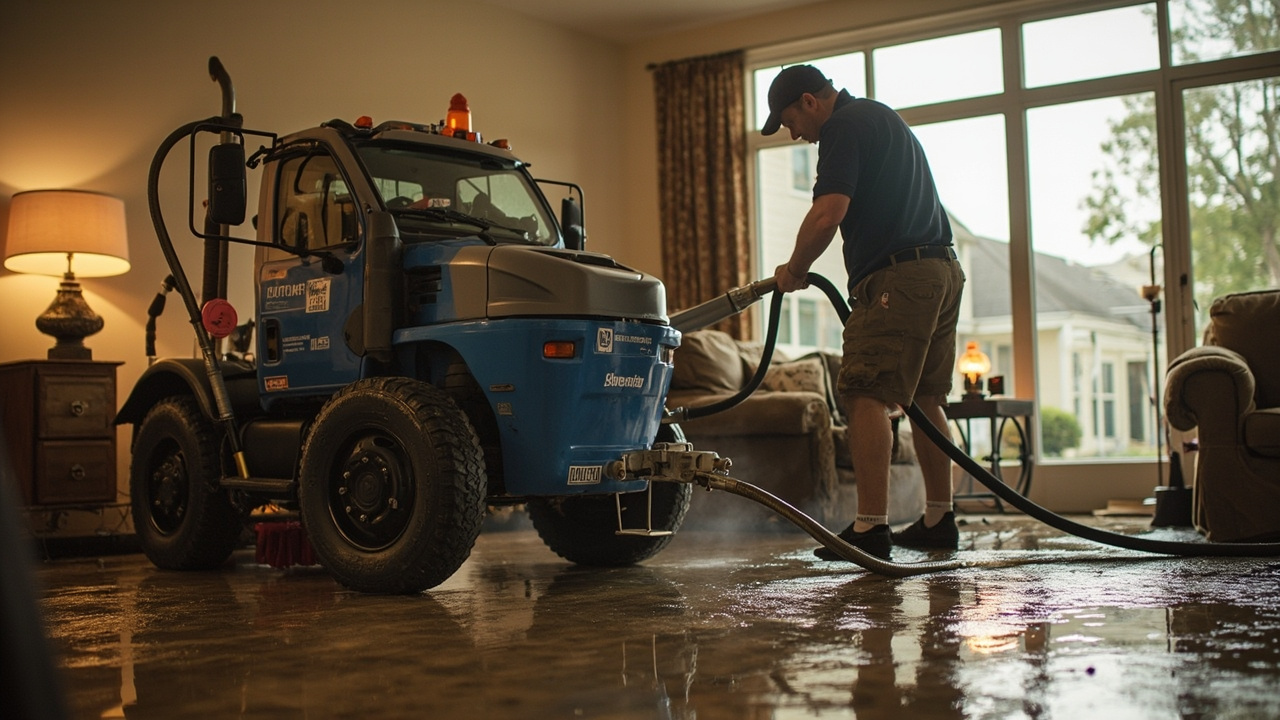
Grand Water Damage Restoration New Orleans approaches commercial water damage restoration with protocols designed for scale and speed. We deploy truck-mounted extractors capable of removing thousands of gallons per hour, not the small portable units suitable only for residential jobs.

Our first action involves source isolation. We identify whether the intrusion stems from supply line failure, drainage backup, or environmental flooding. Each source type requires different containment and extraction methods. Supply line breaks demand immediate shutoff and pressure testing of remaining systems. Sewage backflows require category three water protocols with antimicrobial application and specialized PPE for technicians.

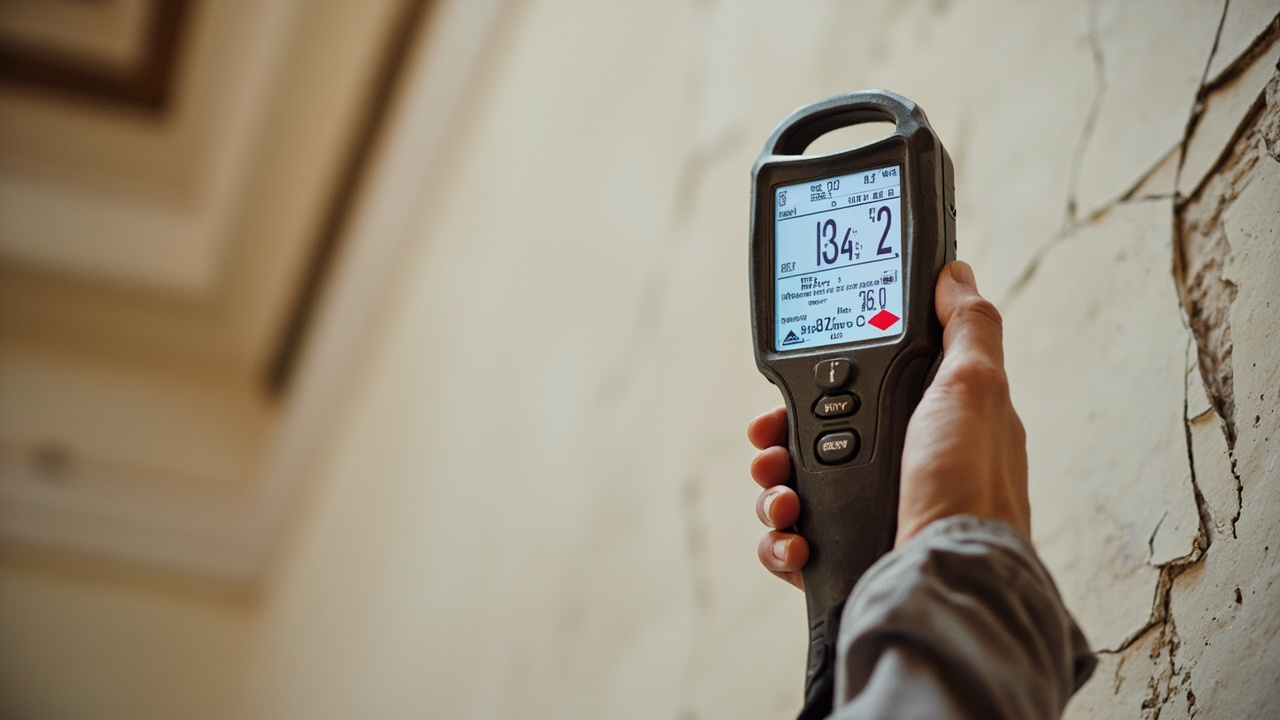
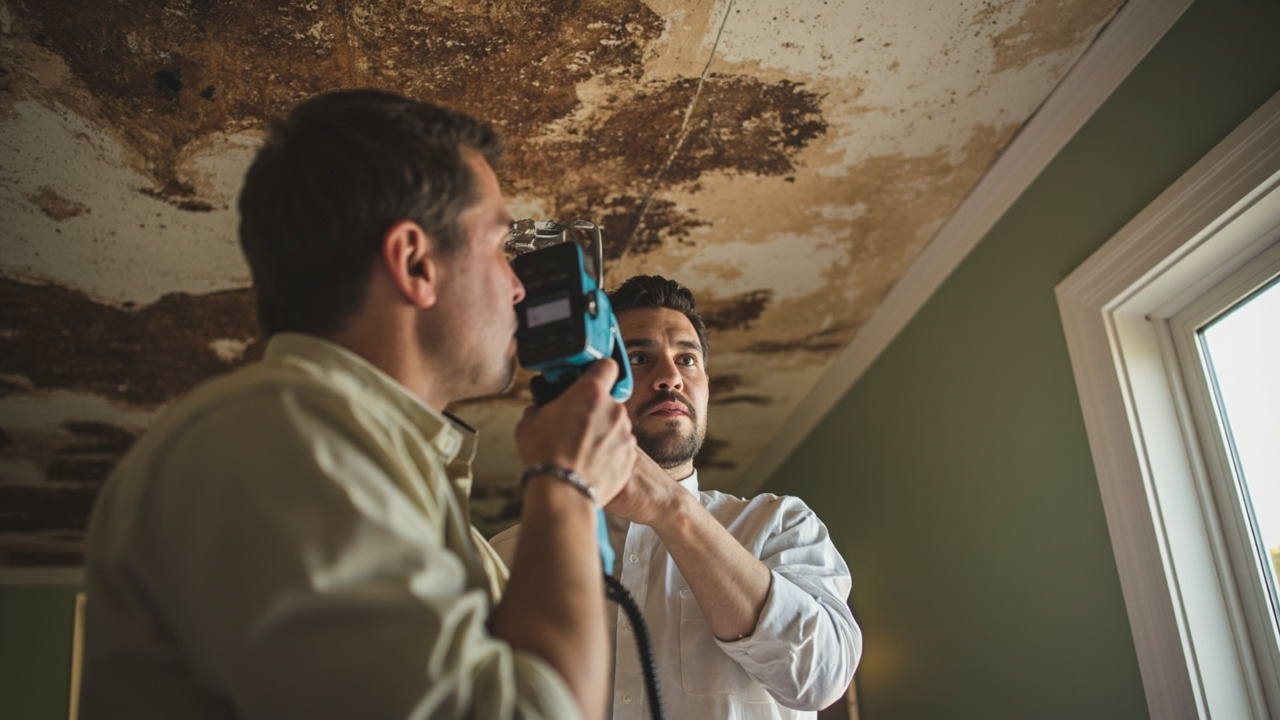
We use thermal imaging cameras to map moisture migration through walls, above ceilings, and beneath flooring systems. Water follows gravity and building design, often traveling dozens of feet from the visible damage point. Commercial structures with dropped ceilings, raised floors for cabling, and interstitial mechanical spaces create hidden pathways for moisture spread.

Extraction precedes drying. We position axial air movers to create directional airflow across affected surfaces, measured in cubic feet per minute, not guesswork. Low-grain refrigerant dehumidifiers, calibrated for New Orleans's ambient humidity levels, pull moisture from the air continuously. We monitor progress with daily moisture meter readings logged at multiple depths in structural materials.

Documentation occurs at every phase. We photograph conditions, log equipment placement, record psychrometric data, and maintain chain-of-custody for any materials requiring disposal. This documentation protects you during insurance claims and potential litigation.

For facilities requiring continued operation during restoration, we establish containment barriers using poly sheeting and negative air pressure to isolate affected zones. You maintain functionality in unaffected areas while we execute commercial water mitigation in damaged sections.

What Happens During Commercial Water Damage Response

Commercial Water Damage Restoration in New Orleans – Minimize Downtime and Protect Your Business Continuity
01

Emergency Assessment and Stabilization

We dispatch a project manager to your facility within hours of your call. The initial assessment identifies water category, affected square footage, and structural risks. We document conditions with photo and video evidence, then immediately begin water extraction using truck-mounted equipment. Safety hazards get addressed first, including electrical shutoff in wet areas and structural shoring if ceiling materials are compromised by water weight.
02

Controlled Drying and Monitoring

After extraction, we establish a drying environment using commercial-grade dehumidifiers and air movers positioned based on airflow science, not convenience. Moisture meters track drying progress in structural materials twice daily. We adjust equipment placement and airflow patterns based on readings. Antimicrobial treatments prevent microbial growth on porous surfaces. This phase typically requires three to seven days depending on materials affected and extent of saturation.
03

Verification and Facility Turnover

We do not consider the job complete until moisture readings in all affected materials return to normal levels for New Orleans's climate zone. Final documentation includes a comprehensive moisture map, equipment logs, and photographic proof of dry conditions. We provide a detailed report suitable for insurance submission and regulatory compliance. You receive written confirmation that your facility meets industry drying standards before we demobilize equipment.

Why New Orleans Businesses Choose Local Commercial Water Restoration Experts

Commercial water damage in New Orleans requires understanding the city's unique infrastructure challenges. Properties built in flood-prone areas below sea level require different evaluation criteria than structures in Uptown or Lakeview. We know which commercial districts rely on pump-assisted drainage and which areas experience chronic groundwater intrusion during king tides.

The Louisiana State Uniform Construction Code and New Orleans building ordinances impose specific requirements for water damage restoration in commercial properties. Affected buildings may require permits for certain demolition work. Historic district properties demand additional considerations. We navigate these requirements daily, maintaining relationships with local building officials and understanding which restoration methods meet code in different zoning districts.

Response time determines loss magnitude in commercial settings. We maintain staging facilities in Orleans Parish with equipment ready for immediate deployment. When your restaurant in the Garden District floods at 2 AM or your retail space on Magazine Street experiences pipe failure on Sunday, we arrive with crews and equipment ready to work, not promises to call you back Monday.

Insurance claim success depends on proper documentation from the first hour. We have processed hundreds of commercial water damage claims with carriers operating in Louisiana. We understand what adjusters require for approval, how to document pre-existing conditions versus new damage, and which restoration approaches insurers accept without dispute.

Our crews train specifically for commercial environments. They understand the urgency of business continuity, maintain professional conduct in occupied facilities, and coordinate with your staff to minimize operational disruption. We do not treat your office building like a residential kitchen flood.

Grand Water Damage Restoration New Orleans employs IICRC-certified technicians who follow industry standards for commercial water remediation, not improvised methods that create liability exposure.

What to Expect During Commercial Water Damage Restoration

Immediate Response and Rapid Mobilization

We answer emergency calls 24 hours per day, 365 days per year. When you contact us about commercial water damage, you speak with a person who can dispatch crews immediately, not an answering service that takes messages. Our typical response time to commercial properties in Orleans Parish is under two hours from initial contact. We arrive with extraction equipment, moisture detection tools, and safety gear ready to begin work immediately. For large losses exceeding 10,000 square feet, we can mobilize additional crews and equipment within four hours. Every hour of delay increases damage severity and restoration costs, so we treat mobilization speed as a core competency, not a marketing claim.

Comprehensive Damage Assessment and Scope Development

Our project managers conduct detailed facility assessments that go beyond visible water damage. We use thermal imaging to identify hidden moisture in wall cavities, above ceilings, and beneath flooring systems. Moisture meters measure water content in structural materials at multiple depths. We classify water according to contamination level, which determines appropriate restoration protocols. You receive a written scope of work detailing affected materials, required equipment, estimated timeline, and projected costs. This assessment forms the basis for insurance claims and helps you make informed decisions about business continuity during restoration. We identify which areas require full restoration versus monitoring-only approaches, preventing unnecessary work and expenses.

Professional Restoration with Minimal Business Disruption

The quality of commercial water damage repair directly affects your facility's long-term performance and your ability to resume normal operations. We remove water-damaged materials only when restoration is impossible, preserving structural elements whenever feasible. Our drying protocols follow psychrometric principles, creating controlled environments that remove moisture without causing secondary damage like warping or cracking. Antimicrobial treatments prevent mold growth on salvageable materials. We coordinate with your preferred contractors for reconstruction work or provide turnkey restoration if you prefer single-source accountability. Final deliverables include documentation proving all affected materials have returned to normal moisture levels, protecting you from future mold claims or structural issues related to incomplete drying.

Post-Restoration Documentation and Insurance Coordination

We provide comprehensive documentation packages that satisfy insurance requirements and protect your interests. This includes photographic evidence of conditions before, during, and after restoration, detailed equipment logs showing placement and runtime, daily moisture readings tracking drying progress, and itemized invoicing with industry-standard pricing. We communicate directly with your insurance adjuster, providing technical explanations and supporting data for all restoration decisions. You receive copies of all documentation for your records. If questions arise months or years later about the quality or scope of restoration work, you have complete records proving industry-standard protocols were followed. We maintain project files for seven years and remain available to address any post-restoration concerns about the work performed.

Frequently Asked Questions

You Have Questions,
We Have Answers

How much does restoration cost for water damage? +

Commercial water damage restoration costs depend on the extent of damage, affected square footage, water category (clean, gray, or black), and required structural repairs. A small office leak may run a few thousand, while flooding across a multi-story warehouse can exceed six figures. New Orleans properties often face higher costs due to elevated humidity, which accelerates secondary damage and mold growth. Insurance adjusters evaluate water source, structural impact, and business interruption losses. Request a detailed scope of work before authorizing repairs. Most restoration firms provide free estimates and work directly with your insurer to streamline claims and minimize downtime.

Is water damage restoration worth it? +

For commercial properties, restoration is not discretionary. It is a liability and asset protection decision. Unaddressed water damage leads to mold contamination, structural decay, ADA violations, and potential premises liability claims. In New Orleans, where humidity exceeds 75 percent year-round, untreated water damage compromises building integrity within days. Restoration protects your investment, maintains tenant habitability, and ensures code compliance. Delaying repairs increases costs exponentially and risks shutdowns by the city health department. The ROI is straightforward: restore immediately or face compounding losses, including lost revenue, tenant lawsuits, and building condemnation.

What does water damage restoration include? +

Commercial restoration includes emergency water extraction, structural drying, moisture mapping with infrared and hygrometer tools, antimicrobial treatment, dehumidification, and reconstruction of damaged areas. Teams remove saturated drywall, insulation, and flooring, then dry the structural frame using industrial air movers and desiccant dehumidifiers. In New Orleans, restoration must account for elevated ambient humidity and mold risk. Services also include contents pack-out, document recovery, and coordination with insurance adjusters. The process follows IICRC S500 standards. Expect frequent moisture readings and documentation to track drying progress. Restoration firms provide detailed photo documentation for your claim file and compliance records.

How much can I claim for water damage? +

Claim amounts depend on your policy limits, deductible, and covered perils. Commercial policies typically cover direct property damage, including structural repairs, damaged equipment, and inventory loss. Business interruption coverage reimburses lost income during closures. In New Orleans, flood damage requires separate flood insurance through NFIP or private carriers. Review your declarations page to understand exclusions. Document everything: photograph damage, save receipts, and maintain a loss ledger. Your adjuster will review the restoration estimate and issue payment based on actual cash value or replacement cost. Submit claims promptly. Louisiana law requires insurers to respond within specific timeframes.

Does insurance pay for water restoration? +

Standard commercial property policies cover sudden and accidental water damage from burst pipes, HVAC leaks, or roof failures. Policies typically exclude gradual damage from deferred maintenance or flood events. In New Orleans, you must carry separate flood insurance for hurricane or stormwater damage. Review your policy exclusions and endorsements carefully. Insurers pay for reasonable and necessary restoration costs, including extraction, drying, and reconstruction. Business interruption coverage requires proof of income loss and causal connection to the water event. File claims immediately. Delays complicate claims adjustment and risk denial for untimely reporting.

How long does Servpro take for water damage? +

Service timelines vary by company and project scope. Typical emergency response occurs within hours. Drying takes three to five days for minor incidents and up to two weeks for major flooding. Reconstruction extends timelines based on permit approvals and material availability. In New Orleans, elevated humidity slows drying, requiring extended dehumidification cycles. Demand a detailed project timeline in writing before work begins. Track daily progress and moisture readings. Hold contractors to milestones tied to payment. Delays disrupt business operations. Ensure your contract includes performance deadlines and liquidated damages clauses to protect your continuity and bottom line.

What is the average water damage claim? +

Commercial water damage claims average significantly higher than residential claims due to square footage, business interruption losses, and equipment replacement costs. Claims range from $10,000 for minor leaks to $500,000 or more for large-scale flooding affecting multi-tenant properties or industrial facilities. In New Orleans, older building stock and elevated flood risk drive higher averages. Your claim depends on damage extent, policy limits, and documentation quality. Maintain detailed records of repairs, equipment replacement, and lost revenue. Engage a public adjuster if your carrier undervalues your claim. Accurate documentation and professional restoration estimates drive fair claim settlements.

What is the difference between water remediation and restoration? +

Remediation removes immediate threats: extracting standing water, removing contaminated materials, and applying antimicrobials to prevent mold growth. Restoration rebuilds the property to pre-loss condition: replacing drywall, flooring, and structural components. Remediation is emergency response. Restoration is reconstruction. In commercial settings, remediation stops liability exposure and prevents further damage. Restoration returns the property to operational status. Both are sequential phases of the same project. New Orleans properties require aggressive remediation due to high humidity and rapid mold colonization. Expect remediation to take days and restoration to take weeks, depending on scope and permitting requirements.

How long does it take for water damage to turn to mold? +

Mold colonizes within 24 to 48 hours in optimal conditions. New Orleans averages 75 percent humidity year-round, accelerating mold growth after water intrusion. Porous materials like drywall, ceiling tiles, and insulation become contaminated fastest. Commercial properties with HVAC systems risk spreading spores throughout the building via ductwork. Immediate extraction and drying are critical. Deploy dehumidifiers and air movers within hours of water contact. Monitor moisture levels with hygrometers. Delaying remediation beyond 48 hours virtually guarantees mold contamination, increasing restoration costs and creating health liabilities. Speed is non-negotiable in humid climates.

What is the standard for professional water damage restoration? +

Professional restoration follows IICRC S500 standards for water damage and S520 for mold remediation. Technicians use moisture meters, infrared cameras, and hygrometers to document damage and track drying progress. Commercial projects require detailed scope documentation, daily logs, and psychrometric calculations to ensure thorough drying. In New Orleans, contractors must account for elevated ambient humidity and adjust drying protocols accordingly. Expect EPA-registered antimicrobials, HEPA filtration during demolition, and proper disposal of contaminated materials. Verify contractor certification, insurance, and references. Professional restoration protects your property value, limits liability, and ensures code compliance for occupancy and tenant safety.

Why New Orleans's Below-Sea-Level Geography Demands Specialized Commercial Water Damage Response

New Orleans sits an average of six feet below sea level, with some commercial districts in the Lower Ninth Ward and Lakeview reaching elevations 10 feet below the surrounding water. This geography creates persistent hydrostatic pressure against foundation walls and floor slabs. When pump stations fail or lose power during storms, groundwater rises rapidly into below-grade spaces. Commercial buildings near the Industrial Canal and along the Mississippi River face additional flood risk from storm surge and river flooding. The city's pump-dependent drainage system can become overwhelmed during intense rainfall, causing street flooding that enters ground-floor commercial spaces. These conditions require commercial water damage cleanup protocols that address not just surface water removal but ongoing moisture intrusion from below-grade sources.

Grand Water Damage Restoration New Orleans maintains relationships with commercial property managers, facility directors, and business owners throughout the metro area. We understand local building construction methods, from historic masonry structures in the French Quarter to modern tilt-wall warehouses in New Orleans East. Our familiarity with Orleans Parish building codes, inspection requirements, and permit processes accelerates project timelines. We know which restoration approaches local inspectors accept and which materials meet code in different zoning districts. This local expertise prevents costly mistakes and ensures your commercial water mitigation project proceeds without regulatory delays or failed inspections.
Water Damage Restoration Services in The New Orleans Area

While Grand serves the wider region with our expert water damage restoration services, we invite you to view our central operational location on the map. This helps you visualize our base of operations and understand our commitment to providing swift, efficient service across our service areas. Our team is strategically positioned to ensure rapid deployment when you need us most, so don't hesitate to contact us regardless of your specific location within our service radius.

Address:
Grand Water Damage Restoration New Orleans, 201 St Charles Ave, New Orleans, LA, 70170

Additional Services We Offer

Our news updates

Latest Articles & News from The Blogs

Standing water in your Gretna home requires an immediate response to prevent permanent structural issues and mold growth. Residents living…

Fast Flood Restoration Strategies for Gretna Homeowners

Standing water in your Gretna home requires an immediate response to prevent permanent structural issues and mold growth. Residents living…

Resolving Ceiling Water Damage and Leaks in Mid-City Apartments

Dealing with Ceiling Water Damage Repair in Mid-City New OrleansA damp spot on your ceiling in a Mid-City apartment requires…

Removing that stubborn musty smell from historic plaster walls in Esplanade Ridge

Living in a historic home in the Esplanade Ridge neighborhood offers a unique charm that modern builds cannot replicate. Those…

Contact Us

Every minute of delay increases water damage severity and business disruption. Contact Grand Water Damage Restoration New Orleans now at (504) 355-2332 for immediate commercial water damage response. We dispatch crews 24/7 across the Greater New Orleans metro.