



menu

Swollen Baseboards & Trim in New Orleans – Expert Diagnosis and Permanent Repair

We identify the hidden moisture source causing your water damaged baseboards, stop the swelling before structural damage spreads, and restore your trim without the guesswork or repeat callbacks.

Slider Image 1
Slider Image 2
Slider Image 3
Slider Image 4
Slider Image 5
Slider Image 7
Slider Image 8
Slider Image 9
Slider Image 10
Slider Image 11

Why Your Baseboards Are Swelling in New Orleans Homes

You notice the gap first. Your baseboards no longer sit flush against the wall. The paint is bubbling. The wood feels soft when you press it. The corners are starting to separate.

This is not cosmetic. Swollen baseboards are a symptom of active moisture intrusion, and in New Orleans, the causes are predictable and dangerous.

New Orleans sits below sea level. The water table is high. Slab foundations are common, and groundwater wicks up through concrete when vapor barriers fail. Add the city's relentless humidity, and your baseboards become moisture sponges.

Warped baseboard molding happens when water contacts the bottom edge of your trim for extended periods. MDF baseboards expand faster than solid wood because they absorb moisture like a sponge. Bloated wood trim is often the first visible sign of a hidden plumbing leak, condensation issue, or foundation seepage.

In older New Orleans homes, especially in neighborhoods like Lakeview and Gentilly where post-Katrina rebuilding used cheaper materials, MDF trim was installed without primer or proper clearance from the subfloor. When moisture swollen baseboards appear, the damage is already deep into the wall cavity.

You may also see discoloration, peeling paint, or a musty smell near the floor. These are red flags. Water damaged baseboards do not dry out and return to normal. The wood fibers have expanded. The material is compromised. Even if it dries, it stays warped.

The longer you wait, the more expensive the fix becomes. Mold grows behind swollen trim. Subfloors rot. Drywall wicks moisture upward. What starts as a baseboard issue becomes a wall replacement project.

Why Your Baseboards Are Swelling in New Orleans Homes
How We Fix Swollen Baseboards the Right Way

How We Fix Swollen Baseboards the Right Way

Most contractors replace the trim and leave. We find the source.

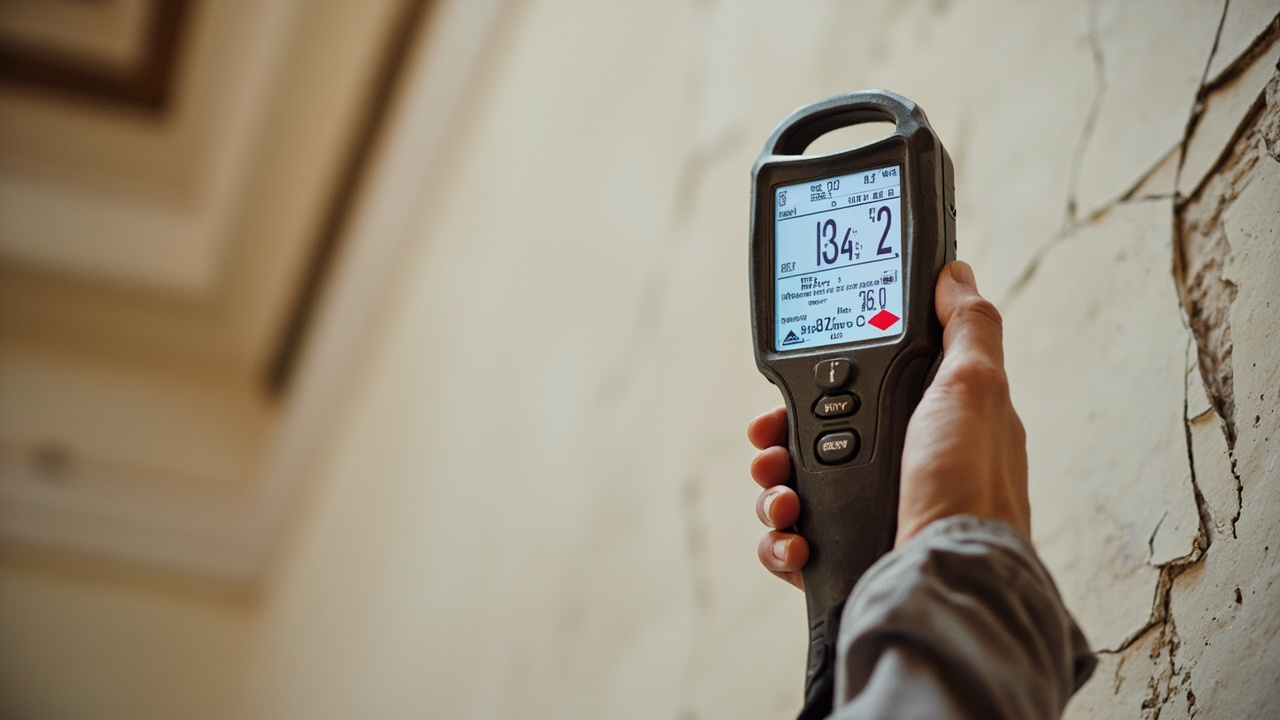
Our process starts with moisture mapping. We use thermal imaging cameras and pin-type moisture meters to trace the water intrusion path. Swollen baseboards are never the problem. They are the indicator.

We check for slab leaks, which are common in New Orleans due to shifting soil and aging copper lines. We inspect crawl spaces for groundwater seepage or failed vapor barriers. We examine exterior grading, especially in areas where French drains have clogged or settled over time.

If the moisture is coming from inside the wall, we open it up. We do not guess. We confirm the source with direct observation, then document it for your insurance claim if applicable.

Once we locate the leak or seepage point, we stop it. That might mean repairing a pinhole leak in a supply line, sealing a foundation crack, or installing a sump pump in a crawl space. If condensation from an HVAC system is the culprit, we address the ductwork or drip pan issue.

After the source is controlled, we remove all damaged materials. Swollen MDF cannot be saved. It gets pulled, along with any wet drywall, insulation, or subfloor sections. We treat all framing with antimicrobial solution to prevent mold colonization.

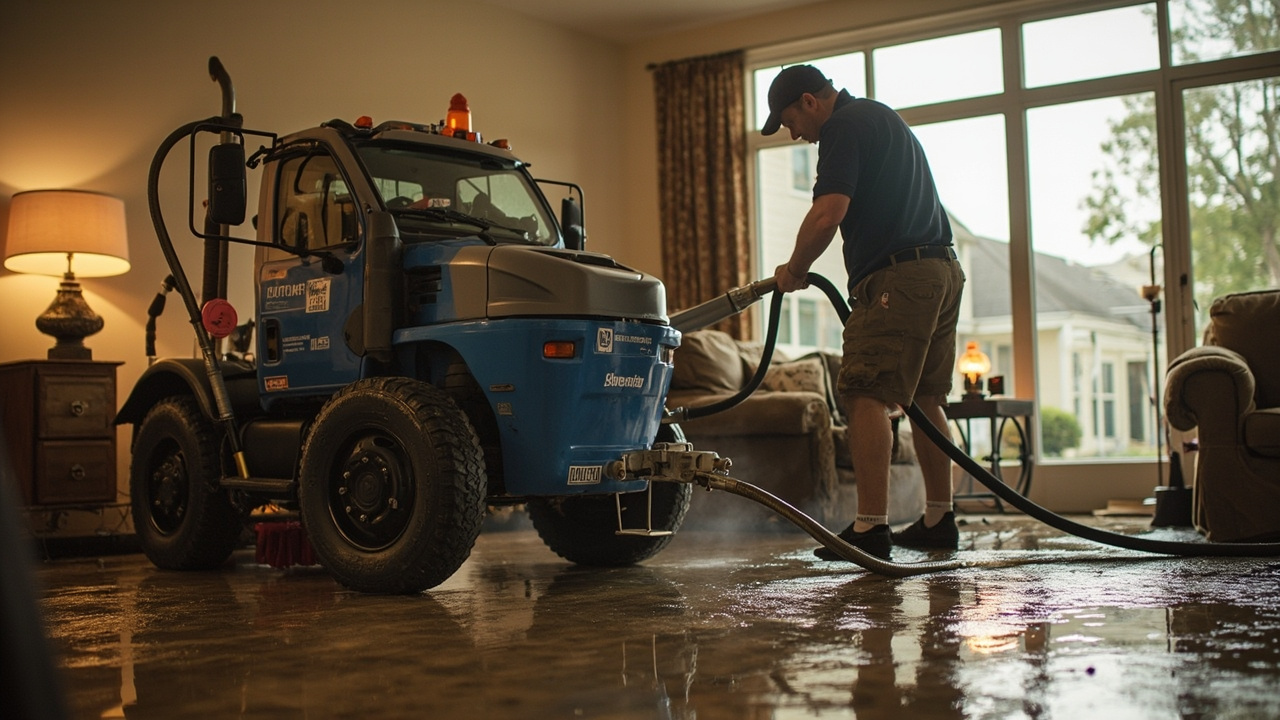
We dry the space using commercial dehumidifiers and air movers until moisture readings return to baseline. This takes days, not hours. Rushing this phase guarantees future problems.

Finally, we rebuild with moisture-resistant materials. We use primed solid wood or PVC trim in high-risk areas. We leave proper expansion gaps. We seal all edges. The goal is not just repair. The goal is prevention.

What Happens During Your Baseboard Restoration

Swollen Baseboards & Trim in New Orleans – Expert Diagnosis and Permanent Repair
01

Moisture Source Investigation

We do not start by pulling trim. We start by mapping the moisture field using thermal imaging and hygroscopic sensors. This tells us if the water is coming from a plumbing leak, exterior seepage, or condensation. We trace the path back to the origin point, check adjacent walls, and confirm whether the issue is isolated or systemic. This diagnostic phase prevents wasted work and ensures we address the actual cause.
02

Controlled Demolition and Drying

We remove all compromised materials in sections to minimize dust and debris spread. Swollen baseboards, wet drywall, and damaged insulation are bagged and removed. We expose the wall cavity and subfloor, then set up containment barriers if mold is present. Industrial dehumidifiers and air movers run continuously until moisture content drops below 15 percent. We monitor daily with calibrated meters and document the drying curve for insurance and quality control.
03

Rebuild with Moisture Barriers

We install new drywall, insulation, and subfloor sections as needed, then apply a moisture barrier primer before installing trim. We use solid wood or PVC baseboards in high-risk zones and leave quarter-inch clearance above the subfloor to prevent future wicking. All seams are caulked with mold-resistant sealant. The final coat is a moisture-resistant paint system. You get a clean finish and long-term protection against recurrence.

Why New Orleans Homeowners Trust Grand Water Damage Restoration

We work in a city where water is the constant threat. Below-sea-level elevation, high water tables, and saturated soils make moisture control a specialized trade. Generic contractors do not understand the hydrology of New Orleans. We do.

Our team has worked in every neighborhood from the Garden District to the Lower Ninth Ward. We know which areas flood first during heavy rain. We know where the old clay sewer lines are failing. We know which streets have slab foundations and which have pier-and-beam systems vulnerable to crawl space flooding.

That local knowledge changes how we approach swollen baseboards. In Lakeview, we check for residual flood damage from Katrina that was never fully remediated. In Gentilly, we inspect for slab leaks caused by soil subsidence. In Uptown, we look for plumbing issues in century-old homes with cast iron drains and galvanized supply lines.

We also understand New Orleans building codes and the permitting process. If your repair requires structural work or plumbing changes, we pull the permits and schedule inspections. We work with your insurance adjuster to document pre-loss conditions and justify the scope of work.

You will not get a salesperson on the first call. You get a certified water damage technician who can explain what is happening, why it is happening, and what it will take to fix it permanently.

We do not hide behind vague estimates or change orders. Our pricing is transparent. Our timeline is realistic. Our work is warrantied.

Grand Water Damage Restoration New Orleans has built a reputation on solving problems other contractors walk away from. Swollen baseboards are a symptom of a deeper issue, and we treat the disease, not just the symptom.

What You Can Expect from Start to Finish

Response Time and Availability

We dispatch a technician within four hours of your call, even on weekends. Swollen baseboards often signal active water intrusion, and delaying the assessment allows mold to colonize and structural damage to spread. Our team carries diagnostic equipment in every truck, so we can begin moisture mapping during the first visit. If the situation is urgent, such as an active plumbing leak, we can coordinate emergency plumbing response through our network of licensed contractors. You will have a written assessment and action plan within 24 hours of the initial inspection.

Diagnostic Process and Documentation

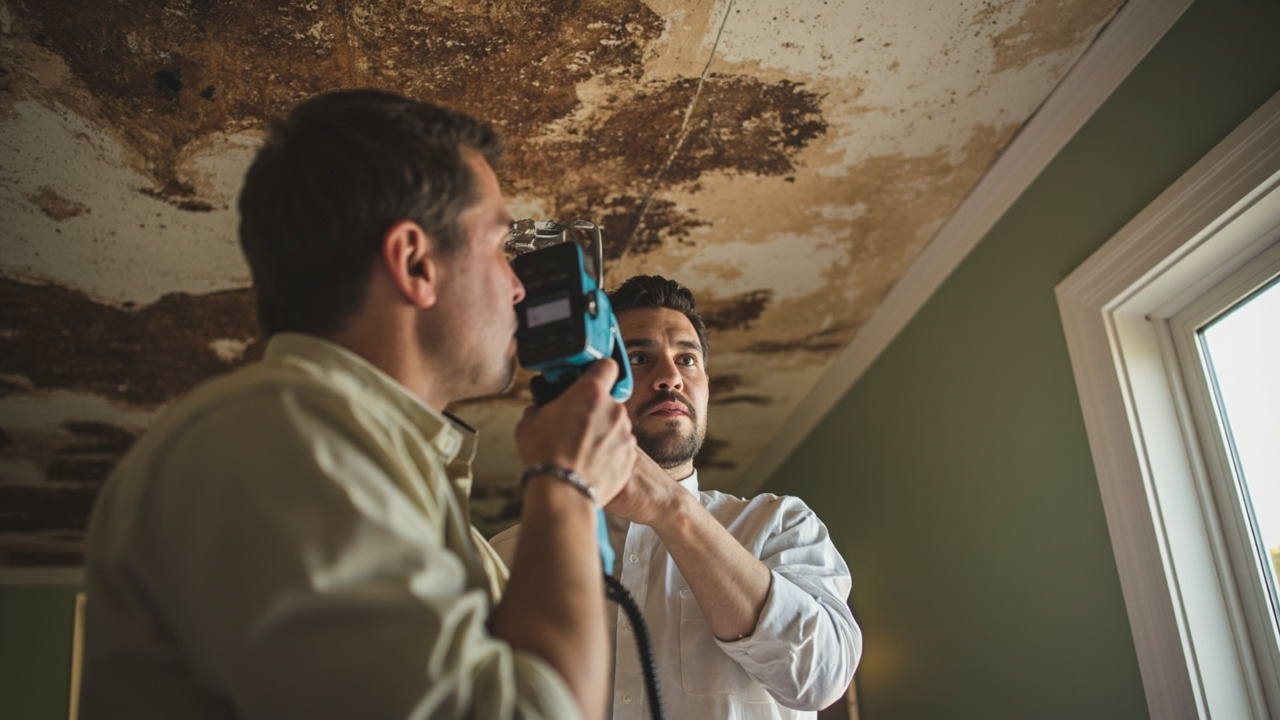
Our assessment includes thermal imaging, moisture meter readings at multiple wall depths, and visual inspection of adjacent areas. We document everything with photos, annotated diagrams, and moisture content logs. This documentation is critical if you are filing an insurance claim. We identify the moisture source, measure the extent of damage, and outline the required scope of work. You receive a detailed report that explains what failed, why it failed, and what needs to happen to prevent recurrence. We also provide a timeline estimate and material specifications.

Quality of Materials and Workmanship

We do not reinstall the same materials that failed. If your baseboards were MDF, we recommend solid wood or PVC alternatives in moisture-prone areas. We use mold-resistant drywall in lower wall sections and apply vapor barrier primer before finish coats. All fasteners are stainless steel or coated to prevent rust staining. Caulking is done with mold-resistant silicone, not latex. We match existing profiles and finishes so the repair blends seamlessly with the rest of your home. Every installation meets or exceeds Louisiana building code requirements.

Post-Repair Monitoring and Warranty

After the rebuild, we schedule a 30-day follow-up inspection to verify moisture levels remain stable. We provide written care instructions, including humidity control recommendations and early warning signs of recurrence. Our workmanship is backed by a written warranty that covers labor and materials. If the moisture source was environmental, such as groundwater seepage, we can recommend drainage improvements or crawl space encapsulation to provide long-term protection. You also receive priority scheduling for any future water damage emergencies.

Frequently Asked Questions

You Have Questions,
We Have Answers

How to fix a swollen baseboard? +

First, identify and stop the water source. Remove the swollen baseboard carefully to prevent wall damage. Let the area dry completely using fans and dehumidifiers. This matters in New Orleans, where high humidity slows drying. Check the wall studs and subfloor for hidden moisture or mold. If the baseboard is MDF or particleboard, replace it. Solid wood may shrink back after drying, but warping usually means replacement. Prime all sides of new baseboards before installation to prevent future moisture absorption. If swelling appears without an obvious leak, you likely have a hidden plumbing issue or foundation moisture problem requiring professional assessment.

What is the 7 rule for baseboards? +

The 7 rule helps determine proper baseboard height proportions for visual balance. Measure your wall height in inches and divide by seven. That number suggests an appropriate baseboard height. For example, an 8-foot wall (96 inches) divided by seven equals roughly 13.7 inches, suggesting a 12 to 14-inch baseboard looks proportional. New Orleans homes, especially in historic neighborhoods like the Garden District or French Quarter, often feature taller baseboards (8 to 12 inches) that reflect period architecture. Modern homes typically use 3 to 5-inch baseboards. This guideline is flexible based on ceiling height and architectural style.

Why do baseboards swell? +

Baseboards swell when moisture penetrates the material and causes the fibers to expand. Common causes include plumbing leaks, foundation seepage, roof leaks traveling down walls, HVAC condensation, and high indoor humidity. In New Orleans, where humidity regularly exceeds 70 percent and homes sit on expansive clay soils prone to shifting, moisture intrusion is common. MDF and particleboard baseboards absorb water quickly and swell dramatically. Inadequate vapor barriers, poor crawlspace ventilation, and seasonal flooding also contribute. Once water enters the porous material, it acts like a sponge. Without proper sealing and moisture control, baseboards remain vulnerable to recurring damage.

What does water damage on baseboards look like? +

Water-damaged baseboards show several telltale signs. Look for bubbling or peeling paint, which indicates moisture trapped beneath the surface. Discoloration appears as dark stains, yellowing, or waterlines. Swelling creates a puffy appearance where the baseboard bows away from the wall. Warping causes the boards to twist or buckle. Soft spots develop when you press on the material. Mold growth appears as black, green, or gray patches, especially in corners. In New Orleans homes, you may also notice a musty odor, separation at joints, or chalky residue from efflorescence. Catching these signs early prevents structural damage and mold spread.

Why Swollen Baseboards Are Worse in Below-Sea-Level New Orleans Homes

New Orleans sits in a bowl. The water table is often within two feet of the surface, and many homes are built on slab foundations with minimal vapor barriers. When groundwater rises during heavy rain or seasonal flooding, it pushes moisture up through the concrete. This capillary action saturates the bottom plate of your walls and any porous trim material in contact with the slab. The city's average humidity hovers above 75 percent year-round, which means swollen baseboards never fully dry between moisture events. The constant wet-dry cycling accelerates material degradation and creates ideal conditions for mold growth behind the trim.

Local building codes in Orleans Parish have evolved since Hurricane Katrina, but many older homes were built before modern moisture management standards. Contractors who understand pre-Katrina construction methods and post-storm rebuilding practices can quickly identify whether your swollen baseboards are a new issue or a symptom of incomplete flood remediation from 2005. Grand Water Damage Restoration New Orleans has worked in this environment for years. We know the difference between a simple plumbing leak and a chronic groundwater problem that requires foundation-level intervention. That expertise saves you money and prevents repeat repairs.
Water Damage Restoration Services in The New Orleans Area

While Grand serves the wider region with our expert water damage restoration services, we invite you to view our central operational location on the map. This helps you visualize our base of operations and understand our commitment to providing swift, efficient service across our service areas. Our team is strategically positioned to ensure rapid deployment when you need us most, so don't hesitate to contact us regardless of your specific location within our service radius.

Address:
Grand Water Damage Restoration New Orleans, 201 St Charles Ave, New Orleans, LA, 70170

Additional Services We Offer

Our news updates

Latest Articles & News from The Blogs

Standing water in your Gretna home requires an immediate response to prevent permanent structural issues and mold growth. Residents living…

Fast Flood Restoration Strategies for Gretna Homeowners

Standing water in your Gretna home requires an immediate response to prevent permanent structural issues and mold growth. Residents living…

Resolving Ceiling Water Damage and Leaks in Mid-City Apartments

Dealing with Ceiling Water Damage Repair in Mid-City New OrleansA damp spot on your ceiling in a Mid-City apartment requires…

Removing that stubborn musty smell from historic plaster walls in Esplanade Ridge

Living in a historic home in the Esplanade Ridge neighborhood offers a unique charm that modern builds cannot replicate. Those…

Contact Us

Swollen baseboards are a warning sign, not a cosmetic issue. Call Grand Water Damage Restoration New Orleans at (504) 355-2332 right now. We will dispatch a technician today, locate the moisture source, and give you a clear action plan to protect your home.