


Slidell sits in a flood zone where Lake Pontchartrain storm surge, Tangipahoa River overflow, and intense Gulf Coast thunderstorms create persistent water intrusion problems. Properties near Bayou Bonfouca and surrounding wetlands face elevated groundwater that seeps through foundation cracks during heavy rain seasons. The city's high humidity levels accelerate mold colonization within 24 to 48 hours after water exposure, turning a simple leak into a health hazard.
Older homes in neighborhoods like Old Town and Olde Towne have aging cast iron pipes that corrode and burst without warning. The subtropical climate keeps indoor moisture levels high year-round, and when air conditioning systems fail or drain lines clog, condensation damage spreads through walls and ceilings. Hurricane season brings category-level wind-driven rain that penetrates roof valleys and window seals, flooding attics and interior spaces.
St. Tammany Parish building codes require specific flood-resistant construction methods, but even newer properties face risks from appliance failures, water heater ruptures, and toilet supply line breaks. Every Slidell property owner needs a fast response plan because water damage compounds exponentially with each passing hour.
Grand Water Damage Restoration New Orleans has operated in the Greater New Orleans metro for over a decade, building relationships with Slidell homeowners, property managers, and insurance adjusters who know our work speaks for itself. We maintain a physical presence on the Northshore with dedicated crews who know every street in Slidell, from Eden Isles waterfront properties to the commercial corridors along Gause Boulevard.
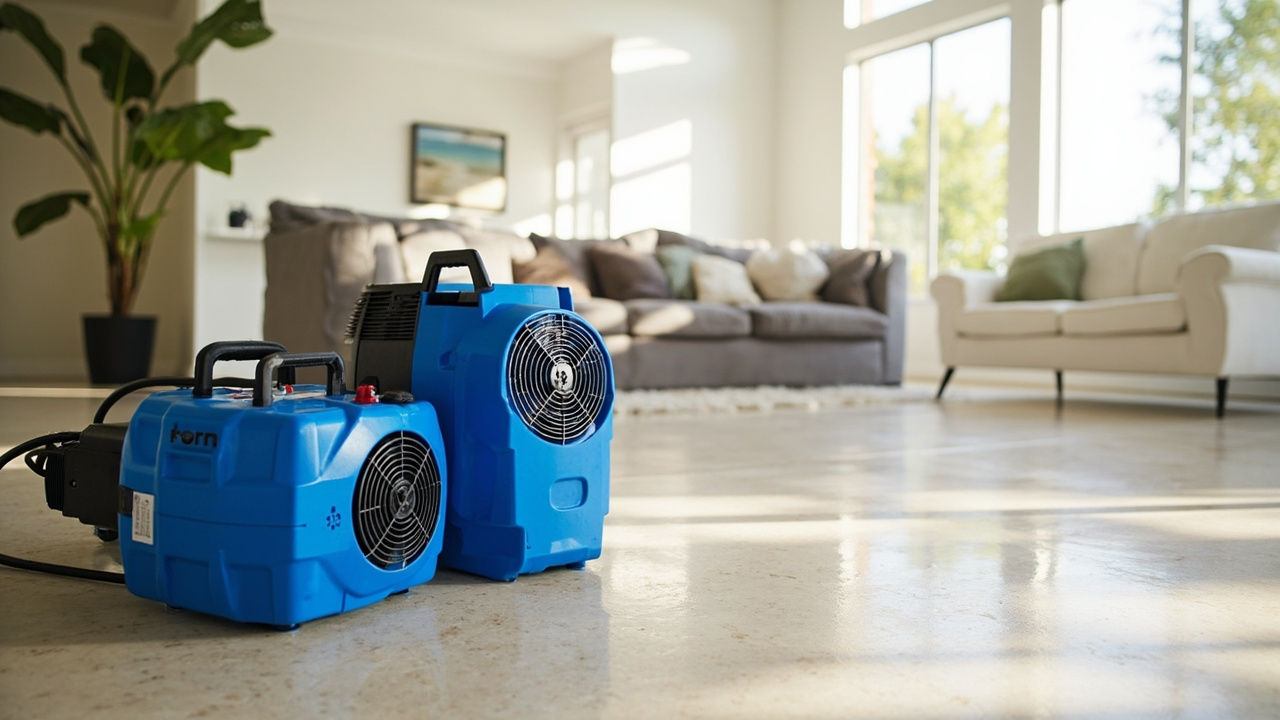
Our technicians hold IICRC certifications in water damage restoration and applied structural drying, not just basic cleanup training. We invest in truck-mounted extraction units, industrial dehumidifiers, thermal imaging cameras, and moisture meters that detect hidden water behind walls and under flooring. Other companies show up with shop vacuums and box fans. We show up with the equipment that actually stops secondary damage.
We bill insurance companies directly, which means you do not pay out of pocket and wait for reimbursement. Our estimators document every inch of damage with photos, moisture readings, and detailed reports that insurance adjusters accept without dispute. We have worked with every major carrier operating in Louisiana and know exactly what documentation they require.
When hurricane evacuations empty Slidell, our teams stay behind to protect properties. When overnight pipe bursts flood homes at 3 AM, we answer the phone and dispatch immediately. Response time determines the difference between drying out a room and gutting an entire floor. We treat every call like the emergency it is because we have seen what happens when restoration gets delayed.

Our Slidell crews are staged and ready to deploy within one hour of your call, day or night. We arrive with extraction equipment already loaded, cutting response time that prevents mold growth and structural deterioration. Every minute counts when water is spreading through your property, and we treat your emergency with the urgency it deserves.

We communicate directly with your insurance carrier, handling all documentation, estimates, and claim negotiations. You do not advance thousands of dollars and wait for reimbursement. Our estimators create detailed loss reports that adjusters approve, streamlining the entire claims process. We have worked with every major insurer in Louisiana and know what they require.
Every technician on our crews holds current certification from the Institute of Inspection, Cleaning and Restoration Certification. This means they follow proven protocols for water extraction, structural drying, and mold prevention. We do not send untrained laborers to your property. You get certified professionals who understand building science and moisture dynamics.
Our crews know Slidell's neighborhoods, flood patterns, and building construction types. We understand how Eden Isles properties differ from Old Town homes and which areas flood first during heavy rain. This local knowledge helps us anticipate problems and customize our restoration approach to your specific property type and location within the city.
Water damage restoration requires more than pumping out standing water. It demands systematic moisture removal, structural drying, antimicrobial treatment, and complete rebuild services to return your property to pre-loss condition. Grand Water Damage Restoration New Orleans handles every phase of recovery under one roof, eliminating the need to coordinate multiple contractors while your property sits damaged.
Our services span from the initial emergency call through final reconstruction. We extract water, remove unsalvageable materials, dry structural components, treat for microbial growth, and rebuild damaged areas. This comprehensive approach means one team, one point of contact, and one company accountable for results. Whether you face a burst pipe flooding one bathroom or hurricane storm surge affecting your entire first floor, we scale our response to match the scope of damage.
We categorize our water damage remediation into three core service areas based on the source of water, the urgency of response, and the extent of restoration required. Each category demands different protocols, equipment, and expertise. Understanding these distinctions helps property owners know what to expect when disaster strikes.
When water is actively flooding your property, emergency extraction stops the damage from spreading. Our truck-mounted pumps remove thousands of gallons per hour, while portable extractors pull water from carpets, padding, and furnishings. We deploy air movers and dehumidifiers to begin structural drying immediately, preventing mold colonization. This phase focuses on speed, removing standing water and reducing moisture levels before secondary damage occurs. Emergency mitigation includes content pack-out to protect salvageable belongings and emergency board-up if windows or walls are compromised.
After extracting standing water, moisture remains trapped in drywall, insulation, subflooring, and framing lumber. Structural drying uses industrial dehumidifiers and targeted air movement to pull this hidden moisture out over several days. We monitor progress with thermal imaging and moisture meters, documenting readings to prove materials have returned to dry standards. This phase prevents warping, swelling, and mold growth in walls and floors. We set up containment barriers to isolate affected areas and maintain climate control, following IICRC S500 protocols for each material type.
Once your property is dry and treated, restoration rebuilds what water destroyed. We replace drywall, install new flooring, repaint walls, and reconstruct damaged cabinets or built-ins. Our licensed contractors handle everything from minor repairs to complete room renovations, matching existing finishes and materials. This phase returns your property to livable condition, coordinating with your insurance company's scope of approved repairs. We pull necessary permits for plumbing or electrical work and schedule inspections to meet St. Tammany Parish requirements.
Slidell's location between Lake Pontchartrain and the Pearl River creates unique vulnerability to both weather-related flooding and chronic moisture problems. The area's clay-heavy soil does not absorb water efficiently, leading to surface pooling that seeps into crawl spaces and slabs. High humidity combines with temperature swings to create condensation inside walls and attic spaces.
Properties throughout Slidell face recurring issues tied to the region's subtropical climate and aging infrastructure. Knowing these common problems helps homeowners recognize early warning signs before minor leaks become major disasters. Different neighborhoods face different risks based on elevation, drainage systems, and building age. Older sections near downtown experience different failure points than newer developments in the northern subdivisions.
Insurance claims data from St. Tammany Parish shows water damage as the most frequent homeowner loss, outpacing wind and fire combined. Understanding what causes these losses helps property owners take preventive action and respond quickly when problems emerge.
Lake Pontchartrain storm surge pushes water into low-lying neighborhoods during hurricanes and tropical storms. Flash flooding from intense thunderstorms overwhelms drainage systems, backing water into streets and yards. Properties near Bayou Bonfouca and Bayou Liberty see rapid water level rises that infiltrate foundations and flood first floors within minutes.
Corroded cast iron drain lines and galvanized supply pipes fail without warning in older Slidell homes. Water heater ruptures flood garages and utility rooms. Toilet supply lines crack under pressure, releasing hundreds of gallons before anyone notices. Slab leaks beneath concrete foundations go undetected until water bills spike or floors become spongy.
Air conditioning systems run almost year-round in Slidell's climate, producing gallons of condensation daily. When drain lines clog with algae or disconnect at joints, water overflows into ceilings and walls. Attic air handlers without proper drain pans leak directly onto insulation and drywall, causing hidden damage that spreads for months.
Wind-driven rain penetrates aging roof shingles, damaged flashing, and improperly sealed skylights. Window assemblies deteriorate in the humid climate, allowing water intrusion during heavy storms. Ice dam equivalents occur when temperature differences between attic spaces and roof surfaces create condensation that drips onto insulation. These slow leaks cause gradual damage that becomes visible only after mold appears.
Water emergencies create panic. Water spreads across floors, soaks into walls, and ruins belongings while you watch helplessly. Calling for professional help should reduce your stress, not add to it. When you contact Grand Water Damage Restoration New Orleans, you reach a live person who understands the urgency and begins coordinating response immediately.
We skip the automated phone trees and message systems. You speak directly with a dispatcher who gathers essential information about your situation and deploys the nearest crew. Within minutes, you receive a callback with an estimated arrival time and instructions on immediate actions you can take to minimize damage. Our goal is to stop the panic and start the recovery process.
From first contact through final walkthrough, you work with professionals who communicate clearly, show up when promised, and deliver results. We set realistic expectations about timelines, explain our process in plain language, and keep you informed as work progresses. Water damage restoration involves multiple phases over several days or weeks, but you should never feel left in the dark about what happens next.
Our crews arrive within 60 minutes carrying extraction equipment and assessment tools. The team leader conducts a thorough inspection, using moisture meters and thermal imaging to map the full extent of water intrusion. We identify the water source, document all affected areas with photos and measurements, and create an initial damage assessment. You receive a clear explanation of what happened, what needs to be done, and how long restoration will take.
During the drying phase, technicians visit your property daily to check moisture levels and adjust equipment placement. We provide written moisture logs showing progress toward dry standards. You receive text or call updates confirming appointment times and explaining any changes to the restoration plan. If insurance adjusters need to inspect, we coordinate schedules and ensure all documentation is ready. You always know who is coming to your property and why.
Before we call the job complete, we verify all materials have reached dry standards and conduct a final walkthrough with you. We explain what was done, show before and after moisture readings, and confirm your satisfaction with the results. If reconstruction was part of the scope, we review all repairs and ensure everything meets your approval. You sign off only when you are completely satisfied with the restoration work.
Water damage restoration follows a specific sequence of steps, each building on the previous phase. Skipping steps or rushing the process leads to hidden mold, structural problems, and failed repairs. Our systematic approach ensures complete recovery.
We start by identifying the water source and stopping active flooding if possible. Our team inspects all affected areas, documenting damage with photos and moisture readings. Truck-mounted extractors and portable pumps remove standing water from floors, carpets, and padding. We pull baseboards to allow airflow behind walls and remove unsalvageable materials like soaked insulation. Air movers and dehumidifiers are positioned strategically to begin the drying process within the first hour.
Industrial dehumidifiers run continuously, pulling moisture from the air while air movers circulate airflow across wet surfaces. Technicians visit daily to record moisture readings in floors, walls, and ceilings using calibrated meters. We track progress against established dry standards for each material type. This phase typically takes three to seven days depending on the extent of saturation. We adjust equipment placement as needed to target stubborn moisture pockets detected by thermal imaging.
Once materials reach dry standards, we treat all affected surfaces with antimicrobial solutions to prevent mold growth. Reconstruction begins with framing repairs, new drywall installation, and subflooring replacement where needed. We match existing finishes, paint colors, and flooring materials. Licensed contractors handle any electrical or plumbing repairs required to return your property to pre-loss condition. Final cleaning removes all dust and debris before we conduct the walkthrough inspection with you.
Water damage restoration is not just cleanup. It requires understanding building science, moisture dynamics, microbial growth patterns, and structural drying principles. The Institute of Inspection, Cleaning and Restoration Certification publishes the IICRC S500 Standard for Professional Water Damage Restoration, which establishes protocols for every phase of water damage remediation.
The S500 standard classifies water damage into three categories based on contamination level. Category 1 involves clean water from supply lines or rainwater. Category 2 includes gray water from washing machines, dishwashers, or toilet overflow without feces. Category 3 is black water containing sewage, flooding from rivers, or water that has sat stagnant for more than 48 hours. Each category requires different safety protocols and disposal methods. Materials contacted by Category 3 water often require removal rather than cleaning.
The standard also defines four classes of water damage based on evaporation rate and affected materials. Class 1 affects only part of a room with minimal moisture absorption. Class 2 involves an entire room with significant carpet and wall wicking. Class 3 means water came from overhead, saturating walls, ceilings, insulation, and subfloors. Class 4 includes specialty drying situations like hardwood floors, plaster, or concrete that require extended drying times and low-grain refrigerant dehumidifiers.
Professional restoration relies on psychrometrics, the science of air and moisture interaction. We measure temperature, relative humidity, and specific humidity to calculate vapor pressure and determine how much moisture air can hold. Dehumidifiers work by either refrigerant cooling or desiccant absorption, each suited to different conditions. We adjust equipment based on daily readings to maintain optimal drying conditions.
Thermal imaging cameras detect moisture hidden behind walls, under flooring, and above ceilings without invasive demolition. These cameras show temperature differentials created by evaporative cooling, allowing technicians to map wet areas invisible to the naked eye. Moisture meters confirm what thermal imaging suggests, using pin probes or non-invasive radio frequency to measure moisture content in wood, drywall, and concrete.
Louisiana does not require specific licensing for water damage restoration contractors, but IICRC certification demonstrates adherence to industry standards. Our technicians complete courses in water damage restoration, applied structural drying, and applied microbial remediation. These certifications require passing written exams and renewing through continuing education every two years.
Proper restoration starts with correctly identifying water contamination category and damage class. Category 3 black water requires antimicrobial treatment and often material removal. Class 4 damage needs specialty drying equipment. Misidentifying either leads to incomplete drying or health hazards. We assess these factors during initial inspection and adjust our approach accordingly, following S500 protocols for each situation.
Restoration costs depend on water volume, affected square footage, material types, and contamination category. Class 3 and 4 damage requires more equipment running for longer periods. Specialty materials like hardwood or tile need extended drying. Most jobs take three to seven days of active drying plus reconstruction time. We provide detailed estimates showing equipment costs, labor, and materials before starting work.
Materials are considered dry when moisture content returns to normal levels for the building and climate. In Slidell's humid environment, acceptable moisture levels differ from arid regions. We establish baseline readings from unaffected areas, then dry affected materials to match. Drywall should read below 1 percent moisture content. Wood framing should return to equilibrium moisture content for the region, typically 12 to 14 percent.
Louisiana insurance carriers require detailed documentation including photos of all damage, moisture readings at multiple locations, equipment logs showing run times, and daily monitoring reports. We create comprehensive loss documentation using Xactimate estimating software, the industry standard that adjusters use. This ensures our estimates match insurance company formats, reducing disputes and speeding claim approval for faster payment.
This video explains professional water damage restoration processes for Slidell property owners, covering emergency water extraction, structural drying techniques, mold prevention protocols, and insurance coordination. Viewers learn about IICRC standards, moisture measurement methods, and why immediate response prevents costly secondary damage. The presentation addresses common water damage causes in Slidell including storm flooding, plumbing failures, and HVAC leaks, with practical guidance on restoration timelines and equipment used by certified technicians.
Grand Water Damage Restoration New Orleans maintains rapid response capabilities throughout Slidell and surrounding St. Tammany Parish communities. Our crews are familiar with every section of the city, from the historic properties in Old Town Slidell to the newer developments north of Interstate 12. We understand how different neighborhoods face different water damage risks based on elevation, drainage systems, and building construction.
Waterfront properties in Eden Isles experience unique challenges from Lake Pontchartrain storm surge and saltwater intrusion. These homes often sit on pilings or raised foundations, but wind-driven rain and flooding from tropical systems can overwhelm even elevated structures. The canal-access lots require special attention during restoration to address potential mold in crawl spaces and moisture wicking through brick veneer or stucco exteriors.
The downtown corridor along Front Street and Fremaux Avenue contains a mix of commercial buildings and older residential properties built before modern flood codes. These structures often have crawl space foundations vulnerable to groundwater seepage during heavy rain. We work with business owners to minimize downtime and protect inventory while conducting emergency water extraction and structural drying.
Neighborhoods north of Gause Boulevard, including subdivisions off Military Road and around Northshore Boulevard, feature primarily slab-on-grade construction from the 1980s and newer. These properties face risks from slab leaks, HVAC condensate overflow, and appliance failures. The concrete foundations require moisture mapping with specialized equipment to locate hidden water migration beneath flooring.
Areas surrounding Fritchie Park and Heritage Park include mid-century homes with a mix of foundation types and varying levels of flood protection. Properties near Bayou Bonfouca require careful assessment after heavy rainfall, as the bayou's proximity creates elevated groundwater that can seep through foundation walls and floor slabs.
We respond throughout the greater Slidell metro area, including Pearl River to the east, Lacombe to the west, and communities along Highway 190 toward Covington. Our service area extends across all of St. Tammany Parish, ensuring residents throughout the Northshore region have access to professional water damage restoration when disaster strikes. Whether you face flooding in a lakefront home, a burst pipe in a downtown business, or roof leak damage in a northside subdivision, our crews know how to reach you quickly and understand the specific challenges your property faces.
Water damage restoration costs in Slidell vary based on the source, category, and affected area. A small leak might run $1,000 to $4,000, while hurricane flooding or sewage backups can exceed $10,000. Key cost factors include water extraction volume, structural drying time (Slidell's humidity extends this), antimicrobial treatments, and rebuilding materials. Insurance typically covers sudden incidents like burst pipes but may exclude gradual leaks or flood events without separate flood policies. Get a free inspection to understand your scope. Most reputable companies work directly with your carrier to streamline claims and reduce your out-of-pocket expense.
Water damage restoration covers the full recovery process. It starts with emergency water extraction using pumps and vacuums, followed by structural drying with industrial dehumidifiers and air movers. Technicians monitor moisture levels in walls, floors, and ceilings using thermal imaging. Antimicrobial treatments prevent mold growth, which is critical in Slidell's humid climate. Restoration also includes removing damaged materials like drywall or insulation, cleaning salvageable contents, and rebuilding affected areas. The goal is returning your property to pre-loss condition. Comprehensive restoration addresses both visible damage and hidden moisture pockets that cause long-term problems.
Water remediation and restoration are sequential phases. Remediation is the emergency response: stopping the water source, extracting standing water, and stabilizing the environment to prevent further damage. Think of it as triage. Restoration is the rebuild phase: repairing or replacing damaged structures, materials, and finishes to return your property to normal. In Slidell, remediation happens within hours of your call, while restoration follows once everything is dry and assessed. Some companies only do remediation and subcontract repairs. Full-service providers handle both, giving you one point of contact and faster completion.
Water damage restoration costs in Slidell vary based on the source, category, and affected area. A small leak might run $1,000 to $4,000, while hurricane flooding or sewage backups can exceed $10,000. Key cost factors include water extraction volume, structural drying time (Slidell's humidity extends this), antimicrobial treatments, and rebuilding materials. Insurance typically covers sudden incidents like burst pipes but may exclude gradual leaks or flood events without separate flood policies. Get a free inspection to understand your scope. Most reputable companies work directly with your carrier to streamline claims and reduce your out-of-pocket expense.
Water damage restoration covers the full recovery process. It starts with emergency water extraction using pumps and vacuums, followed by structural drying with industrial dehumidifiers and air movers. Technicians monitor moisture levels in walls, floors, and ceilings using thermal imaging. Antimicrobial treatments prevent mold growth, which is critical in Slidell's humid climate. Restoration also includes removing damaged materials like drywall or insulation, cleaning salvageable contents, and rebuilding affected areas. The goal is returning your property to pre-loss condition. Comprehensive restoration addresses both visible damage and hidden moisture pockets that cause long-term problems.
Water remediation and restoration are sequential phases. Remediation is the emergency response: stopping the water source, extracting standing water, and stabilizing the environment to prevent further damage. Think of it as triage. Restoration is the rebuild phase: repairing or replacing damaged structures, materials, and finishes to return your property to normal. In Slidell, remediation happens within hours of your call, while restoration follows once everything is dry and assessed. Some companies only do remediation and subcontract repairs. Full-service providers handle both, giving you one point of contact and faster completion.
Shut off the water source if safe, then cut power to affected areas to prevent electrical hazards. Move valuables and furniture to dry areas. Do not use a regular vacuum on standing water. Contact a water damage restoration company immediately. In Slidell, high humidity accelerates mold growth within 24 to 48 hours, so speed matters. Take photos for insurance documentation before moving items. Avoid walking through contaminated water from sewage or flooding. Open windows if weather permits, but do not rely on fans alone. Professional extraction and drying equipment are necessary for thorough moisture removal.
Yes, professional water damage restoration is worth it. DIY methods miss hidden moisture in walls, subfloors, and crawlspaces, leading to mold, rot, and structural failure. Slidell's climate makes this risk higher. Professionals use moisture meters, thermal cameras, and commercial dehumidifiers to ensure complete drying. Insurance often requires professional documentation for claims approval. Restoration also prevents secondary damage that costs more later. Mold remediation alone can exceed the initial water damage repair cost. Fast, thorough restoration protects your property value, health, and long-term structural integrity. Cutting corners creates expensive problems down the road.
Most homeowner insurance policies cover sudden, accidental water damage like burst pipes, appliance failures, or storm roof leaks. Coverage depends on your policy and the damage source. Gradual leaks from poor maintenance are often excluded. Flood damage requires separate flood insurance, which is common in Slidell due to proximity to Lake Pontchartrain and local waterways. Sewage backups may need an endorsement. Your restoration company should document everything and work directly with your adjuster. Review your policy and file claims immediately. Delays can result in denial, especially if secondary damage like mold develops from waiting.
Mold growth after water damage is highly likely in Slidell. The combination of moisture, organic materials like drywall, and humidity creates ideal conditions. Mold spores can colonize within 24 to 48 hours. Category 2 or 3 water (contaminated sources) accelerates growth. Even small leaks hidden in walls or under flooring can cause widespread mold. Professional drying and antimicrobial treatments are necessary to prevent this. Visible mold is just the surface. Hidden growth in cavities requires specialized equipment to detect and treat. If you smell musty odors after water damage, mold is already present.
Insurance typically pays for sudden, accidental water damage covered under your policy. Burst pipes, appliance malfunctions, and storm-related roof leaks are usually covered. Flood damage requires separate flood insurance, which many Slidell residents carry. Gradual damage from ignored maintenance or seepage is often excluded. Sewage backups may need an endorsement. File your claim immediately and document everything with photos. Professional restoration companies work with adjusters to validate scope and costs. Delays or incomplete drying can lead to mold, which insurers may deny as a secondary issue. Read your policy and ask questions before damage occurs.
Category 3 water damage involves grossly contaminated water containing harmful bacteria, pathogens, and toxins. Sources include sewage backups, flooding from rivers or Lake Pontchartrain, and toilet overflows with feces. It appears dark, murky, and smells foul. Affected materials like drywall, insulation, and carpeting usually require removal and disposal. Category 3 water poses serious health risks, including infections and respiratory issues. Restoration requires full protective equipment, antimicrobial treatments, and careful containment to prevent cross-contamination. In Slidell, hurricane flooding often falls into this category. Never attempt cleanup yourself. Professional remediation is necessary for safety and insurance compliance.
Plumbers fix the water source but do not perform full restoration. They repair burst pipes, leaking fixtures, or slab leaks causing the damage. Water damage restoration companies handle extraction, drying, mold prevention, and rebuilding. In Slidell, you need both: a plumber to stop the leak and a restoration specialist to dry and repair the structure. Some restoration companies coordinate with plumbers, while others require you to hire separately. If you call a restoration company first, they can assess the source and recommend a plumber if needed. Do not wait for plumbing repairs to start drying your property.
Shut off the water source if safe, then cut power to affected areas to prevent electrical hazards. Move valuables and furniture to dry areas. Do not use a regular vacuum on standing water. Contact a water damage restoration company immediately. In Slidell, high humidity accelerates mold growth within 24 to 48 hours, so speed matters. Take photos for insurance documentation before moving items. Avoid walking through contaminated water from sewage or flooding. Open windows if weather permits, but do not rely on fans alone. Professional extraction and drying equipment are necessary for thorough moisture removal.
Yes, professional water damage restoration is worth it. DIY methods miss hidden moisture in walls, subfloors, and crawlspaces, leading to mold, rot, and structural failure. Slidell's climate makes this risk higher. Professionals use moisture meters, thermal cameras, and commercial dehumidifiers to ensure complete drying. Insurance often requires professional documentation for claims approval. Restoration also prevents secondary damage that costs more later. Mold remediation alone can exceed the initial water damage repair cost. Fast, thorough restoration protects your property value, health, and long-term structural integrity. Cutting corners creates expensive problems down the road.
Most homeowner insurance policies cover sudden, accidental water damage like burst pipes, appliance failures, or storm roof leaks. Coverage depends on your policy and the damage source. Gradual leaks from poor maintenance are often excluded. Flood damage requires separate flood insurance, which is common in Slidell due to proximity to Lake Pontchartrain and local waterways. Sewage backups may need an endorsement. Your restoration company should document everything and work directly with your adjuster. Review your policy and file claims immediately. Delays can result in denial, especially if secondary damage like mold develops from waiting.
Mold growth after water damage is highly likely in Slidell. The combination of moisture, organic materials like drywall, and humidity creates ideal conditions. Mold spores can colonize within 24 to 48 hours. Category 2 or 3 water (contaminated sources) accelerates growth. Even small leaks hidden in walls or under flooring can cause widespread mold. Professional drying and antimicrobial treatments are necessary to prevent this. Visible mold is just the surface. Hidden growth in cavities requires specialized equipment to detect and treat. If you smell musty odors after water damage, mold is already present.
Insurance typically pays for sudden, accidental water damage covered under your policy. Burst pipes, appliance malfunctions, and storm-related roof leaks are usually covered. Flood damage requires separate flood insurance, which many Slidell residents carry. Gradual damage from ignored maintenance or seepage is often excluded. Sewage backups may need an endorsement. File your claim immediately and document everything with photos. Professional restoration companies work with adjusters to validate scope and costs. Delays or incomplete drying can lead to mold, which insurers may deny as a secondary issue. Read your policy and ask questions before damage occurs.
Category 3 water damage involves grossly contaminated water containing harmful bacteria, pathogens, and toxins. Sources include sewage backups, flooding from rivers or Lake Pontchartrain, and toilet overflows with feces. It appears dark, murky, and smells foul. Affected materials like drywall, insulation, and carpeting usually require removal and disposal. Category 3 water poses serious health risks, including infections and respiratory issues. Restoration requires full protective equipment, antimicrobial treatments, and careful containment to prevent cross-contamination. In Slidell, hurricane flooding often falls into this category. Never attempt cleanup yourself. Professional remediation is necessary for safety and insurance compliance.
Plumbers fix the water source but do not perform full restoration. They repair burst pipes, leaking fixtures, or slab leaks causing the damage. Water damage restoration companies handle extraction, drying, mold prevention, and rebuilding. In Slidell, you need both: a plumber to stop the leak and a restoration specialist to dry and repair the structure. Some restoration companies coordinate with plumbers, while others require you to hire separately. If you call a restoration company first, they can assess the source and recommend a plumber if needed. Do not wait for plumbing repairs to start drying your property.
While Grand serves the wider region with our expert water damage restoration services, we invite you to view our central operational location on the map. This helps you visualize our base of operations and understand our commitment to providing swift, efficient service across our service areas. Our team is strategically positioned to ensure rapid deployment when you need us most, so don't hesitate to contact us regardless of your specific location within our service radius.
Address:
Slidell, LA, 70460
Emergency Burst Pipe Repair in Kenner Louisiana A burst pipe in your Kenner home creates an immediate crisis that requires more than just a mop and a bucket. When a main line fails near the…
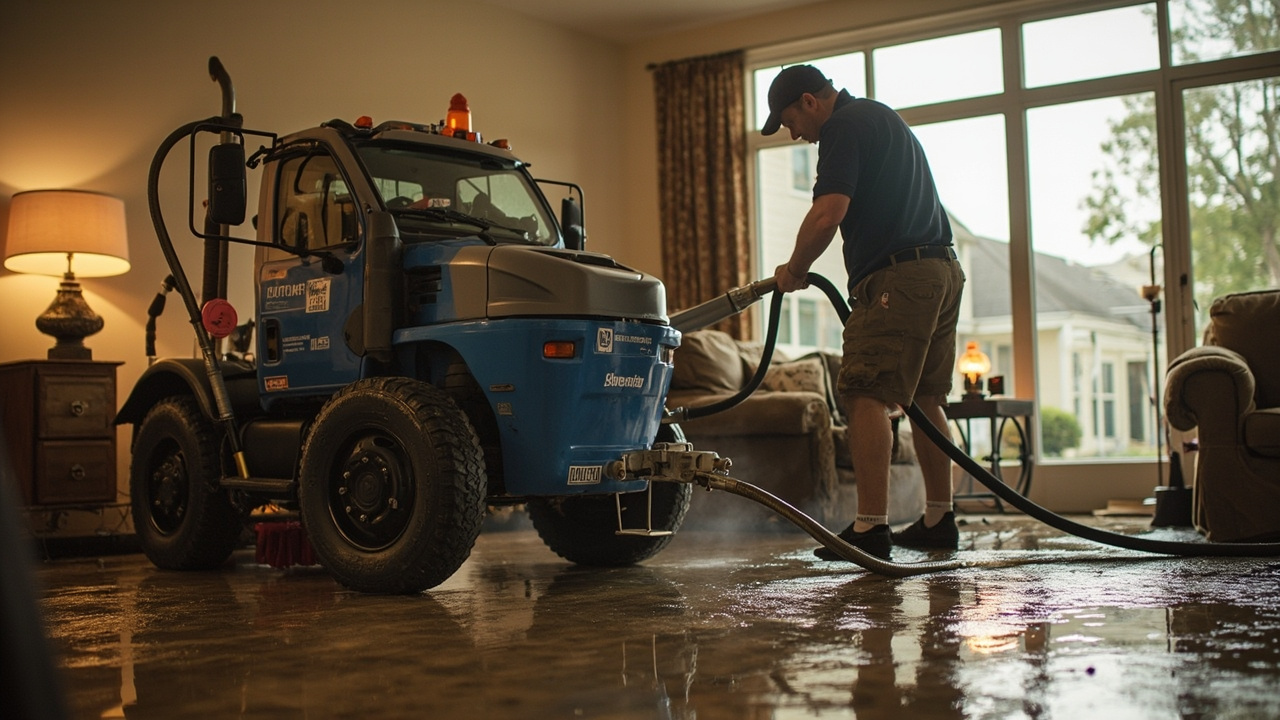
Standing water in your Gretna home requires an immediate response to prevent permanent structural issues…
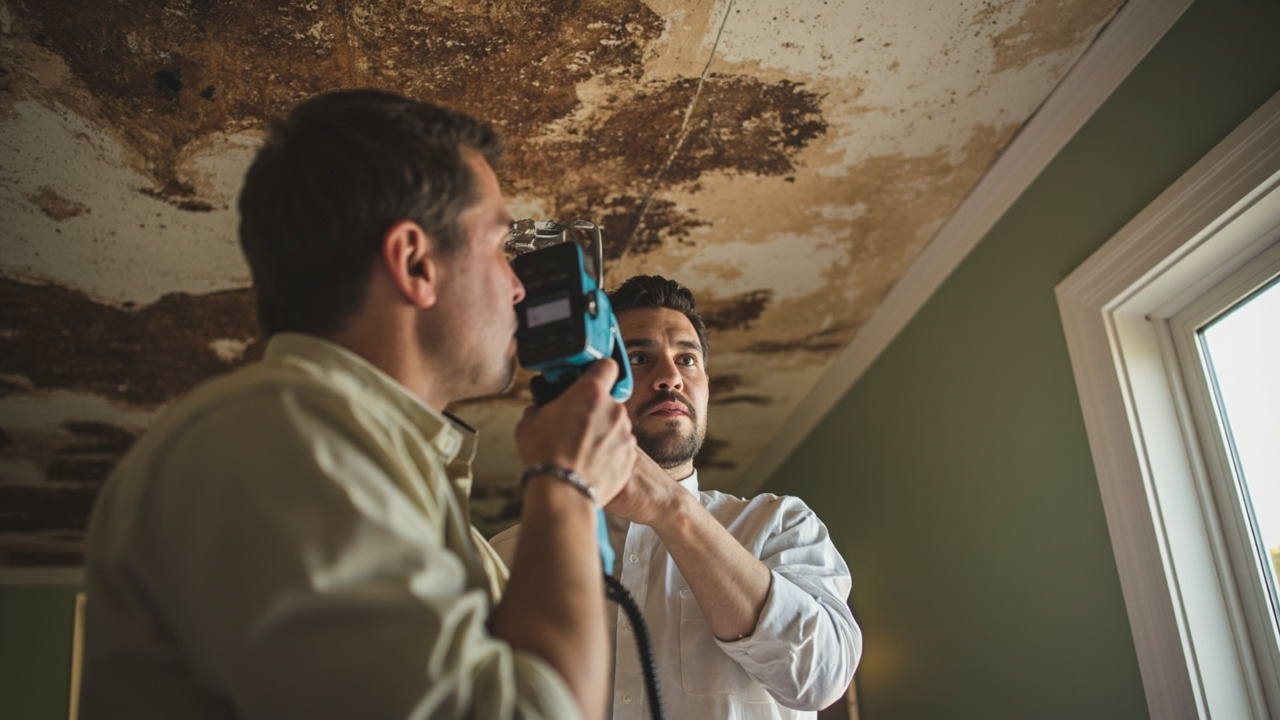
Dealing with Ceiling Water Damage Repair in Mid-City New OrleansA damp spot on your ceiling…
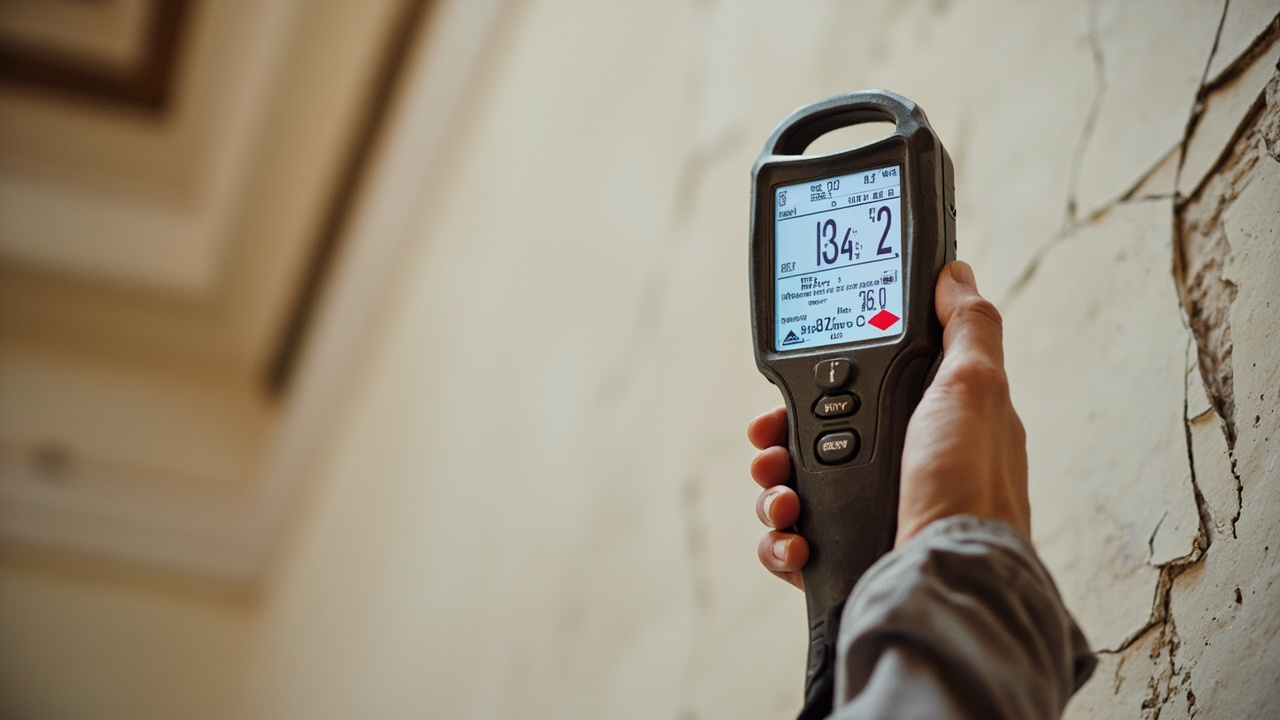
Living in a historic home in the Esplanade Ridge neighborhood offers a unique charm that…
Every hour of delay increases damage and restoration costs. Call Grand Water Damage Restoration New Orleans now at (504) 355-2332 for immediate dispatch. Our crews are standing by 24/7 to stop the damage and start your recovery.