




River Ridge sits just north of the Mississippi River levee system in Jefferson Parish, where elevation drops below sea level and water moves toward the lowest point. Your home. The clay soil underneath River Ridge holds water like a sponge, preventing drainage and pushing moisture up through concrete slabs and foundation walls. When tropical storms dump six inches of rain in two hours, streets flood within minutes, and water finds every crack in your foundation.
The Airline Highway corridor and streets near the 17th Street Canal see regular street flooding that backs up into garages and crawl spaces. Homes built in the 1960s and 1970s across River Ridge neighborhoods have aging cast iron pipes that crack and leak inside walls, creating hidden water damage that grows mold for months before you notice the smell. Air conditioning systems run year-round in Louisiana's humidity, and when condensate lines clog, you get ceiling stains and attic flooding.
River Ridge residents also face sewage backup risks when Jefferson Parish pump stations get overwhelmed during heavy rain. The same low elevation that makes this area flood-prone means sewage can't gravity-drain, and one pump failure floods entire blocks with contaminated water. You need a restoration company that understands these local risks and responds before water ruins your floors, drywall, and possessions.
We've restored water-damaged homes across Jefferson Parish for over a decade, and we know River Ridge's flooding patterns like we know our own addresses. Our crews live in the metro area, not three parishes away. When you call at 2 AM because your water heater burst, we're on your street in under an hour with truck-mounted extractors and dehumidifiers already loaded.
Most restoration companies subcontract the actual work to whoever answers their phone. We employ our own IICRC-certified technicians who train on Louisiana building codes, Jefferson Parish permit requirements, and the specific mold species that grow in our climate. When we pull baseboards and drill weep holes in your drywall, we know exactly how River Ridge homes are framed and where the moisture hides.
We also work directly with every major insurance carrier operating in Louisiana. Our estimators write Xactimate estimates your adjuster accepts the first time, photograph every stage of damage and drying, and push your claim through while you're still dealing with the shock of finding water in your bedroom. We've handled thousands of insurance claims, and we know how to get you paid without fighting for six months.
You'll never get a runaround from our office staff. One project manager stays with your job from water extraction through final walkthrough. They answer your calls, update you every day, and make sure subcontractors show up on time. When we say we'll finish drying in four days, we finish in four days. When we say the carpet can't be saved, we're not upselling you. We're protecting you from mold growth that costs ten times more to fix later.

We dispatch from our Jefferson Parish location within 60 minutes of your call, day or night, weekends and holidays included. Our trucks carry industrial water extractors, air movers, and dehumidifiers so we start mitigation the moment we arrive. Every hour you wait costs you more in structural damage and mold growth. We don't wait.

Our crew holds current IICRC Water Damage Restoration certifications, not expired cards from 2015. They understand psychrometrics, structural drying science, and contamination categories. When we place equipment, we're calculating grain depression and vapor pressure, not guessing. You get professionals who know why they're doing what they're doing, not laborers following a script.
We document every water source, affected material, and mitigation step with photos, moisture readings, and detailed notes your insurance adjuster needs to approve payment. Our Xactimate estimates match industry pricing standards, and we communicate directly with your adjuster to answer questions and prevent claim delays. We've never had a properly documented claim denied.
We know River Ridge's construction patterns, soil conditions, and flooding vulnerabilities because we work here every day. We understand how homes near the 17th Street Canal flood differently than properties along Airline Highway. We pull permits from Jefferson Parish when required and coordinate with local plumbers and electricians who respond as fast as we do.
Water damage restoration isn't one service. It's a sequence of specialized processes that must happen in the right order to save your property and prevent secondary damage. We provide emergency water removal to stop active flooding, structural drying to eliminate moisture trapped in building materials, and full restoration to return your home to pre-loss condition.
Our approach starts with source identification and containment. We find where water entered your home, stop the flow, and assess what got wet. Then we extract standing water, remove unsalvageable materials, and begin controlled drying with commercial dehumidifiers and air movers. We monitor moisture levels daily until your floors, walls, and structural components return to normal dry standards.
The final phase rebuilds what we removed. We don't just dry your house and leave you with holes in the walls. Our reconstruction crew replaces drywall, installs new baseboards, matches your paint, and restores flooring so you can't tell where the damage happened. Every service connects to the next, and we manage the entire process so you're not coordinating five different contractors. Water damage cleanup, water damage mitigation, and complete water damage remediation happen under one roof with one team accountable for results.
When water floods your River Ridge home, every minute increases damage to floors, drywall, and belongings. We deploy truck-mounted extractors that remove hundreds of gallons per hour from carpet, tile, and hardwood. Our crew pulls furniture to dry areas, removes soaked padding, and extracts water from wall cavities before it wicks up into insulation. We work fast because water doesn't wait, and neither do we. This is emergency water damage mitigation at full speed.
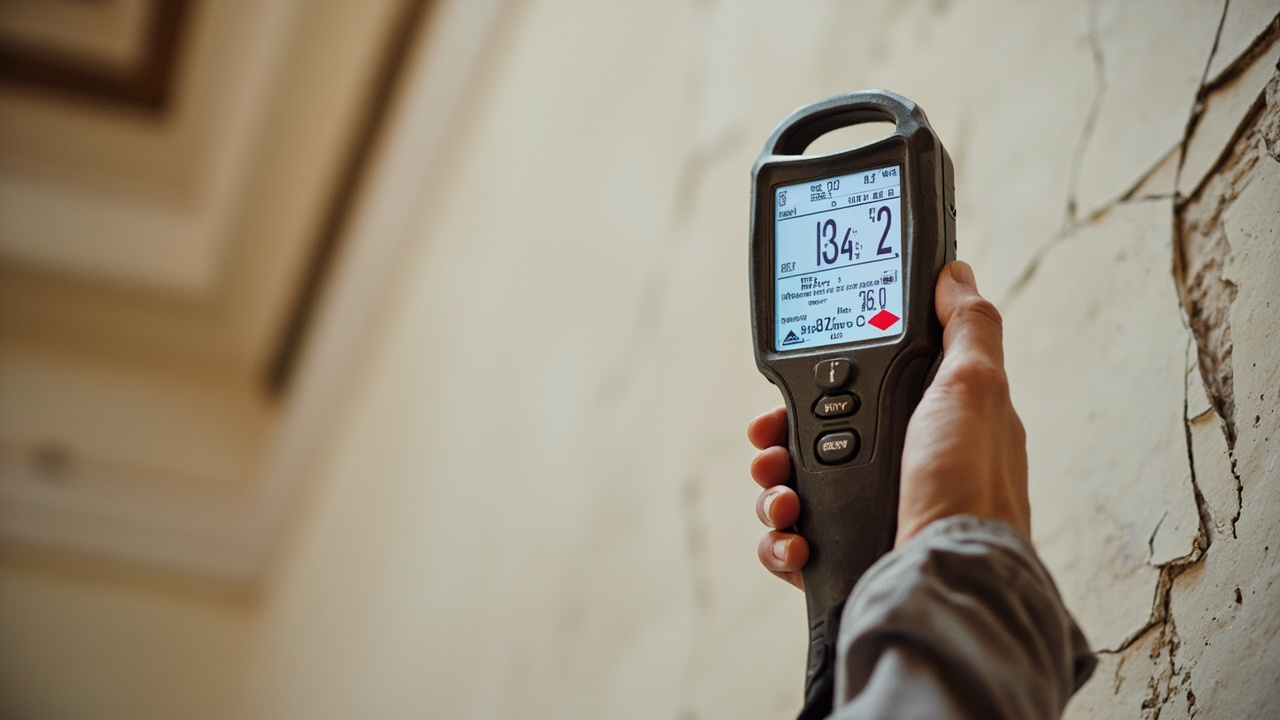
Removing standing water is just the start. Moisture hides in concrete slabs, wood framing, and drywall where you can't see it. We place commercial dehumidifiers and high-velocity air movers in strategic positions to pull moisture from building materials without over-drying. Our technicians monitor humidity levels and moisture content daily using thermal imaging and penetrating meters. We don't pull equipment until your structure reaches documented dry standards that prevent mold growth and structural damage.
Water damage restoration isn't finished until your home looks like the damage never happened. Our licensed reconstruction crew replaces drywall, installs matching baseboards and trim, textures and paints walls, and restores flooring to match existing materials. We work with the same subfloor specialists, tile installers, and hardwood refinishers on every job, so quality stays consistent. You get one estimate, one timeline, and one team accountable for taking your home from gutted to gorgeous.
River Ridge's location below sea level and heavy seasonal rainfall create water damage risks most neighborhoods never see. Homes built on clay soil experience constant foundation movement that cracks slabs and lets groundwater seep through. Streets flood when Jefferson Parish pump stations can't keep up with tropical storm rainfall, backing water into garages and living spaces.
The housing stock in River Ridge includes thousands of homes built in the 1960s and 1970s with original plumbing, roofing, and HVAC systems reaching failure age. Cast iron drain lines crack inside walls and leak for months before you see water stains. AC condensate pans rust through and flood attics. Water heaters installed in interior closets burst and flood entire homes before anyone notices.
These issues combine with Louisiana's humidity to create perfect mold growth conditions. Any water intrusion that isn't dried within 48 hours starts growing mold that spreads through drywall and insulation. River Ridge homeowners face these threats year-round, and knowing what to watch for helps you catch damage before it destroys your largest investment.
River Ridge streets flood when rainfall exceeds pump capacity, backing water into garages and homes near the 17th Street Canal and Airline Highway. This contaminated street water carries chemicals, sewage, and bacteria that require specialized cleaning. Many homeowners don't realize their insurance covers street flooding under their flood policy, not homeowners coverage, creating claim confusion that delays restoration.
Cast iron drain pipes installed in River Ridge homes before 1980 crack from soil movement and corrosion, leaking inside walls for months before you notice soft drywall or mold smell. These slow leaks cause more damage than sudden pipe bursts because water saturates insulation and framing while you're unaware. Thermal imaging cameras detect these hidden moisture pockets before they destroy your walls.
Air conditioning systems in Louisiana run nearly year-round, producing gallons of condensate that drains through small PVC lines. When these lines clog with algae or disconnect in the attic, water overflows into ceiling cavities and floods rooms below. Most homeowners discover this damage when they see brown ceiling stains or water dripping from light fixtures, by which time insulation is soaked and drywall needs replacement.
River Ridge sits on expansive clay soil that swells when wet and shrinks when dry, cracking concrete slabs and creating gaps for groundwater intrusion. High water tables push moisture up through these cracks, soaking carpet padding and creating musty odors. This moisture source confuses homeowners who can't find an obvious leak, and it requires specialized drying techniques that address the slab, not just surface water.
The moment you discover water damage, your stress level spikes. You're looking at ruined belongings, wet floors, and no clear path to fixing it. Calling us starts a process designed to reduce your panic and solve your problem fast.
You'll speak with a live person who asks specific questions about your water source, how much area is affected, and whether water is still flowing. We're assessing damage category and planning equipment loads while you talk. If you're in an active emergency with water still entering your home, we talk you through temporary containment while our crew drives to your location.
We arrive in a marked truck with all extraction and drying equipment already loaded. Our technician introduces themselves, puts on shoe covers, and walks through your property taking photos and notes. You'll see us place equipment, explain what each machine does, and give you a timeline for drying and restoration. We don't leave you guessing. From hour one, you know what's happening, how long it takes, and what it costs. That clarity alone drops your stress by half.
You reach a real person 24 hours a day, not an answering service. Our dispatcher asks about your water source, affected areas, and any safety concerns like electrical hazards or sewage contamination. We dispatch a crew within 60 minutes and text you the technician's name, photo, and estimated arrival time. You're never left wondering when help arrives or who's coming to your home.
Our technician photographs every wet area, measures moisture levels in floors and walls, and identifies the water category (clean, gray, or black). We document everything your insurance adjuster needs to approve your claim. You receive a written scope of work explaining what materials we can save, what requires replacement, and the equipment we're placing. This assessment takes 30 to 45 minutes, and you get a copy before we start work.
Your project manager calls or texts you daily with drying progress, moisture readings, and timeline updates. When equipment gets pulled, when reconstruction starts, when final inspection happens, you know in advance. We don't surprise you with change orders or hidden fees. If we find additional damage during demolition, we photograph it, update the estimate, and get your approval before proceeding. You control the process from start to finish.
We break complex restoration into three clear phases so you understand what happens next. Each phase has specific goals, timelines, and completion standards we hit every time.
Our crew arrives with truck-mounted extractors and portable pumps to remove standing water from your floors, carpet, and affected areas. We pull furniture to dry spaces, extract water from wall cavities if needed, and remove soaked materials that can't be saved like carpet padding and baseboards. This phase typically completes in three to six hours depending on the amount of water. You'll see immediate progress as we transform flooded rooms into damp but manageable spaces.
We place commercial dehumidifiers and air movers in strategic positions to dry building materials without warping floors or cracking drywall. Our technicians return daily to check moisture levels, reposition equipment, and document drying progress. This phase runs three to seven days for most water damage jobs. We use thermal imaging to confirm moisture elimination in hidden areas, and we don't pull equipment until moisture meters show your structure meets documented dry standards.
Once drying completes, our reconstruction crew replaces drywall, installs baseboards and trim, textures and paints walls, and restores your flooring to match existing materials. We handle permits, inspections, and final walkthroughs. This phase timeline varies based on damage extent, but most residential jobs finish in one to three weeks. You'll do a final inspection with your project manager, and we don't consider the job complete until you're satisfied with every detail.
Professional water damage restoration follows scientific principles defined by the Institute of Inspection Cleaning and Restoration Certification. These IICRC S500 standards establish protocols for water classification, structural drying, and contamination control that separate professional restoration from guys with wet vacs.
Water damage falls into three contamination categories. Category 1 is clean water from supply lines or rain. Category 2 is gray water from appliance discharge or toilet overflow without feces. Category 3 is black water containing sewage, chemicals, or flood contamination. Each category requires different safety protocols, and misidentifying contamination category creates health hazards and insurance claim problems.
We also follow IICRC drying standards that require daily moisture monitoring using penetrating moisture meters and thermal imaging cameras. Structural materials must reach equilibrium moisture content specific to Louisiana's climate before we consider them dry. We document grain depression rates using psychrometric calculations that prove our dehumidifiers are removing moisture from the air faster than evaporation adds it back. These aren't just technical terms. They're proof we're drying your structure scientifically, not guessing.
Jefferson Parish requires permits for reconstruction work exceeding $500 in value, and our crews pull proper permits for drywall replacement, electrical work, and plumbing repairs. We coordinate inspections with parish building officials and provide certificates of completion for your insurance claim. Louisiana also has specific mold remediation protocols under LAC Title 51 that require containment, HEPA filtration, and proper disposal of contaminated materials. We follow these state regulations on every job involving mold growth, protecting your health and keeping your project compliant.
Our technicians maintain current IICRC Water Damage Restoration and Applied Structural Drying certifications through continuing education every two years. These certifications require testing on moisture science, psychrometrics, and restoration standards. When an IICRC-certified technician walks your property, they're applying proven science to your specific damage, not following a generic checklist some franchise sold them.
IICRC standards classify water damage into three categories based on contamination level. Category 1 clean water requires standard extraction. Category 2 gray water needs antimicrobial treatment. Category 3 black water demands full hazmat protocols with protective equipment and controlled demolition. We test uncertain water sources and handle each category with appropriate safety measures that protect your family and our crew.
Water damage restoration costs vary based on water volume, contamination category, affected square footage, and materials damaged. Clean water affecting 500 square feet of tile costs less than sewage backup soaking 1500 square feet of carpet and drywall. Equipment rental, labor hours, disposal fees, and reconstruction materials all factor into final pricing. We provide detailed estimates before starting work so you know exact costs.
Most residential water damage dries in three to seven days with proper equipment placement and daily monitoring. Concrete slabs, thick hardwood, and plaster walls take longer than drywall and carpet. We don't rush drying to meet arbitrary deadlines. Materials dried too fast warp, crack, or cup. We follow psychrometric science and pull equipment only when moisture readings confirm complete drying that prevents mold growth and structural damage.
Water damage restoration companies in Louisiana must carry general liability insurance and workers compensation coverage. Mold remediation requires state licensing under LAC Title 51. Reconstruction work needs proper contractor licensing from Jefferson Parish. We maintain all required licenses, insurance, and bonds. Our certificates of insurance list your property as additional insured during active projects, protecting you from liability if someone gets injured on your job.
This video explains the complete water damage restoration process for River Ridge homeowners, including emergency water extraction, structural drying science, and full reconstruction. Grand Water Damage Restoration New Orleans demonstrates equipment placement, moisture monitoring techniques, and insurance documentation requirements. Viewers learn how River Ridge's below-sea-level elevation and clay soil create specific water damage challenges requiring specialized drying protocols and rapid response to prevent mold growth and structural deterioration.
Grand Water Damage Restoration New Orleans serves the entire River Ridge community and surrounding Jefferson Parish neighborhoods with the same rapid response and professional restoration. Our central location puts us within 20 minutes of any address in the metro area, and our crews know local streets, flooding patterns, and construction styles across every neighborhood.
River Ridge proper sits along Jefferson Highway between the 17th Street Canal and Elmwood, where homes built in the 1960s and 1970s face regular street flooding during heavy rain. We respond to water damage calls throughout this core area, from properties near River Ridge Elementary to homes backing up to the golf course. The streets off Airline Highway see frequent AC condensate failures and pipe leaks that our crews handle weekly.
We also serve Elmwood to the east, where newer construction and higher elevation reduce street flooding but don't eliminate water heater failures, supply line breaks, and roof leak damage. Harahan borders River Ridge to the west, and we restore water-damaged homes along Jefferson Highway and the neighborhoods between the river levee and Airline. These areas share River Ridge's clay soil and below-sea-level elevation, creating identical foundation moisture problems.
North across Airline Highway, we work in Jefferson and parts of Metairie where the housing stock shifts to 1950s construction with aging plumbing systems. South toward the Mississippi River levee, properties in Bridge City and Waggaman face even higher flooding risks from pump station failures and tropical storm surge. We know how water moves through Jefferson Parish based on elevation maps and pump district boundaries, so we understand your specific risks before we arrive.
Our technicians live and work in Jefferson Parish. They drive past your house on the way to their own homes. When we say we serve River Ridge and the surrounding areas, we mean we're part of this community, not a franchise dispatching crews from three parishes away. We know which streets flood first, which neighborhoods have the oldest infrastructure, and where elevation changes create drainage problems. That local knowledge helps us respond faster and dry smarter than companies learning your area on the fly.
Most water damage restoration teams in River Ridge respond within 60 to 90 minutes of your call. Response time depends on current service calls and your location within River Ridge. Many companies offer 24/7 emergency services because water damage worsens with each passing hour. When you call, be ready to describe the damage source and severity. This helps teams bring the right equipment on the first trip. Quick response prevents secondary damage like mold growth and structural issues. Save emergency numbers in your phone before disaster strikes.
Water damage restoration expenses in River Ridge vary widely based on damage extent and water category. Clean water from a broken pipe requires less work than sewage backup. A small bathroom flood differs from whole-home flooding. Factors affecting price include square footage affected, water removal needs, structural drying time, and materials requiring replacement. Most companies offer free assessments to provide accurate estimates. Your insurance coverage significantly impacts your out-of-pocket expenses. Get multiple quotes and ask about the scope of work included before committing.
Most homeowners insurance policies cover sudden and accidental water damage in River Ridge. Burst pipes, appliance malfunctions, and storm damage typically qualify for coverage. Flood damage requires separate flood insurance through the National Flood Insurance Program. Gradual damage from ongoing leaks or maintenance neglect usually gets denied. Review your policy to understand your deductible and coverage limits. Document all damage with photos and videos. Contact your insurance agent immediately after discovering water damage. Keep records of all communication and expenses related to the restoration.
Most water damage restoration teams in River Ridge respond within 60 to 90 minutes of your call. Response time depends on current service calls and your location within River Ridge. Many companies offer 24/7 emergency services because water damage worsens with each passing hour. When you call, be ready to describe the damage source and severity. This helps teams bring the right equipment on the first trip. Quick response prevents secondary damage like mold growth and structural issues. Save emergency numbers in your phone before disaster strikes.
Water damage restoration expenses in River Ridge vary widely based on damage extent and water category. Clean water from a broken pipe requires less work than sewage backup. A small bathroom flood differs from whole-home flooding. Factors affecting price include square footage affected, water removal needs, structural drying time, and materials requiring replacement. Most companies offer free assessments to provide accurate estimates. Your insurance coverage significantly impacts your out-of-pocket expenses. Get multiple quotes and ask about the scope of work included before committing.
Most homeowners insurance policies cover sudden and accidental water damage in River Ridge. Burst pipes, appliance malfunctions, and storm damage typically qualify for coverage. Flood damage requires separate flood insurance through the National Flood Insurance Program. Gradual damage from ongoing leaks or maintenance neglect usually gets denied. Review your policy to understand your deductible and coverage limits. Document all damage with photos and videos. Contact your insurance agent immediately after discovering water damage. Keep records of all communication and expenses related to the restoration.
Water damage restoration in River Ridge homes typically takes three to five days for minor incidents and one to two weeks for major damage. The timeline depends on water amount, affected materials, and humidity levels. Extraction and initial drying start immediately. Structural drying requires continuous monitoring until moisture levels return to normal. River Ridge's high humidity extends drying time compared to drier climates. Reconstruction after drying adds additional time. Your restoration team monitors progress with moisture meters and adjusts equipment placement as needed.
River Ridge restoration companies use industrial-grade equipment designed for fast water removal and drying. Truck-mounted extractors remove standing water quickly. Air movers create airflow to speed evaporation from wet surfaces. Commercial dehumidifiers pull moisture from the air and materials. Moisture meters and thermal imaging cameras detect hidden water in walls and floors. Air scrubbers filter airborne contaminants and prevent mold spores from spreading. Injection drying systems target water trapped inside wall cavities. Professional equipment works much faster than household fans and dehumidifiers.
You might stay in your River Ridge home during restoration depending on damage extent and location. Minor water damage confined to one room often allows you to remain in unaffected areas. Extensive damage affecting multiple rooms or essential systems like electricity makes staying unsafe. Mold growth requires temporary relocation until remediation completes. Restoration equipment creates noise and disrupts normal routines. Ask your restoration company about safety concerns specific to your situation. Many homeowners insurance policies cover temporary housing when your home becomes uninhabitable.
Hidden water damage shows several warning signs in River Ridge properties. Look for water stains or discoloration on ceilings and walls. Musty odors indicate moisture trapped in hidden spaces. Peeling or bubbling paint signals water behind surfaces. Warped or buckling floors mean water underneath. Feel for soft spots in walls and ceilings. Watch for unexplained increases in your water bill. Listen for dripping sounds inside walls. Check crawl spaces and attics regularly. Moisture meters detect hidden water homeowners cannot see or feel.
Water mitigation and water damage restoration serve different purposes in the recovery process. Mitigation happens first and focuses on stopping damage progression. It includes water extraction, initial drying, and protecting salvageable items. Restoration comes after mitigation and returns your home to pre-damage condition. This includes replacing drywall, repainting, installing new flooring, and rebuilding damaged structures. Many River Ridge companies provide both services. Mitigation must happen immediately to prevent further damage. Restoration begins once everything is completely dry and safe.
Most River Ridge water damage restoration companies work with major insurance providers and handle claims regularly. They understand insurance requirements and documentation needs. Many offer direct billing to your insurance company, reducing your upfront expenses. Some companies employ insurance specialists who help navigate the claims process. However, you choose your restoration company, not your insurance provider. Get recommendations and compare services before selecting a company. Your insurer must pay for covered damages regardless of which qualified contractor you hire for the restoration work.
Preventing mold after water damage in River Ridge requires immediate action and thorough drying. Remove standing water within 24 hours. Run dehumidifiers and air movers continuously until moisture levels normalize. River Ridge's humidity creates ideal mold conditions, so aggressive drying is essential. Remove and discard porous materials like carpet padding and soaked drywall. Clean all affected surfaces with antimicrobial solutions. Monitor humidity levels and keep them below 60 percent. Increase air circulation throughout your home. Professional restoration teams have equipment and expertise to prevent mold growth effectively.
Water damage restoration in River Ridge homes typically takes three to five days for minor incidents and one to two weeks for major damage. The timeline depends on water amount, affected materials, and humidity levels. Extraction and initial drying start immediately. Structural drying requires continuous monitoring until moisture levels return to normal. River Ridge's high humidity extends drying time compared to drier climates. Reconstruction after drying adds additional time. Your restoration team monitors progress with moisture meters and adjusts equipment placement as needed.
River Ridge restoration companies use industrial-grade equipment designed for fast water removal and drying. Truck-mounted extractors remove standing water quickly. Air movers create airflow to speed evaporation from wet surfaces. Commercial dehumidifiers pull moisture from the air and materials. Moisture meters and thermal imaging cameras detect hidden water in walls and floors. Air scrubbers filter airborne contaminants and prevent mold spores from spreading. Injection drying systems target water trapped inside wall cavities. Professional equipment works much faster than household fans and dehumidifiers.
You might stay in your River Ridge home during restoration depending on damage extent and location. Minor water damage confined to one room often allows you to remain in unaffected areas. Extensive damage affecting multiple rooms or essential systems like electricity makes staying unsafe. Mold growth requires temporary relocation until remediation completes. Restoration equipment creates noise and disrupts normal routines. Ask your restoration company about safety concerns specific to your situation. Many homeowners insurance policies cover temporary housing when your home becomes uninhabitable.
Hidden water damage shows several warning signs in River Ridge properties. Look for water stains or discoloration on ceilings and walls. Musty odors indicate moisture trapped in hidden spaces. Peeling or bubbling paint signals water behind surfaces. Warped or buckling floors mean water underneath. Feel for soft spots in walls and ceilings. Watch for unexplained increases in your water bill. Listen for dripping sounds inside walls. Check crawl spaces and attics regularly. Moisture meters detect hidden water homeowners cannot see or feel.
Water mitigation and water damage restoration serve different purposes in the recovery process. Mitigation happens first and focuses on stopping damage progression. It includes water extraction, initial drying, and protecting salvageable items. Restoration comes after mitigation and returns your home to pre-damage condition. This includes replacing drywall, repainting, installing new flooring, and rebuilding damaged structures. Many River Ridge companies provide both services. Mitigation must happen immediately to prevent further damage. Restoration begins once everything is completely dry and safe.
Most River Ridge water damage restoration companies work with major insurance providers and handle claims regularly. They understand insurance requirements and documentation needs. Many offer direct billing to your insurance company, reducing your upfront expenses. Some companies employ insurance specialists who help navigate the claims process. However, you choose your restoration company, not your insurance provider. Get recommendations and compare services before selecting a company. Your insurer must pay for covered damages regardless of which qualified contractor you hire for the restoration work.
Preventing mold after water damage in River Ridge requires immediate action and thorough drying. Remove standing water within 24 hours. Run dehumidifiers and air movers continuously until moisture levels normalize. River Ridge's humidity creates ideal mold conditions, so aggressive drying is essential. Remove and discard porous materials like carpet padding and soaked drywall. Clean all affected surfaces with antimicrobial solutions. Monitor humidity levels and keep them below 60 percent. Increase air circulation throughout your home. Professional restoration teams have equipment and expertise to prevent mold growth effectively.
While Grand serves the wider region with our expert water damage restoration services, we invite you to view our central operational location on the map. This helps you visualize our base of operations and understand our commitment to providing swift, efficient service across our service areas. Our team is strategically positioned to ensure rapid deployment when you need us most, so don't hesitate to contact us regardless of your specific location within our service radius.
Address:
River Ridge, LA, 70123
Emergency Burst Pipe Repair in Kenner Louisiana A burst pipe in your Kenner home creates an immediate crisis that requires more than just a mop and a bucket. When a main line fails near the…
Standing water in your Gretna home requires an immediate response to prevent permanent structural issues…
Dealing with Ceiling Water Damage Repair in Mid-City New OrleansA damp spot on your ceiling…
Living in a historic home in the Esplanade Ridge neighborhood offers a unique charm that…
Water damage gets worse every hour you wait. Call (504) 355-2332 right now for emergency water extraction and professional restoration. We're dispatching crews across River Ridge 24 hours a day. One call stops the damage and starts your recovery.