



menu

Fire Damage Safety Checklist in New Orleans – Your Complete Post-Fire Recovery Guide

This Fire Damage Safety Checklist helps New Orleans residents safely navigate the critical first hours and days after a fire, from assessing structural hazards to preventing water damage from firefighting efforts.

Slider Image 1
Slider Image 2
Slider Image 3
Slider Image 4
Slider Image 5
Slider Image 7
Slider Image 8
Slider Image 9
Slider Image 10
Slider Image 11

Why Post-Fire Safety Is Critical in New Orleans Homes

A fire in your New Orleans home creates immediate dangers you can see and hidden threats you cannot. The combination of smoke damage, structural compromise, and water saturation from firefighting efforts creates a hazardous environment that requires a methodical fire recovery safety guide.

New Orleans homes face unique post-fire challenges. Our humid subtropical climate accelerates mold growth in water-damaged areas within 24 to 48 hours. The city's historic architecture, particularly in the Garden District and French Quarter, often includes century-old timber framing that can be structurally compromised even when it appears intact. Raised foundation structures common throughout the metro area can hide fire damage in crawl spaces and pier systems.

After firefighters extinguish the flames, you face a new set of problems. Soot and smoke residue coat surfaces with acidic compounds that corrode metal, etch glass, and permanently stain porous materials. Standing water from fire hoses saturates floors, walls, and insulation. Electrical systems may be compromised. Gas lines could be damaged.

This post-fire hazard checklist addresses these specific threats. You need to know what areas are safe to enter, what materials pose health risks, and when professional assessment is required. The after fire safety precautions you take in the first 24 hours determine whether your home can be restored or whether secondary damage will multiply your losses.

Understanding post-fire safety steps protects your health and preserves your property value. This guide gives you the framework to make informed decisions during a confusing and emotional time.

Why Post-Fire Safety Is Critical in New Orleans Homes
The Professional Approach to Fire Damage Safety Assessment

The Professional Approach to Fire Damage Safety Assessment

Grand Water Damage Restoration New Orleans follows a fire damage safety protocol that begins with structural integrity evaluation. We do not enter your property until we verify that floor joists, load-bearing walls, and roof systems can support our team and equipment. This assessment includes checking for sagging ceilings, cracked masonry, and charred support beams.

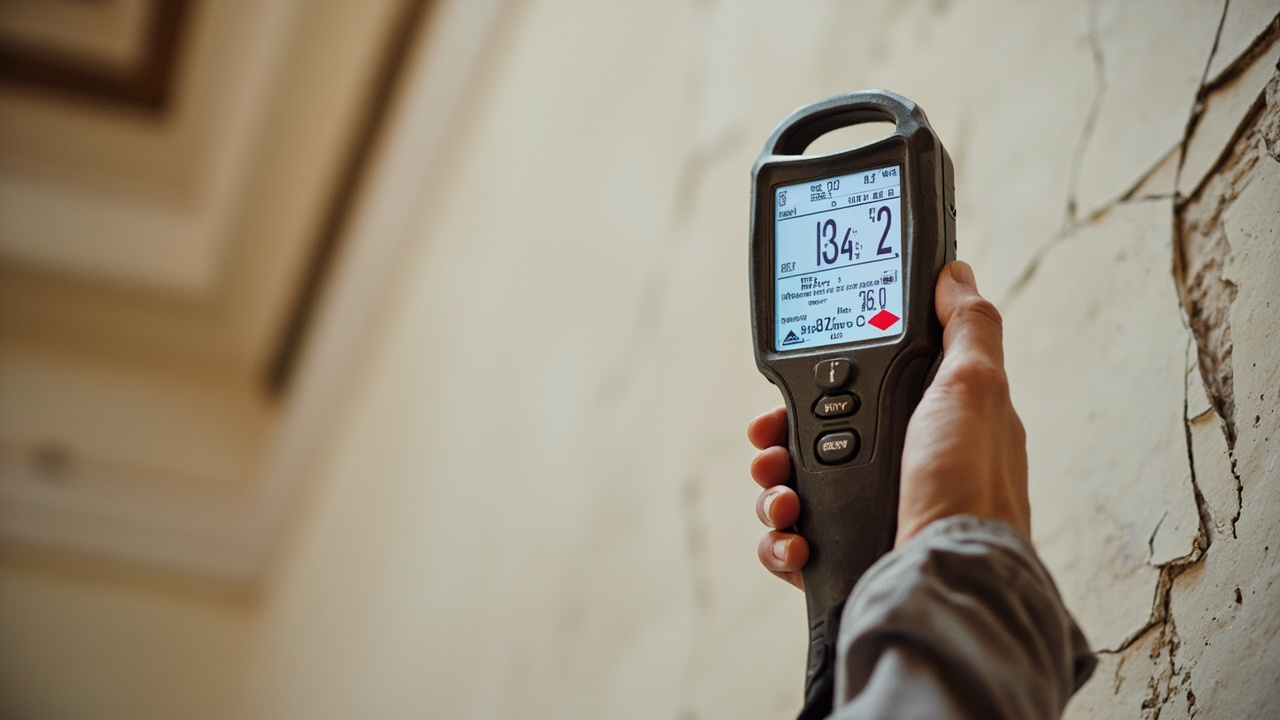
Our technicians use thermal imaging cameras to identify hidden hot spots that can reignite hours or days after the fire appears extinguished. We map areas where fire extended into wall cavities, attic spaces, and subfloor areas. This technology reveals temperature differentials that indicate smoldering materials invisible to the naked eye.

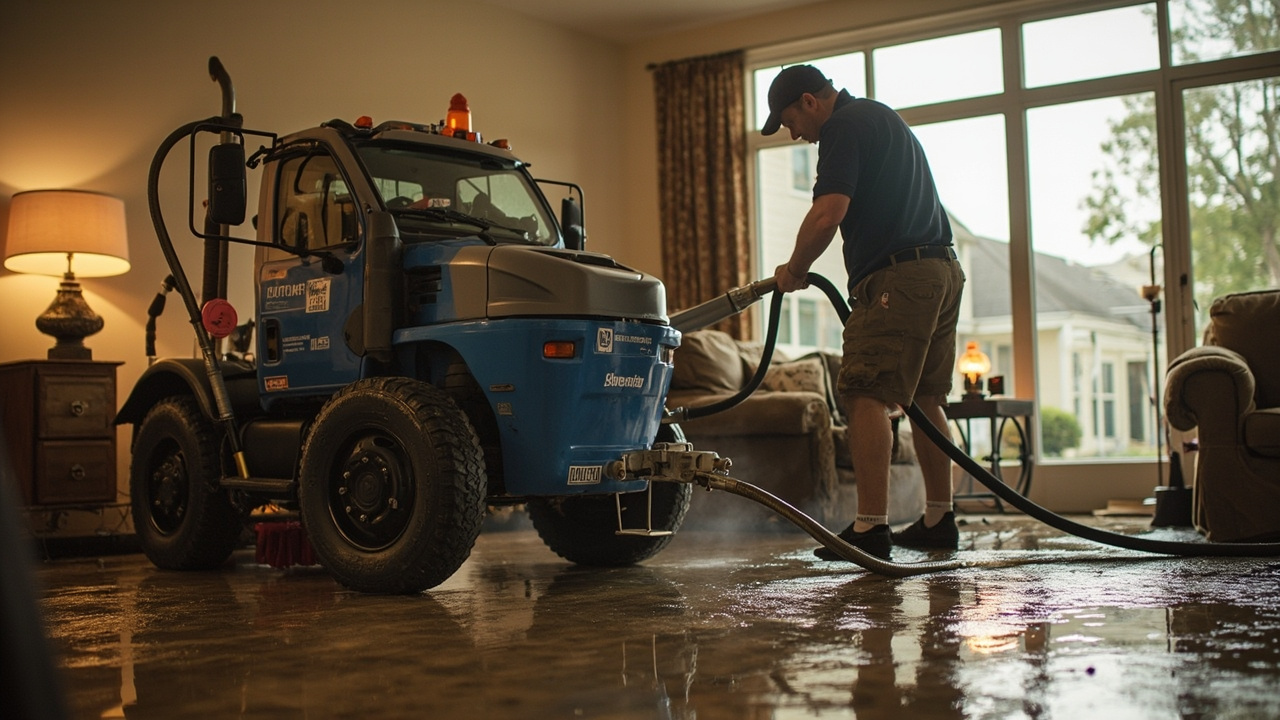
Water extraction begins immediately. We use truck-mounted extraction systems and commercial dehumidifiers to remove standing water and reduce humidity levels. In New Orleans's climate, delaying this step by even 12 hours creates ideal conditions for microbial growth. We monitor moisture content in framing lumber, drywall, and flooring substrates using pin-type and non-invasive moisture meters.

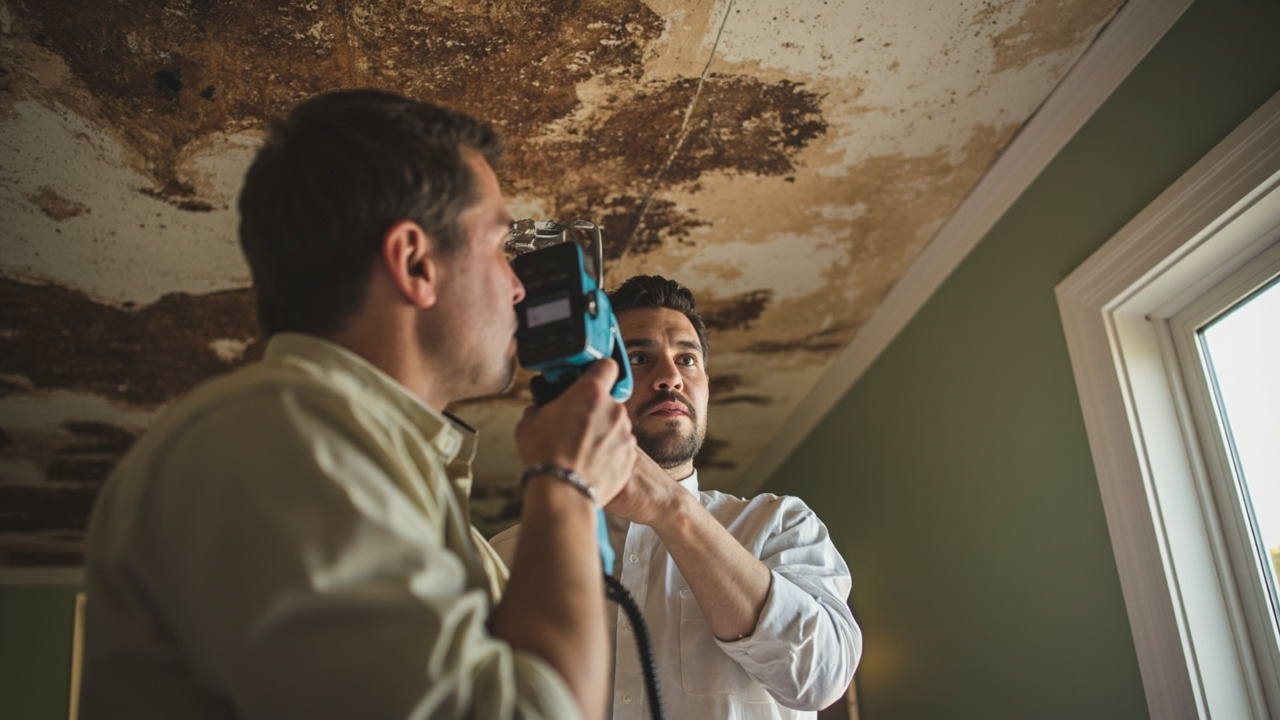
Air quality testing identifies the presence of carbon monoxide, volatile organic compounds, and particulate matter. Fire releases toxins from burning plastics, treated lumber, and synthetic materials. These airborne contaminants settle on surfaces and become airborne again when disturbed. We establish negative air pressure using air scrubbers with HEPA filtration to prevent cross-contamination.

Our documentation process photographs and catalogs damage for insurance claims. We create detailed inventories of affected materials, measure moisture levels, and record atmospheric readings. This evidence-based approach gives you the documentation you need for accurate claim settlement.

Your Three-Phase Fire Safety Assessment Process

Fire Damage Safety Checklist in New Orleans – Your Complete Post-Fire Recovery Guide
01

Initial Site Safety Evaluation

Before you enter your property, we conduct a preliminary safety sweep. Our team evaluates structural stability, identifies electrical hazards, and tests for gas leaks using detection equipment. We mark unsafe zones, establish safe entry and exit routes, and verify that utilities are properly disconnected. This first step prevents injuries and provides you with a safe perimeter to observe the assessment process.
02

Damage Documentation and Testing

We systematically document fire, smoke, and water damage room by room. Thermal imaging reveals heat signatures in walls and ceilings. Moisture mapping identifies water-saturated materials. Air quality sampling detects harmful particulates and gases. We photograph salvageable items and catalog total losses. This creates your evidence file for insurance adjusters and gives you a realistic picture of restoration scope and timeline.
03

Stabilization and Protection Plan

After assessment, we implement immediate stabilization measures. Water extraction prevents further saturation damage. Board-up services secure openings against weather and unauthorized entry. Temporary power and climate control protect undamaged areas. We establish a dehumidification protocol specific to New Orleans humidity levels. You receive a written safety clearance report identifying which areas you can access and which require professional remediation before entry.

Why New Orleans Residents Trust Local Fire Damage Expertise

Fire damage restoration in New Orleans requires understanding our specific building methods and environmental factors. Homes built on slab foundations in Lakeview respond differently to fire damage than raised cottages in Mid-City or historic townhomes in the Marigny. We know how fire spreads through balloon-frame construction common in pre-1950s homes and how modern ranch-style construction in New Orleans East contains fire differently.

Our team understands Orleans Parish building codes and permitting requirements for fire-damaged structures. We know which repairs require permits, how to work with the Safety and Permits Department, and what documentation satisfies local inspectors. This knowledge prevents costly delays and failed inspections.

Water damage from firefighting efforts is particularly problematic in our climate. We have seen countless properties develop extensive mold contamination because restoration companies from other regions did not account for our year-round humidity. We calibrate drying equipment and timelines for New Orleans conditions, not generic industry standards developed for drier climates.

Insurance claim experience specific to Louisiana carriers gives you an advantage. We document damage using the terminology and metrics that Louisiana adjusters expect. We understand the difference between depreciated value and replacement cost in Orleans Parish property markets. Our estimates align with local labor rates and material costs.

Grand Water Damage Restoration New Orleans maintains relationships with structural engineers, electricians, and general contractors who specialize in fire restoration. When your property requires permits or specialized repairs, we connect you with vetted professionals who understand the specific challenges of restoring New Orleans homes. This integrated approach gets you from assessment to occupancy faster than national restoration chains.

What to Expect During Fire Damage Safety Assessment

Response and Arrival Timeline

We dispatch a safety assessment team within two hours of your call. Our technicians arrive with structural evaluation tools, air quality testing equipment, and documentation systems. The initial safety sweep takes 30 to 90 minutes depending on property size. We provide you with preliminary findings before leaving the site. Detailed written reports, including thermal images and moisture maps, are delivered within 24 hours. Emergency stabilization services begin immediately if you authorize water extraction or board-up protection.

Comprehensive Safety Inspection Process

Our assessment covers structural integrity, electrical systems, plumbing, HVAC components, and building envelope. We test for carbon monoxide, measure particulate levels, and sample for asbestos in older homes. Moisture readings are taken at multiple depths in affected materials. We identify salvageable personal property and recommend specialized cleaning for items with sentimental or monetary value. You receive a color-coded property map showing safe zones, restricted areas, and total loss sections. This visual guide helps you understand damage scope and restoration priorities.

Detailed Documentation and Reporting

You receive a comprehensive safety report including structural photos, moisture readings, air quality data, and itemized damage lists. This documentation satisfies insurance requirements and serves as your roadmap for restoration decisions. We explain which damages require immediate attention, what can wait, and what poses ongoing health risks. Cost estimates separate emergency stabilization from full restoration so you can make informed financial decisions. Our reports are accepted by all major insurance carriers operating in Louisiana.

Ongoing Monitoring and Follow-Up

Fire-damaged properties require monitoring even after initial stabilization. We schedule follow-up moisture readings to verify drying effectiveness. Air quality retesting confirms that particulate levels have returned to safe ranges. If you proceed with full restoration, we conduct progress inspections at key milestones. Our team remains available to answer questions from your insurance adjuster, contractor, or building inspector. We store your documentation and test results for reference during the entire restoration process.

Frequently Asked Questions

You Have Questions,
We Have Answers

How New Orleans Climate Accelerates Post-Fire Water Damage

The same humidity that makes New Orleans summers feel oppressive turns fire-damaged properties into mold incubators. When fire hoses saturate your home with hundreds or thousands of gallons of water, that moisture does not evaporate naturally in our climate. Relative humidity above 60 percent prevents effective drying without mechanical dehumidification. Your post-fire safety checklist must prioritize immediate water extraction and humidity control. Properties near Lake Pontchartrain or along the Mississippi River face even higher ambient moisture levels that accelerate microbial growth in compromised building materials.

New Orleans fire restoration requires local expertise because generic drying protocols fail in our environment. Companies based in drier regions underestimate the dehumidification capacity needed here. They use equipment sized for lower humidity climates and leave jobs before materials reach safe moisture levels. We calibrate our equipment and timelines for New Orleans conditions. Our technicians understand how cypress siding, pine subflooring, and plaster walls common in older neighborhoods respond to fire and water damage. This local knowledge prevents the secondary damage that turns a recoverable loss into a total loss.
Water Damage Restoration Services in The New Orleans Area

While Grand serves the wider region with our expert water damage restoration services, we invite you to view our central operational location on the map. This helps you visualize our base of operations and understand our commitment to providing swift, efficient service across our service areas. Our team is strategically positioned to ensure rapid deployment when you need us most, so don't hesitate to contact us regardless of your specific location within our service radius.

Address:
Grand Water Damage Restoration New Orleans, 201 St Charles Ave, New Orleans, LA, 70170

Additional Services We Offer

Our news updates

Latest Articles & News from The Blogs

Standing water in your Gretna home requires an immediate response to prevent permanent structural issues and mold growth. Residents living…

Fast Flood Restoration Strategies for Gretna Homeowners

Standing water in your Gretna home requires an immediate response to prevent permanent structural issues and mold growth. Residents living…

Resolving Ceiling Water Damage and Leaks in Mid-City Apartments

Dealing with Ceiling Water Damage Repair in Mid-City New OrleansA damp spot on your ceiling in a Mid-City apartment requires…

Removing that stubborn musty smell from historic plaster walls in Esplanade Ridge

Living in a historic home in the Esplanade Ridge neighborhood offers a unique charm that modern builds cannot replicate. Those…

Contact Us

Do not risk your safety or your property value by entering a fire-damaged home without professional assessment. Call Grand Water Damage Restoration New Orleans at (504) 355-2332 right now. We will dispatch a safety team immediately and provide you with the documented evaluation you need.