

menu

Commercial Mold Remediation in New Orleans – Minimize Downtime and Protect Your Business Operations

Grand Water Damage Restoration New Orleans delivers industrial-grade commercial mold abatement that keeps your facility operational, compliant with Louisiana health codes, and protected from costly shutdowns.

Slider Image 1
Slider Image 2
Slider Image 3
Slider Image 4
Slider Image 5
Slider Image 7
Slider Image 8
Slider Image 9
Slider Image 10
Slider Image 11

Mold Growth Threatens Business Continuity in New Orleans's High-Humidity Climate

New Orleans's subtropical climate creates perfect conditions for rapid mold colonization in commercial buildings. Average humidity levels above 75 percent, combined with poor HVAC drainage in older structures throughout the Central Business District and Warehouse District, allow spores to establish visible growth within 48 hours of moisture intrusion.

Your business faces regulatory exposure under Louisiana Revised Statute 40:4.20, which mandates safe working environments free from biological hazards. A single water intrusion event from roof leaks, HVAC condensation failures, or plumbing breaches can trigger mold proliferation that forces partial or complete facility closure. The Orleans Parish Health Department can issue stop-work orders if employee health complaints surface or visible contamination exceeds acceptable thresholds.

Commercial mold removal differs fundamentally from residential cleanup. Your facility requires containment protocols that maintain negative air pressure, HEPA filtration systems that prevent cross-contamination to unaffected zones, and antimicrobial treatments applied to structural components without disrupting daily operations. Business mold remediation also demands coordination with your property insurance carrier, documentation that satisfies liability requirements, and air quality verification testing before reoccupancy.

Retail spaces in the French Quarter, medical offices near Tulane Avenue, and manufacturing facilities in New Orleans East face unique challenges. Historic buildings with brick facades and plaster walls require specialized drying techniques. Modern commercial structures with metal stud framing and gypsum board assemblies need complete cavity inspection to verify mold hasn't colonized hidden wall spaces. Delayed commercial mold mitigation converts a manageable remediation project into a complete tenant improvement rebuild that halts revenue generation for weeks.

Mold Growth Threatens Business Continuity in New Orleans's High-Humidity Climate
Our Containment-First Approach Protects Adjacent Operations While Eliminating Active Growth

Our Containment-First Approach Protects Adjacent Operations While Eliminating Active Growth

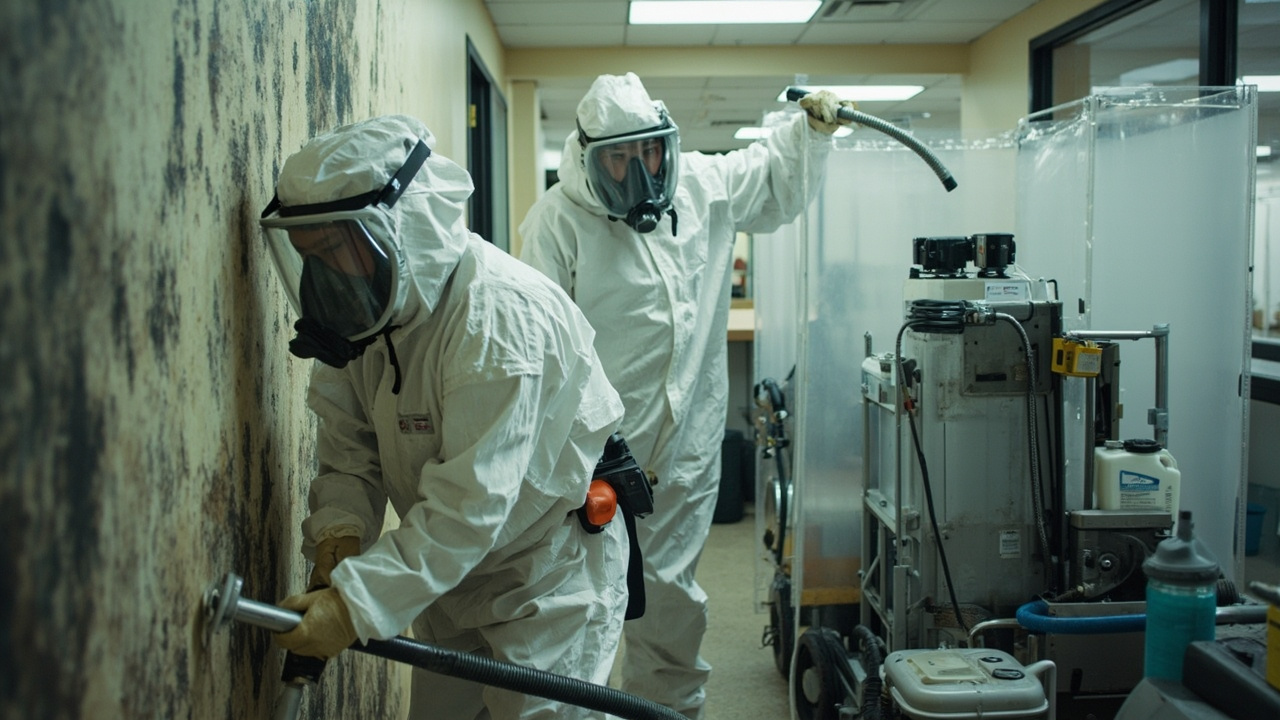
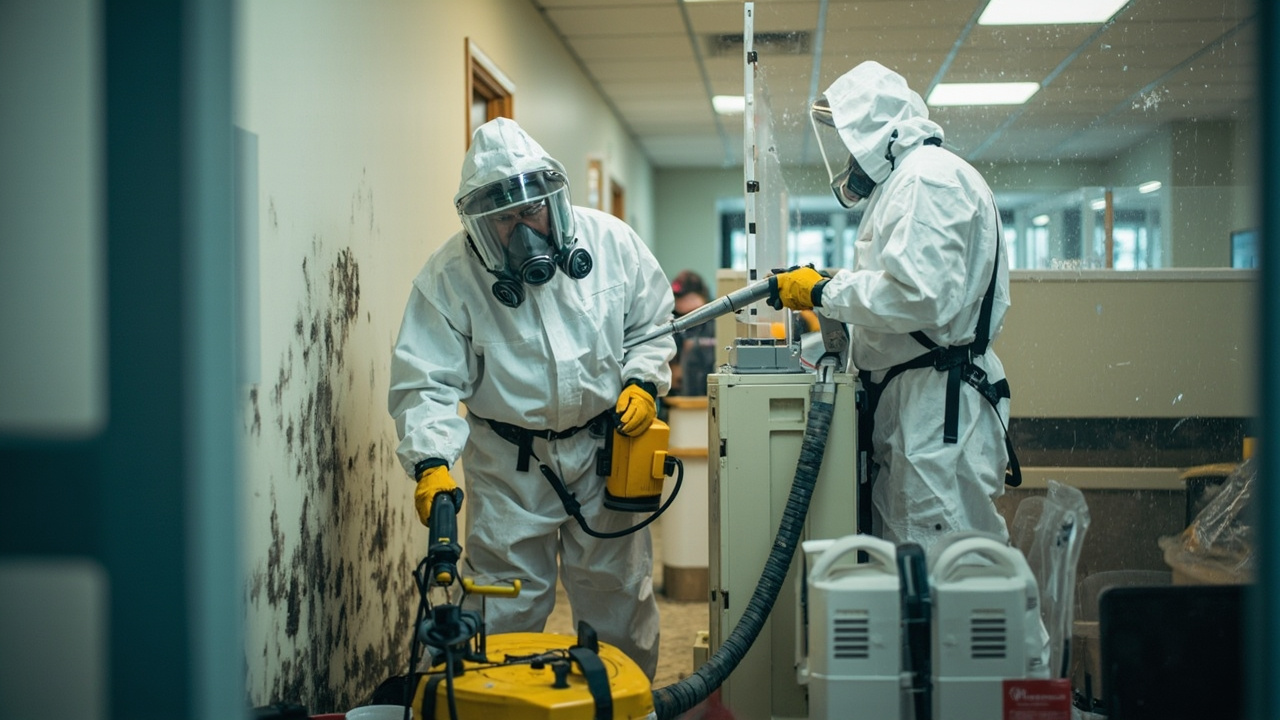
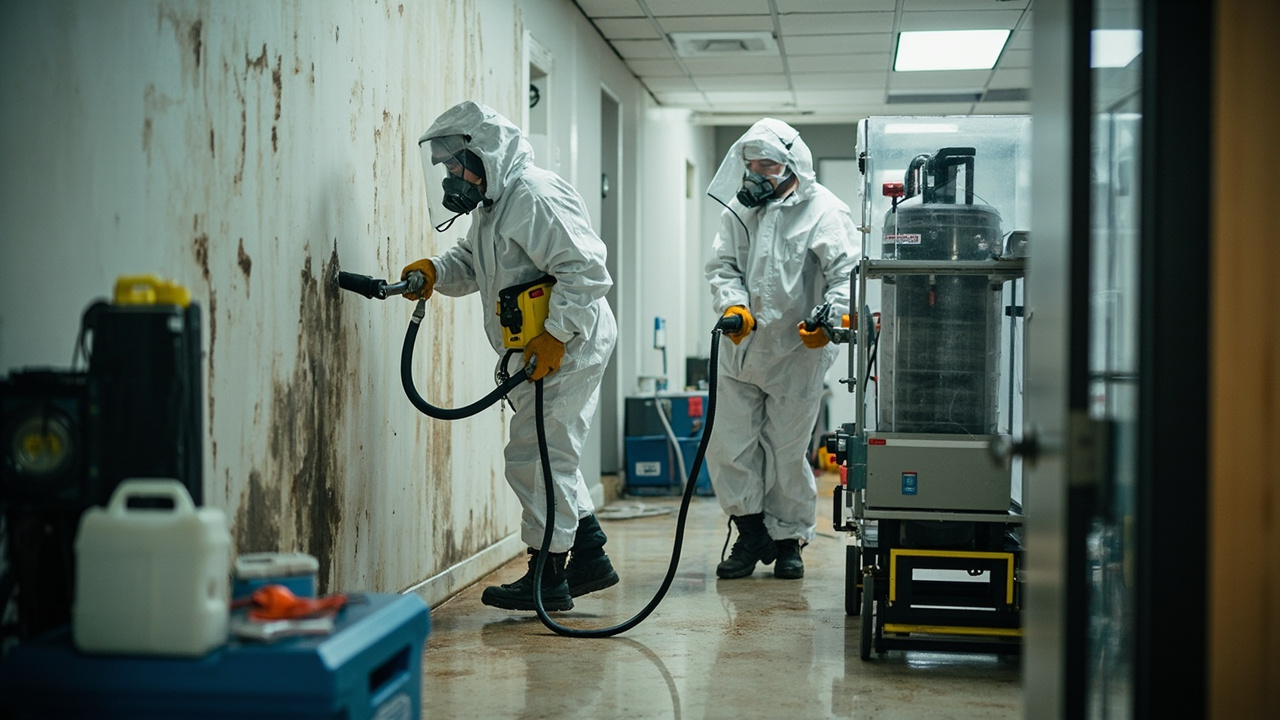
Grand Water Damage Restoration New Orleans uses negative air containment chambers with HEPA filtration to isolate affected zones before removal begins. We establish physical barriers using 6-mil polyethylene sheeting sealed at all penetrations, then create negative pressure differentials that prevent airborne spore migration to clean areas. This containment protocol allows your unaffected departments to maintain normal operations during commercial mold cleanup.

Our technicians remove porous materials that cannot be salvaged, including water-damaged drywall, insulation, and ceiling tiles. Non-porous surfaces receive HEPA vacuuming followed by antimicrobial application using EPA-registered fungicides. We document removal activities with photographic evidence and material manifests required for insurance claims and regulatory compliance.

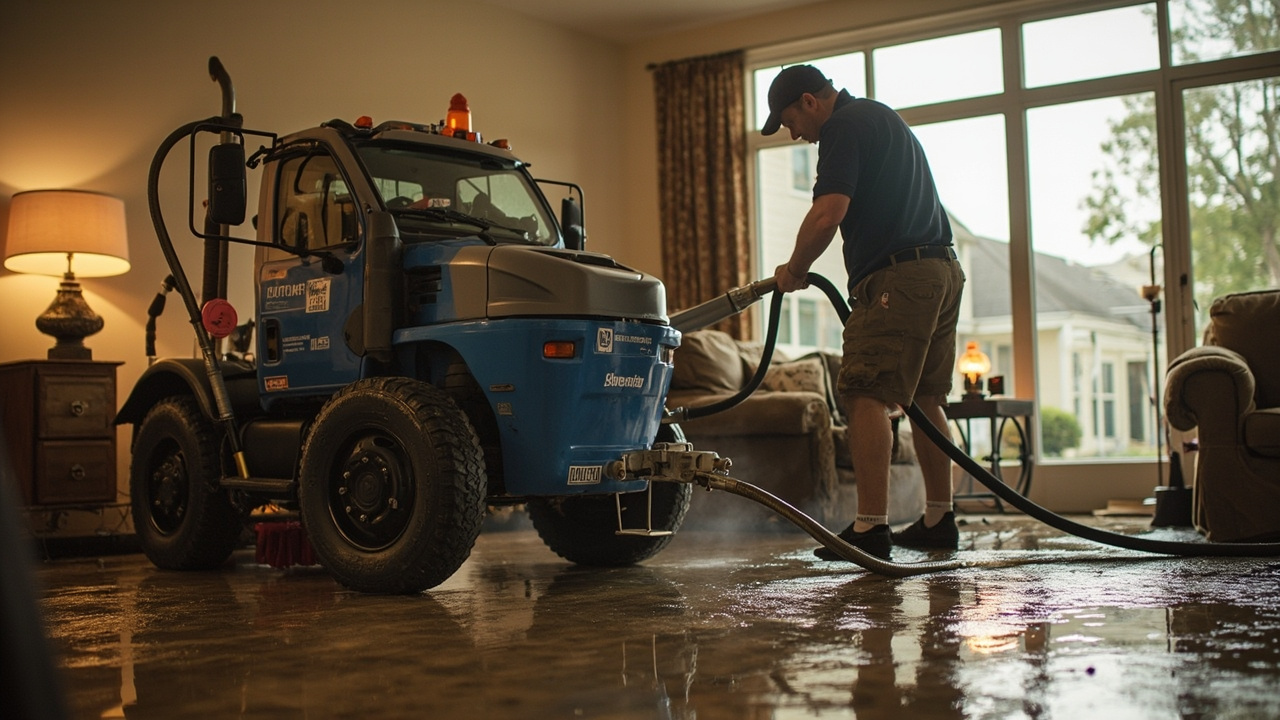
Structural drying follows containment and removal. We deploy commercial-grade dehumidifiers capable of extracting 150 pints per day, paired with axial air movers positioned to create laminar airflow across wall cavities and ceiling plenums. Moisture mapping using thermal imaging cameras verifies complete drying before reconstruction begins. This prevents secondary mold growth that forces redundant remediation cycles.

Air quality testing provides the verification your facility needs before reoccupancy. We engage third-party industrial hygienists who collect air samples and compare spore counts against outdoor baseline levels. Clearance testing confirms your space meets the IICRC S520 standard for mold remediation, providing documentation that protects you from future liability claims.

Our commercial mold abatement process includes coordination with mechanical contractors when HVAC systems require ductwork cleaning or component replacement. Contaminated air handling units spread spores throughout entire buildings, making system decontamination a critical step that residential-focused contractors often overlook.

How Commercial Mold Remediation Protects Your Facility

Commercial Mold Remediation in New Orleans – Minimize Downtime and Protect Your Business Operations
01

Emergency Assessment and Containment

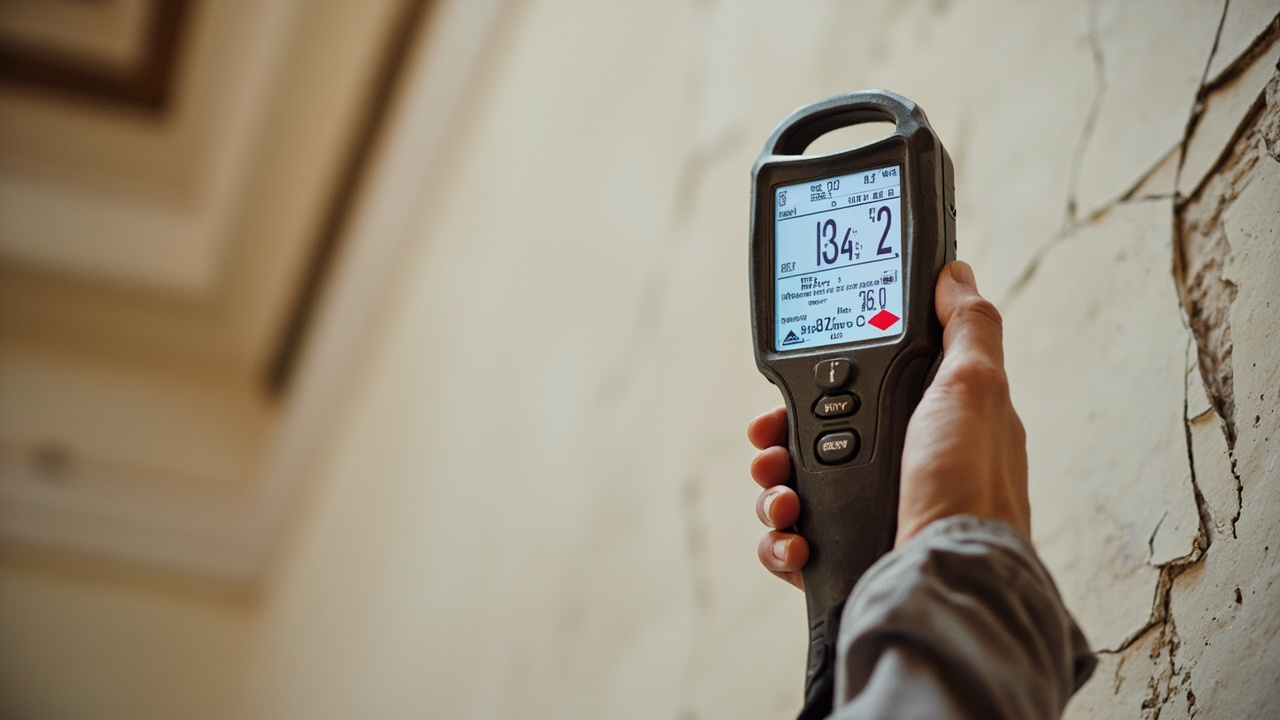
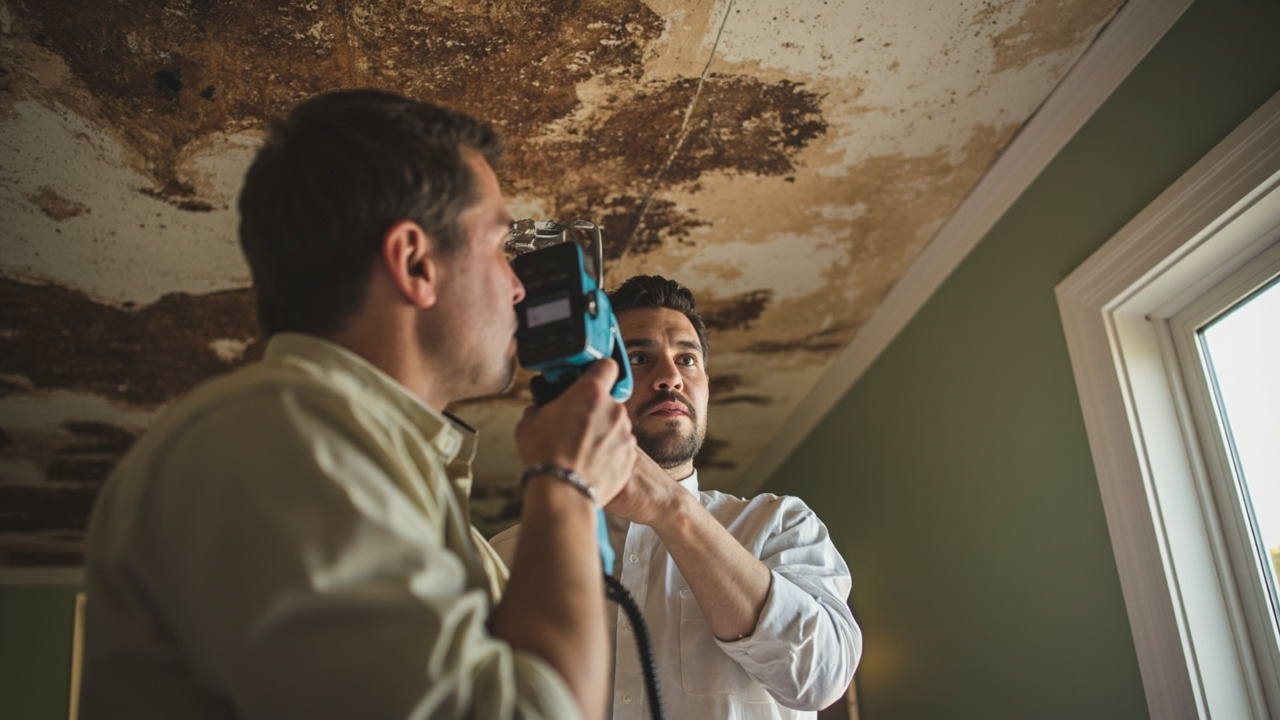
Our team arrives within two hours to assess contamination extent and establish containment zones. We identify moisture sources, document affected areas with moisture meters and thermal imaging, then build negative air chambers that isolate the work zone from occupied spaces. This immediate containment prevents spore dispersal that expands the affected footprint and increases remediation costs.
02

Controlled Removal and Decontamination

Technicians wearing full respiratory protection remove colonized materials under negative pressure. We bag and remove debris through dedicated egress points to prevent cross-contamination. HEPA vacuuming captures surface spores on structural components before antimicrobial treatments eliminate residual contamination. All removal activities follow OSHA respiratory protection standards and Louisiana environmental disposal regulations for contaminated building materials.
03

Verification Testing and Clearance

Independent air quality testing confirms spore counts meet acceptable levels before we remove containment barriers. Third-party laboratory analysis provides documentation that protects you from liability exposure and satisfies insurance requirements. We deliver a complete remediation report with photographic documentation, moisture readings, and clearance certificates that verify your facility meets IICRC S520 standards for post-remediation occupancy.

Why New Orleans Businesses Choose Our Commercial Remediation Team

Grand Water Damage Restoration New Orleans understands the regulatory environment your business operates within. We maintain current knowledge of Orleans Parish building codes, Louisiana health department requirements, and OSHA respiratory protection standards that govern commercial mold mitigation projects. Our technicians hold IICRC certifications in applied microbial remediation and water damage restoration, ensuring compliance with industry standards that protect you from negligent remediation claims.

New Orleans's building stock requires specialized expertise. Historic commercial properties in the Garden District and French Quarter feature plaster-on-lath wall systems, cypress framing, and pier-and-beam foundations that demand different remediation approaches than modern slab-on-grade construction. We assess structural moisture migration patterns specific to your building type, identifying hidden contamination in wall cavities and crawl spaces that generic contractors miss.

Our commercial clients include property management firms overseeing multi-tenant buildings, healthcare facilities subject to strict infection control protocols, and manufacturing operations that cannot tolerate production interruptions. We schedule remediation activities during off-hours when necessary, coordinate with building engineers to maintain life safety systems during containment, and work within your operational constraints to minimize business disruption.

Insurance coordination separates professional remediation contractors from general restoration companies. We document all findings with detailed moisture maps, photographic evidence, and material quantities that support your claim. Our estimates align with Xactimate pricing databases that adjusters reference, reducing claim disputes and accelerating approval timelines. We communicate directly with your carrier to provide technical clarification on scope items, preventing underpayment that leaves you responsible for cost overruns.

You need a contractor who understands that speed matters less than precision in commercial mold remediation. Rushed projects that skip containment protocols or inadequate drying procedures create liability exposure that exceeds the cost of proper remediation.

What Your Commercial Remediation Project Includes

Rapid Response and Project Mobilization

We dispatch assessment teams within two hours of your call and begin containment setup the same day for active contamination. Emergency response prevents mold spread that expands project scope and increases costs. For planned remediation of discovered growth during renovations, we schedule work during operational downtime or phase construction to maintain business continuity. Project timelines depend on contamination extent, but most commercial mold cleanup projects reach clearance testing within five to ten business days for spaces under 5,000 square feet.

Comprehensive Moisture Investigation and Scope Development

Our initial assessment identifies all contaminated areas using moisture meters, thermal imaging cameras, and visual inspection of concealed spaces. We probe wall cavities, inspect above ceiling tiles, and evaluate HVAC systems for amplification sites where mold colonizes ductwork and spreads throughout buildings. This investigation prevents change orders caused by hidden contamination discovered mid-project. You receive a detailed scope document with material quantities, containment requirements, and equipment specifications before work begins, providing cost certainty that protects your budget.

Verified Contamination Elimination and Air Quality Restoration

Your project concludes with third-party air quality verification testing that confirms spore levels meet acceptable standards. We provide laboratory analysis reports, photographic documentation of all remediation activities, and certificates of completion that demonstrate regulatory compliance. This documentation protects you from future liability claims if employees or tenants raise health concerns. Structural components receive antimicrobial treatments that prevent regrowth, and we verify moisture levels below 15 percent in all building materials before reconstruction to eliminate conditions that support mold colonization.

Post-Remediation Support and Prevention Planning

We deliver a comprehensive report identifying the moisture source that caused contamination and provide recommendations for preventing recurrence. This includes HVAC maintenance protocols, building envelope repairs, and humidity control strategies specific to New Orleans's climate. Our team remains available for follow-up moisture testing if you notice condensation issues or water intrusion events. While we do not provide formal warranties on mold remediation due to the biological nature of growth, we stand behind our workmanship and will address any deficiencies in our containment, removal, or drying procedures at no additional cost.

Frequently Asked Questions

You Have Questions,
We Have Answers

What do professionals use to remediate mold? +

Professionals use HEPA-filtered negative air machines to contain spores, antimicrobial agents designed for porous and non-porous surfaces, and industrial-grade dehumidifiers to control moisture. The process includes physical removal of contaminated materials like drywall or ceiling tiles, followed by HEPA vacuuming and surface treatment. In New Orleans commercial properties, controlling humidity is critical due to the subtropical climate. Professionals also address the moisture source, whether it's HVAC condensation, roof leaks, or plumbing failures. EPA-registered biocides are applied where appropriate. Documentation and air quality testing confirm the space meets clearance standards before reoccupancy.

How much does it cost to professionally get rid of mold? +

Commercial mold remediation costs vary based on contamination extent, affected square footage, material removal requirements, and access challenges. A small contained area might run lower, while extensive growth across multiple rooms or HVAC systems increases costs significantly. In New Orleans, properties with ongoing moisture intrusion from high humidity or storm damage require more comprehensive solutions, impacting total investment. Factors include containment setup, disposal fees, air filtration equipment, and post-remediation verification testing. Business interruption costs and code compliance upgrades can add to the project scope. Most commercial policies cover sudden water events, but gradual moisture issues may not qualify.

How much does professional mold removal cost? +

Professional mold removal pricing reflects the scope of contamination, the materials affected, and the remediation protocol required. You will pay more for projects involving HVAC system cleaning, structural material replacement, or multi-floor containment. New Orleans commercial buildings, particularly older structures in the French Quarter or Warehouse District, often present unique challenges due to construction methods and limited access. The investment covers containment barriers, HEPA air scrubbers, antimicrobial treatments, disposal, and third-party clearance testing. Emergency response or after-hours work commands premium rates. Obtain detailed estimates that specify protocol level, square footage, and material removal to compare accurately.

What is commercial mold remediation? +

Commercial mold remediation is the systematic removal and treatment of fungal growth in business properties, following IICRC S520 standards. It involves containment to prevent cross-contamination, removal of affected materials, HEPA filtration, antimicrobial application, and moisture source correction. Unlike residential work, commercial projects prioritize minimizing operational downtime and maintaining code compliance. In New Orleans, this often means addressing humidity control in warehouses near the Mississippi River or managing water intrusion in retail spaces along Magazine Street. The process includes documentation for insurance claims, air quality testing, and coordination with facility managers to limit business interruption while ensuring safe reoccupancy.

What kills black mold permanently? +

Black mold requires complete physical removal of colonized porous materials, combined with antimicrobial treatment of structural surfaces. You cannot simply spray and kill it. The fungus embeds into drywall, insulation, and wood, requiring removal and disposal. Non-porous surfaces like metal studs or concrete can be treated and sealed after thorough cleaning. Addressing the moisture source is mandatory. In New Orleans commercial properties, this means fixing roof leaks, repairing HVAC condensation issues, or improving ventilation in humid environments. Without moisture correction, mold returns. Professional remediation includes containment, HEPA filtration during removal, and verification testing to confirm the space is clear.

How do Japanese bathrooms not get mold? +

Japanese bathrooms prevent mold through superior ventilation design, rapid-drying materials, and built-in heated air circulation systems that dry surfaces quickly after use. The cultural practice of post-shower squeegee use and daily surface wiping also limits moisture retention. Waterproofing is engineered into construction, not added afterward. In New Orleans commercial settings, you can adopt similar principles by upgrading exhaust systems, using mold-resistant materials during renovations, and implementing regular maintenance protocols. However, the subtropical climate requires constant mechanical dehumidification that Japanese temperate regions do not. Daily surface management reduces risk but does not replace proper moisture control and ventilation in high-humidity environments.

Can black mold be fully remediated? +

Black mold can be fully remediated when professionals follow proper containment, removal, and moisture control protocols. The key is eliminating colonized porous materials completely, treating structural components, and correcting the underlying water source. In New Orleans commercial buildings, this often requires addressing systemic issues like inadequate HVAC capacity for humidity control or chronic roof leaks exacerbated by heavy rainfall. Remediation is not just cleaning visible growth. It requires negative air pressure containment, HEPA filtration, antimicrobial application, and third-party clearance testing. When done correctly and followed by moisture management, the space can return to safe occupancy without recurrence.

Is professional mold removal worth it? +

Professional mold removal is worth it when contamination exceeds ten square feet, affects HVAC systems, or involves toxic species like Stachybotrys. Attempting DIY in commercial properties risks liability, cross-contamination, and incomplete removal that leads to recurring growth. In New Orleans, where humidity creates ideal fungal conditions year-round, professional remediation addresses both visible growth and hidden moisture sources. You gain proper containment, HEPA filtration, documentation for insurance and regulatory compliance, and verification testing. The investment protects building occupants, preserves property value, and minimizes business interruption. For commercial operations, the cost of doing it wrong far exceeds professional remediation fees.

Is mold remediation tax deductible? +

Mold remediation may qualify as a tax-deductible business expense if the property generates income and the work is classified as repair rather than improvement. Remediation that restores the property to its pre-damage condition typically qualifies as a deductible operating expense. However, work that adds value or extends the building's useful life may require capitalization and depreciation. In New Orleans commercial properties, insurance reimbursements reduce the deductible amount. Consult your CPA for specific guidance, as tax treatment depends on property use, remediation scope, and whether the work is preventive or responsive. Documentation of the damage event and remediation protocol supports your deduction.

Can a house full of mold be saved? +

A house with extensive mold can be saved through comprehensive remediation, but feasibility depends on structural integrity and contamination depth. If framing, subfloors, or major systems are compromised, demolition may be more cost-effective than restoration. In New Orleans, older properties in flood-prone areas near Lake Pontchartrain or in the Lower Ninth Ward require careful structural assessment after water events. Commercial buildings can often be saved because non-porous materials like steel and concrete can be treated. The decision hinges on remediation cost versus replacement value, code compliance requirements, and whether the moisture source can be permanently corrected. Professional assessment determines viability.

How New Orleans's Subtropical Climate Accelerates Commercial Mold Growth

New Orleans averages 62 inches of annual rainfall with humidity levels consistently above 70 percent year-round. This moisture-saturated environment allows mold spores to germinate within 24 to 48 hours after water intrusion events. Commercial buildings near the Mississippi River and in low-lying areas below sea level face elevated groundwater tables that create chronic moisture problems in slab foundations and crawl spaces. Older commercial structures built before modern vapor barrier requirements show persistent dampness in masonry walls that contact grade. Storm events that overwhelm antiquated drainage systems throughout Mid-City and Gentilly cause roof ponding and facade penetration that saturate wall assemblies. Your facility requires commercial mold abatement approaches designed for continuous moisture management in this challenging climate.

Grand Water Damage Restoration New Orleans maintains relationships with industrial hygienists, mechanical contractors, and building envelope specialists throughout the metro area. We understand Orleans Parish permit requirements for commercial renovations following remediation and coordinate with local building officials to ensure compliance. Our familiarity with New Orleans construction methods, from French Colonial brick-between-post buildings to modern curtain wall systems in the Central Business District, allows us to identify moisture pathways and contamination risks that contractors unfamiliar with local architecture miss. Choosing a remediation provider with deep knowledge of New Orleans building science protects your business from recurring mold problems caused by incomplete source control.
Water Damage Restoration Services in The New Orleans Area

While Grand serves the wider region with our expert water damage restoration services, we invite you to view our central operational location on the map. This helps you visualize our base of operations and understand our commitment to providing swift, efficient service across our service areas. Our team is strategically positioned to ensure rapid deployment when you need us most, so don't hesitate to contact us regardless of your specific location within our service radius.

Address:
Grand Water Damage Restoration New Orleans, 201 St Charles Ave, New Orleans, LA, 70170

Additional Services We Offer

Our news updates

Latest Articles & News from The Blogs

Living in a historic home in the Esplanade Ridge neighborhood offers a unique charm that modern builds cannot replicate. Those…

Removing that stubborn musty smell from historic plaster walls in Esplanade Ridge

Living in a historic home in the Esplanade Ridge neighborhood offers a unique charm that modern builds cannot replicate. Those…

Why your Westbank home might have a hidden shower pan leak and the best next steps

Westbank homeowners in Gretna and Marrero face specific plumbing challenges due to the local environment. High humidity levels and shifting…

Why ignoring a slow water heater leak in Carrollton destroys your home

A tiny puddle under your water heater in the 70118 zip code might look like a minor inconvenience. In the…

Contact Us

Contact Grand Water Damage Restoration New Orleans at (504) 355-2332 for immediate commercial mold assessment. Our team mobilizes within two hours to contain active growth and prevent operational disruption. Call now to protect your facility.