



menu

Rapid Response Flood Extraction in New Orleans – Water Removed Within 60 Minutes of Your Call

When your property floods, every minute counts. Grand Water Damage Restoration New Orleans deploys emergency water removal teams across the metro 24/7, extracting standing water fast to stop structural damage, prevent mold colonization, and salvage your belongings before it's too late.

Slider Image 1
Slider Image 2
Slider Image 3
Slider Image 4
Slider Image 5
Slider Image 7
Slider Image 8
Slider Image 9
Slider Image 10
Slider Image 11

Why New Orleans Floods Escalate Fast and Why You Need Immediate Action

New Orleans sits below sea level. The city's bowl-shaped topography means water doesn't drain away. It pools. Heavy summer downpours overwhelm pump stations. Storm surge from the Gulf pushes water inland. Aging clay soil foundations crack under hydrostatic pressure. When your home or business floods here, you are not dealing with a simple spill. You are fighting rising water that can breach interior walls, saturate subfloors, and ruin HVAC systems tucked into crawl spaces.

The subtropical humidity accelerates secondary damage. Standing water begins breeding mold spores within 24 to 48 hours. Drywall swells. Hardwood buckles. Electrical systems corrode. Insurance adjusters document losses quickly, and the longer water sits, the more your claim shrinks because preventable damage becomes your liability.

You need 24/7 flood extraction that moves faster than the water spreads. Emergency water removal services in New Orleans must account for pump station failures, street flooding that blocks access, and the high water tables that make basements and slab foundations vulnerable. Immediate flood pumping stops the clock on damage progression. Urgent water cleanup protects your property value and your health. This is not a tomorrow problem. This is a right-now emergency.

Why New Orleans Floods Escalate Fast and Why You Need Immediate Action
How Grand Water Damage Restoration New Orleans Executes Emergency Water Extraction

How Grand Water Damage Restoration New Orleans Executes Emergency Water Extraction

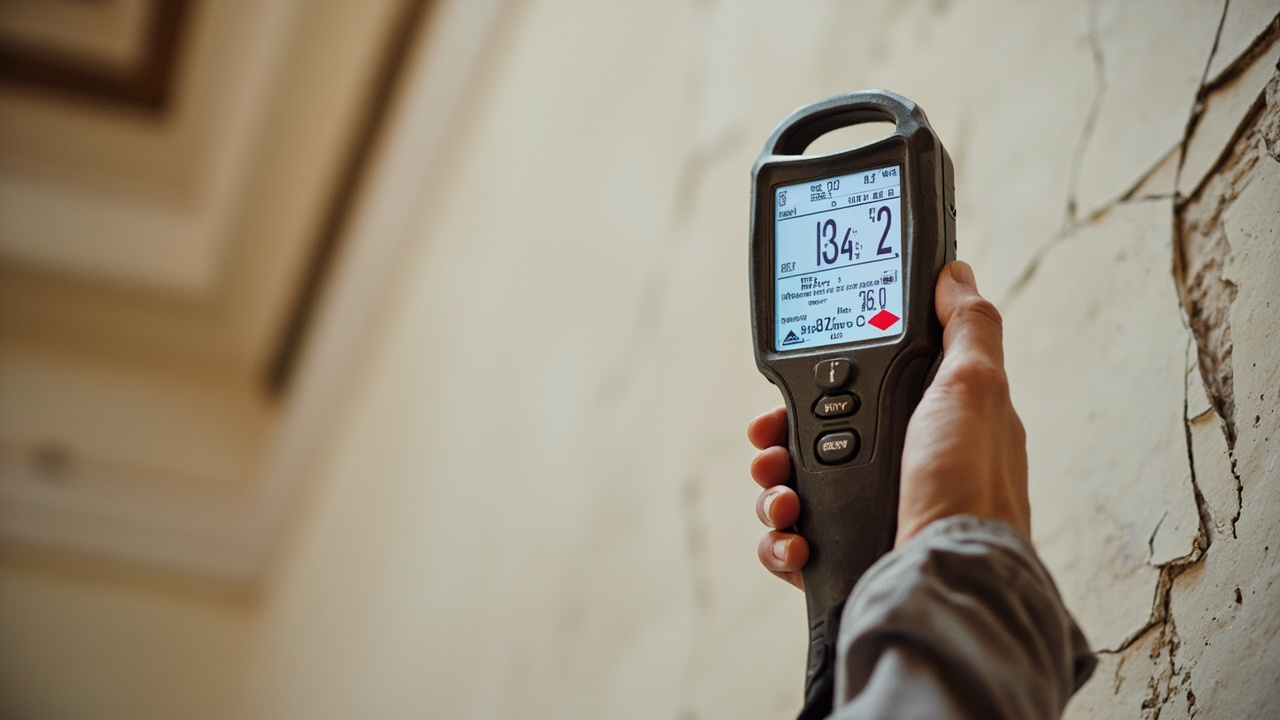
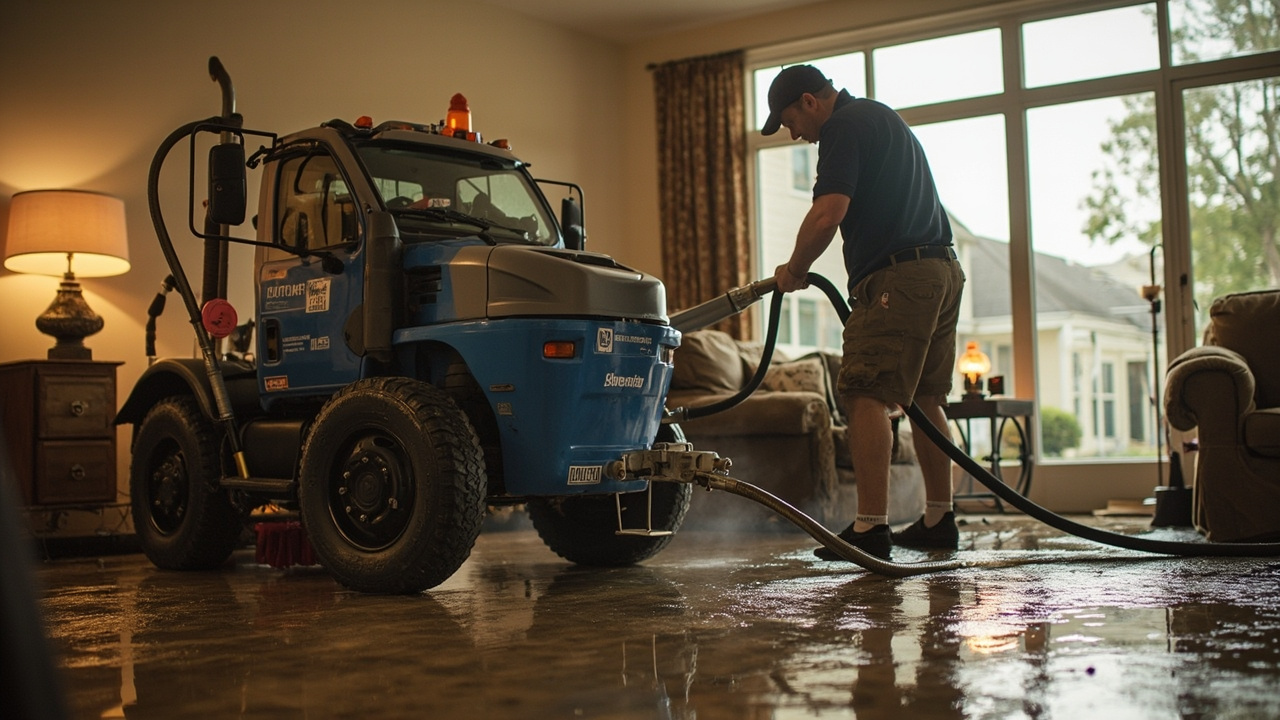
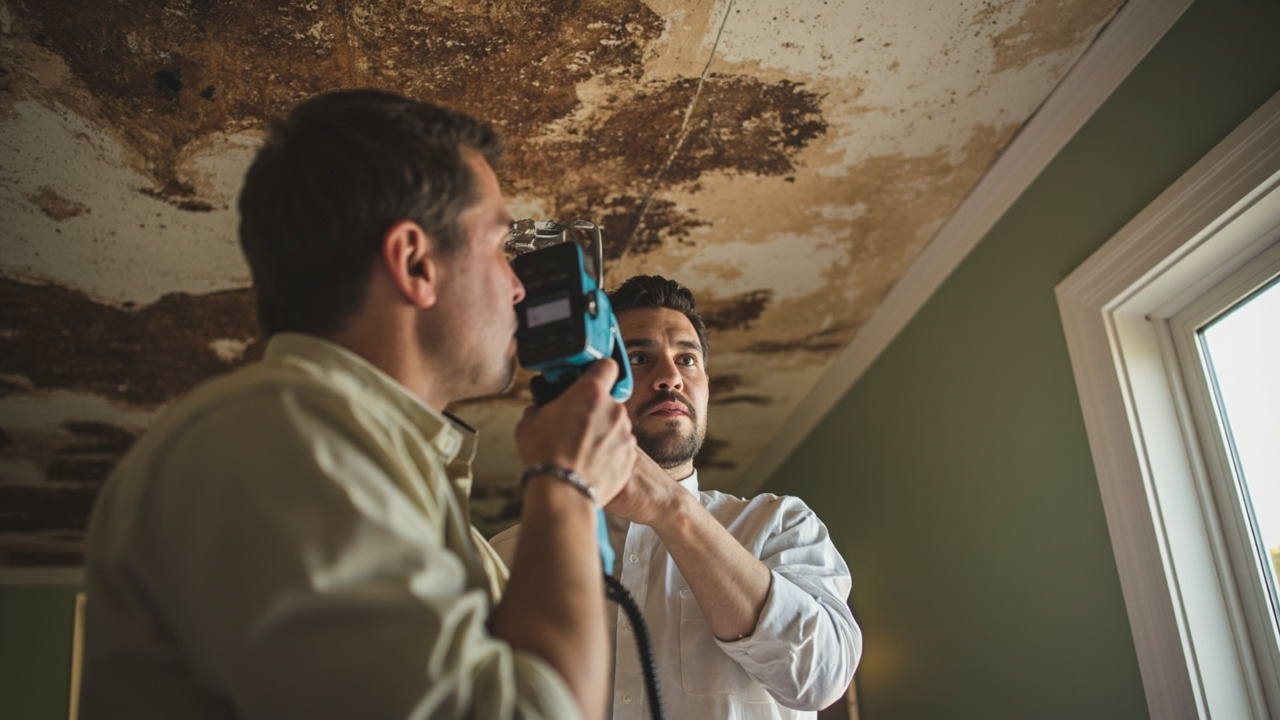
We deploy truck-mounted extraction units and portable submersible pumps designed for high-volume water removal. Our technicians arrive with thermal imaging cameras to locate hidden water pockets behind baseboards, under vinyl flooring, and inside wall cavities. We do not guess. We measure moisture content using penetrating probes and non-invasive meters calibrated for Louisiana's humidity baseline.

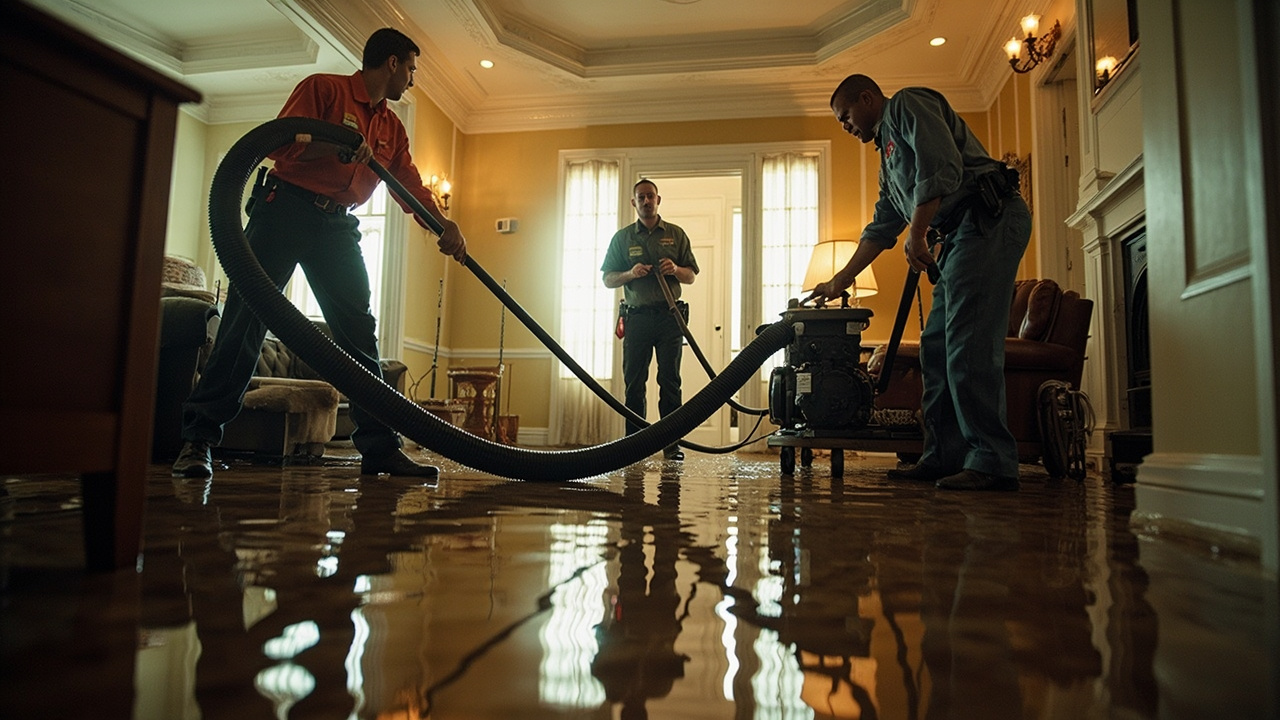
First, we remove standing water using gas-powered pumps that move hundreds of gallons per minute. For structures with multiple rooms or commercial spaces, we stage equipment to create negative air pressure zones, pulling moisture out before it migrates deeper into porous materials. We extract water from carpets using weighted wands that apply 500 PSI of downward pressure, forcing trapped water up through fibers into recovery tanks.

Next, we place commercial-grade dehumidifiers and air movers in calculated positions based on psychrometric readings. We are not drying the air. We are drying the structure. Airflow must move parallel to wet surfaces at specific velocities to maximize evaporation without spreading contaminants. We monitor dew point and grain depression every 12 hours, adjusting equipment placement as materials release moisture.

We document everything with digital moisture logs and photo evidence for your insurance claim. We communicate with your adjuster directly, translating technical data into claim language. Emergency water damage extraction in New Orleans requires speed, but it also requires precision. We deliver both.

What Happens When You Call for Flood Extraction

Rapid Response Flood Extraction in New Orleans – Water Removed Within 60 Minutes of Your Call
01

Dispatch and Arrival

You call our emergency line. We answer. No voicemail. No callback queue. A live dispatcher logs your address, asks three diagnostic questions about water source and depth, and assigns the nearest crew. Our trucks carry extraction equipment pre-loaded for immediate deployment. We arrive within 60 minutes across most of the New Orleans metro, often faster in Orleans Parish, Jefferson Parish, and St. Bernard Parish. Time matters, and we treat it like the critical resource it is.
02

Water Removal and Assessment

Our team shuts off electrical circuits in affected areas for safety. We identify the water source and stop active intrusion if possible. Gas-powered pumps remove standing water first. Weighted extraction wands pull water from carpets and upholstery. Thermal cameras scan walls and ceilings for hidden saturation. We measure moisture content in structural materials and document affected square footage. This data becomes your insurance documentation. We work methodically, room by room, extracting every recoverable gallon before secondary damage accelerates.
03

Drying and Monitoring

Industrial dehumidifiers and high-velocity air movers create controlled drying conditions. We position equipment based on moisture readings, not guesswork. Technicians return every 12 to 24 hours to take new readings, adjust airflow, and document progress. Drying typically takes three to five days depending on material saturation and humidity levels. We do not pull equipment until moisture content matches unaffected areas. You receive a final moisture report showing your structure is dry and ready for repairs or restoration.

Why New Orleans Property Owners Choose Grand Water Damage Restoration for Urgent Water Cleanup

We know the city. We know how Lakeview homes built on reclaimed swampland hold moisture differently than Uptown raised cottages. We know the French Quarter's historic buildings require extraction methods that protect 200-year-old cypress beams. We understand that Mid-City properties near Bayou St. John face recurring street flooding and need fast response before water enters through foundation seams.

Our crews train on Category 1, 2, and 3 water contamination protocols. We handle clean supply line breaks differently than sewage backups caused by overwhelmed municipal systems. We know when to extract and sanitize versus extract and demo. That knowledge protects your health and keeps insurance claims clean.

We work with every major property insurer active in Louisiana. We know their documentation requirements, their preferred moisture thresholds, and their claims timelines. We submit detailed loss inventories with supporting moisture maps and photographic evidence. This speeds up your claim and reduces disputes over covered versus excluded damage.

You need someone who answers the phone at 3 a.m. when a pipe bursts or the street floods. You need equipment staged locally, not dispatched from Baton Rouge or the Northshore. You need technicians who understand the difference between extracting water from a slab foundation versus a pier-and-beam crawl space common in older neighborhoods.

Grand Water Damage Restoration New Orleans operates 24 hours a day, seven days a week, with crews stationed across the metro. When you call for immediate flood pumping, we are already moving. That is the difference between salvageable damage and total loss.

What to Expect When You Call for Emergency Flood Extraction

Response Time and Availability

We guarantee response within 60 minutes for most locations in Orleans, Jefferson, St. Bernard, and Plaquemines Parishes. Our dispatch center operates 24/7/365, including holidays. Crews work in shifts to ensure equipment and personnel availability around the clock. During widespread flooding events like tropical storms or pump station failures, we prioritize active intrusions and structural threats first, then address residual water. You receive an estimated arrival time when you call, and we update you if conditions delay response. Speed is not a marketing claim. It is our operational standard.

Initial Assessment and Documentation

Before we extract the first gallon, we document the loss. Technicians photograph affected areas, measure moisture levels in structural materials, and identify the water source and category. This creates a baseline for your insurance claim. We explain what we are seeing, what it means for your property, and what steps we recommend. You receive a written scope of work outlining extraction, drying, and monitoring services. We answer questions in plain language, not jargon designed to confuse. You know what we are doing and why before we do it.

The Drying Process and Outcome

Drying is not guesswork. We place moisture meters in multiple locations across affected materials and log readings twice daily. You see the data. Dehumidifiers pull moisture from the air while air movers push dry air across wet surfaces, accelerating evaporation. We adjust equipment based on real-time readings, not arbitrary timelines. Drying completes when structural moisture content matches unaffected areas, typically three to five days depending on saturation depth. You receive a final moisture report confirming your property is dry and ready for repairs, reconstruction, or normal use.

Insurance Coordination and Claims Support

We work directly with your insurance adjuster to streamline the claims process. Our documentation includes detailed moisture logs, equipment placement diagrams, and photographic evidence of damage progression and mitigation efforts. We explain technical findings in claim-friendly language, reducing disputes over covered damages. Most insurers prefer working with certified restoration contractors because our documentation meets their evidentiary standards. We do not bill you directly unless your policy requires it. We coordinate payment through your claim whenever possible, reducing your out-of-pocket expense during an already stressful event.

Frequently Asked Questions

You Have Questions,
We Have Answers

How New Orleans's Below-Sea-Level Geography Makes Rapid Flood Extraction Critical

New Orleans sits in a bowl surrounded by water. Lake Pontchartrain to the north, the Mississippi River curving south, and the Gulf of Mexico pushing storm surge inland during hurricane season. Gravity does not drain water away here. The city relies on pump stations to lift water up and out. When those systems fail or get overwhelmed by intense rainfall, water pools in streets, yards, and eventually inside structures. Homes built on slab foundations face hydrostatic pressure from below. Crawl spaces flood quickly because the water table sits just feet underground. Emergency water removal services here are not optional. They are essential to preventing structural failure and protecting property value in a city where elevation determines survival.

Louisiana's humid subtropical climate accelerates mold growth faster than drier climates. What takes a week to develop in Phoenix starts within 48 hours here. Local building codes reflect these risks, requiring specific moisture barriers and drainage systems for new construction. Older homes in neighborhoods like the Marigny, Bywater, and Gentilly lack modern flood mitigation features, making them especially vulnerable during heavy rain events. Choosing a water damage restoration company that understands New Orleans's unique hydrology, soil composition, and construction history means the difference between effective drying and recurring moisture problems. We know the local challenges because we work here every day, not just when national franchises deploy disaster response teams.
Water Damage Restoration Services in The New Orleans Area

While Grand serves the wider region with our expert water damage restoration services, we invite you to view our central operational location on the map. This helps you visualize our base of operations and understand our commitment to providing swift, efficient service across our service areas. Our team is strategically positioned to ensure rapid deployment when you need us most, so don't hesitate to contact us regardless of your specific location within our service radius.

Address:
Grand Water Damage Restoration New Orleans, 201 St Charles Ave, New Orleans, LA, 70170

Additional Services We Offer

Our news updates

Latest Articles & News from The Blogs

Standing water in your Gretna home requires an immediate response to prevent permanent structural issues and mold growth. Residents living…

Fast Flood Restoration Strategies for Gretna Homeowners

Standing water in your Gretna home requires an immediate response to prevent permanent structural issues and mold growth. Residents living…

Resolving Ceiling Water Damage and Leaks in Mid-City Apartments

Dealing with Ceiling Water Damage Repair in Mid-City New OrleansA damp spot on your ceiling in a Mid-City apartment requires…

Removing that stubborn musty smell from historic plaster walls in Esplanade Ridge

Living in a historic home in the Esplanade Ridge neighborhood offers a unique charm that modern builds cannot replicate. Those…

Contact Us

Water is spreading while you read this. Every minute increases the damage and the cost. Call Grand Water Damage Restoration New Orleans at (504) 355-2332 right now. Our emergency crews are standing by 24/7 with equipment ready to deploy. We answer the phone, we show up fast, and we stop the damage before it becomes a total loss.