

menu

Categories of Water in New Orleans – Understanding Contamination Levels That Protect Your Property and Health

Learn the critical differences between IICRC water categories and why identifying water contamination levels correctly determines whether you need simple extraction or full microbial remediation in New Orleans homes and businesses.

Slider Image 1
Slider Image 2
Slider Image 3
Slider Image 4
Slider Image 5
Slider Image 7
Slider Image 8
Slider Image 9
Slider Image 10
Slider Image 11

Why Water Contamination Classifications Matter in New Orleans Properties

Not all water damage is the same. The IICRC defines three distinct categories of water based on contamination levels, and in New Orleans, knowing the difference can save you thousands in unnecessary repairs or prevent serious health hazards.

Category 1 water originates from a sanitary source. A broken supply line or overflowing sink qualifies. This water poses no substantial health threat initially, but in New Orleans's humid climate, Category 1 water can degrade to Category 2 within 24 to 48 hours if not extracted immediately.

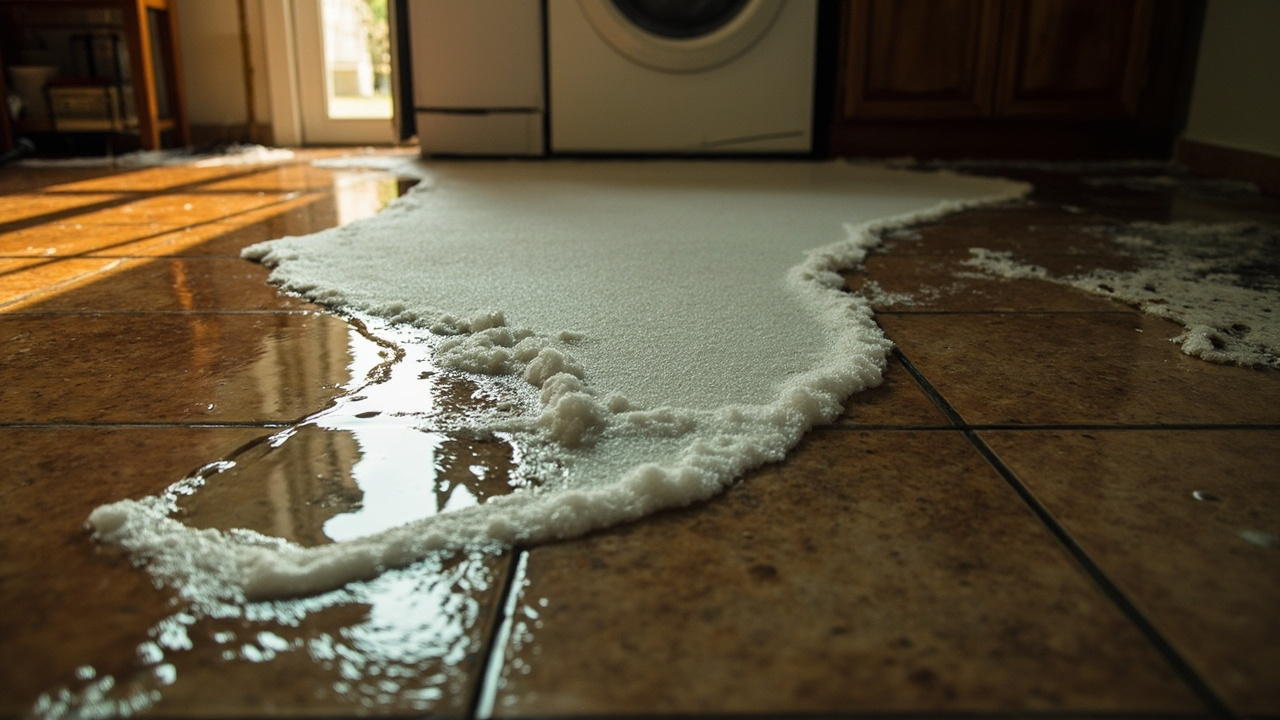
Category 2 water contains significant contamination. Dishwasher overflows, washing machine discharge, or toilet bowl water with urine fall into this classification. This water carries bacteria and viruses. Direct contact causes discomfort or sickness.

Category 3 water is grossly contaminated. Sewage backups, rising floodwater from the Mississippi River or Lake Pontchartrain, and stagnant water after hurricanes contain harmful pathogens and toxins. This water causes severe illness or death through ingestion or contact.

New Orleans experiences frequent heavy rainfall, aging cast iron sewer systems in the French Quarter and Garden District, and hurricane-driven flooding. Each event introduces different water quality classifications. Identifying the contamination level within the first hour dictates the remediation protocol. Treating Category 3 water like Category 1 water spreads disease. Overtreating Category 1 water wastes money. The water damage categories determine PPE requirements, disposal methods, and structural drying protocols.

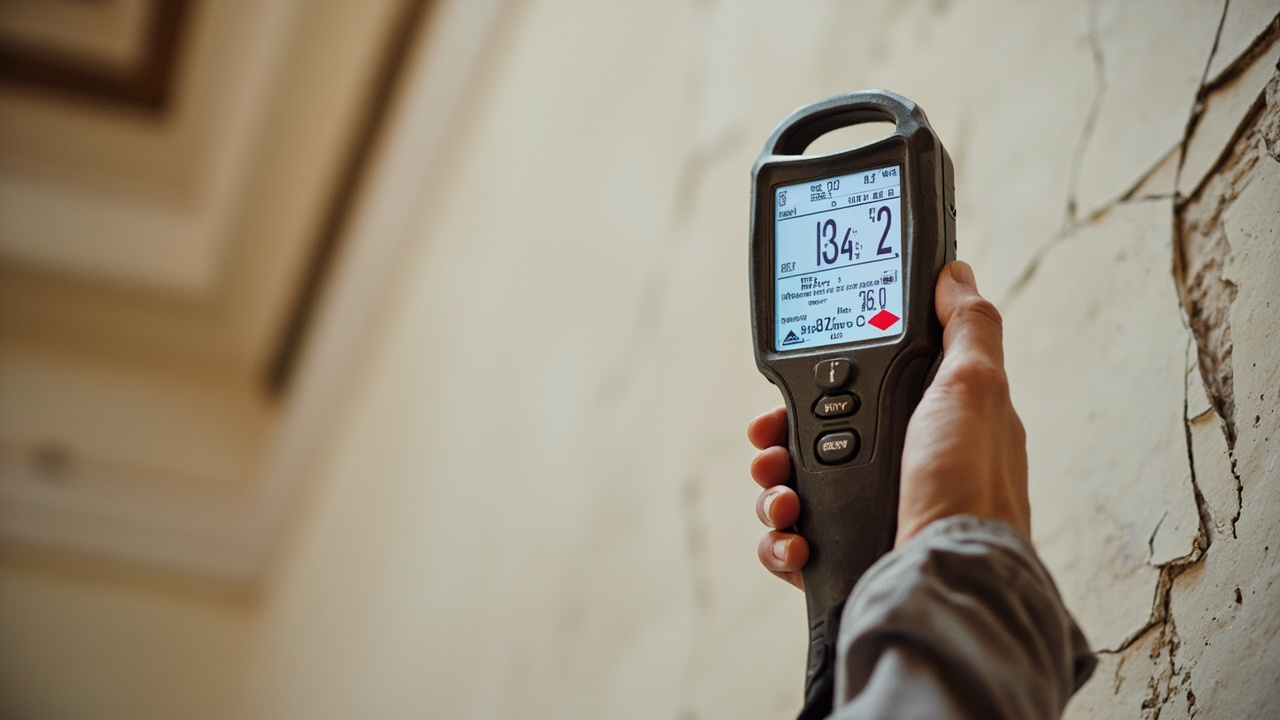
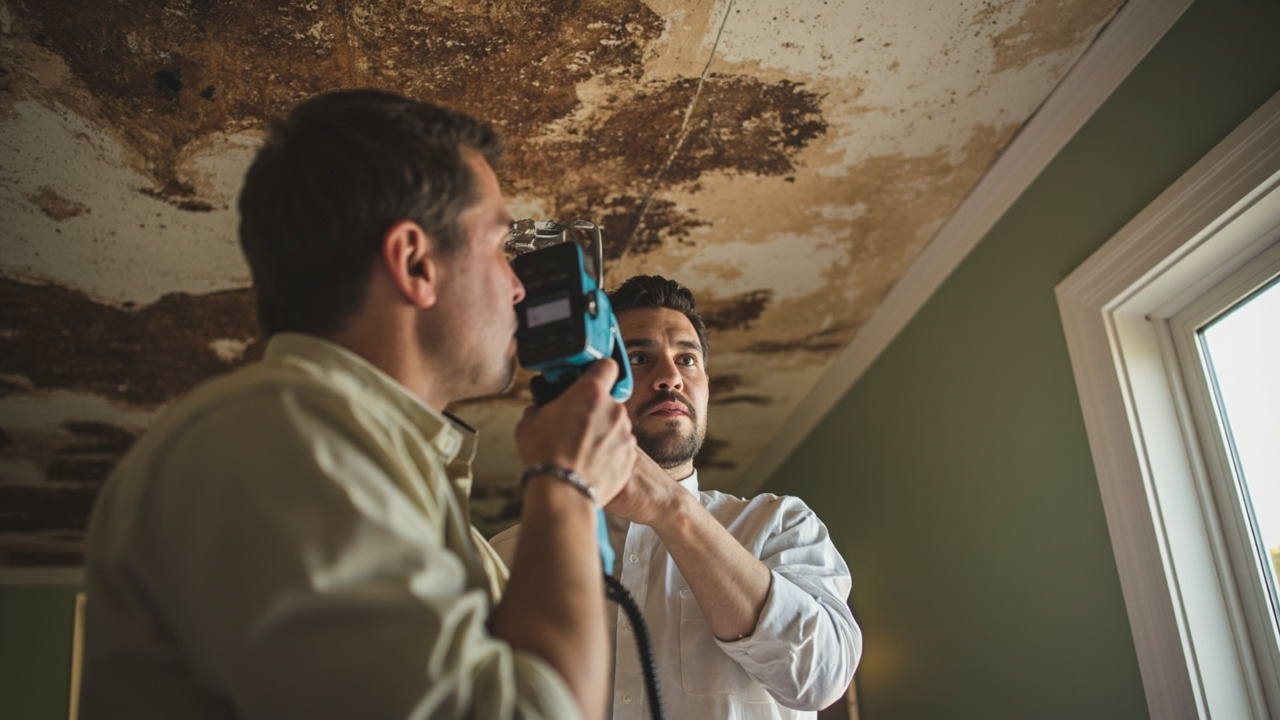
Grand Water Damage Restoration New Orleans uses moisture meters, thermal imaging, and visual inspection to classify water contamination levels accurately before beginning extraction or remediation.

Why Water Contamination Classifications Matter in New Orleans Properties
How We Identify and Respond to Each Water Category

How We Identify and Respond to Each Water Category

Classification happens before remediation. Our technicians arrive onsite and conduct a source assessment. We identify where the water originated, how long it has been present, and what materials it contacted.

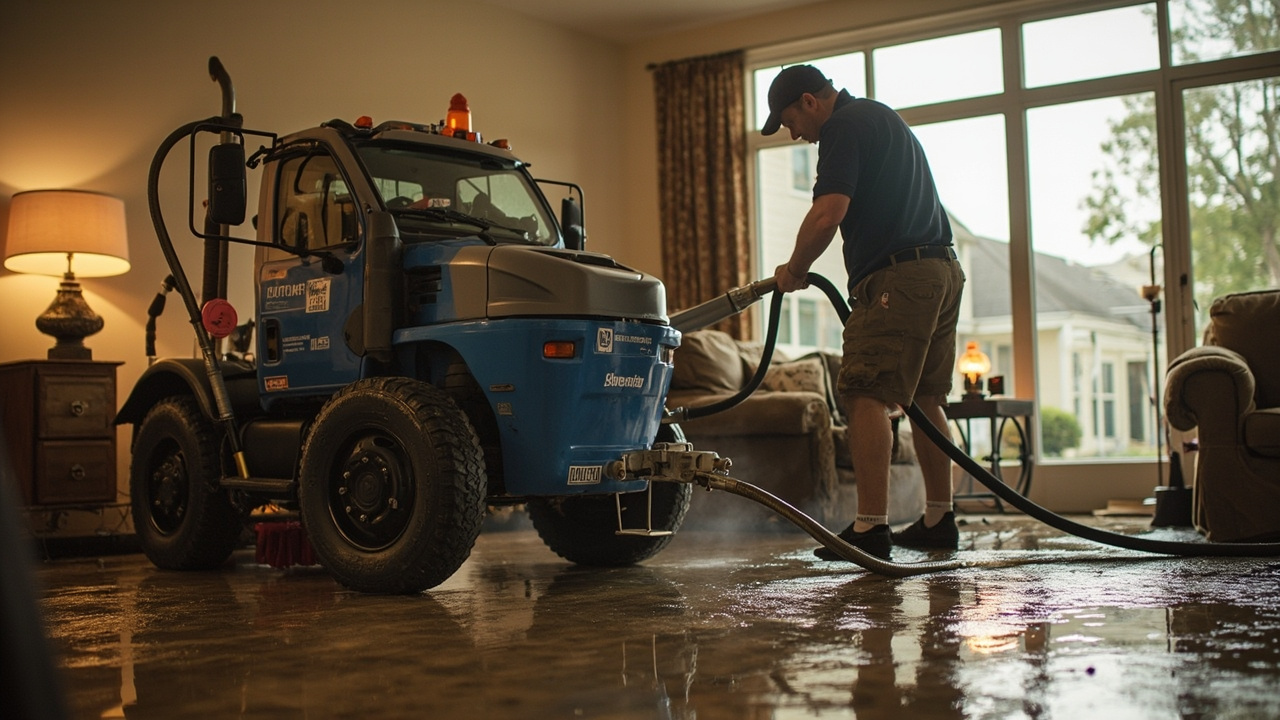
For Category 1 water, we deploy truck-mounted extractors and commercial dehumidifiers. We remove standing water, dry structural materials, and monitor humidity levels. Speed prevents microbial growth. We complete extraction within hours, not days.

Category 2 water requires antimicrobial treatment. We remove affected porous materials like carpet padding and drywall if contamination is severe. We apply EPA-registered disinfectants to hard surfaces. Air scrubbers with HEPA filtration remove airborne contaminants during drying. Technicians wear gloves and respiratory protection during extraction.

Category 3 water demands full remediation protocols. We treat all porous materials as contaminated. Drywall gets removed to a minimum of 12 inches above the waterline. Carpet and padding go to the landfill. We apply hospital-grade disinfectants to framing and subfloors. Negative air pressure prevents cross-contamination to unaffected areas. Technicians wear Tyvek suits, respirators, and boots.

In New Orleans, we encounter all three types of water contamination regularly. Heavy rain overwhelms the pumping systems in low-lying areas like Lakeview and Gentilly, causing street flooding that seeps into homes. That water carries street debris, gasoline, and animal waste. We classify it as Category 3 immediately.

The IICRC water categories are not suggestions. They are safety protocols. We follow them to protect your family and our crew. We document the classification in our initial assessment report for insurance claims.

What Happens During Water Category Assessment

Categories of Water in New Orleans – Understanding Contamination Levels That Protect Your Property and Health
01

Source Identification and Documentation

Our technician arrives and locates the water source within minutes. We photograph the affected area, measure moisture levels in walls and floors, and record the water's origin. We note whether the source is a supply line, drain backup, or exterior flooding. This documentation establishes the initial water quality classification and guides all subsequent remediation decisions for your New Orleans property.
02

Contamination Level Testing

We evaluate the water for visible debris, odor, and color. Category 1 water appears clear. Category 2 water may contain detergent, food particles, or discoloration. Category 3 water shows visible fecal matter, sludge, or organic debris. We test humidity levels and check for microbial growth on walls and baseboards. This step determines PPE requirements and whether antimicrobial treatment is necessary.
03

Protocol Assignment and Execution

Once we classify the water, we assign the correct IICRC remediation protocol. Category 1 gets rapid extraction and drying. Category 2 receives antimicrobial treatment and controlled drying. Category 3 triggers full containment, material removal, and disinfection. We update the classification if conditions change during drying. You receive a written summary explaining the category and why we chose the specific remediation approach.

Why New Orleans Residents Trust Our Water Damage Expertise

Grand Water Damage Restoration New Orleans understands the specific water contamination risks in this city. We have responded to hundreds of sewage backups in Mid-City after heavy rain, Category 3 flooding in the Lower Ninth Ward after hurricanes, and Category 1 pipe bursts in Uptown homes during winter freezes.

New Orleans's municipal pumping system struggles during intense rainfall. Streets flood within minutes. That floodwater carries motor oil, garbage, and sewage from combined sewer overflows. Residents often assume the water is clean because it came from rain. It is not. We classify street flooding as Category 3 water because of the contamination it collects before entering your home.

We also navigate local building codes and elevation requirements. Many New Orleans homes sit on pier and beam foundations or elevated slabs due to flood zone regulations. Water intrusion in these structures requires specialized drying techniques. We use injectidry systems to dry wall cavities and subfloor areas without removing cypress flooring or historic plaster.

Our technicians carry IICRC Water Damage Restoration certifications. We follow the S500 Standard for water damage restoration, which defines the three water categories and the required response for each. This is not guesswork. It is science-based remediation.

We also work directly with adjusters from major insurance carriers. We provide detailed categorization reports, moisture logs, and photographic documentation. This speeds up claims approval and reduces disputes over coverage. When we classify water as Category 3, we explain why and provide evidence to support the classification.

You want a restoration company that understands the difference between clean water and sewage. We do. We have been serving New Orleans properties for years, and we know how quickly water quality degrades in this climate.

What You Can Expect During Water Category Remediation

Rapid Response and Initial Classification

We answer emergency calls 24 hours a day. Our technician arrives within 60 to 90 minutes in the greater New Orleans metro area. We conduct the initial water category assessment immediately upon arrival. You receive a verbal explanation of the classification and what it means for remediation. We begin extraction within minutes of completing the assessment. Speed matters because Category 1 water degrades to Category 2 within 48 hours in humid conditions. We stop that degradation before it starts.

Detailed Assessment and Remediation Planning

After initial extraction, we conduct a comprehensive moisture survey. We use thermal imaging cameras to detect hidden water in walls and ceilings. We measure moisture content in wood framing, drywall, and flooring. We document affected areas with photographs and written notes. You receive a detailed scope of work that explains the water category, contamination risks, and recommended remediation steps. We outline what materials require removal, what can be dried in place, and what antimicrobial treatments we will apply.

Complete Drying and Contamination Control

We place commercial dehumidifiers and air movers throughout the affected area. For Category 2 and Category 3 water, we establish containment barriers to prevent cross-contamination. We monitor moisture levels daily and adjust equipment placement to optimize drying. We apply antimicrobial agents to all affected surfaces after extraction. Drying typically takes three to five days, depending on the extent of saturation. You receive daily updates on moisture readings and projected completion dates. We do not leave until moisture content returns to normal levels.

Post-Remediation Verification and Documentation

Once drying is complete, we conduct a final moisture inspection. We verify that all structural materials have returned to acceptable moisture levels. We provide a certificate of completion that documents the water category, remediation steps, and final moisture readings. This documentation is critical for insurance claims and future property sales. We also offer guidance on preventing future water intrusion based on the source of the original damage. Our work is thorough, and our documentation protects your investment.

Frequently Asked Questions

You Have Questions,
We Have Answers

What are the 5 types of water? +

In water damage restoration, we classify water into three main categories, not five. Category 1 is clean water from sources like broken supply lines. Category 2 is gray water containing contaminants from appliances or toilets without feces. Category 3 is black water, highly contaminated from sewage or flooding. New Orleans homes face all three types due to aging infrastructure, heavy rainfall, and proximity to Lake Pontchartrain. Understanding these categories helps determine the urgency and safety protocols needed during restoration. Misidentifying water type can lead to health risks and improper cleanup.

What is category 1, 2, and 3 water? +

Category 1 water is clean and poses no immediate health threat. It comes from broken water supply lines, sink overflows, or rainwater before it touches the ground. Category 2, or gray water, contains biological or chemical contaminants from sources like washing machines, dishwashers, or toilet bowls without feces. Category 3, or black water, is grossly contaminated and unsafe. It includes sewage, rising floodwater from rivers, and standing water that has promoted microbial growth. In New Orleans, Category 3 events happen frequently during heavy storms when street flooding enters homes through foundation cracks or backdrafted sewage lines.

What are the three categories of water? +

The three categories of water damage are Category 1, 2, and 3. Category 1 is clean water from sanitary sources. Category 2 is gray water with contaminants that can cause discomfort or illness. Category 3 is black water, containing pathogenic agents from sewage or floodwater. These categories help restoration professionals assess health risks and determine proper cleanup methods. In New Orleans, the high water table and aging sewer systems mean Category 2 and 3 events require immediate professional attention to prevent bacterial growth in the humid climate.

What are the 7 types of water? +

Water damage restoration uses three categories, not seven types. The industry-standard IICRC S500 guidelines define Category 1, 2, and 3 based on contamination levels. You might see references to seven types of water in other contexts like hydrology or environmental science, but for property damage in New Orleans homes and businesses, we focus on these three categories. They determine safety protocols, equipment needs, and disposal methods. Understanding this classification system helps property owners communicate effectively with insurance adjusters and restoration professionals when dealing with water damage from storms or plumbing failures.

What are the 10 forms of water? +

Water exists in multiple physical forms like ice, liquid, and vapor, but that differs from water damage categories. For restoration purposes in New Orleans, we classify water by contamination level, not physical state. The three categories address safety and cleanup protocols. Category 1 is clean, Category 2 contains contaminants, and Category 3 is grossly unsanitary. Physical forms matter for assessment purposes, but contamination level determines health risks and restoration approach. New Orleans properties face unique challenges because high humidity accelerates Category 1 water degrading into Category 2 within hours as it absorbs organic materials.

What are the 5 classification of water? +

The five classifications you may find elsewhere do not apply to water damage restoration. The restoration industry uses three categories based on the IICRC S500 standard. Category 1 is sanitary water. Category 2 is gray water with contaminants. Category 3 is black water with dangerous pathogens. This system focuses on health risks and cleanup requirements rather than chemical composition or usage classifications. New Orleans properties require quick category assessment because the subtropical climate accelerates bacterial growth. Water sitting for 48 hours in humid conditions often degrades from Category 1 to Category 2 as microorganisms multiply.

What is category 4 water? +

Category 4 water does not exist in the IICRC S500 water damage classification system used by professional restoration companies. The standard stops at Category 3, which covers the most contaminated water types including raw sewage and floodwater. Some confusion arises because material classifications use four classes based on evaporation rates and affected materials. Class 1 through Class 4 describe how difficult water is to remove from structures, but these differ from contamination categories. New Orleans restoration professionals assess both contamination category and material class to develop appropriate drying and remediation strategies for your property.

What are the four types of water quality? +

Water quality types in environmental science differ from restoration categories. Environmental classifications measure chemical composition, hardness, pH, and dissolved minerals. Water damage restoration focuses on contamination and health risks, not chemical quality. The three restoration categories assess biological and pathogenic contamination levels. Category 1 is clean, Category 2 has contaminants, and Category 3 contains dangerous pathogens. For New Orleans property owners, restoration categories matter more than environmental quality classifications because they determine safety protocols, required personal protective equipment, disposal methods, and whether materials can be salvaged or must be removed completely.

Who uses class C water? +

Class C water classifications appear in agricultural irrigation systems, wastewater reuse programs, and environmental regulations, not residential water damage restoration. These systems classify water for safe reuse based on treatment levels and intended applications. Class C typically refers to reclaimed water suitable for certain crops or landscape irrigation after treatment. This classification does not apply to water damage events in New Orleans homes or businesses. For property damage, focus on the three contamination categories. If you face flooding or water intrusion, professional assessment determines the proper category and cleanup approach.

What are the different water categories? +

Water damage has three categories based on contamination levels. Category 1 is clean water from sanitary sources like supply lines or rain. Category 2 is gray water containing contaminants from appliances, toilets, or aquariums. Category 3 is black water from sewage, rising floodwater, or standing water with microbial growth. These categories guide restoration decisions and safety measures. New Orleans properties face all three types due to aging infrastructure, high water tables, and severe weather. The hot, humid climate means Category 1 water can become Category 2 within 48 hours if not addressed quickly.

How New Orleans Flooding and Sewer Systems Complicate Water Categories

New Orleans sits below sea level in many neighborhoods, creating unique water contamination challenges. When the pumping system fails or becomes overwhelmed, stormwater mixes with sewage in the combined sewer overflow system. This contaminated water backs up into homes through floor drains and toilets in areas like Broadmoor, Lakeview, and Gentilly. Residents often believe the water is rainwater. It is not. It is Category 3 water because it contacted the sewer system before entering your home. We classify it correctly and remediate it accordingly, protecting you from pathogen exposure.

Grand Water Damage Restoration New Orleans has worked with adjusters, contractors, and homeowners throughout the city since the aftermath of major storms. We understand Orleans Parish building codes, elevation requirements, and the historic preservation guidelines that apply in the French Quarter and Garden District. When we classify water damage in a historic property, we account for irreplaceable materials like heart pine flooring and antique plaster. We know when materials can be saved and when they must be removed. This local expertise ensures you get accurate water category assessments and remediation plans that comply with city regulations.
Water Damage Restoration Services in The New Orleans Area

While Grand serves the wider region with our expert water damage restoration services, we invite you to view our central operational location on the map. This helps you visualize our base of operations and understand our commitment to providing swift, efficient service across our service areas. Our team is strategically positioned to ensure rapid deployment when you need us most, so don't hesitate to contact us regardless of your specific location within our service radius.

Address:
Grand Water Damage Restoration New Orleans, 201 St Charles Ave, New Orleans, LA, 70170

Additional Services We Offer

Our news updates

Latest Articles & News from The Blogs

Living in a historic home in the Esplanade Ridge neighborhood offers a unique charm that modern builds cannot replicate. Those…

Removing that stubborn musty smell from historic plaster walls in Esplanade Ridge

Living in a historic home in the Esplanade Ridge neighborhood offers a unique charm that modern builds cannot replicate. Those…

Why your Westbank home might have a hidden shower pan leak and the best next steps

Westbank homeowners in Gretna and Marrero face specific plumbing challenges due to the local environment. High humidity levels and shifting…

Why ignoring a slow water heater leak in Carrollton destroys your home

A tiny puddle under your water heater in the 70118 zip code might look like a minor inconvenience. In the…

Contact Us

Do not guess about water contamination levels. Call Grand Water Damage Restoration New Orleans at (504) 355-2332 right now. We will classify the water, explain the risks, and start remediation immediately. Protect your health and your property.