



menu

Risks of DIY Water Cleanup in New Orleans – Expert Education to Protect Your Property and Health

Understanding the hidden dangers of DIY water damage restoration helps New Orleans homeowners avoid structural damage, mold exposure, and costly mistakes that amateur water removal often creates in our high-humidity climate.

Slider Image 1
Slider Image 2
Slider Image 3
Slider Image 4
Slider Image 5
Slider Image 7
Slider Image 8
Slider Image 9
Slider Image 10
Slider Image 11

Why DIY Water Cleanup in New Orleans Creates More Problems Than It Solves

You just found water spreading across your floor. Your first instinct is to grab towels, fire up a box fan, and handle it yourself. That reaction is natural, but the consequences of amateur water cleanup in New Orleans can turn a manageable situation into a health hazard and financial nightmare.

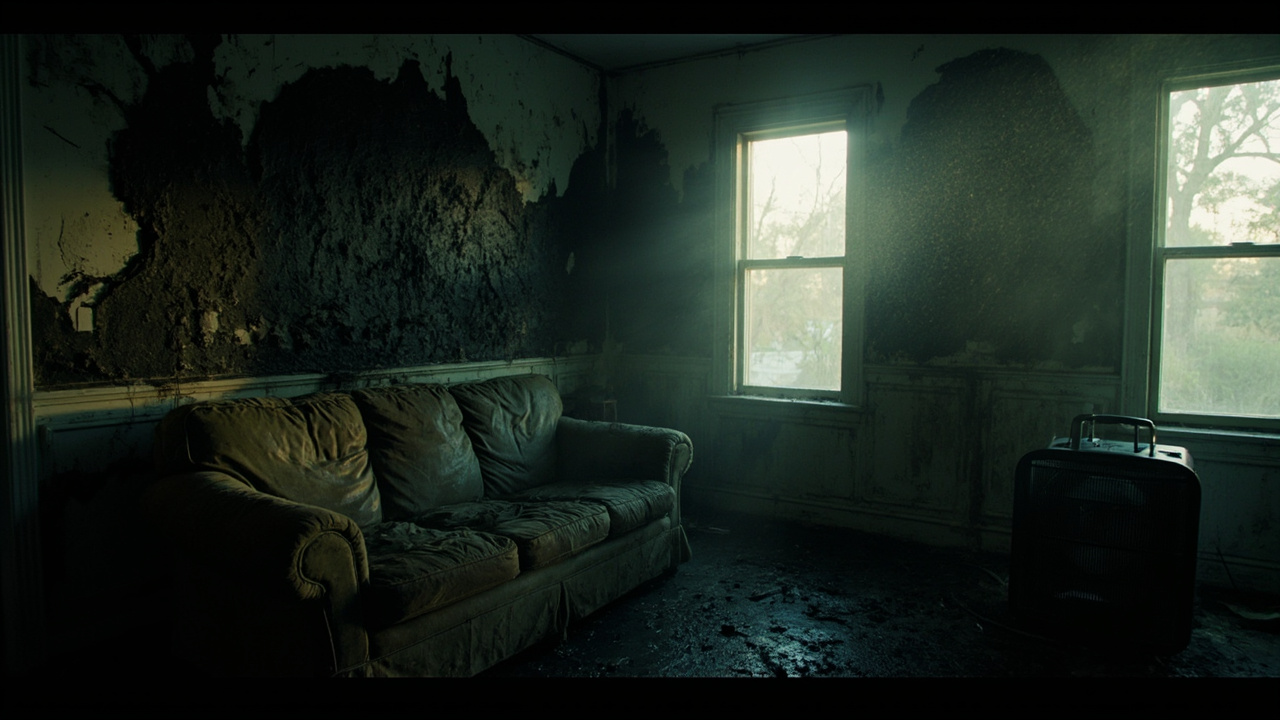
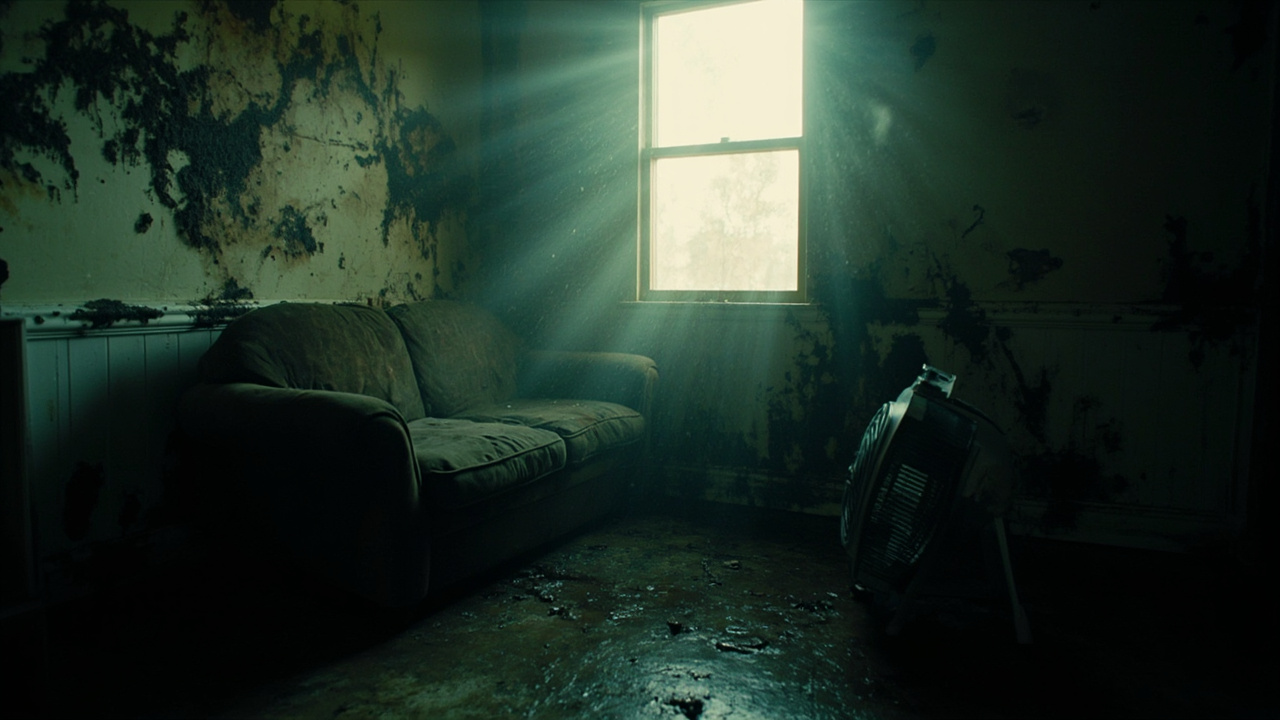
New Orleans sits below sea level in a subtropical climate where humidity regularly exceeds 75 percent. This environment creates ideal conditions for rapid mold colonization. Most homeowners do not realize that visible water represents only part of the problem. Water migrates into wall cavities, beneath flooring, and through porous building materials common in our older housing stock. Within 24 to 48 hours, mold spores begin germinating in these hidden spaces.

The dangers of DIY water damage restoration extend beyond mold. Many New Orleans homes feature pier-and-beam foundations, which create crawl spaces where moisture accumulates undetected. Without moisture meters and thermal imaging cameras, you cannot accurately assess saturation levels in wood framing or identify compromised structural members. You might dry the surface while leaving soaked joists and subflooring intact.

The hazards of do-it-yourself water removal also include electrical risks. Water and electricity create deadly combinations. Professionals know how to identify energized circuits, detect compromised wiring insulation, and work safely around electrical panels in flooded areas. Homeowners often overlook these risks until they experience a shock or start a fire.

The hidden risks of self-managed water mitigation become apparent weeks or months later when mold blooms behind baseboards, floors buckle from retained moisture, or insurance claims get denied because improper cleanup violated policy terms.

Why DIY Water Cleanup in New Orleans Creates More Problems Than It Solves
What Professional Water Damage Restoration Actually Involves

What Professional Water Damage Restoration Actually Involves

Professional water damage restoration follows strict protocols developed by the Institute of Inspection, Cleaning and Restoration Certification (IICRC). These standards exist because water damage restoration requires specialized equipment, technical knowledge, and systematic methodology that consumer-grade tools and amateur approaches cannot replicate.

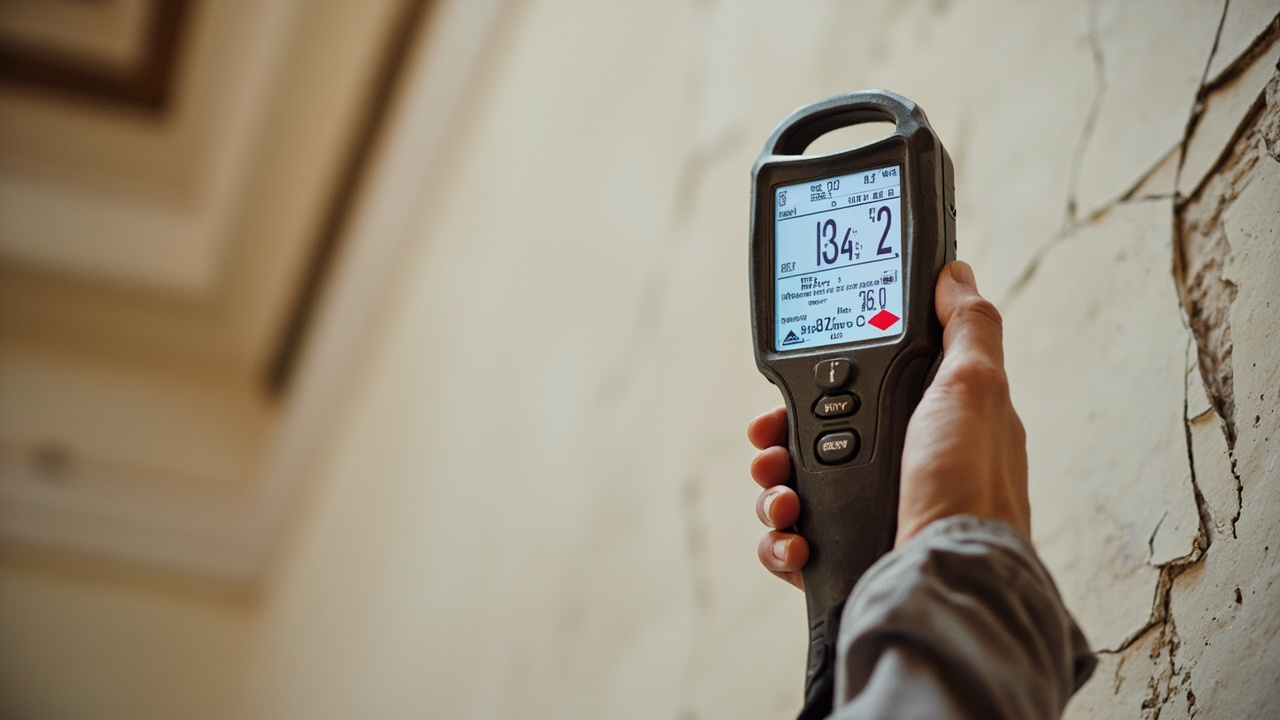
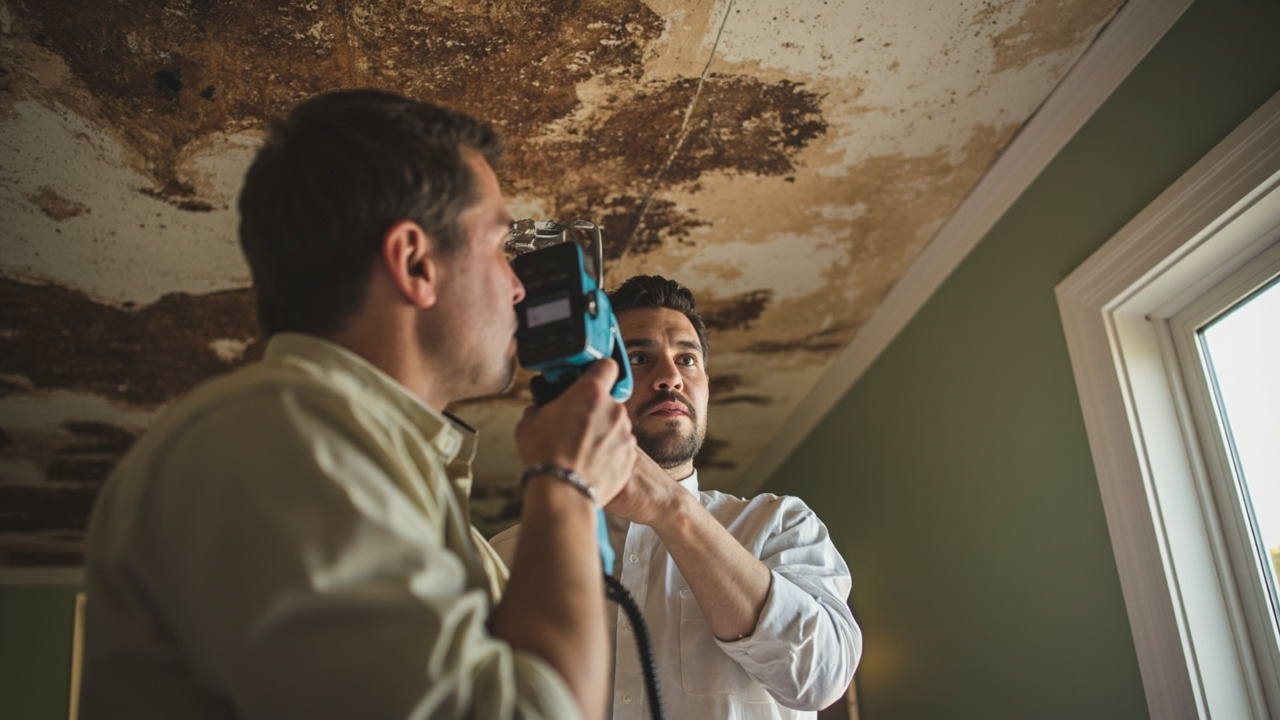
The process begins with moisture mapping using penetrating and non-penetrating moisture meters. Technicians document moisture content in building materials to establish baselines and identify migration patterns. Thermal imaging cameras detect temperature differentials that reveal hidden moisture in wall cavities, ceilings, and beneath flooring.

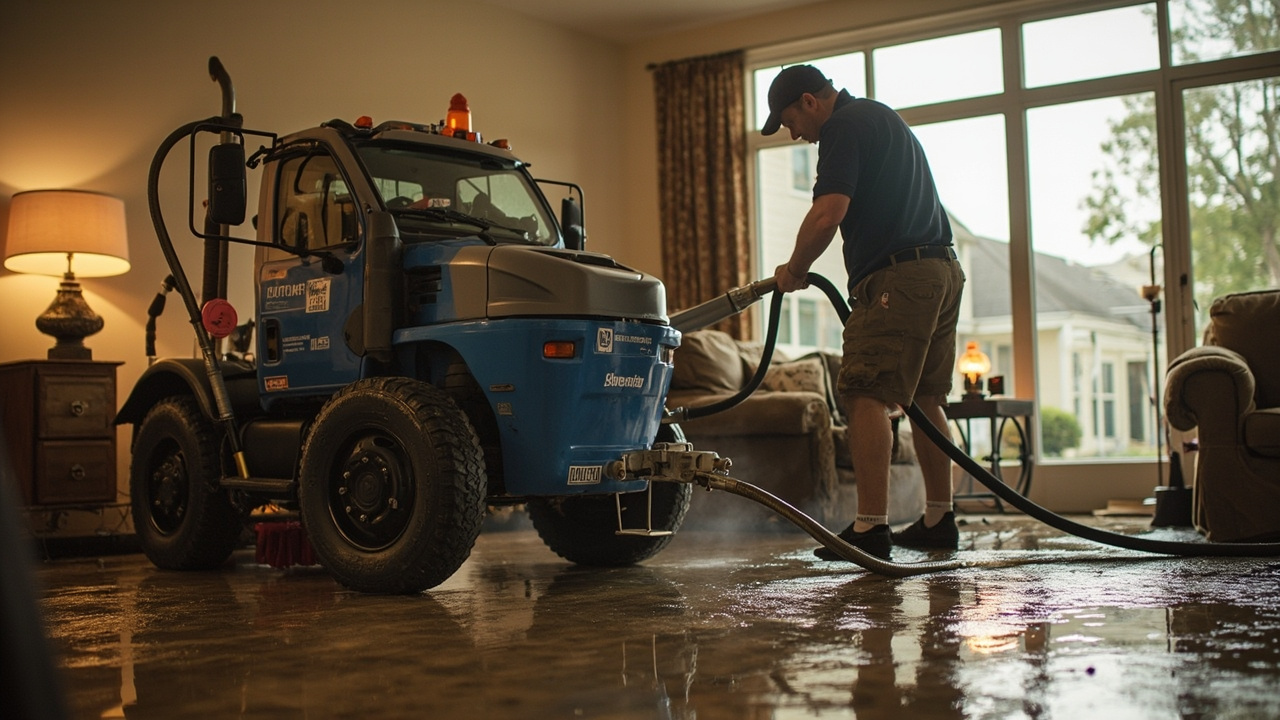
Water extraction uses truck-mounted or portable extractors that generate vacuum pressure far exceeding shop vacuums. These extractors remove water from carpet padding, subflooring, and structural cavities before it causes permanent damage. Extraction must happen quickly because Category 2 water (from appliances or fixtures) degrades into Category 3 (grossly contaminated) within 48 hours.

Structural drying requires commercial-grade air movers and dehumidifiers positioned according to psychrometric principles. Technicians calculate grain depression (the difference between indoor and outdoor moisture levels) to determine equipment needs and drying time. They adjust temperature and humidity to create optimal drying conditions while preventing secondary damage.

Air scrubbers with HEPA filtration remove airborne contaminants and mold spores during the drying process. This equipment creates negative air pressure to prevent contamination from spreading to unaffected areas.

Documentation includes daily moisture readings, equipment logs, and photographic evidence. This documentation satisfies insurance requirements and provides legal protection if disputes arise about the scope of damage or adequacy of remediation.

The pitfalls of DIY water extraction become clear when you understand what professional restoration actually requires.

Understanding Professional Water Damage Assessment and Mitigation

Risks of DIY Water Cleanup in New Orleans – Expert Education to Protect Your Property and Health
01

Initial Damage Assessment

Technicians inspect all affected areas to determine water category, identify the source, and assess safety hazards. They document pre-existing damage, measure moisture levels in structural materials, and photograph conditions. This assessment determines the restoration strategy and establishes baseline conditions for insurance documentation. Proper assessment prevents overlooked damage that leads to future problems.
02

Water Extraction and Containment

Professionals extract standing water using industrial extractors and establish containment barriers to prevent contamination spread. They remove wet contents, pull baseboards to access wall cavities, and lift carpet to extract water from padding and subfloors. Antimicrobial treatments are applied to Category 2 or 3 water damage. This phase removes the bulk moisture that causes immediate structural damage and microbial growth.
03

Controlled Structural Drying

Technicians position air movers and dehumidifiers according to drying chamber principles and monitor moisture levels daily. They adjust equipment placement and settings based on psychrometric readings until materials reach acceptable moisture content. Final documentation includes moisture readings proving dry standard achievement. This controlled drying prevents warping, cupping, and mold growth that amateur methods frequently cause.

Why Local Expertise Matters for New Orleans Water Damage

Grand Water Damage Restoration New Orleans understands the specific challenges water damage presents in our city. We work in homes built on reclaimed swampland where groundwater sits just feet below the surface. We know that pier-and-beam foundations, common in neighborhoods like the Garden District and Uptown, require different drying strategies than slab foundations in newer subdivisions.

Our technicians recognize the construction methods used in different eras of New Orleans building history. Shotgun houses built before 1950 often feature lath-and-plaster walls that retain moisture differently than modern drywall. Creole cottages with brick-between-post construction require specialized drying because water becomes trapped in the wall assembly. We understand these nuances because we work in these homes daily.

New Orleans experiences unique water intrusion patterns. Summer thunderstorms dump inches of rain in hours, overwhelming drainage systems. Streets flood regularly in areas below sea level. Homes near the lakefront face storm surge risks. These patterns require local knowledge to assess damage accurately and prevent future problems.

We also understand local building codes and permit requirements. The City of New Orleans requires permits for significant restoration work. We know which repairs trigger permit requirements and how to navigate the Safety and Permits office efficiently. This knowledge protects you from code violations that complicate insurance claims or future property sales.

Our relationships with local insurance adjusters help claims move smoothly. We document damage using methods adjusters recognize and provide estimates formatted according to Xactimate pricing, which most carriers use. We understand Louisiana insurance law and homeowner rights during the claims process.

Choosing a local provider means working with technicians who understand New Orleans construction, climate challenges, and regulatory environment. This expertise prevents the mistakes that turn manageable water damage into long-term property problems.

What to Expect from Professional Water Damage Services

Emergency Response Timeline

Water damage progresses rapidly in New Orleans humidity. Professional restoration companies maintain 24/7 emergency response capabilities because timing directly impacts damage severity. Expect initial contact within minutes of your call and on-site arrival within two to four hours for true emergencies. Technicians arrive with extraction equipment, moisture detection tools, and containment materials. They begin water removal immediately to prevent damage progression. The first 24 hours determine whether you face a straightforward drying project or extensive reconstruction. Delays allow mold colonization, structural damage, and contamination spread that increase restoration costs significantly.

Comprehensive Damage Evaluation

Initial assessment includes moisture mapping throughout your property, not just visible damage areas. Technicians use penetrating moisture meters to check wall studs, floor joists, and subflooring. Thermal imaging cameras detect temperature differentials indicating hidden moisture. They classify water according to contamination level (Category 1, 2, or 3) because this determines proper remediation protocols. Assessment includes identifying the water source, evaluating structural safety, and checking for electrical hazards. You receive a detailed scope of work explaining what needs drying, what requires removal, and expected timeline. This documentation becomes the foundation for insurance claims and prevents disputes about covered damage.

Measurable Drying Standards

Professional restoration achieves specific moisture content targets in building materials before declaring work complete. Wood framing should reach 15 percent moisture content or less. Concrete and masonry require different standards based on material composition. Technicians measure and document moisture levels daily, adjusting equipment as readings change. You receive logs showing moisture reduction progress throughout the project. Final documentation proves materials reached dry standard before equipment removal. This measured approach prevents the premature equipment removal that allows mold growth after amateur cleanup attempts. Materials that feel dry to touch often retain significant moisture detectable only with meters.

Post-Restoration Monitoring

Reputable restoration companies provide follow-up contact after project completion to verify no issues developed. They explain warning signs of potential problems like musty odors or visible mold. You receive documentation of all work performed, including moisture readings, equipment logs, and photographs. This documentation protects you if future buyers question property history or if additional problems emerge. Some companies offer moisture monitoring services for high-risk situations where slow moisture migration might occur. Understanding what proper restoration includes helps you evaluate provider quality and avoid companies that rush jobs or cut corners on documentation.

Frequently Asked Questions

You Have Questions,
We Have Answers

How New Orleans Climate and Geography Amplify Water Damage Risks

New Orleans sits in a bowl below sea level, surrounded by Lake Pontchartrain, the Mississippi River, and swampland. This geography creates constant moisture pressure against building foundations. Groundwater rises during heavy rain, pushing through concrete slabs and flooding crawl spaces. The subtropical climate maintains outdoor humidity between 70 and 90 percent year-round. Indoor humidity quickly matches outdoor levels when ventilation fails or air conditioning stops. These conditions mean water damage progresses faster here than in drier climates. Mold colonizes within 24 hours instead of the 48 to 72 hours typical elsewhere. The dangers of DIY water damage restoration multiply in this environment because amateur drying methods cannot overcome the constant moisture reintroduction from ground saturation and atmospheric humidity.

Grand Water Damage Restoration New Orleans maintains relationships with local building inspectors, insurance adjusters, and contractors who understand our unique challenges. We follow protocols specific to below-sea-level construction and high-humidity environments. Our technicians recognize construction methods used in different New Orleans neighborhoods and adjust restoration strategies accordingly. We understand the permitting requirements for the City of New Orleans and Orleans Parish. This local expertise prevents the hazards of do-it-yourself water removal that homeowners face when applying generic advice to New Orleans-specific conditions. Choosing local professionals means working with teams who understand why water damage behaves differently here.
Water Damage Restoration Services in The New Orleans Area

While Grand serves the wider region with our expert water damage restoration services, we invite you to view our central operational location on the map. This helps you visualize our base of operations and understand our commitment to providing swift, efficient service across our service areas. Our team is strategically positioned to ensure rapid deployment when you need us most, so don't hesitate to contact us regardless of your specific location within our service radius.

Address:
Grand Water Damage Restoration New Orleans, 201 St Charles Ave, New Orleans, LA, 70170

Additional Services We Offer

Our news updates

Latest Articles & News from The Blogs

Standing water in your Gretna home requires an immediate response to prevent permanent structural issues and mold growth. Residents living…

Fast Flood Restoration Strategies for Gretna Homeowners

Standing water in your Gretna home requires an immediate response to prevent permanent structural issues and mold growth. Residents living…

Resolving Ceiling Water Damage and Leaks in Mid-City Apartments

Dealing with Ceiling Water Damage Repair in Mid-City New OrleansA damp spot on your ceiling in a Mid-City apartment requires…

Removing that stubborn musty smell from historic plaster walls in Esplanade Ridge

Living in a historic home in the Esplanade Ridge neighborhood offers a unique charm that modern builds cannot replicate. Those…

Contact Us

Water damage decisions made in the first few hours determine your outcome. Call Grand Water Damage Restoration New Orleans at (504) 355-2332 for a professional assessment before starting cleanup. We explain what you face and help you make informed decisions that protect your property and health.