

menu

Sewage Backup Cleanup in New Orleans | 24/7 Emergency Response for Raw Sewage and Contaminated Water Removal

Grand Water Damage Restoration New Orleans deploys certified technicians within hours to extract raw sewage, disinfect contaminated surfaces, and restore your property to safe, habitable conditions across the greater metro area.

Slider Image 1
Slider Image 2
Slider Image 3
Slider Image 4
Slider Image 5
Slider Image 7
Slider Image 8
Slider Image 9
Slider Image 10
Slider Image 11

Why Sewage Backups Are a Critical Threat in New Orleans Homes and Businesses

New Orleans sits below sea level. The city's aging sewer infrastructure, combined with heavy rainfall from Gulf storms and the high water table, creates perfect conditions for sewage backups. When a main line clogs or the municipal system overflows during a deluge, raw sewage pushes back through your drains, toilets, and basement floor drains. The result is blackwater contamination, which carries human waste, bacteria, viruses, and parasites that threaten your health within minutes of exposure.

You face a window of 24 to 48 hours before mold colonizes porous materials. Sewage damage restoration is not a cleanup job you can delay or handle with a mop and bleach. Raw sewage cleanup requires containment protocols, personal protective equipment, EPA-registered disinfectants, and commercial-grade extraction equipment to remove standing water and contaminated debris. Sewage removal must address not just the visible mess but also the microbial load soaked into subflooring, drywall, and insulation.

The French Quarter, Marigny, and areas near the Industrial Canal see frequent backups when storm drains overwhelm the system. Sewer backup cleaning becomes urgent when floodwaters mix with sanitary waste, creating a biohazard that can sicken your family, employees, or tenants. If you smell sewage or see dark water pooling near drains, you need sewage remediation immediately. Waiting increases your exposure to E. coli, hepatitis A, and Salmonella.

Why Sewage Backups Are a Critical Threat in New Orleans Homes and Businesses
How We Execute Safe, Compliant Sewage Backup Cleanup

How We Execute Safe, Compliant Sewage Backup Cleanup

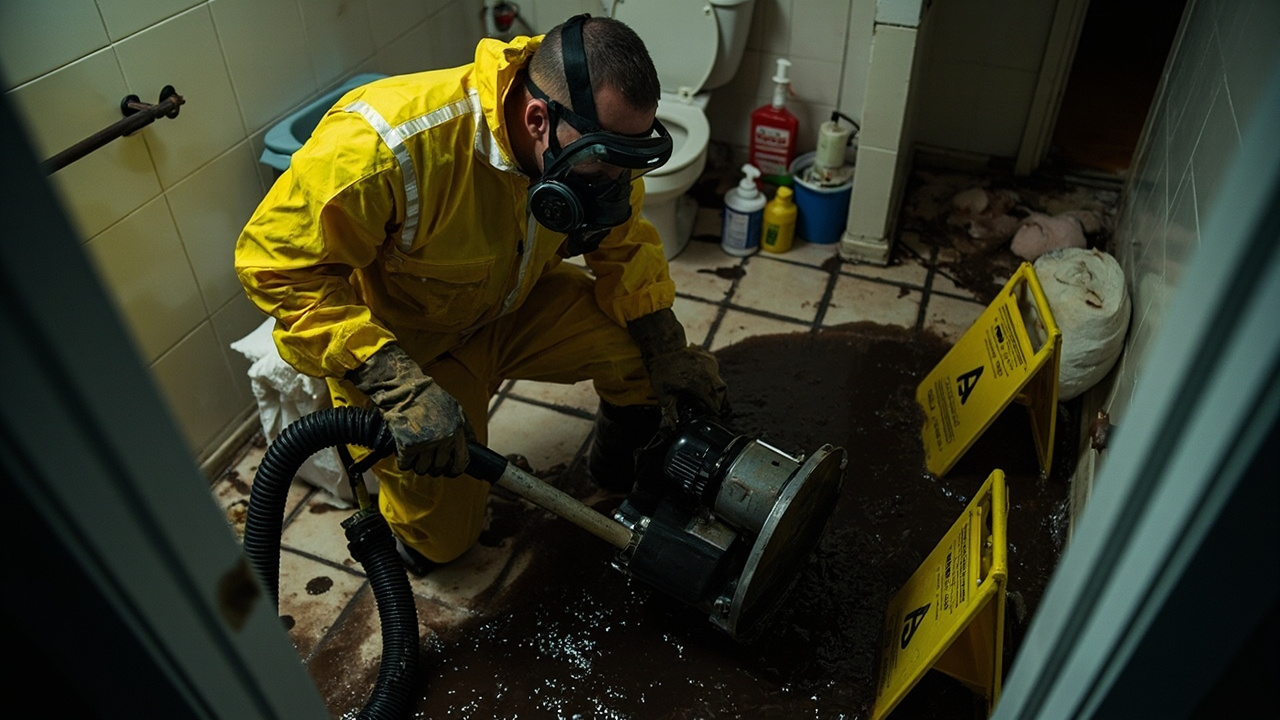
Sewage backup cleanup begins with hazard assessment. Our technicians arrive in full PPE, including respirators, gloves, and waterproof boots, to evaluate the contamination level and identify the source of the backup. We establish containment zones to prevent cross-contamination into unaffected areas of your property. Negative air pressure and air scrubbers capture airborne pathogens and odors during extraction.

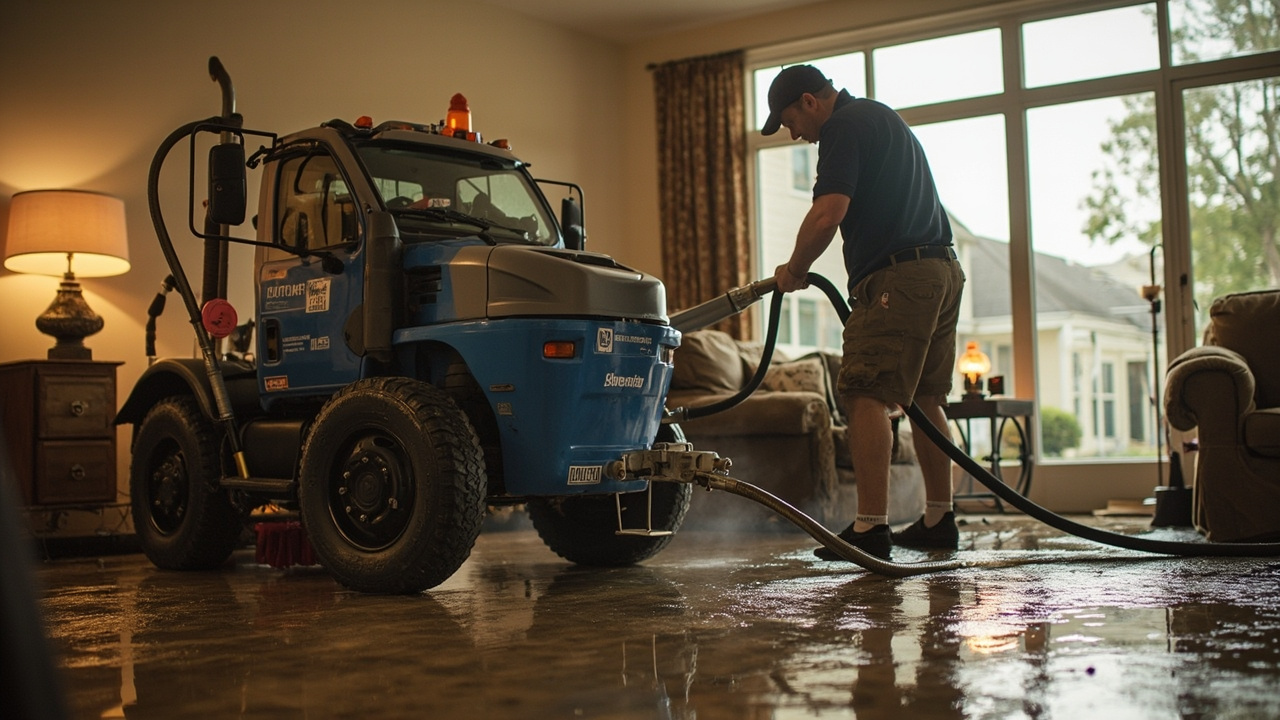
We deploy truck-mounted extractors and submersible pumps to remove standing sewage and contaminated water. Solid waste and debris go into sealed biohazard bags for proper disposal. After extraction, we remove non-salvageable materials like carpet padding, baseboards, and drywall below the contamination line. Porous materials absorb sewage on contact and cannot be adequately disinfected.

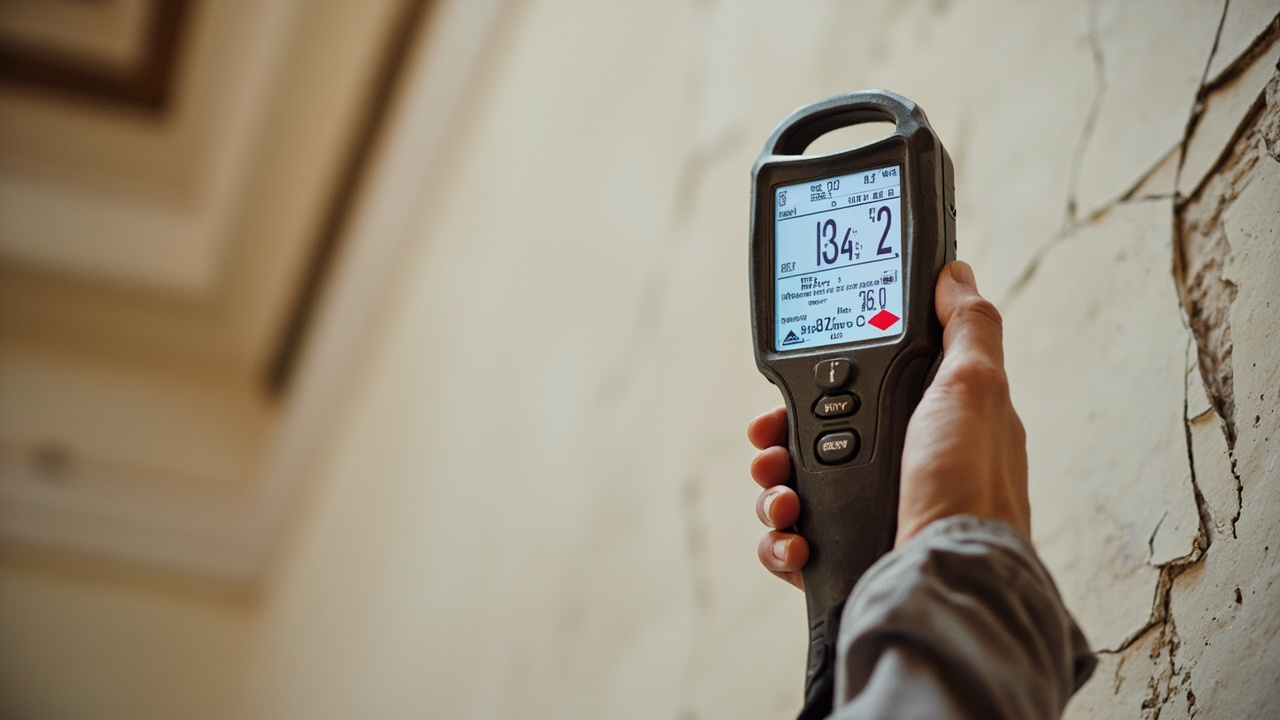
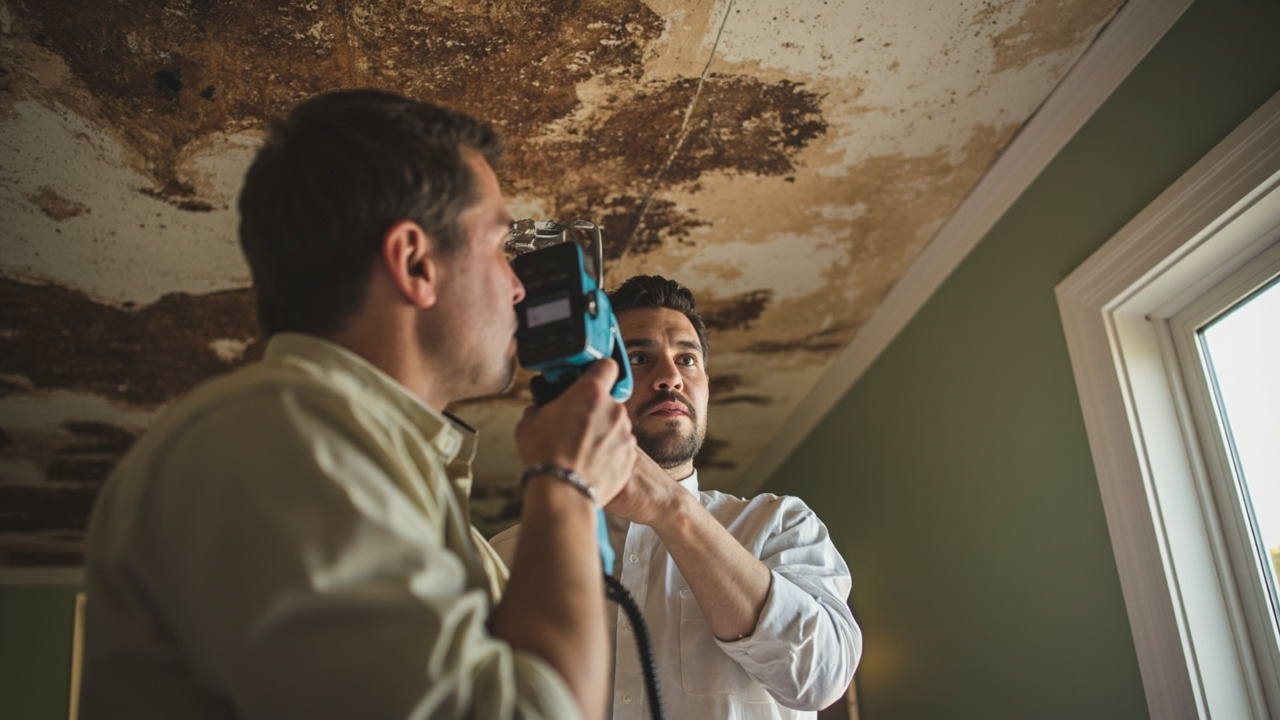
Next, we apply EPA-registered antimicrobial treatments to all hard surfaces, including concrete, tile, and framing. We use quaternary ammonium compounds and phenolic disinfectants that kill bacteria, viruses, and fungi on contact. High-velocity air movers and commercial dehumidifiers dry the structure to below 15 percent moisture content, measured with thermal imaging and moisture meters. We document moisture levels daily to confirm drying progress and prevent secondary mold growth.

For sewer backup cleaning in commercial kitchens or medical offices, we follow OSHA bloodborne pathogen standards. We treat sewage as a Category 3 water loss, which requires documented decontamination and disposal records. After drying, we apply odor-neutralizing enzymes to eliminate organic odors trapped in porous materials.

What Happens During Your Sewage Backup Emergency

Sewage Backup Cleanup in New Orleans | 24/7 Emergency Response for Raw Sewage and Contaminated Water Removal
01

Immediate Containment and Extraction

We arrive within hours of your call to stop the spread of contamination. Our crew isolates the affected area using plastic sheeting barriers and sets up negative air machines to prevent airborne pathogens from migrating. We extract all standing sewage using truck-mounted pumps, then bag and dispose of solid waste according to Louisiana health regulations. You get a contained, safe work zone before any cleaning begins.
02

Disinfection and Material Removal

After extraction, we remove contaminated materials that cannot be saved, including drywall, insulation, and flooring below the sewage line. We scrub and disinfect all hard surfaces with EPA-registered antimicrobials rated for sewage remediation. Our technicians apply hospital-grade disinfectants to studs, joists, and concrete to kill bacteria and viruses. We document every treatment for your insurance claim and health department compliance if needed.
03

Structural Drying and Verification

We dry your structure using high-velocity air movers and commercial dehumidifiers, monitoring moisture levels daily with infrared cameras and pin meters. When all surfaces read below 15 percent moisture, we run a final air quality test to confirm no mold spores or odors remain. You receive a certificate of completion showing moisture readings and disinfection protocols. Your property is safe for reconstruction and reoccupancy.

Why New Orleans Property Owners Choose Us for Sewage Damage Restoration

Grand Water Damage Restoration New Orleans operates 24 hours a day because sewage backups do not wait for business hours. We understand the urgency of raw sewage cleanup and maintain a fleet of extraction trucks, dehumidifiers, and air scrubbers ready to deploy across Orleans Parish, Jefferson Parish, and St. Bernard Parish. Our technicians hold IICRC certifications in Applied Structural Drying and Water Damage Restoration, which means they follow national standards for sewage removal and disinfection.

We work directly with your insurance adjuster to document the loss, photograph the damage, and provide detailed estimates for sewage remediation. We know the language adjusters expect and the documentation requirements for biohazard claims. You avoid the back-and-forth delays that slow down approvals and reimbursement.

New Orleans homes built before 1950 often have cast iron sewer lines that corrode and collapse, especially in neighborhoods like Gentilly and Lakeview. We have experience with these older systems and can recommend permanent fixes to prevent future backups. We also understand the unique challenges of French drain systems and below-grade basements in areas prone to high groundwater.

You need a sewage backup cleanup crew that responds fast, works clean, and leaves your property safe for your family or employees. We do not leave until moisture readings confirm drying is complete and air quality tests show no microbial contamination. You get a certified, compliant restoration, not a surface-level cleanup that leaves hidden health risks.

What You Can Expect From Our Sewage Backup Cleanup Service

Emergency Response Time

We dispatch a crew within two hours of your call, 24 hours a day, seven days a week. Sewage contamination spreads quickly, and every hour of delay increases health risks and damage to your structure. Our trucks carry extraction pumps, containment barriers, and disinfectants so we can begin sewage removal immediately upon arrival. You do not wait days for a quote or an available time slot. We treat every sewage backup as the health emergency it is and mobilize our team to contain the damage before it spreads to unaffected rooms.

Detailed Damage Assessment

Our initial assessment identifies the contamination source, measures the affected square footage, and documents moisture levels in walls, floors, and ceilings using thermal imaging. We classify the water loss according to IICRC standards and explain what materials can be saved versus what must be removed. You receive a written scope of work outlining extraction, disinfection, drying, and material removal before we begin. We photograph every stage for your insurance claim and provide daily updates on drying progress and moisture readings.

Certified Clean and Dry Structure

You receive a property that meets IICRC standards for microbial remediation and structural drying. We do not leave until moisture meters confirm all framing, subflooring, and concrete read below 15 percent moisture content. We provide a certificate of completion showing pre- and post-treatment moisture readings, disinfection protocols, and air quality test results. Your structure is ready for reconstruction without hidden mold risks or lingering sewage odors. We guarantee the work meets Louisiana health codes and insurance requirements.

Post-Cleanup Support and Prevention

After sewage damage restoration, we recommend preventive measures to reduce future backup risks, including backwater valve installation and main line inspections. We provide maintenance tips for your sewer lateral and explain warning signs of impending clogs or root intrusion. If reconstruction is needed, we coordinate with licensed contractors to rebuild walls, replace flooring, and restore your property to pre-loss condition. You also receive a follow-up inspection 30 days after completion to confirm no moisture or odor issues have returned.

Frequently Asked Questions

You Have Questions,
We Have Answers

How to clean up after sewer back up? +

Stop the water source if possible, then evacuate the area. Do not touch contaminated materials without proper protection. Sewage contains harmful bacteria and pathogens. Call a professional sewage cleanup company immediately. They will extract standing water, remove contaminated materials like drywall and carpet, disinfect all surfaces with antimicrobial treatments, and dry the space with industrial equipment. New Orleans homes below sea level face additional groundwater pressure issues, making professional extraction critical. Do not attempt cleanup yourself. Category 3 water damage requires certified technicians with protective gear and EPA-registered disinfectants to prevent illness.

How much does sewage backup cleanup cost? +

Sewage backup cleanup costs vary based on contamination extent, affected square footage, and materials damaged. A small bathroom backup may run lower than a finished basement flood. Costs include water extraction, demolition of contaminated materials, antimicrobial treatment, drying, and disposal fees. New Orleans properties often face higher costs due to slab foundation moisture issues and humidity that slows drying. Insurance coverage depends on your policy. Most standard homeowners policies exclude sewer backups unless you purchased a specific rider. Get multiple estimates and ask about direct insurance billing to simplify the process.

Is it safe to clear a sewer line clog myself? +

No. DIY sewer line clearing puts you at risk for serious illness. Raw sewage contains E. coli, hepatitis, salmonella, and other pathogens. You lack proper protective equipment, industrial-grade disinfectants, and training to handle biohazards safely. New Orleans cast iron sewer lines, common in older homes throughout neighborhoods like the Garden District and Bywater, can crack or collapse when cleared improperly. Licensed plumbers use video camera inspections to diagnose the problem before clearing lines with hydraulic jetters or augers. They also know local building codes and can identify tree root intrusion from live oaks common citywide.

What to do if the sewer is backing up? +

Stop using all water immediately. Do not flush toilets, run sinks, or use appliances. Evacuate the contaminated area and shut off electricity if standing water is present. Call a licensed plumber to diagnose the main line blockage and a sewage cleanup company to handle contamination. New Orleans aging sewer infrastructure and below-grade properties make backups common during heavy rainfall. The city's combined sewer system can overwhelm during storms. Document everything with photos for insurance. Time matters. Raw sewage grows bacteria rapidly in our humid climate, so professional response within hours prevents mold growth and structural damage.

Is it safe to live in a house after sewage backup? +

Not until professional remediation is complete. Sewage contains dangerous pathogens that remain infectious for days on surfaces. You cannot see bacteria, and normal cleaning products do not kill all organisms. Professionals must extract all contaminated water, remove porous materials that absorbed sewage, treat all surfaces with hospital-grade disinfectants, and dry the structure completely. New Orleans humidity extends drying time, increasing mold risk. Air quality testing confirms safe occupancy. Children, elderly family members, and anyone with compromised immune systems face the highest risk. Do not return home until a certified technician clears the property for reoccupancy.

How long do sewage bacteria last on surfaces? +

Sewage bacteria survive 2-4 hours on hard surfaces without proper disinfection, but some pathogens persist for days or weeks. E. coli can live up to three weeks on dry surfaces. Porous materials like drywall, wood, and carpet trap bacteria deep in fibers where household cleaners cannot reach. New Orleans heat and humidity create ideal conditions for bacterial growth and rapid mold colonization within 24-48 hours. EPA-registered antimicrobial treatments kill pathogens on contact and prevent regrowth. Professional remediation includes surface disinfection, air scrubbing to remove airborne contaminants, and verification testing. Never assume surfaces are safe without proper treatment.

Does homeowners insurance cover sewer back ups? +

Standard homeowners insurance typically excludes sewer backups. You need a separate sewer backup endorsement or rider, which costs minimal extra premium but covers cleanup, repairs, and damaged belongings. Review your policy now. Many New Orleans homeowners assume they have coverage and discover exclusions after a backup occurs. Flood insurance through NFIP does not cover sewer backups caused by internal plumbing failures. If your backup results from a city main line failure, you may file a claim with the Sewage and Water Board. Keep all receipts and documentation. Contact your insurance agent to add backup coverage before you need it.

Why is my sewer bill 200 dollars? +

Your question relates to utility billing, not sewage backup cleanup. High sewer bills typically result from increased water usage, leaks, or tiered rate structures. The New Orleans Sewage and Water Board calculates sewer charges based on water consumption. Check for running toilets, dripping faucets, or irrigation system leaks. Review your bill for usage spikes. If you suspect a billing error, contact the Sewage and Water Board directly at their Algiers or Eastbank offices. High bills do not indicate sewer line problems. If you experience sewage backups in your home, that requires immediate plumbing and remediation services, not billing inquiries.

Do plumbers clean up sewage? +

Plumbers clear the blockage but rarely handle biohazard cleanup. Licensed plumbers diagnose and repair sewer line issues, remove clogs, and restore drainage. Sewage cleanup requires separate certification in biohazard remediation and water damage restoration. Professional cleanup companies wear protective equipment, use antimicrobial treatments, remove contaminated materials, and dry structures with commercial equipment. Many New Orleans restoration companies partner with plumbers to provide complete service. You need both services. The plumber fixes the cause, the restoration company remediates the damage. Do not expect a plumber to disinfect your home. They lack the training, equipment, and insurance for biohazard work.

How do plumbers unclog the main sewer line? +

Plumbers start with video camera inspection to locate blockages in the main sewer line. They insert a waterproof camera through a cleanout access point to identify root intrusion, collapsed pipes, or grease buildup. New Orleans live oak roots aggressively penetrate clay and cast iron lines common in older neighborhoods. Plumbers then use hydraulic jetters that blast high-pressure water to scour pipe walls, or mechanical augers with cutting heads to remove roots and debris. Severe damage may require excavation and pipe replacement. Camera inspection shows exactly where to dig, minimizing landscape disruption and cost in our high water table conditions.

How New Orleans's High Water Table and Storm Surge Complicate Sewage Backup Cleanup

New Orleans sits one to two feet below sea level in many neighborhoods, which means groundwater constantly presses against foundations and sewer lines. During heavy rain or storm surge from Gulf hurricanes, the water table rises and infiltrates cracked sewer laterals, causing raw sewage to back up through floor drains and toilets. The city's combined sewer system, which handles both stormwater and sanitary waste, overflows when rainfall exceeds pump capacity. Sewage removal in these conditions requires specialized pumps and containment strategies to handle high-volume water intrusion mixed with contaminated waste. The porous fill dirt and shallow bedrock in areas like Mid-City and Broadmoor allow sewage to spread laterally under slabs, requiring extensive extraction and sub-slab drying.

Grand Water Damage Restoration New Orleans understands the unique plumbing challenges in historic Creole cottages, shotgun houses, and raised pier-and-beam structures common to Uptown and the Bywater. We know which neighborhoods face chronic sewer main backups and which require backwater valves due to low elevation. Our technicians are trained in Louisiana Department of Health protocols for Category 3 water losses and work with Orleans Parish permits when sewage remediation requires structural drying below grade. Choosing a crew familiar with local sewer infrastructure and flood patterns means faster, more effective sewer backup cleaning that addresses the root cause, not just the surface damage.
Water Damage Restoration Services in The New Orleans Area

While Grand serves the wider region with our expert water damage restoration services, we invite you to view our central operational location on the map. This helps you visualize our base of operations and understand our commitment to providing swift, efficient service across our service areas. Our team is strategically positioned to ensure rapid deployment when you need us most, so don't hesitate to contact us regardless of your specific location within our service radius.

Address:
Grand Water Damage Restoration New Orleans, 201 St Charles Ave, New Orleans, LA, 70170

Additional Services We Offer

Our news updates

Latest Articles & News from The Blogs

Standing water in your Gretna home requires an immediate response to prevent permanent structural issues and mold growth. Residents living…

Fast Flood Restoration Strategies for Gretna Homeowners

Standing water in your Gretna home requires an immediate response to prevent permanent structural issues and mold growth. Residents living…

Resolving Ceiling Water Damage and Leaks in Mid-City Apartments

Dealing with Ceiling Water Damage Repair in Mid-City New OrleansA damp spot on your ceiling in a Mid-City apartment requires…

Removing that stubborn musty smell from historic plaster walls in Esplanade Ridge

Living in a historic home in the Esplanade Ridge neighborhood offers a unique charm that modern builds cannot replicate. Those…

Contact Us

Do not wait for contamination to spread. Call Grand Water Damage Restoration New Orleans at (504) 355-2332 right now for 24-hour emergency sewage removal. Our crew is standing by to contain, extract, and disinfect your property safely and fast.