



menu

Efflorescence on Concrete in New Orleans | Expert Diagnosis and Moisture Control Solutions

Grand Water Damage Restoration New Orleans identifies the root moisture problem causing those white powder deposits and crystalline formations on your concrete, then fixes it permanently.

Slider Image 1
Slider Image 2
Slider Image 3
Slider Image 4
Slider Image 5
Slider Image 7
Slider Image 8
Slider Image 9
Slider Image 10
Slider Image 11

Why White Powder Keeps Appearing on Your New Orleans Concrete

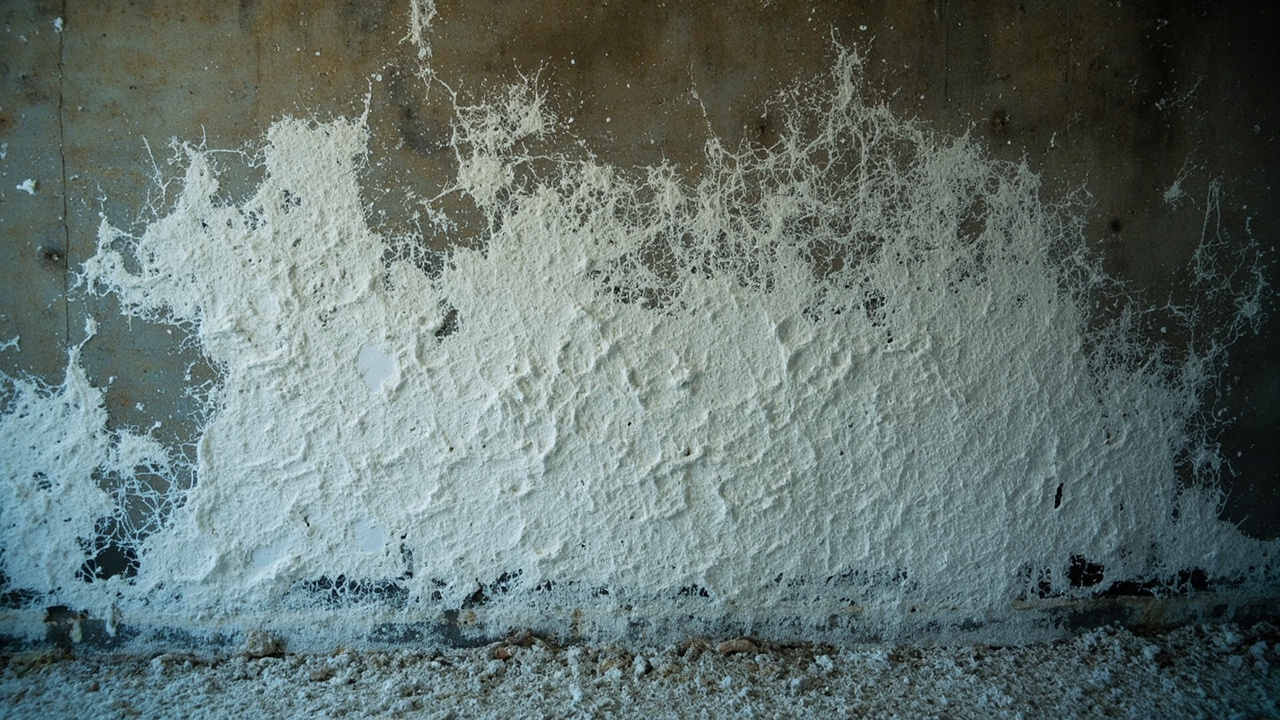
You scrub it away. It comes back. The white residue on concrete surfaces, those crusty mineral salts, those strange crystalline deposits. They always return. That is efflorescence, and it tells you something is wrong beneath the surface.

New Orleans sits below sea level. The water table stays high year-round. Your concrete slabs, foundation walls, and basement floors absorb groundwater through capillary action. As that moisture migrates through the concrete, it dissolves salts trapped in the material. When the water evaporates at the surface, it leaves behind those concrete salt deposits you keep finding.

High humidity makes this worse. Summer months in the metro area push relative humidity above 75 percent regularly. Your concrete never fully dries. The cycle repeats. More water moves through. More salts deposit. The white powder on concrete spreads across garage floors, crawl space walls, and patio surfaces.

This is not just ugly. Efflorescence signals active moisture intrusion. That same water causing the mineral salts on concrete also creates conditions for mold growth, wood rot, and structural damage. The longer moisture moves through your concrete, the more it degrades the material. Spalling and surface flaking follow. Freeze-thaw cycles during rare cold snaps accelerate the breakdown.

Residents in Lakeview, Mid-City, and Gentilly see this constantly. The clay soil common to Orleans Parish shrinks and swells with seasonal rainfall. That movement creates cracks in slabs and foundations. Water finds those cracks. The efflorescence appears. The problem compounds.

Why White Powder Keeps Appearing on Your New Orleans Concrete
How We Stop the Moisture That Causes Efflorescence

How We Stop the Moisture That Causes Efflorescence

You cannot fix efflorescence by cleaning the surface. You have to stop the water. Grand Water Damage Restoration New Orleans locates the moisture source, measures the extent of intrusion, and implements drainage or waterproofing solutions that eliminate the problem.

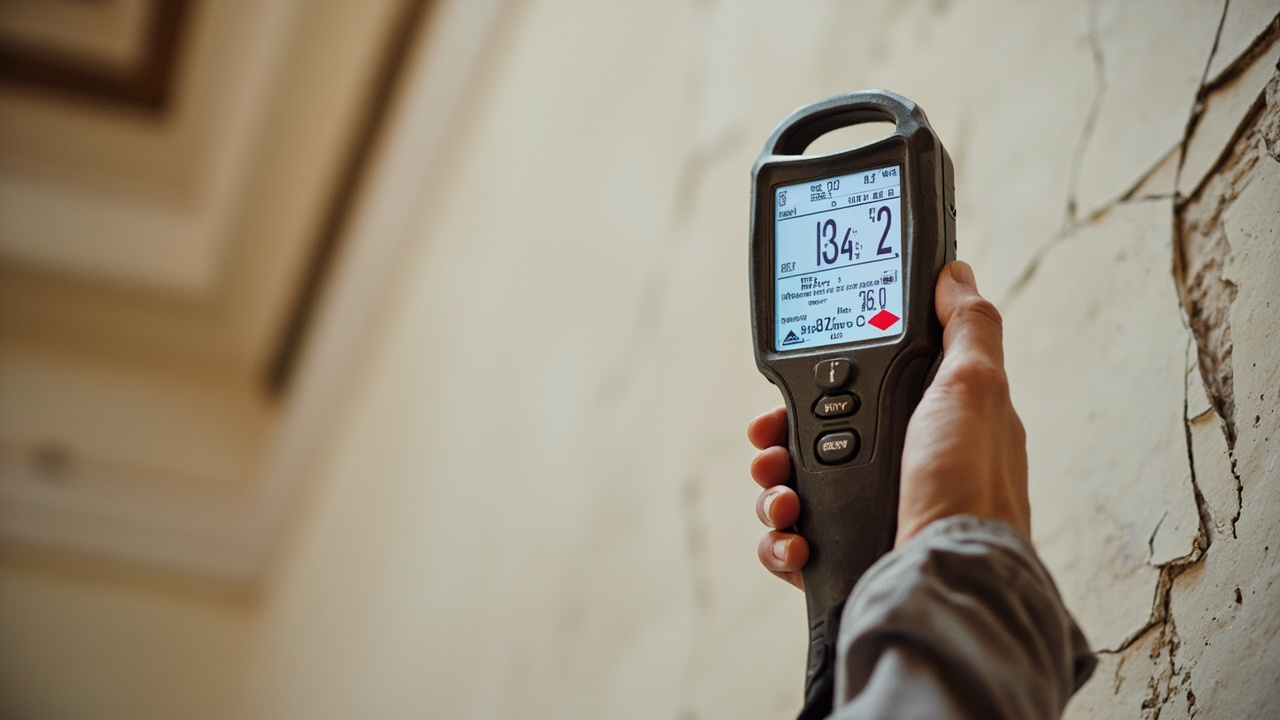
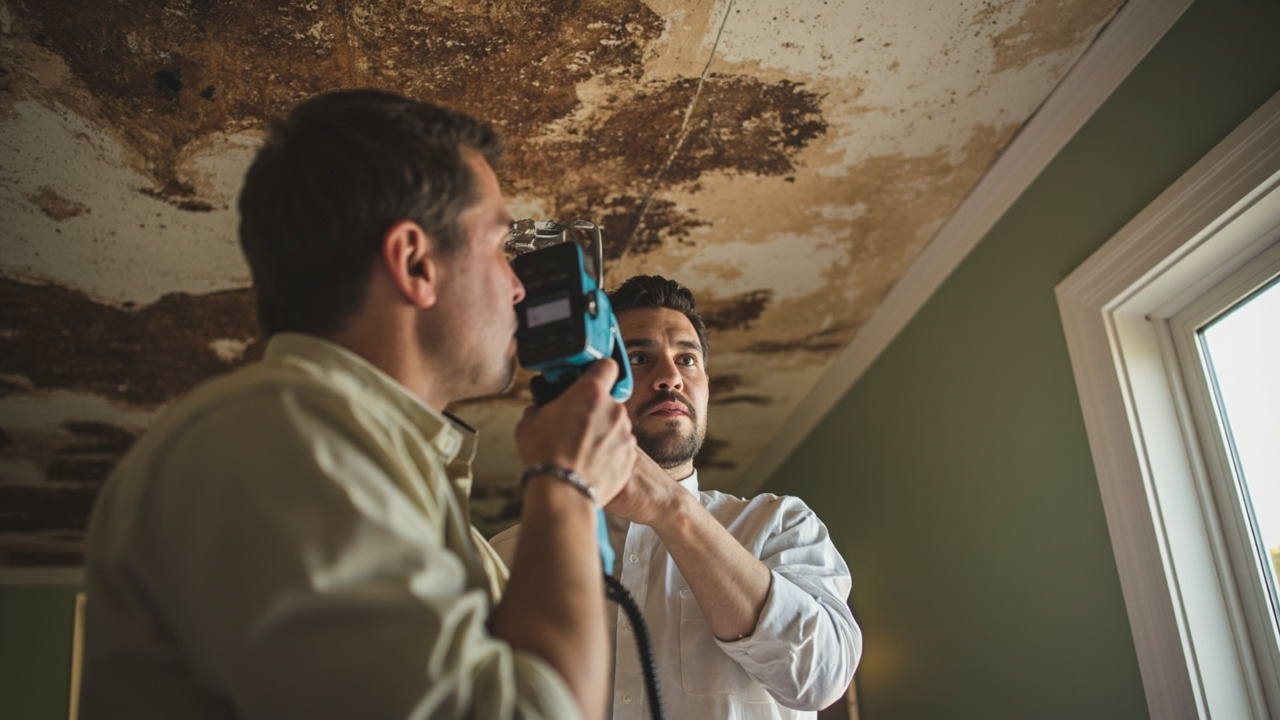
We start with moisture mapping using infrared thermography and capacitance meters. This shows us where water enters, how far it travels through the concrete, and whether the source is groundwater, surface runoff, or a plumbing leak. Many homeowners assume efflorescence means foundation failure. Often, the fix is simpler: regrading soil away from the slab, installing a French drain, or sealing a crack in the footer.

For basement walls showing heavy crystalline deposits, we apply negative-side crystalline waterproofing compounds. These penetrate the concrete matrix and react chemically with moisture to form insoluble crystals that block water pathways. The material works from the inside out, which matters when you cannot excavate the exterior.

When the issue is rising damp from a high water table, we install vapor barriers beneath slabs during remediation or apply topical sealers rated for hydrostatic pressure. We also address drainage plane failures around slab edges, where poorly compacted fill allows water to pool against the concrete.

After we control the moisture, we remove the existing salt deposits using mechanical scrubbing and pH-neutral cleaners. Standard pressure washing pushes water deeper into the concrete and makes the problem worse. Our process extracts salts without adding moisture. We verify success with follow-up moisture readings and visual inspections over a 30-day period.

What Happens During an Efflorescence Assessment and Repair

Efflorescence on Concrete in New Orleans | Expert Diagnosis and Moisture Control Solutions
01

Moisture Source Identification

We scan the affected concrete with thermal imaging and moisture meters to map water intrusion patterns. This tells us whether you are dealing with groundwater seepage, surface runoff, condensation, or a hidden plumbing leak. We also inspect grading, gutters, and drainage systems around the structure. Identifying the exact source determines the correct fix. Without this step, any repair is guesswork.
02

Water Intrusion Mitigation

Based on the source, we implement drainage corrections, crack sealing, or waterproofing membranes. For exterior issues, this might mean installing a perimeter drain or regrading soil. For interior moisture, we apply crystalline waterproofing or vapor barriers. We address the root cause, not the symptom. The goal is to eliminate the water pathway permanently so efflorescence cannot reform.
03

Salt Removal and Verification

After stopping the water, we remove existing salt deposits using mechanical methods and specialized cleaners. We avoid adding moisture during this phase. Once the surface is clean, we take follow-up moisture readings over several weeks to confirm the concrete is drying and no new efflorescence appears. This verification step ensures the repair worked. You get documentation showing moisture levels before and after.

Why New Orleans Property Owners Choose Local Efflorescence Experts

Efflorescence looks the same everywhere, but the causes vary by location. In New Orleans, the causes are specific: high water tables, clay soil movement, and extreme humidity. A contractor unfamiliar with these conditions will misdiagnose the problem and waste your money on surface-level fixes that fail within months.

Grand Water Damage Restoration New Orleans works with the unique hydrology of Southeast Louisiana. We understand how the Mississippi River alluvial soil holds moisture, how seasonal rainfall affects drainage, and how post-Katrina rebuilding efforts sometimes created grading problems that funnel water toward foundations. We know which neighborhoods sit in natural drainage basins and which areas deal with perched water tables due to compacted fill.

We also understand local building practices. Many homes in Uptown, the Garden District, and older areas of Metairie have pier-and-beam foundations with crawl spaces that trap humidity. Others sit on slabs poured directly over poorly drained soil. Each design requires a different moisture control strategy. A basement in Lakeview has different challenges than a slab in Algiers.

Our familiarity with Orleans Parish building codes means we know when a repair requires a permit and how to document work for insurance claims. If your efflorescence stems from a storm-related drainage failure, we help you navigate the claim process with detailed moisture assessments and photographic evidence.

You also get faster response. We are local. When you call about white residue spreading across your garage floor, we can assess the situation within 24 hours. National franchises route your call through a dispatch center in another state. By the time they schedule a visit, the moisture has spread further into the structure.

What to Expect When You Call About Efflorescence

Response Time and Scheduling

We offer same-day or next-day assessments for active moisture problems. Efflorescence is not an emergency like a burst pipe, but the underlying water intrusion can cause secondary damage if ignored. We prioritize cases where you see rapid salt accumulation or signs of mold growth. Most homeowners get an initial inspection within 48 hours of calling. During that visit, we perform moisture mapping, identify the water source, and provide a detailed scope of work with a timeline for repairs.

The Initial Assessment Process

Your assessment takes 60 to 90 minutes. We inspect all concrete surfaces showing efflorescence, check adjacent areas for hidden moisture, and evaluate exterior drainage. You get a written report that explains the moisture source, the extent of intrusion, and the recommended fix. We include moisture meter readings and thermal images so you can see exactly what is happening inside your concrete. This documentation is useful for insurance claims or if you plan to sell the property and need to disclose past moisture issues.

The Quality of the Repair

Our repairs focus on durability. We use materials rated for high water tables and hydrostatic pressure common to New Orleans. Crystalline waterproofing compounds, vapor barriers, and drainage systems are selected based on site-specific conditions, not generic product catalogs. After the repair, your concrete should stay dry. The efflorescence should not return. We verify this with follow-up moisture readings and visual inspections. You receive a final report showing moisture levels have dropped to acceptable ranges and the concrete is drying properly.

Follow-Up and Long-Term Monitoring

We offer follow-up inspections at 30 and 90 days after the repair. These visits confirm the moisture control system is working and no new salt deposits have formed. If you see any recurrence, we investigate at no additional diagnostic charge. Many efflorescence repairs come with material warranties from manufacturers, which we help you activate and maintain. For properties with chronic moisture issues, we can set up annual maintenance plans that include drainage system checks, sump pump testing, and moisture mapping to catch problems early.

Frequently Asked Questions

You Have Questions,
We Have Answers

Is efflorescence on concrete a problem? +

Efflorescence itself is not structurally dangerous. It is a cosmetic issue caused by salt deposits left behind when water evaporates from concrete. The white, chalky residue you see signals water movement through your concrete. In New Orleans, high humidity and frequent rain can trigger efflorescence on foundations, basement walls, and driveways. While the salt stains are harmless, they indicate an underlying moisture problem. If water continues migrating through your concrete, it can lead to spalling, cracking, or mold growth. Address the moisture source to prevent long-term damage to your home.

How to fix efflorescence in concrete? +

Start by dry brushing the white deposits with a stiff-bristled brush to remove loose salt. For stubborn stains, use a diluted vinegar solution or a commercial efflorescence cleaner. Scrub the area and rinse thoroughly with water. After cleaning, identify and fix the moisture source. Check for poor drainage, leaking gutters, or high groundwater levels common in New Orleans. Improve grading around your foundation to direct water away. Install vapor barriers or apply waterproof coatings to prevent water from seeping through concrete. Fixing the moisture problem stops efflorescence from returning.

Can you seal concrete over efflorescence? +

No. Sealing over efflorescence traps moisture and salts beneath the sealer, which causes the coating to fail. The salt deposits will push the sealer off the surface through a process called spalling. You must remove all efflorescence before sealing. Clean the concrete thoroughly using a stiff brush and efflorescence remover. Allow the surface to dry completely for several days. In New Orleans, high humidity can slow drying times, so use fans or dehumidifiers. Once dry and salt-free, apply a breathable concrete sealer designed for moisture-prone environments.

Should efflorescence be removed? +

Yes. Removing efflorescence prevents cosmetic staining and prepares the surface for repairs or sealing. While the salt itself does not damage concrete, it signals ongoing moisture problems that can cause cracking, spalling, or mold. Dry brush the deposits first, then use a mild acid cleaner if needed. Rinse well after cleaning. In New Orleans, the high water table and frequent storms mean efflorescence can return quickly if you ignore the moisture source. Remove the stains, then focus on fixing drainage issues, sealing cracks, or installing vapor barriers to stop water intrusion.

How do professionals remove efflorescence? +

Professionals start by assessing the moisture source, not just the stains. They use mechanical brushing, pressure washing, or chemical treatments with diluted muriatic acid to dissolve salt deposits. After cleaning, they address the root cause by waterproofing foundations, installing French drains, or applying vapor barriers. In New Orleans, professionals often recommend dehumidification systems or sump pumps for homes with high groundwater exposure. They may apply penetrating sealers that allow concrete to breathe while blocking water. Professional removal ensures the efflorescence does not return and prevents future structural damage from trapped moisture.

Should I worry about efflorescence? +

You should worry about what caused the efflorescence, not the stains themselves. The white residue tells you water is moving through your concrete. In New Orleans, high humidity, poor drainage, and seasonal flooding create perfect conditions for moisture problems. If you ignore the source, you risk foundation cracks, mold growth, or wood rot in adjacent framing. Inspect your home for leaking gutters, poor grading, or hydrostatic pressure from the water table. Address moisture issues quickly to protect your foundation and indoor air quality. The stains are just a warning sign.

Does efflorescence indicate water damage? +

Yes. Efflorescence is a visible sign that water has moved through your concrete, carrying dissolved salts to the surface. In New Orleans, this often happens after heavy rain or when groundwater presses against foundations. The water itself can cause damage over time by weakening concrete, promoting mold growth, or rotting wood structures. Check for basement leaks, damp crawl spaces, or wet foundation walls. If efflorescence appears repeatedly, you have an active moisture problem that needs professional evaluation. Address the water source to prevent long-term structural damage and indoor air quality issues.

How do I stop efflorescence from coming back? +

Stop the moisture source. Efflorescence returns because water continues moving through your concrete. Improve drainage by extending downspouts, regrading soil away from your foundation, and installing French drains. In New Orleans, where the water table is high, you may need a sump pump or interior waterproofing system. Seal foundation cracks with hydraulic cement or epoxy. Apply a penetrating concrete sealer that blocks water but allows vapor to escape. Install vapor barriers in crawl spaces. Monitor humidity levels and use dehumidifiers if needed. Controlling moisture prevents efflorescence from coming back.

Should I buy a house with efflorescence? +

Efflorescence alone should not stop you from buying a house, but it demands a closer look. Hire a qualified home inspector to assess the moisture problem causing the stains. In New Orleans, older homes often have foundation issues due to shifting clay soil, high water tables, and hurricane exposure. Check for active leaks, foundation cracks, or poor drainage. Get repair estimates before closing. If the seller addresses the moisture source and structural concerns, the home may still be a good investment. Use the findings to negotiate repairs or price reductions.

Does Drylok stop efflorescence? +

Drylok can help prevent future efflorescence if applied correctly, but it does not remove existing deposits. You must clean all salt stains before applying Drylok. The coating creates a waterproof barrier on concrete, blocking moisture that carries salts to the surface. In New Orleans, high humidity and groundwater pressure can overwhelm standard Drylok if the moisture source is severe. Use Drylok Extreme for below-grade applications. Pair it with proper drainage, dehumidification, and crack repairs for best results. Drylok alone will not solve chronic moisture problems without addressing the root cause.

How New Orleans Groundwater and Clay Soil Make Efflorescence Worse

New Orleans sits in a natural floodplain. The water table fluctuates with rainfall and river levels, but it never drops far. Your concrete sits in constant contact with moisture. The clay soil common to Orleans Parish compounds the problem. Clay expands when wet and contracts when dry. This movement creates microcracks in slabs and foundation walls. Water seeps through those cracks, dissolves mineral salts, and deposits them at the surface as the moisture evaporates. Summer humidity slows evaporation, so the concrete stays damp longer. The cycle repeats faster than in drier climates. Properties near Lake Pontchartrain, Bayou St. John, or the Industrial Canal see this constantly.

Fixing efflorescence in New Orleans requires understanding these conditions. A contractor from Baton Rouge or Slidell might know general waterproofing, but may not account for the unique hydrology of the metro area. Grand Water Damage Restoration New Orleans has spent years working with the specific drainage challenges, soil types, and building practices common to Orleans Parish. We know which solutions work long-term and which fail within a year. When you hire local experts, you get repairs designed for the environment your property sits in, not generic fixes imported from other regions.
Water Damage Restoration Services in The New Orleans Area

While Grand serves the wider region with our expert water damage restoration services, we invite you to view our central operational location on the map. This helps you visualize our base of operations and understand our commitment to providing swift, efficient service across our service areas. Our team is strategically positioned to ensure rapid deployment when you need us most, so don't hesitate to contact us regardless of your specific location within our service radius.

Address:
Grand Water Damage Restoration New Orleans, 201 St Charles Ave, New Orleans, LA, 70170

Additional Services We Offer

Our news updates

Latest Articles & News from The Blogs

Living in a historic home in the Esplanade Ridge neighborhood offers a unique charm that modern builds cannot replicate. Those…

Removing that stubborn musty smell from historic plaster walls in Esplanade Ridge

Living in a historic home in the Esplanade Ridge neighborhood offers a unique charm that modern builds cannot replicate. Those…

Why your Westbank home might have a hidden shower pan leak and the best next steps

Westbank homeowners in Gretna and Marrero face specific plumbing challenges due to the local environment. High humidity levels and shifting…

Why ignoring a slow water heater leak in Carrollton destroys your home

A tiny puddle under your water heater in the 70118 zip code might look like a minor inconvenience. In the…

Contact Us

Call Grand Water Damage Restoration New Orleans at (504) 355-2332 for a professional moisture assessment. We identify the water source, fix the intrusion, and remove the salt deposits permanently. Same-day and next-day appointments available.