



menu

Water Stains on Drywall in New Orleans | Expert Diagnosis Before the Mold Takes Hold

We identify the hidden moisture source behind brown water spots on walls and yellow stains on drywall, then stop the damage before structural rot and black mold threaten your home in New Orleans's humid climate.

Slider Image 1
Slider Image 2
Slider Image 3
Slider Image 4
Slider Image 5
Slider Image 7
Slider Image 8
Slider Image 9
Slider Image 10
Slider Image 11

Why Water Stains Appear on New Orleans Walls and What They Really Mean

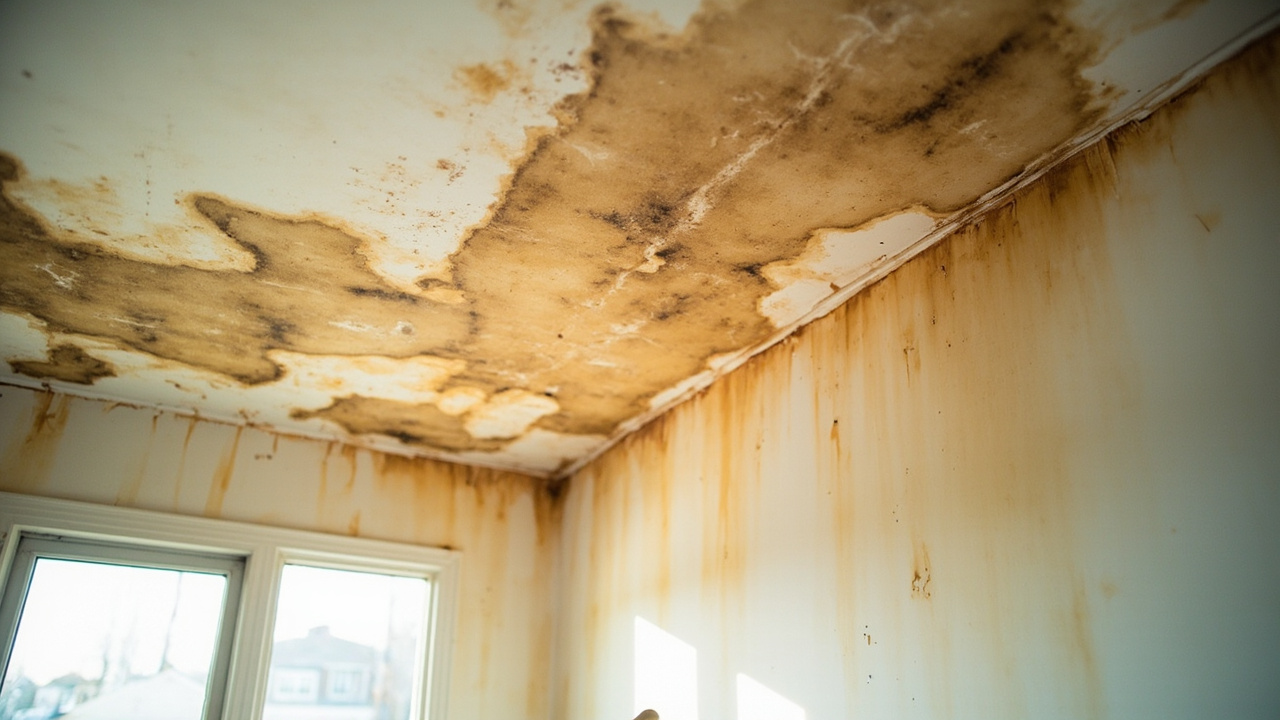
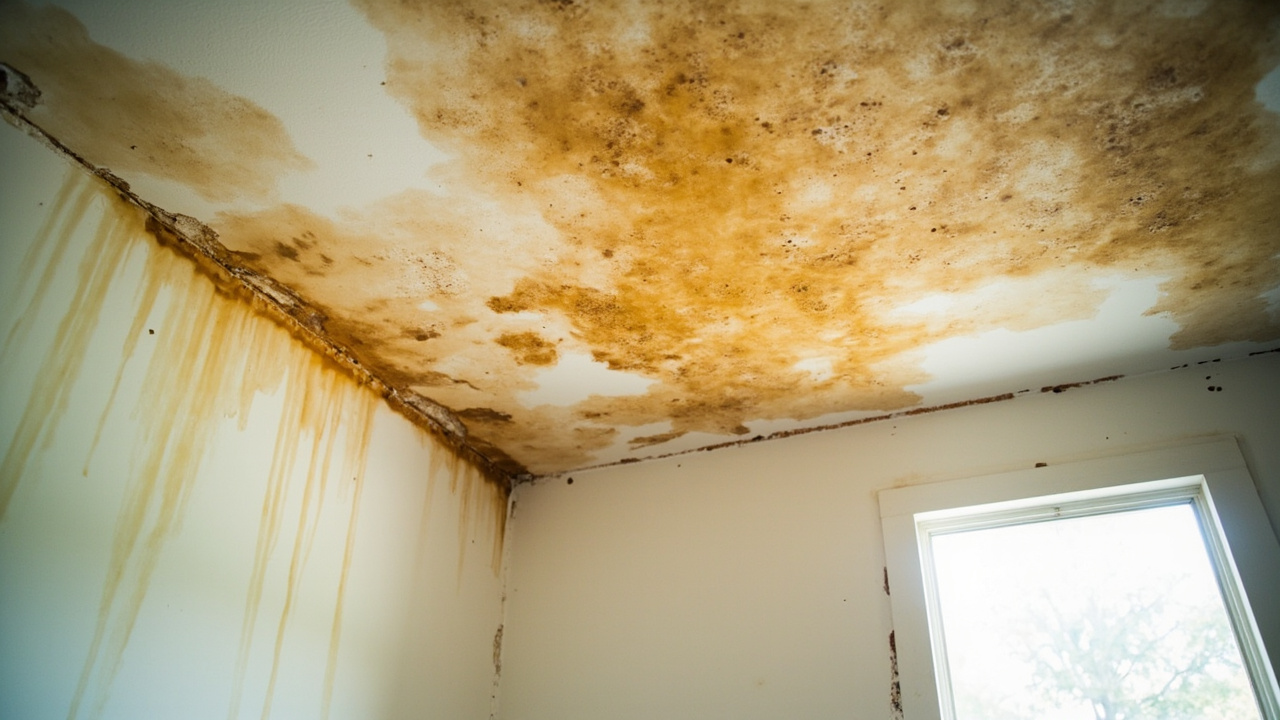
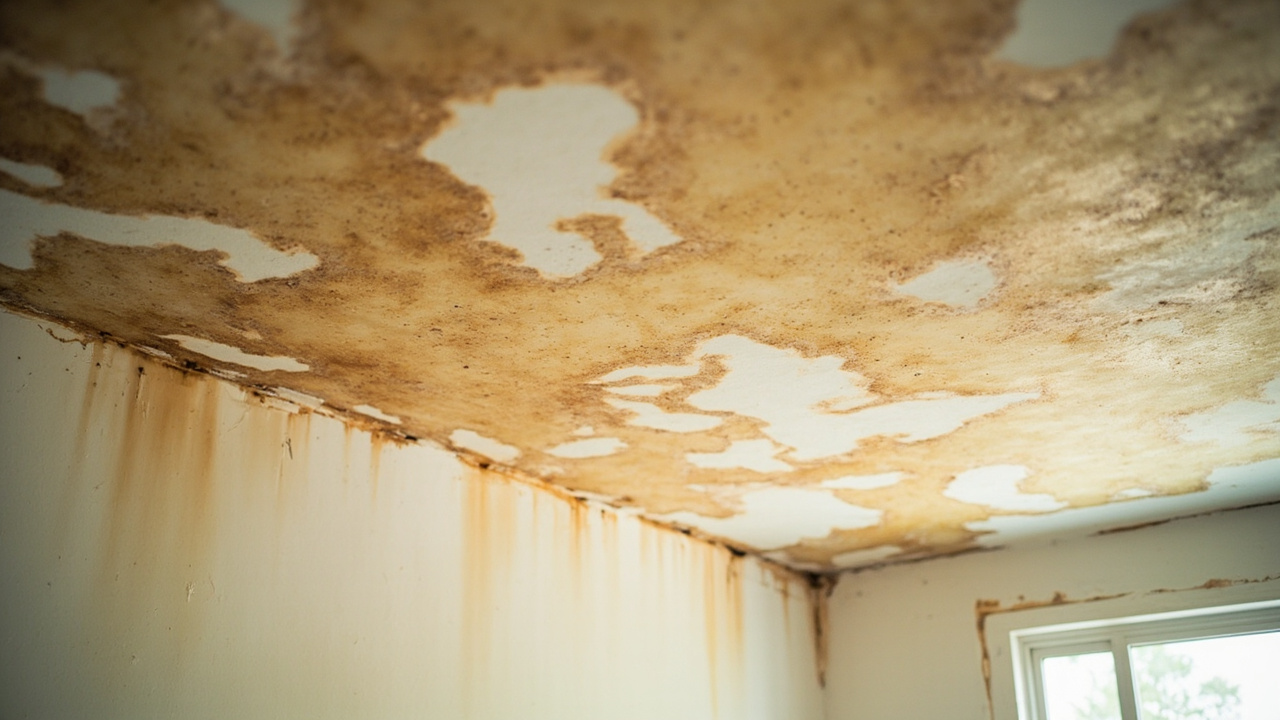
You walk into your bedroom and notice brown water spots on walls near the ceiling. Maybe it's moisture discoloration on sheetrock in the hallway, or yellow stains on drywall that weren't there last month. These water marks on ceiling surfaces and wet patches on plasterboard are not cosmetic issues. They are visible symptoms of active water intrusion, and in New Orleans's humid subtropical climate, they escalate fast.

New Orleans averages over 60 inches of rain annually, and our humidity routinely sits above 75 percent year-round. This constant moisture pressure means that even a small roof leak or condensation issue creates the perfect breeding ground for mold within 24 to 48 hours. The drywall in your home acts like a sponge. Once water penetrates the gypsum core, it wicks horizontally and vertically, spreading far beyond the visible stain. What you see on the surface is often only 30 percent of the actual saturation zone.

In older neighborhoods like the French Quarter, Uptown, and Mid-City, homes built with plaster-over-lathe or early generation sheetrock are especially vulnerable. Add in aging cast iron plumbing, outdated flashing around dormers, and the occasional hurricane-force wind event, and you have a perfect storm for concealed water damage. That small yellow stain could be signaling a slow roof leak from compromised shingles, a pinhole in galvanized pipe, or condensation from an improperly vented HVAC system running overtime in our heat.

The stain is not the problem. The stain is the warning.

Why Water Stains Appear on New Orleans Walls and What They Really Mean
How We Trace Water Intrusion and Stop the Damage Cycle

How We Trace Water Intrusion and Stop the Damage Cycle

Most homeowners try to paint over water stains or patch the drywall. This does nothing to address the moisture source, and within weeks, the discoloration bleeds through again. Worse, you've just trapped moisture behind a fresh layer of latex paint, accelerating microbial growth you cannot see.

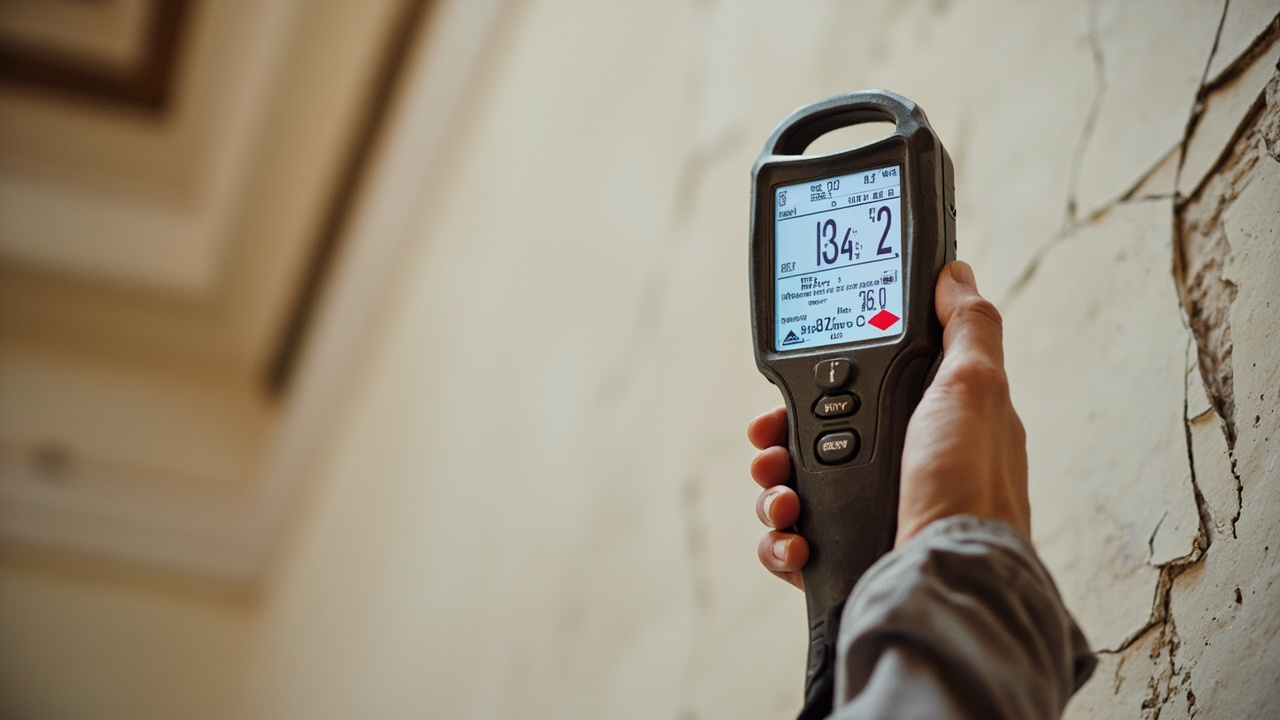
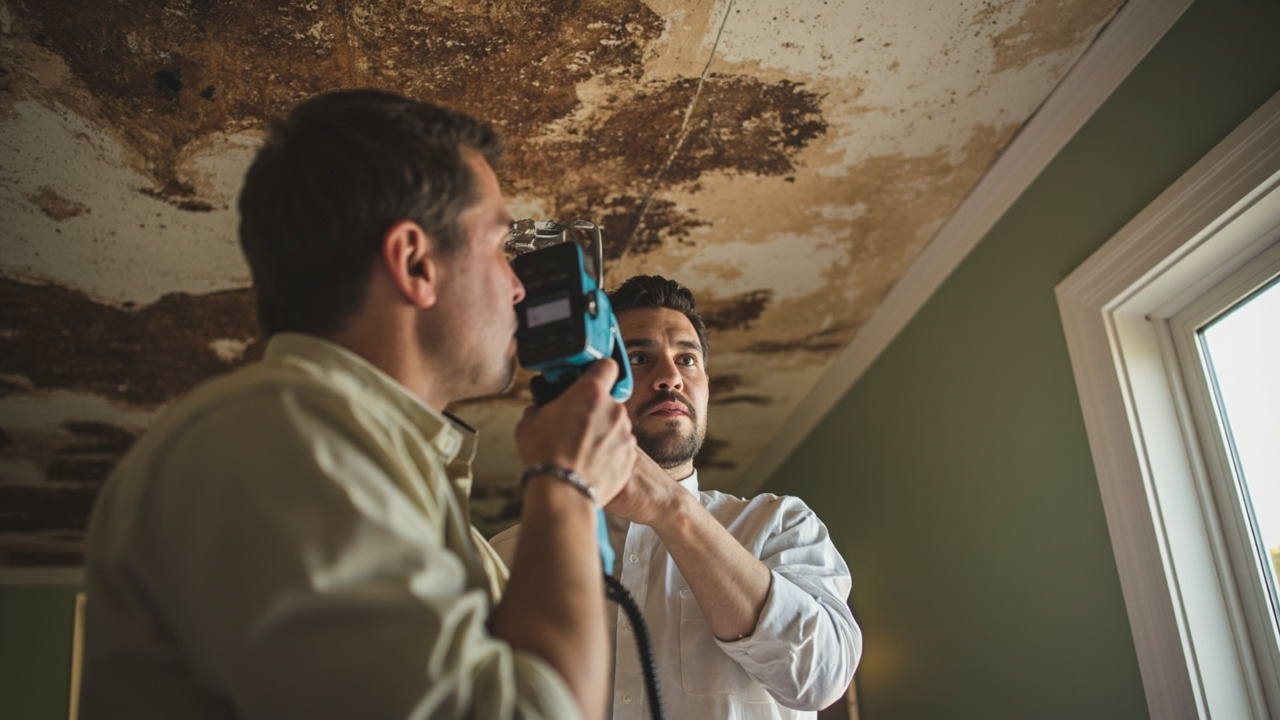
Grand Water Damage Restoration New Orleans starts with forensic moisture mapping. We use calibrated thermal imaging cameras to detect temperature differentials across wall cavities and non-invasive moisture meters to measure moisture content deep within the substrate. This allows us to trace the water migration path back to the entry point, whether it's a roof penetration, window flashing failure, or supply line weep.

Once we identify the source, we document the extent of saturation using a grid-based moisture survey. Drywall with moisture content above 17 percent is considered wet and must be addressed. In many cases, the visible stain represents only a fraction of the compromised material. We mark the full saturation perimeter and remove all affected sheetrock to prevent hidden mold colonization and structural degradation of wall studs.

We then deploy commercial-grade dehumidifiers and air movers to dry the framing, insulation, and adjacent materials to below 15 percent moisture content. This is verified with follow-up readings, not guesswork. Only after the structure is confirmed dry do we proceed with antimicrobial treatment, insulation replacement if necessary, and drywall reconstruction. We match texture and integrate the repair so it disappears.

The process is methodical because water damage in New Orleans is rarely just surface-level.

What Happens When You Call Us About Water Stains

Water Stains on Drywall in New Orleans | Expert Diagnosis Before the Mold Takes Hold
01

Moisture Assessment and Source Tracing

We arrive with thermal imaging and moisture detection equipment to map the full extent of saturation behind your walls. This pinpoints whether the water is coming from the roof, plumbing, or exterior envelope failure. You get a written moisture map and photos showing exactly where the water entered and how far it spread through the drywall and framing.
02

Controlled Demolition and Drying

We remove only the wet drywall and compromised insulation, protecting your unaffected walls and flooring with containment barriers. High-velocity air movers and commercial dehumidifiers run continuously until moisture readings confirm the framing is dry. We monitor daily and provide you with updated readings so you know the timeline. No guessing, no waiting longer than necessary.
03

Reconstruction and Prevention

After antimicrobial treatment and final moisture verification, we install new drywall, tape, mud, and texture-match your existing finish. We prime with stain-blocking sealer before final paint. You also receive documentation of the source repair and recommendations to prevent recurrence, whether that means roof flashing upgrades, plumbing repairs, or improved attic ventilation for your New Orleans home.

Why New Orleans Homeowners Trust Us With Hidden Water Damage

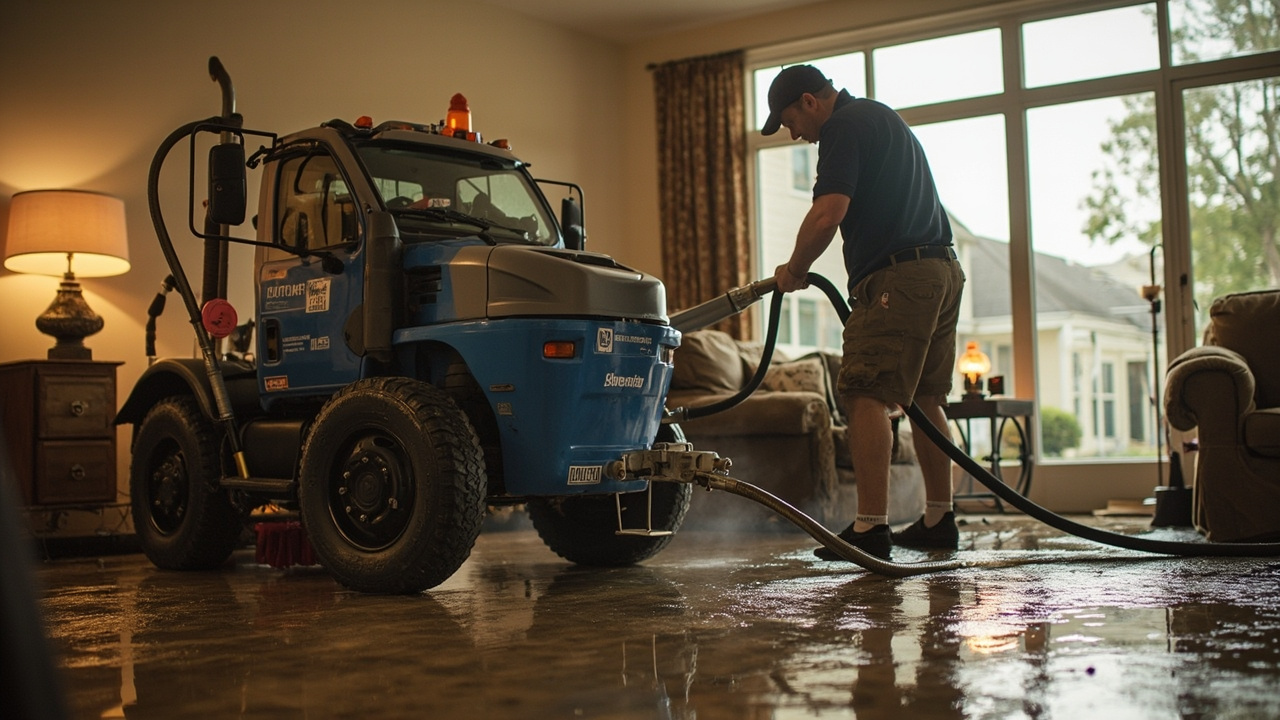
Water damage restoration in New Orleans requires more than a wet vac and a box fan. You need a team that understands how our climate, building stock, and weather patterns create unique challenges. Homes in neighborhoods like Lakeview, Gentilly, and Algiers were built across different eras, from pre-war shotgun doubles to post-Katrina rebuilds. Each has different vulnerabilities, from outdated plumbing to storm-prone roof configurations.

We have restored properties across every parish in the greater New Orleans metro. We know that pier-and-beam foundations common in older homes create crawl space humidity issues. We know that flat or low-slope roofs in Mid-City trap water during heavy downpours. We understand that cast iron drain stacks corrode from the inside out, leaking slowly behind walls for months before a stain appears.

This local knowledge allows us to trace water intrusion faster and more accurately than a national franchise crew unfamiliar with New Orleans construction. We also work directly with local insurance adjusters who understand Louisiana claim procedures, helping you document damage properly and avoid claim denials due to insufficient evidence.

Grand Water Damage Restoration New Orleans is not a call center. When you dial our number, you speak with a technician who will be on-site, not a dispatcher three states away. We respond to homes in the French Quarter, Uptown, Metairie, and surrounding areas within hours, not days. Our equipment stays on your property until moisture readings confirm the job is complete, and we provide you with written documentation for your records and insurance file.

You are not hiring a painter. You are hiring a water damage forensics team that knows how to stop the problem at the source.

What to Expect When We Investigate Your Water Stains

Response Time and Availability

We dispatch to New Orleans properties seven days a week, including evenings and weekends. Most initial assessments happen within four to six hours of your call, depending on location and schedule. Emergency situations, like active roof leaks or burst pipes, get priority response. You will receive a call-ahead with the technician's name and estimated arrival window, so you are not waiting around all day wondering when someone will show up.

Initial Inspection and Moisture Mapping

The first visit involves a full visual inspection, thermal imaging scan, and moisture meter readings across all suspected areas. We check adjacent rooms, attic spaces, and crawl areas to rule out secondary damage. You will see the moisture readings in real time and receive photos and a written summary of findings. This documentation is critical for insurance claims and helps you understand the full scope before any work begins.

Quality of Repairs and Materials

We use mold-resistant drywall in areas prone to moisture exposure and stain-blocking primer on all patches to prevent bleed-through. Texture matching is done by hand to blend seamlessly with your existing walls and ceilings. All framing is inspected for rot or structural compromise before new sheetrock is installed. You receive a walkthrough before final paint to approve the finish and ensure the repair meets your expectations.

Documentation and Follow-Up

You receive a complete moisture log showing before and after readings, photos of the source repair, and a detailed invoice for insurance submission. We also provide maintenance recommendations to reduce future risk, such as gutter cleaning schedules, roof inspection intervals, or plumbing upgrades. If you notice any issues after the repair, we return to verify moisture levels and ensure the source has been fully addressed.

Frequently Asked Questions

You Have Questions,
We Have Answers

How do you get water stains out of drywall? +

You must address the source first. Stop the water intrusion, then dry the affected area completely using fans or dehumidifiers. Once dry, apply a stain-blocking primer like Kilz or BIN to seal the stain and prevent bleed-through. Let the primer dry fully, then repaint with matching paint. If the drywall remains soft, bubbled, or crumbles when touched, it needs replacement. In New Orleans' humidity, drying can take longer than expected. Skipping the primer step wastes your time and money because the stain will reappear through fresh paint.

How to tell if water is leaking behind drywall? +

Check for visual clues on the drywall surface. Look for discoloration, yellowing, or brown rings that expand over time. Feel the wall for soft spots, bulging, or a spongy texture. Listen for dripping sounds behind the wall, especially after rain. Smell for musty or earthy odors, which signal moisture accumulation. Peeling paint or bubbling texture are red flags. In New Orleans, many older homes have cast iron or galvanized plumbing that corrodes internally, leaking slowly without obvious signs. Use a moisture meter to confirm hidden wetness before cutting into walls.

Can I paint over water stained drywall? +

Not directly. If you paint over an active water stain without preparation, the stain will bleed through your new paint within days. You must first stop the moisture source, dry the drywall completely, then apply a stain-blocking primer before painting. Use an oil-based or shellac-based primer for best results. If the drywall has structural damage like sagging, soft spots, or mold growth, painting over it hides a bigger problem. New Orleans' constant humidity makes this worse. Address the root cause first or you will repaint repeatedly while damage spreads.

Why do I have water marks on my walls but no leak? +

Water marks without visible leaks often come from condensation, high humidity, or vapor drive through walls. In New Orleans, exterior moisture can migrate through brick or stucco, especially on north-facing walls. Check attic ventilation and insulation. Poor bathroom or kitchen exhaust creates interior condensation that stains walls near ceilings. Look for roof leaks that traveled along framing before appearing on drywall. Plumbing inside walls can leak intermittently during use, then dry before you notice. HVAC ducts sweating from poor insulation also create mystery stains. A thermal imaging camera reveals hidden moisture sources.

Is drywall ruined once it gets wet? +

Not always. Drywall can survive brief water exposure if dried within 24 to 48 hours. The key is speed and thoroughness. Remove baseboards, drill small holes near the floor to promote airflow, and use commercial air movers and dehumidifiers. If water soaked the drywall for days, or if it came from a contaminated source like sewage or flooding, replacement is safer. New Orleans' humidity slows drying, increasing mold risk. Check for paper delamination, crumbling gypsum, or sagging. When in doubt, cut out a small test section to inspect the interior condition.

Will magic eraser remove water stains on walls? +

No. Magic erasers remove surface dirt using mild abrasion, but water stains penetrate drywall's porous surface. The stain comes from minerals, tannins, or organic material carried by water into the gypsum and paper layers. Scrubbing with a magic eraser may lighten the appearance temporarily but damages the paint finish and paper facing. The stain returns as moisture evaporates and deposits rise to the surface. You need a stain-blocking primer to seal and cover water stains effectively. In New Orleans' climate, surface cleaning alone never solves moisture-related staining. Address the water source and prime properly.

How long can drywall be wet before mold? +

Mold can begin growing on wet drywall within 24 to 48 hours under the right conditions. New Orleans' heat and humidity accelerate this timeline. Mold spores are always present in the air. They need only moisture, organic material like drywall paper, and warmth to colonize. The longer drywall stays wet, the deeper mold penetrates. Surface mold may wipe away, but hidden growth inside wall cavities spreads unseen. Speed matters. Start drying immediately after water exposure. Use fans, dehumidifiers, and remove wet insulation. If drywall stayed wet for over 48 hours, assume mold contamination and consider replacement.

Does homeowners insurance cover water leaks in walls? +

It depends on the cause. Most homeowners policies cover sudden and accidental water damage, like a burst pipe or appliance failure. They typically exclude gradual leaks from deferred maintenance, like slow drips you ignored for months. Flood damage requires separate flood insurance, which matters in New Orleans. Review your policy's water damage exclusions carefully. Document everything with photos and dates. File claims promptly. Insurers may deny coverage if you delay reporting or repairs, arguing you allowed damage to worsen. Get a professional assessment to establish the timeline and cause before negotiating with your adjuster.

How to tell if drywall has water damage? +

Look for visible discoloration, typically yellow, brown, or dark rings on walls or ceilings. Feel for soft, spongy, or sagging drywall that compresses under light pressure. Check for peeling paint, bubbling texture, or cracking along seams. Smell for musty, earthy, or moldy odors. Listen for dripping or running water sounds. Use a moisture meter to detect hidden wetness behind paint. In New Orleans, older homes with pier-and-beam foundations or slab cracks often show water damage near baseboards first. Stains that grow, darken, or reappear after painting indicate an active moisture problem needing immediate attention.

What do water stains on drywall look like? +

Water stains appear as discolored patches, usually yellow, tan, or brown, with irregular edges. Fresh stains look darker and feel damp. Older stains fade to light yellow or beige with a visible ring marking the water's furthest reach. Stains often form circular or oblong shapes as water spreads outward. Ceiling stains from roof leaks may show concentric rings as repeated wetting occurs. In New Orleans homes, stains near windows or exterior walls may look grayish from mold starting to grow. The drywall texture may flatten, bubble, or crack around the stain. Stains that expand over time signal an ongoing leak.

Why New Orleans Humidity Turns Small Leaks Into Major Mold Risks

New Orleans sits in a humid subtropical zone with an average relative humidity above 75 percent, even indoors. When water intrudes through a roof leak or plumbing failure, it does not evaporate quickly like it would in drier climates. Instead, moisture lingers in wall cavities, insulation, and gypsum board, creating ideal conditions for mold spores to colonize within 24 to 48 hours. Brown water spots on walls and yellow stains on drywall are not just cosmetic problems. They are active microbial growth sites, especially in homes with poor attic ventilation or inadequate crawl space vapor barriers common in older construction.

Our technicians have worked in every neighborhood from the French Quarter to Algiers, and we understand the building patterns that define New Orleans homes. Whether you have a raised Creole cottage with cypress framing or a 1960s ranch on a slab, we know how water migrates through each structure type. We also work with local insurance adjusters familiar with Louisiana claim protocols, so your documentation is complete and your claim is processed without unnecessary delays. Choosing a local water damage specialist means faster response, better results, and someone who knows exactly how to dry a home in this climate.
Water Damage Restoration Services in The New Orleans Area

While Grand serves the wider region with our expert water damage restoration services, we invite you to view our central operational location on the map. This helps you visualize our base of operations and understand our commitment to providing swift, efficient service across our service areas. Our team is strategically positioned to ensure rapid deployment when you need us most, so don't hesitate to contact us regardless of your specific location within our service radius.

Address:
Grand Water Damage Restoration New Orleans, 201 St Charles Ave, New Orleans, LA, 70170

Additional Services We Offer

Our news updates

Latest Articles & News from The Blogs

Living in a historic home in the Esplanade Ridge neighborhood offers a unique charm that modern builds cannot replicate. Those…

Removing that stubborn musty smell from historic plaster walls in Esplanade Ridge

Living in a historic home in the Esplanade Ridge neighborhood offers a unique charm that modern builds cannot replicate. Those…

Why your Westbank home might have a hidden shower pan leak and the best next steps

Westbank homeowners in Gretna and Marrero face specific plumbing challenges due to the local environment. High humidity levels and shifting…

Why ignoring a slow water heater leak in Carrollton destroys your home

A tiny puddle under your water heater in the 70118 zip code might look like a minor inconvenience. In the…

Contact Us

Water stains do not go away on their own. Call Grand Water Damage Restoration New Orleans at (504) 355-2332 right now for same-day moisture assessment. We trace the source, document the damage, and restore your home the right way.