


menu

Mold Remediation & Removal in New Orleans – Complete Abatement from Hidden Sources to Structural Integrity

Professional mold remediation that addresses New Orleans's unique humidity challenges, from hidden spore colonies behind walls to post-flood contamination in crawlspaces and attics.

Slider Image 1
Slider Image 2
Slider Image 3
Slider Image 4
Slider Image 5
Slider Image 7
Slider Image 8
Slider Image 9
Slider Image 10
Slider Image 11

Why Mold Thrives in New Orleans Homes and Commercial Buildings

New Orleans sits 6 feet below sea level in a subtropical climate where humidity averages 75 percent year-round. Your building materials absorb moisture like a sponge. Add in seasonal flooding from Lake Pontchartrain storm surges and afternoon downpours that dump 2 inches in an hour, and you have the perfect breeding ground for mold colonization.

Mold does not need a catastrophic flood to establish itself. A slow leak behind your washing machine in Mid-City, condensation buildup in a French Quarter shotgun attic, or poor crawlspace ventilation in Lakeview creates enough moisture for spores to germinate within 24 to 48 hours. Once mold takes hold in your drywall, insulation, or wooden joists, it spreads through microscopic spores that travel through your HVAC system and settle in every room.

You might notice a musty smell near your air vents, dark staining on your ceiling after a roof leak, or respiratory issues that worsen when you are home. These are not cosmetic problems. Mold abatement requires identifying the moisture source, containing the contaminated area, removing affected materials, and treating surfaces with antimicrobial solutions. Surface cleaning with bleach does not kill mold embedded in porous materials. It simply hides visible growth while spores continue multiplying behind your walls.

New Orleans's clay soil also contributes to foundation settling and cracks that allow groundwater intrusion into basements and crawlspaces. Combined with the city's aging housing stock, many homes built before modern moisture barriers were standard, mold mitigation becomes a structural necessity, not an optional service.

Why Mold Thrives in New Orleans Homes and Commercial Buildings
How Professional Mold Remediation Protects Your Property and Health

How Professional Mold Remediation Protects Your Property and Health

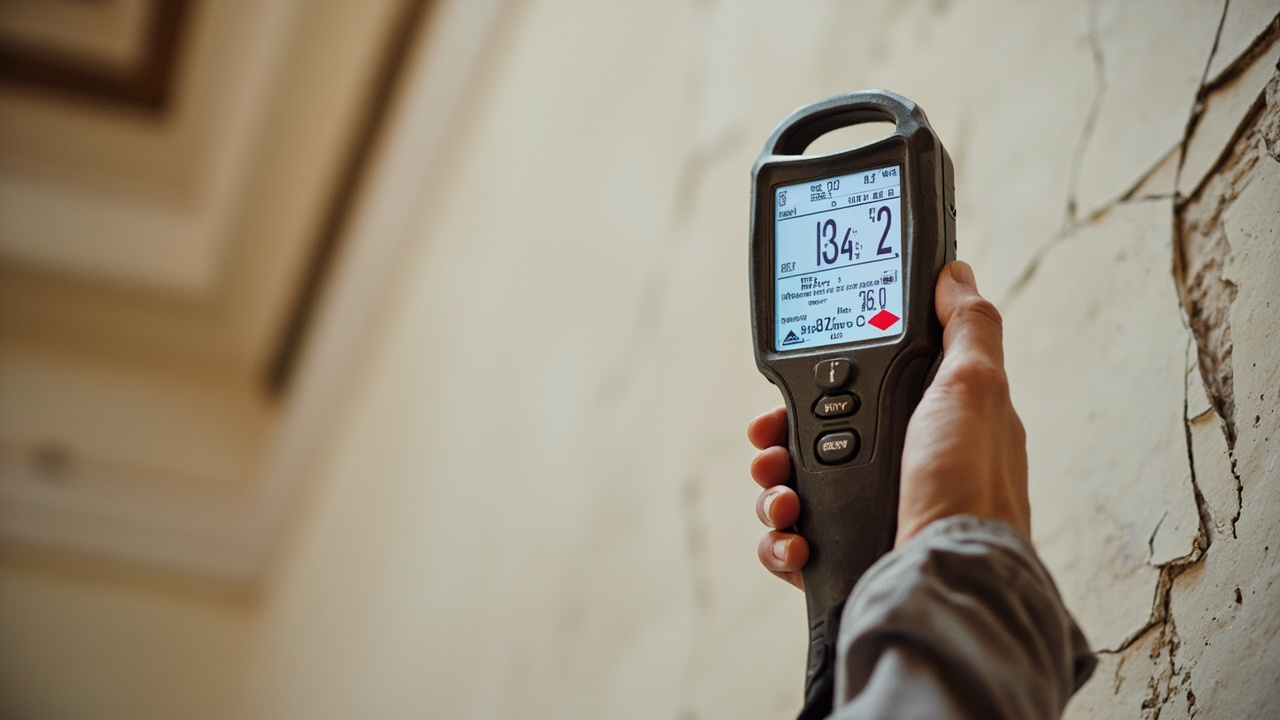
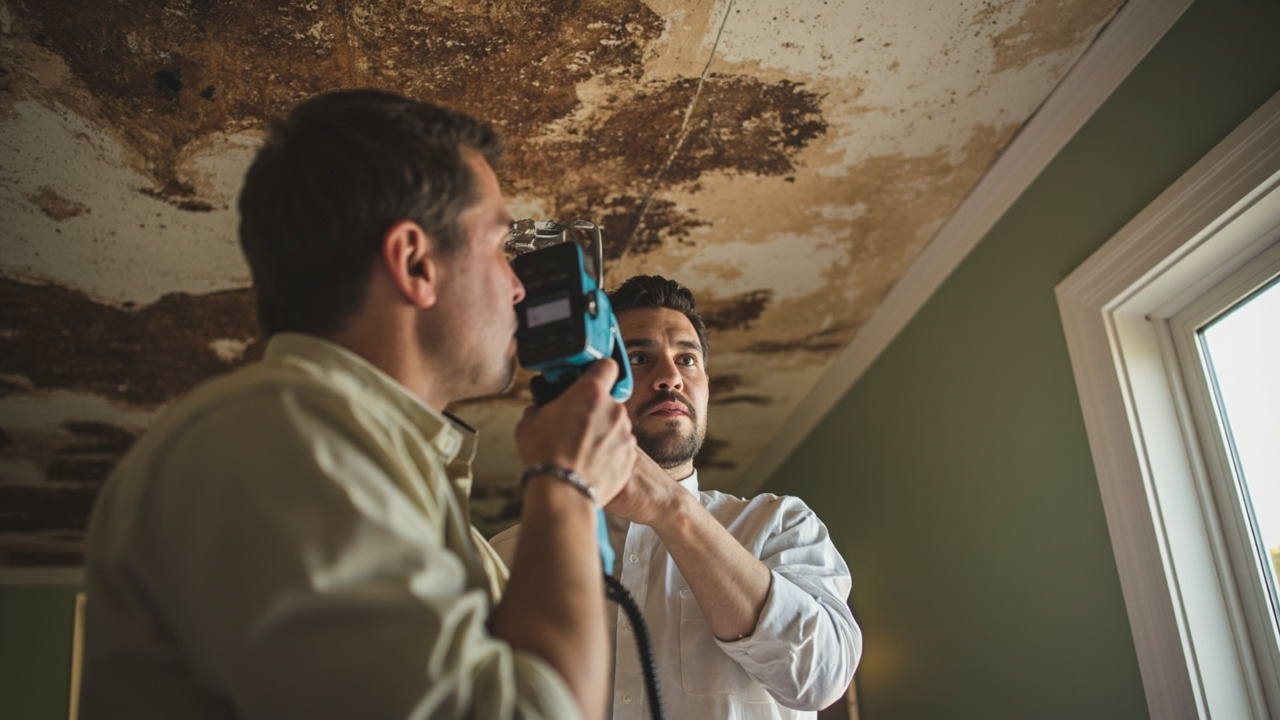
Effective mold cleanup services begin with moisture mapping using thermal imaging cameras and hygrometers to locate hidden water sources. You cannot remediate mold without fixing the underlying moisture problem. If your AC drip pan is overflowing or your gutters are dumping water against your foundation, mold will return within weeks of cleanup.

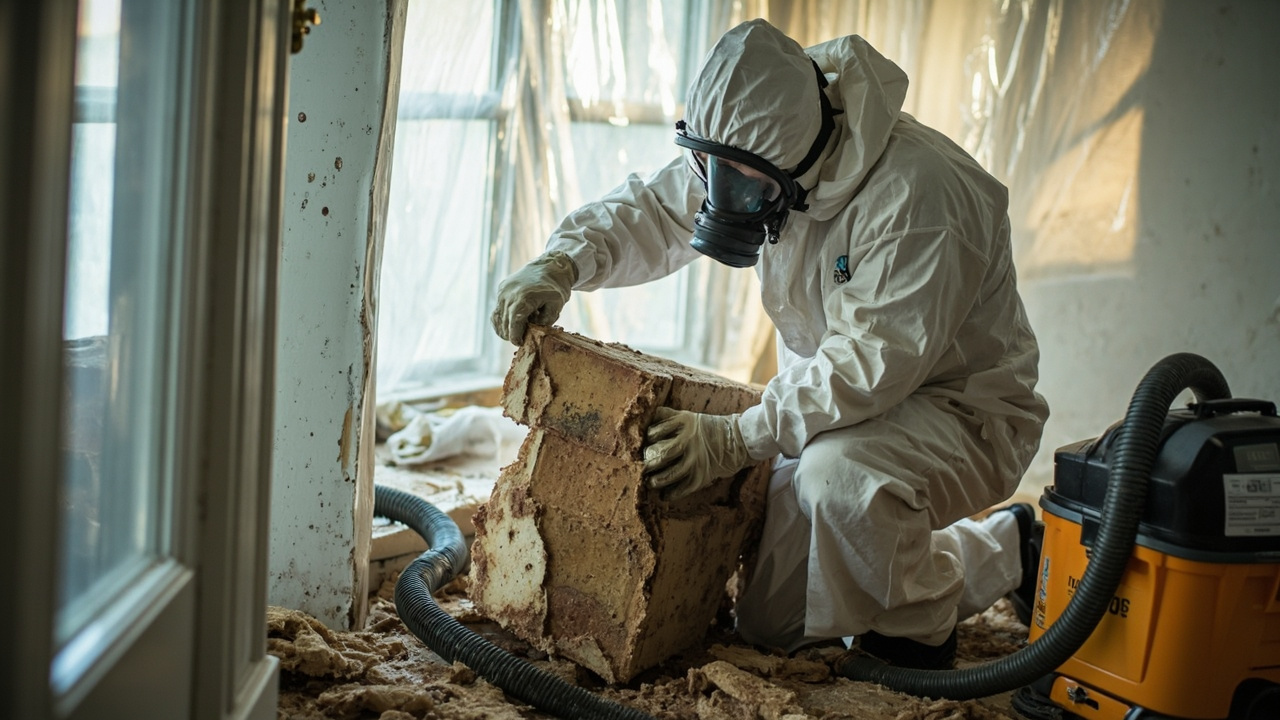
We establish containment barriers using 6-mil polyethylene sheeting and negative air pressure systems with HEPA filtration to prevent cross-contamination during removal. Spores become airborne when disturbed. Without proper containment, demolition spreads contamination from one room throughout your entire property. We seal off affected areas, depressurize the workspace, and exhaust filtered air outside to protect unaffected zones.

Mold decontamination involves removing all porous materials where mold has penetrated, including drywall, insulation, carpeting, and ceiling tiles. You cannot salvage these materials. Semi-porous materials like wood framing get treated with antifungal solutions after we remove surface growth through HEPA vacuuming and wire brushing. Non-porous surfaces like metal ductwork and glass get cleaned and disinfected.

We then apply EPA-registered antimicrobial treatments to all exposed surfaces and encapsulants to seal any remaining spores in non-porous substrates. Air scrubbers with HEPA filters run continuously during the process to capture airborne particulates. Post-remediation verification includes air quality testing and surface sampling to confirm spore counts have returned to normal background levels before reconstruction begins.

Professional mold removal also addresses the source. We repair plumbing leaks, improve ventilation, install vapor barriers in crawlspaces, and redirect drainage away from foundations. Remediation without source correction guarantees recurrence.

What Happens During Your Mold Remediation Project

Mold Remediation & Removal in New Orleans – Complete Abatement from Hidden Sources to Structural Integrity
01

Inspection and Moisture Mapping

We perform a comprehensive property assessment using moisture meters and thermal imaging to identify all affected areas and moisture sources. This includes inspecting behind walls, above ceilings, and in crawlspaces where visible mold often indicates larger hidden colonies. We document the extent of contamination, photograph affected areas, and create a detailed scope of work before beginning containment.
02

Containment and Safe Removal

We establish physical barriers and negative air pressure to isolate contaminated zones, then systematically remove all affected porous materials. Our technicians wear respiratory protection and dispose of contaminated materials in sealed bags. HEPA air scrubbers run continuously to capture airborne spores. We treat semi-porous surfaces with antimicrobial solutions and apply encapsulants to prevent future growth on structural components.
03

Verification and Reconstruction Clearance

After remediation, we conduct air quality testing and surface sampling to verify spore counts meet clearance standards. You receive laboratory results confirming the area is safe for reconstruction. We provide detailed documentation of all work performed, materials removed, and moisture corrections completed. This clearance is required before contractors can rebuild walls, install new insulation, or restore finishes.

Why New Orleans Property Owners Choose Grand Water Damage Restoration

Mold remediation in New Orleans requires understanding how the city's unique construction methods and environmental conditions affect contamination patterns. Shotgun houses with pier and beam foundations create different moisture challenges than slab-on-grade ranch homes in Metairie. Historic properties in the Garden District often have plaster walls over wooden lath that trap moisture differently than modern drywall construction. We adapt our approach based on your building's specific characteristics.

We work directly with insurance adjusters familiar with Louisiana's mold exclusions and coverage limitations. Many homeowners policies limit mold coverage to specific amounts or exclude it entirely unless it results from a covered peril like a burst pipe. We document the moisture source, photograph all damage, and provide detailed estimates that help you maximize legitimate claims while avoiding claim denials due to improper documentation.

Our crews understand Orleans Parish building codes and permit requirements for structural work. When remediation requires removing load-bearing components or extensive wall sections, we coordinate inspections and ensure all reconstruction meets current code. This protects your property value and prevents issues during future home sales or refinancing.

We also recognize the urgency of commercial mold situations. A restaurant in the French Quarter cannot afford week-long closures during peak tourist season. A medical office in Uptown needs to maintain patient access while addressing contamination. We schedule work during off-hours, establish temporary barriers to keep portions of your business operational, and accelerate timelines without compromising thoroughness.

Grand Water Damage Restoration New Orleans maintains relationships with environmental testing laboratories that provide rapid turnaround on clearance testing. You do not wait 10 days for results. We get preliminary data within 48 hours so reconstruction can begin quickly.

What You Can Expect from Our Mold Remediation Service

Rapid Response and Project Timeline

We dispatch a certified remediation technician to your property within 2 hours of your call for emergency situations. Most residential mold remediation projects take 3 to 5 days from initial containment through clearance testing, depending on the extent of contamination. Commercial projects with larger affected areas may require 7 to 10 days. We provide a detailed timeline during inspection and update you daily on progress. Emergency services are available 24 hours a day, 7 days a week, because mold does not wait for business hours.

Comprehensive Damage Assessment

Your initial inspection includes moisture mapping with thermal imaging, visual examination of all suspected areas, and identification of the water source causing mold growth. We provide a written scope of work detailing what materials require removal, what surfaces can be treated and saved, and what moisture corrections are necessary. You receive photos documenting all affected areas and a clear explanation of why specific materials must be removed versus treated. This assessment forms the basis of insurance claims and helps you understand the full scope before work begins.

Certified Clearance and Documentation

Every mold remediation project concludes with independent laboratory testing to verify spore counts have returned to normal background levels. You receive a Certificate of Completion documenting all work performed, materials removed, antimicrobial products applied, and laboratory results confirming clearance. This documentation is important for insurance claims, property sales, and your peace of mind. We do not consider a project complete until you have written proof the contamination has been eliminated and underlying moisture issues have been corrected.

Moisture Control and Prevention Strategies

Remediation without addressing the moisture source guarantees mold will return. We identify and correct the underlying problem, whether that means repairing plumbing leaks, improving attic ventilation, installing dehumidifiers, or regrading soil around your foundation. You receive specific recommendations for preventing future mold growth, including optimal humidity levels for New Orleans's climate and maintenance schedules for gutters, AC condensate lines, and crawlspace vapor barriers. We also offer ongoing moisture monitoring services for properties with chronic humidity issues or those recovering from major flooding events.

Frequently Asked Questions

You Have Questions,
We Have Answers

How much does it cost to remove mold? +

Mold removal costs vary based on the size of the affected area, the type of mold, and structural damage. Small jobs under 10 square feet may run a few hundred dollars, while extensive growth across multiple rooms or hidden areas costs thousands. New Orleans homes face unique challenges due to high humidity and frequent flooding, which can spread mold behind walls and under flooring. Costs increase when HVAC systems or crawl spaces are contaminated. Professional assessment includes air quality testing, containment, removal, and preventative treatments. Insurance may cover costs if tied to a covered water damage event.

What is the difference between mold removal and mold remediation? +

Mold removal refers to physically cleaning visible mold from surfaces. Mold remediation is a comprehensive process that addresses the root cause, controls contamination, removes affected materials, and restores air quality to safe levels. Remediation includes containment barriers, HEPA filtration, antimicrobial treatments, and moisture control to prevent regrowth. In New Orleans, where humidity and seasonal flooding create ideal conditions, remediation targets hidden mold in wall cavities, under flooring, and in ventilation systems. Simply removing surface mold without addressing moisture sources guarantees it will return. Professional remediation solves the problem long-term.

How much should it cost to remove mold? +

Mold removal costs depend on contamination extent, location accessibility, and required repairs. Small bathroom or closet jobs may cost a few hundred dollars. Larger areas, like post-flood basements or entire crawl spaces common in New Orleans homes, can reach several thousand. Costs include containment setup, air scrubbing equipment, disposal of porous materials like drywall or insulation, antimicrobial treatments, and moisture barrier installation. Hidden mold behind walls or in HVAC ducts increases expense. Professional companies provide free inspections and detailed estimates. Delaying treatment worsens damage and raises costs significantly.

Is professional mold removal worth it? +

Yes. Professional mold removal is worth it when contamination exceeds 10 square feet, involves toxic black mold, or hides in structural areas. New Orleans homes face constant moisture challenges from humidity, rain, and flooding. Professionals use containment barriers to prevent spore spread, HEPA filtration to clean air, and moisture meters to find hidden growth. They safely remove contaminated materials and treat surfaces to prevent regrowth. DIY methods miss hidden mold and often spread spores throughout your home. Professional remediation protects your health, preserves property value, and prevents recurring problems in this high-moisture climate.

What kills mold permanently? +

Nothing kills mold permanently without controlling moisture. Professional remediation uses EPA-registered antimicrobial agents and fungicides to kill active mold and inhibit regrowth. Physical removal of porous materials like drywall, insulation, and carpet is necessary because mold roots penetrate these surfaces. Non-porous surfaces get treated with specialized cleaning solutions. The key is addressing the moisture source, whether leaking pipes, roof damage, or New Orleans' relentless humidity. Dehumidifiers, proper ventilation, and moisture barriers prevent return. Without fixing water intrusion or controlling indoor humidity below 60 percent, mold will always come back.

What are signs of mold exposure? +

Common mold exposure signs include persistent coughing, sneezing, watery eyes, skin rashes, and headaches. You may notice a musty odor even without visible growth. Respiratory symptoms worsen in affected rooms and improve when you leave. Some people experience fatigue, difficulty concentrating, or sinus congestion. Black mold exposure can cause more severe reactions, including breathing difficulty and chronic respiratory issues. New Orleans residents often mistake symptoms for seasonal allergies due to high pollen counts. If multiple family members experience unexplained health issues, especially after flooding or water damage, professional mold testing is necessary.

Can I remediate mold myself? +

You can handle small surface mold under 10 square feet on non-porous surfaces like tile or glass. Use detergent and water, then dry completely. However, DIY mold removal in New Orleans homes is risky due to hidden growth behind walls, in crawl spaces, and within HVAC systems. Disturbing mold without proper containment spreads spores throughout your home. You lack professional moisture meters to find hidden water sources, HEPA filtration to clean air, and protective equipment for safe removal. Porous materials like drywall and insulation require professional extraction. Any mold related to sewage or extensive water damage needs professional remediation.

Why is mold remediation so expensive? +

Mold remediation costs reflect specialized equipment, labor intensity, and safety protocols. Professionals use industrial dehumidifiers, HEPA air scrubbers, negative air machines, and containment barriers. Technicians wear protective suits and respirators. The process includes inspection, testing, containment setup, material removal, antimicrobial treatment, air filtration, disposal, and reconstruction. New Orleans homes often hide mold in crawl spaces, wall cavities, and HVAC systems, requiring extensive investigation. Porous materials like insulation and drywall need complete replacement. Proper remediation prevents health issues and structural damage. Cutting corners creates bigger problems. Insurance often covers costs when tied to covered water damage.

How long should you stay out of house after mold remediation? +

You can typically return home within 24 to 48 hours after mold remediation, once final air quality testing confirms spore levels are safe. Timing depends on contamination extent and ventilation. Professionals run HEPA air scrubbers during and after treatment to remove airborne spores. If reconstruction is needed, you may stay out longer. New Orleans' humidity can slow drying times, extending the process. Vulnerable individuals, including children, elderly family members, and those with respiratory conditions, should wait for clearance testing results. Your remediation company provides specific re-entry guidance based on your situation and ensures indoor air quality meets safe standards.

Can a house full of mold be saved? +

Yes. Even homes with extensive mold contamination can be saved through professional remediation. The process involves removing all affected porous materials like drywall, insulation, and flooring, treating structural elements like studs and joists with antimicrobial solutions, and rebuilding with mold-resistant materials. New Orleans homes frequently face severe post-flood contamination. Success depends on addressing the moisture source, whether roof damage, plumbing leaks, or inadequate drainage. Structural components are assessed for integrity. Professional remediation restores indoor air quality and prevents regrowth. Abandoning a home should be the last resort after professional evaluation and cost-benefit analysis.

How New Orleans's Water Table and Storm Surge History Make Professional Mold Abatement Critical

New Orleans's position in a river delta below sea level means groundwater sits just 3 to 5 feet below the surface in many neighborhoods. This creates constant upward moisture pressure against foundation slabs and into crawlspaces, especially during heavy rain when the water table rises further. Add in storm surge from Lake Pontchartrain during hurricanes and tropical storms that can push water several feet high into homes, and you understand why professional mold mitigation requires expertise in flood recovery and moisture control specific to this region. Standard remediation protocols designed for drier climates fail in New Orleans because they do not account for the persistent moisture intrusion from below and the seasonal flooding cycles that affect everything from Gentilly to Algiers.

Orleans Parish has specific requirements for mold remediation in rental properties and commercial buildings following water damage events. Property owners must provide documentation of professional mold cleanup services before re-occupying flood-damaged units. We maintain familiarity with these local regulations and provide the proper documentation needed to satisfy landlord obligations and commercial lease requirements. Our work meets Louisiana State Licensing Board for Contractors standards and follows EPA and IICRC S520 guidelines for mold remediation. Choosing a local provider means you work with technicians who understand both the environmental challenges unique to New Orleans and the regulatory framework governing remediation work.
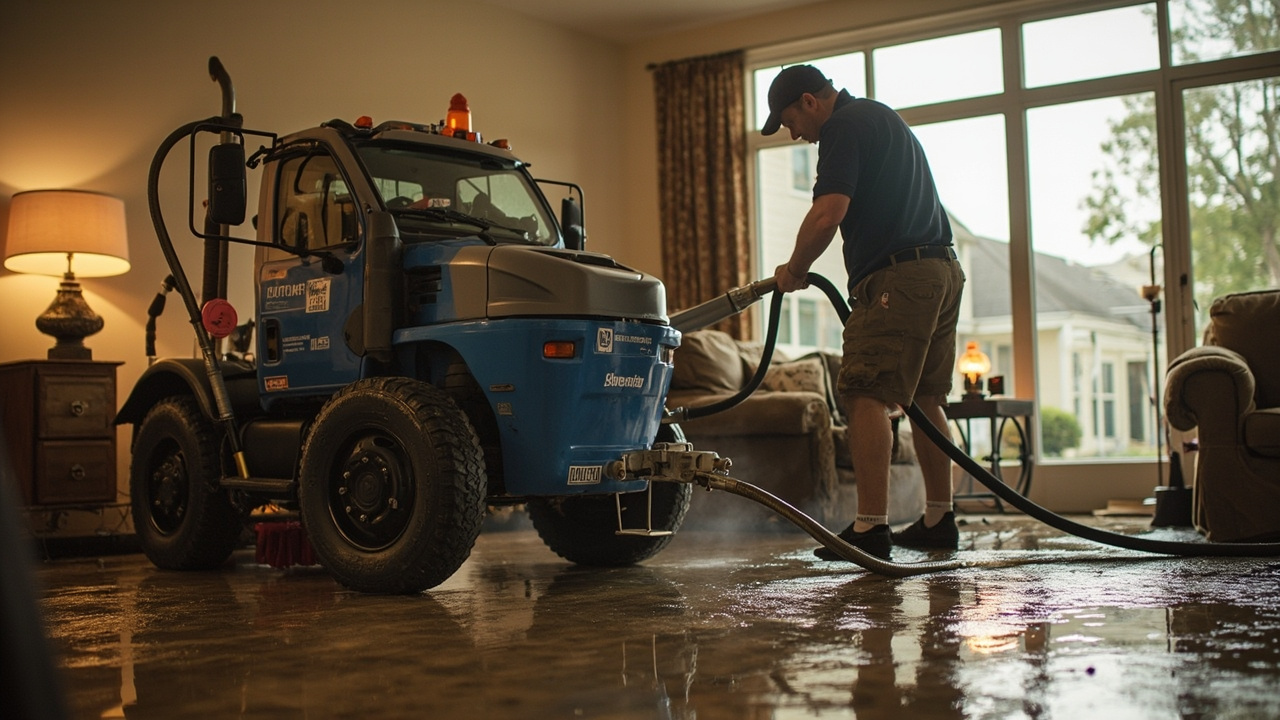
Water Damage Restoration Services in The New Orleans Area

While Grand serves the wider region with our expert water damage restoration services, we invite you to view our central operational location on the map. This helps you visualize our base of operations and understand our commitment to providing swift, efficient service across our service areas. Our team is strategically positioned to ensure rapid deployment when you need us most, so don't hesitate to contact us regardless of your specific location within our service radius.

Address:
Grand Water Damage Restoration New Orleans, 201 St Charles Ave, New Orleans, LA, 70170

Additional Services We Offer

Our news updates

Latest Articles & News from The Blogs

Standing water in your Gretna home requires an immediate response to prevent permanent structural issues and mold growth. Residents living…

Fast Flood Restoration Strategies for Gretna Homeowners

Standing water in your Gretna home requires an immediate response to prevent permanent structural issues and mold growth. Residents living…

Resolving Ceiling Water Damage and Leaks in Mid-City Apartments

Dealing with Ceiling Water Damage Repair in Mid-City New OrleansA damp spot on your ceiling in a Mid-City apartment requires…

Removing that stubborn musty smell from historic plaster walls in Esplanade Ridge

Living in a historic home in the Esplanade Ridge neighborhood offers a unique charm that modern builds cannot replicate. Those…

Contact Us

Mold doubles in size every 24 to 48 hours under the right conditions. Waiting turns a single-room problem into whole-house contamination. Call (504) 355-2332 now for rapid response and certified remediation that protects your property and your health.