




menu

Allergic Reactions in Home – Expert Mold Removal and Water Damage Solutions in New Orleans

Grand Water Damage Restoration New Orleans identifies hidden mold sources, eliminates water damage allergy triggers, and restores healthy indoor air quality with specialized equipment designed for New Orleans's humid subtropical climate.

Slider Image 1
Slider Image 2
Slider Image 3
Slider Image 4
Slider Image 5
Slider Image 7
Slider Image 8
Slider Image 9
Slider Image 10
Slider Image 11

Why Your Home Keeps Making You Sick

You wake up with a scratchy throat. Your eyes water the moment you walk into the living room. By afternoon, the sneezing starts again. You assume it's seasonal allergies, but the symptoms never leave, even indoors.

New Orleans's humid subtropical climate creates the perfect breeding ground for household mold allergies. Our city averages 62 inches of rain per year and maintains 75% relative humidity year-round. When moisture infiltrates your home through roof leaks, plumbing failures, or foundation seepage, mold colonies establish within 24 to 48 hours. The French Quarter's historic shotgun houses and raised foundation homes in Mid-City trap moisture in crawl spaces and between walls, creating invisible reservoirs of mildew allergic reactions.

Indoor mold symptoms manifest differently than pollen allergies. You experience persistent congestion, skin rashes, headaches, and respiratory irritation that intensify at night or in specific rooms. Basements near the Mississippi River levee system and homes in Lakeview built after Hurricane Katrina often harbor hidden water damage allergy triggers behind drywall and under flooring.

Mold exposure symptoms worsen over time. Aspergillus, Penicillium, and Stachybotrys thrive in our climate. These fungi release mycotoxins and spores into your air supply, triggering immune responses that range from mild irritation to severe asthma attacks. Children, elderly residents, and anyone with compromised immunity face heightened risk.

The source is rarely obvious. A slow leak under your kitchen sink, condensation in your attic, or a poorly sealed window frame can create conditions for mold growth you will not discover until health problems force you to investigate.

Why Your Home Keeps Making You Sick
How We Eliminate Mold and Restore Air Quality

How We Eliminate Mold and Restore Air Quality

We do not just clean visible mold. We identify the moisture source, contain the contamination, and restore your home to safe conditions using protocols that address New Orleans's unique environmental challenges.

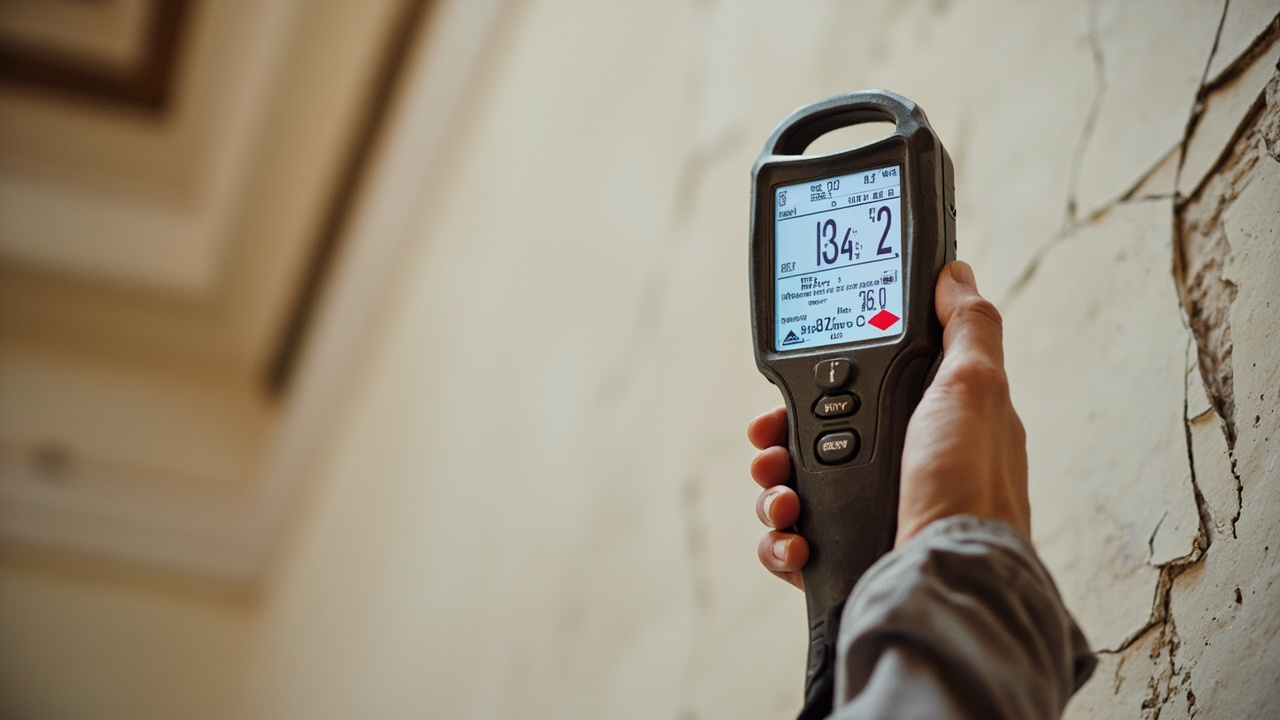
Our technicians use thermal imaging cameras to detect temperature differentials behind walls and ceilings. Moisture meters measure wood moisture content and drywall saturation levels. These tools reveal hidden water intrusion patterns that traditional inspections miss. We map the full extent of water damage before beginning remediation.

Air sampling identifies mold species and spore concentrations in your indoor environment. We compare indoor readings against outdoor baselines to determine contamination severity. This data guides our containment strategy and confirms successful remediation.

We establish negative air pressure chambers using commercial air scrubbers equipped with HEPA filters that capture 99.97% of particles down to 0.3 microns. This prevents cross-contamination to unaffected areas during removal. Contaminated materials go into sealed bags before removal from your property.

Antimicrobial treatments eliminate remaining spores on structural surfaces. We remove porous materials like drywall, insulation, and carpet padding that cannot be adequately cleaned. Non-porous surfaces like framing lumber and concrete receive thorough cleaning and disinfection.

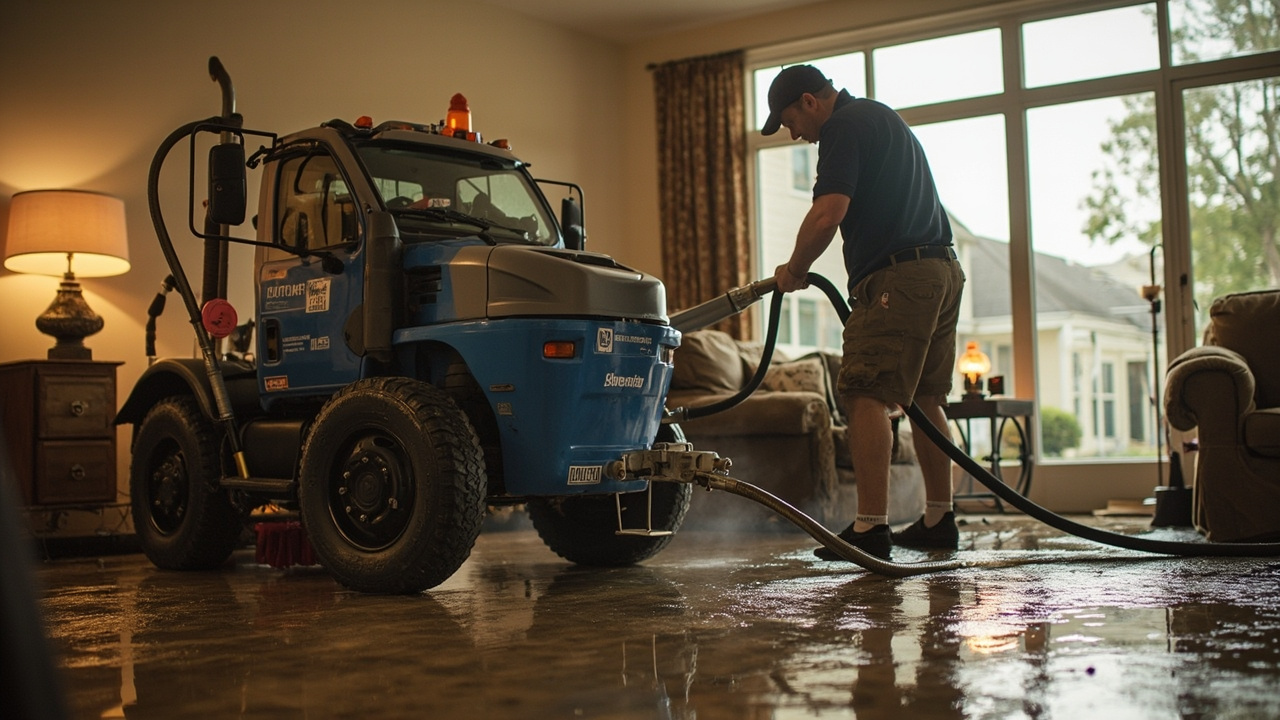
Dehumidification is critical in our climate. We deploy commercial-grade dehumidifiers that extract 150 to 200 pints of moisture per day, bringing relative humidity below 50%. This prevents immediate recolonization while repairs proceed.

We address the source. Roof flashing repair, plumbing corrections, foundation waterproofing, or HVAC condensate line fixes become part of the restoration plan. Without source control, mold returns within months.

What Happens During Your Mold Remediation

Allergic Reactions in Home – Expert Mold Removal and Water Damage Solutions in New Orleans
01

Initial Assessment and Testing

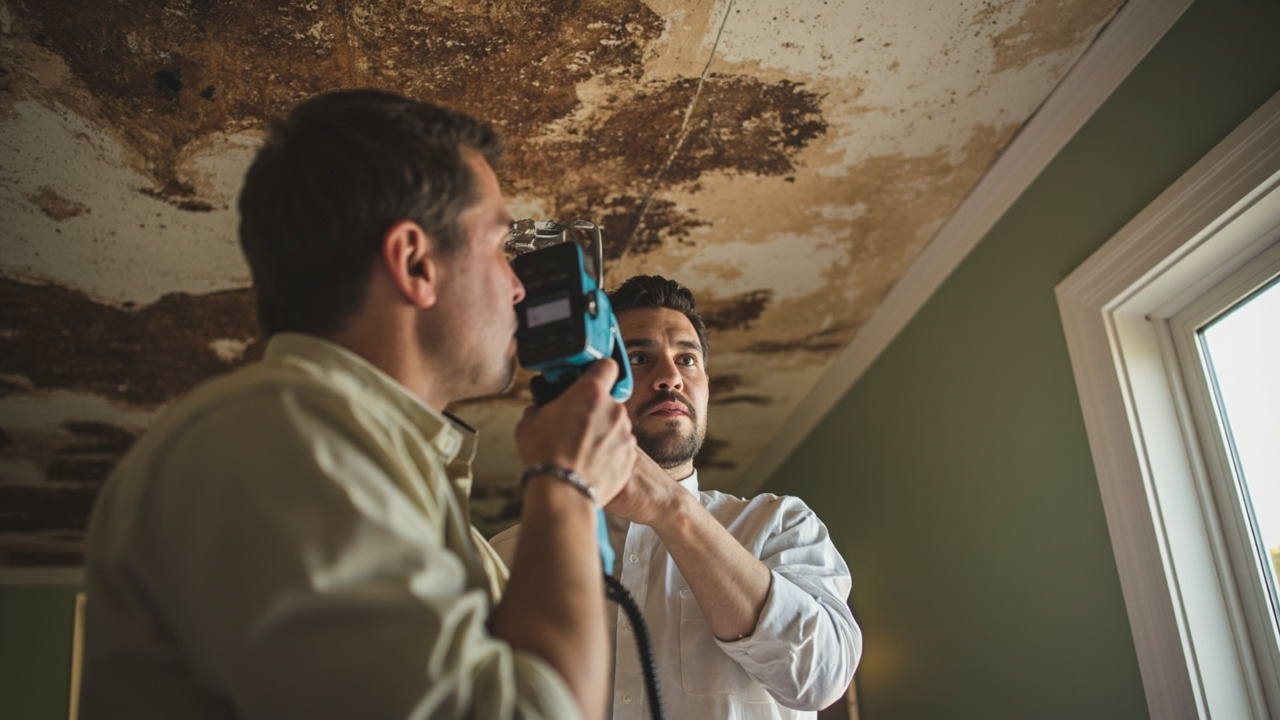
We conduct a comprehensive inspection of your property within 60 minutes of your call. Our technicians use moisture detection equipment to identify water intrusion points and hidden saturation. Air quality testing establishes baseline mold spore counts and identifies specific species present. We photograph all affected areas and create a detailed scope of work that outlines removal procedures, timeline, and restoration requirements for your specific situation.
02

Containment and Removal

We isolate contaminated areas using polyethylene sheeting and negative air machines to prevent spore migration. Technicians wear full PPE including respirators during removal. We extract saturated materials, clean structural components with antimicrobial solutions, and run air scrubbers continuously throughout the process. Dehumidifiers operate 24 hours daily to eliminate excess moisture. We document each phase with photos and moisture readings to track progress and verify thorough remediation.
03

Verification and Restoration

Post-remediation air testing confirms spore counts have returned to normal levels. We provide lab reports showing clearance results. Once verified, we begin reconstruction using mold-resistant materials appropriate for New Orleans's climate. This includes moisture-resistant drywall, proper ventilation installation, and waterproofing measures. We conduct a final walkthrough, explain prevention strategies specific to your home's construction, and provide documentation for insurance claims and future property transactions.

Why New Orleans Homeowners Choose Grand Water Damage Restoration

Mold remediation in New Orleans requires understanding how our city's unique conditions create persistent moisture problems. We have worked in every neighborhood, from the Garden District's century-old mansions to Gentilly's post-Katrina rebuilds. This experience matters when diagnosing why your home keeps generating mold despite previous cleanup attempts.

Many remediation companies treat symptoms without addressing causes. They remove visible growth but ignore the slow roof leak, the improperly graded yard directing water toward your foundation, or the undersized HVAC system that cannot dehumidify adequately in our climate. We coordinate with licensed contractors to fix source problems, which prevents recurrence and protects your investment.

Our technicians understand local construction methods. Pier and beam foundations common in Uptown and Mid-City require different moisture management than slab foundations in newer developments. We know how to access crawl spaces, identify vapor barrier failures, and implement drainage solutions that work with New Orleans's high water table and clay soil composition.

We work directly with insurance adjusters throughout the process. Water damage claims require detailed documentation, scope justification, and adherence to industry standards like the IICRC S500 and S520 guidelines. We provide the reports, photos, and technical data needed to support your claim and prevent underpayment.

Speed matters with mold exposure. We dispatch crews within two hours for emergency situations and begin air quality testing the same day you call. Our equipment inventory allows us to start remediation immediately rather than scheduling you days out while spore counts climb and health symptoms intensify.

You receive transparent communication throughout the project. We explain what we find, why specific procedures are necessary, and what timeline to expect. No surprise fees, no scope creep, no abandonment mid-project.

What to Expect When You Call Us

Rapid Response and Scheduling

We answer calls 24 hours a day, seven days a week, including holidays. Emergency situations involving active water intrusion or severe respiratory symptoms receive priority dispatch within two hours. Standard assessments are scheduled within the same business day or the following morning based on your availability. Our technicians arrive in marked vehicles with all necessary testing equipment. Initial assessments typically take 60 to 90 minutes, depending on property size and complexity. You receive a written evaluation and cost estimate before any work begins.

Comprehensive Property Evaluation

We inspect all potential moisture sources including roofing, plumbing systems, HVAC components, windows, doors, and foundation perimeter. Thermal imaging reveals temperature anomalies indicating hidden water damage. Moisture meters provide quantitative readings of material saturation levels. Air sampling captures mold spore concentrations and identifies species present. We test multiple rooms to establish contamination patterns. You receive a detailed report with photos, moisture readings, air quality data, and specific recommendations for remediation and source repair. This documentation supports insurance claims and provides clarity on scope requirements.

Thorough Remediation and Restoration

Remediation projects typically take three to seven days, depending on contamination extent. We remove all affected materials, treat structural components, and verify results through post-remediation testing. Air quality must meet or exceed outdoor baseline levels before we proceed to restoration. Reconstruction uses mold-resistant materials and incorporates moisture management improvements. We coordinate with licensed contractors for plumbing, roofing, or foundation repairs when needed. Final walkthrough includes education on prevention strategies specific to your home and climate conditions. You receive all lab reports, photos, and invoices for insurance submission.

Ongoing Support and Prevention

Mold prevention in New Orleans requires vigilance. We provide specific recommendations for humidity control, ventilation improvements, and maintenance practices that prevent recurrence. You receive guidance on optimal thermostat settings, dehumidifier use, and early warning signs of moisture intrusion. We offer follow-up air quality testing at 30 and 90 days post-remediation to verify continued success. If you experience any concerns after project completion, we return to assess conditions at no charge. Our documentation remains available for future property transactions, insurance renewals, or if you decide to sell your home.

Frequently Asked Questions

You Have Questions,
We Have Answers

What could be causing allergies in my house? +

Indoor allergens in New Orleans homes commonly include mold spores, dust mites, pet dander, and cockroach droppings. The high humidity here creates ideal conditions for mold growth in crawl spaces, attics, and behind walls. Water damage from storms or plumbing leaks accelerates mold proliferation. Dust mites thrive in humid environments, embedding in mattresses, carpets, and upholstery. Poor ventilation traps allergens indoors. Older homes in neighborhoods like the French Quarter and Uptown often have hidden moisture problems that fuel allergen growth. Addressing water intrusion and controlling indoor humidity are critical first steps to reducing allergic triggers.

How do I find out what I'm allergic to in my house? +

Schedule an appointment with an allergist for skin prick testing or blood tests to identify specific allergens. Keep a symptom diary noting when reactions occur and where you are in your home. Pay attention to patterns like worsening symptoms in bedrooms or basements. Inspect your home for visible mold, water stains, or musty odors, especially after heavy rains common to New Orleans. Check HVAC filters for dust buildup and examine carpets, bedding, and upholstery. Professional mold inspection and indoor air quality testing can pinpoint hidden sources. Eliminating water damage and moisture is essential for accurate allergen identification.

How to treat allergy cough? +

Allergy cough responds best to treating the underlying trigger. Use over-the-counter antihistamines to reduce histamine response. A humidifier can soothe airways, but avoid over-humidifying in New Orleans where moisture already promotes mold growth. Nasal irrigation with saline solution removes allergens from nasal passages. Keep your home clean and dry to minimize dust mites and mold spores. Address any water damage immediately to prevent mold colonization. If cough persists beyond two weeks or worsens, consult a physician to rule out infection or asthma. Removing the allergen source provides the most effective long-term relief.

Why am I having allergic reactions all of a sudden? +

Sudden allergic reactions often result from new allergen exposure or increased allergen concentration in your environment. Recent water damage from storms or plumbing failures can trigger rapid mold growth in New Orleans homes. Seasonal changes bring different pollen types indoors through open windows. You may have developed new sensitivities over time as your immune system changes. Recent renovations can disturb hidden mold or dust. Increased humidity during summer months amplifies dust mite and mold populations. Inspect your home for recent water intrusion, roof leaks, or HVAC problems. Addressing moisture issues quickly prevents allergen buildup that triggers sudden reactions.

How to identify indoor allergies? +

Indoor allergies typically cause year-round symptoms that worsen inside your home. Watch for sneezing, runny nose, itchy eyes, and coughing that improve when you leave the house. Symptoms often intensify in specific rooms, particularly bedrooms or basements. Morning congestion suggests dust mite exposure from bedding. Reactions after turning on heating or cooling systems indicate mold or dust in ductwork. New Orleans homes with persistent moisture problems from humidity or water damage often harbor significant allergen loads. Track symptom patterns and inspect your home for mold growth, water stains, or musty smells to identify problematic areas.

How do I tell if my bed has dust mites? +

Check for small yellowish or brown stains on bedding from dust mite waste. Look for fine dust accumulation on mattress surfaces and box springs. Allergic symptoms that worsen at night or upon waking suggest dust mite presence. Use a magnifying glass to inspect mattress seams for tiny moving specks. Dust mites thrive in New Orleans humidity, colonizing mattresses, pillows, and bedding rapidly. Professional allergen testing kits can confirm presence. Encase mattresses and pillows in allergen-proof covers. Wash bedding weekly in hot water above 130 degrees. Reducing indoor humidity below 50 percent inhibits dust mite reproduction.

Can I test my house for allergies? +

Professional indoor air quality testing can identify specific allergens in your home. Mold inspection companies take air and surface samples to detect mold spores and species. You can purchase home allergen test kits that screen for dust mites, mold, and pet dander. HVAC contractors can inspect ductwork for contamination. In New Orleans, moisture intrusion testing helps locate hidden water damage that fuels allergen growth. Infrared cameras detect wet areas behind walls. Testing provides baseline data to target remediation efforts. After addressing water damage or mold problems, retesting confirms successful allergen reduction and validates remediation effectiveness.

What is the most common indoor allergen? +

Dust mites rank as the most prevalent indoor allergen nationwide. These microscopic creatures feed on dead skin cells and thrive in humid environments like New Orleans. They colonize mattresses, pillows, carpets, and upholstered furniture. Their waste proteins trigger allergic reactions in sensitive individuals. Mold spores are a close second, particularly in high-humidity regions. New Orleans homes face elevated mold risk from frequent rain, storms, and aging housing stock prone to water intrusion. Controlling indoor humidity below 50 percent and addressing water damage immediately reduces both dust mite and mold populations significantly.

Do air purifiers help with allergies? +

Air purifiers with HEPA filters effectively capture airborne allergens like pollen, dust mite waste, pet dander, and mold spores. They reduce particle concentration in treated rooms, providing symptom relief for many allergy sufferers. However, purifiers cannot address allergen sources like hidden mold growth from water damage or dust mites embedded in carpets and bedding. In New Orleans homes with moisture problems, purifiers offer temporary relief but do not solve underlying issues. Use purifiers alongside source control measures like fixing leaks, reducing humidity, and regular cleaning. Choose units sized appropriately for room square footage for maximum effectiveness.

How to tell if it's an allergy cough? +

Allergy cough is typically dry and persistent, triggered by postnasal drip or throat irritation from inhaled allergens. It worsens with allergen exposure and improves when away from triggers. The cough often accompanies sneezing, itchy eyes, or runny nose. Unlike infection-related cough, allergy cough produces minimal mucus and lacks fever or body aches. Symptoms persist beyond two weeks without worsening. In New Orleans, indoor allergy cough often intensifies during humid months when mold and dust mites proliferate. If cough disrupts sleep, causes chest pain, or produces colored mucus, consult a physician to rule out infection or asthma.

How New Orleans Humidity Creates Year-Round Mold Challenges

New Orleans sits below sea level, surrounded by water, with average relative humidity between 75% and 85% throughout the year. Our subtropical climate means warm temperatures persist even in winter, creating ideal conditions for mold growth during all seasons. Homes built on pier and beam foundations trap moisture in crawl spaces. Properties near the Industrial Canal, Bayou St. John, or along the lakefront face additional challenges from high water tables and periodic flooding. Storm systems moving through the Gulf generate heavy rainfall that overwhelms drainage systems and creates roof leaks in older properties. These conditions make household mold allergies a persistent health concern rather than a seasonal nuisance.

Grand Water Damage Restoration New Orleans has remediated mold in every neighborhood, from Algiers Point to the Ninth Ward. We understand how Katrina-era rebuilds often used improper moisture barriers and how historic properties in the French Quarter require specialized approaches that preserve architectural integrity. Our technicians know local building codes, understand how Orleans Parish inspectors evaluate remediation work, and maintain relationships with insurance adjusters who regularly work in our market. This local expertise means faster approvals, accurate scopes, and restoration work that passes inspection the first time.
Water Damage Restoration Services in The New Orleans Area

While Grand serves the wider region with our expert water damage restoration services, we invite you to view our central operational location on the map. This helps you visualize our base of operations and understand our commitment to providing swift, efficient service across our service areas. Our team is strategically positioned to ensure rapid deployment when you need us most, so don't hesitate to contact us regardless of your specific location within our service radius.

Address:
Grand Water Damage Restoration New Orleans, 201 St Charles Ave, New Orleans, LA, 70170

Additional Services We Offer

Our news updates

Latest Articles & News from The Blogs

Standing water in your Gretna home requires an immediate response to prevent permanent structural issues and mold growth. Residents living…

Fast Flood Restoration Strategies for Gretna Homeowners

Standing water in your Gretna home requires an immediate response to prevent permanent structural issues and mold growth. Residents living…

Resolving Ceiling Water Damage and Leaks in Mid-City Apartments

Dealing with Ceiling Water Damage Repair in Mid-City New OrleansA damp spot on your ceiling in a Mid-City apartment requires…

Removing that stubborn musty smell from historic plaster walls in Esplanade Ridge

Living in a historic home in the Esplanade Ridge neighborhood offers a unique charm that modern builds cannot replicate. Those…

Contact Us

Your health should not suffer because of hidden mold in your home. Call Grand Water Damage Restoration New Orleans at (504) 355-2332 right now. We will have a technician at your property today, identify the source of your indoor mold symptoms, and start the remediation process immediately.