

menu

Fire & Smoke Damage Restoration in New Orleans – Complete Structural Recovery from Fire Events

Grand Water Damage Restoration New Orleans delivers fire restoration services that address not just visible charring and soot, but also hidden structural water damage, lingering smoke residue, and secondary mold growth common in the Crescent City's humid climate.

Slider Image 1
Slider Image 2
Slider Image 3
Slider Image 4
Slider Image 5
Slider Image 7
Slider Image 8
Slider Image 9
Slider Image 10
Slider Image 11

Why Fire Damage in New Orleans Creates Cascading Problems

When fire tears through a New Orleans home or business, the flames are only the beginning. The real threat comes from what follows: thousands of gallons of water from fire suppression efforts, corrosive smoke residue that penetrates porous materials, and mold spores that activate within 24 to 48 hours in our subtropical climate. The combination of high humidity, poor ventilation in older structures, and organic building materials like cypress and pine creates a breeding ground for secondary damage that can exceed the original fire loss.

You see it first in the walls. Sheetrock saturated by hose lines starts to sag. Hardwood floors buckle as moisture migrates through subflooring. Smoke particulate settles into HVAC ductwork, spreading acidic residue throughout your property every time the system runs. In neighborhoods like the Garden District or Mid-City, where historic homes feature plaster walls and lathe construction, smoke infiltrates cavities that standard cleaning cannot reach.

Fire damage repair in New Orleans is not just about removing char marks. It requires coordinated smoke damage cleanup, structural drying, and decontamination that accounts for our unique climate and architecture. Without proper fire and smoke mitigation, you face ongoing odor problems, accelerated corrosion of metal fixtures, and mold colonies that compromise indoor air quality for years. The window for effective fire cleanup services is narrow. Soot becomes permanent staining within days. Water damage compounds exponentially in our heat and humidity.

Why Fire Damage in New Orleans Creates Cascading Problems
How Professional Fire Restoration Services Reverse Structural Damage

How Professional Fire Restoration Services Reverse Structural Damage

Effective fire restoration services begin with atmospheric control. We deploy hydroxyl generators and thermal foggers to neutralize smoke odor at the molecular level, breaking down volatile organic compounds instead of masking them. This matters in New Orleans because traditional ozone treatment can corrode the brass fixtures and copper wiring common in older homes. Our approach protects your property while eliminating odor.

Next comes selective demolition. We remove compromised materials, cut out affected sheetrock to the nearest stud, and extract any insulation that absorbed smoke particulate or firefighting water. In historic properties, we salvage original architectural elements whenever structurally sound, using HEPA vacuums and dry ice blasting to clean exposed brick and timber without damaging patina.

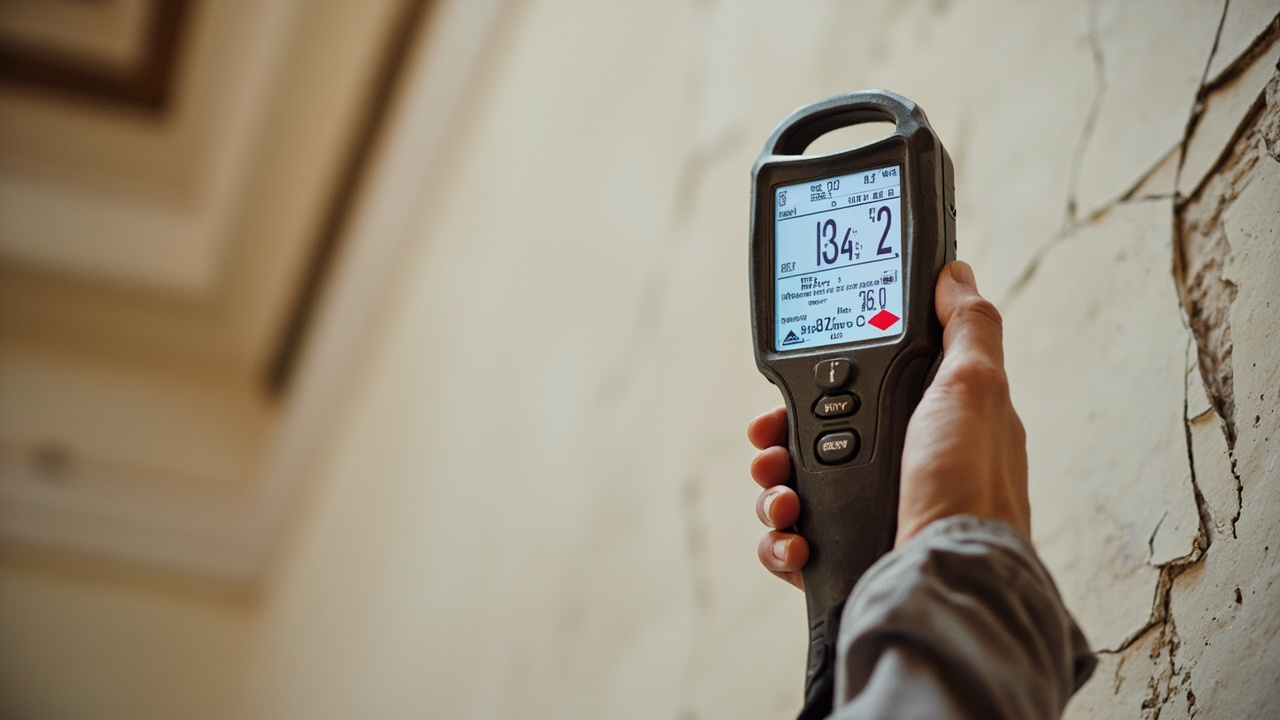
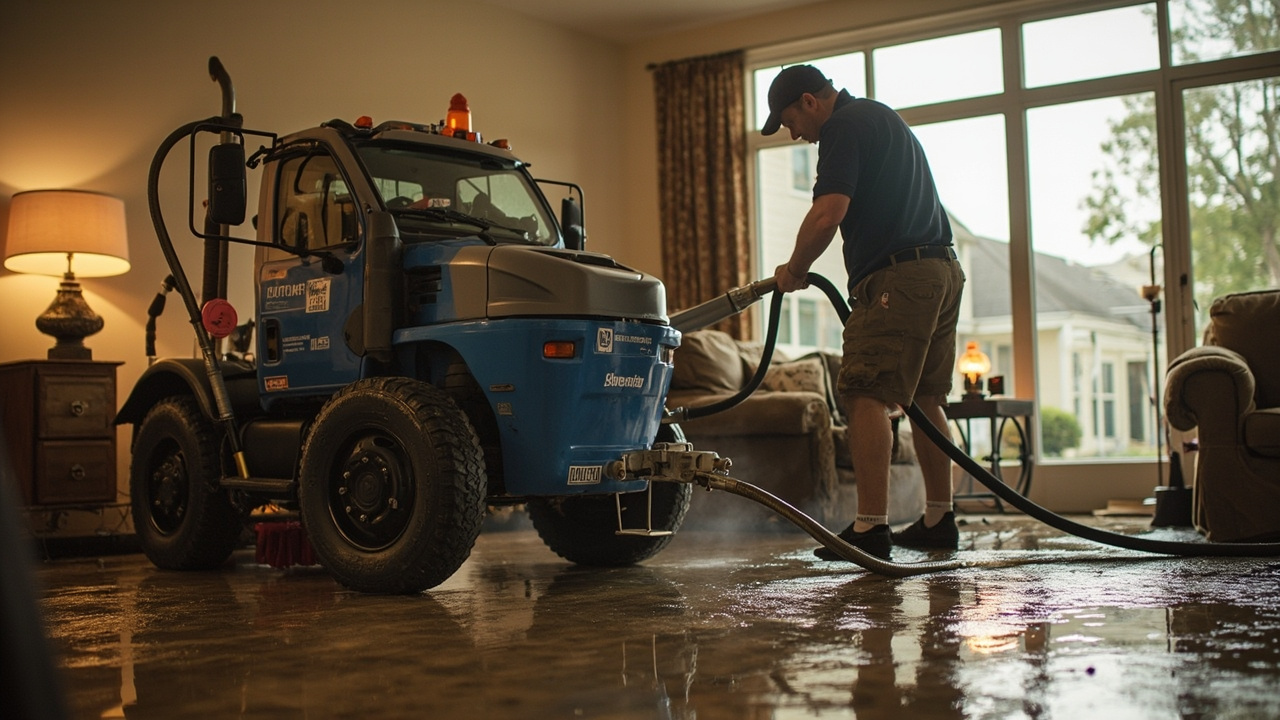
Water extraction follows fire suppression. We use truck-mounted extractors to pull standing water, then deploy commercial dehumidifiers calibrated for our 70 to 90 percent ambient humidity. Moisture meters track readings in framing lumber, subflooring, and wall cavities. We do not rely on surface drying. We verify moisture content below 15 percent throughout the structure before sealing anything.

Smoke residue requires chemistry. Alkaline cleaners lift soot from non-porous surfaces. Acid-based solutions neutralize residue on metals. We apply antimicrobial treatments to all affected surfaces because any remaining organic material becomes mold food in this climate. Every surface that touched smoke gets treated. HVAC systems get disassembled and decontaminated. Ductwork gets cleaned or replaced based on residue levels. Grand Water Damage Restoration New Orleans handles fire and smoke mitigation as a systems problem, not a cosmetic one.

What Happens During Fire Damage Recovery

Fire & Smoke Damage Restoration in New Orleans – Complete Structural Recovery from Fire Events
01

Emergency Stabilization

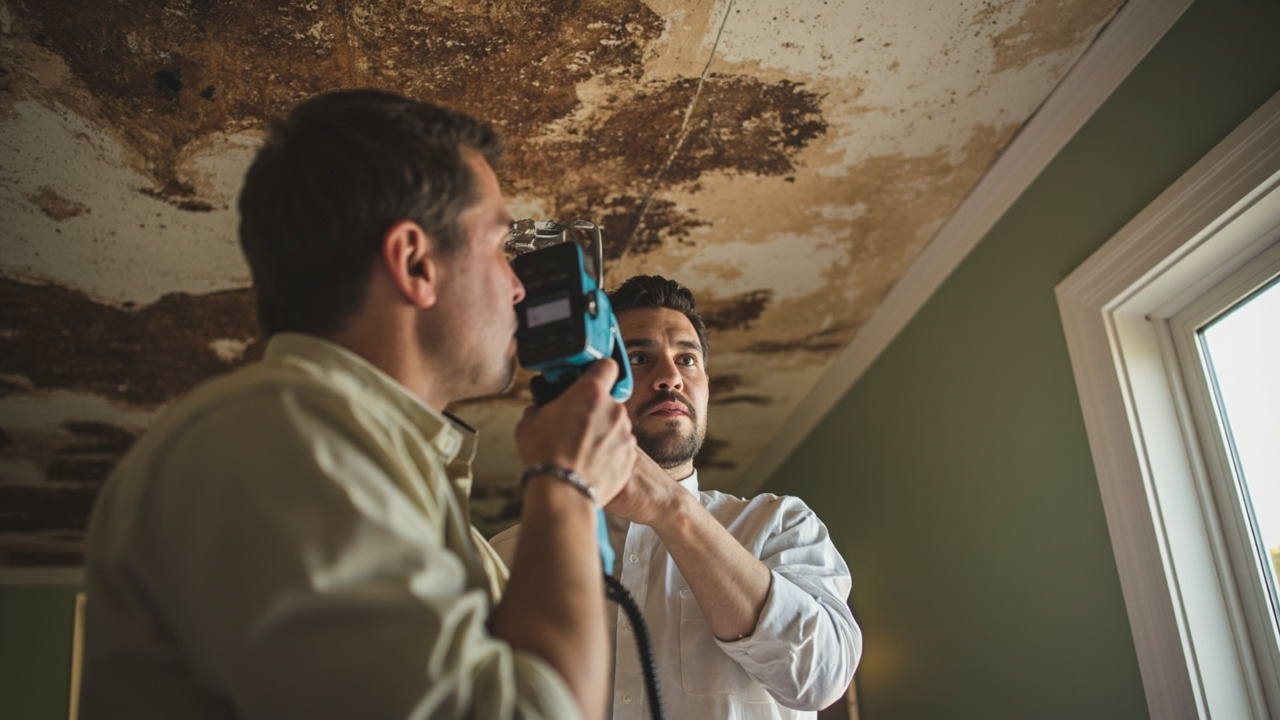
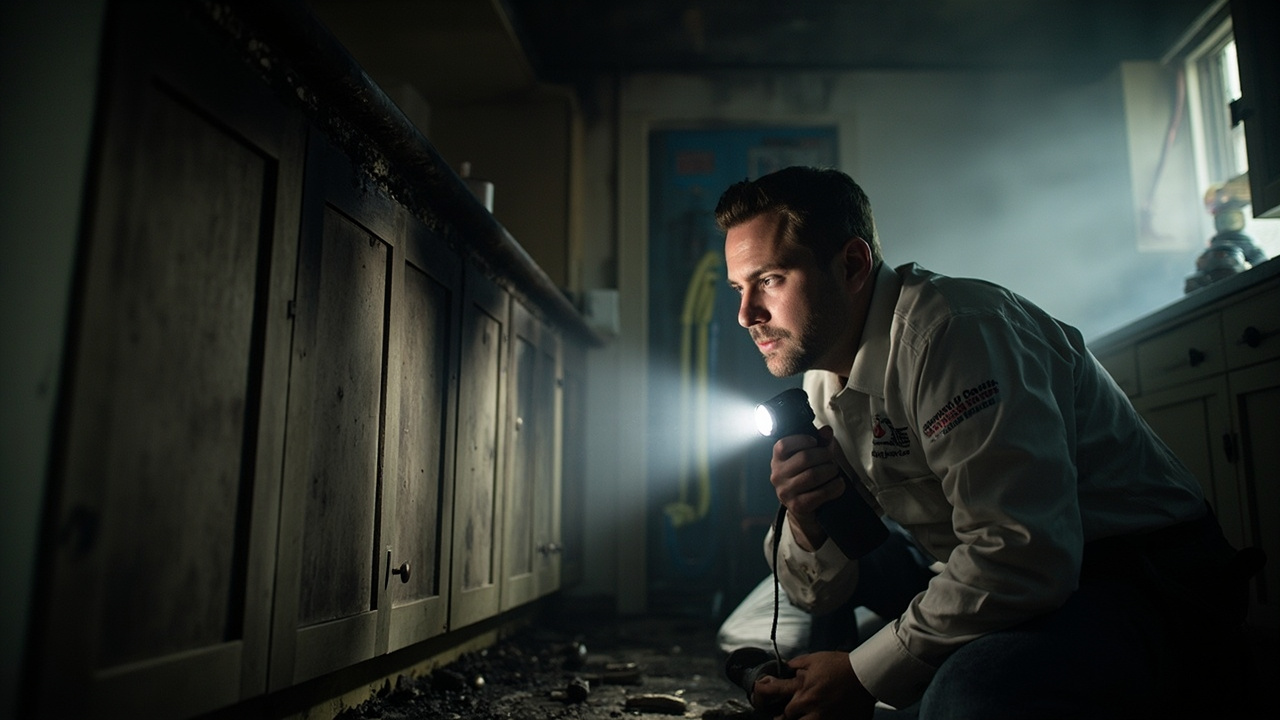
We secure your property within hours of your call. Tarping compromised roofing, boarding broken windows, and shutting down utilities prevent additional water intrusion and safety hazards. Our crews document all fire damage, water damage, and smoke penetration with thermal imaging and moisture mapping. You receive a preliminary scope before we move equipment onsite, so insurance adjusters have what they need to start your claim immediately.
02

Contaminant Removal

Soot and char get extracted using HEPA filtration systems that prevent cross-contamination to unaffected areas. We remove all porous materials that absorbed smoke, pull compromised insulation, and strip finishes down to structural components. Water extraction happens simultaneously using industrial pumps and dehumidifiers. Air scrubbers run continuously to capture airborne particulate. This phase eliminates the contamination source before cleaning begins, preventing recontamination during reconstruction.
03

Restoration and Verification

After all surfaces pass clearance testing for moisture content and particulate levels, reconstruction begins. We rebuild to current code, match existing finishes where possible, and upgrade systems damaged beyond repair. Final air quality testing confirms no remaining smoke residue or elevated particulate levels. You receive documentation of all moisture readings, cleaning protocols, and antimicrobial applications. The structure is returned to pre-loss condition with no lingering odor or hidden moisture pockets.

Why New Orleans Fire Cleanup Requires Local Expertise

Fire restoration in New Orleans is different than other markets. Our building stock includes structures from three centuries, each with unique materials and construction methods. A fire in a shotgun double in Bywater damages differently than one in a raised Creole cottage in Tremé. We know which historic materials can be salvaged and which must be replaced. We understand how smoke travels through balloon framing in older homes versus platform framing in newer construction.

Our climate accelerates every timeline. Mold begins colonizing within 48 hours of water introduction. Soot becomes permanent staining on porous surfaces within 72 hours. Metal fixtures start corroding from acidic smoke residue within a week. National restoration chains follow standardized protocols that do not account for our humidity or building types. They miss moisture trapped in wall cavities. They use cleaning methods that damage original materials. They leave jobs before mold has time to appear, then blame the homeowner when it does.

Grand Water Damage Restoration New Orleans operates year-round in this environment. We know which antimicrobials work in high humidity. We understand how to dry cypress framing without causing it to crack. We have relationships with millwork shops that can match historic moldings and architectural salvage yards that stock vintage fixtures. When your insurance adjuster questions our scope, we can reference local building codes, historic preservation standards, and climate-specific restoration protocols they cannot argue against.

We also understand the permitting process in Orleans Parish. Fire damage often requires electrical, plumbing, and structural permits before reconstruction begins. We coordinate inspections, manage contractor schedules, and ensure all work meets code before your final occupancy inspection. You do not chase permits. You do not manage subcontractors. You get updates and a completed project.

What to Expect from Fire Damage Repair Services

Response Time and Availability

We dispatch crews 24 hours a day, seven days a week. Most emergency stabilization happens within four hours of your call. Equipment arrives the same day for water extraction and dehumidification. Fire damage does not wait for business hours, and neither do we. Our crews work nights and weekends to prevent secondary damage from progressing. You receive a project manager's direct contact information at the initial visit. That person remains your single point of contact through final restoration. No call centers. No transfer chains. Direct access to the person managing your project.

Assessment and Documentation

Our initial assessment includes thermal imaging to identify hidden water damage, moisture mapping of all affected areas, and air quality testing for smoke particulate levels. You receive a written scope of work within 24 hours that breaks down every damaged component, required repair, and estimated timeline. We photograph everything before, during, and after restoration. Insurance companies require specific documentation formats. We know what they need and provide it in the format they request. This eliminates back-and-forth delays that postpone your claim approval and extends your displacement time.

Quality of Completed Work

Fire restoration is not about making things look clean. It is about verifying contamination removal at levels safe for occupancy. We use independent testing labs to confirm air quality meets EPA standards before you move back in. All structural repairs meet current building codes, even if your home predates those requirements. Finishes match existing materials or upgrade to your specifications. We do not use substitute materials because they cost less or arrive faster. You receive the same quality lumber, sheetrock, and fixtures specified in the original scope. Final walkthrough happens with you onsite, not through photos.

Post-Restoration Support

We provide written documentation of all work performed, including moisture readings, antimicrobial applications, and materials used. This protects you if future buyers question past damage during resale. We also offer guidance on HVAC filter replacement schedules, humidity control strategies, and signs of recurring moisture problems. If any issue appears related to our work, we return to assess it at no charge. You are not handed off to a warranty claims department. The same project manager who oversaw your restoration handles any follow-up concerns. This is not a contractor relationship. This is accountability.

Frequently Asked Questions

You Have Questions,
We Have Answers

How much does smoke damage restoration cost? +

Smoke damage restoration costs vary based on affected area size, soot depth, and materials impacted. Minor smoke cleaning in one room runs lower than full-home restoration after a major fire. New Orleans homes with older plaster walls or historic wood trim often require specialized cleaning techniques that affect pricing. Insurance adjusters evaluate structural damage, HVAC contamination, and contents loss separately. Odor removal, surface cleaning, and air filtration equipment add to labor costs. Request an inspection to document damage extent. Most policies cover smoke damage from sudden events. Get multiple quotes, but prioritize certified technicians who understand fire residue chemistry.

What does fire damage restoration include? +

Fire damage restoration includes emergency board-up, water extraction from firefighting efforts, structural drying, smoke and soot removal, odor neutralization, debris removal, and reconstruction. Teams assess structural integrity, remove charred materials, clean all surfaces with chemical sponges and specialized agents, treat HVAC systems, and restore air quality. In New Orleans, high humidity requires aggressive moisture control to prevent mold growth after water-based fire suppression. Contents are inventoried, cleaned, or replaced. Restoration covers flooring, drywall, framing, electrical, plumbing, and finishes. The goal is returning your property to pre-loss condition while meeting local building codes.

Can a fire-damaged house be repaired? +

Yes, most fire-damaged houses can be repaired if the foundation and primary structural elements remain intact. Engineers assess load-bearing walls, floor joists, and roof framing for heat damage and integrity. New Orleans homes with brick exteriors often survive fires better than full wood construction. Repairs involve replacing charred framing, rewiring electrical systems, cleaning or replacing HVAC ductwork, and rebuilding interiors. Extensive smoke infiltration requires deep cleaning of all surfaces. Insurance coverage determines repair feasibility versus total loss designation. Properties with compromised foundations, severe structural collapse, or hazardous material contamination face higher rebuild costs and longer timelines.

Can smoke damage be repaired? +

Yes, smoke damage is repairable through professional cleaning and odor removal. Soot particles penetrate porous surfaces like drywall, wood, fabric, and insulation. Technicians use dry chemical sponges, HEPA vacuums, and specialized detergents to lift residues without spreading them. Thermal foggers and ozone generators neutralize embedded odors in New Orleans homes where humidity can trap smells. HVAC systems need duct cleaning to prevent recirculation. Severe cases require sealing surfaces with encapsulants or replacing affected materials. Quick response prevents acidic soot from permanently etching glass, metal, and stone. Professional restoration restores air quality and prevents long-term corrosion.

Is it worth buying a house with fire damage? +

Buying a fire-damaged house can offer value if you understand repair costs and structural implications. Get a thorough inspection covering foundation integrity, framing damage, electrical and plumbing systems, and smoke contamination depth. In New Orleans, check for water damage from firefighting efforts that may have caused hidden mold in walls. Calculate renovation costs against market value. Properties with cosmetic smoke damage only may be worthwhile. Avoid homes with compromised structural elements, foundation cracks, or extensive soot infiltration unless you budget for full renovation. Title companies and lenders scrutinize fire history, affecting financing options and resale value.

Will insurance cover smoke damage? +

Most homeowner insurance policies cover smoke damage from covered perils like fire, lightning, or cooking accidents. Coverage includes cleaning, odor removal, structural repairs, and temporary living expenses during restoration. Document damage immediately with photos and detailed lists. In New Orleans, policies typically exclude damage from neglect or intentional acts. Adjusters inspect loss extent and determine payout based on your coverage limits and deductible. Business policies cover commercial properties under different terms. File claims promptly and keep receipts for all expenses. Restoration companies work directly with insurers to streamline the process and ensure proper documentation for full coverage.

At what point is a house not worth fixing? +

A house becomes not worth fixing when repair costs exceed 50 to 70 percent of the property's post-repair market value, or when structural damage is too severe. Foundation failure, complete roof collapse, extensive mold throughout framing, or hazardous contamination from chemicals often trigger total loss decisions. Insurance adjusters compare restoration estimates against replacement cost. In New Orleans, older homes with historic value may justify higher repair investments despite costs. Properties in flood zones with combined fire and water damage face compounded issues. Condemned structures with code violations or unsafe conditions require demolition. Financial feasibility depends on insurance coverage, property location, and resale potential.

What is the 30/30/30 rule for fire? +

The 30/30/30 rule for fire safety states that fire spreads through a home in 30 seconds, creates dense smoke in 30 seconds, and reaches temperatures over 1,000 degrees in 30 seconds. This rule emphasizes escape speed during active fires. For restoration context, it highlights why rapid professional response matters after fire suppression. Smoke residue begins bonding to surfaces within minutes, making immediate cleaning easier and more cost-effective. In New Orleans homes with high humidity, the 30/30/30 rule underscores why you cannot delay restoration work, as moisture accelerates soot penetration and enables mold growth within 24 to 48 hours.

Are houses destroyed by fire covered by insurance? +

Yes, houses destroyed by fire are typically covered by homeowner insurance policies under dwelling coverage. Policies pay for rebuilding or repair up to policy limits, minus your deductible. Total losses trigger replacement cost or actual cash value payouts based on your policy terms. Insurers require proof of loss through documentation and adjuster inspections. New Orleans policies may have specific exclusions for named storms or flooding, so fire coverage remains separate. Personal property, additional living expenses during rebuilding, and debris removal fall under different policy sections. Review your coverage limits annually to ensure adequate protection for rebuilding costs at current construction rates.

How much does it cost to clean up a burned down house? +

Cleaning up a burned down house costs between several thousand to over 50 thousand dollars, depending on structure size, debris volume, hazardous material presence, and demolition complexity. Full demolition and haul-away for an average home runs higher than partial cleanouts. New Orleans properties require permits for demolition and asbestos testing for older structures. Insurance policies often cover debris removal up to specific limits, typically 2 to 5 percent of dwelling coverage. Foundation removal, utility disconnection, and site grading add costs. Hire licensed contractors to handle hazardous ash, contaminated soil, and environmental disposal requirements to meet local regulations.

How New Orleans Humidity Complicates Fire and Smoke Mitigation

New Orleans averages 75 percent relative humidity year-round, creating ideal conditions for mold growth after fire suppression efforts flood your property with water. Firefighting operations can introduce 10,000 gallons of water into a residential structure in under an hour. In Phoenix or Denver, much of that moisture evaporates naturally within days. Here, it saturates organic materials like wood framing, insulation, and sheetrock, creating mold colonies that spread through wall cavities and HVAC systems. Smoke residue absorbs moisture from humid air, causing soot to penetrate deeper into porous surfaces over time. Standard drying protocols designed for low-humidity climates fail in our environment. Equipment must run longer. Dehumidifiers must pull more moisture. Without aggressive drying tailored to subtropical conditions, fire cleanup services become mold remediation projects within a week.
Water Damage Restoration Services in The New Orleans Area

While Grand serves the wider region with our expert water damage restoration services, we invite you to view our central operational location on the map. This helps you visualize our base of operations and understand our commitment to providing swift, efficient service across our service areas. Our team is strategically positioned to ensure rapid deployment when you need us most, so don't hesitate to contact us regardless of your specific location within our service radius.

Address:
Grand Water Damage Restoration New Orleans, 201 St Charles Ave, New Orleans, LA, 70170

Additional Services We Offer

Our news updates

Latest Articles & News from The Blogs

Standing water in your Gretna home requires an immediate response to prevent permanent structural issues and mold growth. Residents living…

Fast Flood Restoration Strategies for Gretna Homeowners

Standing water in your Gretna home requires an immediate response to prevent permanent structural issues and mold growth. Residents living…

Resolving Ceiling Water Damage and Leaks in Mid-City Apartments

Dealing with Ceiling Water Damage Repair in Mid-City New OrleansA damp spot on your ceiling in a Mid-City apartment requires…

Removing that stubborn musty smell from historic plaster walls in Esplanade Ridge

Living in a historic home in the Esplanade Ridge neighborhood offers a unique charm that modern builds cannot replicate. Those…

Contact Us

Fire damage spreads every hour you wait. Call Grand Water Damage Restoration New Orleans at (504) 355-2332 for immediate response. We deploy crews 24/7 to stop secondary damage and start your recovery today.