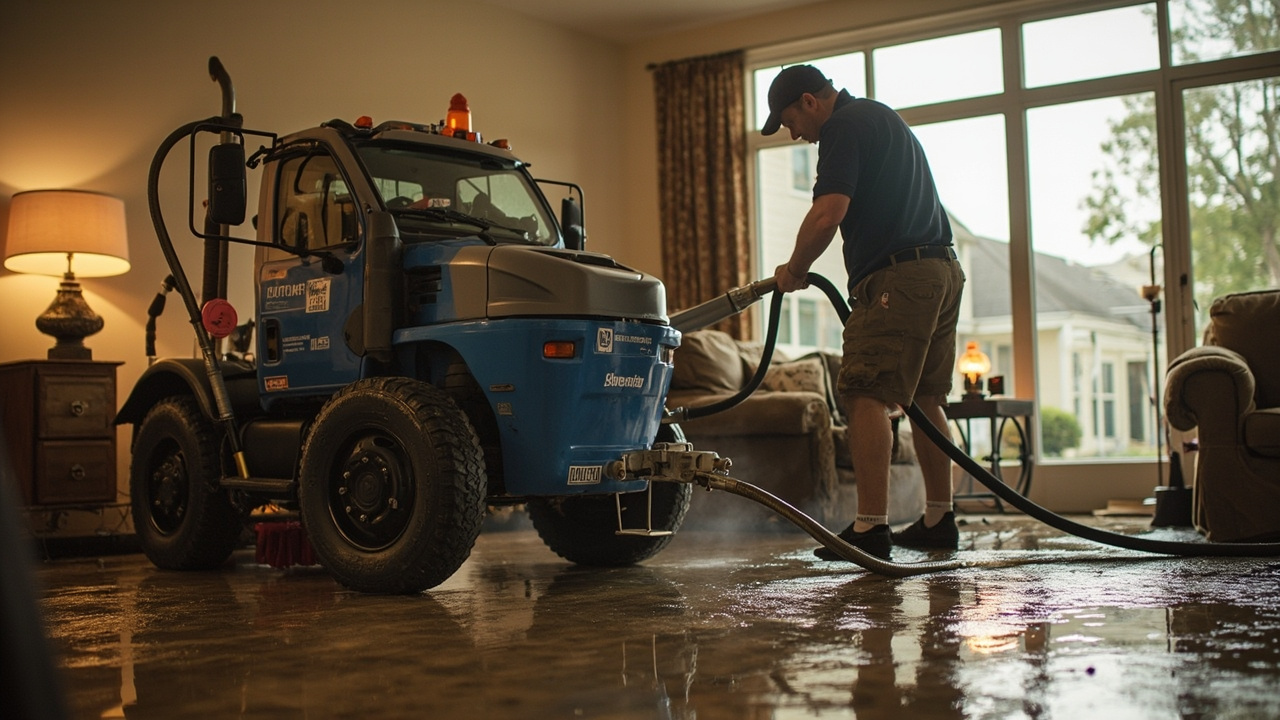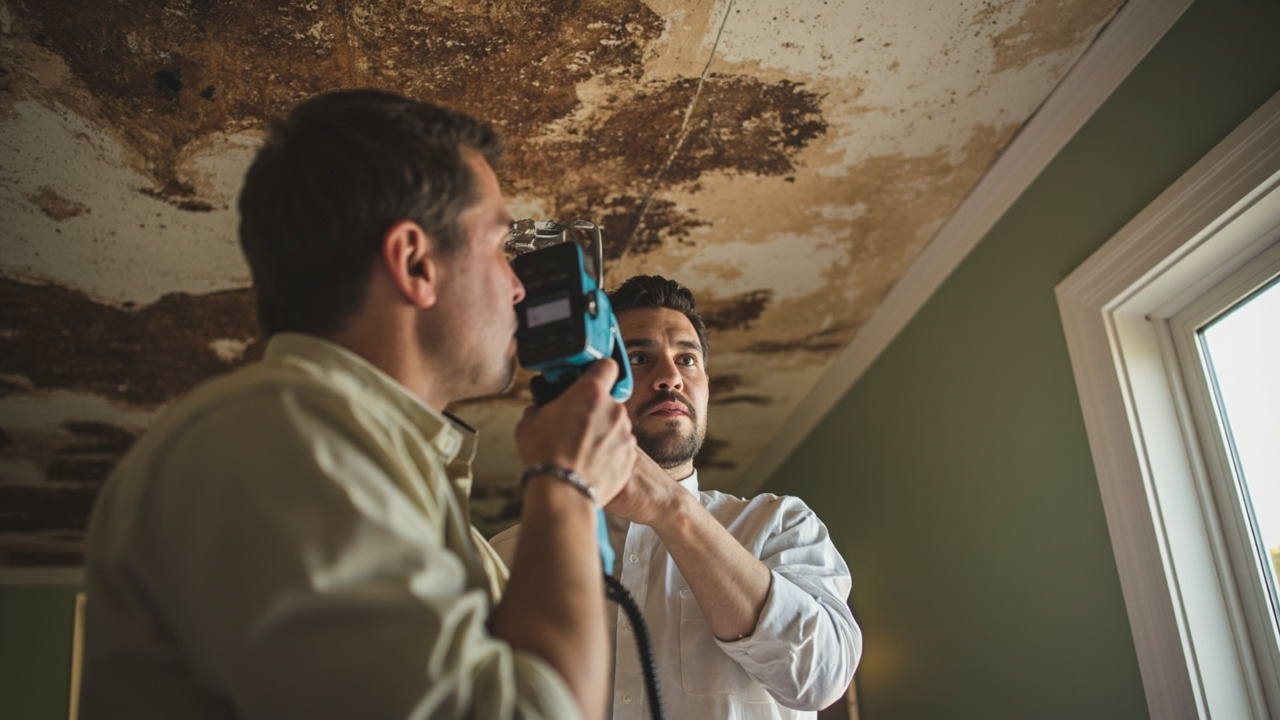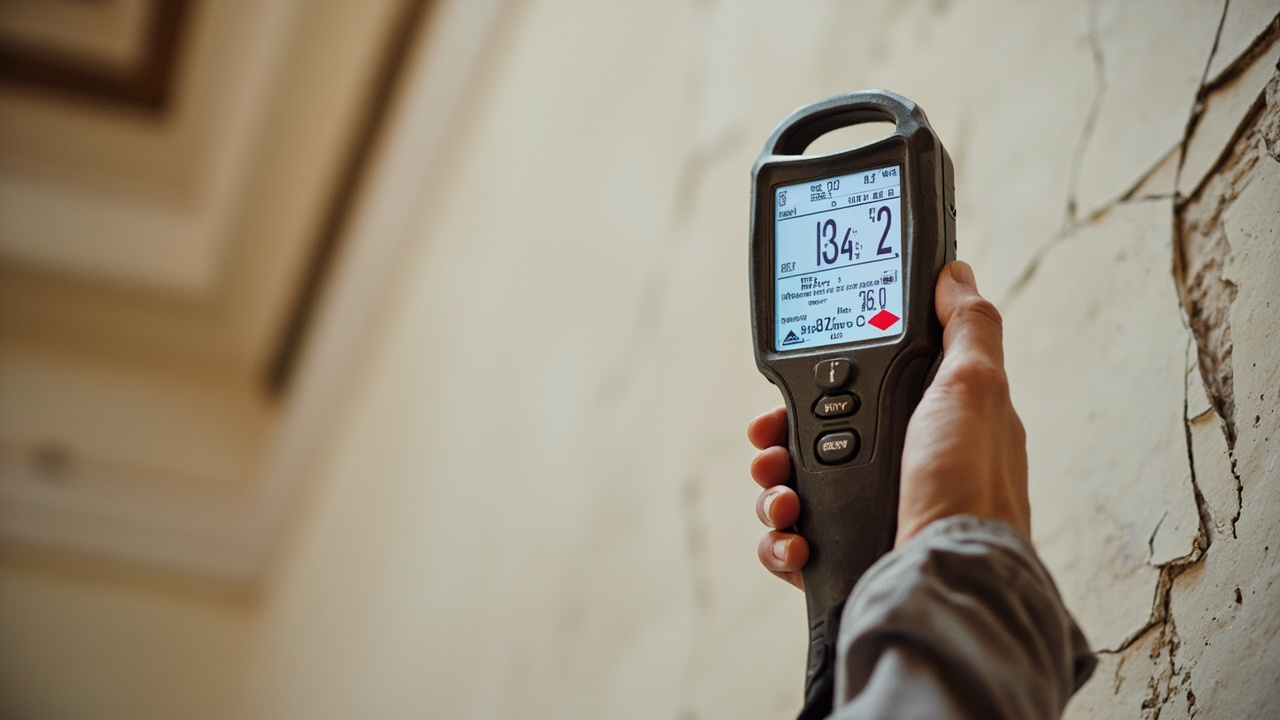





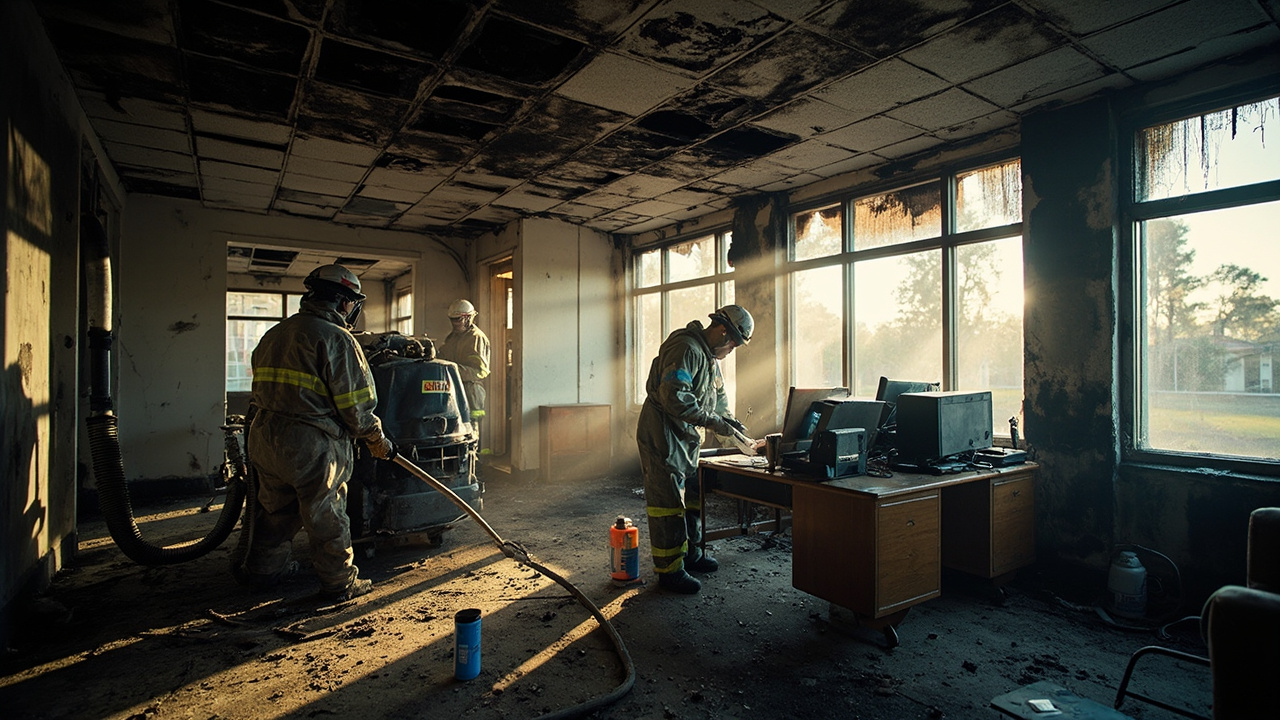
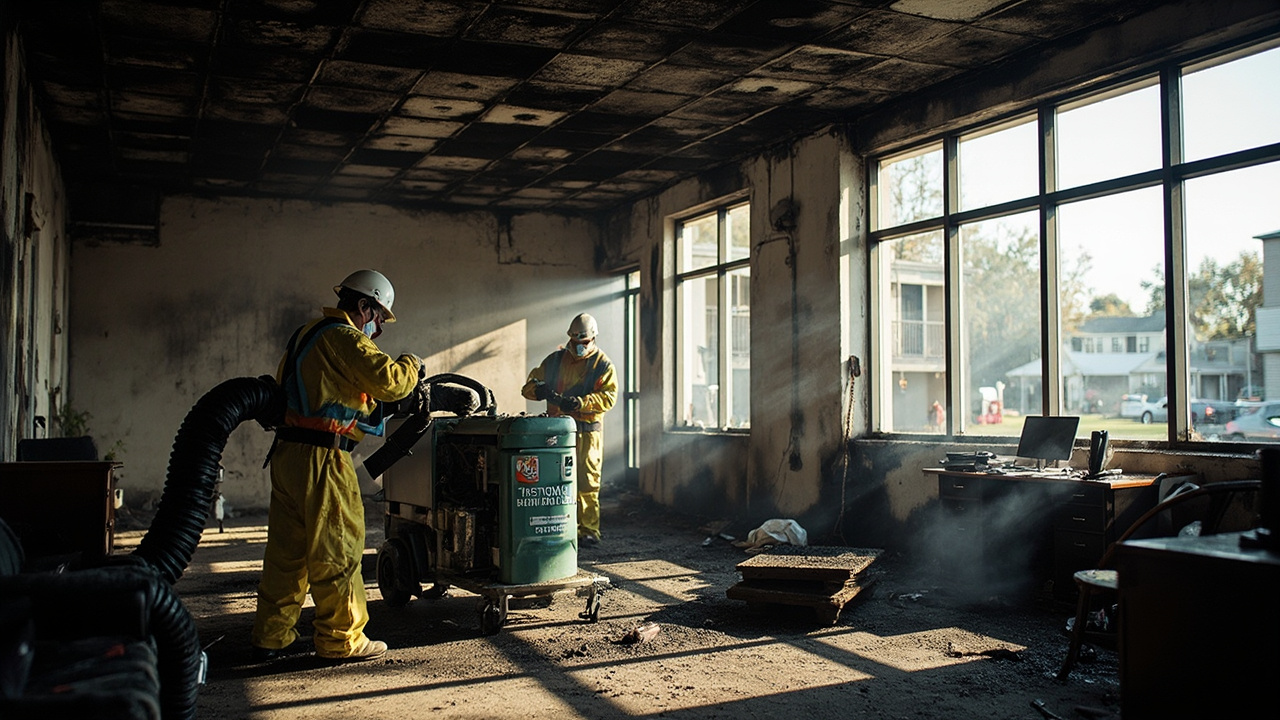

New Orleans averages 75 percent relative humidity year-round, which accelerates corrosion from acidic soot residue and creates ideal conditions for mold growth in fire-damaged structures. Suppression water that saturates walls, insulation, and subflooring does not dry naturally in this climate. Without commercial-grade dehumidification and air movement, mold colonies establish within 48 hours, transforming a fire loss into a biohazard remediation project. Buildings below sea level, common throughout the metro, face additional challenges with groundwater intrusion mixing with suppression water. Commercial smoke remediation must address both fire contamination and moisture control simultaneously, or your restoration fails.
Louisiana fire marshals enforce strict reoccupancy standards for commercial properties following fire events. Documentation must prove air quality meets OSHA particulate limits, structural members retain load-bearing capacity, and no hidden moisture remains that could compromise safety. Grand Water Damage Restoration New Orleans has worked with fire officials across Orleans Parish, Jefferson Parish, and St. Tammany Parish. We understand their inspection criteria and provide the testing results and certifications they require. Choosing a contractor unfamiliar with local requirements risks failed inspections, delayed reopening, and additional costs to meet compliance standards.