



menu

Soggy Insulation in New Orleans | Expert Diagnosis and Complete Removal Before Mold Takes Hold

When water saturates your insulation in New Orleans's humid climate, you need fast identification and professional extraction to stop hidden mold growth, structural rot, and skyrocketing energy bills before the damage spreads.

Slider Image 1
Slider Image 2
Slider Image 3
Slider Image 4
Slider Image 5
Slider Image 7
Slider Image 8
Slider Image 9
Slider Image 10
Slider Image 11

Why Soggy Insulation Is a Bigger Problem in New Orleans Than You Think

You walk into your attic and the smell hits you first. Musty. Wrong. Then you see it. The insulation is dark, sagging, and wet to the touch. Maybe you had a roof leak during the last storm. Maybe a pipe burst in the wall cavity. Whatever the source, you now have soggy insulation, and in New Orleans, that is a ticking clock.

New Orleans sits below sea level with year-round humidity averaging 75 percent. When insulation gets wet here, it does not dry out on its own. The moisture trapped in fiberglass batts or blown cellulose creates the perfect breeding ground for mold spores. Within 24 to 48 hours, you are looking at active mold colonization. Water damaged insulation loses its R-value immediately. Your HVAC system works harder. Your energy bills climb. The wood framing around the saturated insulation starts to soften and rot.

Homes in the Garden District and Uptown often have older crawl spaces with minimal vapor barriers. When groundwater rises or a slab crack allows moisture intrusion, the insulation under your floors becomes a sponge. Damp insulation does not just smell bad. It compromises your indoor air quality. You breathe in mold spores, dust mite waste, and off-gassing VOCs from wet building materials.

Soaked insulation also adds dead weight to ceiling joists not designed to carry the extra load. We have seen sagging ceilings in Lakeview homes where roof leaks went unnoticed for weeks. The wet insulation pulled the drywall down. What started as a small problem became a full gut job because the homeowner waited too long to call for help.

Why Soggy Insulation Is a Bigger Problem in New Orleans Than You Think
How Grand Water Damage Restoration New Orleans Removes Soggy Insulation the Right Way

How Grand Water Damage Restoration New Orleans Removes Soggy Insulation the Right Way

You cannot fix wet insulation. You remove it. We do not try to dry it in place. That approach leaves mold, bacteria, and contamination behind. Our team pulls all saturated insulation, inspects the framing and sheathing for secondary damage, treats any mold growth with EPA-registered antimicrobials, and installs new insulation only after confirming the space is dry and structurally sound.

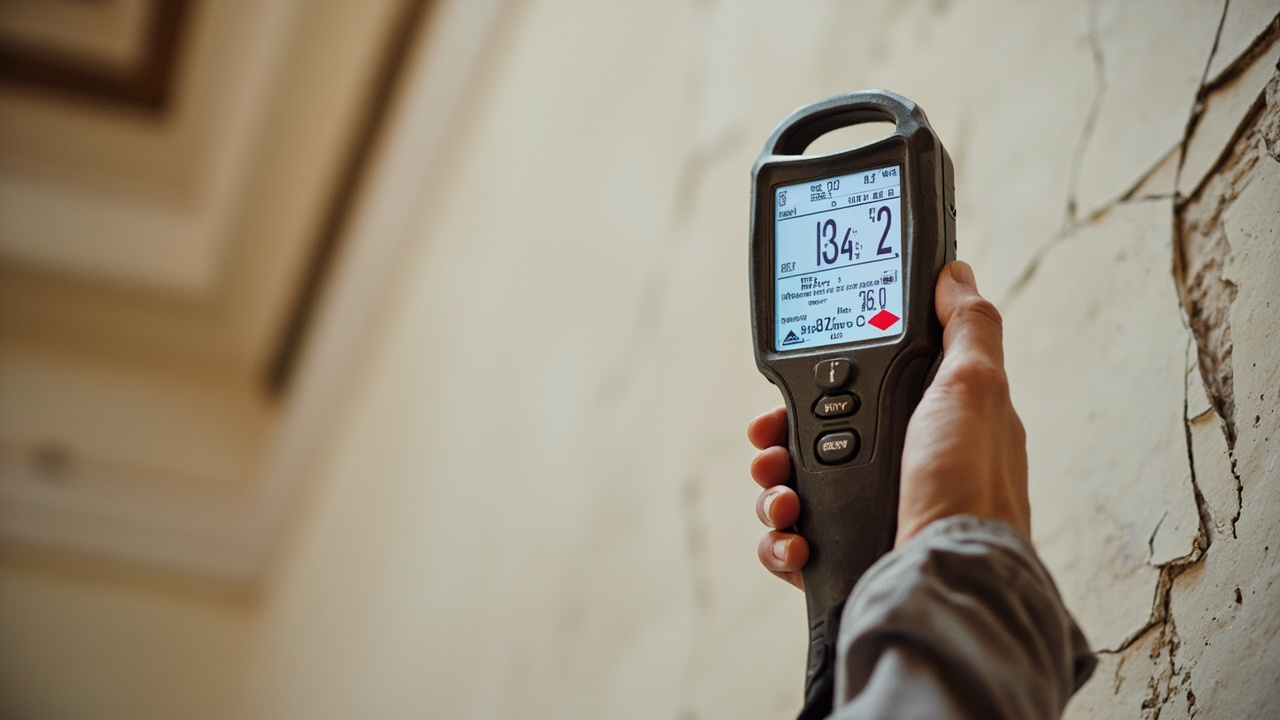
We start with moisture mapping using infrared cameras and pin-type meters. This shows us the full extent of the problem. Water travels. A roof leak in one corner can migrate along roof decking and soak insulation 10 feet away. We document everything for your insurance claim. Photos, moisture readings, and a written scope of loss go to your adjuster within 24 hours.

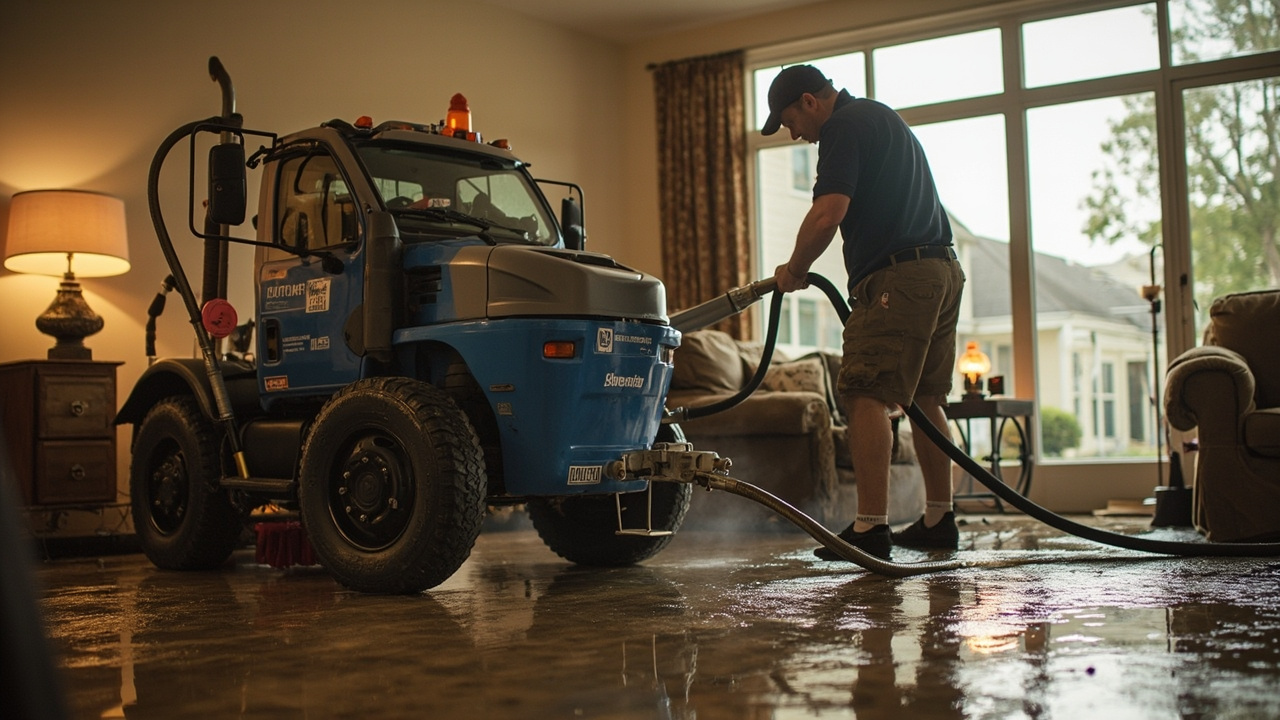
Removal happens under containment. We seal off the work area with polyethylene sheeting and run negative air machines with HEPA filtration. This keeps mold spores and fiberglass particles from spreading into your living spaces. All wet insulation goes into contractor bags and is disposed of according to Louisiana DEQ guidelines. If we find mold on the wood framing, we treat it with a fungicidal application, then verify clearance with ATP testing before any rebuild starts.

We work with your insurance company directly. Most policies cover sudden and accidental water damage. We know what adjusters need to see. We provide line-item estimates, thermal imaging reports, and detailed photos. You do not fight the carrier alone. Once the space is dry and treated, we coordinate with your insulation contractor or handle the reinstall ourselves if you prefer a single point of contact.

What Happens When You Call Us About Soggy Insulation

Soggy Insulation in New Orleans | Expert Diagnosis and Complete Removal Before Mold Takes Hold
01

Immediate Moisture Assessment

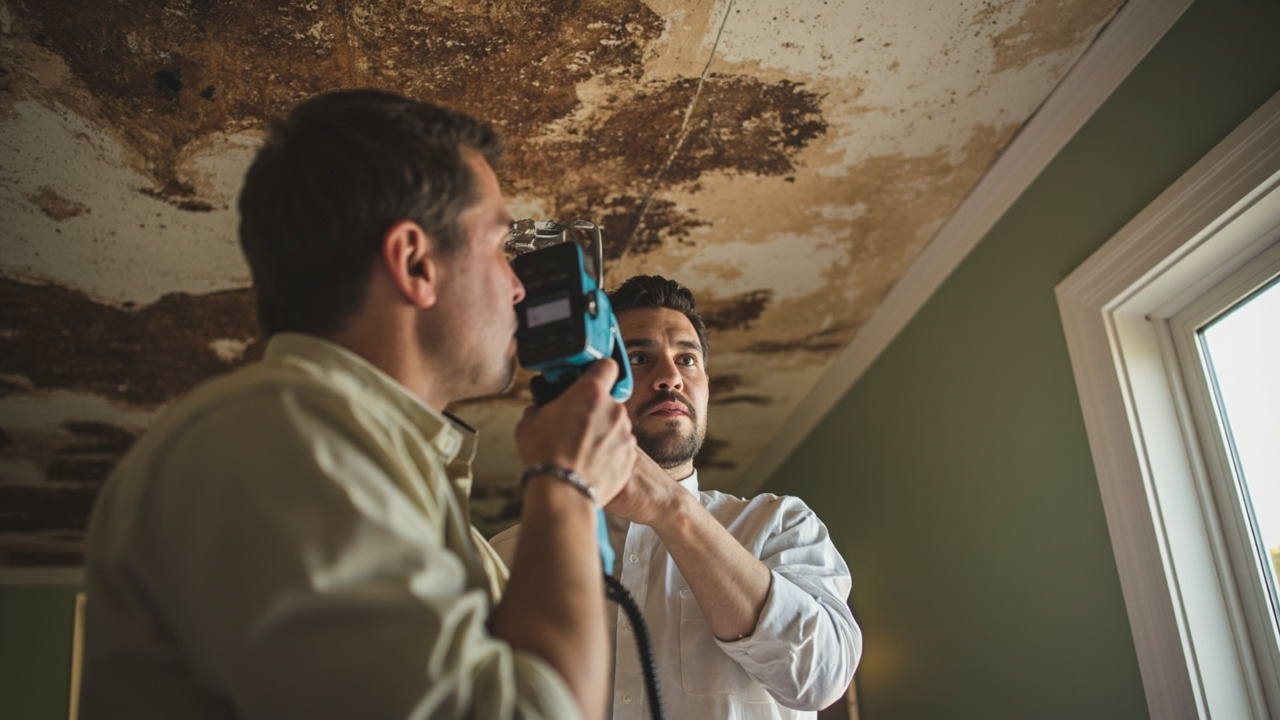
We arrive within two hours of your call. Our technician uses thermal imaging and moisture meters to map the wetness in your walls, ceilings, or floors. You get a clear picture of how far the water traveled and what materials are compromised. We identify the source, whether it is an active leak or residual saturation, and stop any ongoing intrusion before starting extraction.
02

Controlled Insulation Extraction

We set up containment barriers and negative air scrubbers to isolate the work zone. All soaked insulation is bagged and removed. We inspect the underlying structure for mold, rot, or water staining. If mold is present, we apply antimicrobial treatment and document the remediation for your insurance file. You see the framing cleaned and prepped for safe reinstallation.
03

Drying and Verification

We place commercial dehumidifiers and air movers to bring moisture levels below 15 percent in wood framing. Daily readings confirm progress. Once the structure is dry, we verify clearance with final moisture scans and ATP surface testing. You receive a completion report showing the space is safe, dry, and ready for new insulation or final rebuild.

Why New Orleans Homeowners Trust Grand Water Damage Restoration for Wet Insulation Problems

You need someone who knows the difference between a quick patch and a proper fix. We have been working in New Orleans long enough to know the common failure points. The flat roofs in Mid-City that pond water after heavy rain. The cast iron drain stacks in Broadmoor homes that crack and leak behind walls. The crawl spaces in Gentilly that flood when the water table rises after a tropical system.

We understand the local building code requirements under the City of New Orleans Department of Safety and Permits. If your project requires a permit for structural drying or mold remediation, we pull it and schedule the inspections. You do not get surprised by a failed final or a stop-work order. We follow the IICRC S500 Standard for water damage restoration and the S520 Standard for mold remediation. These are not suggestions. They are the protocols your insurance company expects and the methods that protect your health.

Our team is local. We live here. We have seen what happens when contractors take shortcuts. They spray some bleach, toss in a fan, and call it done. Two months later, you smell mold again. The insulation they left in place is still wet. The drywall is bowing. The problem is worse than when you started. We do not work that way. Every job gets thermal imaging, moisture documentation, antimicrobial treatment where needed, and a final verification report. You get proof the work was done right.

We also work directly with your insurance carrier. You do not translate between the adjuster and the contractor. We write the estimate in Xactimate, the same software the carrier uses. We provide the photos, the moisture logs, and the scope of work the adjuster needs to approve your claim. You get faster approvals and fewer disputes.

What to Expect When You Hire Us for Soggy Insulation Removal

Fast Response and Same-Day Assessment

We answer the phone 24 hours a day, seven days a week. When you call about wet insulation, we dispatch a technician within two hours. You do not wait three days for an estimate appointment. Our team arrives with moisture meters, thermal cameras, and the tools to start containment if needed. You get a written assessment and a plan of action before we leave. If the situation is urgent, we can start extraction the same day. Most residential insulation removals are completed within 48 hours of your first call.

Thorough Moisture Mapping and Documentation

We do not guess where the water went. Thermal imaging shows temperature differentials that indicate trapped moisture behind walls and above ceilings. Pin meters give us exact moisture content readings in wood framing and drywall. We map the affected area, photograph everything, and create a moisture log that tracks drying progress daily. This documentation goes to your insurance adjuster and proves the scope of work. You get a complete record of what was wet, what was treated, and when it returned to normal moisture levels.

Clean Removal and Safe Disposal

All saturated insulation is bagged in six-mil contractor bags and removed from your property. We do not leave debris in your yard or driveway. If fiberglass or cellulose insulation is contaminated with sewage or mold, we handle it as Category 3 waste per IICRC standards. Our team wears proper PPE, including respirators and Tyvek suits. Containment barriers and negative air machines prevent cross-contamination. You do not smell fiberglass dust in your living room or find insulation scraps in your air vents. The work area is cleaned, HEPA vacuumed, and left ready for drying equipment or rebuild.

Drying Verification and Final Clearance Report

After extraction, we place dehumidifiers and air movers to bring moisture levels down to acceptable standards. We take daily readings and adjust equipment as needed. Drying is complete when wood framing reads below 15 percent moisture content and drywall is below 12 percent. We verify clearance with final thermal scans and ATP surface testing if mold was present. You receive a completion report with all moisture readings, photos, and a statement that the structure is safe and dry. This report satisfies your insurance company and protects you if you sell the home later.

Frequently Asked Questions

You Have Questions,
We Have Answers

Will wet insulation ever dry out? +

Wet insulation rarely dries out properly, especially in New Orleans' high humidity climate. Fiberglass and cellulose absorb moisture like a sponge and retain it for weeks or months. Even if the surface feels dry, trapped moisture deep inside encourages mold growth and destroys thermal performance. New Orleans homes face year-round humidity that prevents complete evaporation. Compressed wet insulation loses its R-value permanently. If your attic or crawlspace insulation got soaked from a roof leak or flood, you need professional water extraction and inspection. Attempting to air-dry insulation in our climate wastes time and risks hidden mold colonies.

Will mold grow in wet insulation? +

Yes. Mold grows rapidly on wet insulation in New Orleans because our humidity stays above 60 percent most of the year. Organic materials in cellulose insulation provide food for mold spores. Fiberglass does not feed mold directly, but dust and debris trapped in wet fibers do. Once moisture penetrates insulation, mold spreads invisibly through the material. You smell the musty odor before you see visible growth. Mold releases spores into your HVAC system, circulating allergens throughout your home. Fast action prevents colonies from establishing. If insulation stays wet longer than 48 hours, mold contamination becomes likely.

How long does it take for mold to grow on wet insulation? +

Mold can start growing on wet insulation within 24 to 48 hours in New Orleans. Our warm, humid climate accelerates spore germination. Temperature between 77 and 86 degrees creates perfect conditions year-round. Cellulose insulation supports faster growth than fiberglass because of organic content. Attics in New Orleans often exceed 120 degrees in summer, which slows some mold types but encourages heat-tolerant species. Timing matters. Water damage from roof leaks or AC condensation needs immediate attention. Waiting three days almost guarantees mold establishment. Professional moisture detection finds hidden saturation before visible growth appears.

Does insulation need to be replaced after water damage? +

Yes, in most cases. Water-damaged insulation loses effectiveness permanently. Fiberglass compresses when wet and never regains full loft or R-value. Cellulose absorbs water and becomes a mold incubator. Spray foam resists moisture better but still requires inspection for hidden water intrusion behind it. New Orleans homes face additional challenges from storm flooding and high groundwater. If floodwater touched insulation, contamination from sewage and chemicals makes replacement mandatory. Insurance typically covers replacement after documented water damage. Professionals assess whether partial removal or complete replacement makes sense based on saturation extent and contamination type.

How to fix wet insulation? +

Stop the water source first. Locate and repair roof leaks, plumbing failures, or HVAC condensation issues. Remove wet insulation immediately because New Orleans humidity prevents natural drying. Wear protective gear including respirator, gloves, and eye protection. Bag contaminated material in heavy-duty plastic and seal it. Dry the affected cavity completely using dehumidifiers and fans. Treat framing with antimicrobial solution if mold appeared. Inspect for structural damage or remaining moisture with meters. Install new insulation only after cavities reach below 16 percent moisture content. Professional remediation ensures proper containment and prevents cross-contamination to clean areas.

Can mold grow on blown-in insulation? +

Yes. Blown-in insulation supports mold growth when wet, especially cellulose types made from recycled paper. The loose-fill structure traps moisture and creates air pockets where mold thrives invisibly. New Orleans attics with poor ventilation and roof leaks create perfect conditions. Blown-in fiberglass resists mold better than cellulose but still harbors growth on accumulated dust and debris. You cannot easily inspect blown-in insulation for hidden mold without removal. Attic moisture from condensation or storm-driven rain spreads through loose material quickly. If you smell mustiness or see water stains on ceilings, your blown-in insulation likely has mold.

Why is it hard to sell a house with spray foam insulation? +

Spray foam insulation creates concerns for buyers because it hides structural problems and complicates inspections. Inspectors cannot see framing, wiring, or plumbing behind foam. Removal costs thousands if repairs become necessary. Some spray foam applications trap moisture against wood, causing hidden rot in New Orleans' humid climate. Improperly installed foam blocks natural wood movement, cracking foundations. Mortgage appraisers sometimes flag homes with spray foam for additional inspection requirements. Off-gassing from low-quality foam raises health concerns. These issues do not make homes unsellable, but they trigger buyer hesitation and negotiation. Professional installation with proper ventilation design minimizes problems.

What are the symptoms of insulation sickness? +

Insulation sickness comes from mold exposure, fiberglass particles, or chemical off-gassing. You experience respiratory irritation, persistent coughing, and throat scratching. Headaches and fatigue worsen when you spend time at home. Skin develops rashes or itching from fiberglass contact. Eyes become red and watery. New Orleans homes with wet insulation amplify these symptoms because mold releases mycotoxins into air. Some people develop sinus infections that will not resolve. Asthma worsens noticeably. If symptoms improve when you leave home and return when you come back, your insulation likely harbors contaminants. Professional air quality testing identifies specific triggers.

How do Japanese bathrooms not get mold? +

Japanese bathrooms resist mold through superior ventilation, quick-drying materials, and daily maintenance practices. They use exhaust fans that run longer and move more air than American standards. Wall and floor materials dry rapidly and lack porous grout lines where mold hides. Japanese homeowners squeegee surfaces after every shower and leave doors open for airflow. New Orleans bathrooms trap humidity because our climate provides no dry season for natural evaporation. Adopting Japanese practices helps but requires upgraded ventilation and material changes. Running exhaust fans for 30 minutes after showering and wiping surfaces reduces mold significantly in our humid environment.

What are the first signs of mold sickness? +

Early mold sickness shows as unexplained respiratory symptoms. You develop a persistent cough that will not resolve with typical treatments. Sinus congestion becomes constant, especially worse at night or mornings. Headaches occur without clear cause and improve when you leave home. Fatigue feels overwhelming despite adequate sleep. Eye irritation and throat scratchiness persist. Some people experience brain fog and difficulty concentrating. New Orleans residents often dismiss these symptoms as allergies because our environment triggers similar reactions. If multiple family members develop symptoms simultaneously, mold exposure becomes likely. Professional mold inspection identifies hidden growth before health effects worsen.

How New Orleans's Below-Sea-Level Geography Makes Soggy Insulation a Year-Round Risk

New Orleans sits in a bowl. When heavy rain overwhelms the pump stations or a tropical system pushes the water table up, moisture finds its way into crawl spaces, slab cracks, and foundation seams. Homes built on pier-and-beam foundations in areas like the Bywater or the Marigny often have inadequate vapor barriers. Ground moisture wicks up into floor joists and soaks the insulation from below. You do not see a leak. You just notice the floors feel cold or the smell gets worse in summer. The high water table combined with 60 to 80 inches of annual rainfall means your insulation is constantly at risk of saturation, even without a catastrophic event.

We know the building methods common to New Orleans. The shotgun doubles with shared attic spaces. The raised Creole cottages with open crawls. The mid-century brick ranches in Lakeview with low-pitch roofs that hold water. We have worked in all of them. We understand the drainage issues, the roof valley failures, and the plumbing risks that come with older cast iron and galvanized steel. When you hire a local team, you get someone who knows where to look and what to expect. We do not learn on your property. We walk in with a decade of experience in this exact environment.
Water Damage Restoration Services in The New Orleans Area

While Grand serves the wider region with our expert water damage restoration services, we invite you to view our central operational location on the map. This helps you visualize our base of operations and understand our commitment to providing swift, efficient service across our service areas. Our team is strategically positioned to ensure rapid deployment when you need us most, so don't hesitate to contact us regardless of your specific location within our service radius.

Address:
Grand Water Damage Restoration New Orleans, 201 St Charles Ave, New Orleans, LA, 70170

Additional Services We Offer

Our news updates

Latest Articles & News from The Blogs

Living in a historic home in the Esplanade Ridge neighborhood offers a unique charm that modern builds cannot replicate. Those…

Removing that stubborn musty smell from historic plaster walls in Esplanade Ridge

Living in a historic home in the Esplanade Ridge neighborhood offers a unique charm that modern builds cannot replicate. Those…

Why your Westbank home might have a hidden shower pan leak and the best next steps

Westbank homeowners in Gretna and Marrero face specific plumbing challenges due to the local environment. High humidity levels and shifting…

Why ignoring a slow water heater leak in Carrollton destroys your home

A tiny puddle under your water heater in the 70118 zip code might look like a minor inconvenience. In the…

Contact Us

Soggy insulation does not fix itself. Every hour you wait, mold spreads and your structure weakens. Call us at (504) 355-2332 for a same-day assessment. We answer 24/7 and dispatch immediately. Get your home dry, safe, and rebuilt the right way.