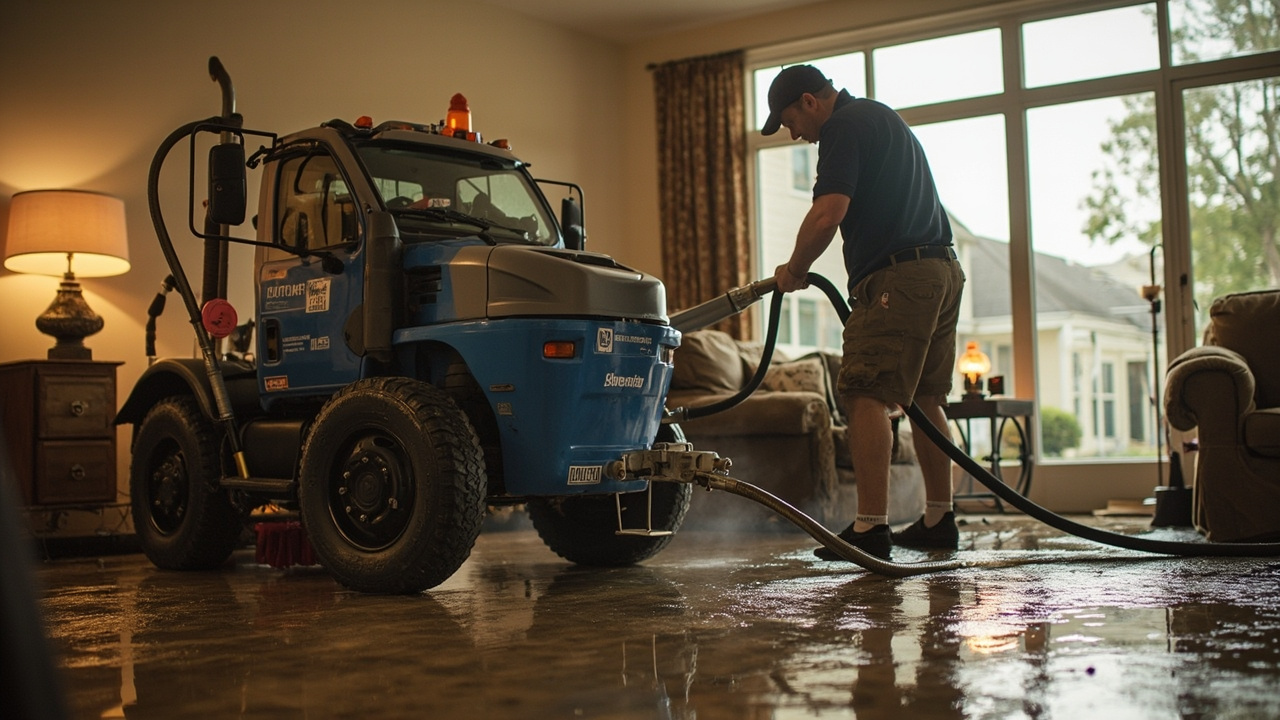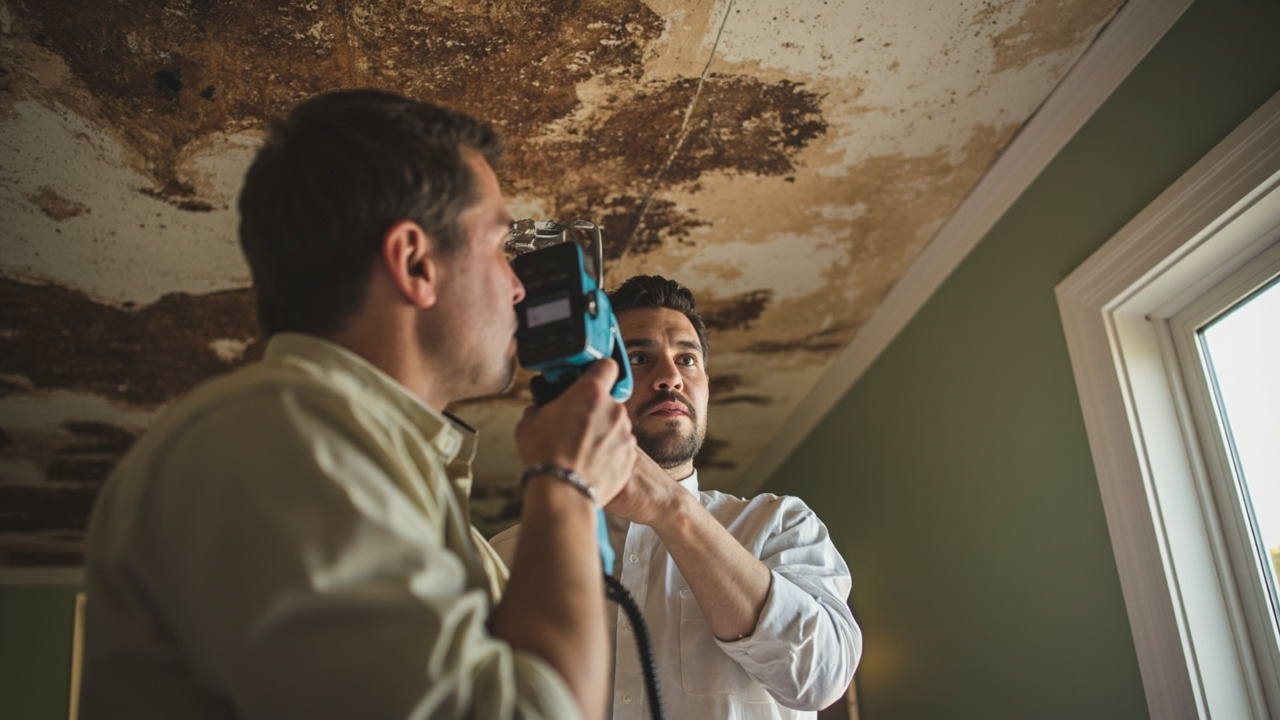







New Orleans sits at or below sea level across most residential neighborhoods. The water table ranges from 3 to 6 feet below grade, which means groundwater exerts constant hydrostatic pressure on slab foundations and crawlspaces. When a water heater ruptures, released water does not just spread horizontally. It saturates subflooring, wicks into floor joists, and migrates toward the lowest point in your structure. Homes built on pier-and-beam foundations in areas like the Garden District or Gentilly allow water to pool beneath living spaces, creating perfect conditions for mold colonization in hidden cavities. Emergency water heater water removal must address both visible surface water and hidden saturation below finished floors.
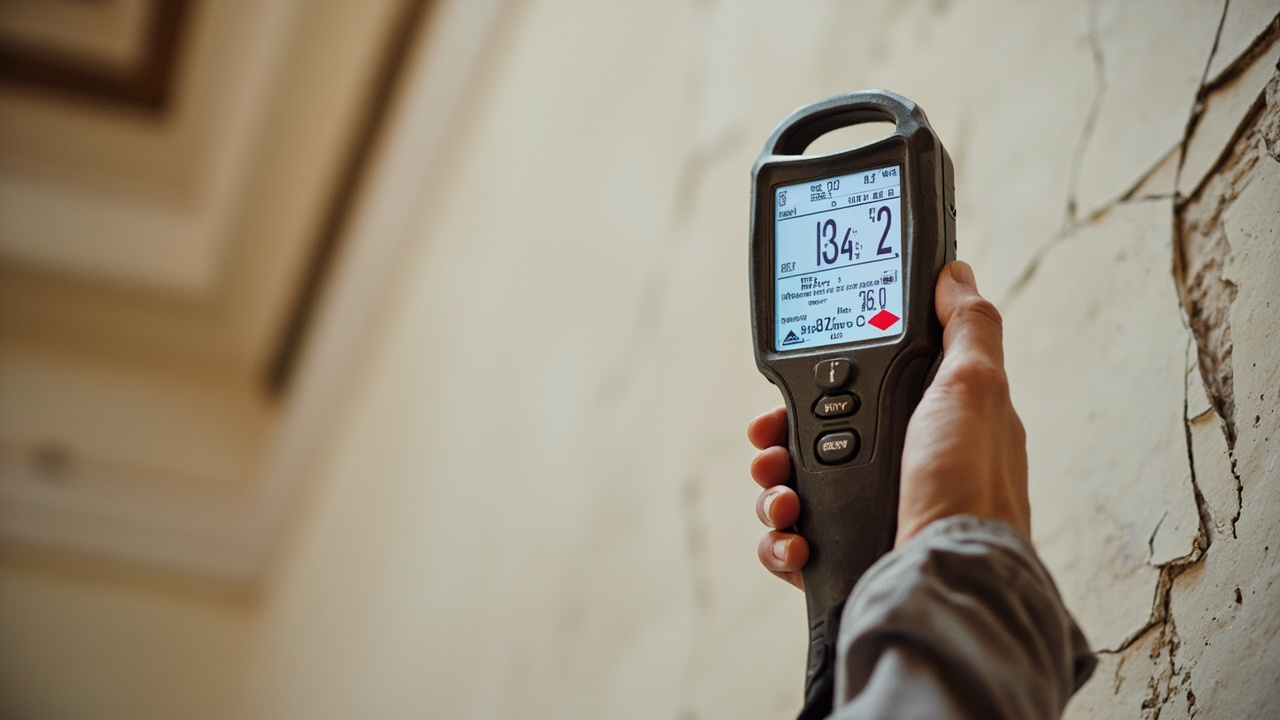
Louisiana's year-round humidity complicates structural drying. Ambient moisture levels average 70 to 80 percent relative humidity, even in winter months. Standard drying equipment calibrated for arid climates cannot pull moisture efficiently in New Orleans conditions. Grand Water Damage Restoration New Orleans uses low-grain refrigerant dehumidifiers designed for high-humidity environments and adjusts drying protocols to account for slow evaporation rates in saturated subflooring and plaster walls. Our technicians understand Orleans Parish building codes and coordinate with local inspectors when ruptured water heater cleanup services require structural repairs. Choosing a company that knows New Orleans's unique moisture challenges prevents incomplete drying and hidden mold growth months after the initial flood.