



Harvey sits in the heart of Jefferson Parish's low-lying drainage basin, where properties face constant water intrusion risks from multiple sources. The area's elevation averages just three feet above sea level, making homes and businesses vulnerable during heavy rainfall events that overwhelm the Harvey Canal and Westwego drainage systems. Tropical storms and hurricanes bring storm surge up the Intracoastal Waterway, flooding properties from Lapalco Boulevard to the Oakwood Shopping Center area.
The clay soil beneath Harvey compounds these problems. When saturated, it expands and contracts, cracking foundation slabs and allowing groundwater seepage into crawl spaces and basements. Older properties near Manhattan Boulevard and along Lapalco often have outdated plumbing systems with cast iron pipes that corrode and fail without warning. The humid subtropical climate keeps humidity levels elevated year-round, meaning any water intrusion quickly leads to mold growth within 48 hours if not properly remediated.
Hurricane season from June through November brings the greatest risk, but Harvey properties also flood from backed-up storm drains during summer thunderstorms, frozen pipes during rare winter freezes, and AC condensate line failures in older systems. The combination of geography, climate, and aging infrastructure makes professional water damage response essential for property owners throughout Harvey.
Grand Water Damage Restoration New Orleans has operated across Jefferson Parish for years, responding to thousands of water emergencies in Harvey and surrounding communities. Our technicians know the specific challenges Harvey properties face because we work here every day. We understand how the drainage systems function, which neighborhoods flood first during heavy rain, and how local building construction affects water intrusion patterns.
Our response begins the moment you call (504) 355-2332. We dispatch immediately with truck-mounted extraction units, commercial dehumidifiers, air movers, and moisture detection equipment. Every technician carries IICRC certification in water damage restoration and applied structural drying, meaning they follow science-based protocols to remove water and prevent secondary damage. We document everything with thermal imaging and moisture meters, creating the detailed records your insurance company requires for claim approval.
We work directly with all major insurance carriers and handle the claims process on your behalf. Our estimators prepare accurate scope documents using Xactimate software that adjusters recognize and approve quickly. This removes the burden from you during an already stressful situation. We also coordinate with plumbers, electricians, and rebuild contractors when needed, managing the entire restoration from emergency response through final reconstruction.
What separates us is our commitment to complete drying, not just surface cleanup. We monitor moisture levels daily until readings confirm your property has returned to normal dry standards. This prevents mold growth, wood rot, and the musty odors that plague improperly dried structures. Harvey property owners choose us because we do the work right the first time, preventing problems that show up weeks or months after other companies leave.

Our trucks stay stocked and ready across Jefferson Parish. When you call with a water emergency, we dispatch within minutes, not hours. Speed matters because water spreads rapidly through building materials, and delays increase damage exponentially. We arrive ready to start extraction immediately, stopping water migration before it destroys flooring, walls, and contents.

We handle the entire insurance claims process, from initial documentation through final approval. Our estimators speak the language adjusters understand and prepare detailed scope documents that get approved quickly. This means faster payment and less stress for you. We work with every major carrier and know exactly what documentation they require for water damage claims.
Every technician carries current IICRC certification in water damage restoration and applied structural drying. This means they follow industry standards for moisture detection, extraction methods, and drying protocols. Certification ensures your property gets restored using proven techniques, not guesswork. We monitor moisture levels daily and adjust equipment placement based on actual readings, not assumptions.
We serve every neighborhood in Harvey, from the properties along the Harvey Canal to homes near Behrman Highway. Our technicians know local construction methods, understand how Harvey's drainage systems work, and recognize the specific water damage patterns that affect different areas. This local knowledge means faster diagnosis and more effective restoration solutions for your property.
Grand Water Damage Restoration New Orleans provides comprehensive water removal and structural drying services for Harvey residential and commercial properties. Our service range covers everything from emergency flood extraction to complete mold remediation following water intrusion. We handle projects of any size, from single-room water heater failures to entire properties flooded during tropical storms.
Our approach combines immediate emergency response with thorough restoration protocols. We start with rapid water extraction using truck-mounted pumps and portable extractors, removing standing water before it saturates structural materials. Then we deploy industrial dehumidifiers and air movers in strategic placement patterns based on moisture readings and airflow analysis. Throughout the drying process, we monitor progress with thermal imaging cameras and moisture meters, adjusting equipment until readings confirm complete drying.
Every water damage situation requires different techniques and equipment. A burst supply line needs different treatment than storm surge flooding or sewage backup. We assess each situation individually and deploy the right combination of extraction methods, drying equipment, antimicrobial treatments, and structural repairs. The services below represent our three main categories of water damage response, each addressing different water sources and contamination levels that affect Harvey properties.
Clean water damage comes from supply line failures, water heater ruptures, appliance malfunctions, and rainwater intrusion. These situations involve water that does not contain sewage or chemical contamination. We respond immediately to extract standing water, remove saturated materials like carpet padding and insulation, and deploy drying equipment to prevent mold growth. Even clean water causes serious damage if not removed quickly, warping hardwood floors, damaging drywall, and creating conditions for microbial growth within 48 hours.
Gray water contains biological or chemical contamination from sources like washing machine overflows, dishwasher failures, sump pump backups, and toilet overflows without feces. This category requires additional safety protocols and antimicrobial treatment. Our technicians wear protective equipment during extraction and apply EPA-registered disinfectants to affected surfaces. We remove porous materials that cannot be adequately sanitized and treat remaining structures to prevent bacterial growth and odors.
Black water involves sewage, toilet backups with feces, and floodwater from rivers or storm surge that contains soil, chemicals, and biological hazards. This represents the most dangerous category of water damage. We follow strict containment protocols to prevent cross-contamination, dispose of all affected porous materials, and perform complete sanitization of structural surfaces. Our technicians use full protective equipment and industrial antimicrobials rated for sewage contamination. This level of cleanup requires expertise to protect occupant health.
Harvey's unique geography and climate create specific water damage patterns that property owners encounter repeatedly. The combination of low elevation, clay soil, aging infrastructure, and tropical weather systems means most properties will face water intrusion at some point. Understanding these common problems helps property owners recognize early warning signs and respond quickly to minimize damage.
Hurricane and tropical storm flooding represents the most widespread threat, with storm surge pushing water up from the Intracoastal Waterway and heavy rainfall overwhelming drainage systems. Even properties that escaped previous storms remain vulnerable as climate patterns shift and storm intensity increases. Between hurricanes, summer thunderstorms drop several inches of rain in hours, flooding streets and backing water into properties through foundation cracks and failed sump pumps.
The clay soil beneath Harvey expands when wet and contracts when dry, creating ongoing stress on foundation slabs and basement walls. This movement opens cracks that allow groundwater seepage during wet periods. Older properties near the Harvey Canal and along Manhattan Boulevard show the most foundation-related water problems. Plumbing failures add to the risk, with corroded pipes bursting without warning and water heaters failing as they age past their expected lifespan. Each of these situations requires immediate professional response to prevent extensive secondary damage.
Harvey's low elevation makes properties vulnerable to storm surge from the Intracoastal Waterway and Gulf of Mexico during hurricanes and tropical storms. Water rises quickly and floods entire neighborhoods, contaminating structures with saltwater, sewage, and chemicals. This requires complete water extraction, thorough drying, and antimicrobial treatment to prevent ongoing damage and health hazards.
Clay soil movement creates foundation cracks that allow groundwater to seep into crawl spaces and basements during heavy rain periods. Property owners often discover moisture problems after noticing musty odors or seeing water stains on basement walls. These situations require extraction, structural drying, and often foundation waterproofing to prevent recurring problems.
Aging plumbing systems fail without warning, releasing hundreds of gallons before homeowners discover the problem. Corroded supply lines, failed water heater tanks, and frozen pipes during winter cold snaps cause sudden flooding that damages flooring, walls, and contents. Immediate water extraction prevents the spread of damage to additional rooms and building materials.
Air conditioning systems in Harvey run constantly during summer months, producing gallons of condensate that drains through small pipes. When these lines clog or disconnect, water floods into walls and ceilings unnoticed until significant damage occurs. Refrigerator ice makers, washing machines, and dishwashers also develop slow leaks that saturate flooring and create hidden mold growth behind cabinets.
When water damage strikes your Harvey property, you need immediate help and clear communication about what happens next. Grand Water Damage Restoration New Orleans operates with complete transparency from your first phone call through final restoration. We explain every step of the process, keep you informed as work progresses, and answer questions throughout the project.
Your experience begins with our emergency dispatch team, available 24/7 at (504) 355-2332. We gather essential information about your situation and dispatch the nearest crew within minutes. Our technicians arrive in fully equipped trucks ready to begin water extraction immediately, not hours later after gathering equipment. This speed prevents water from spreading through your property and causing additional damage.
Throughout the restoration process, we maintain constant communication. You receive daily updates on moisture readings, equipment adjustments, and timeline expectations. Our project managers explain insurance procedures, coordinate additional trades when needed, and ensure you understand each phase of work. We respect your property, maintain clean work areas, and treat your home or business with the same care we would want for our own. The expectations below outline what you can count on when working with our team.
When you call with a water emergency, we dispatch immediately. Our trucks stay stocked with extraction pumps, dehumidifiers, air movers, and moisture detection equipment so technicians arrive ready to work. We begin removing standing water within minutes of arrival, using truck-mounted extractors for large volumes and portable units for targeted extraction. Speed matters because water spreads rapidly through building materials, and every minute of delay increases damage and restoration costs.
We document everything with photos, thermal imaging, moisture readings, and detailed notes. This creates the evidence your insurance company needs to approve your claim quickly. Our estimators prepare professional scope documents using Xactimate software that adjusters recognize and trust. We communicate directly with your insurance carrier, answer their questions, and handle the paperwork so you can focus on getting your life back to normal instead of fighting with claims processors.
We do not remove equipment until moisture readings confirm your property has reached normal dry standards. Our technicians monitor progress daily with thermal cameras and moisture meters, adjusting equipment placement based on actual data. We test multiple locations in affected materials and compare readings to unaffected areas. This thorough approach prevents mold growth, wood rot, and the musty odors that occur when companies remove equipment too early based on timelines instead of science.
We follow a proven three-phase process for every water damage project, from small supply line failures to major flood events. This systematic approach ensures complete restoration and prevents the secondary damage that occurs when companies skip critical steps.
Our technicians arrive and immediately assess the water source, contamination level, and affected areas. We stop active water intrusion when possible, then begin extraction using appropriate equipment for the situation. Truck-mounted pumps remove standing water from large areas. Portable extractors target water in carpets, upholstery, and tight spaces. We document pre-existing conditions, photograph damage, and create moisture maps showing saturation levels throughout your property.
After extraction, we deploy industrial dehumidifiers and air movers in calculated placement patterns based on psychrometric principles and airflow analysis. Equipment runs continuously while technicians visit daily to record moisture readings, empty dehumidifier tanks, and adjust equipment positions. We track drying progress on moisture logs and compare affected areas to unaffected control points. This phase continues until moisture meters confirm materials have returned to normal dry standards.
Once structures are completely dry, we perform final cleaning with antimicrobial treatments on affected surfaces. Contents get cleaned, deodorized, and returned to their original locations. We coordinate any necessary reconstruction work, from replacing drywall to reinstalling flooring. Final inspections verify moisture levels remain stable and no secondary issues developed during drying. You receive documentation showing completion and confirming your property meets industry standards for water damage restoration.
Professional water damage restoration follows specific protocols established by the Institute of Inspection Cleaning and Restoration Certification, the industry's recognized standard-setting body. These standards ensure consistent results and protect both property owners and restoration companies. Grand Water Damage Restoration New Orleans adheres strictly to IICRC S500 Standard and Reference Guide for Professional Water Damage Restoration, which defines proper assessment methods, equipment requirements, drying goals, and documentation procedures.
The S500 standard categorizes water damage by contamination level. Category 1 involves clean water from supply lines or rain. Category 2 includes gray water with biological or chemical contamination. Category 3 represents black water from sewage or floodwater containing dangerous pathogens. Each category requires different handling procedures, protective equipment, and disposal methods. Water that starts as Category 1 can degrade to Category 2 or 3 if left standing for 48 hours as bacteria multiply.
The standard also defines three classes of water damage based on evaporation rate and affected materials. Class 1 involves minimal absorption in materials with low porosity. Class 4 represents specialty drying situations like hardwood floors, plaster, or concrete that require advanced techniques. Proper classification determines equipment needs and drying timelines. Harvey's humid climate affects evaporation rates, often requiring more dehumidification capacity than the same damage would need in drier climates.
Louisiana does not require state licensing for water damage restoration contractors, making IICRC certification the primary credential indicating professional competence. Our technicians maintain current IICRC Water Damage Restoration Technician and Applied Structural Drying certifications through continuing education. We also follow EPA guidelines for mold remediation when water damage creates conditions for microbial growth. Insurance companies recognize IICRC protocols and require detailed moisture documentation before approving claims, which is why we maintain thorough moisture logs throughout every project.
We use multiple moisture detection tools including penetrating pin meters that measure moisture content in wood and drywall, non-invasive scanners that detect moisture without damaging surfaces, and thermal imaging cameras that reveal hidden water behind walls and under flooring. These tools work together to create accurate moisture maps and verify drying progress. Insurance adjusters require this documentation to approve water damage claims.
Drying timelines depend on water category, material porosity, humidity levels, and air circulation. Clean water in carpet typically dries in three to five days with proper equipment. Saturated drywall may require seven to ten days. Hardwood flooring and concrete can take two weeks or longer. Harvey's humid climate extends drying times compared to drier regions because ambient moisture slows evaporation rates.
Effective structural drying requires controlling humidity levels throughout affected areas. We use commercial refrigerant dehumidifiers rated for specific moisture removal capacities measured in pints per day. Equipment selection depends on space volume, saturation levels, and outdoor humidity. Harvey's subtropical climate means outdoor air contains significant moisture, requiring closed drying chambers and adequate dehumidification capacity to achieve proper drying conditions.
We apply EPA-registered antimicrobial treatments to surfaces contacted by Category 2 or 3 water. These products kill bacteria, viruses, and mold spores that contaminate structures during water intrusion. Application methods include spray treatments for large surfaces and fogging for enclosed spaces. Treatment selection depends on contamination type, surface material, and occupancy restrictions. Proper antimicrobial application prevents odors and health hazards from biological contamination.
Professional water damage restoration process explained for Harvey, Louisiana property owners. This video covers emergency water extraction procedures, structural drying techniques, moisture detection technology, and timeline expectations for complete water removal and remediation. Grand Water Damage Restoration New Orleans demonstrates IICRC-certified protocols for handling clean water damage, gray water contamination, and sewage backup situations common in Harvey's low-lying geography and subtropical climate.
Grand Water Damage Restoration New Orleans provides emergency water removal and structural drying services throughout Harvey and surrounding Jefferson Parish communities. Our service area extends from the properties along the Harvey Canal west to the Intracoastal Waterway, and from Westbank Expressway south to Behrman Highway. We respond to water damage emergencies in every Harvey neighborhood, including the residential areas near Manhattan Boulevard, the commercial properties along Lapalco Boulevard, and the older established neighborhoods around the Oakwood Shopping Center.
Properties in different parts of Harvey face different water damage risks based on elevation, drainage infrastructure, and building age. Homes near the Harvey Canal and along Destrehan Avenue experience flooding during heavy rainfall when drainage pumps struggle to keep pace with storm runoff. These areas sit at the lowest elevations in Harvey and collect water from surrounding neighborhoods. Properties along Lapalco Boulevard and near Behrman Highway tend to have newer construction with better foundation drainage but still face risks from supply line failures and appliance malfunctions.
The older residential areas between Manhattan Boulevard and Fourth Street contain homes built in the 1950s and 1960s with aging plumbing systems and foundation settling issues. These properties show patterns of recurring water damage from corroded pipes, failed water heaters, and groundwater seepage through foundation cracks. Commercial properties around the Oakwood Shopping Center and along the Westbank Expressway face different challenges, with large roof areas collecting rainfall and directing water to drainage systems that fail during storm events.
We also serve the adjacent communities of Marrero, Westwego, Gretna, and Terrytown, responding to water emergencies throughout the West Bank. Our technicians know the local geography, understand how Jefferson Parish drainage systems function, and recognize the construction methods used in different neighborhoods throughout the area. This local knowledge allows us to respond quickly and deploy the right equipment for specific situations. Whether you need emergency flood extraction in the neighborhoods near the Harvey Canal or structural drying services for a burst pipe near Lapalco Boulevard, we arrive prepared with the equipment and expertise your situation requires.
Water damage restoration in Harvey involves removing water, drying affected areas, and repairing structural damage to your property. Harvey's location near Lake Pontchartrain and low elevation make it prone to flooding from storms, hurricanes, and heavy rainfall. Professional restoration teams extract standing water, use industrial dehumidifiers and air movers to dry surfaces, and treat affected materials to prevent mold growth. The process typically takes 3-7 days depending on damage severity. Quick action within 24-48 hours prevents secondary damage like warped floors, weakened structures, and mold colonies. Restoration protects your home's structural integrity and indoor air quality.
Start by calling a restoration company immediately. Turn off electricity at the breaker box if water is near outlets or appliances. Stop the water source if possible, such as shutting off the main water valve for pipe bursts. Document damage with photos and videos for your insurance claim. Move furniture and valuables to dry areas. Remove standing water with a wet vacuum if safe to do so. Open windows for ventilation if weather permits. Avoid walking through contaminated water from sewage backups or flooding. Do not use household vacuums for water removal. Professional help is essential for proper drying and preventing long-term damage.
Most homeowners insurance policies cover sudden and accidental water damage, such as burst pipes, appliance malfunctions, and roof leaks from storm damage. Flood damage from rising water requires separate flood insurance through the National Flood Insurance Program or private insurers. Hurricane-related water intrusion may fall under your wind and hail coverage or require separate hurricane deductibles. Gradual damage from neglected maintenance or slow leaks is typically excluded. Review your policy carefully and document all damage thoroughly. Restoration companies often work directly with insurance adjusters to streamline the claims process and ensure proper coverage.
Water damage restoration in Harvey involves removing water, drying affected areas, and repairing structural damage to your property. Harvey's location near Lake Pontchartrain and low elevation make it prone to flooding from storms, hurricanes, and heavy rainfall. Professional restoration teams extract standing water, use industrial dehumidifiers and air movers to dry surfaces, and treat affected materials to prevent mold growth. The process typically takes 3-7 days depending on damage severity. Quick action within 24-48 hours prevents secondary damage like warped floors, weakened structures, and mold colonies. Restoration protects your home's structural integrity and indoor air quality.
Start by calling a restoration company immediately. Turn off electricity at the breaker box if water is near outlets or appliances. Stop the water source if possible, such as shutting off the main water valve for pipe bursts. Document damage with photos and videos for your insurance claim. Move furniture and valuables to dry areas. Remove standing water with a wet vacuum if safe to do so. Open windows for ventilation if weather permits. Avoid walking through contaminated water from sewage backups or flooding. Do not use household vacuums for water removal. Professional help is essential for proper drying and preventing long-term damage.
Most homeowners insurance policies cover sudden and accidental water damage, such as burst pipes, appliance malfunctions, and roof leaks from storm damage. Flood damage from rising water requires separate flood insurance through the National Flood Insurance Program or private insurers. Hurricane-related water intrusion may fall under your wind and hail coverage or require separate hurricane deductibles. Gradual damage from neglected maintenance or slow leaks is typically excluded. Review your policy carefully and document all damage thoroughly. Restoration companies often work directly with insurance adjusters to streamline the claims process and ensure proper coverage.
Mold begins growing within 24-48 hours in damp conditions. Harvey's humid subtropical climate accelerates mold development after water damage. You need professional mold remediation if you see visible mold growth, smell musty odors, or experience respiratory issues. Dark spots on walls, ceilings, or floors indicate active colonies. Water damage behind walls or under flooring often creates hidden mold problems. Professional teams use moisture meters to detect hidden water and infrared cameras to identify affected areas. They contain the space, remove contaminated materials, treat surfaces with antimicrobial solutions, and verify complete removal. Address water damage immediately to prevent costly mold remediation.
Professionals use industrial-grade equipment unavailable to homeowners. They employ truck-mounted extractors to remove thousands of gallons quickly. Commercial dehumidifiers and air movers create optimal drying conditions. Moisture meters and thermal imaging cameras detect hidden water in walls and subfloors. Trained technicians understand drying science and proper equipment placement. They monitor progress daily and adjust equipment as needed. Professional restoration prevents secondary damage like warped hardwood, deteriorated drywall, and structural weakening. They also handle insurance documentation and work directly with adjusters. Attempting DIY restoration often leads to incomplete drying, hidden moisture pockets, and eventual mold problems requiring expensive remediation.
The timeline depends on damage extent, water category, and affected materials. Minor incidents with clean water affecting small areas take 3-5 days. Moderate damage to multiple rooms requires 5-7 days. Extensive flooding affecting entire floors needs 1-2 weeks or longer. Category 3 water containing sewage requires additional sanitization time. Hardwood floors need 7-10 days to dry properly. Carpet and pad replacement happens within 2-3 days. Structural repairs after drying add additional time. Your restoration team provides a detailed timeline after assessment. Weather conditions and humidity levels in Harvey also impact drying speed. Professional monitoring ensures complete drying before repairs begin.
Clean water from supply lines or rain is Category 1 and poses minimal health risks. Gray water from washing machines, dishwashers, or toilet tanks is Category 2 and contains contaminants. Black water from sewage backups, flooding, or standing water older than 48 hours is Category 3 and poses serious health hazards. Category determines restoration approach and safety protocols. Gray and black water require antimicrobial treatment and often material removal. Affected porous materials like carpet and drywall must be discarded with Category 3 damage. Technicians wear protective equipment when handling contaminated water. Understanding water category helps you assess health risks and required restoration scope.
Standing water weighs approximately 8 pounds per gallon and causes immediate structural stress. Wood swells, warps, and loses strength when saturated. Drywall absorbs water like a sponge and crumbles when compromised. Foundation cracks worsen as water pressure builds against basement walls. Floor joists and subflooring deteriorate when exposed to prolonged moisture. Metal components rust and corrode. Electrical systems become fire hazards when wet. Laminate flooring bubbles and separates. Paint and wallpaper peel away. Insulation loses effectiveness when saturated. Structural damage worsens exponentially after the first 48 hours. Quick professional intervention prevents permanent structural compromise and expensive repairs.
Remove area rugs and elevate furniture legs with aluminum foil or plastic. Clean gutters and downspouts quarterly to prevent roof leaks. Inspect washing machine hoses annually and replace every five years. Install water leak detectors near water heaters, under sinks, and behind toilets. Test your sump pump before hurricane season and install a battery backup. Seal foundation cracks and ensure proper yard grading away from your home. Insulate pipes in unheated spaces to prevent winter freezing. Know your main water shutoff valve location. Schedule annual HVAC maintenance to prevent condensation issues. Address small leaks immediately before they become major problems.
Choose a locally established restoration company familiar with Harvey's specific flooding challenges and climate conditions. Verify they offer 24/7 emergency response for immediate water extraction. Check online reviews and ask for local references. Confirm they use professional-grade equipment including thermal imaging and moisture detection tools. Ask about their mold prevention protocols and experience with Harvey's humidity issues. Ensure they assist with insurance claims and documentation. Look for technicians with proper training and certifications. Verify they follow industry standards for water damage restoration. Response time is critical, so choose a company with teams ready to deploy immediately. Quick professional response minimizes damage and reduces restoration time.
Mold begins growing within 24-48 hours in damp conditions. Harvey's humid subtropical climate accelerates mold development after water damage. You need professional mold remediation if you see visible mold growth, smell musty odors, or experience respiratory issues. Dark spots on walls, ceilings, or floors indicate active colonies. Water damage behind walls or under flooring often creates hidden mold problems. Professional teams use moisture meters to detect hidden water and infrared cameras to identify affected areas. They contain the space, remove contaminated materials, treat surfaces with antimicrobial solutions, and verify complete removal. Address water damage immediately to prevent costly mold remediation.
Professionals use industrial-grade equipment unavailable to homeowners. They employ truck-mounted extractors to remove thousands of gallons quickly. Commercial dehumidifiers and air movers create optimal drying conditions. Moisture meters and thermal imaging cameras detect hidden water in walls and subfloors. Trained technicians understand drying science and proper equipment placement. They monitor progress daily and adjust equipment as needed. Professional restoration prevents secondary damage like warped hardwood, deteriorated drywall, and structural weakening. They also handle insurance documentation and work directly with adjusters. Attempting DIY restoration often leads to incomplete drying, hidden moisture pockets, and eventual mold problems requiring expensive remediation.
The timeline depends on damage extent, water category, and affected materials. Minor incidents with clean water affecting small areas take 3-5 days. Moderate damage to multiple rooms requires 5-7 days. Extensive flooding affecting entire floors needs 1-2 weeks or longer. Category 3 water containing sewage requires additional sanitization time. Hardwood floors need 7-10 days to dry properly. Carpet and pad replacement happens within 2-3 days. Structural repairs after drying add additional time. Your restoration team provides a detailed timeline after assessment. Weather conditions and humidity levels in Harvey also impact drying speed. Professional monitoring ensures complete drying before repairs begin.
Clean water from supply lines or rain is Category 1 and poses minimal health risks. Gray water from washing machines, dishwashers, or toilet tanks is Category 2 and contains contaminants. Black water from sewage backups, flooding, or standing water older than 48 hours is Category 3 and poses serious health hazards. Category determines restoration approach and safety protocols. Gray and black water require antimicrobial treatment and often material removal. Affected porous materials like carpet and drywall must be discarded with Category 3 damage. Technicians wear protective equipment when handling contaminated water. Understanding water category helps you assess health risks and required restoration scope.
Standing water weighs approximately 8 pounds per gallon and causes immediate structural stress. Wood swells, warps, and loses strength when saturated. Drywall absorbs water like a sponge and crumbles when compromised. Foundation cracks worsen as water pressure builds against basement walls. Floor joists and subflooring deteriorate when exposed to prolonged moisture. Metal components rust and corrode. Electrical systems become fire hazards when wet. Laminate flooring bubbles and separates. Paint and wallpaper peel away. Insulation loses effectiveness when saturated. Structural damage worsens exponentially after the first 48 hours. Quick professional intervention prevents permanent structural compromise and expensive repairs.
Remove area rugs and elevate furniture legs with aluminum foil or plastic. Clean gutters and downspouts quarterly to prevent roof leaks. Inspect washing machine hoses annually and replace every five years. Install water leak detectors near water heaters, under sinks, and behind toilets. Test your sump pump before hurricane season and install a battery backup. Seal foundation cracks and ensure proper yard grading away from your home. Insulate pipes in unheated spaces to prevent winter freezing. Know your main water shutoff valve location. Schedule annual HVAC maintenance to prevent condensation issues. Address small leaks immediately before they become major problems.
Choose a locally established restoration company familiar with Harvey's specific flooding challenges and climate conditions. Verify they offer 24/7 emergency response for immediate water extraction. Check online reviews and ask for local references. Confirm they use professional-grade equipment including thermal imaging and moisture detection tools. Ask about their mold prevention protocols and experience with Harvey's humidity issues. Ensure they assist with insurance claims and documentation. Look for technicians with proper training and certifications. Verify they follow industry standards for water damage restoration. Response time is critical, so choose a company with teams ready to deploy immediately. Quick professional response minimizes damage and reduces restoration time.
While Grand serves the wider region with our expert water damage restoration services, we invite you to view our central operational location on the map. This helps you visualize our base of operations and understand our commitment to providing swift, efficient service across our service areas. Our team is strategically positioned to ensure rapid deployment when you need us most, so don't hesitate to contact us regardless of your specific location within our service radius.
Address:
Harvey, LA, 70058
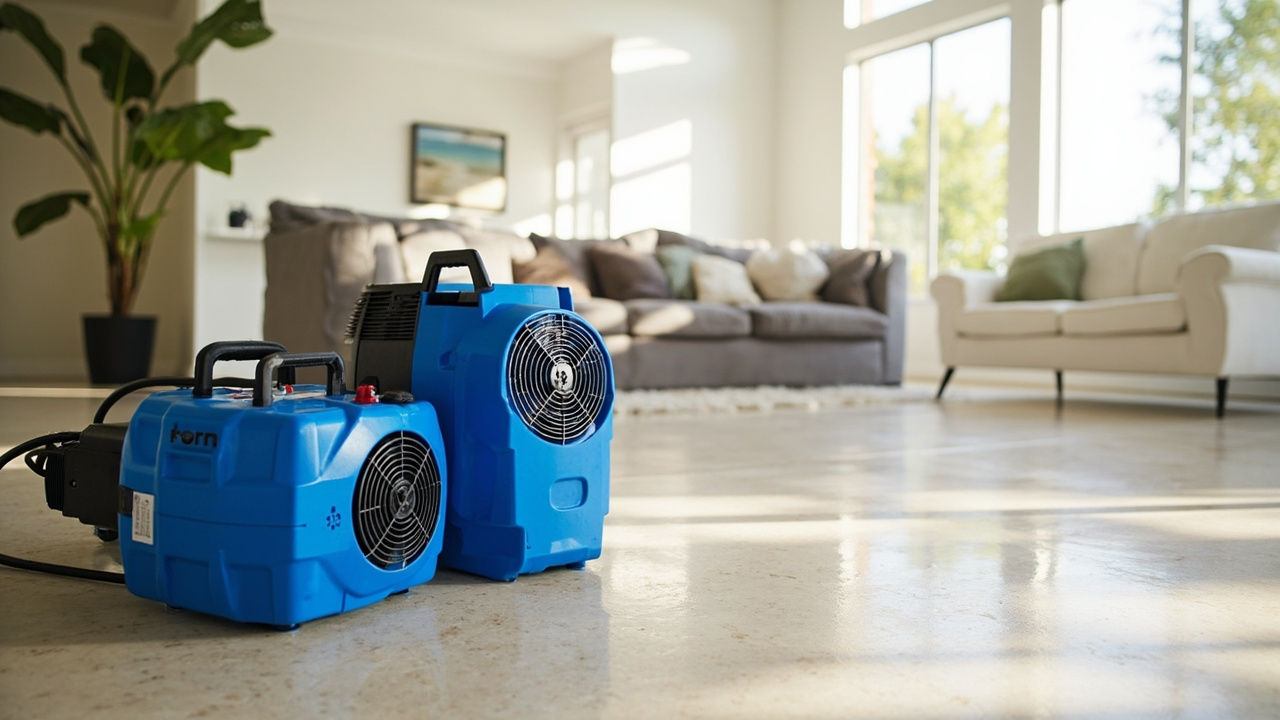
Emergency Burst Pipe Repair in Kenner Louisiana A burst pipe in your Kenner home creates an immediate crisis that requires more than just a mop and a bucket. When a main line fails near the…
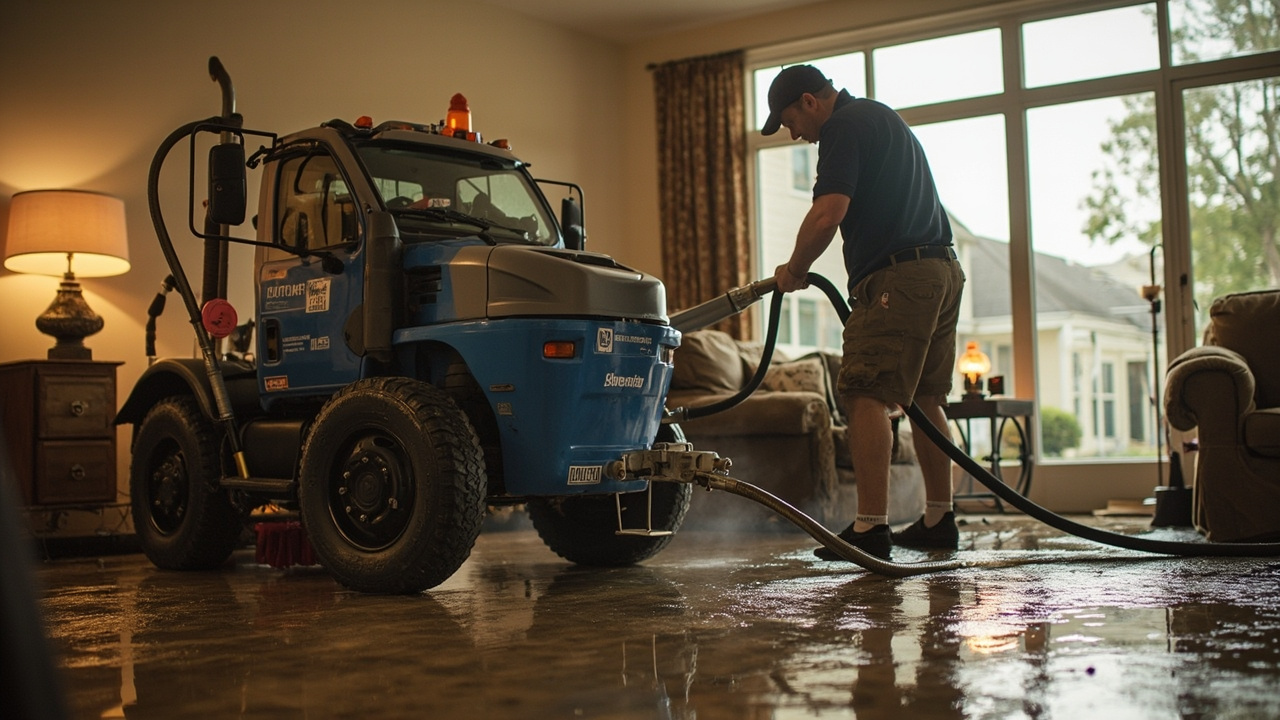
Standing water in your Gretna home requires an immediate response to prevent permanent structural issues…
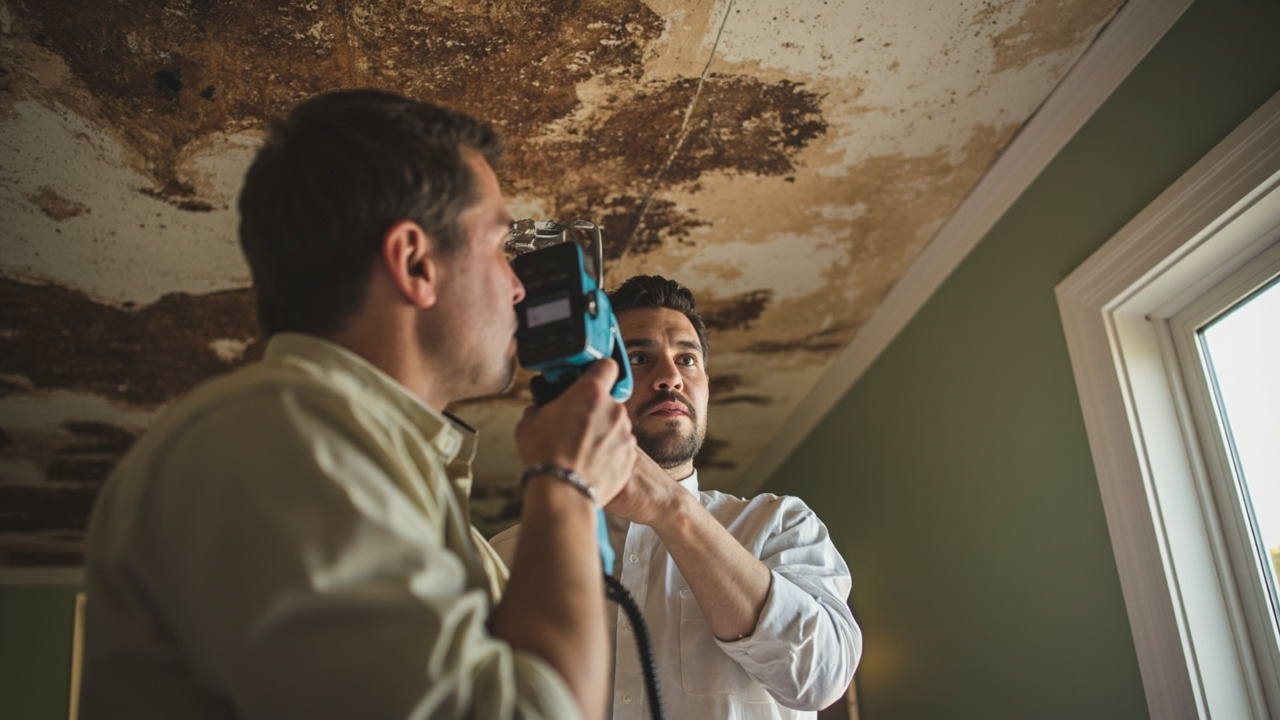
Dealing with Ceiling Water Damage Repair in Mid-City New OrleansA damp spot on your ceiling…
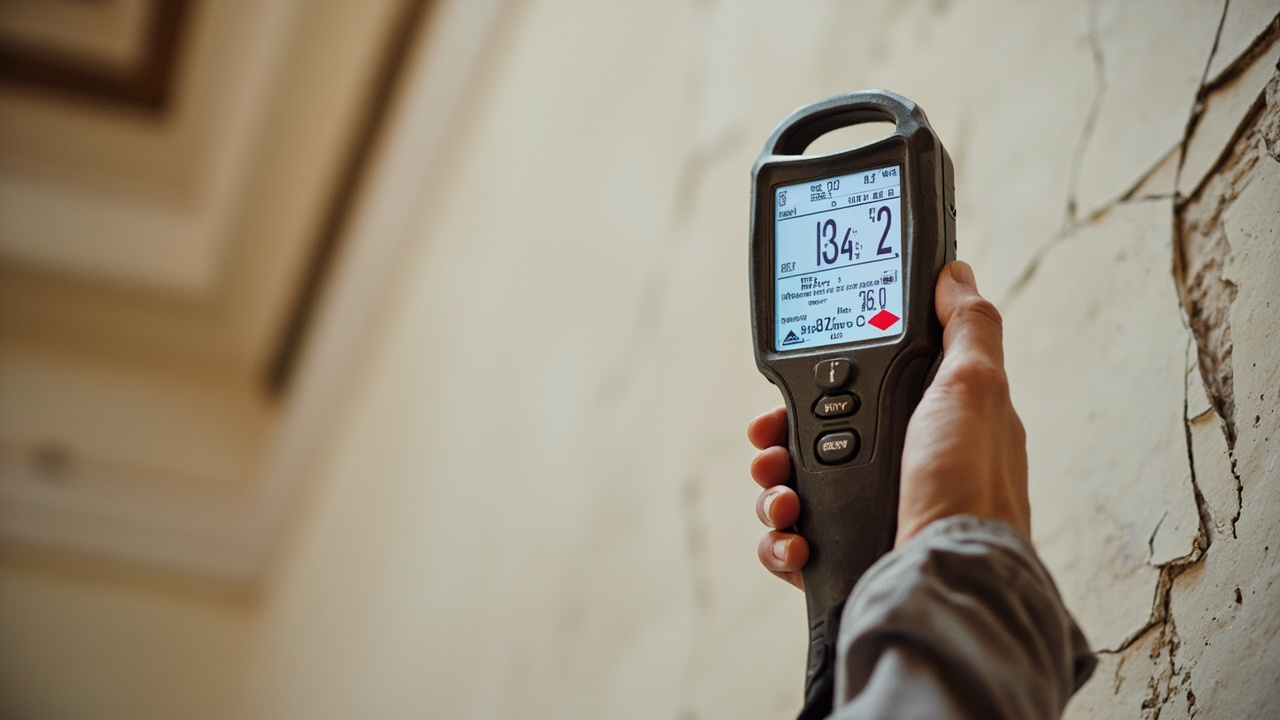
Living in a historic home in the Esplanade Ridge neighborhood offers a unique charm that…
Water damage gets worse every minute. Call Grand Water Damage Restoration New Orleans at (504) 355-2332 right now for immediate dispatch. Our crews respond 24/7 to Harvey emergencies with full extraction and drying equipment. We handle your insurance claim and restore your property to pre-loss condition.