



menu

Water Mitigation vs Restoration in New Orleans – Know the Difference Before Your Insurance Claim Gets Denied

Understanding water damage mitigation vs restoration protects your property investment and prevents costly insurance disputes when dealing with New Orleans's flood-prone geography and aging infrastructure.

Slider Image 1
Slider Image 2
Slider Image 3
Slider Image 4
Slider Image 5
Slider Image 7
Slider Image 8
Slider Image 9
Slider Image 10
Slider Image 11

Why New Orleans Property Owners Confuse Water Mitigation with Restoration

When you discover water pooling in your Mid-City home or flooding your Warehouse District business, the terminology thrown around by contractors and insurance adjusters creates confusion at the worst possible time. You hear mitigation, restoration, remediation, cleanup, and repair used interchangeably. They are not the same.

The difference between water mitigation and restoration determines who pays, how fast the work happens, and whether your property actually dries correctly. In New Orleans, where the water table sits just feet below ground and seasonal storms dump inches of rain in hours, this distinction becomes critical.

Water mitigation stops ongoing damage. It is the emergency response that happens within hours of discovery. Mitigation teams extract standing water, set up commercial dehumidifiers, and stabilize your structure to prevent mold growth in our humid subtropical climate. This is damage control, not repair.

Water restoration happens after mitigation. It is the reconstruction phase where crews replace drywall, refinish floors, and return your property to pre-loss condition. Restoration takes days or weeks. Mitigation takes hours.

New Orleans homes built on pier-and-beam foundations in neighborhoods like the Garden District face unique challenges. When water intrudes, it does not just sit on concrete slabs. It saturates the space between your floor joists and the saturated ground below. Without proper mitigation vs reconstruction sequencing, you end up with structural rot that costs exponentially more to fix. Insurance companies know this. They scrutinize claims where mitigation was delayed or skipped entirely. That is when coverage gets denied and property owners pay out of pocket for mistakes that could have been avoided with the right response in the right order.

Why New Orleans Property Owners Confuse Water Mitigation with Restoration
How Water Damage Mitigation vs Restoration Actually Works in Practice

How Water Damage Mitigation vs Restoration Actually Works in Practice

Mitigation is not cleanup. It is not water remediation in the vague sense most people think about mopping up a mess. Water damage mitigation is a technical process governed by IICRC S500 standards that insurance carriers require for claims approval.

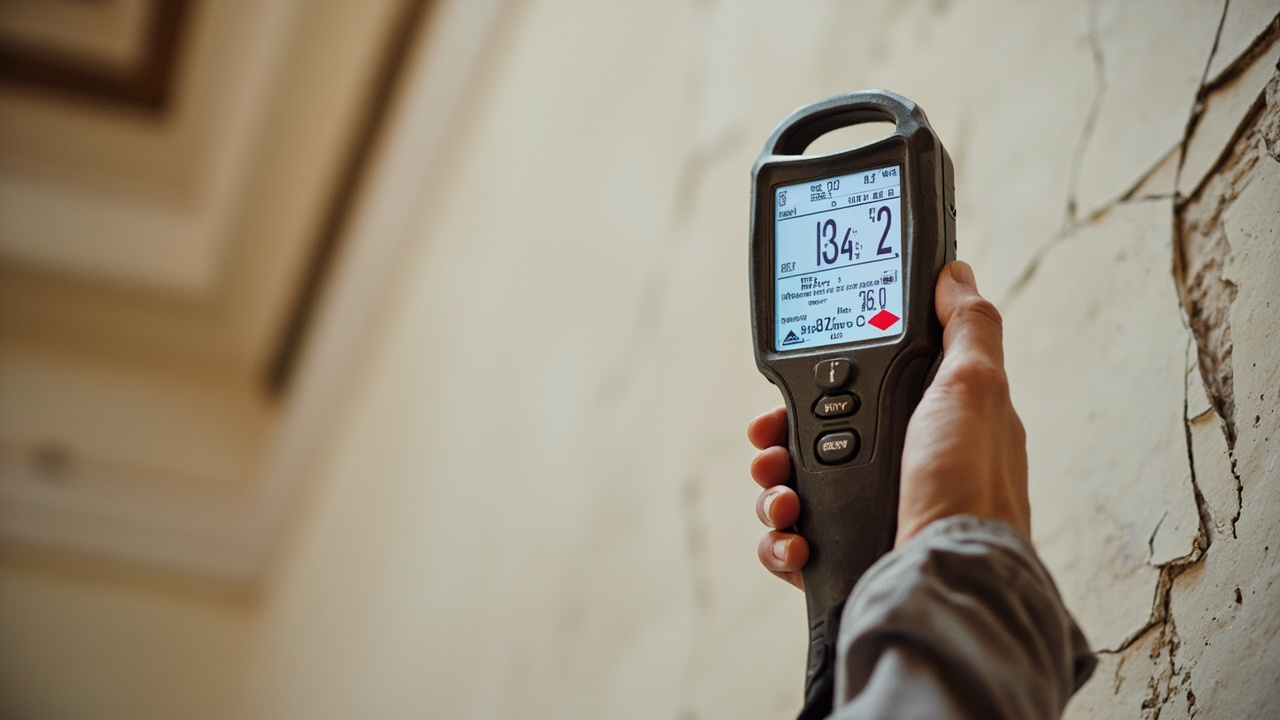
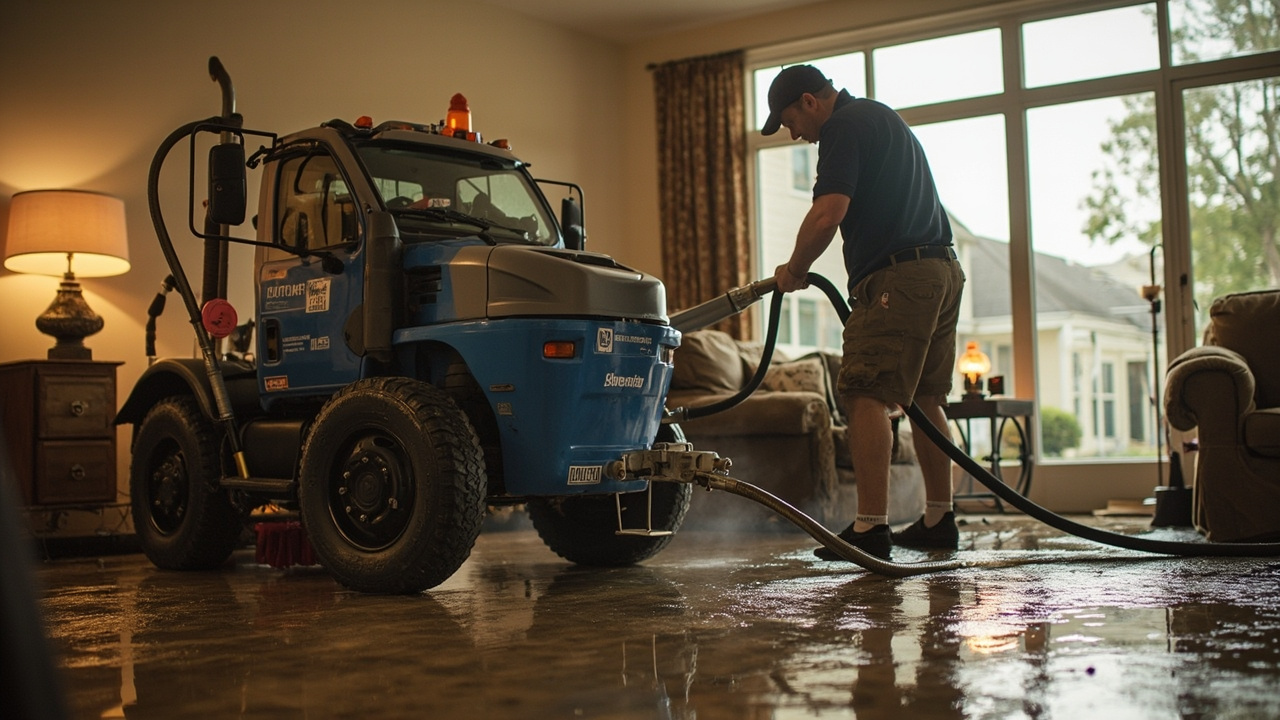
When you call Grand Water Damage Restoration New Orleans for mitigation, our crews arrive with truck-mounted extractors pulling 200+ gallons per minute, thermal imaging cameras to map moisture intrusion behind walls, and commercial-grade air movers calibrated to your specific humidity levels. We document moisture readings at multiple wall heights because water wicks upward in drywall through capillary action. In New Orleans, where exterior humidity often sits above 80%, creating the right vapor pressure gradient inside your structure determines whether materials dry or rot.

Mitigation includes source stoppage if the water is still flowing, content manipulation to prevent secondary damage to furniture and electronics, antimicrobial application to slow microbial amplification, and continuous monitoring until moisture levels return to dry standards. This phase typically runs three to five days depending on the category of water, the class of damage, and outdoor dew points.

Restoration begins only after a moisture mapper confirms your structure has reached equilibrium moisture content. This is when reconstruction crews remove non-salvageable materials like Category 3 contaminated drywall, sister damaged floor joists, install new subfloor, hang and finish replacement sheetrock, and repaint. Restoration is carpentry, not emergency response.

The water cleanup vs water repair distinction matters for your insurance deductible. Mitigation often falls under emergency services provisions with different coverage limits than restoration work. Mixing these phases or attempting DIY mitigation before professional documentation can void your policy. In Louisiana, where named storm deductibles can hit 5% of your dwelling coverage, the difference between water mitigation and restoration is the difference between a $2,000 out-of-pocket and a $15,000 bill you cannot recover.

What Happens When You Call for Water Damage Help

Water Mitigation vs Restoration in New Orleans – Know the Difference Before Your Insurance Claim Gets Denied
01

Emergency Mitigation Response

Our team arrives within 90 minutes to stop ongoing damage. We extract standing water using truck-mounted pumps, set up desiccant dehumidifiers and air movers, and deploy moisture detection equipment to map the full extent of intrusion. We photograph everything for insurance documentation and create a moisture log that tracks drying progress across your structure. This phase runs 24/7 until moisture levels stabilize.
02

Monitoring and Adjustment

Technicians return twice daily to record moisture readings at multiple wall heights and adjust equipment placement based on drying rates. In New Orleans's high humidity, we monitor dew point and adjust dehumidification capacity to maintain proper vapor pressure differentials. We provide daily updates to you and your insurance adjuster. Mitigation ends when your structure reaches dry standard, typically three to seven days depending on saturation depth and material types affected.
03

Restoration and Reconstruction

Once mitigation is complete and documented, our restoration crews remove damaged materials, treat framing for microbial growth, and begin rebuilding. We replace insulation, hang new drywall, install flooring, and complete finish work to match your existing finishes. Restoration follows your insurance scope of work and includes materials sourcing, permitting if required by Orleans Parish, and final walk-through. Your property returns to pre-loss condition, documented and warrantied.

Why New Orleans Properties Need Local Water Damage Expertise

National franchises treat water damage the same in Phoenix as they do in New Orleans. That approach fails here because our environment is fundamentally different. You cannot apply desert drying protocols in a city where outdoor relative humidity averages 75% year-round and the water table sits at or above sea level across most of Orleans Parish.

Grand Water Damage Restoration New Orleans understands that homes in Lakeview, built after Katrina with flood-resistant construction, dry differently than 1920s Creole cottages in Tremé with original lathe-and-plaster walls. We know that commercial buildings in the Central Business District often have below-grade parking that floods during king tides, requiring specialized extraction and vapor barrier assessment. We work with adjusters who handle Louisiana's unique named storm provisions and understand the difference between flood policy coverage and standard homeowners coverage.

Our crews know that water remediation vs restoration sequencing matters more here because of mold amplification rates. In New Orleans's climate, microbial growth can begin within 48 hours of water intrusion. Skip proper mitigation or delay drying equipment deployment, and you are not just facing cosmetic repairs. You are facing a mold remediation project that can double your costs and triple your timeline.

We also understand local building codes. Orleans Parish requires permits for structural repairs exceeding specific thresholds. We coordinate inspections, handle contractor licensing requirements, and ensure that restoration work meets both code and your insurance carrier's requirements. Out-of-town contractors miss these details, creating compliance issues that delay your claim settlement or force expensive rework.

When you choose local expertise for water damage mitigation vs restoration, you get teams who understand subsurface drainage patterns in your specific neighborhood, know which materials hold moisture longer in our climate, and have relationships with local adjusters who trust our documentation. That is the difference between a smooth claim and a six-month fight with your insurance company.

What to Expect During Mitigation and Restoration

Response Time and Availability

Water damage does not wait for business hours. Our mitigation teams deploy 24/7, arriving on-site within 90 minutes of your call across the greater New Orleans metro. We maintain equipment inventory for simultaneous large-loss projects, meaning you are not waiting days for desiccant dehumidifiers or air movers to become available. Emergency mitigation begins immediately upon arrival. We stop the water source if active, begin extraction, and set up drying equipment before we leave your property the first visit. Speed during mitigation directly correlates to lower restoration costs. Every hour of delayed drying adds moisture migration into adjacent materials and increases demolition requirements during reconstruction.

Assessment and Documentation

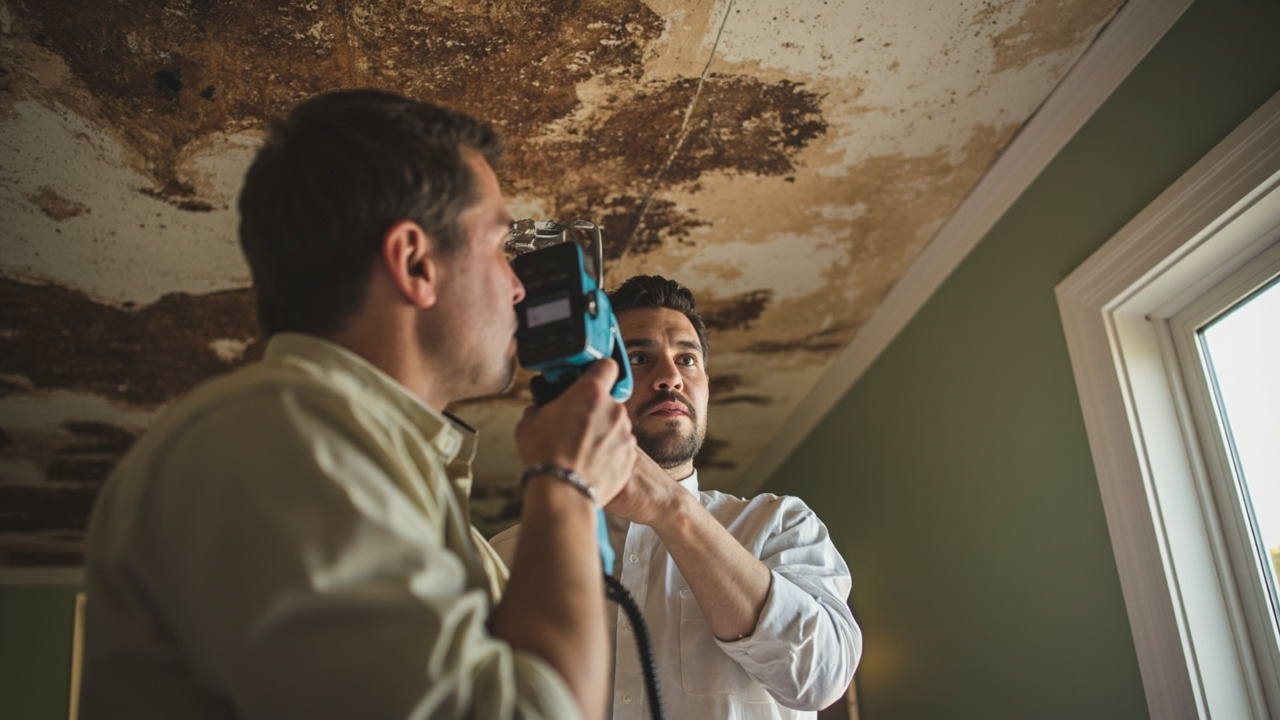
Our initial assessment uses thermal imaging to detect moisture behind walls, moisture meters calibrated to specific building materials, and hygrometers that measure ambient and material-specific humidity. We photograph damage progression, create detailed moisture maps, and provide written estimates that separate mitigation costs from restoration costs for your insurance claim. You receive daily moisture logs showing drying progress across all affected areas. This documentation becomes critical if your adjuster questions the scope of work or if you need to demonstrate that mitigation followed industry standards. We also coordinate directly with your insurance carrier, providing real-time updates and hosting on-site inspections to prevent claim disputes before they start.

Final Results and Quality

Restoration is not complete until your property matches or exceeds pre-loss condition. We source materials that match your existing finishes, coordinate paint color matching, and ensure that new flooring integrates seamlessly with undamaged areas. Our crews handle everything from subfloor replacement to baseboard reinstallation, cabinet reconstruction, and texture matching on repaired drywall. You receive a final walk-through where we verify that every detail meets your approval. In New Orleans, where historic properties require period-appropriate materials and finishes, we work with suppliers who understand the difference between modern drywall and original plaster repair techniques. The final result should make the damage invisible, not obvious.

Follow-Up and Prevention

After restoration, we provide moisture verification testing to confirm your structure has fully stabilized. We identify the root cause of the water intrusion, whether it was a failed sump pump, compromised roof flashing, or foundation settling common to New Orleans's shifting soils. You receive recommendations for preventing future incidents, including drainage improvements, sump pump upgrades, or moisture barrier installations appropriate to your property type. We also provide documentation packages that include all moisture logs, photo progression, and material invoices for your records. If issues emerge after project completion, we respond to address them. Water damage restoration is not a one-time transaction. It is a process that requires follow-through to ensure your investment is protected long-term.

Frequently Asked Questions

You Have Questions,
We Have Answers

What is the difference between water restoration and mitigation? +

Water mitigation stops the damage immediately. This means extracting standing water, removing wet materials, and setting up drying equipment to prevent further harm. Water restoration comes after mitigation and rebuilds what was damaged. This includes repairing drywall, replacing flooring, repainting, and returning your property to pre-loss condition. In New Orleans, where humidity slows drying and mold grows fast, mitigation must happen within 24-48 hours. Restoration follows once everything is completely dry. Think of mitigation as emergency response and restoration as reconstruction. You need both, but they happen in sequence.

What is mitigation and restoration? +

Mitigation is the immediate response that limits damage progression. Professionals extract water, remove saturated materials, and deploy industrial dehumidifiers and air movers to dry the structure. Restoration is the rebuilding phase that happens after complete drying. This includes repairing structural damage, replacing flooring and drywall, and restoring finishes. In New Orleans homes with crawl spaces and pier-and-beam foundations, mitigation often includes addressing standing water beneath the structure. Both processes work together. Mitigation prevents secondary damage like mold. Restoration returns your home to livable condition. Most insurance policies cover both when you document everything properly.

What is the difference between restoration and remediation? +

Restoration rebuilds and repairs damaged areas to return them to original condition. This includes carpentry, painting, flooring installation, and cosmetic repairs. Remediation removes contamination or hazards like mold, sewage, or chemical spills. In New Orleans, remediation often addresses mold growth from high humidity and slow-drying conditions. Remediation requires specialized protocols, containment barriers, air filtration, and disposal of contaminated materials. Restoration focuses on construction and aesthetics. You might need remediation before restoration if Category 3 water (sewage) or mold contamination is present. Both services require different certifications and equipment.

What does water restoration mean? +

Water restoration is the complete process of returning your property to pre-damage condition after water intrusion. This includes both mitigation (stopping active damage) and reconstruction (repairing what was harmed). The process starts with water extraction and drying, then progresses to structural repairs, replacing damaged materials, and finishing work. In New Orleans, restoration teams must account for high ambient humidity, which extends drying times. Proper restoration addresses hidden moisture in wall cavities and beneath flooring. The goal is full recovery, not just surface fixes. Documentation throughout the process supports your insurance claim.

What is the average cost of water mitigation? +

Water mitigation costs vary based on water category, affected square footage, and drying time needed. Small incidents affecting one room might run a few hundred dollars. Extensive flooding requiring structural drying, content removal, and multiple days of equipment operation costs significantly more. In New Orleans, high humidity often extends equipment runtime, which increases costs. Category 3 water (sewage) requires specialized disposal and antimicrobial treatment, raising expenses. Most homeowners insurance policies cover mitigation costs after you pay your deductible. Get a detailed estimate that itemizes extraction, equipment rental, labor, and antimicrobial treatment. Fast action reduces total costs.

What are the three types of mitigation? +

The three types of mitigation are structural mitigation, content mitigation, and preventive mitigation. Structural mitigation focuses on the building itself, including water extraction from floors and walls, removing baseboards, drilling weep holes, and setting up drying equipment in wall cavities. Content mitigation involves removing and drying furniture, documents, and personal belongings, often in climate-controlled facilities. Preventive mitigation stops future damage through dehumidification, moisture barriers, and waterproofing. In New Orleans, where heavy rain and high water tables threaten properties year-round, preventive measures like sump pumps and drainage improvements protect against repeated incidents.

How New Orleans's High Water Table Complicates Mitigation vs Restoration Decisions

New Orleans sits in a bowl, with most of the city below sea level and the water table often within two feet of ground surface. This geography means water does not just enter from above during storms. It infiltrates from below through hydrostatic pressure against foundation walls and floor slabs. When you experience water damage here, mitigation teams must assess whether the source is surface water that can be extracted and dried, or groundwater intrusion that requires subsurface drainage solutions before restoration can begin. The difference between water mitigation and restoration becomes more complex when the water source is continuous rather than finite. A burst pipe can be shut off. A rising water table during king tide cannot. This is why understanding water damage mitigation vs restoration in the context of New Orleans's unique hydrology determines whether your repairs last or fail within months.

Local water damage companies in New Orleans understand that Orleans Parish building codes require specific foundation venting, vapor barriers, and drainage solutions that out-of-state contractors miss. We work with structural engineers familiar with pier-and-beam construction on unstable soils, know which mitigation techniques work in homes built pre-1950 versus post-Katrina construction, and coordinate with local building inspectors who enforce elevation requirements and flood-resistant material standards. When you choose a provider with deep roots in this community, you get teams who have restored properties through every major weather event since Katrina, understand how insurance carriers operating in Louisiana handle water damage claims, and know the difference between temporary fixes and permanent solutions in a city where water is always trying to reclaim the land.
Water Damage Restoration Services in The New Orleans Area

While Grand serves the wider region with our expert water damage restoration services, we invite you to view our central operational location on the map. This helps you visualize our base of operations and understand our commitment to providing swift, efficient service across our service areas. Our team is strategically positioned to ensure rapid deployment when you need us most, so don't hesitate to contact us regardless of your specific location within our service radius.

Address:
Grand Water Damage Restoration New Orleans, 201 St Charles Ave, New Orleans, LA, 70170

Additional Services We Offer

Our news updates

Latest Articles & News from The Blogs

Standing water in your Gretna home requires an immediate response to prevent permanent structural issues and mold growth. Residents living…

Fast Flood Restoration Strategies for Gretna Homeowners

Standing water in your Gretna home requires an immediate response to prevent permanent structural issues and mold growth. Residents living…

Resolving Ceiling Water Damage and Leaks in Mid-City Apartments

Dealing with Ceiling Water Damage Repair in Mid-City New OrleansA damp spot on your ceiling in a Mid-City apartment requires…

Removing that stubborn musty smell from historic plaster walls in Esplanade Ridge

Living in a historic home in the Esplanade Ridge neighborhood offers a unique charm that modern builds cannot replicate. Those…

Contact Us

Water damage gets worse every hour you wait. Call Grand Water Damage Restoration New Orleans at (504) 355-2332 for immediate mitigation response. Our teams deploy 24/7 across the metro with equipment and expertise to stop the damage and start the drying process today.