



menu

Attic Water Damage Cleanup in New Orleans – Expert Detection and Removal Before Mold Takes Hold

Grand Water Damage Restoration New Orleans provides rapid attic water damage cleanup with thermal imaging and containment protocols to stop hidden moisture before it spreads through your ceiling and walls.

Slider Image 1
Slider Image 2
Slider Image 3
Slider Image 4
Slider Image 5
Slider Image 7
Slider Image 8
Slider Image 9
Slider Image 10
Slider Image 11

How New Orleans's Climate Turns Minor Attic Leaks Into Major Structural Threats

Water in your attic is not just a puddle problem. In New Orleans, where humidity hovers above 75 percent year-round and temperatures stay warm for most of the year, even a small roof leak or condensation issue creates the perfect breeding ground for mold. Within 48 hours, you can have active spore growth spreading across joists, insulation, and drywall.

The geography of the greater New Orleans metro compounds this risk. Frequent tropical storms and heavy rain events can overwhelm aging roof systems, especially in older neighborhoods like the Garden District and Lakeview where historic homes may have compromised flashing or deteriorated shingles. When water penetrates your attic, it does not just sit there. It migrates through insulation, seeps into ceiling cavities, and can eventually compromise structural framing.

Attic water damage restoration is not a DIY task. You need professionals who understand how to trace the source of intrusion, whether it is a failed valley, ice damming from a rare freeze event, or HVAC condensate line failure. You also need technicians trained in attic water removal services that account for the unique ventilation challenges in Louisiana's climate. Simply extracting visible water is not enough. You must address vapor infiltration, prevent secondary damage, and ensure your attic environment is returned to a dry, safe state.

Grand Water Damage Restoration New Orleans specializes in attic leak cleanup and attic flood restoration for both residential and commercial properties. We know the local building codes, the common failure points in Gulf Coast construction, and the timeline required to prevent catastrophic mold colonization. If you ignore attic water damage, you risk ceiling collapse, electrical hazards, and health exposure to airborne pathogens.

How New Orleans's Climate Turns Minor Attic Leaks Into Major Structural Threats
Our Attic Water Damage Repair Process Stops the Spread and Protects Your Home

Our Attic Water Damage Repair Process Stops the Spread and Protects Your Home

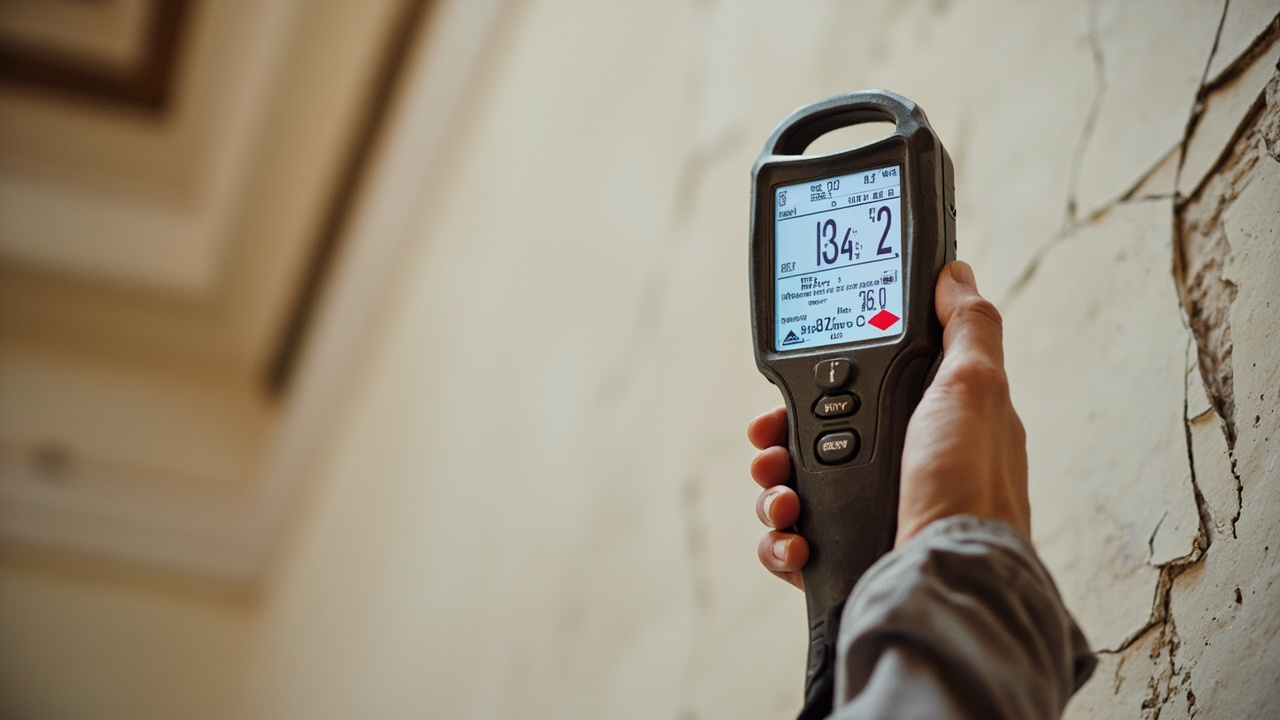
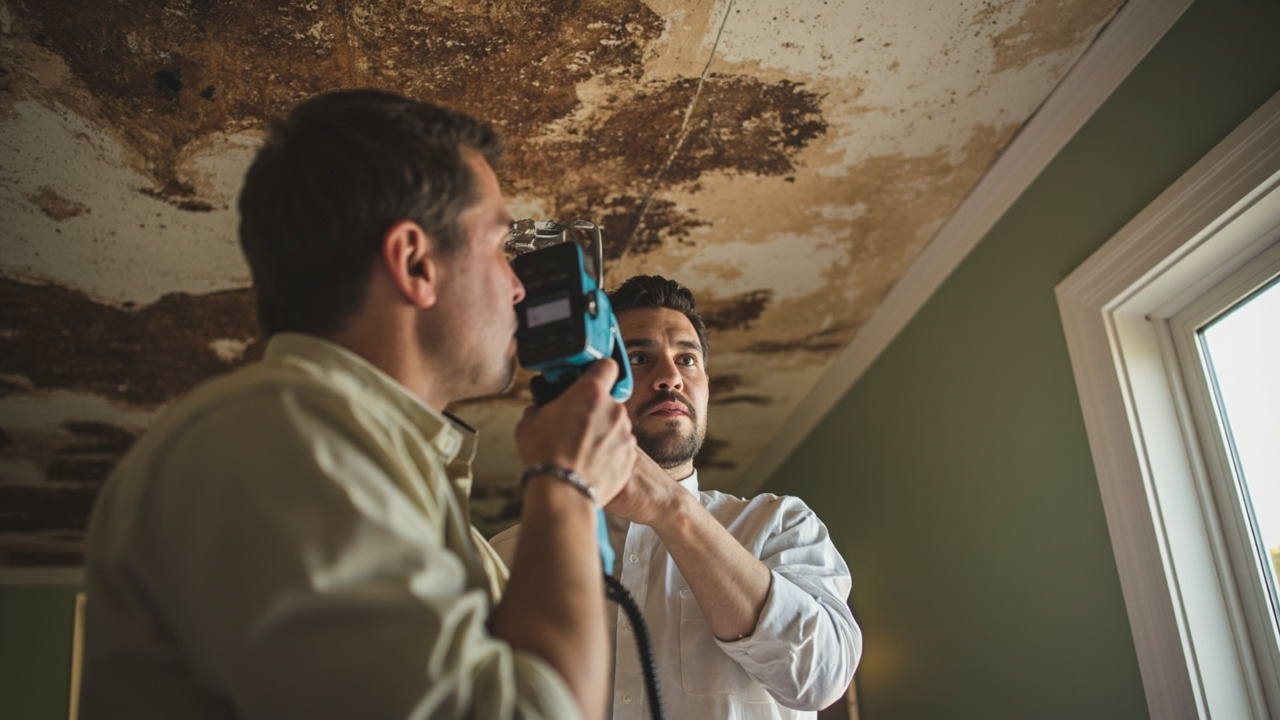
Effective attic water damage cleanup requires more than fans and towels. It requires precision diagnostics, controlled extraction, and environmental monitoring to ensure complete dryness. At Grand Water Damage Restoration New Orleans, we deploy FLIR thermal imaging cameras to identify hidden moisture pockets behind insulation and inside wall cavities. This technology allows us to see what the naked eye cannot, so we address the full scope of the damage, not just surface symptoms.

Once we map the moisture distribution, we establish containment barriers to prevent cross-contamination into living spaces. We use negative air machines equipped with HEPA filtration to control airborne particulates and prevent mold spores from circulating through your HVAC system. This is critical in New Orleans homes where central air systems run nearly year-round and can rapidly distribute contaminants.

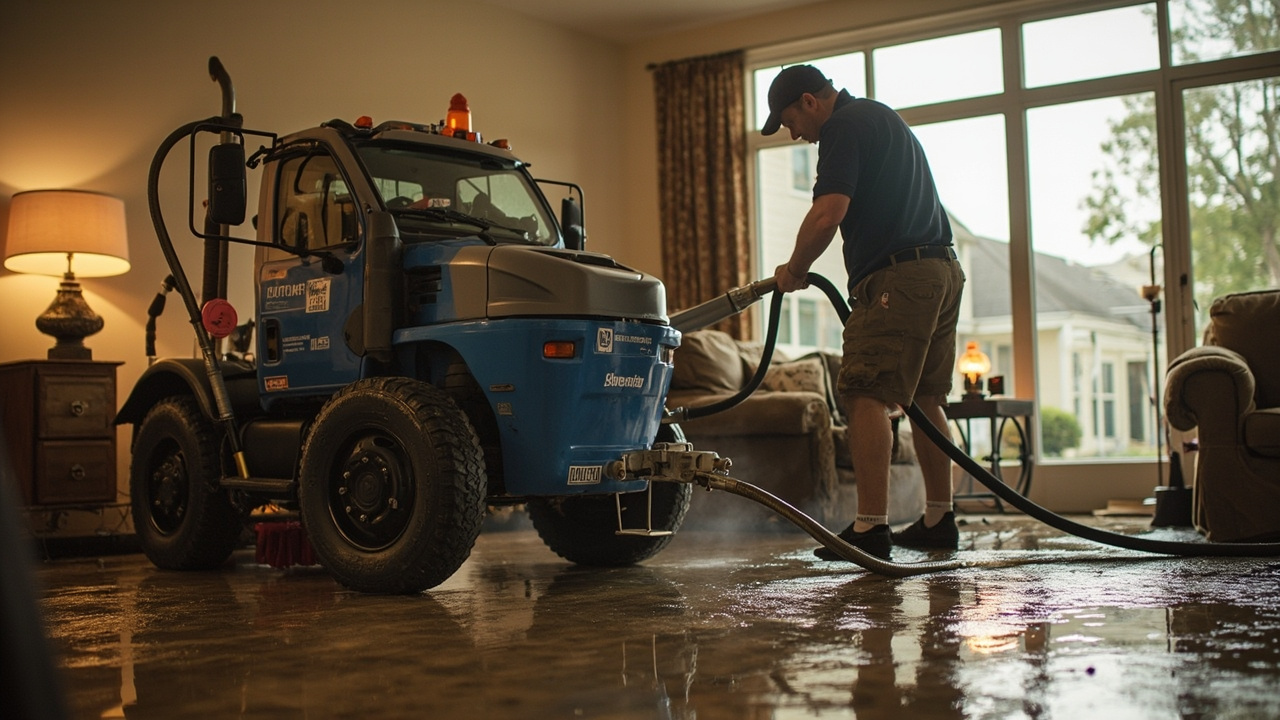
Our water extraction protocol prioritizes structural drying. We remove saturated insulation, extract standing water using truck-mounted pumps, and position commercial-grade dehumidifiers to pull moisture from the air and building materials. We monitor drying progress with moisture meters, taking readings from wood framing, subflooring, and drywall to ensure we hit the industry-standard moisture content levels before sealing the area.

For attic water removal services, we also inspect for secondary damage. This includes checking electrical wiring for exposure, examining roof decking for rot, and assessing whether ceiling joists have lost structural integrity. If we find compromised materials, we document them and provide a detailed scope for necessary repairs. We do not just dry your attic. We restore it to a safe, code-compliant condition that protects your investment and your family's health.

What Happens During Your Attic Water Damage Cleanup

Attic Water Damage Cleanup in New Orleans – Expert Detection and Removal Before Mold Takes Hold
01

Emergency Assessment and Containment

Within hours of your call, our certified technicians arrive to assess the extent of attic water intrusion. We establish containment zones, shut off the water source if applicable, and begin documenting moisture levels with infrared cameras and hygrometers. You receive an immediate action plan that prioritizes safety, structural stability, and preventing mold growth in New Orleans's humid environment.
02

Water Extraction and Drying

We remove all standing water using high-volume pumps and wet vacuums, then extract moisture-saturated insulation and materials that cannot be salvaged. Industrial dehumidifiers and air movers run continuously to dry framing, decking, and remaining insulation. We monitor moisture levels daily, adjusting equipment placement to ensure uniform drying across all affected surfaces and cavities.
03

Final Clearance and Restoration

Once all materials reach acceptable moisture content, we perform a final clearance inspection using moisture meters and thermal imaging. We reinstall or replace insulation, repair any structural damage to joists or decking, and ensure your attic is ventilated properly to prevent future condensation issues. You receive a detailed report documenting all work performed and moisture readings for insurance claims.

Why New Orleans Property Owners Trust Grand Water Damage Restoration

When you discover water in your attic, you need a response team that understands the urgency and the local risks. Grand Water Damage Restoration New Orleans has built a reputation across the greater metro for rapid deployment, technical precision, and transparent communication. We are not a national franchise with out-of-state call centers. We are local professionals who know the difference between a one-off storm event and a chronic roof failure.

Our technicians are IICRC-certified in water damage restoration and applied structural drying. This means we follow industry-standard protocols that insurance companies recognize and trust. We also understand the nuances of New Orleans building construction, from historic Creole cottages with cypress framing to mid-century ranch homes with flat-roof sections that are prone to ponding. We have worked in every neighborhood, from Algiers Point to Gentilly, and we know the common failure modes for each architectural style.

We also prioritize insurance coordination. If you are filing a claim, we provide detailed photo documentation, moisture maps, and itemized scopes of work that help you get fair compensation. We communicate directly with adjusters, answer technical questions, and ensure the claim reflects the true scope of damage. This advocacy saves you time, stress, and often thousands of dollars in out-of-pocket costs.

You also get accountability. We provide written estimates, clear timelines, and real-time updates on drying progress. If we encounter unexpected complications, like hidden mold or compromised wiring, we alert you immediately and revise the plan with your input. Our goal is not just to extract water. It is to restore your attic to a safe, dry, and structurally sound condition that protects your home for years to come.

What You Can Expect From Start to Finish

Rapid Response Time

We dispatch crews to your property within hours of your call, 24 hours a day, 7 days a week. Time matters when water is present. The longer it sits, the more extensive the damage becomes. Our teams arrive with truck-mounted equipment, ready to begin containment and extraction immediately. You do not wait for an appointment. You get immediate action. For emergency attic water damage cleanup in New Orleans, that speed can mean the difference between a contained incident and a total ceiling replacement.

Comprehensive Moisture Assessment

Before we start drying, we perform a full diagnostic inspection. This includes thermal imaging scans to detect hidden moisture, moisture meter readings on all affected materials, and a roof inspection to identify the intrusion point. We document everything with photos and written notes. You receive a detailed assessment report that explains what happened, what is damaged, and what steps are required to restore your attic. This transparency helps you make informed decisions and supports your insurance claim.

Complete Structural Drying

We do not pull our equipment until your attic is verifiably dry. That means moisture content in wood framing is below 15 percent, insulation is replaced or confirmed dry, and air humidity is stabilized. We use daily monitoring logs to track progress and adjust drying equipment as needed. You get a professional-grade restoration that meets IICRC S500 standards, the same standards used by insurance companies and building inspectors. The result is a dry, safe attic with no risk of mold reactivation.

Post-Restoration Support and Documentation

After the job is complete, you receive a full documentation package that includes moisture readings, photos, and a summary of all work performed. This package is essential for insurance claims and future property transactions. We also provide guidance on preventing future attic water damage, including ventilation recommendations, roof maintenance tips, and early warning signs to watch for. If you have questions weeks or months later, you can call us. We stand behind our work and remain available for follow-up support.

Frequently Asked Questions

You Have Questions,
We Have Answers

How to fix water damage in an attic? +

First, stop the water source. Locate the leak, whether from a roof breach or plumbing failure, and repair it. Next, remove all standing water with wet vacuums or pumps. Pull out soaked insulation, which traps moisture and breeds mold. Dry the attic completely using industrial fans and dehumidifiers. New Orleans humidity makes this step critical. Inspect for structural damage to rafters and decking. Disinfect all surfaces to kill bacteria and mold spores. Replace damaged insulation and repair any compromised roofing materials. Document everything for insurance. Professional extraction prevents hidden damage in our subtropical climate.

Does homeowners insurance cover attic remediation? +

Coverage depends on the cause. If a sudden event like a hurricane, fallen tree, or burst pipe caused the damage, most homeowners policies cover attic remediation. Gradual damage from neglected maintenance, like an old roof slowly leaking, typically gets denied. Read your policy declarations page carefully. In New Orleans, wind-driven rain during storms often complicates claims. Insurers scrutinize whether damage resulted from covered windstorm or excluded flood. Document the timeline and take photos immediately. File your claim within the required window. A licensed public adjuster can help navigate Louisiana insurance requirements and maximize your payout.

Will water in the attic dry out? +

Water in your attic will not dry properly on its own, especially in New Orleans. Our 70-plus percent humidity year-round creates ideal conditions for mold growth within 24 to 48 hours. Without proper ventilation, airflow, and dehumidification, moisture stays trapped in insulation, wood framing, and sheathing. This leads to rot, structural weakening, and toxic mold colonies. Soaked insulation loses R-value permanently and must be replaced. Standing water requires extraction equipment. Passive evaporation takes weeks and guarantees secondary damage. Professional drying with commercial dehumidifiers and air movers prevents long-term problems. Do not wait.

How much does it cost to repair water damage in the attic? +

Attic water damage repair costs vary widely based on damage extent. Minor leaks affecting small areas run $1,500 to $3,000. Moderate damage with insulation replacement and structural drying ranges $3,000 to $7,000. Severe damage involving mold remediation, rafter replacement, and roof decking repair exceeds $10,000. New Orleans factors include mold prevalence due to humidity, Historic District permitting if applicable, and hurricane-related surge pricing after storms. Insurance coverage significantly impacts out-of-pocket costs. Get three written estimates. Deductibles typically apply. Costs increase if electrical wiring or HVAC ducts need replacement. Address damage immediately to prevent escalation.

What is the 7 and 7 rule for attics? +

The 7 and 7 rule refers to minimum attic ventilation requirements. For every 300 square feet of attic floor space, you need one square foot of ventilation. This ventilation should split evenly: 50 percent intake vents (soffits) and 50 percent exhaust vents (ridge or gable vents). Proper ventilation prevents moisture buildup, reduces cooling costs, and extends roof life. In New Orleans, inadequate ventilation traps humid air, accelerating mold growth and roof deck rot. After water damage, verify your attic meets this standard. Poor airflow worsens drying times and creates chronic moisture problems.

Will homeowners insurance cover water damage from a roof leak? +

Yes, if the roof leak resulted from a covered peril. Sudden damage from windstorms, hail, falling branches, or fire qualifies. New Orleans homeowners often face wind-driven rain claims after hurricanes. Insurers cover resulting water damage to ceilings, walls, and belongings. However, wear and tear exclusions apply. If your roof was past its lifespan or had missing shingles you ignored, the claim gets denied. Maintenance neglect voids coverage. Document the storm date and damage immediately. Take photos before repairs. Louisiana law requires insurers to respond within specific timeframes. Read your policy's exclusions carefully.

How much does it cost to remediate an attic? +

Attic remediation costs depend on contamination type and scope. Mold remediation runs $2,000 to $6,000 for moderate infestations. Severe black mold requiring containment barriers and HEPA filtration exceeds $8,000. Rodent waste cleanup with sanitization costs $1,500 to $4,000. Asbestos or vermiculite insulation removal adds $3,000 to $10,000. New Orleans homes built before 1980 often contain asbestos. Remediation includes containment, air scrubbing, disposal, and clearance testing. Insurance rarely covers gradual contamination. Proper remediation protects your family and maintains home value. Cheap shortcuts lead to recurring problems.

What not to say during a home insurance claim? +

Never speculate about damage timelines or admit neglect. Avoid saying the problem existed for weeks or you ignored warning signs. Do not exaggerate losses or inflate values. Never say damage was gradual or pre-existing. Do not blame yourself or accept fault before investigation. Avoid unofficial repairs before the adjuster inspects. Do not sign a release or accept a lowball offer immediately. In New Orleans, never confuse flood damage with wind-driven rain. These trigger different coverages. Stick to facts. Provide photos and receipts. Let documentation speak. Consult a public adjuster before giving recorded statements.

Does insurance cover black mold in the attic? +

Coverage depends on the mold's cause. If mold resulted from a covered peril like a sudden pipe burst or storm damage, most policies cover remediation up to policy limits, often $5,000 to $10,000. If mold grew from long-term leaks, humidity, or maintenance neglect, insurers deny claims. New Orleans humidity complicates this. Insurers argue mold resulted from lack of ventilation, not a covered event. Document the water intrusion timeline with photos. File claims immediately after discovering leaks. Preventative mold growth from controllable conditions gets excluded. Read your policy's mold endorsement carefully.

Is insulation ruined if it gets wet? +

Yes. Wet insulation loses effectiveness permanently and breeds mold. Fiberglass batts compress when soaked, losing R-value even after drying. Cellulose insulation absorbs water like a sponge and disintegrates. Spray foam resists water better but still requires inspection for hidden moisture. New Orleans attics face additional risk because humidity prevents proper drying. Wet insulation also adds weight, stressing ceiling joists. Mold spores colonize within 24 hours. Remove and replace all water-damaged insulation immediately. Leaving it guarantees indoor air quality problems and structural rot. Proper disposal prevents cross-contamination.

Why New Orleans's Hurricane Season Makes Attic Water Damage Cleanup a Critical Service

New Orleans sits in one of the most hurricane-prone regions in the United States. Every summer and fall, tropical systems bring torrential rain, sustained winds, and storm surge that can overwhelm even well-maintained roof systems. When wind-driven rain penetrates through compromised shingles, damaged flashing, or poorly sealed vents, your attic becomes the first line of defense. If that defense fails, water infiltrates insulation, soaks ceiling joists, and begins degrading structural materials within hours. The combination of high heat and extreme humidity accelerates mold growth, turning a manageable leak into a health hazard. Professional attic water damage restoration is not optional in this climate. It is essential to preserving your home's integrity and your family's safety.

Local expertise matters when you are dealing with attic water intrusion in New Orleans. Our technicians understand the unique challenges posed by below-sea-level geography, elevated water tables, and the prevalence of older housing stock with inadequate attic ventilation. We are familiar with Orleans Parish building codes, know which materials perform best in Gulf Coast conditions, and have working relationships with local insurance adjusters who trust our assessments. When you hire Grand Water Damage Restoration New Orleans for attic leak cleanup or attic flood restoration, you are working with professionals who live and work in this community. We have a vested interest in doing the job right because your neighbors are our neighbors.
Water Damage Restoration Services in The New Orleans Area

While Grand serves the wider region with our expert water damage restoration services, we invite you to view our central operational location on the map. This helps you visualize our base of operations and understand our commitment to providing swift, efficient service across our service areas. Our team is strategically positioned to ensure rapid deployment when you need us most, so don't hesitate to contact us regardless of your specific location within our service radius.

Address:
Grand Water Damage Restoration New Orleans, 201 St Charles Ave, New Orleans, LA, 70170

Additional Services We Offer

Our news updates

Latest Articles & News from The Blogs

Standing water in your Gretna home requires an immediate response to prevent permanent structural issues and mold growth. Residents living…

Fast Flood Restoration Strategies for Gretna Homeowners

Standing water in your Gretna home requires an immediate response to prevent permanent structural issues and mold growth. Residents living…

Resolving Ceiling Water Damage and Leaks in Mid-City Apartments

Dealing with Ceiling Water Damage Repair in Mid-City New OrleansA damp spot on your ceiling in a Mid-City apartment requires…

Removing that stubborn musty smell from historic plaster walls in Esplanade Ridge

Living in a historic home in the Esplanade Ridge neighborhood offers a unique charm that modern builds cannot replicate. Those…

Contact Us

Water in your attic will not wait. Every hour increases the risk of mold, structural damage, and electrical hazards. Call Grand Water Damage Restoration New Orleans at (504) 355-2332 now for immediate dispatch and professional attic water removal services. We are available 24/7.