



menu

Musty Smells & Odor Removal in New Orleans – Eliminate Hidden Moisture Sources Causing Persistent Odors

Our Musty Smells & Odor Removal service targets the underlying moisture and microbial growth creating foul odors in your New Orleans property, not just masking the smell with fragrances.

Slider Image 1
Slider Image 2
Slider Image 3
Slider Image 4
Slider Image 5
Slider Image 7
Slider Image 8
Slider Image 9
Slider Image 10
Slider Image 11

Why Musty Odors Persist in New Orleans Homes and Buildings

You walk into your home and immediately smell it. That damp, stale, moldy scent that never goes away. You have tried air fresheners, opened windows, and scrubbed surfaces. Nothing works. The smell returns within hours.

New Orleans sits at or below sea level in a subtropical climate with average humidity levels exceeding 75 percent year-round. This combination creates a breeding ground for mold, mildew, and microbial growth. The city's aging housing stock, including shotgun houses and Creole cottages with crawl spaces and pier-and-beam foundations, allows ground moisture to wick upward. Poor ventilation in bathrooms and kitchens traps steam. Roof leaks during summer thunderstorms go unnoticed until the drywall darkens.

When moisture enters your walls, subfloors, or ceiling cavities, it does not just evaporate. It saturates organic materials like wood framing, insulation, and drywall. Mold spores colonize these surfaces within 24 to 48 hours. The metabolic byproducts of mold and bacteria produce volatile organic compounds. These VOCs are what you smell. Neutralizing musty odors requires identifying and eliminating the moisture source, removing contaminated materials, and treating affected areas with antimicrobial solutions.

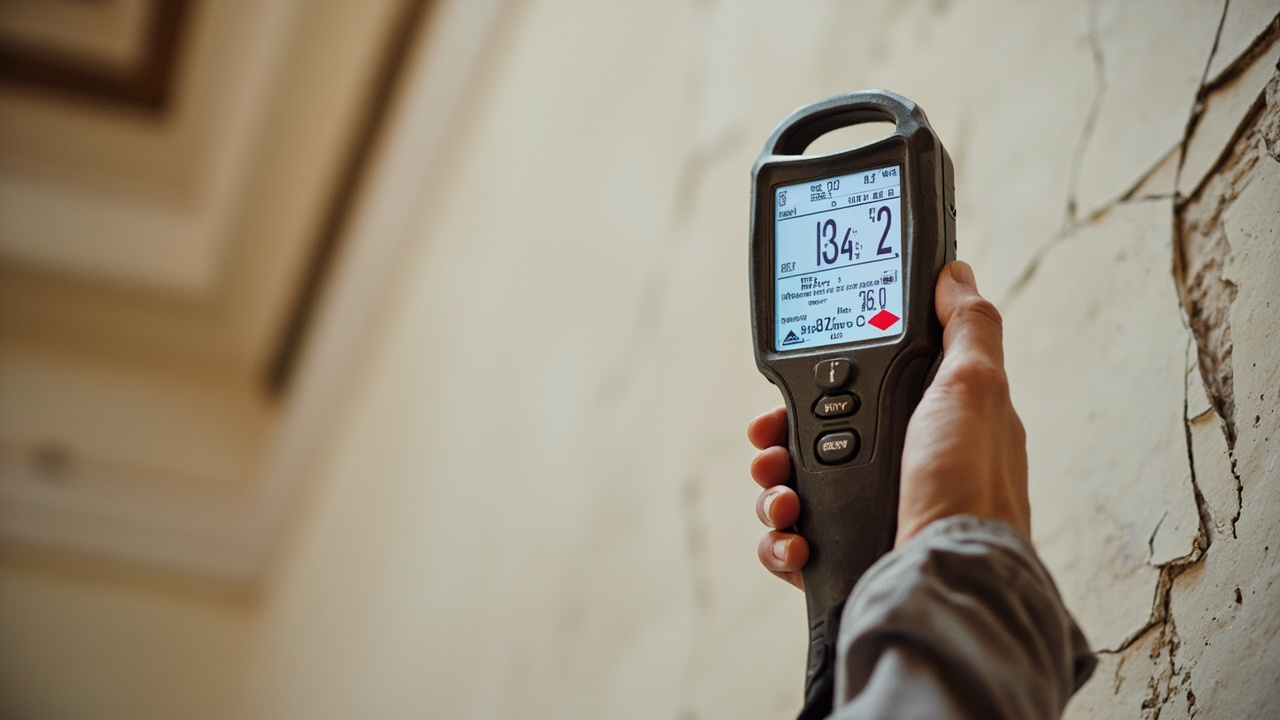
Generic odor removal services spray deodorizers or run ozone generators. These tactics provide temporary relief but do nothing to address the root cause. Within days or weeks, the smell returns because the moisture and microbial growth remain active. Effective mildew odor elimination starts with moisture mapping, infrared thermography, and hygrometer readings to pinpoint hidden water intrusion. Only then can you stop the cycle.

If you smell mustiness in your Uptown home, Garden District condo, or Bywater warehouse, you have active moisture damage.

Why Musty Odors Persist in New Orleans Homes and Buildings
How We Eliminate Musty Smells at the Source

How We Eliminate Musty Smells at the Source

Grand Water Damage Restoration New Orleans does not mask odors. We eliminate them by addressing the moisture and microbial contamination creating the smell.

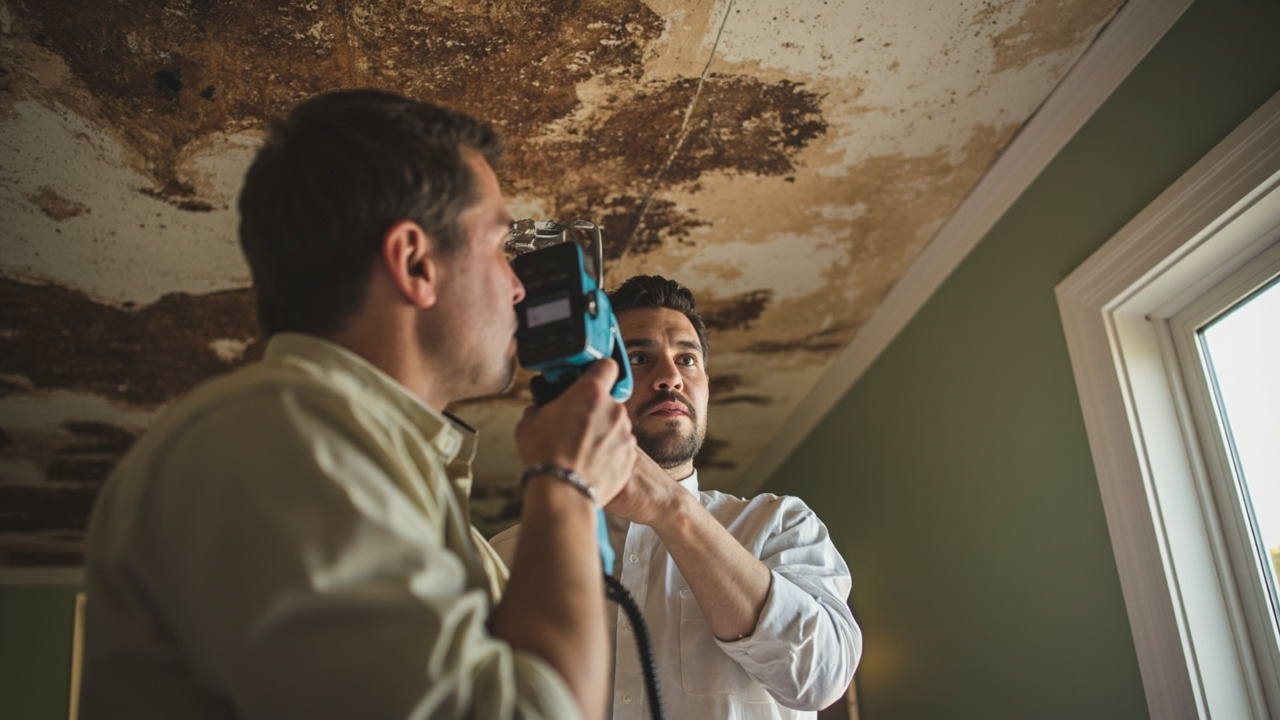
We start with a comprehensive moisture assessment using thermal imaging cameras and pin-type moisture meters. These tools detect elevated moisture content behind walls, under flooring, and inside ceiling assemblies. We identify hidden leaks from plumbing, HVAC condensate lines, or roof penetrations. We map the extent of saturation to determine which building materials can be dried in place and which require removal.

Once we locate the moisture source, we stop it. This might involve repairing a leaking supply line, sealing a roof flashing gap, or correcting negative grading around your foundation. Without source control, drying and cleaning efforts fail.

Next, we remove water-damaged materials that cannot be salvaged. Drywall, insulation, and carpet padding saturated for more than 48 hours harbor mold colonies. We perform controlled demolition, bag contaminated debris, and HEPA-vacuum dust to prevent cross-contamination. We do not leave moldy materials in place.

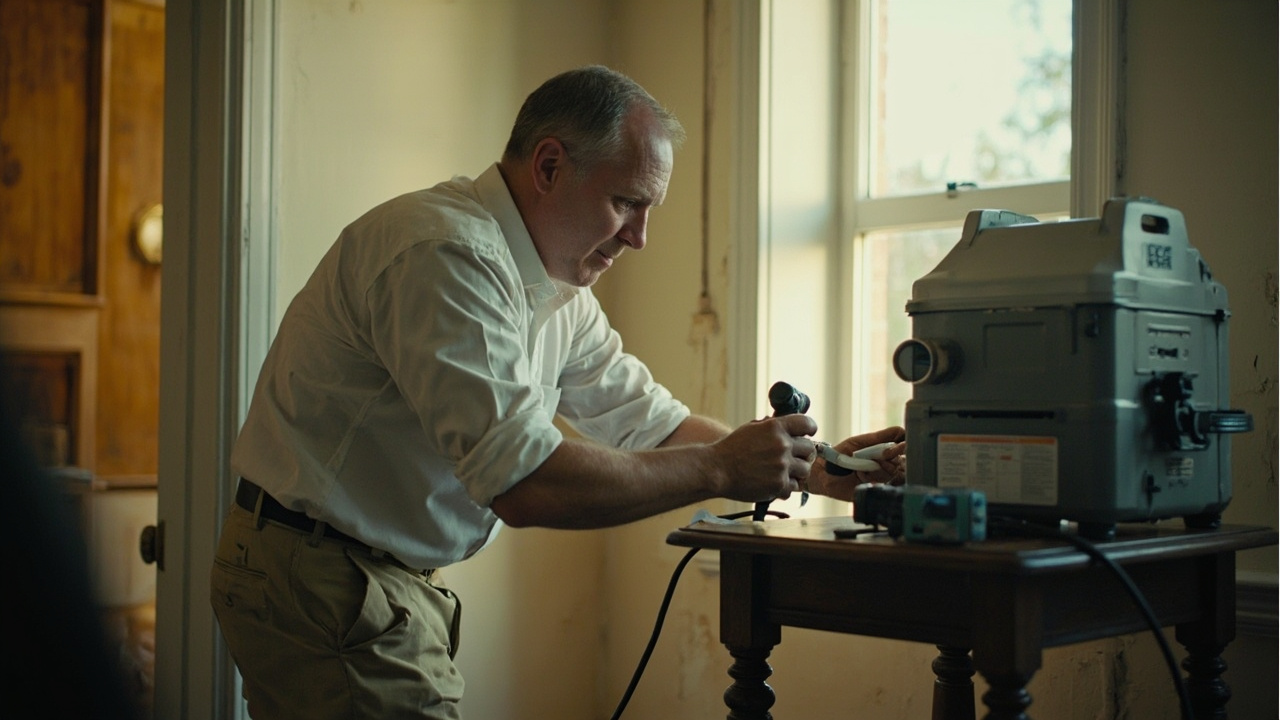
We then dry the structure using commercial-grade dehumidifiers and air movers. We monitor moisture levels daily with hygrometers and moisture meters until readings reach acceptable thresholds. Proper drying prevents mold regrowth.

After drying, we apply EPA-registered antimicrobial treatments to framing, subfloors, and other structural components. These agents kill residual mold spores and bacteria. We also treat HVAC ductwork if contaminated, as air handlers can distribute spores throughout your property.

For severe odor cases, we deploy hydroxyl generators or thermal fogging. Hydroxyl radicals break down VOCs at the molecular level. This technology is safe for occupied spaces and does not leave chemical residues. Removing moldy scents requires destroying the compounds creating them, not covering them up.

What Happens During Your Odor Remediation Service

Musty Smells & Odor Removal in New Orleans – Eliminate Hidden Moisture Sources Causing Persistent Odors
01

Moisture Detection and Diagnosis

We arrive with thermal imaging equipment and moisture meters to scan your property. We identify hidden leaks, measure humidity levels, and document moisture patterns. You receive a written assessment detailing where water entered, how far it spread, and what materials are affected. This diagnostic phase prevents guesswork and ensures we target the correct areas for damp smell remediation.
02

Controlled Material Removal

We establish containment barriers using polyethylene sheeting and negative air pressure to isolate work areas. We remove contaminated drywall, insulation, and flooring. All debris is bagged and disposed of according to Louisiana environmental guidelines. We HEPA-vacuum exposed framing and subfloors to capture airborne spores. This controlled demolition prevents mold from spreading to unaffected rooms during the eradicating water damage smells process.
03

Drying and Antimicrobial Treatment

We position industrial dehumidifiers and air movers to create optimal airflow across wet surfaces. We monitor drying progress with daily moisture readings. Once materials reach industry-standard moisture content, we apply antimicrobial treatments to kill remaining mold colonies. We sanitize HVAC components if needed. Finally, we deploy hydroxyl generators or thermal foggers to neutralize lingering VOCs, completing the mildew odor elimination process.

Why New Orleans Property Owners Choose Grand Water Damage Restoration

Musty odors are not a cosmetic problem. They signal active mold growth, which degrades indoor air quality and damages structural components. You need a restoration company that understands New Orleans's unique climate challenges and building methods.

Grand Water Damage Restoration New Orleans has worked in every neighborhood, from Mid-City bungalows to French Quarter commercial spaces. We know how moisture behaves in pier-and-beam foundations common in older homes. We understand how poor attic ventilation in shotgun houses creates condensation problems. We recognize how ground moisture from the Mississippi River floodplain wicks through concrete slab foundations.

We hold IICRC certifications in water damage restoration and applied microbial remediation. These credentials mean we follow science-based protocols, not guesswork. We use equipment calibrated to industry standards and document our work with moisture logs and photo records. If you plan to file an insurance claim, our detailed reports provide the evidence adjusters require.

We also know local building codes and permit requirements. If your project requires structural repairs after material removal, we coordinate with licensed contractors familiar with New Orleans's regulations. We do not leave you managing multiple vendors.

Our response time matters. Mold colonies double in size every 24 to 48 hours under optimal conditions. New Orleans's heat and humidity create those conditions. When you call, we dispatch a technician within hours, not days. We start moisture mapping immediately to prevent further contamination.

You will not receive a generic treatment plan. We customize our approach based on your property type, the severity of contamination, and your timeline. Residential clients receive detailed explanations in plain language. Commercial clients receive concise action plans focused on minimizing downtime and protecting liability.

We do not upsell unnecessary services. If your odor problem requires only drying and antimicrobial treatment, we tell you. If it requires full demolition and reconstruction, we explain why and show you the evidence.

What to Expect During Your Musty Odor Removal Service

Rapid Response and Assessment

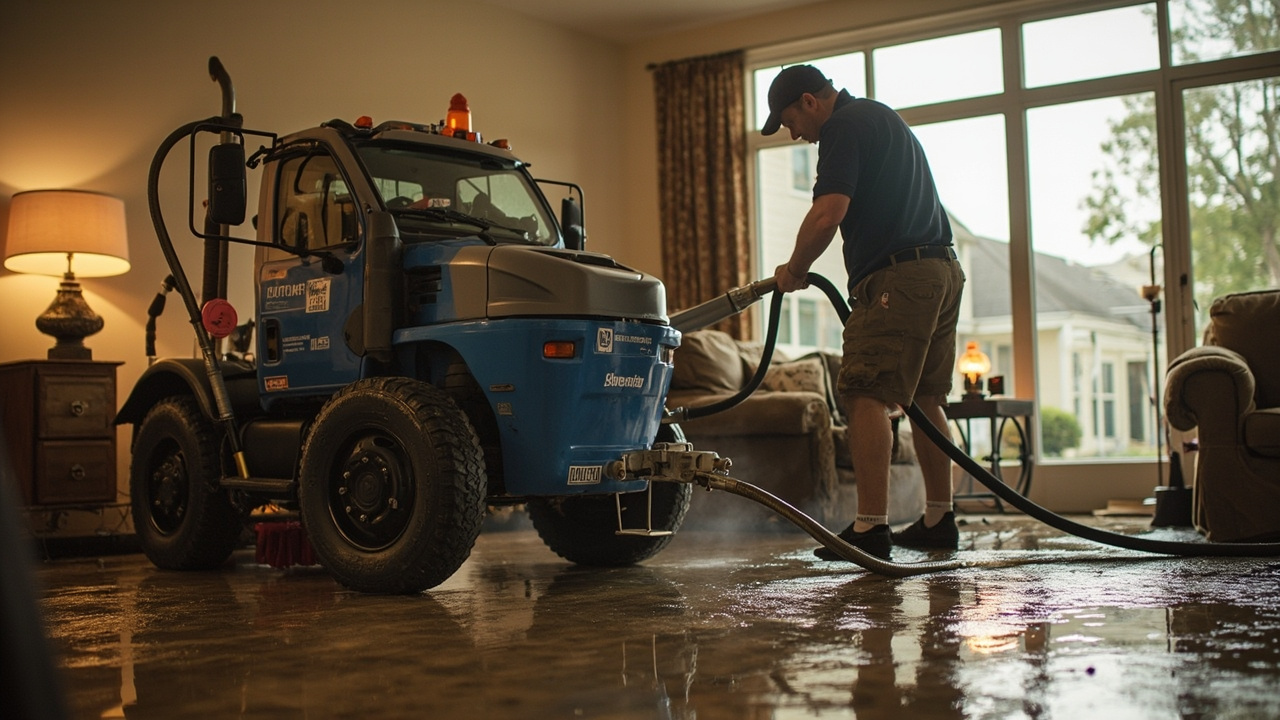
We dispatch a technician within two to four hours of your call. Our first visit includes a complete property inspection with thermal imaging and moisture testing. You receive a written scope of work outlining which areas require treatment, what materials need removal, and how long the project will take. We also provide a detailed estimate broken down by phase. Most assessments take 60 to 90 minutes. If you need emergency water extraction to stop ongoing damage, we begin immediately.

Transparent Communication Throughout the Process

We explain every step before we execute it. You will know why we are removing specific materials, how we plan to dry affected areas, and what antimicrobial products we use. We provide daily updates during multi-day projects. If we discover additional moisture damage during demolition, we stop and consult with you before proceeding. You will never be surprised by scope changes. We also coordinate directly with your insurance adjuster if you are filing a claim, providing all documentation they require for approval.

Complete Odor Elimination and Air Quality Restoration

Our goal is permanent odor removal, not temporary masking. We achieve this by eliminating moisture sources, removing contaminated materials, and treating structural components with antimicrobial solutions. We verify success with post-remediation moisture readings and air quality testing if requested. You will notice the difference immediately. The musty smell disappears because the mold and bacteria creating it no longer exist. We do not consider the job complete until you can walk into your property and smell nothing but clean air.

Post-Remediation Guidance and Prevention

After we finish, we provide written recommendations to prevent future moisture problems. This might include installing a dehumidifier in your crawl space, improving attic ventilation, or repairing exterior drainage issues. We explain which maintenance tasks you can handle yourself and which require professional attention. If your property needs reconstruction after material removal, we connect you with trusted local contractors. We also offer follow-up inspections at 30 and 90 days to verify moisture levels remain stable and odors have not returned.

Frequently Asked Questions

You Have Questions,
We Have Answers

How to get rid of a strong musty smell? +

Find the source first. In New Orleans, high humidity and poor ventilation often hide mold or mildew behind walls, under flooring, or in crawl spaces. Start by inspecting basements, attics, and areas near plumbing. Remove visible mold with proper cleaning agents, then improve airflow with fans or dehumidifiers. Clean soft surfaces like carpets and upholstery thoroughly. If the smell persists after cleaning, you likely have hidden water damage or microbial growth that needs professional remediation. Persistent musty odors signal active moisture problems that DIY methods cannot fully resolve.

What is the hardest smell to get rid of in a house? +

Smoke and mold-related odors are the toughest to eliminate because they penetrate porous materials like drywall, insulation, and wood framing. In New Orleans homes, especially those with older construction or storm damage history, mold spores embed deep into structural materials. Smoke particles bond chemically to surfaces. Standard cleaning only masks these smells temporarily. Professional remediation requires thermal fogging, ozone treatment, or complete material removal. HVAC systems also trap and recirculate these odors, requiring duct cleaning. If you smell persistent mustiness or smoke, surface-level fixes will fail.

Will DampRid get rid of musty smell? +

DampRid absorbs excess moisture from small, enclosed spaces like closets or bathrooms, which can reduce mild musty odors temporarily. However, it does not eliminate the root cause. In New Orleans, where humidity stays high year-round, DampRid cannot address active mold growth, water intrusion, or contaminated building materials. It works as a preventive tool in controlled areas but fails when structural moisture or hidden microbial colonies exist. If your musty smell persists after using DampRid for two weeks, you need professional moisture detection and remediation to locate the true source.

How to get rid of old lady smell in house? +

That stale, closed-up smell comes from poor air circulation, accumulated dust, old fabrics, and sometimes mild mildew. Open windows to ventilate the home. Wash or replace curtains, linens, and upholstered furniture. Vacuum carpets with a HEPA filter and wipe down surfaces with vinegar or baking soda solutions. Check closets and storage areas for trapped moisture or mildew. In New Orleans, older homes with limited airflow trap humidity and odors more easily. Run ceiling fans and dehumidifiers to keep air moving. If the smell remains, inspect for hidden water damage or mold.

What is the most powerful odor eliminator? +

No single product eliminates all odors because different sources require different approaches. Activated charcoal and baking soda absorb general odors. Enzyme cleaners break down organic smells like pet urine. Ozone generators oxidize smoke and mold odors but require professional handling due to health risks. Hydroxyl generators are safer for occupied spaces. For New Orleans homes with persistent musty or mildew smells, surface products fail. You need professional equipment like thermal foggers, air scrubbers, and antimicrobial treatments to reach contaminated materials inside walls, ducts, and subflooring. Temporary masking does not solve structural problems.

What does a musty smell indicate? +

A musty smell indicates excess moisture and microbial growth, usually mold or mildew. In New Orleans, high humidity, poor drainage, and storm damage create ideal conditions for hidden water intrusion. The odor comes from microbial volatile organic compounds released as mold digests organic materials like wood, drywall, or insulation. Common sources include leaking pipes, roof damage, foundation cracks, or condensation in crawl spaces. If you smell mustiness, moisture is present somewhere. Ignoring it allows mold to spread, damage your structure, and create health risks. Professional moisture mapping identifies the exact location.

What pulls odor out of the air? +

Air purifiers with HEPA filters and activated carbon remove airborne particles and odors. Activated charcoal absorbs smells naturally. Baking soda placed in open containers pulls odors from small spaces. Ventilation, using exhaust fans or open windows, dilutes and removes contaminated air. In New Orleans, where humidity is constant, dehumidifiers reduce moisture that carries odors. For serious problems like mold or smoke, professional air scrubbers with HEPA filtration and hydroxyl generators neutralize odors at the molecular level. Surface solutions only mask smells. You need equipment that addresses airborne contaminants and their sources.

What is the old lady's smell called? +

The term is nonenal, a chemical compound produced by aging skin. It creates a musty, greasy smell in poorly ventilated spaces. However, in homes, what people describe as old lady smell usually combines nonenal with stale air, dust, old fabrics, and mildew from trapped humidity. In New Orleans, older homes with limited ventilation and high moisture levels intensify this odor. Regular cleaning, washing fabrics, improving airflow, and controlling humidity eliminate most of the smell. If mustiness persists despite cleaning, check for hidden mold or water damage behind walls and in crawl spaces.

What three ingredients make your house smell good? +

Fresh air, cleanliness, and controlled humidity make a house smell good. No ingredient replaces proper ventilation and moisture control. In New Orleans, where humidity breeds odors, running dehumidifiers and exhaust fans prevents mustiness. Natural options like simmering citrus peels, cinnamon sticks, or vanilla extract add pleasant scents temporarily. Essential oil diffusers work for maintenance. However, these only mask underlying problems. If your home smells musty despite air fresheners, you have a moisture or mold issue. Address the root cause first. Pleasant scents should enhance a clean, dry home, not cover problems.

Can a house smell musty without mold? +

Yes. Musty smells can come from mildew, bacteria, or trapped moisture without visible mold growth. In New Orleans, high humidity alone creates mustiness in closets, basements, and poorly ventilated areas. Damp fabrics, old wood, or dirty HVAC ducts also smell musty. However, mold and mildew are closely related. If conditions support mustiness, mold can grow hidden inside walls, under flooring, or in ductwork. A musty smell always signals excess moisture. Even without confirmed mold, you need to locate and eliminate the moisture source to prevent future growth and structural damage.

Why New Orleans's Humidity and Flooding History Make Musty Odor Removal Critical

New Orleans averages 62 inches of rainfall annually, with thunderstorms dumping two to three inches in under an hour during summer months. The city's aging drainage infrastructure, managed by the Sewerage and Water Board, struggles to keep pace. Streets flood. Water pools against foundations. Sump pumps fail. Even minor flooding introduces contaminated water into homes, saturating flooring and wall cavities. Post-Katrina construction used FEMA elevation requirements, but thousands of pre-1950s homes sit at grade level. These properties wick moisture continuously. The longer water sits, the faster mold colonizes. Removing moldy scents in these conditions requires aggressive drying, antimicrobial treatment, and often structural repairs. Delaying treatment allows spores to spread through HVAC systems, contaminating entire properties.

Louisiana Revised Statute 9:3221 holds property owners liable for mold-related health claims if they fail to address known moisture problems. This makes professional mildew odor elimination a legal necessity for landlords and commercial property managers. Insurance adjusters in New Orleans also scrutinize water damage claims closely due to the region's flood history. Proper documentation, including moisture logs and IICRC-compliant remediation protocols, strengthens your claim and prevents denials. Choosing a local restoration company familiar with Orleans Parish building codes and state insurance requirements protects your investment. We know what adjusters expect and deliver the evidence they need.
Water Damage Restoration Services in The New Orleans Area

While Grand serves the wider region with our expert water damage restoration services, we invite you to view our central operational location on the map. This helps you visualize our base of operations and understand our commitment to providing swift, efficient service across our service areas. Our team is strategically positioned to ensure rapid deployment when you need us most, so don't hesitate to contact us regardless of your specific location within our service radius.

Address:
Grand Water Damage Restoration New Orleans, 201 St Charles Ave, New Orleans, LA, 70170

Additional Services We Offer

Our news updates

Latest Articles & News from The Blogs

Standing water in your Gretna home requires an immediate response to prevent permanent structural issues and mold growth. Residents living…

Fast Flood Restoration Strategies for Gretna Homeowners

Standing water in your Gretna home requires an immediate response to prevent permanent structural issues and mold growth. Residents living…

Resolving Ceiling Water Damage and Leaks in Mid-City Apartments

Dealing with Ceiling Water Damage Repair in Mid-City New OrleansA damp spot on your ceiling in a Mid-City apartment requires…

Removing that stubborn musty smell from historic plaster walls in Esplanade Ridge

Living in a historic home in the Esplanade Ridge neighborhood offers a unique charm that modern builds cannot replicate. Those…

Contact Us

Musty odors will not disappear on their own. Call Grand Water Damage Restoration New Orleans at (504) 355-2332 for a complete moisture assessment and odor remediation plan. We respond within hours and eliminate the source of your smell.