




Laplace sits in St. John the Baptist Parish where high water tables, heavy rainfall, and intense humidity create perfect conditions for catastrophic water damage. The area receives over 60 inches of rain annually, with severe thunderstorms and tropical systems bringing flash flooding to neighborhoods along Airline Highway and near Lake Pontchartrain's drainage basin.
Your home's proximity to wetlands and the slow-draining clay soil common throughout Laplace means water doesn't just damage, it lingers. Within 24 hours of exposure, mold spores activate in the humid air. Within 48 hours, structural wood begins warping. Within a week, you're facing remediation costs that can triple your initial damage.
The low elevation across Cambridge Estates, River Pointe, and areas near the Union Pacific rail corridor means groundwater intrusion happens fast during heavy rain. Older homes built before modern building codes lack vapor barriers, making them especially vulnerable when floodwaters rise. Commercial properties along Highway 51 and Belle Terre Boulevard face similar risks with aging drainage systems that can't handle the volume Louisiana weather delivers.
This isn't just about extraction. Effective water damage restoration in Laplace requires understanding how moisture behaves in our climate, how our building stock responds to saturation, and how to dry structures completely before secondary damage sets in.
Grand Water Damage Restoration New Orleans has built its reputation on one principle: respond immediately, restore completely. While other companies promise 24-hour service, we guarantee technician dispatch within 60 minutes of your call to any Laplace location. Our staging facility near the I-10/I-55 interchange means we reach River Pointe, Cambridge Estates, and neighborhoods along Airline Highway faster than competitors driving from New Orleans or Baton Rouge.
Speed matters because water damage compounds exponentially. Our fleet carries truck-mounted extraction units that remove standing water at 400 gallons per minute, paired with commercial-grade dehumidifiers that pull moisture from walls, subfloors, and cavities other companies miss. We don't just dry what's visible. We use thermal imaging cameras to map hidden moisture in wall cavities and beneath flooring, ensuring complete drying that prevents mold growth weeks after other crews have left.
Our technicians hold IICRC certifications in water damage restoration and applied structural drying. They understand how Laplace's older construction methods, from pier-and-beam foundations to crawl spaces without proper ventilation, require different drying strategies than modern slab foundations. We adjust our approach based on your property's age, construction type, and damage severity.
We work directly with every major insurance carrier serving St. John the Baptist Parish. Our estimators document damage with the same software adjusters use, photograph everything, and handle the claims process from initial reporting through final settlement. You get one point of contact instead of navigating between contractors and insurance bureaucracy while your property stays wet.

When you call Grand Water Damage Restoration New Orleans, a certified technician is dispatched to your Laplace property within one hour, 24/7/365. Our local staging facility and dedicated fleet mean we arrive while other companies are still answering their phones. Fast response stops damage from spreading and saves you thousands in remediation costs.

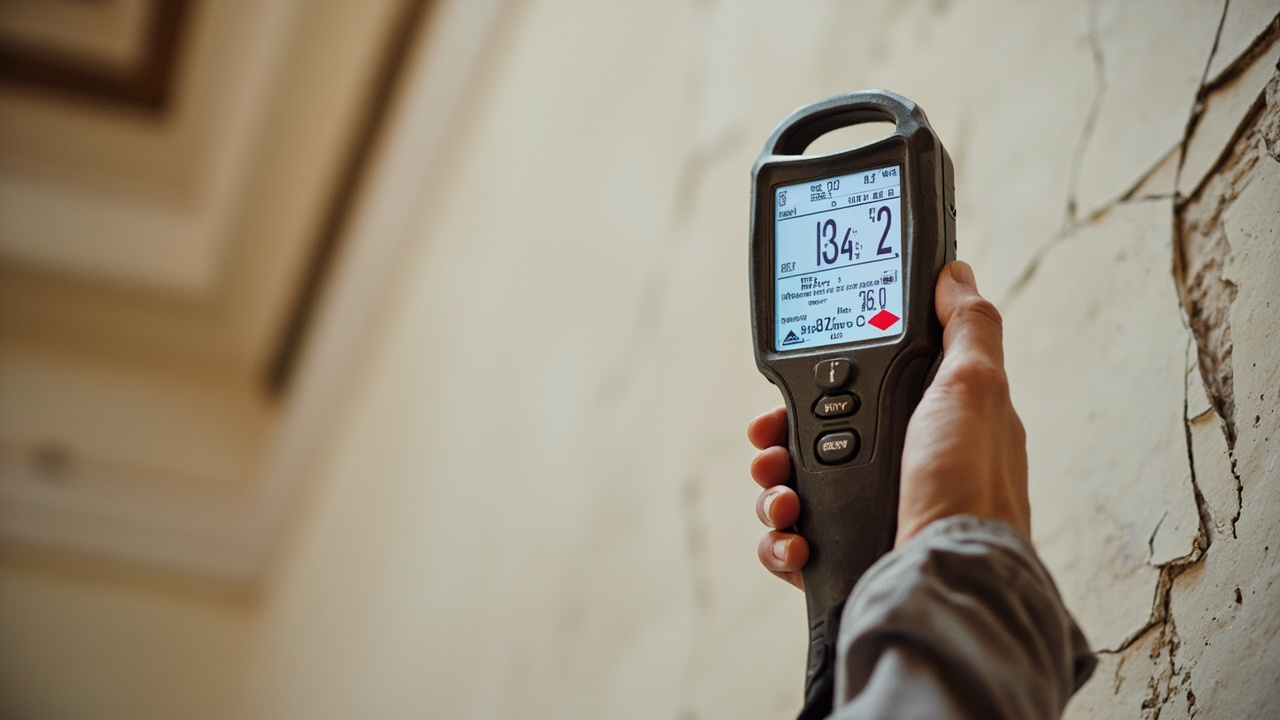
Surface drying isn't enough in Laplace's humid climate. We use thermal imaging and moisture meters to find water trapped in wall cavities, beneath flooring, and inside structural materials. Our industrial dehumidifiers run until readings confirm complete drying, preventing the mold growth that follows incomplete water removal. We verify dryness before we leave your property.
Every technician on our team holds current certifications from the Institute of Inspection Cleaning and Restoration Certification. These credentials require ongoing education in water damage science, structural drying, and microbial remediation. You get trained professionals who understand building science, not entry-level workers learning on your property during an emergency.
We handle claims paperwork, adjuster coordination, and documentation using the same estimating software your insurance company requires. Our team photographs damage, creates detailed scope reports, and bills your carrier directly. You focus on getting back to normal while we navigate the insurance process that delays most water damage recoveries.
Water damage takes many forms in Laplace. A burst supply line flooding your kitchen requires different equipment and techniques than sewage backup in a bathroom or rainwater intrusion through a compromised roof. Grand Water Damage Restoration New Orleans provides the full spectrum of water removal, structural drying, and remediation services that return your property to pre-loss condition.
Our service range covers everything from emergency extraction that stops active flooding to complete reconstruction of damaged rooms. We handle clean water damage from supply line failures, gray water contamination from appliance malfunctions, and black water sewage cleanup that requires biohazard protocols. Each category demands specific equipment, different safety procedures, and appropriate remediation techniques.
We structure our services around three core specialties that address the most common water damage scenarios Laplace property owners face. This organization ensures you get the right response for your specific situation, whether you're dealing with catastrophic flooding that requires massive extraction capacity or hidden moisture that needs precision detection and controlled drying. Every service includes moisture mapping, complete documentation for insurance claims, and verification testing that confirms successful restoration.
When your property floods, immediate extraction stops damage from spreading to unaffected areas. Our truck-mounted units remove standing water at 400 gallons per minute from flooded basements, saturated carpets, and pooled water on hard surfaces. We extract water from crawl spaces, remove soaked insulation, and pull wet materials before structural damage worsens. Emergency extraction includes emergency board-up if needed, content pack-out to prevent further damage, and immediate dehumidification to start the drying process.
Removing standing water is just the beginning. Structural drying eliminates moisture trapped inside walls, beneath flooring, and within building cavities where mold grows if left wet. We position commercial dehumidifiers and air movers based on moisture meter readings and thermal imaging maps. Our technicians monitor drying progress daily, adjust equipment placement, and document moisture levels until readings confirm complete dryness. Structural drying prevents warping, buckling, and microbial growth that appears weeks after incomplete remediation.
Sewage backups and contaminated floodwater require specialized cleanup protocols that protect your health. Our crews wear full PPE, remove contaminated materials following EPA guidelines, and apply antimicrobial treatments to affected surfaces. We handle Category 3 black water that contains pathogens, dispose of contaminated materials properly, and sanitize areas where sewage contacted building materials. Sewage cleanup includes odor elimination, complete disinfection, and air quality testing that verifies safe occupancy.
St. John the Baptist Parish's location between Lake Pontchartrain and the Mississippi River creates unique water damage risks. Heavy rainfall overwhelms aging drainage systems. High water tables push groundwater through foundation cracks. Humidity accelerates mold growth in any damp material. Understanding these local challenges helps property owners recognize water damage early, before minor leaks become major restoration projects.
Laplace's building stock ranges from newer construction in subdivisions like Cambridge Estates to older homes built before modern moisture barriers and foundation standards. Each construction type responds differently to water exposure. Older pier-and-beam foundations with crawl spaces trap moisture. Slab foundations crack when clay soil shifts during wet-dry cycles. Commercial buildings along Airline Highway face flat roof drainage failures during severe weather. These location-specific issues require responses tailored to Laplace's climate and construction patterns.
Laplace receives intense thunderstorms that dump several inches of rain in hours. Streets flood, water pools against foundations, and drainage systems can't keep up. Properties in low-lying areas near waterways experience repeated flooding that saturates crawl spaces and basements. Each flood event leaves moisture that compounds if not dried completely between weather events.
With humidity regularly exceeding 70 percent, any water intrusion activates mold spores within 24 hours. Hidden leaks behind walls, beneath flooring, or in attic spaces create perfect mold habitats. Once established, mold spreads rapidly through porous materials, requiring professional remediation that removes contaminated materials and treats affected areas with antimicrobial solutions.
Clay soil expands when wet and contracts when dry. This constant movement cracks concrete foundations and creates pathways for water intrusion. Hairline cracks grow into gaps that allow groundwater and surface runoff to enter basements and crawl spaces. Properties built on poorly compacted fill experience settlement that worsens foundation cracking over time.
Many Laplace homes have galvanized steel pipes installed decades ago. These lines corrode from the inside, developing pinhole leaks that spray water inside wall cavities before anyone notices. Supply line failures flood rooms in minutes. Drain line leaks create slow moisture buildup that rots subfloors and wall framing before visible damage appears.
Water damage creates chaos. Your property is flooding, valuables are at risk, and you need help immediately. Grand Water Damage Restoration New Orleans eliminates the confusion with a clear, structured response that begins the moment you call and continues until your property is completely restored.
Our process is designed around three priorities: stop the damage, dry the structure completely, and restore your property to pre-loss condition. You get consistent communication throughout the project. Our project manager becomes your single point of contact who coordinates with insurance adjusters, schedules work crews, and keeps you informed as restoration progresses. No confusion about who's responsible for what or when work will happen.
We know you're dealing with a crisis. Our team shows up when promised, works efficiently, and respects your property. Technicians wear shoe covers, contain work areas with plastic barriers, and clean up daily. You get professionals who understand this is your home or business, not just another job site.
Within 60 minutes of your call, a crew arrives with extraction equipment and moisture detection tools. The team leader inspects your property, identifies the water source, and creates a damage map showing affected areas. You receive an immediate verbal assessment of what needs to happen and a written scope of work within 24 hours. Our technicians start extraction and emergency mitigation immediately to prevent additional damage while paperwork processes.
Your dedicated project manager calls with daily updates during active drying and major milestone completions during reconstruction. You receive moisture reading reports that show drying progress, photos documenting work completed, and timeline updates if weather or material delivery affects scheduling. We answer questions promptly and explain technical decisions in plain language. You always know what's happening, why it's necessary, and when to expect completion.
We don't leave until moisture readings confirm complete dryness and all restoration work passes inspection. You receive final documentation including moisture maps, equipment logs, material invoices, and before-and-after photos for your insurance claim. Our work comes with a satisfaction guarantee. If issues appear related to our restoration work, we return to make it right at no additional cost.
Effective water damage restoration follows a proven sequence that stops damage, removes moisture, and rebuilds affected areas. This systematic approach ensures nothing gets missed and every phase completes properly before moving to the next.
When you call (504) 355-2332, our dispatcher gathers essential information about your emergency and immediately sends the nearest crew to your Laplace property. You receive an estimated arrival time and direct contact information for the responding technician. Our team brings truck-mounted extraction equipment, moisture meters, thermal imaging cameras, and initial drying equipment. The crew leader inspects damage, stops the water source if possible, and begins extraction within minutes of arrival.
Powerful extraction units remove standing water from all affected areas. Technicians pull wet carpets, remove soaked padding, and extract water from hard-to-reach spaces. We position commercial dehumidifiers and air movers based on moisture readings and airflow requirements. The drying setup runs continuously while technicians monitor progress daily, document moisture levels, and adjust equipment until readings confirm complete dryness. This phase typically takes three to five days depending on saturation levels and materials affected.
Once structures are completely dry, our reconstruction team rebuilds damaged areas. We replace removed drywall, install new flooring, repaint affected rooms, and restore your property to pre-loss condition. All work meets current building codes and matches existing finishes. Final inspection confirms quality standards before we close the project. You receive complete documentation including warranties on materials and workmanship for insurance records and your peace of mind.
Professional water damage restoration follows standards established by the Institute of Inspection Cleaning and Restoration Certification. These protocols classify water damage by contamination level and structural impact, determining appropriate remediation procedures for each situation. Understanding these categories helps property owners recognize why certain procedures are required and what restoration should include.
Water damage falls into three categories based on contamination. Category 1 clean water comes from supply lines, rainwater, or other sanitary sources. It poses minimal health risk but still requires prompt extraction to prevent Category 2 progression. Category 2 gray water contains chemical or biological contamination from sources like washing machine discharge, dishwasher overflow, or toilet overflow without feces. It requires antimicrobial treatment and careful handling. Category 3 black water is grossly contaminated with sewage, flooding from rivers or streams, or any water that has contacted soil. It requires full biohazard protocols including PPE, material removal, and comprehensive disinfection.
Damage classes range from Class 1 minimal absorption affecting small areas to Class 4 specialty drying situations involving stone, hardwood, or materials requiring extended drying time. Our technicians assess both category and class to determine extraction methods, drying equipment needs, and safety procedures required for your specific situation.
Louisiana's humid climate complicates drying. Target moisture content for wood framing is 15 percent or less. Drywall should reach 12 percent. These standards prevent mold growth and material degradation. We use moisture meters that measure moisture content by percentage, not just surface dampness. Thermal imaging cameras map temperature differentials that indicate moisture trapped behind walls or beneath flooring. This technology-based approach ensures complete drying that prevents callback repairs when hidden moisture causes problems later.
Insurance companies require documentation that meets IICRC S500 standards for water damage restoration. Our estimating software matches the same line items adjusters use, eliminating disputes over covered work. Proper documentation includes moisture maps showing affected areas, daily logs tracking drying progress, photos documenting damage extent, and final readings proving complete dryness.
Category 1 clean water requires extraction and drying. Category 2 gray water needs antimicrobial treatment. Category 3 black water demands biohazard protocols including material removal and comprehensive disinfection. Each category escalates in contamination risk and remediation requirements. Water category can worsen over time as clean water absorbs contaminants from building materials or remains standing for extended periods.
Restoration costs depend on water category, affected square footage, materials damaged, and how long water remained before remediation began. Sewage cleanup costs more than clean water extraction. Hardwood floor drying requires more time than tile. Delayed response increases damage severity and remediation scope. Insurance typically covers sudden water damage from pipe failures or appliance malfunctions but excludes gradual leaks or maintenance issues.
Complete structural drying typically requires three to five days for standard construction and seven to ten days for specialty materials or severe saturation. Rushing drying causes material damage. Insufficient drying guarantees mold growth. We monitor moisture daily and document readings that prove complete dryness before removing equipment. Louisiana's humidity extends drying time compared to arid climates, requiring more dehumidification capacity and longer equipment runtime.
Legitimate water damage restoration companies hold IICRC certifications in water damage restoration and applied structural drying. These credentials require technical training, examination, and continuing education. Louisiana requires contractors performing reconstruction work to hold appropriate licenses. Verify any company's credentials before allowing them to begin work. Unlicensed operators create insurance claim problems and often perform incomplete remediation that leads to mold issues.
Expert guide to water damage restoration in Laplace, Louisiana covering emergency extraction procedures, structural drying requirements, and moisture elimination techniques specific to St. John the Baptist Parish's humid climate. Learn about water contamination categories, IICRC restoration standards, documentation requirements for insurance claims, and why complete drying prevents mold growth in Louisiana's high-humidity environment. Includes information on response times, equipment used, and restoration processes for residential and commercial properties.
Grand Water Damage Restoration New Orleans maintains rapid response capability throughout Laplace and surrounding St. John the Baptist Parish communities. Our strategic location near the I-10/I-55 interchange positions us to reach any neighborhood within our 60-minute guarantee, from established areas along Airline Highway to newer developments like Cambridge Estates and River Pointe.
We serve residential properties throughout the River Oaks subdivision, where older homes built in the 1970s and 1980s face plumbing failures and drainage challenges from aging infrastructure. The Belle Terre Boulevard corridor sees commercial water damage from roof leaks and HVAC condensate line failures in retail spaces and office buildings. Properties near the Union Pacific rail line deal with groundwater intrusion during heavy rain when drainage systems can't handle runoff volume.
Cambridge Estates and other subdivisions near Highway 51 experience different challenges. Newer construction means modern plumbing, but rapid development sometimes results in drainage problems when lot grading doesn't account for Louisiana's intense rainfall. We've responded to dozens of calls from this area following severe thunderstorms that overwhelm gutters and pool water against foundations. River Pointe properties near the waterways connecting to Lake Pontchartrain face elevated flood risk during tropical weather, requiring emergency extraction services when storms push water into ground-floor areas.
The historic areas along Main Street and around the old downtown district feature mixed-use buildings with commercial spaces on ground floors and residential units above. These older structures often lack moisture barriers and contain galvanized plumbing that fails without warning. We've restored water damage in buildings dating to the early 1900s, requiring careful drying techniques that preserve historic materials while meeting modern restoration standards.
We extend service throughout St. John the Baptist Parish including LaPlace Heights, Frenier, and areas toward Reserve and Garyville. Rural properties face unique challenges with private wells, septic systems that backup during flooding, and limited access that requires specialized equipment. Our fleet includes vehicles capable of reaching properties on secondary roads and in areas where standard service trucks can't navigate.
Whether you're in a new subdivision, an established neighborhood, or a commercial district, Grand Water Damage Restoration New Orleans brings the same rapid response, professional equipment, and certified expertise to your property. We know Laplace's geography, understand local construction patterns, and maintain relationships with municipal building departments and insurance adjusters serving St. John the Baptist Parish.
Water damage restoration in Laplace addresses flooding, leaks, and moisture problems common to this Louisiana area. The process includes water extraction, structural drying, mold prevention, and repairs. Laplace sits near Lake Pontchartrain and faces regular threats from hurricanes, storms, and high humidity. Professional restoration teams use industrial pumps, dehumidifiers, and moisture meters to remove water and dry your property. Quick action prevents mold growth, which starts within 24-48 hours. Your homeowner's insurance often covers sudden water damage from burst pipes or storms. Document everything with photos before restoration begins. Choose local companies familiar with Laplace's unique climate challenges and flooding patterns.
Response time determines restoration success after water damage in Laplace. Water spreads quickly through flooring, walls, and furniture. Call a restoration company within the first hour if possible. While waiting, turn off electricity to affected areas and remove standing water with towels or mops if safe. Move furniture to dry areas and open windows for ventilation. Professionals should arrive within 2-4 hours for emergency situations. They assess damage severity, categorize water type, and begin extraction immediately. Category 1 water from clean sources requires different treatment than Category 3 contaminated water. Every hour of delay increases repair needs and mold risk.
Professional water damage restoration in Laplace follows a structured process. First, technicians inspect your property and identify all affected areas using thermal imaging and moisture detection tools. They extract standing water with submersible pumps and truck-mounted vacuums. Next comes the drying phase using air movers and commercial dehumidifiers, which runs for 3-7 days depending on damage extent. Technicians monitor moisture levels daily until materials reach normal readings. They remove unsalvageable materials like soaked drywall or insulation. Antimicrobial treatments prevent mold and bacteria growth. Final steps include cleaning, sanitizing, deodorizing, and coordinating repairs to restore your property.
Water damage restoration in Laplace addresses flooding, leaks, and moisture problems common to this Louisiana area. The process includes water extraction, structural drying, mold prevention, and repairs. Laplace sits near Lake Pontchartrain and faces regular threats from hurricanes, storms, and high humidity. Professional restoration teams use industrial pumps, dehumidifiers, and moisture meters to remove water and dry your property. Quick action prevents mold growth, which starts within 24-48 hours. Your homeowner's insurance often covers sudden water damage from burst pipes or storms. Document everything with photos before restoration begins. Choose local companies familiar with Laplace's unique climate challenges and flooding patterns.
Response time determines restoration success after water damage in Laplace. Water spreads quickly through flooring, walls, and furniture. Call a restoration company within the first hour if possible. While waiting, turn off electricity to affected areas and remove standing water with towels or mops if safe. Move furniture to dry areas and open windows for ventilation. Professionals should arrive within 2-4 hours for emergency situations. They assess damage severity, categorize water type, and begin extraction immediately. Category 1 water from clean sources requires different treatment than Category 3 contaminated water. Every hour of delay increases repair needs and mold risk.
Professional water damage restoration in Laplace follows a structured process. First, technicians inspect your property and identify all affected areas using thermal imaging and moisture detection tools. They extract standing water with submersible pumps and truck-mounted vacuums. Next comes the drying phase using air movers and commercial dehumidifiers, which runs for 3-7 days depending on damage extent. Technicians monitor moisture levels daily until materials reach normal readings. They remove unsalvageable materials like soaked drywall or insulation. Antimicrobial treatments prevent mold and bacteria growth. Final steps include cleaning, sanitizing, deodorizing, and coordinating repairs to restore your property.
Laplace homeowners face water damage from multiple sources. Hurricane season brings heavy rainfall and flooding from June through November. Tropical storms cause roof leaks and overwhelm drainage systems. Burst pipes occur during rare cold snaps when temperatures drop. Aging plumbing in older Laplace homes fails unexpectedly. Sump pump failures during storms allow basement flooding. Water heater leaks damage surrounding floors and walls. HVAC condensation problems create moisture buildup. Sewage backups from overwhelmed municipal systems affect ground-level properties. Poor drainage around foundations lets rainwater seep inside. Regular maintenance and inspections help prevent many of these issues before they cause serious damage.
Water damage falls into three categories based on contamination level. Category 1 involves clean water from broken supply lines, sink overflows, or rainwater. You must address it quickly before it becomes contaminated. Category 2 is gray water from washing machines, dishwashers, or toilet bowls without feces. It contains bacteria and requires careful handling. Category 3 is black water from sewage backups, flooding from rivers, or standing water with bacterial growth. This poses serious health risks and needs professional remediation. Laplace's flooding often involves Category 3 water due to storm surges and sewage system overflows. Never attempt Category 3 cleanup yourself.
Water damage restoration in Laplace typically takes 3-7 days for drying alone. Simple scenarios like a small pipe leak need 3-5 days. Extensive flooding from storms requires 1-2 weeks. Structural repairs and reconstruction add more time based on damage severity. Mold remediation extends the timeline if growth has started. Weather affects drying speed. High humidity in Laplace slows evaporation, requiring longer equipment runtime. Complete restoration including repairs takes 2-6 weeks on average. Your insurance claim processing adds additional time. Professionals provide detailed timelines after initial assessment. Living elsewhere during restoration is often necessary for major flooding events.
Your homeowner's insurance typically covers sudden and accidental water damage in Laplace. Burst pipes, roof leaks from storm damage, and appliance malfunctions qualify for coverage. Insurance pays for water extraction, drying, repairs, and temporary housing if needed. Flood insurance is separate and required for flooding from outside sources like hurricanes or rising water. Standard policies exclude flood damage. Document everything with photos and videos before cleanup starts. Contact your insurance company immediately after discovering damage. Keep receipts for emergency repairs and mitigation efforts. Work with restoration companies experienced in insurance claims. They communicate directly with adjusters and provide detailed documentation.
Choose a water damage restoration company in Laplace with proper credentials and local experience. Look for IICRC certification in water damage restoration. Check online reviews and ask for local references. Verify they offer 24/7 emergency response. Ask about their equipment quality and staff training. Request a detailed written estimate after inspection. Confirm they work directly with insurance companies. Local companies understand Laplace's specific challenges like humidity, flooding patterns, and building codes. Avoid companies demanding full payment upfront. Good companies charge after insurance approval or offer payment plans. Response time matters, so choose someone who arrives quickly during emergencies.
Prevent water damage in your Laplace home with regular maintenance and inspections. Clean gutters and downspouts twice yearly to prevent roof water backup. Inspect your roof after storms for missing shingles or damage. Check plumbing under sinks and around water heaters monthly. Replace washing machine hoses every five years. Install a sump pump with battery backup if you have a basement or crawl space. Seal foundation cracks before rainy season. Test your sump pump quarterly. Insulate pipes during cold weather. Install water detection alarms near appliances and in basements. Grade soil away from your foundation. Consider a whole-house water shutoff system.
Mold becomes a serious concern within 24-48 hours after water damage in Laplace. The humid climate accelerates mold growth on wet materials. Professional restoration prevents mold by removing water quickly and drying thoroughly. Technicians use antimicrobial treatments on affected surfaces. Air scrubbers remove mold spores from the air during cleanup. Porous materials like drywall and insulation often need removal if soaked. Wood framing requires complete drying to prevent future growth. Dehumidifiers lower humidity below 60% to stop mold development. If you see or smell mold, you need professional mold remediation alongside water damage restoration. Health risks increase with mold exposure.
Laplace homeowners face water damage from multiple sources. Hurricane season brings heavy rainfall and flooding from June through November. Tropical storms cause roof leaks and overwhelm drainage systems. Burst pipes occur during rare cold snaps when temperatures drop. Aging plumbing in older Laplace homes fails unexpectedly. Sump pump failures during storms allow basement flooding. Water heater leaks damage surrounding floors and walls. HVAC condensation problems create moisture buildup. Sewage backups from overwhelmed municipal systems affect ground-level properties. Poor drainage around foundations lets rainwater seep inside. Regular maintenance and inspections help prevent many of these issues before they cause serious damage.
Water damage falls into three categories based on contamination level. Category 1 involves clean water from broken supply lines, sink overflows, or rainwater. You must address it quickly before it becomes contaminated. Category 2 is gray water from washing machines, dishwashers, or toilet bowls without feces. It contains bacteria and requires careful handling. Category 3 is black water from sewage backups, flooding from rivers, or standing water with bacterial growth. This poses serious health risks and needs professional remediation. Laplace's flooding often involves Category 3 water due to storm surges and sewage system overflows. Never attempt Category 3 cleanup yourself.
Water damage restoration in Laplace typically takes 3-7 days for drying alone. Simple scenarios like a small pipe leak need 3-5 days. Extensive flooding from storms requires 1-2 weeks. Structural repairs and reconstruction add more time based on damage severity. Mold remediation extends the timeline if growth has started. Weather affects drying speed. High humidity in Laplace slows evaporation, requiring longer equipment runtime. Complete restoration including repairs takes 2-6 weeks on average. Your insurance claim processing adds additional time. Professionals provide detailed timelines after initial assessment. Living elsewhere during restoration is often necessary for major flooding events.
Your homeowner's insurance typically covers sudden and accidental water damage in Laplace. Burst pipes, roof leaks from storm damage, and appliance malfunctions qualify for coverage. Insurance pays for water extraction, drying, repairs, and temporary housing if needed. Flood insurance is separate and required for flooding from outside sources like hurricanes or rising water. Standard policies exclude flood damage. Document everything with photos and videos before cleanup starts. Contact your insurance company immediately after discovering damage. Keep receipts for emergency repairs and mitigation efforts. Work with restoration companies experienced in insurance claims. They communicate directly with adjusters and provide detailed documentation.
Choose a water damage restoration company in Laplace with proper credentials and local experience. Look for IICRC certification in water damage restoration. Check online reviews and ask for local references. Verify they offer 24/7 emergency response. Ask about their equipment quality and staff training. Request a detailed written estimate after inspection. Confirm they work directly with insurance companies. Local companies understand Laplace's specific challenges like humidity, flooding patterns, and building codes. Avoid companies demanding full payment upfront. Good companies charge after insurance approval or offer payment plans. Response time matters, so choose someone who arrives quickly during emergencies.
Prevent water damage in your Laplace home with regular maintenance and inspections. Clean gutters and downspouts twice yearly to prevent roof water backup. Inspect your roof after storms for missing shingles or damage. Check plumbing under sinks and around water heaters monthly. Replace washing machine hoses every five years. Install a sump pump with battery backup if you have a basement or crawl space. Seal foundation cracks before rainy season. Test your sump pump quarterly. Insulate pipes during cold weather. Install water detection alarms near appliances and in basements. Grade soil away from your foundation. Consider a whole-house water shutoff system.
Mold becomes a serious concern within 24-48 hours after water damage in Laplace. The humid climate accelerates mold growth on wet materials. Professional restoration prevents mold by removing water quickly and drying thoroughly. Technicians use antimicrobial treatments on affected surfaces. Air scrubbers remove mold spores from the air during cleanup. Porous materials like drywall and insulation often need removal if soaked. Wood framing requires complete drying to prevent future growth. Dehumidifiers lower humidity below 60% to stop mold development. If you see or smell mold, you need professional mold remediation alongside water damage restoration. Health risks increase with mold exposure.
While Grand serves the wider region with our expert water damage restoration services, we invite you to view our central operational location on the map. This helps you visualize our base of operations and understand our commitment to providing swift, efficient service across our service areas. Our team is strategically positioned to ensure rapid deployment when you need us most, so don't hesitate to contact us regardless of your specific location within our service radius.
Address:
Laplace, LA, 70068
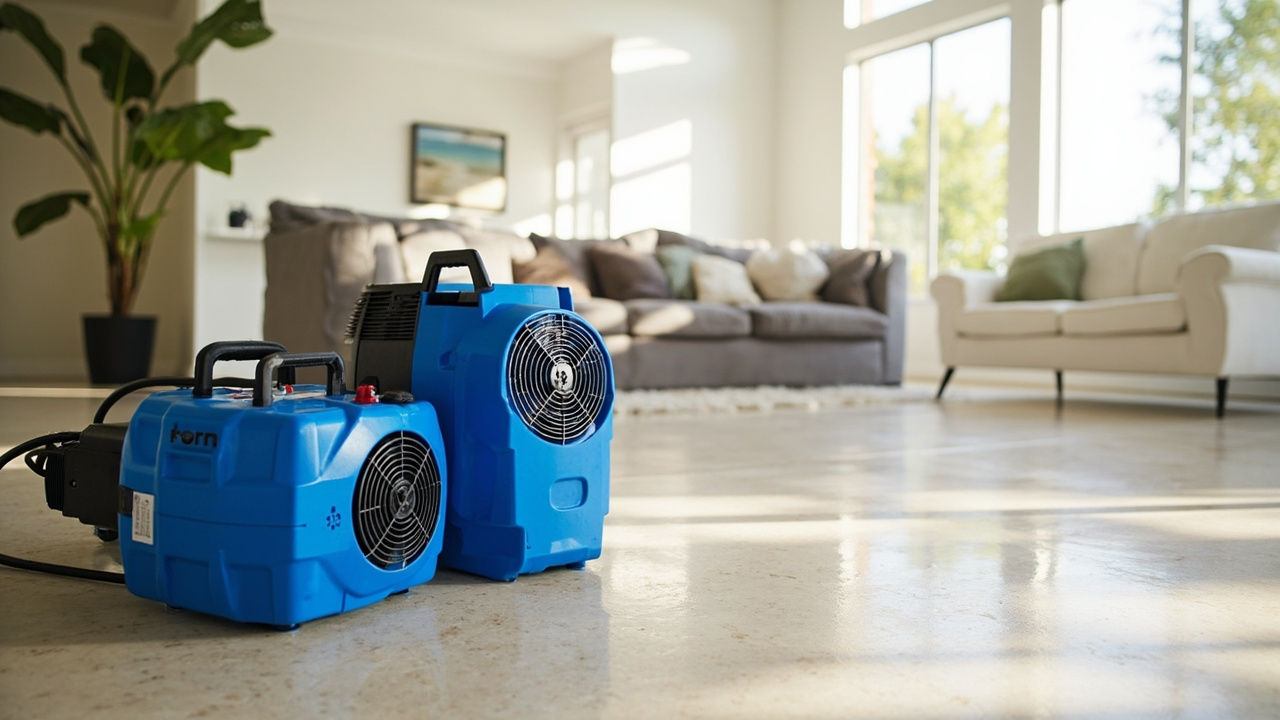
Emergency Burst Pipe Repair in Kenner Louisiana A burst pipe in your Kenner home creates an immediate crisis that requires more than just a mop and a bucket. When a main line fails near the…
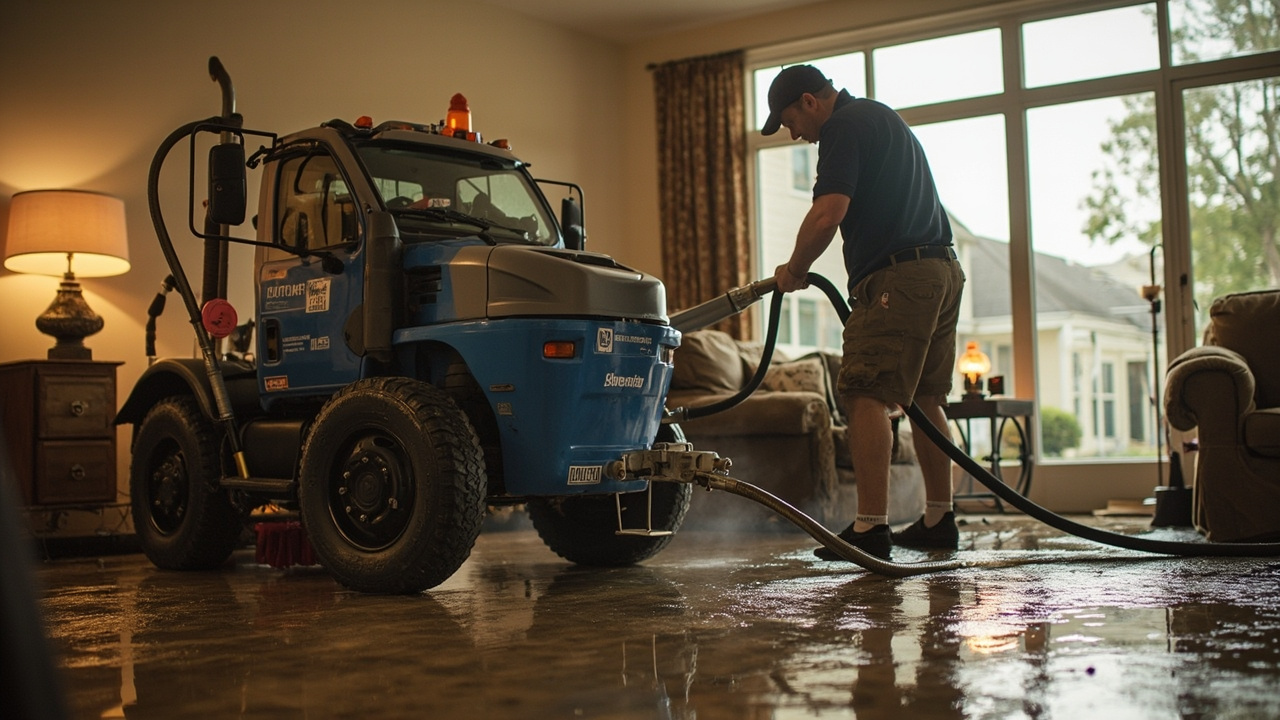
Standing water in your Gretna home requires an immediate response to prevent permanent structural issues…
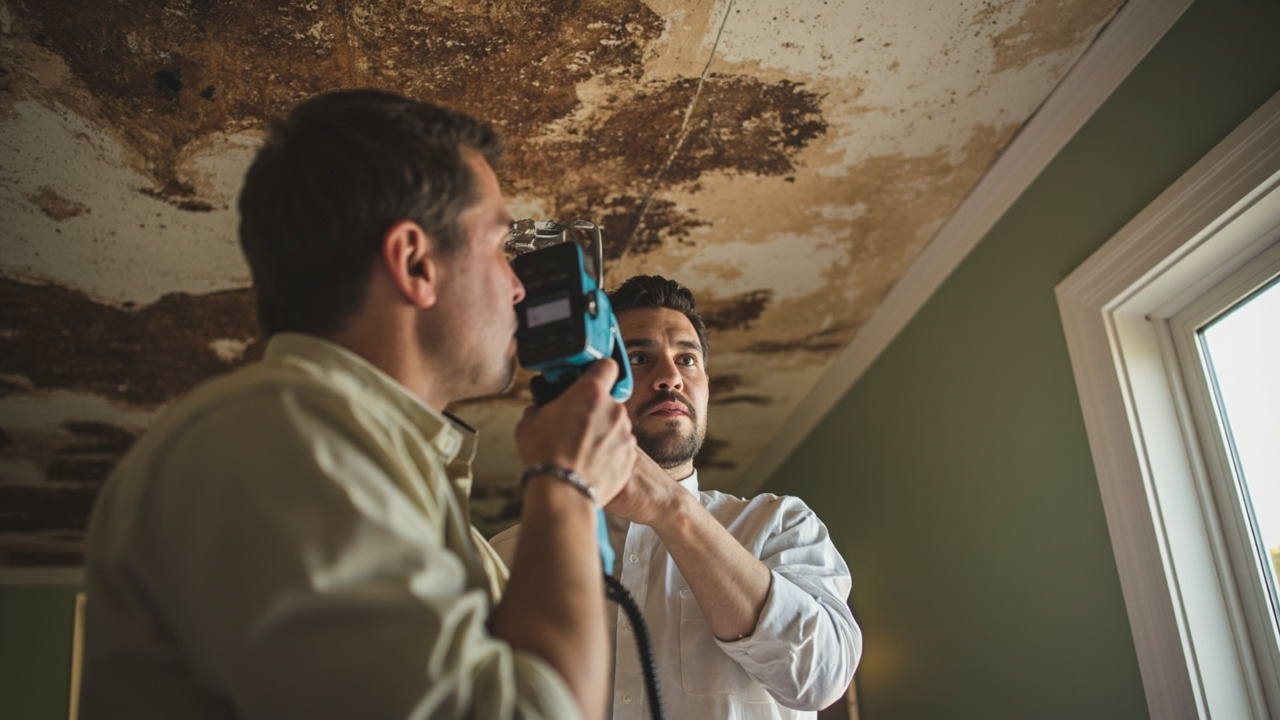
Dealing with Ceiling Water Damage Repair in Mid-City New OrleansA damp spot on your ceiling…
Living in a historic home in the Esplanade Ridge neighborhood offers a unique charm that…
Water damage worsens every hour. Stop the destruction now. Call Grand Water Damage Restoration New Orleans at (504) 355-2332 for immediate dispatch to your Laplace property. Our certified technicians respond 24/7 with professional extraction equipment and complete restoration services.