



menu

Burst Pipe Water Damage in New Orleans – Fast 24/7 Response Before Mold Takes Hold

When a ruptured pipe floods your property, every minute counts in New Orleans's high-humidity climate. Grand Water Damage Restoration New Orleans deploys certified crews within the hour to stop flooding, extract water, and prevent mold colonization before permanent damage sets in.

Slider Image 1
Slider Image 2
Slider Image 3
Slider Image 4
Slider Image 5
Slider Image 7
Slider Image 8
Slider Image 9
Slider Image 10
Slider Image 11

Why Burst Pipes Cause Catastrophic Damage in New Orleans Homes

A burst pipe releases hundreds of gallons of water per hour directly into your walls, floors, and foundation. In New Orleans, where ambient humidity already hovers above 75 percent year-round and the water table sits just feet below grade, that water does not evaporate. It migrates.

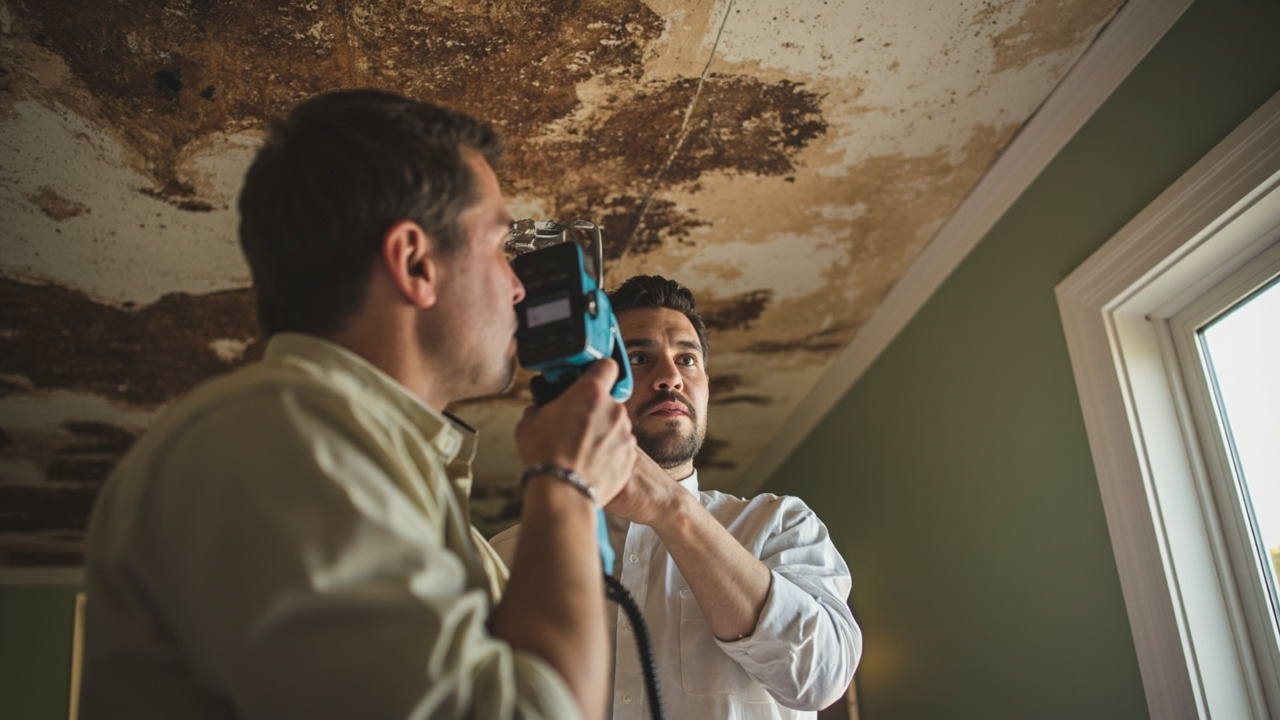
Within 24 hours, water damage from a burst pipe triggers mold spore germination in drywall and insulation. Within 48 hours, wooden floor joists in Creole cottages and shotgun homes begin to swell and warp. Within 72 hours, black mold becomes a health hazard that requires professional remediation.

The city's aging cast iron supply lines, installed in the 1940s and 1950s throughout neighborhoods like the Garden District and Uptown, corrode from the inside out. Pressure surges from the Sewerage and Water Board's antiquated pumping stations accelerate stress fractures. When a pipe finally ruptures, the break often occurs behind walls or under slab foundations, where homeowners cannot see the damage accumulating.

Ruptured pipe water damage also compromises electrical systems. New Orleans homes built on pier-and-beam foundations allow water to pool beneath living spaces, seeping into junction boxes and breaker panels. This creates fire risk and electrical shock hazards that persist long after the visible water recedes.

The longer water sits, the deeper it penetrates. Subfloor adhesives dissolve. Baseboards swell. Drywall crumbles. Hardwood floors cup. What starts as broken pipe water damage becomes a complete interior rebuild if you wait.

You need immediate extraction, structural drying, and antimicrobial treatment before the clock runs out.

Why Burst Pipes Cause Catastrophic Damage in New Orleans Homes
How We Stop Burst Pipe Flooding and Restore Structural Integrity

How We Stop Burst Pipe Flooding and Restore Structural Integrity

Grand Water Damage Restoration New Orleans follows the IICRC S500 Standard for water damage restoration, adapted to the unique failure modes of Gulf Coast construction. We do not just dry your property. We reverse the damage cascade before it becomes irreversible.

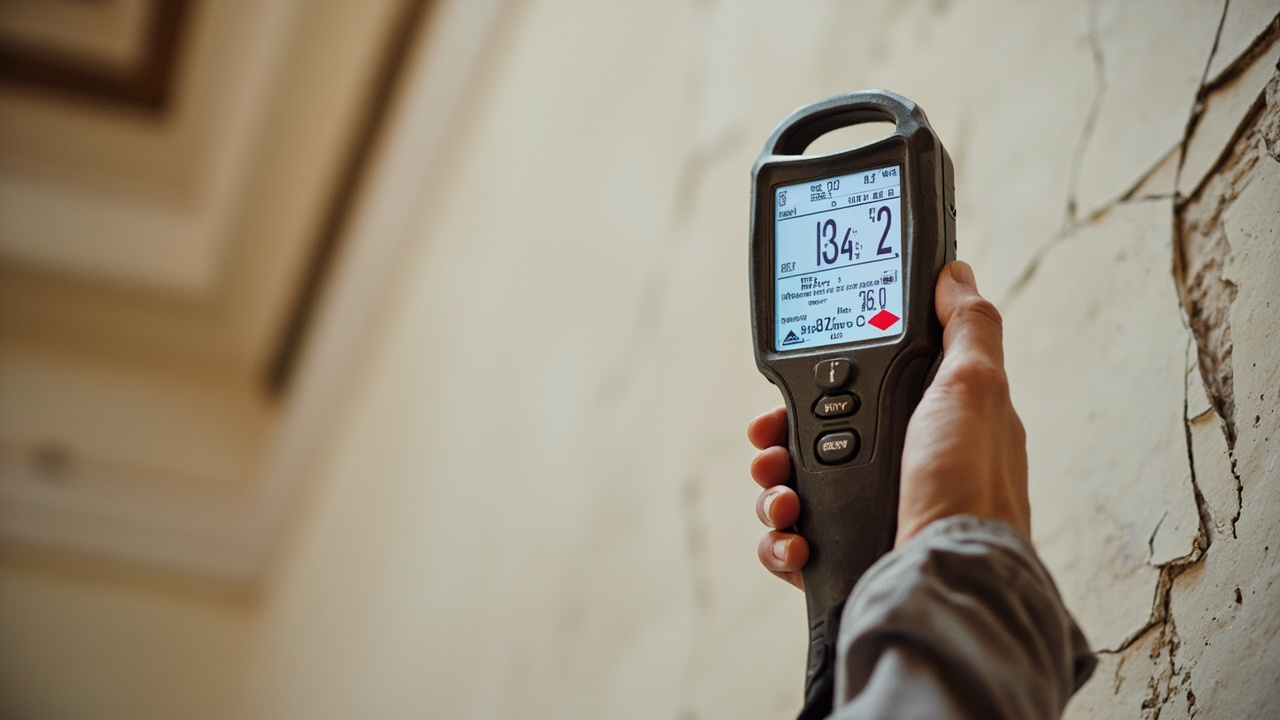
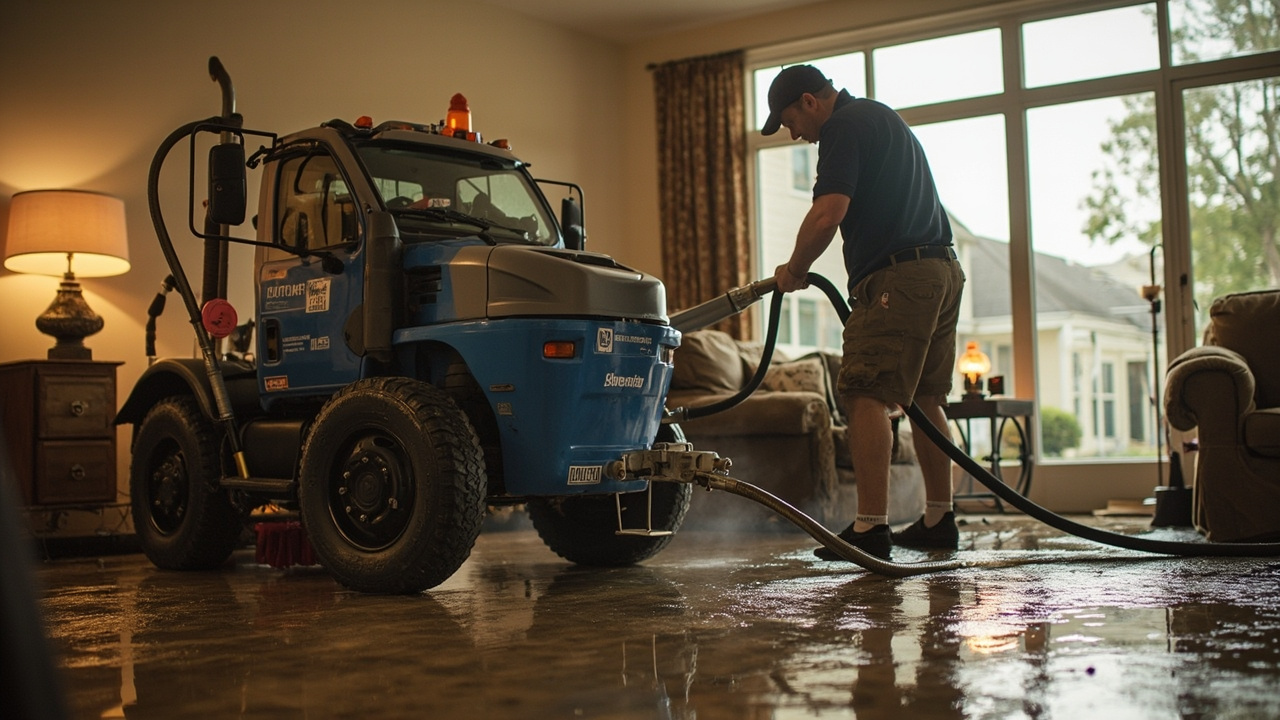
Our technicians arrive with truck-mounted extraction units that pull standing water at 200 gallons per minute. We remove saturated carpet padding, which acts as a sponge and re-wets flooring. We pull baseboards to access wall cavities, where water pools against the vapor barrier. We use thermal imaging cameras to map moisture intrusion behind tile and beneath vinyl plank flooring, where traditional moisture meters cannot reach.

After extraction, we deploy low-grain refrigerant dehumidifiers, not the consumer-grade compressor units sold at hardware stores. These machines pull moisture from the air faster than New Orleans's humidity can replace it, creating a negative vapor pressure gradient that draws water out of building materials. We pair dehumidifiers with axial air movers positioned at 45-degree angles to create laminar airflow across wet surfaces, accelerating evaporation without scattering mold spores.

We monitor drying progress with daily moisture readings logged in a drying log. We test wood framing, drywall, and concrete until moisture content drops below 15 percent, the threshold where mold cannot colonize. If your property has vermiculite insulation or horsehair plaster common in pre-1950s New Orleans construction, we adjust drying protocols to prevent material failure.

For burst pipe water cleanup involving Category 2 or Category 3 contamination from supply line backflow or sewer interaction, we apply EPA-registered antimicrobials and encapsulants. We document every step for your insurance carrier, translating technical findings into the language adjusters understand.

You get a property restored to pre-loss condition, not a Band-Aid fix that fails in six months.

What Happens After You Call for Emergency Burst Pipe Service

Burst Pipe Water Damage in New Orleans – Fast 24/7 Response Before Mold Takes Hold
01

Immediate Water Shutoff and Assessment

Our dispatch team walks you through shutting off your main water valve while our crew mobilizes. Within 60 minutes, a certified technician arrives to locate the rupture point, stop active flooding, and map the extent of water migration using moisture meters and infrared thermography. We photograph damage for your insurance claim and establish containment barriers to prevent cross-contamination into unaffected areas.
02

Water Extraction and Structural Drying

We extract standing water using truck-mounted pumps and portable extractors for hard-to-reach areas. Saturated materials like carpet padding and insulation get removed. We position commercial dehumidifiers and air movers in a scientifically calculated layout based on psychrometric principles, creating optimal drying conditions. Daily moisture monitoring ensures we hit target dryness levels in wood framing, concrete, and drywall before we demobilize equipment.
03

Antimicrobial Treatment and Restoration Prep

Once materials reach equilibrium moisture content, we apply antimicrobial treatments to all affected surfaces to prevent mold growth. We compile a detailed scope of repair for your insurance carrier, documenting all non-salvageable materials and structural repairs required. You receive a complete moisture map, photo documentation, and a final drying log proving your property is safe for reconstruction. We coordinate directly with your contractor or handle repairs in-house.

Why New Orleans Homeowners Trust Grand Water Damage Restoration

Water damage restoration in New Orleans requires more than textbook knowledge. It requires understanding how this city is built and how it fails.

We know that homes in Lakeview and Gentilly sit in bowl-shaped depressions below sea level, where water does not drain naturally. We know that French Quarter buildings have brick foundations that wick moisture upward through capillary action, requiring vapor barriers most contractors forget. We know that the Sewerage and Water Board's frequent pressure fluctuations stress pipe joints in ways that do not happen in cities with stable municipal systems.

Our technicians train specifically on the construction methods used in New Orleans's historic housing stock. We understand the difference between restoring a 1920s shotgun double with lathe-and-plaster walls versus a 1980s ranch in New Orleans East with drywall and particle board subfloors. We adjust drying protocols, antimicrobial selection, and reconstruction methods accordingly.

We also navigate insurance claims in a market where carriers increasingly deny coverage or lowball estimates. We document every phase of restoration with the detail adjusters demand. We provide moisture readings, thermal images, and material testing results that prove the scope of damage. When carriers dispute our findings, we bring in third-party hygienists and engineers whose reports hold up under scrutiny.

Grand Water Damage Restoration New Orleans operates 24 hours a day, 365 days a year. We do not route your emergency call to an answering service in another state. You speak directly to a local dispatcher who knows where you live and how fast we can reach you.

We have restored properties through Hurricane Ida, the 2021 winter freeze that burst pipes across the metro, and countless supply line failures in between. We hold IICRC certifications in Water Damage Restoration and Applied Structural Drying. We carry full liability insurance and workers' compensation coverage.

You get a local team that answers the phone, shows up when promised, and finishes the job correctly.

What to Expect When You Hire Us for Burst Pipe Water Cleanup

Emergency Response Time

We dispatch a crew within 60 minutes of your call, 24 hours a day. Our technicians carry extraction equipment, moisture meters, and containment supplies on every truck. We do not schedule you for next-day service while water destroys your property. Speed matters because mold begins colonizing porous materials within 24 to 48 hours in New Orleans's humidity. By the time you see visible mold, spore counts have already reached hazardous levels. Our rapid response stops that progression before it starts.

Comprehensive Moisture Assessment

Our initial assessment uses a combination of penetrating pin moisture meters, non-invasive scanners, and thermal imaging cameras to map hidden water intrusion. We test wall cavities, subfloors, and ceiling plenums where water migrates invisibly. We measure relative humidity and temperature to calculate vapor pressure and dew point, which dictate drying strategy. You receive a written moisture map showing affected areas, moisture content percentages, and our drying plan. This documentation becomes critical for insurance claims and proves we are drying your property scientifically, not guessing.

Certified Structural Drying

We do not pull equipment prematurely. Our technicians return daily to take moisture readings in all affected materials until they reach equilibrium with surrounding unaffected areas. Wood framing must drop below 15 percent moisture content. Concrete slabs must register below 4 percent on a calcium chloride test. Drywall must return to baseline readings. We adjust equipment placement and run times based on real data, not arbitrary timelines. You receive a final drying log with dated readings proving your property is safe for reconstruction and mold-free.

Insurance Coordination and Documentation

We compile detailed photo documentation, moisture logs, equipment logs, and material inventories that meet insurance carrier standards. We write estimates in Xactimate, the software adjusters use, so our scope aligns with their systems. We participate in adjuster site visits and explain technical findings in terms they understand. If your carrier disputes coverage or scope, we provide supplemental reports and third-party testing to support your claim. You do not navigate the claims process alone. We handle the technical documentation so you can focus on getting your life back to normal.

Frequently Asked Questions

You Have Questions,
We Have Answers

Does insurance cover water damage from a burst pipe? +

Most homeowner policies cover sudden or accidental water damage from burst pipes, including repair costs and structural damage. Coverage applies if the burst was unexpected, not from neglect. Policies exclude damage from lack of maintenance, like corroded pipes you ignored. In New Orleans, where humidity accelerates corrosion and freeze events are rare but damaging, insurers scrutinize maintenance records closely. File claims immediately, document everything with photos, and keep repair receipts. Coverage limits vary, so review your policy's water damage clause. Deductibles apply. If the burst caused mold growth, separate coverage may be needed.

Who is responsible for burst water pipes? +

Responsibility depends on pipe location and property type. Homeowners own pipes inside their property line, including interior walls and under slabs. In New Orleans multi-family buildings or condos, the HOA handles common area pipes, while unit owners manage interior lines. Landlords are responsible for rental property pipes unless tenant negligence caused the burst. The Sewerage and Water Board of New Orleans owns main lines in streets. If a burst stems from deferred maintenance or code violations, the property owner is liable. Always verify your deed and insurance policy to clarify boundaries.

How many hours below freezing to freeze pipes? +

Pipes can freeze after 6 to 8 hours at 20 degrees Fahrenheit or below, but New Orleans rarely sees such sustained cold. Most local bursts happen during brief hard freezes when temps drop to 28 to 32 degrees overnight, especially in uninsulated crawl spaces or exterior walls. Older homes in the Garden District or Bywater with poor insulation are vulnerable. Wind chill accelerates freezing. Pipes in attics, under pier-and-beam foundations, and near exterior hose bibs freeze first. Even short cold snaps can burst pipes if water sits stagnant.

What to do after a water pipe bursts? +

Shut off the main water valve immediately to stop flooding. Turn off electricity to affected areas to prevent shock hazards. Move furniture and valuables to dry zones. Document damage with photos and video for insurance claims. Contact a licensed water damage restoration company that operates 24/7 in New Orleans. Extract standing water fast, as mold can colonize within 24 to 48 hours in our humid climate. Notify your insurer within hours. Do not delay cleanup. High humidity and heat accelerate secondary damage, warping floors and rotting drywall quickly.

What is the average insurance payout for water damage? +

National averages range from $2,000 to $10,000, but payouts depend on damage extent, policy limits, and deductibles. Severe bursts causing structural damage, mold remediation, or flooring replacement cost more. In New Orleans, moisture-related claims often include mold, which inflates costs. Insurers deduct depreciation for older materials. Contents coverage is separate from structural coverage. High-value homes in areas like Uptown or Lakeview may see larger payouts due to replacement costs. Always review your policy's actual cash value versus replacement cost terms before filing.

How much does it cost to fix burst pipes? +

Repair costs vary by pipe location, material, and damage severity. Accessible pipe repairs in walls or under sinks run $200 to $600. Repairs requiring wall demolition, slab penetration, or crawl space access cost $1,000 to $4,000. In New Orleans, older cast iron or galvanized pipes common in historic homes corrode faster and require full replacements, increasing costs. Add water extraction, drywall replacement, and mold remediation, and total bills can exceed $5,000. Emergency service rates during freezes or hurricanes run higher. Get multiple licensed plumber estimates before committing.

Is a burst pipe negligence? +

Negligence applies if a property owner ignored known risks, deferred maintenance, or violated building codes. In New Orleans, failing to insulate pipes in unheated crawl spaces or ignoring visible corrosion can constitute negligence. If a landlord knew pipes were old and fragile but delayed replacement, tenants may claim liability. Homeowners who skip winterization during rare freezes risk claims denial. Courts examine whether a reasonable person would have prevented the burst. Document maintenance and inspections to protect yourself. Negligence affects insurance payouts and lawsuit outcomes.

How long does your water have to be off before compensation? +

Compensation timelines depend on your water provider and cause. The Sewerage and Water Board of New Orleans has no standard compensation policy for brief outages. Extended outages from infrastructure failure may qualify for bill credits, but you must file complaints. If a third party caused the outage, you can pursue damages through civil claims. Landlords must restore water promptly or face lease violations. Businesses can claim losses if outages stem from negligence. Document outage duration, losses, and communications. Consult a local attorney if damages are significant or prolonged.

Do most home insurance policies cover water damage? +

Most standard homeowner policies cover sudden, accidental water damage, like burst pipes or appliance leaks. They exclude gradual damage, flooding from storms or rising water, and sewer backups unless you buy riders. In New Orleans, flood insurance is separate and critical due to hurricanes and heavy rain. Policies also exclude damage from deferred maintenance, like leaking roofs or corroded pipes you ignored. Review your policy's water damage exclusions and consider add-ons for sump pump failure or sewer backup. Always read the fine print before assuming coverage.

At what temperature should you let your faucets drip? +

Let faucets drip when temps drop to 28 degrees Fahrenheit or below. In New Orleans, this applies during rare winter cold fronts, usually a few nights per year. Open cabinets under sinks to let warm air circulate around pipes. Focus on exterior walls, crawl spaces, and unheated areas. A slow drip relieves pressure and prevents freezing. Even brief freezes can burst pipes in older homes with poor insulation. Monitor weather forecasts and act preemptively. Dripping faucets waste minimal water compared to burst pipe repair costs and flood damage.

How New Orleans's Below-Sea-Level Geography Amplifies Burst Pipe Damage

New Orleans sits in a bowl-shaped depression where natural drainage does not exist. When a burst pipe releases hundreds of gallons of water, gravity pulls it downward into subfloors and foundations, but it has nowhere to go. The high water table, often just 18 inches below grade in neighborhoods like Lakeview and Gentilly, prevents absorption into the soil. Water remains trapped in your structure, wicking upward through capillary action in brick and concrete. This creates persistent moisture intrusion that standard drying methods cannot address. Ruptured pipe water damage in New Orleans requires subslab injection drying and vapor barrier installation to stop the cycle.

Grand Water Damage Restoration New Orleans has restored properties through every major flooding event in the past decade, from Hurricane Ida to the 2021 freeze that burst pipes across the metro. We understand the unique failure modes of pier-and-beam foundations, the moisture retention properties of century-old brick, and the mold amplification caused by year-round humidity above 75 percent. We hold IICRC certifications and train specifically on Gulf Coast construction methods. When you hire us for broken pipe water damage or burst pipe flooding, you get a team that knows how this city is built and how to save it.
Water Damage Restoration Services in The New Orleans Area

While Grand serves the wider region with our expert water damage restoration services, we invite you to view our central operational location on the map. This helps you visualize our base of operations and understand our commitment to providing swift, efficient service across our service areas. Our team is strategically positioned to ensure rapid deployment when you need us most, so don't hesitate to contact us regardless of your specific location within our service radius.

Address:
Grand Water Damage Restoration New Orleans, 201 St Charles Ave, New Orleans, LA, 70170

Additional Services We Offer

Our news updates

Latest Articles & News from The Blogs

Living in a historic home in the Esplanade Ridge neighborhood offers a unique charm that modern builds cannot replicate. Those…

Removing that stubborn musty smell from historic plaster walls in Esplanade Ridge

Living in a historic home in the Esplanade Ridge neighborhood offers a unique charm that modern builds cannot replicate. Those…

Why your Westbank home might have a hidden shower pan leak and the best next steps

Westbank homeowners in Gretna and Marrero face specific plumbing challenges due to the local environment. High humidity levels and shifting…

Why ignoring a slow water heater leak in Carrollton destroys your home

A tiny puddle under your water heater in the 70118 zip code might look like a minor inconvenience. In the…

Contact Us

Every hour you wait allows water to migrate deeper into your walls and floors. Call Grand Water Damage Restoration New Orleans at (504) 355-2332 right now. We answer 24/7 and dispatch crews immediately to stop flooding, extract water, and start drying your property before mold takes hold.