


menu

Emergency Sewage Cleanup in New Orleans – Rapid Response Teams Deployed in Under 60 Minutes

When raw sewage floods your property, every minute counts. Our certified emergency sewage removal crews arrive fast, extract contaminated water immediately, and prevent catastrophic health hazards across Orleans Parish.

Slider Image 1
Slider Image 2
Slider Image 3
Slider Image 4
Slider Image 5
Slider Image 7
Slider Image 8
Slider Image 9
Slider Image 10
Slider Image 11

Why Sewage Backups Escalate Faster in New Orleans

You step into your bathroom and hit standing water. The smell confirms your worst fear. Raw sewage.

New Orleans sits below sea level, which means gravity works against your plumbing. When the city's aging sewer infrastructure overwhelms during heavy rain, sewage has nowhere to go but back through your drains. The high water table in neighborhoods like Gentilly and Lakeview compounds the problem. Ground saturation pushes wastewater laterally through fractured clay pipes common in pre-1960s construction.

High humidity accelerates bacterial growth in sewage backup cleanup situations. What starts as a toilet overflow becomes a biohazard zone in hours, not days. Category 3 water contamination carries E. coli, hepatitis A, and parasites that thrive in New Orleans's subtropical climate.

You cannot mop this up yourself. Raw sewage remediation requires industrial extraction equipment, antimicrobial treatments, and complete structural drying. The longer contaminated water sits, the deeper it penetrates subflooring and drywall. Porous materials absorb fecal matter and pathogens that standard cleaning cannot remove.

Insurance claims hinge on rapid mitigation. Delaying 24 hour sewage extraction gives carriers ammunition to deny coverage for secondary damage. Mold starts colonizing within 48 hours in our climate. One sewage backup can trigger complete gut renovations if you wait too long to call professionals trained in urgent sewer water cleanup protocols.

Why Sewage Backups Escalate Faster in New Orleans
How Professional Sewage Remediation Stops the Spread

How Professional Sewage Remediation Stops the Spread

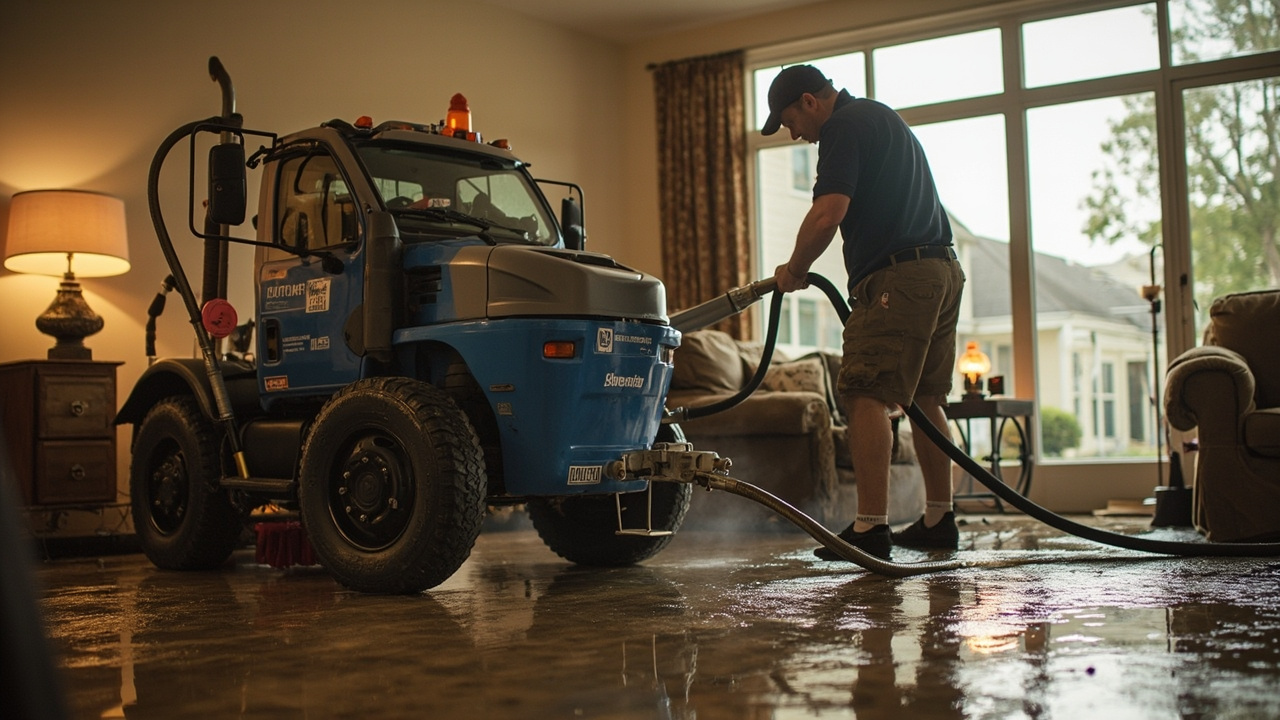
Grand Water Damage Restoration New Orleans deploys truck-mounted extractors that remove sewage at 200 gallons per minute. We do not use shop vacuums. Our equipment creates negative air pressure to pull contaminated water from carpet padding, subfloors, and wall cavities before structural materials delaminate.

We establish containment barriers immediately. Sewage carries airborne pathogens. Our crews seal off affected areas with polyethylene sheeting and create negative air chambers using HEPA-filtered air scrubbers. This prevents cross-contamination to unaffected rooms while we work.

After extraction, we apply EPA-registered antimicrobial agents formulated for Category 3 water. These are not household disinfectants. We use hospital-grade quaternary ammonium compounds that kill resistant bacteria like C. difficile and norovirus. Application happens via electrostatic sprayers that coat all surfaces, including the underside of cabinetry and inside wall cavities.

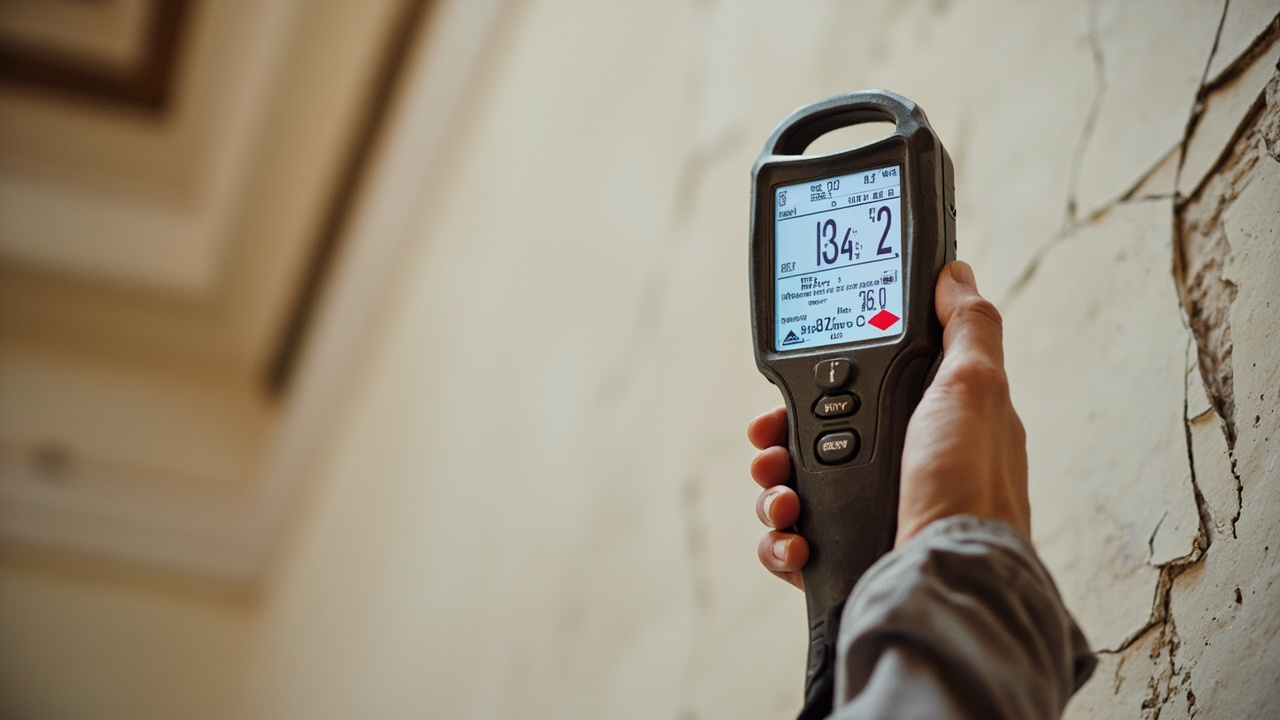
Structural drying follows a calculated protocol. We measure moisture content in framing lumber, concrete slabs, and drywall using penetrating moisture meters. Dehumidifiers run 24/7 until readings drop below 15% moisture content, the threshold where microbial growth stops. Air movers positioned at specific angles create laminar airflow across wet surfaces to maximize evaporation rates.

We remove all porous materials contacted by sewage. Carpet, padding, baseboards, and drywall up to the flood line get hauled out. These materials cannot be salvaged. Trying to clean them leaves you with a biohazard time bomb. Our crews bag contaminated debris in 6-mil polyethylene and transport it to approved disposal facilities.

What Happens When You Call for Emergency Sewage Cleanup

Emergency Sewage Cleanup in New Orleans – Rapid Response Teams Deployed in Under 60 Minutes
01

Immediate Dispatch and Assessment

You call our 24 hour sewage extraction hotline. We dispatch a crew immediately, not when a scheduler finds an opening. Our technician arrives with thermal imaging cameras to map the contamination spread, moisture meters to measure saturation depth, and documentation equipment for your insurance claim. You get a verbal assessment within 15 minutes of our arrival.
02

Contaminated Water Extraction

We extract standing sewage using truck-mounted pumps, not portable units that take hours. Technicians remove baseboards and drill weep holes in wall cavities to drain trapped water. We pull carpet and padding immediately to access subflooring. Extraction continues until no standing water remains and moisture readings drop to measurable levels safe for drying equipment deployment.
03

Antimicrobial Treatment and Drying

After extraction, we fog the entire affected area with antimicrobial solutions that kill sewage-borne pathogens. Industrial dehumidifiers and air movers run continuously. We monitor moisture levels daily until your property reaches equilibrium. You receive a completion certificate documenting that all affected materials meet safe moisture thresholds. This documentation is critical for insurance claims and future property transactions.

Why New Orleans Property Owners Choose Grand Water Damage Restoration

We understand how New Orleans drains. Our crews know the difference between sewage backups caused by mainline failures versus localized clogs in the French Quarter's shared plumbing systems. We work regularly with the Sewerage and Water Board to determine if backups originate from city infrastructure or private laterals, which dictates liability and insurance coverage.

Our technicians hold IICRC certifications in water damage restoration and applied microbial remediation. These are not optional credentials. They represent hundreds of hours of training in pathogen identification, contamination protocols, and structural drying science. You need this expertise when dealing with Category 3 water that can hospitalize your family.

We carry pollution liability insurance that most restoration companies skip. If sewage contamination spreads during our work, you are protected. This matters in multifamily buildings and commercial properties where one unit's emergency becomes a building-wide crisis.

Our response time averages 45 minutes across Orleans Parish. We stage equipment in Mid-City and Algiers to cover both banks of the river. When you call at 2 AM because your Uptown home is flooding with sewage, we are rolling within minutes, not waiting for business hours.

We document everything for insurance claims. Our technicians photograph damage progression, log equipment placement, and record moisture readings in software that generates reports adjusters actually accept. This eliminates the back-and-forth that delays claim approval. We have direct billing relationships with major carriers, which means you avoid fronting thousands of dollars while waiting for reimbursement.

What to Expect During Emergency Sewage Remediation

Response Time and Availability

We answer emergency calls 24 hours a day, 365 days a year. No voicemail. No call-back queues. You speak with a dispatcher who deploys a crew immediately. Our average arrival time is under 60 minutes for Orleans Parish. We do not schedule sewage emergencies for tomorrow. Crews arrive with full extraction equipment, antimicrobial treatments, and drying tools. You get assessment, containment, and extraction started within the first hour. We understand that sewage backups do not wait for convenient business hours.

Initial Assessment and Scope

Our lead technician conducts a room-by-room evaluation using moisture detection technology. We identify all affected areas, including hidden saturation in wall cavities and subfloors. You receive a verbal scope of work immediately. We explain what gets removed, what gets treated, and what stays. This assessment includes contamination source identification, which determines whether you are dealing with a private plumbing failure or city sewer backup. That distinction impacts who pays for repairs. We document everything with photos and moisture maps for your insurance adjuster.

Restoration Results and Timeline

Extraction and antimicrobial treatment happen on day one. Drying equipment runs for three to seven days, depending on saturation depth and humidity levels. We monitor daily and adjust equipment placement to optimize drying rates. When moisture readings reach safe thresholds, we remove equipment and provide a completion certificate. Your property is ready for reconstruction. We coordinate with licensed contractors for rebuild work if you need that service. The final result is a contamination-free environment verified by scientific moisture measurement, not guesswork.

Follow-Up and Documentation

You receive a comprehensive remediation report documenting all work performed, moisture readings, antimicrobial products used, and equipment run times. This report satisfies insurance requirements and provides legal protection if future issues arise. We offer post-remediation moisture checks at no charge if you have concerns after equipment removal. While we do not provide long-term warranties on work we did not cause, our documentation proves we followed industry protocols for sewage remediation. You have a permanent record that your property was professionally restored to safe conditions.

Frequently Asked Questions

You Have Questions,
We Have Answers

What is considered a sewer emergency? +

A sewer emergency happens when raw sewage backs up into your home, creating an immediate health hazard. Signs include sewage overflowing from toilets, drains, or tubs, foul odors, or water pooling in your yard near the sewer line. In New Orleans, heavy rainfall and aging infrastructure increase backup risks, especially in older neighborhoods like the French Quarter and Uptown. If you see black water or smell sewage, stop using all water fixtures immediately and call a professional cleanup crew. Sewage contains dangerous bacteria, viruses, and parasites. This is not a DIY situation. Act fast to protect your family and property.

How much does sewage backup cleanup cost? +

Sewage backup cleanup costs vary based on the extent of contamination and damage. Minor backups affecting one bathroom typically start around a few hundred dollars, while severe cases flooding multiple rooms or requiring structural drying can reach several thousand. New Orleans homes with crawl spaces or slab foundations present different challenges that affect pricing. Factors include water volume, affected square footage, contamination level, and necessary demolition. Most reputable companies offer free inspections and work directly with your insurance carrier to handle claims. Do not delay cleanup to save money. Every hour sewage sits increases health risks and restoration costs.

Does insurance cover sewage cleanup? +

Most homeowners insurance policies cover sudden and accidental sewage backups if you have a sewer backup endorsement or rider. Standard policies often exclude sewer and drain issues, so check your declarations page. In New Orleans, where heavy rain overwhelms the Sewage and Water Board systems, this coverage is critical. Flood insurance through NFIP does not cover sewer backups caused by internal plumbing failures. Your insurance will typically cover cleanup, sanitization, and repairs to damaged belongings and structures. Document everything with photos before cleanup begins. Professional restoration companies can bill insurance directly and help navigate the claims process.

How to clean up backed up sewage? +

Do not attempt to clean raw sewage yourself. This is Category 3 contaminated water containing harmful pathogens. Immediately stop using all water and call a certified sewage cleanup company. Professionals wear protective gear, extract sewage with industrial pumps, remove contaminated materials like drywall and flooring, apply antimicrobial treatments, and use commercial-grade dehumidifiers to dry the structure. In New Orleans' humid climate, incomplete drying causes mold within 24 to 48 hours. Licensed technicians follow IICRC standards and local health codes. They also handle proper disposal of biohazardous waste. Your safety and your family's health depend on professional intervention.

What does it cost to unclog a sewer line? +

Unclogging a main sewer line typically costs between a few hundred to over a thousand dollars, depending on the blockage severity and location. Simple clogs near the cleanout might cost less, while roots invading pipes or collapsed sections requiring hydro jetting or excavation cost more. New Orleans' mature oak trees frequently cause root intrusions in clay and cast iron pipes common in older homes. Plumbers use cameras to diagnose the issue before quoting. Emergency after-hours service costs more. If sewage has already backed into your home, you need both a plumber to clear the line and a restoration company to handle cleanup.

Can you get sick from breathing in backed up sewage? +

Yes. Breathing sewage vapors and airborne particles causes serious illness. Raw sewage contains E. coli, salmonella, hepatitis A, norovirus, and parasites. Exposure leads to respiratory infections, gastrointestinal distress, skin rashes, and eye irritation. Children, elderly individuals, and those with compromised immune systems face higher risks. In New Orleans' warm, humid environment, bacteria multiply rapidly, making airborne contamination worse. If you smell sewage, leave the area immediately and ventilate if safe. Do not walk through sewage without protective equipment. Professional cleanup crews use respirators, gloves, and full-body suits for a reason. Your health is not worth the risk.

Will insurance pay for sewer line replacement? +

Homeowners insurance rarely covers sewer line replacement. Most policies exclude maintenance issues, gradual deterioration, and wear and tear. If a sudden, covered peril like a tree falling during a hurricane damages the line, you might have coverage. Sewer backup endorsements cover interior damage from backups but not the underground pipe repair itself. In New Orleans, the Sewage and Water Board may cover main line issues on their side of the property line. For lines on your property, you pay out of pocket or through separate service line coverage if you purchased it. Check your policy details and ask your agent specific questions.

Why is my sewer bill 200 dollars? +

This question is not directly related to emergency sewage cleanup. High sewer bills typically result from increased water usage, billing errors, or rate hikes by the Sewage and Water Board of New Orleans. Check for running toilets, leaking faucets, or irrigation system issues. Compare your water consumption month over month on your bill. If usage is normal but the charge is high, contact the Sewage and Water Board to dispute the bill or ask about rate changes. Sewer charges in New Orleans are calculated based on water consumption. If you suspect a leak or backup causing unusual billing, call a licensed plumber immediately.

Can I clean my sewer line myself? +

No. Do not clean your sewer line yourself if raw sewage has backed up into your home. This is hazardous waste requiring professional equipment and training. Exposure to sewage causes severe illness. You can perform basic drain maintenance with enzyme cleaners or snakes for minor clogs before they become emergencies, but once sewage enters your living space, you need certified technicians. New Orleans' aging sewer infrastructure and below-sea-level elevation create unique challenges. Professionals use industrial extraction pumps, antimicrobial treatments, and proper disposal methods following OSHA and EPA guidelines. Protect yourself and your family. Call a licensed restoration company immediately.

Is a clogged toilet considered a sewer backup? +

Not always. A single clogged toilet is usually a localized fixture issue. However, if multiple drains back up simultaneously, toilets gurgle when you run sinks, or sewage appears in basement drains or tubs, you have a main sewer line backup. In New Orleans, the issue often starts as a toilet clog but escalates when the main line is blocked by roots, debris, or Sewage and Water Board system overload during heavy rain. If plunging does not fix it quickly or water backs up elsewhere, assume a sewer emergency. Stop using all water immediately and call professionals. Do not flush repeatedly.

How New Orleans's Below-Sea-Level Geography Complicates Sewage Backup Cleanup

New Orleans sits in a bowl. When heavy rain overwhelms the drainage system, sewage has nowhere to go but up through your drains. The city's pumping stations struggle during intense weather events, creating backpressure in sewer lines. Homes in Lakeview, Gentilly, and parts of the Lower Ninth Ward face the highest risk because these neighborhoods sit below the water table. Clay soil common throughout Orleans Parish also shifts seasonally, fracturing old sewer laterals and creating entry points for groundwater infiltration. Emergency sewage removal here requires understanding how elevation, soil composition, and aging infrastructure create perfect conditions for catastrophic backups.

Grand Water Damage Restoration New Orleans has cleaned up sewage disasters across every neighborhood in this city. We know which areas face chronic sewer main issues versus private lateral failures. We work directly with local plumbers who understand the French Quarter's shared plumbing systems and Uptown's century-old cast iron pipes. Our crews understand New Orleans building codes for water damage restoration and maintain relationships with city inspectors who approve our work. When you hire a company that knows this city's unique drainage challenges, you get faster resolution and proper documentation that satisfies both insurance carriers and future home buyers.
Water Damage Restoration Services in The New Orleans Area

While Grand serves the wider region with our expert water damage restoration services, we invite you to view our central operational location on the map. This helps you visualize our base of operations and understand our commitment to providing swift, efficient service across our service areas. Our team is strategically positioned to ensure rapid deployment when you need us most, so don't hesitate to contact us regardless of your specific location within our service radius.

Address:
Grand Water Damage Restoration New Orleans, 201 St Charles Ave, New Orleans, LA, 70170

Additional Services We Offer

Our news updates

Latest Articles & News from The Blogs

Standing water in your Gretna home requires an immediate response to prevent permanent structural issues and mold growth. Residents living…

Fast Flood Restoration Strategies for Gretna Homeowners

Standing water in your Gretna home requires an immediate response to prevent permanent structural issues and mold growth. Residents living…

Resolving Ceiling Water Damage and Leaks in Mid-City Apartments

Dealing with Ceiling Water Damage Repair in Mid-City New OrleansA damp spot on your ceiling in a Mid-City apartment requires…

Removing that stubborn musty smell from historic plaster walls in Esplanade Ridge

Living in a historic home in the Esplanade Ridge neighborhood offers a unique charm that modern builds cannot replicate. Those…

Contact Us

Sewage backup is a medical emergency, not a maintenance issue. Call Grand Water Damage Restoration New Orleans now at (504) 355-2332. Our crews deploy immediately with industrial extraction equipment and antimicrobial treatments. We answer 24/7 because sewage does not wait.