



menu

Peeling Paint & Wallpaper in New Orleans | Expert Diagnosis of Hidden Water Damage

When you see bubbling paint, blistering wall paint, or lifting wallpaper, the real problem is the moisture trapped behind it. We pinpoint the water source, stop the damage, and restore your walls correctly.

Slider Image 1
Slider Image 2
Slider Image 3
Slider Image 4
Slider Image 5
Slider Image 7
Slider Image 8
Slider Image 9
Slider Image 10
Slider Image 11

Why Your Walls Are Peeling in New Orleans's Humid Climate

You walk past the same wall every day. Then you notice it: a blister in the paint. A seam of wallpaper curling away from the corner. Flaking paint near the baseboard. You press it. It feels soft, maybe damp.

This is not a cosmetic problem. This is a warning sign.

New Orleans sits below sea level in one of the most humid regions in the country. Average relative humidity hovers around 75 percent year-round. Your walls are constantly absorbing moisture from the air, from seasonal flooding, from roof leaks during hurricane season, and from plumbing hidden in your walls.

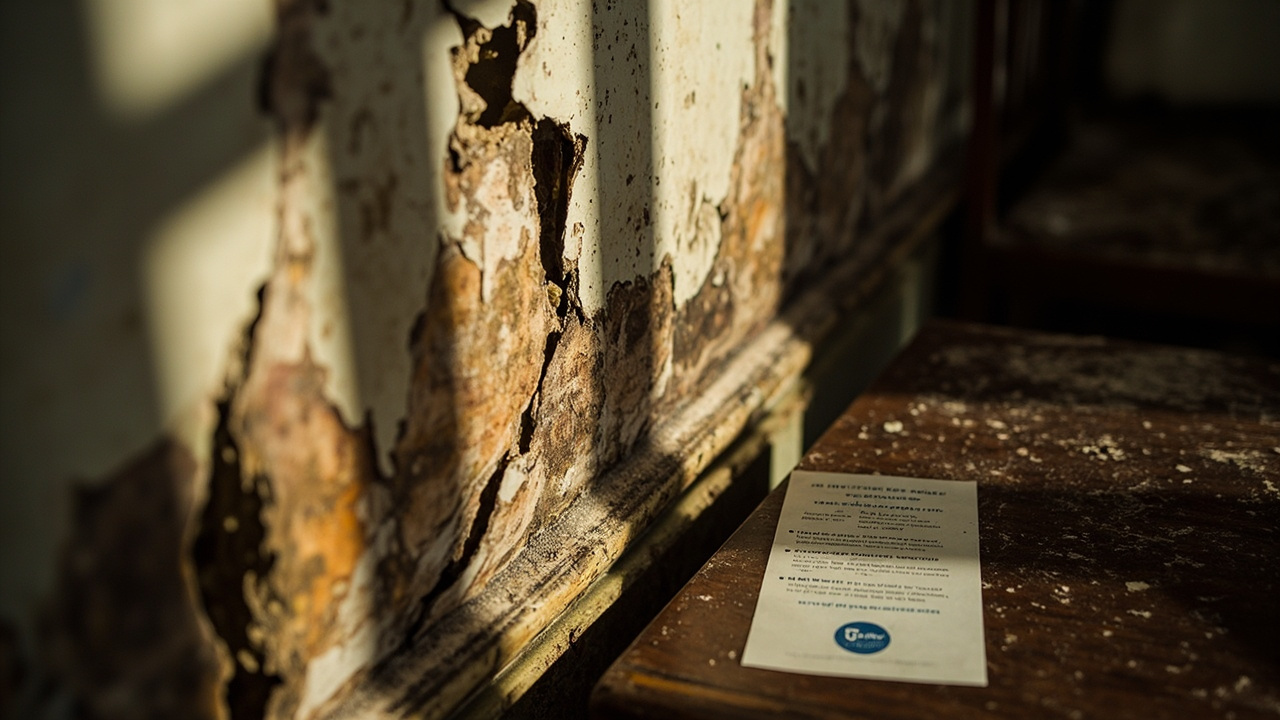
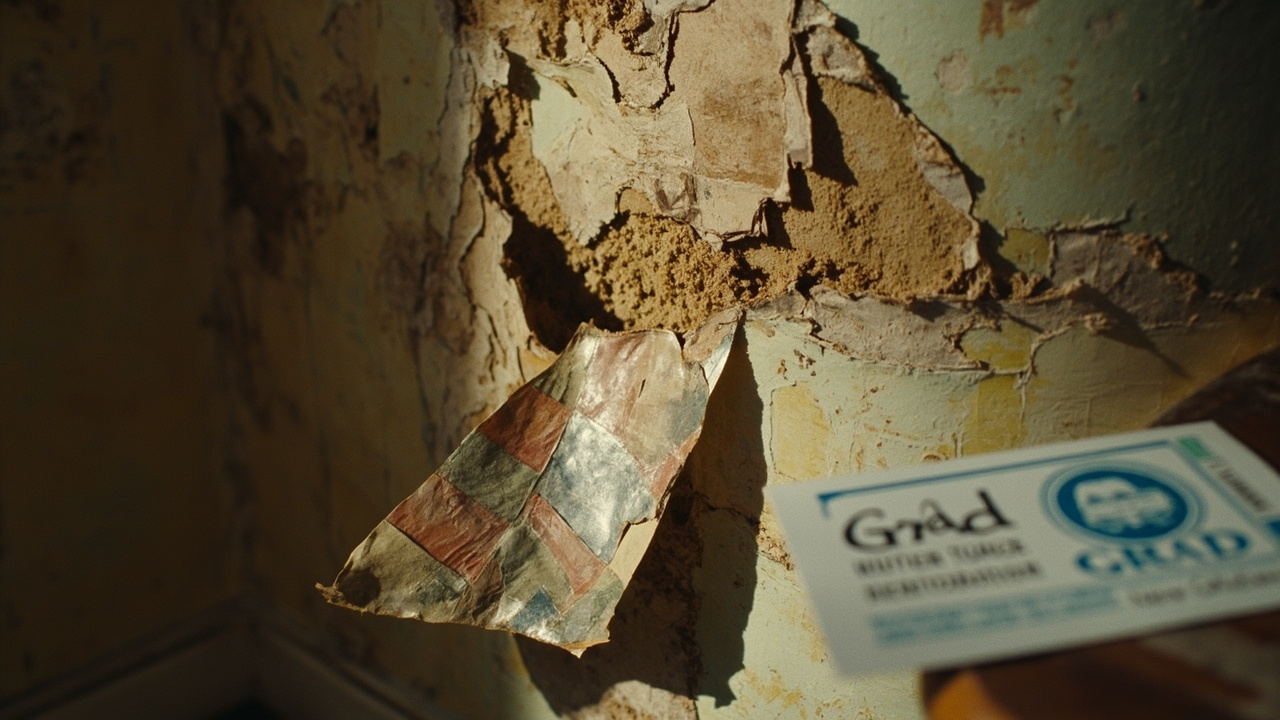
When moisture infiltrates drywall or plaster, it breaks the bond between the surface and the paint or wallpaper adhesive. You see bubbling paint first. Then blistering wall paint. Then full sheets peeling away. Loose wallpaper is often the first visible symptom of a slow leak that has been active for weeks or months.

The damage you see on the surface is minor compared to what is happening behind it. Saturated drywall loses structural integrity. Mold colonizes within 24 to 48 hours in dark, wet cavities. Wood framing begins to rot. Electrical wiring gets exposed to moisture.

Repainting over peeling paint without addressing the water source is a waste of money. The new paint will fail in the same spot within weeks. You need to find the leak, dry the cavity, remediate any mold, and then restore the surface. That is the only permanent fix.

Grand Water Damage Restoration New Orleans sees this pattern in homes from the Garden District to Lakeview. The older the home, the more vulnerable the plaster and lathe. The newer the home, the more vulnerable the drywall to hurricane-driven rain intrusion.

Why Your Walls Are Peeling in New Orleans's Humid Climate
How We Trace the Water Source and Fix It Permanently

How We Trace the Water Source and Fix It Permanently

Most painters will scrape, patch, and repaint. The problem comes back. We do not paint. We solve the water intrusion that caused the peeling in the first place.

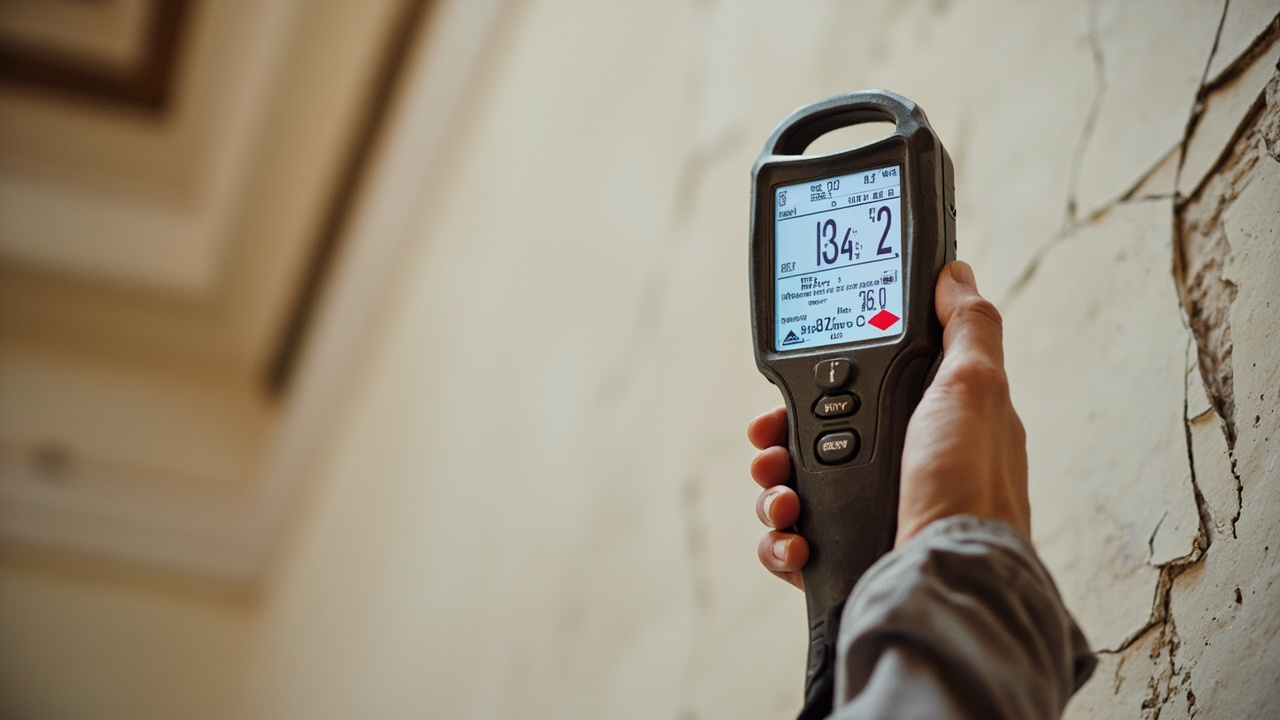
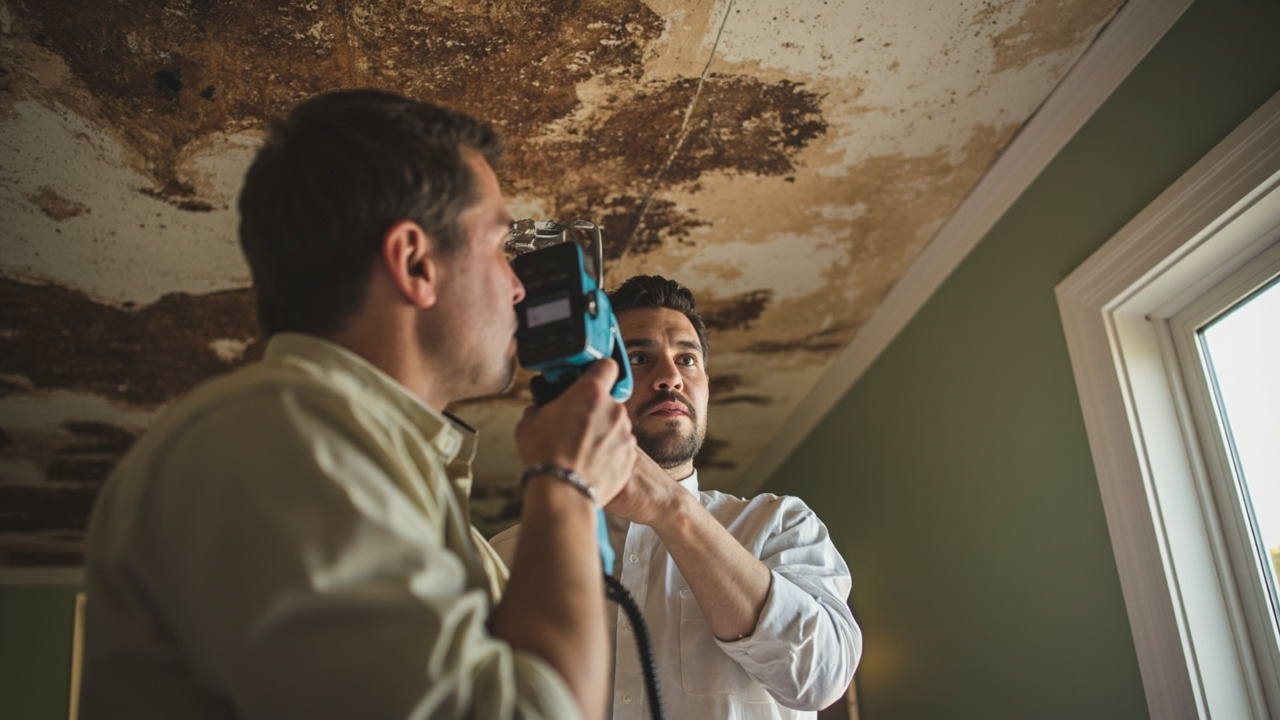
We start with moisture mapping. We use non-invasive moisture meters to scan the wall cavity and identify saturation levels at different depths. This tells us if the moisture is surface condensation, an active leak, or residual saturation from a past event.

Next, we use thermal imaging cameras to trace temperature differentials. Water-damaged areas show up as cooler spots because evaporating moisture lowers surface temperature. This allows us to trace the leak path back to the source without demolition.

Once we locate the source, we categorize it. Roof flashing failure. Leaking supply line. Failed wax ring under a toilet. Exterior siding gaps. Condensation from an improperly vented dryer. HVAC condensate line clog. Each has a different fix.

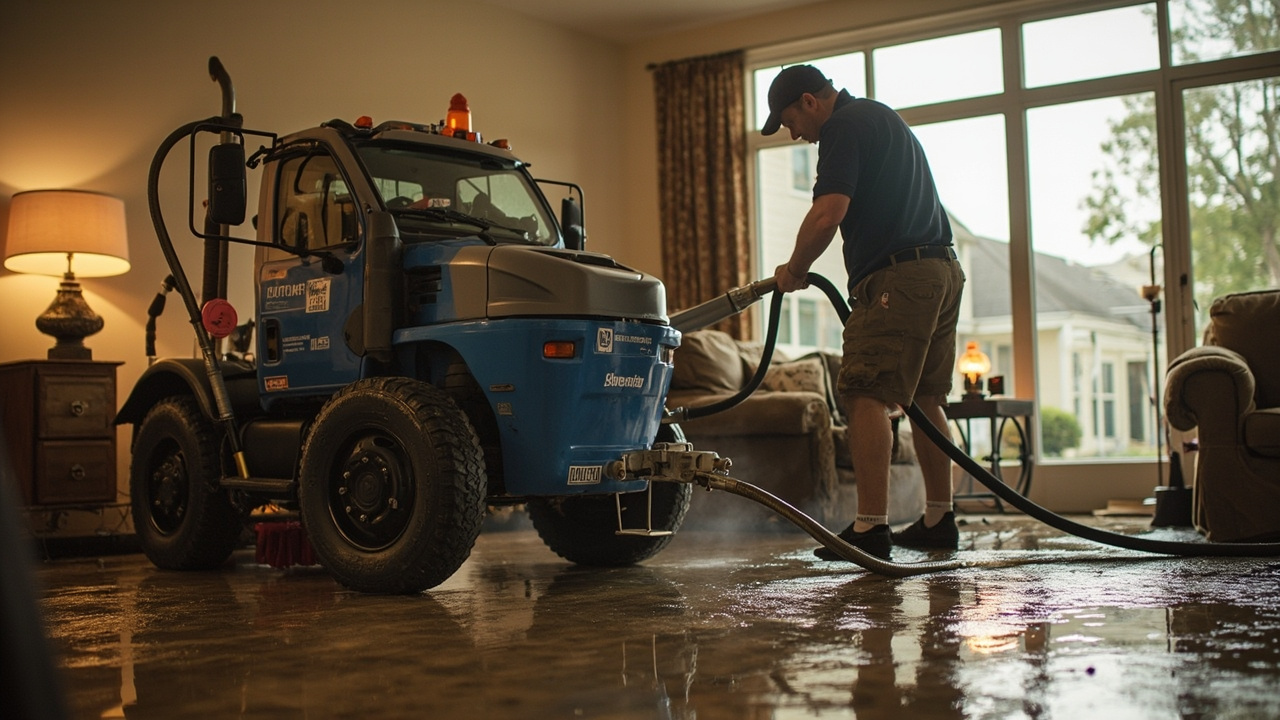
We extract standing water with truck-mounted pumps if needed. We remove wet insulation, which holds moisture and promotes mold. We set up commercial dehumidifiers and air movers to dry the wall cavity to below 15 percent moisture content, the threshold where mold cannot grow.

If mold is present, we contain the area with poly sheeting and negative air pressure, remove contaminated materials, and treat surfaces with antimicrobial agents. We do not mask mold. We remove it.

After drying and remediation, we repair the structural damage. We replace rotted framing, install new drywall or replaster, and prep the surface for your painter. We leave the cosmetic finish to the trades that specialize in it. Our job is to make sure the problem does not come back.

What Happens When You Call Us About Peeling Walls

Peeling Paint & Wallpaper in New Orleans | Expert Diagnosis of Hidden Water Damage
01

Initial Moisture Assessment

We inspect the affected area and surrounding zones with calibrated moisture meters and thermal imaging. This gives us a moisture profile of the wall cavity and identifies whether the source is active or residual. We document baseline readings to track drying progress. You get a clear explanation of what we found and what happens next.
02

Source Elimination and Drying

We isolate and repair the water source, whether it is a plumbing leak, exterior intrusion, or condensation issue. We remove wet materials that cannot be salvaged and position industrial drying equipment to pull moisture from the wall cavity. We monitor moisture levels daily until readings confirm the structure is dry and stable for reconstruction.
03

Structural Repair and Prevention

We replace damaged framing, insulation, and drywall or plaster. We treat surfaces with mold inhibitors if necessary. We verify final moisture readings are within safe parameters. You receive documentation of all work performed and recommendations to prevent recurrence, such as gutter maintenance or improved ventilation in high-humidity areas like bathrooms.

Why New Orleans Homeowners Trust Us With Wall Damage

New Orleans has a building stock unlike anywhere else in the country. You have 19th-century shotgun doubles with plaster and lathe. You have mid-century slab homes in Lakeview rebuilt after Katrina. You have raised Creole cottages in the Bywater with crawl spaces that flood every summer.

Each construction type responds differently to water. Plaster is more forgiving than drywall but harder to dry. Brick veneer can wick moisture up from the ground through capillary action. Homes built on piers have different drainage challenges than slab foundations.

We have worked in all of them. We understand the quirks of balloon framing in older homes, where a leak on the second floor can travel down inside the wall and show up as peeling paint on the first floor. We know that many homes in neighborhoods near Lake Pontchartrain have elevated groundwater tables, which means moisture can enter through the slab or foundation walls during heavy rain.

We also understand the insurance landscape here. Louisiana is a difficult state for water damage claims. Adjusters scrutinize every line item. We document every step with photos, moisture readings, and written reports. This creates a clear record that supports your claim and speeds up reimbursement.

You will not get a salesperson on the first visit. You will get a technician with moisture meters and a thermal camera who can explain what is happening in your walls. No pressure. No upselling. Just a clear diagnosis and a fix that works.

Grand Water Damage Restoration New Orleans has built our reputation on solving problems other companies ignore. We do not chase easy jobs. We solve the frustrating ones where the paint keeps peeling no matter how many times you repaint.

What to Expect When You Hire Us

Response Time and Availability

We answer calls seven days a week. If you have an active leak with visible water damage, we can be on-site the same day in most cases. For chronic issues like recurring peeling paint, we schedule a diagnostic visit within 24 to 48 hours. Our goal is to stop further damage as quickly as possible. The longer moisture sits in your walls, the more expensive the fix becomes. We move fast because the science of water damage does not wait.

The Diagnostic Process

We do not guess. We measure. Our technicians use moisture meters to quantify saturation levels in your walls and thermal cameras to trace temperature anomalies that indicate hidden leaks. We inspect attics, crawl spaces, and plumbing access points. We check for exterior vulnerabilities like missing mortar, failed caulking, or damaged flashing. You get a written assessment that explains what we found, what caused it, and what needs to happen to fix it permanently.

The Quality of the Fix

We do not patch over problems. We remove damaged materials, dry the structure to safe moisture levels, and rebuild it correctly. If mold is present, we follow IICRC S520 standards for remediation. If framing is compromised, we sister in new lumber or replace sections entirely. We use moisture-resistant drywall in areas prone to humidity, like bathrooms and kitchens. When we leave, your walls are dry, stable, and ready for finish work. The peeling will not come back.

Documentation and Follow-Up

You receive detailed documentation of all work performed, including before and after moisture readings, photos of the damage and repairs, and a summary of what caused the problem. If you are filing an insurance claim, this documentation is critical. We also provide recommendations for preventing future issues, such as gutter upgrades, improved ventilation, or seasonal maintenance checks. If you have questions after the job is complete, you can call us. We stand behind our work.

Frequently Asked Questions

You Have Questions,
We Have Answers

Why is my paint peeling like wallpaper? +

Paint peeling like wallpaper signals trapped moisture or poor surface prep. In New Orleans, high humidity and frequent rain push moisture through exterior walls. If the substrate was damp, dirty, or not primed before painting, adhesion fails. Interior peeling often points to water intrusion from roof leaks, plumbing issues, or condensation in bathrooms. Check for active leaks or water stains behind the peeling area. You need to fix the moisture source first, then scrape the loose paint, dry the surface completely, prime with a moisture-blocking primer, and repaint. Skipping the moisture fix will cause the problem to return.

What to do if paint is peeling off the wall? +

Stop and assess the cause before you repaint. Check for water damage, leaks, or high humidity. If you find active moisture, fix that first. Scrape off all loose, flaking paint with a putty knife until you reach solid, adhering material. Sand the edges smooth so the repair blends. Wipe down the surface to remove dust and let it dry fully. Apply a bonding primer suited to your substrate. Once dry, repaint with quality exterior or interior paint. If peeling is widespread or you see mold, water stains, or structural damage, get a professional inspection to address hidden water damage common in older New Orleans homes.

Is it cheaper to paint or peel and stick wallpaper? +

Painting is cheaper upfront than peel and stick wallpaper. A gallon of quality paint covers about 400 square feet and costs less than equivalent wallpaper coverage. Peel and stick is faster to install and requires no drying time, but material costs add up fast for full rooms. Paint also lasts longer in New Orleans humidity if you prep correctly and use mold-resistant formulas. Wallpaper can trap moisture and peel in bathrooms or kitchens. For tight budgets or high-moisture areas, paint wins. Peel and stick works for accent walls or rentals where you need easy removal, but full-room installations tip the cost scale.

Can I just paint over peeling paint? +

No. Painting over peeling paint traps the problem and wastes money. The new coat will peel within weeks or months because the failing layer underneath keeps deteriorating. You must scrape off all loose paint first. Sand the edges smooth and clean the surface. If moisture caused the peeling, fix that leak or humidity issue before you prime and repaint. Skipping this step guarantees failure. In New Orleans, high humidity and water intrusion are common culprits. Address the root cause, prep correctly with bonding primer, then apply fresh paint. Cutting corners now means redoing the job sooner and spending more.

What does peeling paint indicate? +

Peeling paint indicates moisture intrusion, poor surface prep, or substrate failure. Water is the most common cause in New Orleans. Roof leaks, plumbing issues, high humidity, or condensation push moisture through walls and break the paint bond. Exterior peeling can mean failed caulking, rotten wood, or missing flashing that lets rain penetrate. Interior peeling in kitchens or bathrooms points to ventilation problems or active leaks. If you see bubbling before peeling, water is trapped under the film. Check for discoloration, soft spots, or mold behind the paint. Fix the moisture source first or the peeling will return after repainting.

Will Kilz stop peeling paint? +

Kilz primer will not stop paint that is currently peeling. It seals stains and blocks moisture on properly prepped surfaces, but it cannot reattach loose paint. You must scrape off all peeling material first, then sand smooth and clean the area. Once the surface is bare and dry, Kilz can help prevent future peeling by sealing porous substrates and blocking water-based stains. Choose an oil-based or shellac-based Kilz formula for better moisture resistance in New Orleans humidity. If active water intrusion caused the peeling, fix that leak first. Primer works only on stable, clean surfaces. It is a preventive step, not a repair product.

What is the difference between flaking and peeling paint? +

Flaking is surface-level deterioration where thin chips or scales break off. The paint loses cohesion but the underlying layers may still adhere. Peeling is full delamination where entire sheets lift away from the substrate, often caused by moisture or adhesion failure. Flaking happens from UV exposure, aging, or chalking on exterior surfaces common in New Orleans sun. Peeling signals trapped water, poor prep, or incompatible coatings. Flaking requires light scraping and recoating. Peeling demands full removal to bare substrate, moisture remediation, and proper priming. Both need fixing, but peeling indicates a deeper problem that will worsen without intervention.

Should I scrape off all the peeling paint? +

Yes. Remove all loose and flaking paint before you repaint. Scrape with a stiff putty knife until you reach firmly adhering material. Feather the edges with sandpaper so transitions are smooth. Leaving any loose paint guarantees the new coat will fail quickly. In New Orleans, moisture often weakens paint adhesion across large areas. If scraping reveals soft wood, water stains, or mold, you have structural damage that needs professional repair. Once all loose material is gone, clean the surface, let it dry completely, apply bonding primer, then paint. Thorough scraping is tedious but necessary for a lasting repair.

Can peeling paint be fixed? +

Yes. Scrape off all loose paint down to a stable surface. Sand the edges smooth and clean away dust. If moisture caused the peeling, fix that leak or ventilation issue first. Let the substrate dry completely. Apply a bonding primer designed for your surface type. Once dry, repaint with quality paint suited to New Orleans humidity. For exterior work, check for rotten wood or failed caulking and repair those before priming. If peeling is extensive or you find mold and water damage behind the paint, hire a restoration professional. Fixing peeling paint is straightforward if you address the root cause and prep correctly.

What is the cost of painting a 1000 sq ft house? +

Painting a 1000 square foot house in New Orleans varies widely based on prep work, paint quality, and whether you hire professionals. Expect higher costs if your home has peeling paint, water damage, or requires wood repair common in older structures. Single-story homes cost less than multi-story due to access. Exterior jobs cost more than interior because of surface prep, weather exposure, and the need for moisture-resistant primers in high humidity. DIY saves labor costs but demands time and skill. Professional crews handle prep, priming, and application faster. Request multiple quotes and confirm they include surface prep and moisture remediation if needed.

How New Orleans's Humidity and Hurricane Exposure Make Peeling Paint a Structural Warning

New Orleans averages over 60 inches of rain per year, most of it falling during intense summer thunderstorms and hurricane season. Homes here face constant moisture pressure from high humidity, rising groundwater, and wind-driven rain that infiltrates through the smallest gaps in siding or roofing. When you see blistering wall paint or lifting wallpaper, it means water has bypassed your home's exterior envelope and is saturating the wall cavity. In this climate, that moisture does not evaporate on its own. It lingers, feeding mold and rot.

Local building codes require specific moisture management strategies, especially in flood-prone zones. Homes must meet elevation requirements, and materials used in reconstruction must resist moisture intrusion. Grand Water Damage Restoration New Orleans understands these regulations and works within them. We know which materials perform well in this environment and which fail. We also understand the insurance requirements that apply to water damage claims in Louisiana, where proving the cause and extent of damage is essential to securing reimbursement.
Water Damage Restoration Services in The New Orleans Area

While Grand serves the wider region with our expert water damage restoration services, we invite you to view our central operational location on the map. This helps you visualize our base of operations and understand our commitment to providing swift, efficient service across our service areas. Our team is strategically positioned to ensure rapid deployment when you need us most, so don't hesitate to contact us regardless of your specific location within our service radius.

Address:
Grand Water Damage Restoration New Orleans, 201 St Charles Ave, New Orleans, LA, 70170

Additional Services We Offer

Our news updates

Latest Articles & News from The Blogs

Standing water in your Gretna home requires an immediate response to prevent permanent structural issues and mold growth. Residents living…

Fast Flood Restoration Strategies for Gretna Homeowners

Standing water in your Gretna home requires an immediate response to prevent permanent structural issues and mold growth. Residents living…

Resolving Ceiling Water Damage and Leaks in Mid-City Apartments

Dealing with Ceiling Water Damage Repair in Mid-City New OrleansA damp spot on your ceiling in a Mid-City apartment requires…

Removing that stubborn musty smell from historic plaster walls in Esplanade Ridge

Living in a historic home in the Esplanade Ridge neighborhood offers a unique charm that modern builds cannot replicate. Those…

Contact Us

Peeling paint is not just an eyesore. It is a symptom of water damage that will get worse if ignored. Call Grand Water Damage Restoration New Orleans at (504) 355-2332 today for a professional moisture assessment and a permanent fix.