



Waggaman sits in a perfect storm of water damage risks. Located along the Mississippi River in Jefferson Parish, the area's elevation barely reaches six feet above sea level in most spots. When heavy Gulf storms dump rain, the water has nowhere to go. The clay-heavy soil common throughout Waggaman and the River Parishes holds moisture like a sponge, pushing water toward foundations instead of absorbing it.
The combination of high humidity, proximity to the river, and frequent tropical weather creates year-round moisture problems. Summer humidity regularly tops 90 percent, which means any small leak quickly becomes a breeding ground for mold. Homes near the levee system or closer to the Intracoastal Waterway face additional flood risks during high water events.
Most Waggaman properties were built on pier and beam or slab foundations designed for the swampy terrain, but even small foundation shifts can create entry points for water. Add aging plumbing systems in older neighborhoods, and you get burst pipes, slab leaks, and supply line failures. When Hurricane season arrives, the threat multiplies. Water doesn't wait for business hours, and neither do we.
We've been extracting water from Waggaman properties for years, and we know exactly what this community faces. While other companies send estimators first, we send extraction crews. Our technicians carry truck-mounted pumps, industrial dehumidifiers, and thermal imaging cameras on every call. We don't schedule appointments days out when your home is flooding right now.
Our team understands Jefferson Parish building codes and flood zone requirements. We know which Waggaman neighborhoods sit in AE flood zones and which insurance carriers dominate the area. That knowledge means we document everything correctly the first time, so your claim doesn't get delayed over paperwork mistakes. We communicate directly with adjusters and provide the moisture readings, photos, and drying logs they need to approve your claim fast.
What separates us from restoration companies that treat Waggaman as just another service area is our response time. We station crews on the Westbank specifically to reach Waggaman, Avondale, and Bridge City within an hour. When a pipe bursts at 2 AM or your water heater floods your laundry room on Sunday morning, you get a real crew, not a call center promising someone will arrive eventually.
We also don't disappear after extraction. Our technicians return daily to check moisture levels, adjust equipment, and ensure your property is drying properly. We've seen too many half-done jobs where companies pull equipment too early, and mold appears two weeks later. We stay until the job is completely dry, which typically takes three to five days depending on the extent of damage and Louisiana's humidity.

We dispatch extraction crews to Waggaman within one hour of your call, not estimators who schedule work for later. Our trucks carry full extraction and drying equipment, so we start removing water immediately. Every minute we save prevents thousands in additional damage and stops mold before it starts growing in your walls.

We handle all communication with your insurance carrier and bill them directly. You don't pay upfront and wait for reimbursement. Our team knows exactly what documentation Jefferson Parish adjusters require and provides complete moisture logs, thermal imaging, and scope photos that get claims approved without endless back and forth.
Every technician on our crews holds current IICRC certification in water damage restoration. We follow IICRC S500 standards for every job, which means proper moisture mapping, correct equipment placement, and complete drying verification. Your insurance company and your property deserve trained professionals, not helpers with shop vacs.
We know Waggaman's elevation challenges, soil conditions, and flood zone designations. Our crews understand how water moves through properties built on local clay soil and how humidity affects drying times in this climate. That local expertise means faster, more complete restoration because we've handled these exact conditions hundreds of times before.
Water damage takes many forms, and each type requires different equipment and techniques. A burst supply line creates different challenges than a sewage backup or roof leak. Grand Water Damage Restoration New Orleans handles every category of water intrusion, from clean water extraction to contaminated flood water removal.
Our service range covers emergency extraction, structural drying, dehumidification, mold remediation, content restoration, and complete reconstruction. We don't just dry your property and leave you to find contractors for repairs. Our crews handle everything from initial water removal through final paint and trim work, so you work with one company instead of coordinating multiple vendors during an already stressful time.
We categorize our water damage work into three main service areas based on urgency, water source, and contamination level. This approach ensures you get the right response team with the correct equipment. A Category 3 sewage backup requires different safety protocols and disposal procedures than a Category 1 supply line leak, and our crews are trained and equipped for both.
When water is actively flooding your property, extraction is the first priority. Our crews arrive with truck-mounted pumps capable of removing thousands of gallons per hour, plus portable extractors for smaller areas. We remove standing water, extract moisture from carpets and padding, and pull wet materials that can't be saved. Speed matters because water wicks up drywall, swells wood flooring, and creates mold conditions within 24 hours in Waggaman's humidity. We work fast to stop damage from spreading while coordinating emergency board-up or roof tarping if needed.
After extraction, drying the structure prevents permanent damage and mold growth. We place industrial dehumidifiers and air movers in precise configurations based on moisture meter readings and thermal imaging. Our technicians monitor progress daily, adjusting equipment placement and documenting moisture levels until all materials reach acceptable dryness standards. This process typically takes three to five days depending on materials affected, humidity levels, and extent of saturation. We don't pull equipment early. Your property stays monitored until completely dry, verified by moisture meters and hygrometer readings that satisfy insurance requirements.
Water damage often requires removing drywall, insulation, flooring, and cabinets. Our crews handle all demolition, rebuilding, and finishing work without subcontracting. We remove damaged materials, treat for mold if needed, install new insulation and drywall, replace flooring, and complete paint and trim. You get one team, one timeline, and one point of contact from the initial emergency through final walkthrough. This integrated approach speeds up the process and eliminates the coordination headaches of managing multiple contractors while recovering from water damage.
Waggaman's location and climate create specific water damage patterns. The area's proximity to the Mississippi River, low elevation, and clay soil combine with aging infrastructure to produce frequent water intrusion events. Understanding these common problems helps property owners recognize warning signs before minor leaks become major restoration projects.
Most water damage in Waggaman falls into four categories. Plumbing failures top the list, particularly in older neighborhoods where galvanized pipes and cast iron drains are reaching the end of their service life. Storm-related damage ranks second, with roof leaks and overwhelmed drainage systems causing problems during heavy rain events. Foundation issues create the third category, as settling foundations and hydrostatic pressure push water through cracks and seams. Finally, appliance failures like water heater ruptures and washing machine supply line bursts create sudden flooding that requires immediate response.
Aging plumbing systems fail without warning, flooding homes with hundreds of gallons before shutoffs stop the flow. Supply lines corrode, water heaters rupture, and toilet supply valves crack. Many Waggaman homes still have galvanized pipes installed decades ago, and these corrode from the inside until they burst. When pipes fail, water sprays under pressure, soaking walls, ceilings, and floors before anyone realizes what happened.
Heavy rainfall overwhelms gutters, finds weak spots in roof shingles, and pushes through window seals. Waggaman gets pounded during hurricane season, and even tropical storms dump enough rain to find every vulnerability in your roof and exterior walls. Water runs down inside walls where you can't see it, soaking insulation and creating mold conditions before you notice the ceiling stain.
Clay soil expands when wet and contracts when dry, constantly shifting foundations. Small cracks develop and allow groundwater to seep through during heavy rain or high water table conditions. Water appears at the base of walls, soaks through concrete slabs, or puddles in crawl spaces. The high water table throughout Waggaman means hydrostatic pressure constantly pushes moisture toward any foundation weakness.
Heavy rain overwhelms municipal systems, causing sewage to back up through floor drains and toilets. Older neighborhoods with combined storm and sewer systems face the highest risk. Tree roots infiltrate aging sewer laterals, creating blockages that cause backups during high flow periods. Sewage contamination requires specialized cleanup procedures and complete sanitization to protect your health and meet insurance requirements for habitability.
The moment you call our emergency line, you talk to someone who can actually dispatch a crew, not an answering service that takes messages. We ask about your situation, confirm your address, and send the nearest available team immediately. Most Waggaman calls get crews on site within 60 minutes, often faster if we're already working nearby.
Our technicians arrive in fully equipped trucks with extraction pumps, dehumidifiers, air movers, moisture meters, and thermal imaging cameras. They introduce themselves, assess the damage, and start removing water right away. While equipment runs, they'll explain what happened, what needs to be done, and how long the process typically takes. You'll know the plan before any major work begins.
We understand this is your home or business, and water damage is frightening. Our job is to stop the panic by stopping the damage. You can expect clear communication, daily updates, and technicians who show up when promised. We don't leave you guessing about timelines or next steps. From initial extraction through final restoration, you'll know exactly what's happening and why.
Our crew walks through your property, identifies all affected areas, and documents damage with photos and moisture readings. They locate the water source, stop it if still active, and begin extraction immediately. Truck-mounted pumps remove standing water while technicians pull wet contents away from walls and remove soaked materials that can't be saved. You'll see water leaving your property within minutes of our arrival, not hours or days later.
Technicians return every day to check moisture levels, document progress, and adjust dehumidifiers and air movers as needed. We don't set equipment and disappear for a week. Drying conditions change based on weather, humidity, and how materials respond. Our daily visits ensure equipment is working properly and your property is drying on schedule. You'll receive progress updates and see exactly when moisture levels are approaching acceptable ranges.
We photograph everything, log all moisture readings, document equipment placement, and track daily progress. This documentation goes directly to your insurance adjuster with detailed explanations of what was done and why. We handle all communication with your carrier, answer their questions, and provide additional information if requested. You don't become a go-between trying to explain technical restoration details. We speak their language and provide exactly what they need to approve your claim.
Every water damage job follows the same basic progression. Extract water, dry the structure, restore the property. The specific techniques and timeline vary based on how much water intruded, what materials got wet, and how long water sat before we arrived. Our three-phase approach ensures nothing gets missed and your property returns to pre-loss condition.
We start with extraction. Truck-mounted pumps remove standing water in minutes, not hours. Portable extractors pull moisture from carpets, padding, and upholstery. We remove wet contents, pull baseboards if needed, and extract water from wall cavities using specialized tools. The goal is removing all visible water and as much absorbed moisture as possible before the drying phase begins. Speed here prevents secondary damage and reduces overall drying time.
Industrial dehumidifiers and air movers run continuously to remove remaining moisture from building materials. We place equipment based on moisture meter readings and thermal imaging that shows exactly where water traveled. Technicians monitor conditions daily, measuring moisture levels in floors, walls, and ceilings until everything reaches acceptable dryness. This phase typically runs three to five days depending on materials affected and initial saturation levels. We don't pull equipment until moisture meters confirm complete drying.
Once your property is completely dry, we begin repairs. Our crews remove damaged drywall, insulation, and flooring that couldn't be saved. We install new materials, matching textures and finishes to blend with existing areas. Painting, trim work, and final details complete the restoration. You get your property back in pre-loss condition, handled by one team from start to finish instead of coordinating multiple contractors during recovery.
Professional water damage restoration follows strict protocols established by the Institute of Inspection, Cleaning and Restoration Certification. The IICRC S500 Standard guides every aspect of proper water damage response, from initial assessment through final verification. These standards exist because water damage restoration is actually applied building science, not just running fans until things feel dry.
Water is categorized by contamination level. Category 1 is clean water from supply lines or rain. Category 2 is gray water from appliances, containing some contamination. Category 3 is black water from sewage or flooding, requiring complete sanitization and special handling. Each category demands different safety protocols, disposal procedures, and restoration techniques.
Materials are classified by how easily they absorb and release moisture. Class 1 jobs affect materials with low absorption rates. Class 2 involves significant absorption into materials like carpet and drywall. Class 3 means water came from overhead or wicked high into walls. Class 4 involves specialty materials like hardwood or plaster that require longer drying times and specific techniques. Understanding these classifications determines equipment type, placement, and expected drying duration.
Psychrometry is the science of air and moisture interaction. Temperature, humidity, and air movement all affect drying rates. We measure these factors continuously and adjust equipment to maintain optimal drying conditions. Too much air movement without dehumidification just circulates moisture. Dehumidifiers without air movement dry slowly and unevenly. Professional restoration balances both to achieve complete drying in the shortest time possible without damaging materials.
Louisiana's climate adds complexity. High outdoor humidity means dehumidifiers work harder and longer. We often need to create contained drying chambers in severely affected areas, controlling temperature and humidity to speed the process. Our technicians understand how local conditions affect drying and adjust their approach accordingly.
IICRC standards define three water categories based on contamination level. Category 1 clean water requires standard extraction and drying. Category 2 gray water needs antimicrobial treatment. Category 3 black water demands complete sanitization, specialized disposal, and strict safety equipment. Our technicians assess category immediately and follow appropriate protocols to protect your health and meet insurance requirements for proper restoration and habitability certification.
Restoration duration and cost depend on water volume, materials affected, contamination level, and how long water sat before extraction. A burst pipe caught immediately costs far less than one that flooded overnight. Category 3 sewage requires more labor and disposal expense than Category 1 clean water. Materials matter too. Drying hardwood floors takes longer than vinyl. These variables make every job unique, which is why proper assessment and documentation protect both you and your insurance carrier.
We don't guess when your property is dry. Moisture meters measure exact water content in materials. We establish baseline readings in unaffected areas, then monitor wet areas daily until readings match the baseline. Insurance companies require this documentation to verify proper restoration. We provide complete moisture logs, equipment placement diagrams, and daily progress notes that prove your property was dried correctly according to IICRC S500 standards, protecting your claim and your property value.
Louisiana requires restoration contractors to carry general liability insurance and workers compensation coverage. We maintain both, plus specialized pollution liability for mold and contamination work. Our IICRC certifications meet industry standards that most insurance carriers require for approved vendors. We pull permits when needed for reconstruction work and ensure all repairs meet Jefferson Parish building codes. This protects you from liability if workers get injured or work doesn't meet code requirements.
This video explains water damage restoration processes for Waggaman LA properties, covering emergency extraction techniques, structural drying procedures, and insurance claim documentation. Grand Water Damage Restoration New Orleans demonstrates proper water removal methods, IICRC drying standards, and why immediate response prevents mold growth and secondary damage. Viewers learn about water damage categories, moisture meter verification, dehumidification science, and reconstruction processes following water intrusion events in Jefferson Parish homes and businesses.
Grand Water Damage Restoration New Orleans maintains rapid response coverage throughout Waggaman and the greater Westbank area. Our service territory extends from the Mississippi River levee through residential neighborhoods along Fourth Street and Ames Boulevard, reaching properties near the Intracoastal Waterway and everything in between. We know every section of Waggaman because we've dried properties in all of them.
The neighborhoods closest to River Road face unique challenges from the proximity to the Mississippi and the levee system. These areas often sit in AE flood zones, which means stricter insurance requirements and higher vulnerability during heavy rain events. Properties near the Industrial Canal or along the Intracoastal Waterway deal with high water tables that create persistent moisture pressure against foundations. We've handled water damage in homes throughout these riverside areas and understand exactly how water behaves in each location.
Moving inland toward Ames Boulevard and the residential areas along Highway 90, properties face different issues. Many homes in these neighborhoods were built between the 1950s and 1970s, which means aging plumbing systems, original water heaters reaching end of life, and cast iron drains that develop leaks. We respond to burst pipe calls throughout central Waggaman regularly, particularly during the occasional cold snaps when uninsulated pipes in attics and crawl spaces freeze and rupture.
The southern sections of Waggaman near the Jefferson Parish line see storm water problems during heavy rain. The relatively flat terrain and clay soil mean water sheets across yards and finds any weakness in foundation walls or window seals. We've extracted flood water from dozens of properties in this area after major storm events, and we understand how local drainage patterns affect different streets.
Our response area extends beyond Waggaman proper to serve adjacent communities including Avondale, Bridge City, Westwego, and Marrero. We maintain staging on the Westbank specifically to reach Jefferson Parish communities without crossing the river, which cuts response time significantly. Whether you're on Fourth Street near the levee or off Highway 90 near the parish line, our crews reach you within an hour when water damage strikes. We don't treat Waggaman as a distant service area we cover when convenient. This community is part of our core response zone, and we maintain the crew coverage and equipment inventory to prove it.
Water damage restoration in Waggaman takes 3 to 7 days for most residential projects. The timeline depends on the extent of damage, affected materials, and humidity levels. Minor issues like small leaks take 2 to 3 days. Major flooding or sewage backups need 5 to 7 days or longer. Your restoration team must extract water, dry all surfaces, remove damaged materials, and sanitize affected areas. Weather conditions in Waggaman affect drying times. High humidity slows the process. Professional equipment speeds up restoration significantly compared to DIY methods.
Water damage restoration expenses in Waggaman vary based on damage severity, affected square footage, water type, and required services. Minor water damage to a single room typically costs less than whole-home flooding. Contaminated water from sewage or flooding requires specialized cleaning and increases expenses. Your final bill includes water extraction, structural drying, dehumidification, sanitization, and repairs. Most restoration companies offer free inspections and detailed estimates. Document all damage with photos for your insurance claim. Get multiple quotes from local Waggaman restoration companies to compare services and pricing structures.
Most homeowners insurance policies in Waggaman cover sudden and accidental water damage. Burst pipes, appliance malfunctions, and storm damage typically qualify for coverage. Your policy excludes gradual damage from neglected maintenance or flooding from outside water sources. Flood damage requires separate flood insurance through NFIP or private insurers. Review your policy details and document all damage immediately. Contact your insurance company within 24 hours of discovering water damage. Keep receipts for emergency repairs and temporary housing. Your deductible applies before coverage begins.
Water damage restoration in Waggaman takes 3 to 7 days for most residential projects. The timeline depends on the extent of damage, affected materials, and humidity levels. Minor issues like small leaks take 2 to 3 days. Major flooding or sewage backups need 5 to 7 days or longer. Your restoration team must extract water, dry all surfaces, remove damaged materials, and sanitize affected areas. Weather conditions in Waggaman affect drying times. High humidity slows the process. Professional equipment speeds up restoration significantly compared to DIY methods.
Water damage restoration expenses in Waggaman vary based on damage severity, affected square footage, water type, and required services. Minor water damage to a single room typically costs less than whole-home flooding. Contaminated water from sewage or flooding requires specialized cleaning and increases expenses. Your final bill includes water extraction, structural drying, dehumidification, sanitization, and repairs. Most restoration companies offer free inspections and detailed estimates. Document all damage with photos for your insurance claim. Get multiple quotes from local Waggaman restoration companies to compare services and pricing structures.
Most homeowners insurance policies in Waggaman cover sudden and accidental water damage. Burst pipes, appliance malfunctions, and storm damage typically qualify for coverage. Your policy excludes gradual damage from neglected maintenance or flooding from outside water sources. Flood damage requires separate flood insurance through NFIP or private insurers. Review your policy details and document all damage immediately. Contact your insurance company within 24 hours of discovering water damage. Keep receipts for emergency repairs and temporary housing. Your deductible applies before coverage begins.
You need emergency water damage restoration in Waggaman when water actively enters your home or affects critical systems. Call immediately if you see burst pipes, sewage backups, roof leaks during storms, or appliance failures releasing water. Standing water deeper than one inch requires professional extraction. Water near electrical systems creates safety hazards. Category 3 water from sewage or flooding needs immediate attention. Rapid response prevents mold growth, which starts within 24 to 48 hours. Water spreads through walls, floors, and belongings quickly, increasing damage costs hourly.
Hidden water damage in Waggaman homes shows up as musty odors, unexplained increases in water bills, and discolored patches on walls or ceilings. You might notice peeling paint, warped flooring, or soft spots in walls and floors. Mold growth appears as black or green spots in corners, under sinks, or behind appliances. Listen for dripping sounds inside walls or ceilings. Check for rust around pipe connections and water stains under sinks. Humidity levels above 60 percent indoors indicate moisture problems. Infrared cameras detect hidden moisture behind surfaces.
You might stay in your Waggaman home during minor water damage restoration affecting single rooms. Bedroom or living room damage often allows you to occupy unaffected areas. Leave if restoration affects your kitchen, all bathrooms, or multiple rooms. Sewage backups require evacuation until sanitization completes. Extensive structural damage poses safety risks. Restoration equipment runs 24 hours, creating noise and requiring constant power. Dehumidifiers and air movers make indoor conditions uncomfortable. Your restoration team assesses safety and provides recommendations. Some insurance policies cover temporary housing expenses during major restoration projects.
Call water damage restoration services in Waggaman within one hour of discovering flooding. Water spreads rapidly through porous materials like drywall, insulation, and flooring. Structural damage worsens every hour water remains. Mold spores begin growing within 24 to 48 hours in Waggaman's humid climate. Immediate response saves belongings, reduces restoration time, and lowers total expenses. Document damage with photos before calling. Shut off water sources if safe to do so. Turn off electricity to affected areas. Remove valuable items from water contact. Professional teams arrive quickly for emergency calls.
Water damage restoration and remediation mean the same thing in Waggaman. Both terms describe the complete process of returning your property to pre-damage condition. The process includes water extraction, drying, cleaning, sanitizing, and rebuilding. Some companies use restoration to emphasize structural repairs and reconstruction. Others use remediation when focusing on contamination removal and sanitization. The services remain identical. Your restoration company removes water, dries affected areas, prevents mold growth, repairs damage, and restores your home. Choose companies based on services offered, response time, and local experience, not terminology differences.
Professional water damage restoration companies in Waggaman work directly with insurance adjusters. They document damage with photos and detailed reports. Your restoration team provides itemized estimates matching insurance requirements. They communicate findings to adjusters, answer technical questions, and justify necessary services. Many companies handle claims paperwork and provide documentation you need. This partnership speeds up claim approval and payment. Your restoration company knows what insurance policies typically cover. They help maximize your claim while following proper procedures. You remain responsible for approvals, but your restoration team simplifies the insurance process significantly.
Prevent mold growth after water damage in Waggaman by acting within 24 hours. Remove standing water immediately using pumps or wet vacuums. Run industrial dehumidifiers and air movers to dry all surfaces completely. Remove wet materials like carpet padding, insulation, and drywall if they stay wet beyond 48 hours. Clean all surfaces with antimicrobial solutions. Maintain indoor humidity below 50 percent. Increase ventilation by opening windows when outdoor humidity allows. Monitor previously wet areas for musty odors or visible mold. Professional restoration companies use moisture meters to confirm complete drying before reconstruction begins.
You need emergency water damage restoration in Waggaman when water actively enters your home or affects critical systems. Call immediately if you see burst pipes, sewage backups, roof leaks during storms, or appliance failures releasing water. Standing water deeper than one inch requires professional extraction. Water near electrical systems creates safety hazards. Category 3 water from sewage or flooding needs immediate attention. Rapid response prevents mold growth, which starts within 24 to 48 hours. Water spreads through walls, floors, and belongings quickly, increasing damage costs hourly.
Hidden water damage in Waggaman homes shows up as musty odors, unexplained increases in water bills, and discolored patches on walls or ceilings. You might notice peeling paint, warped flooring, or soft spots in walls and floors. Mold growth appears as black or green spots in corners, under sinks, or behind appliances. Listen for dripping sounds inside walls or ceilings. Check for rust around pipe connections and water stains under sinks. Humidity levels above 60 percent indoors indicate moisture problems. Infrared cameras detect hidden moisture behind surfaces.
You might stay in your Waggaman home during minor water damage restoration affecting single rooms. Bedroom or living room damage often allows you to occupy unaffected areas. Leave if restoration affects your kitchen, all bathrooms, or multiple rooms. Sewage backups require evacuation until sanitization completes. Extensive structural damage poses safety risks. Restoration equipment runs 24 hours, creating noise and requiring constant power. Dehumidifiers and air movers make indoor conditions uncomfortable. Your restoration team assesses safety and provides recommendations. Some insurance policies cover temporary housing expenses during major restoration projects.
Call water damage restoration services in Waggaman within one hour of discovering flooding. Water spreads rapidly through porous materials like drywall, insulation, and flooring. Structural damage worsens every hour water remains. Mold spores begin growing within 24 to 48 hours in Waggaman's humid climate. Immediate response saves belongings, reduces restoration time, and lowers total expenses. Document damage with photos before calling. Shut off water sources if safe to do so. Turn off electricity to affected areas. Remove valuable items from water contact. Professional teams arrive quickly for emergency calls.
Water damage restoration and remediation mean the same thing in Waggaman. Both terms describe the complete process of returning your property to pre-damage condition. The process includes water extraction, drying, cleaning, sanitizing, and rebuilding. Some companies use restoration to emphasize structural repairs and reconstruction. Others use remediation when focusing on contamination removal and sanitization. The services remain identical. Your restoration company removes water, dries affected areas, prevents mold growth, repairs damage, and restores your home. Choose companies based on services offered, response time, and local experience, not terminology differences.
Professional water damage restoration companies in Waggaman work directly with insurance adjusters. They document damage with photos and detailed reports. Your restoration team provides itemized estimates matching insurance requirements. They communicate findings to adjusters, answer technical questions, and justify necessary services. Many companies handle claims paperwork and provide documentation you need. This partnership speeds up claim approval and payment. Your restoration company knows what insurance policies typically cover. They help maximize your claim while following proper procedures. You remain responsible for approvals, but your restoration team simplifies the insurance process significantly.
Prevent mold growth after water damage in Waggaman by acting within 24 hours. Remove standing water immediately using pumps or wet vacuums. Run industrial dehumidifiers and air movers to dry all surfaces completely. Remove wet materials like carpet padding, insulation, and drywall if they stay wet beyond 48 hours. Clean all surfaces with antimicrobial solutions. Maintain indoor humidity below 50 percent. Increase ventilation by opening windows when outdoor humidity allows. Monitor previously wet areas for musty odors or visible mold. Professional restoration companies use moisture meters to confirm complete drying before reconstruction begins.
While Grand serves the wider region with our expert water damage restoration services, we invite you to view our central operational location on the map. This helps you visualize our base of operations and understand our commitment to providing swift, efficient service across our service areas. Our team is strategically positioned to ensure rapid deployment when you need us most, so don't hesitate to contact us regardless of your specific location within our service radius.
Address:
Waggaman, LA, 70094
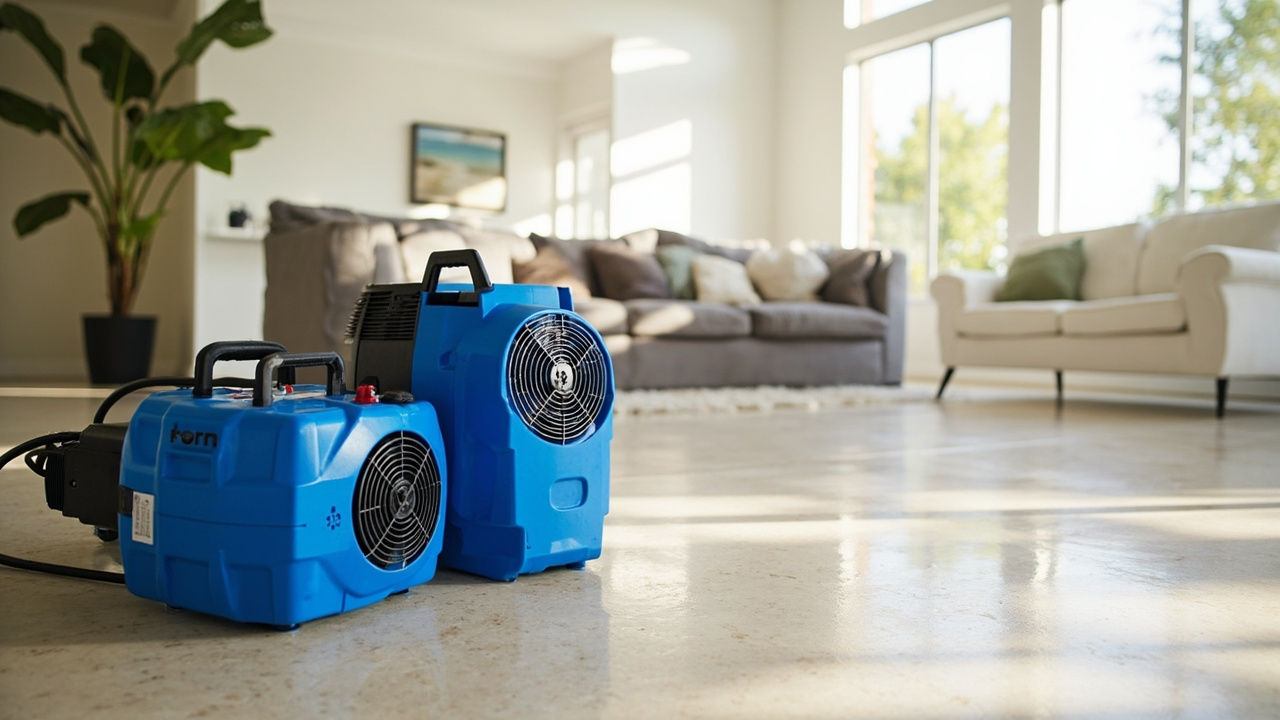
Emergency Burst Pipe Repair in Kenner Louisiana A burst pipe in your Kenner home creates an immediate crisis that requires more than just a mop and a bucket. When a main line fails near the…
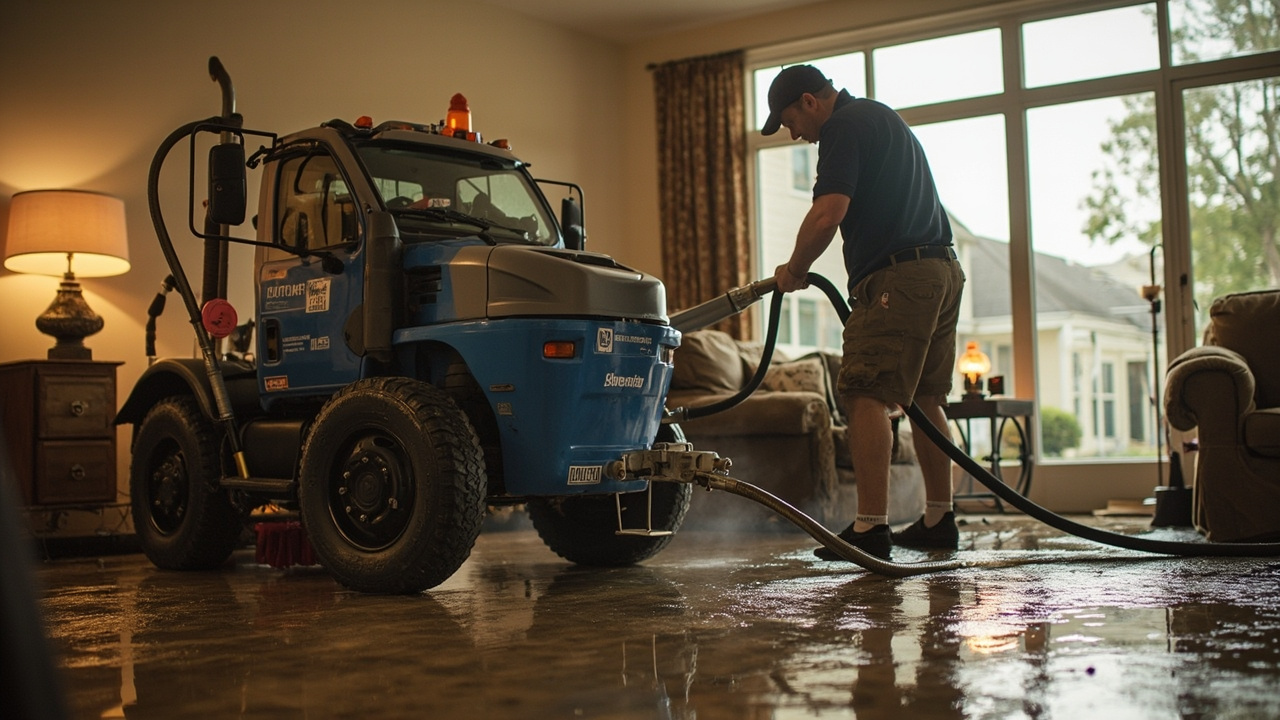
Standing water in your Gretna home requires an immediate response to prevent permanent structural issues…
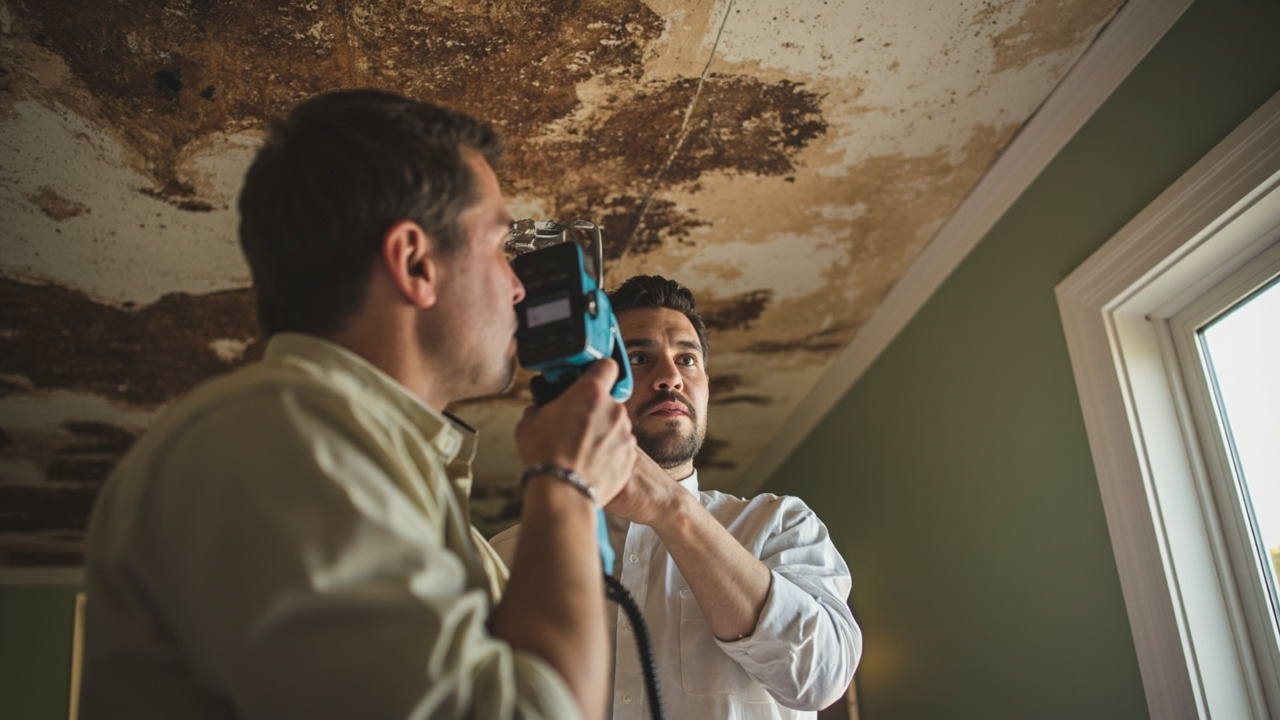
Dealing with Ceiling Water Damage Repair in Mid-City New OrleansA damp spot on your ceiling…
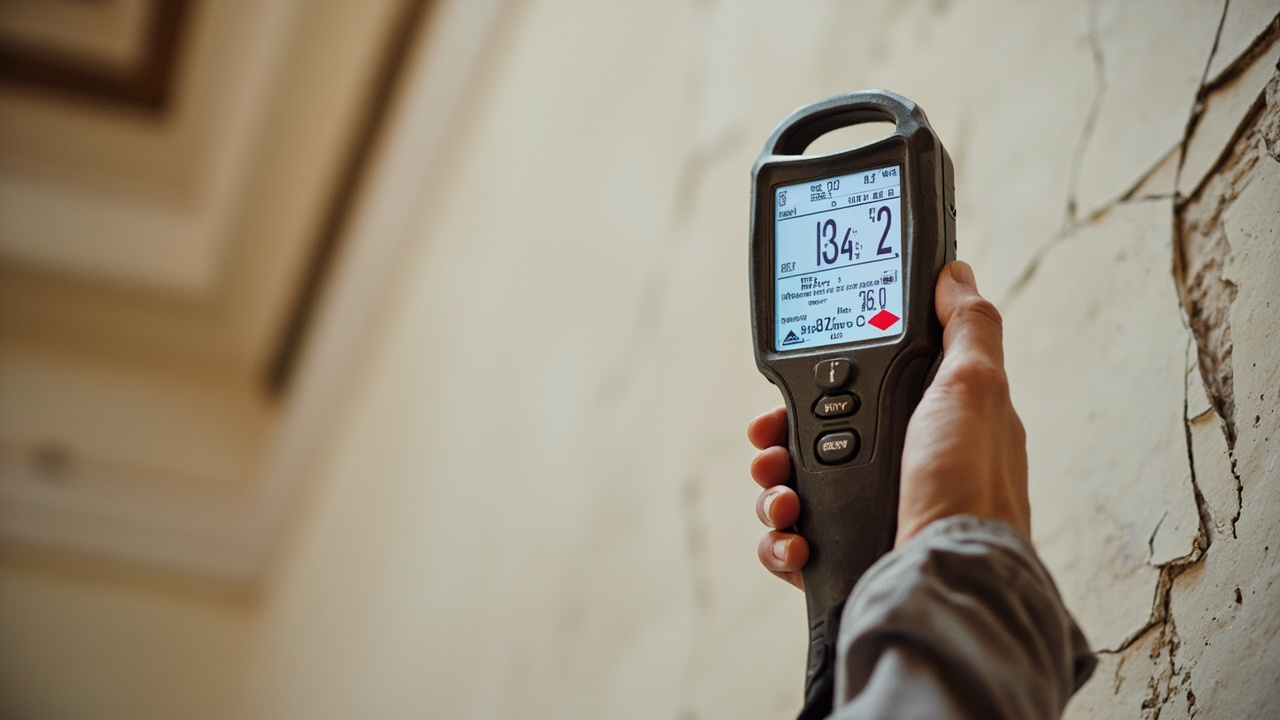
Living in a historic home in the Esplanade Ridge neighborhood offers a unique charm that…
Water spreads every minute. Our crews respond to Waggaman within 60 minutes with full extraction equipment. We handle your insurance claim and bill directly. Call (504) 355-2332 now for immediate dispatch. Don't wait while water destroys your property.