


menu

24/7 Toilet Overflow Cleanup in New Orleans – Emergency Response in Under 60 Minutes

When a toilet overflows, every minute counts. Grand Water Damage Restoration New Orleans dispatches certified technicians immediately to stop contaminated water spread, extract standing sewage, and sanitize your property before permanent damage sets in.

Slider Image 1
Slider Image 2
Slider Image 3
Slider Image 4
Slider Image 5
Slider Image 7
Slider Image 8
Slider Image 9
Slider Image 10
Slider Image 11

Why Toilet Overflows in New Orleans Demand Immediate Professional Response

A toilet overflow is not just water. It is Category 2 or Category 3 contaminated water carrying bacteria, pathogens, and raw sewage. When this happens in your New Orleans home or business, the clock starts immediately. The warm, humid climate here accelerates bacterial growth and mold colonization. What starts as a single bathroom emergency can migrate through subflooring, seep into drywall, and contaminate adjacent rooms within hours.

New Orleans homes, especially in neighborhoods like Mid-City, Lakeview, and Gentilly, often sit on slab foundations or pier-and-beam systems over unstable clay soil. When contaminated water seeps through flooring materials, it does not just evaporate. It pools, spreads laterally, and creates hidden moisture pockets that feed mold spores. The high water table in areas near Lake Pontchartrain compounds this risk. Humidity stays trapped, and without immediate emergency toilet water extraction, you face structural rot, health hazards, and insurance complications.

Overflowing toilet cleanup is not a DIY job. Feces-contaminated water requires professional-grade disinfection, specialized extraction equipment, and air movers calibrated for Louisiana's moisture levels. You need toilet flood restoration that removes every drop, sanitizes every surface, and verifies dryness with thermal imaging. Waiting even a few hours can turn a fixable mess into a gut-and-rebuild scenario. The question is not if you need help. It is how fast you can get it.

Why Toilet Overflows in New Orleans Demand Immediate Professional Response
How Grand Water Damage Restoration New Orleans Stops Contamination Fast

How Grand Water Damage Restoration New Orleans Stops Contamination Fast

When you call us for toilet overflow remediation, we do not send a general handyman with a shop vac. You get IICRC-certified water damage technicians trained in biohazard handling, equipped with truck-mounted extractors, antimicrobial foggers, and moisture meters. Our process is surgical, not casual.

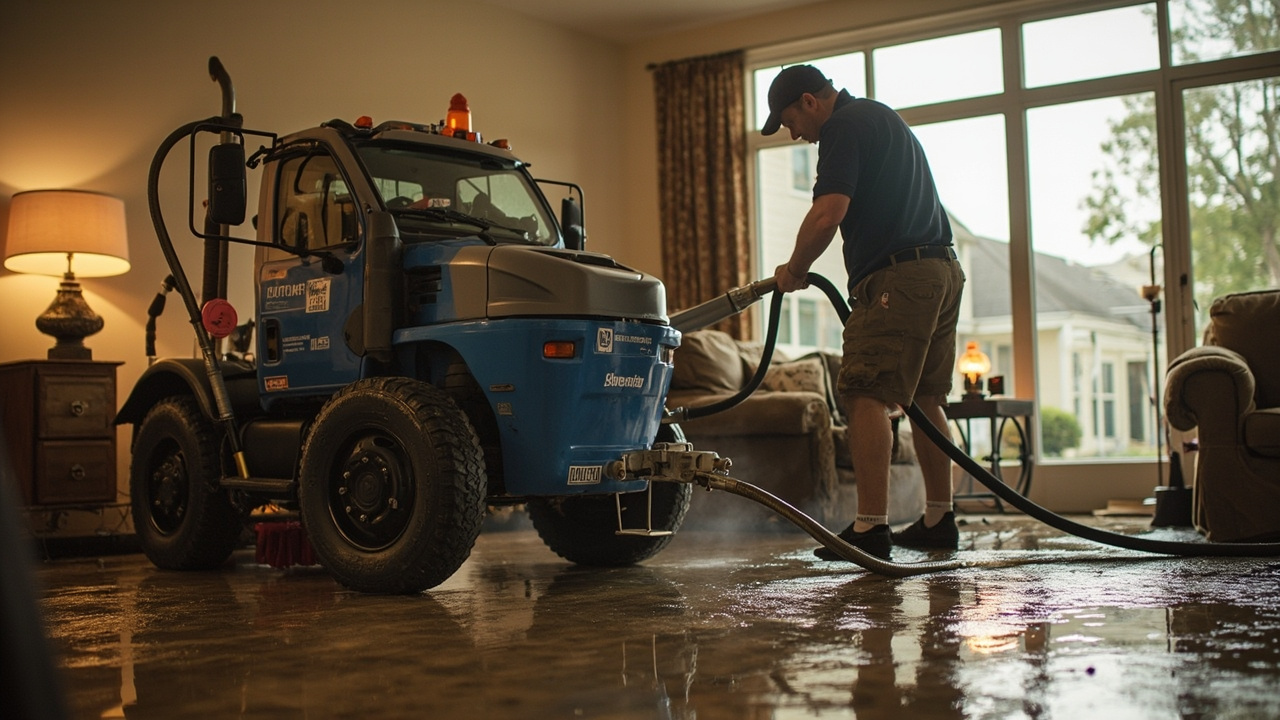
First, we isolate the contaminated zone. We block off airflow to prevent airborne pathogens from spreading through your HVAC system. Then we extract standing water using high-velocity pumps capable of removing hundreds of gallons per hour. Standard wet-dry vacuums cannot pull water from carpet padding or subfloor voids. Our equipment can.

Next comes disinfection. We apply EPA-registered antimicrobial agents that kill E. coli, salmonella, and coliform bacteria on contact. We treat all affected surfaces, including baseboards, tile grout, and subflooring. If drywall wicking is present, we remove the compromised section rather than risk hidden mold growth behind it.

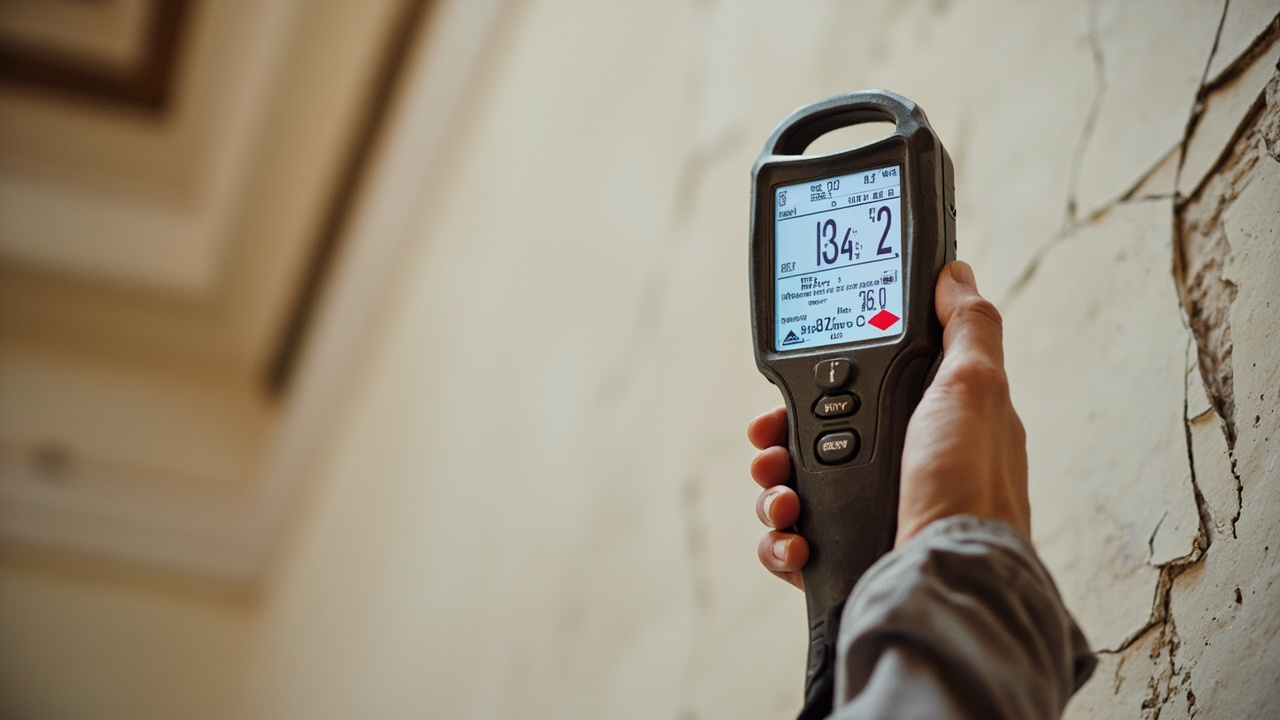
Finally, we deploy industrial air movers and dehumidifiers calibrated for New Orleans's 70-plus percent average humidity. We monitor moisture levels in real time using infrared cameras and pin-type moisture meters. We do not guess when a room is dry. We verify it. This is not about making the floor look clean. It is about ensuring no hidden moisture remains to fuel microbial amplification. Toilet sewage removal done right means your property is not just dry, it is safe.

What Happens When You Call for Emergency Toilet Overflow Cleanup

24/7 Toilet Overflow Cleanup in New Orleans – Emergency Response in Under 60 Minutes
01

Immediate Dispatch and Containment

You call our emergency line, and we dispatch a crew immediately. No waiting until morning. No appointment windows. Our technicians arrive with containment barriers, protective gear, and extraction pumps. We stop the overflow source if possible, shut off water supply lines, and set up physical barriers to prevent cross-contamination into unaffected rooms. Speed here prevents thousands in additional damage.
02

Water Extraction and Sanitation

We remove every drop of contaminated water using truck-mounted extractors and weighted wands that pull moisture from carpet padding and subflooring. Then we apply hospital-grade antimicrobial treatments to all affected surfaces. We treat tile, grout lines, baseboards, and any porous materials exposed to sewage. This is not surface cleaning. We are killing pathogens at the molecular level to protect your family or employees.
03

Drying and Verification

We position air movers and commercial dehumidifiers to create rapid evaporation while controlling humidity levels. Our technicians monitor moisture readings daily using thermal imaging and pin meters. We do not pull equipment until readings show your property meets industry dryness standards. You get a written moisture log and documentation for insurance claims. The job is not done until we verify every surface is safe and dry.

Why New Orleans Property Owners Trust Grand Water Damage Restoration

You do not need a company that Googles how to clean up sewage. You need a team that understands New Orleans construction, knows which neighborhoods flood during summer monsoons, and recognizes when a cast iron stack has corroded through due to Louisiana soil acidity. We work daily in Uptown shotgun doubles, French Quarter commercial buildings, and Metairie ranch homes. We know the building types, the plumbing quirks, and the moisture challenges specific to this region.

Our technicians are IICRC-certified in water damage restoration and applied microbial remediation. That means they have passed rigorous exams on contamination protocols, drying science, and health safety standards. When we document your loss, insurance adjusters recognize our reports because they meet industry standards. We provide itemized moisture logs, thermal images, and scope-of-work documentation that supports your claim.

We also understand urgency. A toilet overflow at 2 a.m. is not something you can sleep on. Sewage does not wait for business hours. We answer our phones 24/7, and we mean it. Our average response time in Orleans Parish is under 60 minutes. We keep trucks stocked, crews on call, and equipment ready because we know that delayed response turns a cleanup job into a reconstruction project.

You will not get upselling or scare tactics. We assess the actual damage, explain what needs to happen, and execute the plan. If your subfloor is salvageable, we save it. If it needs replacement, we tell you why. Transparency and speed define how we operate in this city.

What to Expect When You Hire Us for Toilet Overflow Cleanup

Rapid Response Time

We answer emergency calls immediately and dispatch crews within the hour for Orleans Parish and surrounding areas. You will not wait until tomorrow while contaminated water spreads through your property. Our trucks stay stocked with extraction pumps, antimicrobial agents, air movers, and dehumidifiers. When you call, we roll. Most residential toilet overflow cleanups are stabilized within three to four hours of arrival. Commercial jobs scale based on square footage, but containment and extraction begin immediately. Time matters, and we treat every job like it is our own home flooding.

Thorough Damage Assessment

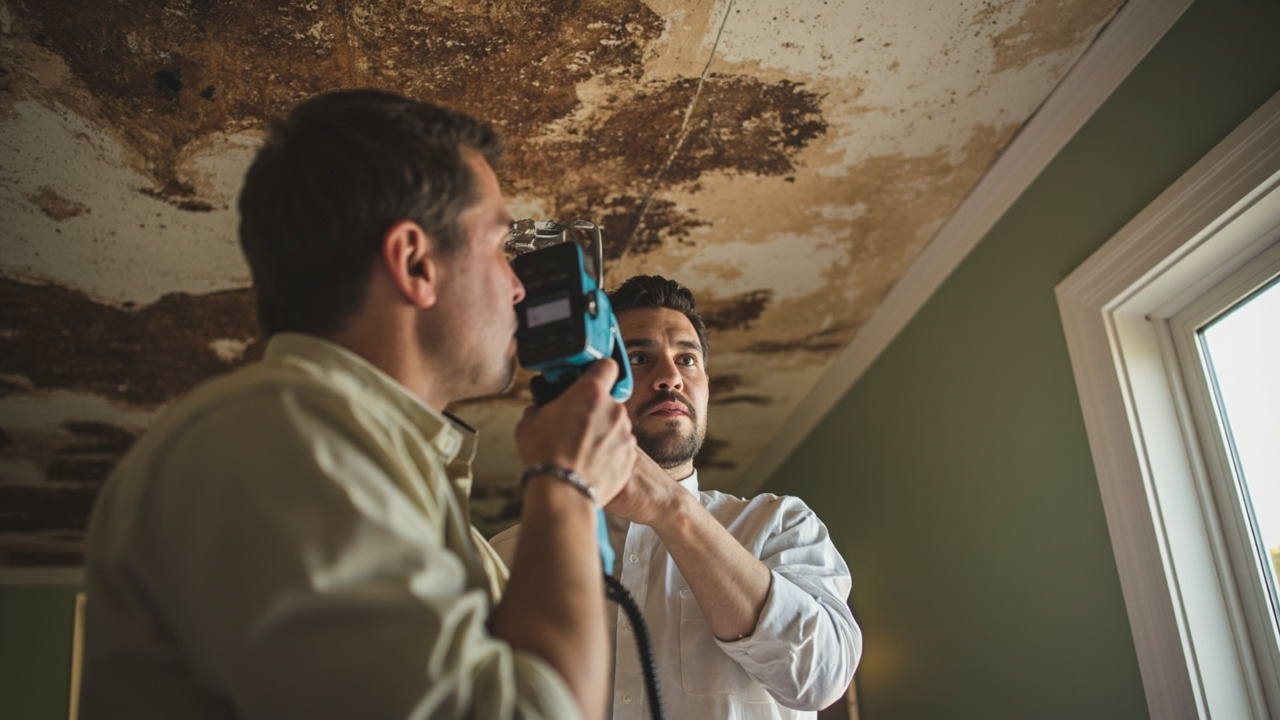
Before we start ripping out materials, we assess what can be saved. We use thermal imaging to detect hidden moisture in walls and subflooring. We test moisture content with pin-type and non-invasive meters to determine how far contamination has spread. You get a written scope of work that explains what needs extraction, what needs disinfection, and what requires removal. We also document everything for your insurance claim. You will know exactly what we are doing and why. No surprises, no guessing, no unnecessary demolition. Just data-driven decision making.

Complete Sanitation and Drying

After extraction, we disinfect every affected surface with EPA-registered antimicrobial solutions that eliminate bacteria and neutralize odors. Then we dry your property using industrial air movers and commercial dehumidifiers calibrated for Louisiana humidity. We monitor moisture levels daily and adjust equipment placement as needed. Your property is not considered dry until thermal scans and moisture meters confirm it meets IICRC standards. You get a final moisture report showing every reading taken. No guesswork. No shortcuts. Just verified results that protect your health and investment.

Insurance Coordination and Documentation

We work directly with your insurance company to streamline claims processing. You get itemized estimates, moisture logs, and photo documentation that adjusters require to approve your claim. We explain what your policy typically covers and help you understand deductibles and limits. Many New Orleans homeowners have flood insurance through FEMA, but toilet overflows usually fall under standard homeowner policies as sudden water damage. We help you navigate the difference. Our reports meet Xactimate standards, which most carriers use for pricing. You get professional documentation that supports your claim and speeds up reimbursement.

Frequently Asked Questions

You Have Questions,
We Have Answers

Can you pour vinegar in a toilet overflow tube? +

You can pour vinegar into a toilet overflow tube to clear mineral buildup or slow drains, but do so cautiously. Vinegar is acidic and can help dissolve calcium deposits common in New Orleans' hard water. Pour about one cup directly into the overflow tube, wait 30 minutes, then flush. However, if you have an active overflow emergency, stop. This is a maintenance trick, not an emergency fix. If your toilet is actively overflowing, shut off the water supply immediately and call a water damage restoration professional. Vinegar won't stop sewage from flooding your bathroom floor.

Will toilet overflow cause mold? +

Yes. Toilet overflow absolutely causes mold, especially in New Orleans' humid subtropical climate. When sewage water soaks into bathroom flooring, baseboards, drywall, or subfloors, mold spores colonize within 24 to 48 hours. The moisture combines with organic waste to create perfect conditions for black mold and other toxic species. You may not see it immediately because mold grows behind walls or under flooring. If you experience a toilet overflow, extract all water fast, disinfect contaminated surfaces, and run dehumidifiers. Professional water damage restoration ensures hidden moisture pockets are detected and treated before mold takes hold.

What are two things you should never flush down a toilet? +

Never flush wipes (even those labeled flushable) or feminine hygiene products. Wipes do not break down like toilet paper. They clump together in your pipes and the city sewer system, causing backups that lead to overflows. Feminine products absorb water and expand, creating blockages. New Orleans' aging sewer infrastructure makes these clogs worse. Flushing these items risks catastrophic backups that send sewage into your home. Stick to human waste and toilet paper only. Everything else goes in the trash. Preventing clogs now saves you from emergency water damage cleanup later.

What is the best cleaner for toilet rim jets? +

A mixture of white vinegar and baking soda works well for routine cleaning of toilet rim jets. Pour one cup of vinegar into the overflow tube, let it sit for 30 minutes, then scrub with a small brush or pipe cleaner to dislodge mineral deposits. For stubborn buildup common in New Orleans' hard water, use a commercial limescale remover containing citric acid or hydrochloric acid. Follow product instructions carefully. Never mix chemicals. If rim jets stay clogged and your toilet flushes weakly, you risk overflow during heavy use. Address clogs early to prevent emergency sewage backups.

Why does a plumber expert warn against using vinegar and baking soda on drains? +

Plumbers warn against vinegar and baking soda because the reaction is weak and temporary. When combined, they fizz and neutralize each other, leaving mostly saltwater behind. This does not dissolve grease, hair, or serious clogs. It creates false confidence. Homeowners think the fizz means it is working, so they skip calling a professional until a full blockage happens. In New Orleans, where cast iron and clay pipes corrode over time, you need mechanical snaking or hydro jetting for real clogs. Vinegar and baking soda are fine for maintenance, not emergencies. Use them to prevent problems, not fix them.

Can I leave vinegar in the toilet tank overnight? +

Yes, you can leave vinegar in the toilet tank overnight to dissolve mineral buildup on internal components. Pour two cups of white vinegar into the tank (not the bowl), let it sit for eight hours, then flush. This helps clean the fill valve, flapper, and overflow tube, improving flush performance. New Orleans' hard water causes calcium deposits that weaken flush strength, increasing overflow risk. Do this monthly as maintenance. However, if your toilet is already overflowing or malfunctioning, this is not the fix. Shut off the water and call a professional immediately. Vinegar is preventive, not reactive.

What kills black mold in a toilet? +

Bleach kills black mold in toilets effectively. Pour one cup of undiluted bleach into the toilet bowl, scrub with a toilet brush, and let it sit for 10 minutes before flushing. For mold inside the tank, drain it completely, spray surfaces with a bleach solution (one part bleach to 10 parts water), scrub, and rinse. New Orleans' humidity accelerates mold growth, so clean toilets weekly. However, if mold appears after a toilet overflow, you likely have contamination behind walls or under flooring. Surface cleaning is not enough. Call a water damage restoration company to inspect for hidden mold colonies.

Why is the black stuff in my toilet coming back? +

Black mold or mineral staining keeps returning because the root cause is not fixed. Common culprits include a slow leak in the tank or bowl, high humidity, poor ventilation, or hard water. New Orleans' year-round humidity makes bathrooms mold magnets. If you clean mold and it reappears within days, check for leaks around the base, tank bolts, or fill valve. Install a bathroom exhaust fan and run it during showers. If mold persists after a toilet overflow, you may have hidden water damage in the subfloor or drywall. Professional inspection with moisture meters reveals what you cannot see.

How to tell if black mold is in the toilet? +

Black mold in toilets appears as dark, slimy stains or fuzzy patches inside the bowl, under the rim, or in the tank. It thrives in damp, dark areas. Mold smells musty and earthy. To confirm it is mold and not mineral staining, spray it with bleach. Mold lightens or disappears immediately. Mineral deposits stay dark. In New Orleans' humid climate, bathroom mold grows fast, especially after water damage events like toilet overflows. If you see widespread mold or smell it but cannot locate the source, you likely have hidden growth. Call a restoration professional to test air quality and inspect concealed spaces.

Should you flush the toilet after every pee? +

Flushing after every pee wastes water, but it prevents odor and bacteria buildup. In a single-user household, you can skip occasional flushes to conserve water. In shared bathrooms, flush every time for hygiene. However, if your toilet has a weak flush or clogs easily, skipping flushes increases overflow risk when you finally do flush. New Orleans' aging plumbing and low water pressure can worsen this. If your toilet struggles to handle normal waste, get it inspected. A clog that builds slowly will eventually cause a catastrophic overflow. Prevent emergencies by addressing flush problems early, not after sewage floods your floor.

How New Orleans Plumbing Infrastructure Increases Toilet Overflow Risks

New Orleans has some of the oldest plumbing systems in the country. Many homes in the French Quarter, Marigny, and Garden District still have cast iron drain stacks installed decades ago. Louisiana soil is highly acidic due to decomposing organic matter from swamps and wetlands. This acidity corrodes cast iron from the outside in, creating pinhole leaks and blockages that increase overflow risk. Add in tree roots from live oaks infiltrating sewer laterals, and you have a recipe for frequent backups. When a toilet overflows here, it is often not just a clog. It is a systemic plumbing issue compounded by aging infrastructure, soil chemistry, and invasive root systems. Emergency toilet water extraction becomes critical because the water is often contaminated with soil particulates and decomposed organic material, not just household waste.

Grand Water Damage Restoration New Orleans understands these regional factors because we work in this environment daily. We know which neighborhoods have combined sewer systems prone to backflow during heavy rain. We recognize when a toilet overflow is symptomatic of a deeper sewer line issue that requires camera inspection. Our crews are trained in local building codes and health department regulations for sewage cleanup, which differ from other states. We also maintain relationships with local plumbers, remediation labs, and insurance adjusters who know how claims work in Orleans and Jefferson Parishes. Choosing a local company means you get technicians who understand the unique risks your property faces and how to mitigate them properly.
Water Damage Restoration Services in The New Orleans Area

While Grand serves the wider region with our expert water damage restoration services, we invite you to view our central operational location on the map. This helps you visualize our base of operations and understand our commitment to providing swift, efficient service across our service areas. Our team is strategically positioned to ensure rapid deployment when you need us most, so don't hesitate to contact us regardless of your specific location within our service radius.

Address:
Grand Water Damage Restoration New Orleans, 201 St Charles Ave, New Orleans, LA, 70170

Additional Services We Offer

Our news updates

Latest Articles & News from The Blogs

Standing water in your Gretna home requires an immediate response to prevent permanent structural issues and mold growth. Residents living…

Fast Flood Restoration Strategies for Gretna Homeowners

Standing water in your Gretna home requires an immediate response to prevent permanent structural issues and mold growth. Residents living…

Resolving Ceiling Water Damage and Leaks in Mid-City Apartments

Dealing with Ceiling Water Damage Repair in Mid-City New OrleansA damp spot on your ceiling in a Mid-City apartment requires…

Removing that stubborn musty smell from historic plaster walls in Esplanade Ridge

Living in a historic home in the Esplanade Ridge neighborhood offers a unique charm that modern builds cannot replicate. Those…

Contact Us

Do not let contaminated water destroy your property and risk your health. Call (504) 355-2332 right now for immediate emergency response. Our crews are standing by 24/7 to extract sewage, disinfect your space, and restore safety fast.