



menu

Hardwood Floor Water Damage New Orleans – Expert Restoration Before Structural Failure Sets In

When water hits your hardwood floors, you have 48 hours to prevent permanent warping, mold growth, and subfloor rot. Grand Water Damage Restoration New Orleans specializes in fast extraction, targeted drying, and complete hardwood floor water damage repair across the metro.

Slider Image 1
Slider Image 2
Slider Image 3
Slider Image 4
Slider Image 5
Slider Image 7
Slider Image 8
Slider Image 9
Slider Image 10
Slider Image 11

Why New Orleans Hardwood Floors Fail Fast After Water Exposure

New Orleans sits below sea level. The water table is high, humidity averages 75 percent year-round, and most homes sit on pier-and-beam foundations that allow moisture to creep up from below. When you add a burst pipe, roof leak, or hurricane flooding to that equation, your hardwood floors absorb water faster than in any other climate.

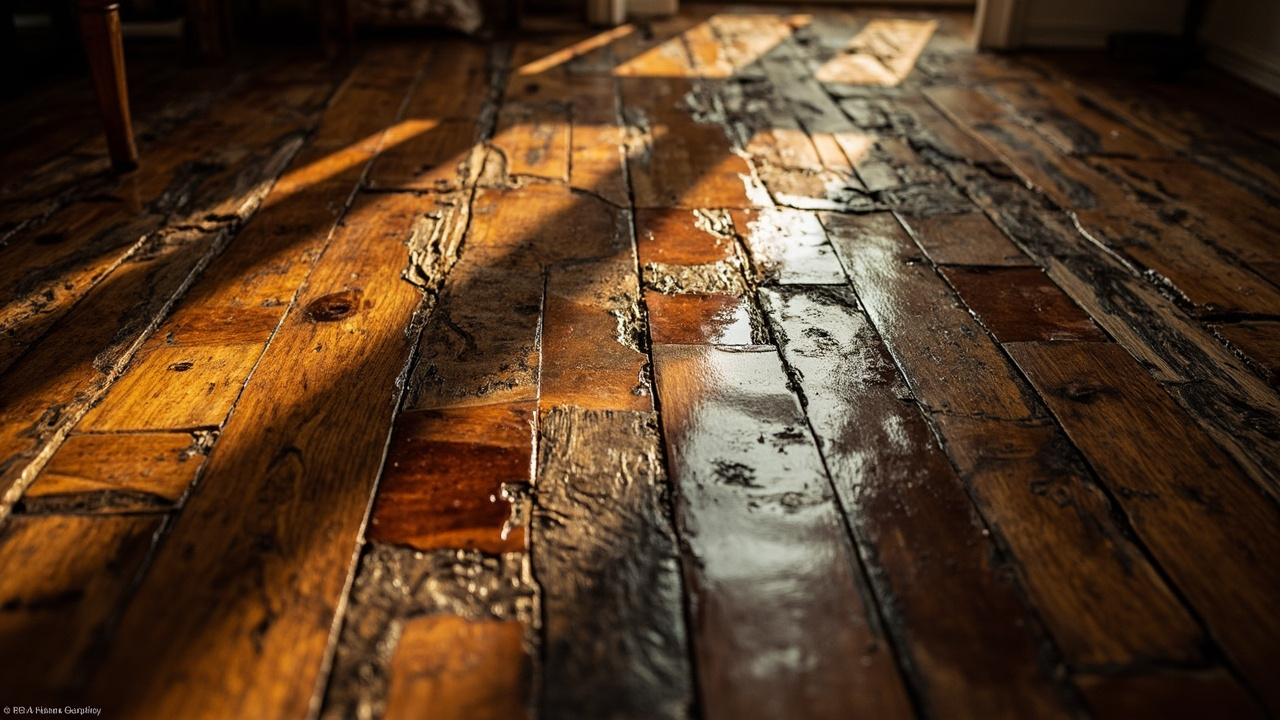
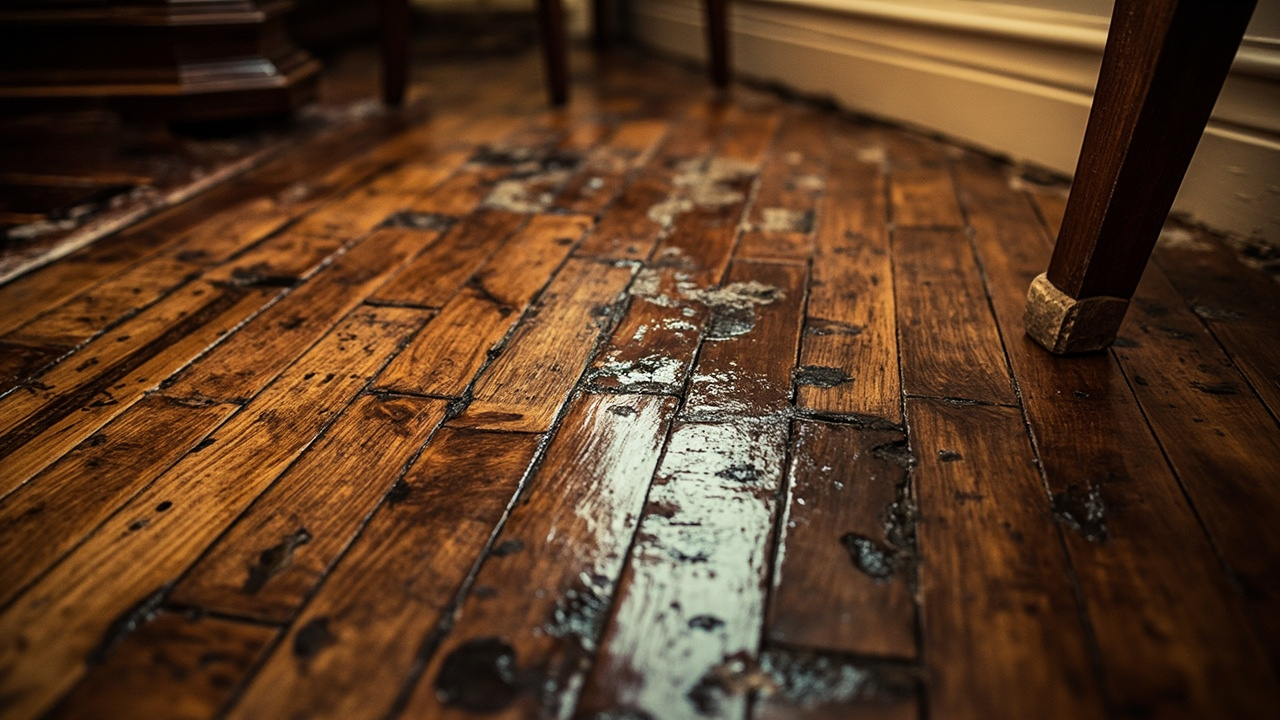
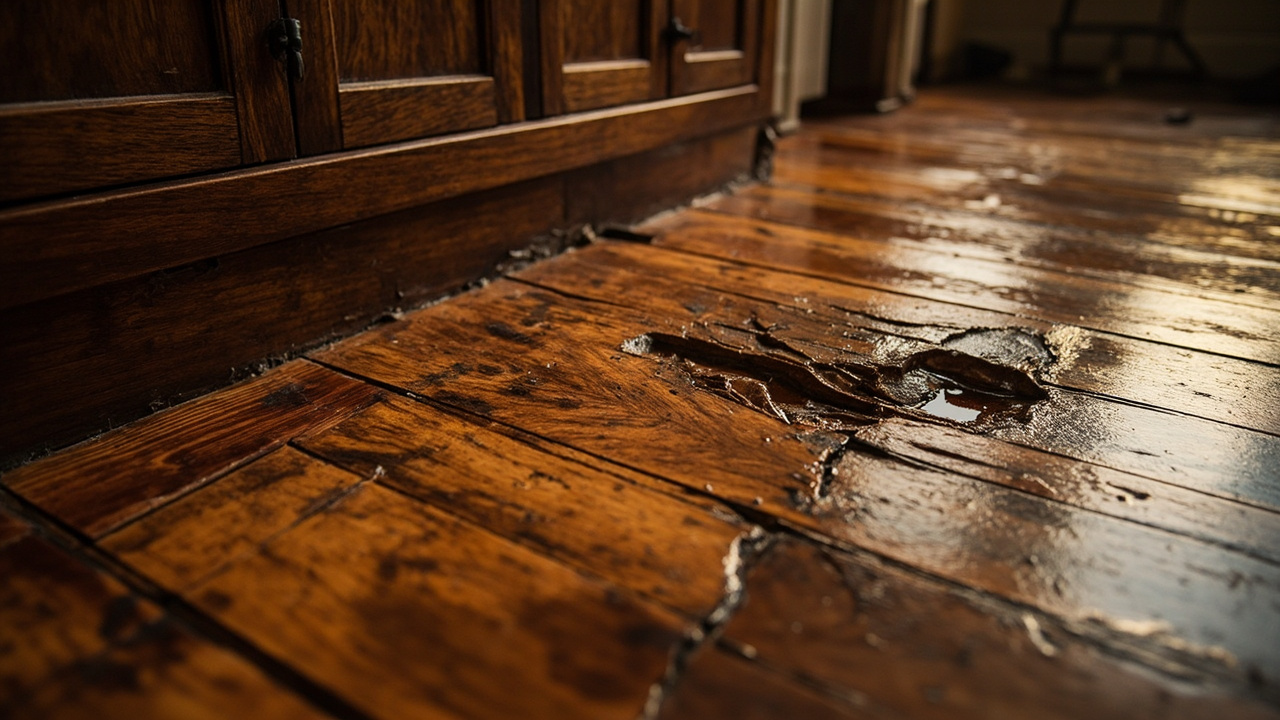
Wet hardwood flooring swells within hours. You will see hardwood floor cupping along the edges where moisture enters the grain. If the water sits longer, you get crowning in the center. Both are signs the wood is expanding unevenly. Left untreated, the tongue-and-groove joints separate, the finish delaminates, and black mold colonizes the subfloor. Water damaged wood floors are not a cosmetic issue. They are a structural problem that spreads to joists, sills, and eventually your foundation piers.

The clay soil under New Orleans homes shifts constantly. Pier foundations move with it. When water damage weakens your subfloor, that movement accelerates. You end up with sagging floors, cracked walls, and expensive foundation repairs. The window to save your floors is narrow. Drying hardwood floors properly requires industrial dehumidifiers, air movers, and moisture meters that track progress inside the wood, not just on the surface. Homeowners who wait or try to dry floors with box fans lose the wood entirely.

Why New Orleans Hardwood Floors Fail Fast After Water Exposure
How We Restore Water Damaged Wood Floors Without Replacement

How We Restore Water Damaged Wood Floors Without Replacement

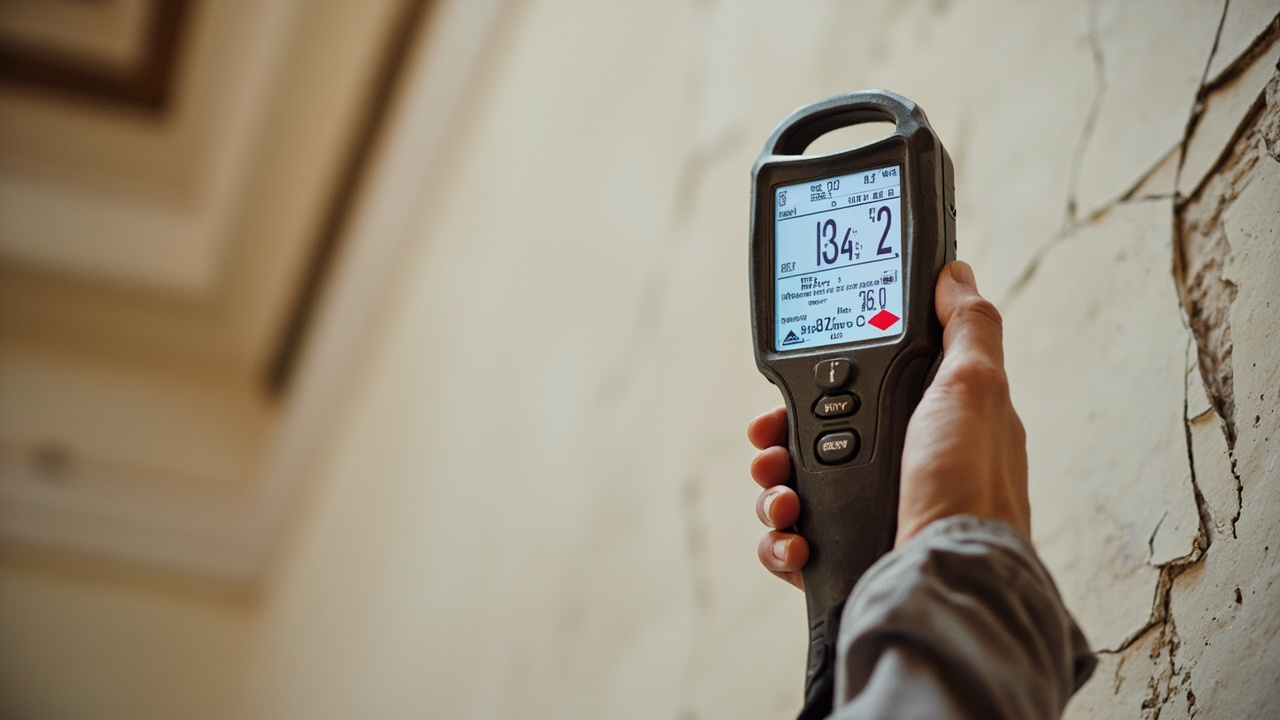
Most restoration companies replace everything. We do not. Grand Water Damage Restoration New Orleans uses a tiered approach that prioritizes salvage. We start with a pin-type moisture meter to measure moisture content deep in the wood. Hardwood should sit at 6 to 9 percent moisture. Anything above 12 percent will continue to warp. Anything above 16 percent is at risk for mold.

We pull baseboards and drill small relief holes along the perimeter to ventilate trapped moisture between the flooring and subfloor. Then we position low-grain refrigerant dehumidifiers and high-velocity air movers in a strategic airflow pattern. This is not guesswork. We calculate the grain direction of your flooring and the airflow path to force moisture out of the wood, not deeper into it.

For severe hardwood floor cupping, we use mat drying systems. These are sealed plastic mats that attach to a vacuum pump. They pull moisture directly through the wood surface using negative pressure. It is faster than passive air drying and reduces the risk of secondary mold growth in the subfloor cavity.

We document moisture readings twice daily. When the wood stabilizes at pre-loss moisture levels, we evaluate the floor for sanding and refinishing. Most cupped floors flatten naturally once dried. If the wood remains distorted, we plane down high spots and re-sand to restore a level surface. The goal is always to restore first, replace only when necessary. Wood floor water damage repair is about precision, not demolition.

What Happens During Emergency Hardwood Floor Drying

Hardwood Floor Water Damage New Orleans – Expert Restoration Before Structural Failure Sets In
01

Water Extraction and Assessment

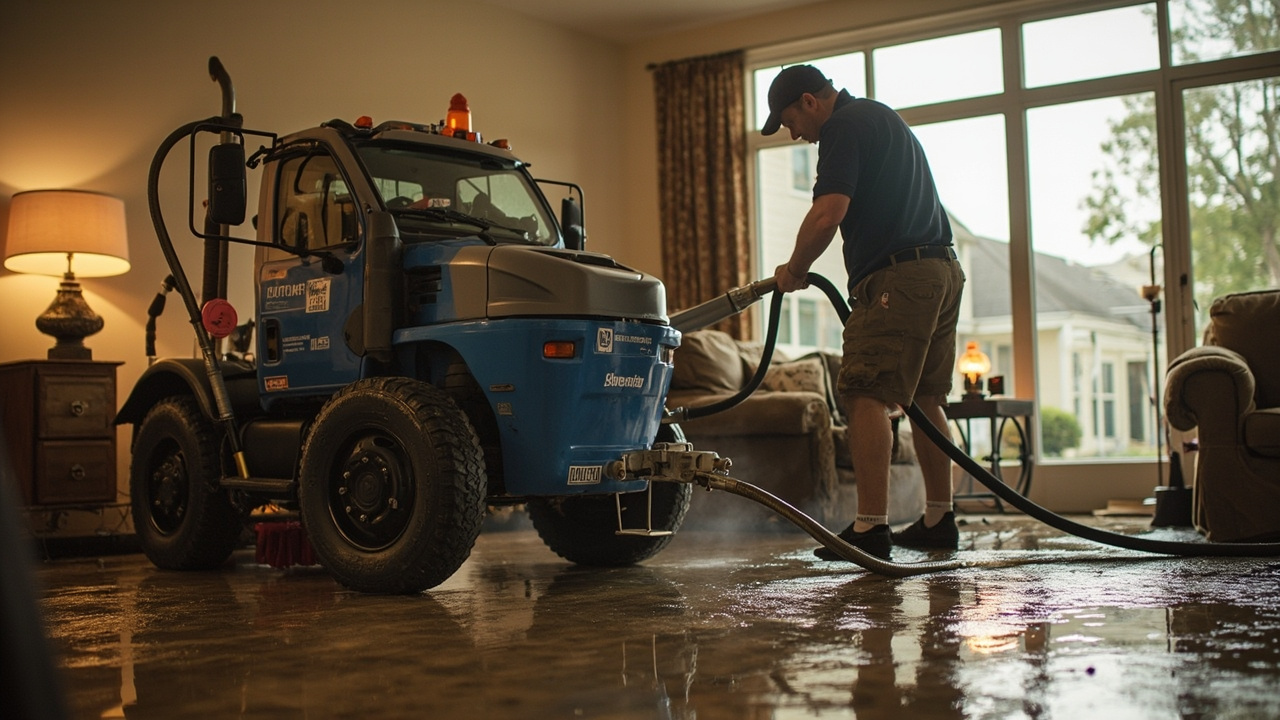
We arrive with truck-mounted extraction equipment and pull standing water off your floors immediately. Our technician uses a pin moisture meter to check moisture levels in the hardwood, subfloor, and floor joists. We photograph the damage, document moisture readings, and map the affected area. This data drives the drying plan and supports your insurance claim documentation.
02

Controlled Drying Setup

We install dehumidifiers and air movers in a calculated layout based on your floor type, wood species, and moisture load. Baseboards come off to ventilate the gap between flooring and drywall. We seal off unaffected rooms to concentrate drying power where it is needed. Our equipment runs continuously, monitored remotely through sensors that alert us to temperature or humidity changes.
03

Moisture Verification and Restoration

Once moisture content drops below 9 percent and stabilizes for 48 hours, we remove equipment and assess the floor condition. Minor cupping and crowning often self-correct after drying. If the wood remains warped, we sand, plane, or refinish to restore a flat surface. We reinstall baseboards, clean the site, and provide a final moisture report for your records and insurer.

Why Local Expertise Matters for Wet Hardwood Flooring in New Orleans

New Orleans homes were not built for modern HVAC systems. Most historic properties in the Garden District, Uptown, and the French Quarter still use pier-and-beam foundations with minimal vapor barriers. Crawl spaces flood during heavy rain. Humidity condenses under floors during summer. If you hire a restoration company that does not understand how these older homes breathe, they will over-dry the wood and cause checking, or under-dry it and let mold grow.

Grand Water Damage Restoration New Orleans has worked in these neighborhoods for years. We know that longleaf pine flooring, common in pre-1950s homes, dries slower than red oak. We know that Eastlake and shotgun-style homes have minimal subfloor ventilation, which means drying takes longer and requires more aggressive airflow. We also know that the Orleans Parish permitting office requires moisture documentation for any structural drying work tied to an insurance claim.

We work directly with local adjusters from Allstate, State Farm, and USAA. They know our reports are accurate and our methods meet IICRC S500 standards for water damage restoration. That speeds up your claim and gets you paid faster.

We also understand the urgency. When a pipe bursts at 2 a.m. or a roof leaks during a summer storm, you cannot wait until Monday. We answer calls 24/7 and dispatch a crew within 60 minutes across the metro, from Metairie to Chalmette to Kenner. Speed is the difference between saving your floors and tearing them out.

What to Expect During Hardwood Floor Water Damage Repair

Emergency Response Time

We dispatch a crew to your property within 60 minutes of your call, 24 hours a day. Our truck carries extraction equipment, moisture meters, dehumidifiers, and air movers. We do not schedule you for next week. Water damage accelerates by the hour. Our technician assesses the damage on-site, pulls standing water immediately, and begins the drying process before mold spores colonize the subfloor. You do not wait. We do not delay. Time is the only variable that determines whether your floors survive or get ripped out.

Moisture Monitoring and Documentation

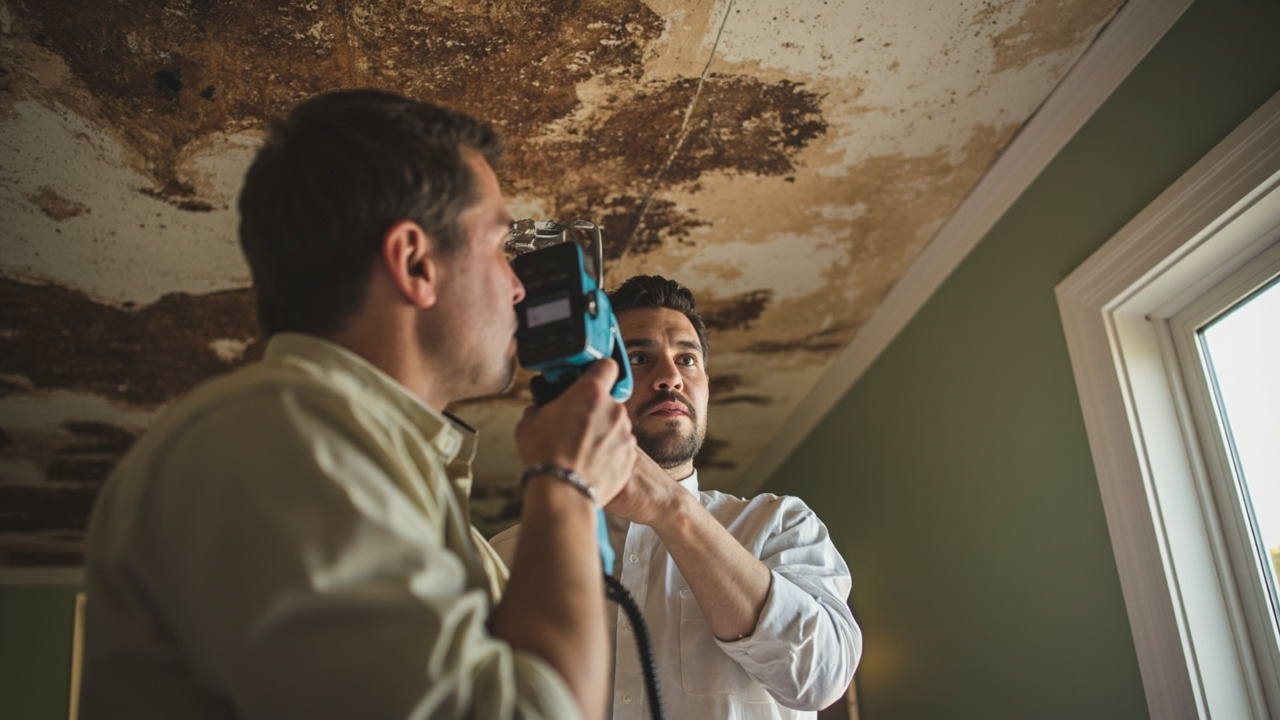
We do not guess. We measure. Our technicians use pin-type and pinless moisture meters to track moisture content in your hardwood, subfloor, and structural framing. Readings are logged twice daily and uploaded to a cloud-based system that you and your insurance adjuster can access in real time. We create a drying log that documents temperature, humidity, and moisture levels from day one through final verification. This is not optional. It is required by IICRC standards and expected by every major insurance carrier in Louisiana.

Final Floor Condition and Finish Work

Once your floors reach stable moisture levels, we evaluate the surface. Most cupped floors flatten naturally after drying. If warping persists, we plane down high spots, sand the surface smooth, and apply a polyurethane or oil-based finish that matches your existing floor. We do not leave you with a patchwork. The repaired section blends seamlessly with the rest of the room. You get a floor that looks original, not repaired. Our goal is to restore your home to pre-loss condition, not leave evidence that water damage ever happened.

Post-Drying Monitoring and Prevention Advice

We do not walk away the day equipment comes out. We return 72 hours later to verify moisture levels remain stable. If readings creep back up, we redeploy drying equipment at no additional charge. We also provide a written report with recommendations to prevent future damage. This includes advice on vapor barrier upgrades, crawl space encapsulation, and gutter maintenance specific to your property. Water damage is rarely a one-time event in New Orleans. We help you understand why it happened and how to stop it from happening again.

Frequently Asked Questions

You Have Questions,
We Have Answers

Will a swollen wood floor go back to normal? +

Sometimes, but not always. Minor swelling from brief exposure may return to normal if you dry the floor quickly within 24 hours. However, New Orleans' high humidity complicates drying. Wood absorbs moisture fast in this climate. If swelling persists beyond 48 hours, the wood fibers have likely expanded permanently. Cupping and warping become structural issues. Extract standing water immediately, run dehumidifiers, and increase airflow. If the floor remains swollen after proper drying, you need professional assessment. The longer water sits, the less likely your floor returns to its original shape. Act fast to improve your odds.

What happens if hardwood floors get wet? +

Hardwood floors absorb water rapidly, especially in humid climates like New Orleans. Within hours, you see surface discoloration and warping. Wood swells as fibers absorb moisture, causing boards to cup or crown. If water penetrates the subfloor, mold grows within 24 to 48 hours. Finish coatings blister and peel. Structural integrity weakens as wood softens. Standing water accelerates damage exponentially. Even minor leaks cause long-term issues if ignored. The key is speed. Extract water immediately, dry thoroughly, and monitor for hidden moisture pockets. Delayed response turns a fixable problem into a full floor replacement.

How to flatten a wood floor after water damage? +

You cannot flatten water-damaged wood floors with DIY methods. Professional drying equipment is essential. Start with water extraction using pumps or wet vacuums. Deploy commercial dehumidifiers and air movers to pull moisture from wood and subfloor. This process takes days, not hours. Once moisture content drops below 12 percent, assess the damage. Minor cupping may flatten as wood dries. Severe warping requires sanding and refinishing after complete drying. In New Orleans' humid environment, drying takes longer. Never sand wet or damp wood. It makes damage worse. Call restoration specialists who use moisture meters to confirm readiness.

How long does it take for water to damage wood floors after? +

Damage begins immediately, but severity depends on exposure time. Surface moisture causes discoloration within one hour. After two to four hours, wood starts absorbing water and swelling. By 24 hours, cupping and warping become visible. Mold spores activate within 24 to 48 hours in New Orleans' humidity. After 72 hours, structural damage and microbial growth are widespread. The subfloor often suffers hidden damage before surface boards show symptoms. Speed is everything. The first 24 hours determine whether you dry and save or demo and replace. Waiting even one day dramatically increases repair costs and complexity.

Can you fix water damaged hardwood floors? +

Yes, if you act quickly and the damage is not severe. Surface water that dries within 24 hours often leaves floors repairable through sanding and refinishing. Moderate cupping may flatten after professional drying. However, extensive warping, subfloor rot, or mold contamination require board replacement. In New Orleans, high ambient humidity slows drying and increases mold risk. A moisture meter determines if wood is salvageable. Boards over 20 percent moisture content need replacement. Some repairs blend new boards with existing flooring. Others require full refinishing to match color. Professional assessment prevents wasting money on unfixable floors.

How to unswell a wooden floor? +

You cannot unswell a wooden floor without proper drying. Remove all standing water immediately using wet vacuums or pumps. Position commercial dehumidifiers and air movers to accelerate evaporation. Focus airflow along floorboards and edges where moisture hides. Open windows only if outdoor humidity is lower than indoor levels, which is rare in New Orleans. Drying takes 3 to 10 days depending on saturation level. Monitor moisture content with a meter. Target below 12 percent. If swelling persists after complete drying, the wood has permanently deformed. You then need sanding, refinishing, or board replacement. Never rush this process.

How much does it cost to repair a water damaged hardwood floor? +

Costs vary widely based on damage extent and square footage. Minor repairs with sanding and refinishing range from moderate to significant per square foot. Extensive damage requiring board replacement costs more, especially if matching old wood. Subfloor repairs add complexity and expense. Mold remediation increases costs further. New Orleans' older homes often have unique hardwood species, making exact matching difficult and expensive. Insurance may cover water damage depending on your policy and cause. Always get multiple estimates. Be wary of quotes without moisture testing or subfloor inspection. Hidden damage under surface boards drives final costs higher than initial estimates.

What do water damaged hardwood floors look like? +

Water-damaged hardwood shows distinct visual cues. Cupping makes boards curve upward at edges, creating a concave surface. Crowning pushes board centers higher than edges. Dark stains or gray discoloration appear where water sat. White hazy spots indicate finish damage. Gaps form between boards as wood shrinks unevenly. You may see mold as black or green spots, especially in corners or along walls. Buckling lifts entire sections off the subfloor. Soft spots feel spongy underfoot. In New Orleans' humid climate, damage progresses faster. Surface symptoms often hide worse problems below. Professional inspection reveals true extent.

What pulls moisture out of wood floors? +

Commercial dehumidifiers pull the most moisture from wood floors effectively. These units process large air volumes and extract gallons of water daily. Air movers create circulation that accelerates evaporation from wood surfaces and between boards. Direct airflow across the floor, not just above it. Heat helps, but control humidity simultaneously. In New Orleans, outdoor air often adds moisture rather than removing it, so seal the space. Desiccant dehumidifiers work better than refrigerant models in saturated conditions. Moisture meters track progress. Target 6 to 9 percent moisture content for hardwood. This process takes days. Patience prevents permanent damage.

Will hardwood cupping go away? +

Minor hardwood cupping may flatten after proper drying, but success is not guaranteed. If you dry the floor within 48 hours and moisture content drops below 12 percent, slight cupping sometimes reverses. However, New Orleans' persistent humidity slows drying and complicates recovery. Severe cupping rarely disappears completely. Wood fibers compress and expand unevenly, creating permanent deformation. Once fully dry, assess the floor. Light cupping may improve with sanding and refinishing. Moderate to severe cupping requires board replacement. Never assume cupping will self-correct. Professional moisture testing determines if waiting helps or if replacement is necessary. Time and humidity work against you.

Why High Humidity and Pier Foundations Make Hardwood Floor Water Damage Worse in New Orleans

New Orleans has the highest ambient humidity of any major U.S. city. Outdoor humidity averages 75 percent, and indoor humidity in older homes without central air often exceeds 65 percent. When water hits your hardwood floors, that moisture does not evaporate naturally. It sits, migrates deeper into the wood, and spreads to the subfloor and joists. Pier-and-beam foundations, common in homes built before 1960, make this worse. The crawl space under your floor acts as a moisture reservoir. Water pools under the house after heavy rain, evaporates upward, and condenses on the underside of your flooring. This creates a constant cycle of wetting and drying that accelerates wood rot and mold colonization.

We understand how older New Orleans homes are built. Most restoration companies treat every structure the same. We do not. Shotgun homes have minimal subfloor ventilation. Creole cottages have wood sills sitting inches above grade. Garden District mansions have crawl spaces that flood during tropical storms. Each property requires a different drying strategy. Grand Water Damage Restoration New Orleans adjusts airflow, dehumidification capacity, and drying time based on your home's age, construction type, and foundation system. We also know which local lumber yards stock matching flooring for historic homes and which finishes hold up in high-humidity environments. That local knowledge is the difference between a floor that lasts and one that fails again in six months.
Water Damage Restoration Services in The New Orleans Area

While Grand serves the wider region with our expert water damage restoration services, we invite you to view our central operational location on the map. This helps you visualize our base of operations and understand our commitment to providing swift, efficient service across our service areas. Our team is strategically positioned to ensure rapid deployment when you need us most, so don't hesitate to contact us regardless of your specific location within our service radius.

Address:
Grand Water Damage Restoration New Orleans, 201 St Charles Ave, New Orleans, LA, 70170

Additional Services We Offer

Our news updates

Latest Articles & News from The Blogs

Standing water in your Gretna home requires an immediate response to prevent permanent structural issues and mold growth. Residents living…

Fast Flood Restoration Strategies for Gretna Homeowners

Standing water in your Gretna home requires an immediate response to prevent permanent structural issues and mold growth. Residents living…

Resolving Ceiling Water Damage and Leaks in Mid-City Apartments

Dealing with Ceiling Water Damage Repair in Mid-City New OrleansA damp spot on your ceiling in a Mid-City apartment requires…

Removing that stubborn musty smell from historic plaster walls in Esplanade Ridge

Living in a historic home in the Esplanade Ridge neighborhood offers a unique charm that modern builds cannot replicate. Those…

Contact Us

Water moves fast in New Orleans. Call Grand Water Damage Restoration New Orleans now at (504) 355-2332. We dispatch a crew within 60 minutes, pull standing water, and start the drying process before your floors are lost.