



menu

Frozen Pipe Burst Cleanup in New Orleans – 24/7 Emergency Response Stops Flooding Fast

When a frozen pipe bursts in your New Orleans home or business, every minute counts. Grand Water Damage Restoration New Orleans mobilizes emergency burst pipe water removal teams immediately to stop flooding, extract standing water, and prevent mold growth before structural damage spreads.

Slider Image 1
Slider Image 2
Slider Image 3
Slider Image 4
Slider Image 5
Slider Image 7
Slider Image 8
Slider Image 9
Slider Image 10
Slider Image 11

Why Frozen Pipes Burst in New Orleans and the Damage They Cause

New Orleans rarely experiences hard freezes, but when winter cold snaps arrive, pipes in attics, crawl spaces, and exterior walls are vulnerable. Most homes in the Garden District, Uptown, and Mid-City were built for heat and humidity, not sudden temperature drops. When temperatures fall below freezing, water inside pipes expands. The pressure builds. The pipe ruptures.

A burst pipe releases gallons of water every minute. In homes with raised foundations common throughout Gentilly and Lakeview, flooding can saturate floor joists, insulation, and subflooring before you notice. In commercial buildings along Magazine Street or in the Warehouse District, burst pipe water damage restoration becomes an emergency when ceiling tiles collapse or inventory sits in standing water.

The aftermath is immediate. Drywall absorbs water. Wood swells. Within 24 to 48 hours, mold colonizes damp surfaces. Electrical systems short out. Hardwood floors warp. Frozen pipe flood cleanup is not just about removing water. It is about stopping secondary damage before your property becomes uninhabitable.

You smell the mustiness. You see the stains spreading across ceilings. You hear water dripping inside walls. That panic is real. Emergency burst pipe water removal stops the cascade. We extract standing water, document the damage for insurance claims, and deploy industrial dehumidifiers to prevent mold. Speed determines whether you face a cleanup or a full-scale renovation.

Why Frozen Pipes Burst in New Orleans and the Damage They Cause
How Grand Water Damage Restoration New Orleans Stops Burst Pipe Flooding

How Grand Water Damage Restoration New Orleans Stops Burst Pipe Flooding

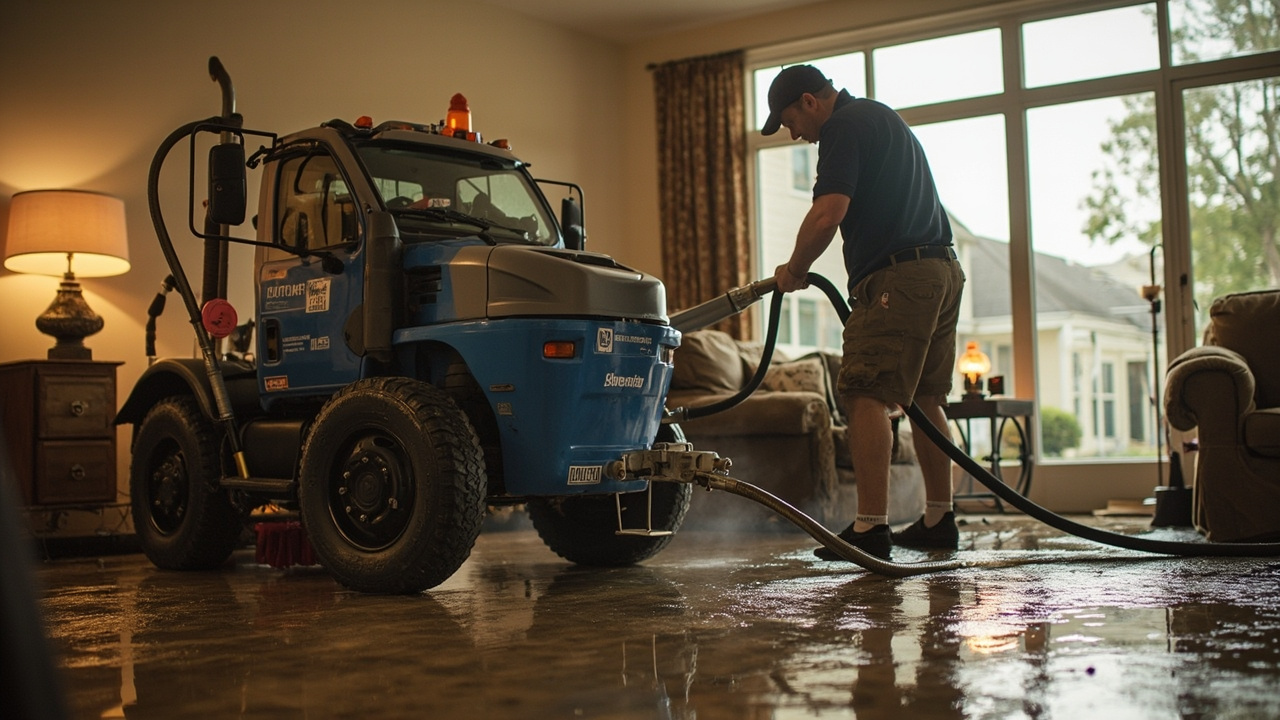
Frozen pipe burst remediation starts the moment you call. Our dispatch sends a crew to your location within 60 minutes, equipped with truck-mounted water extractors, thermal imaging cameras, and moisture meters calibrated for Louisiana humidity levels.

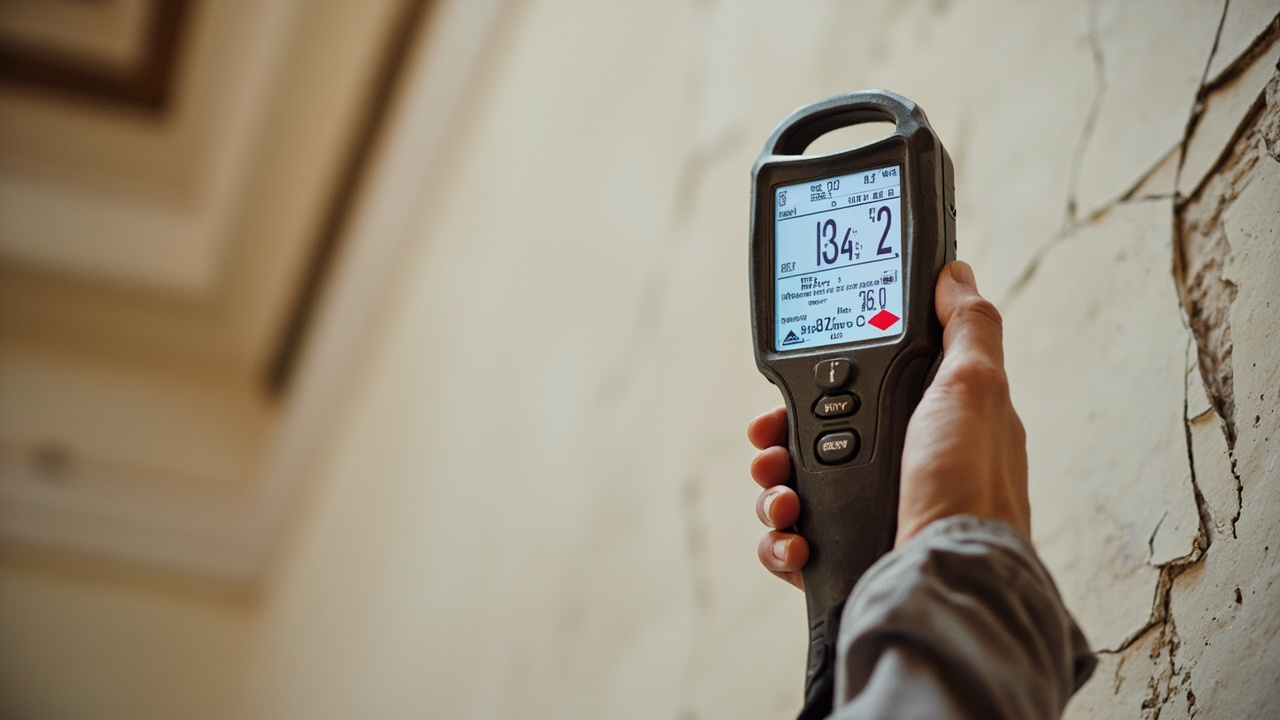
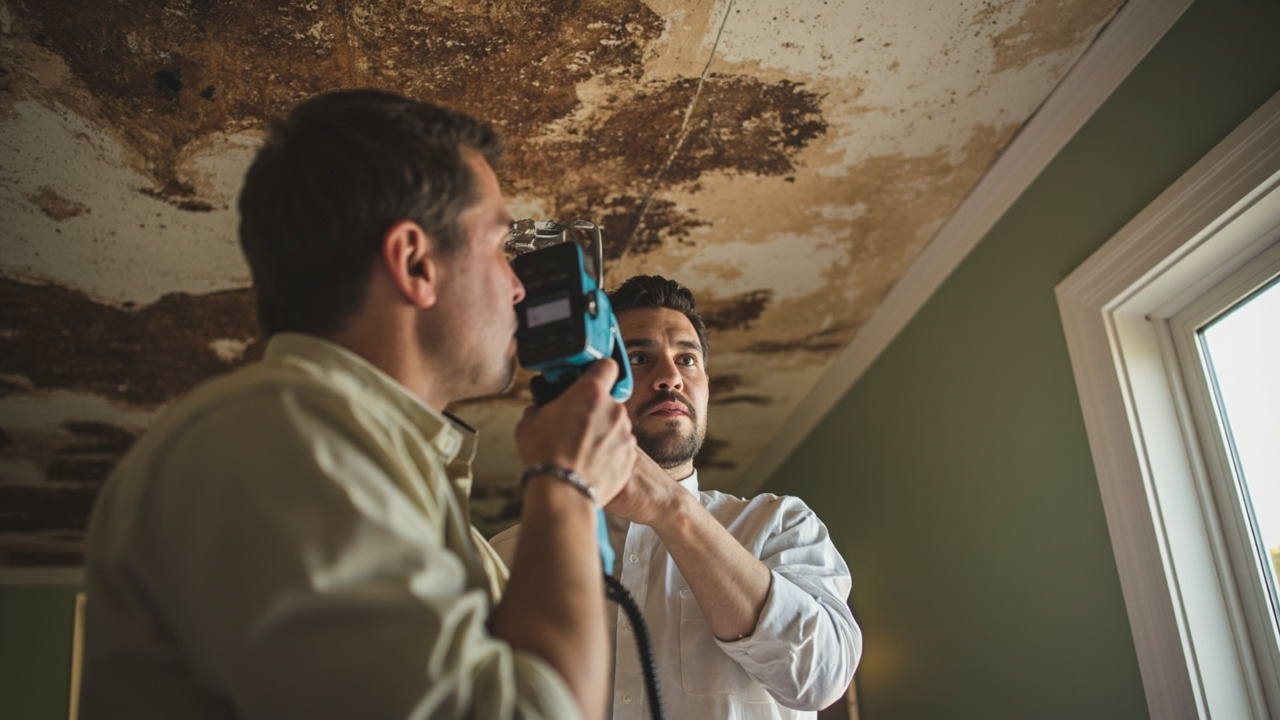
We do not guess where water traveled. Thermal imaging reveals temperature differentials behind drywall and under flooring. Moisture meters measure water content in wood framing and concrete slabs. We map the saturation pattern to target extraction and drying equipment precisely.

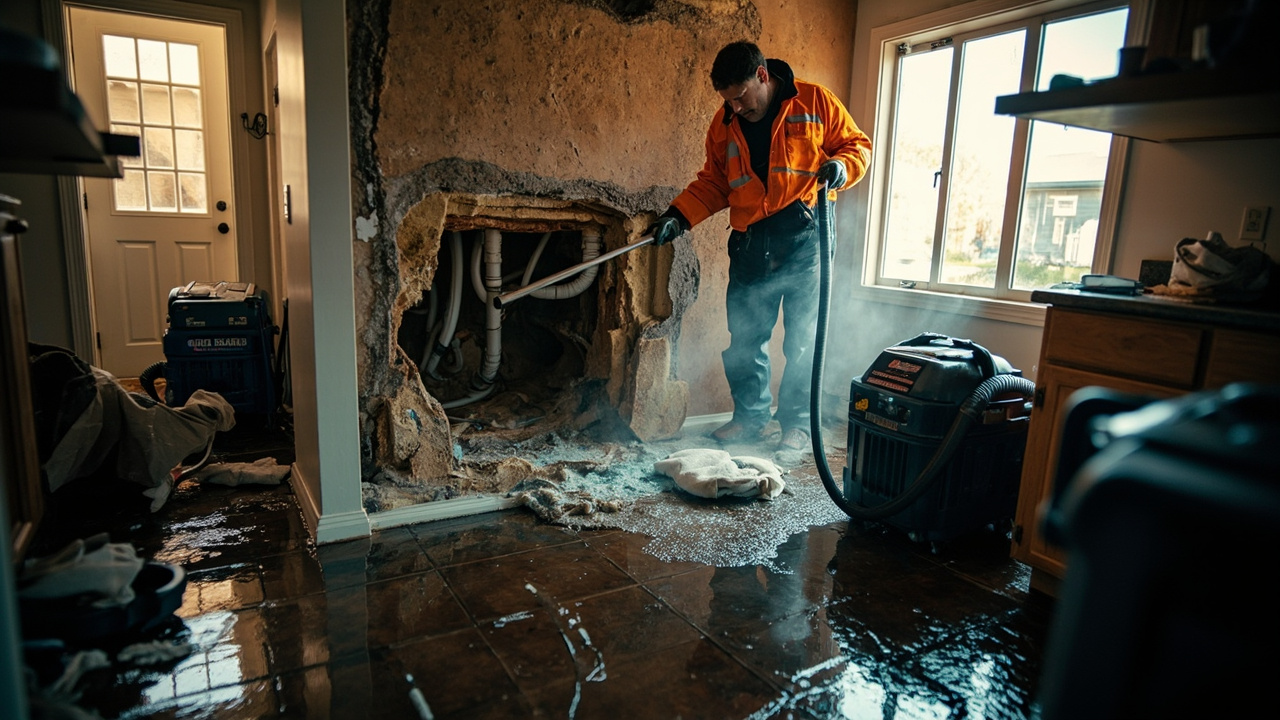
Water extraction for frozen pipes uses portable pumps for standing water and weighted extractors for carpet and padding. We pull water from subflooring using injection systems that create negative pressure under tile or hardwood. In multi-story buildings, we check floors below the burst for hidden water migration through ceiling assemblies.

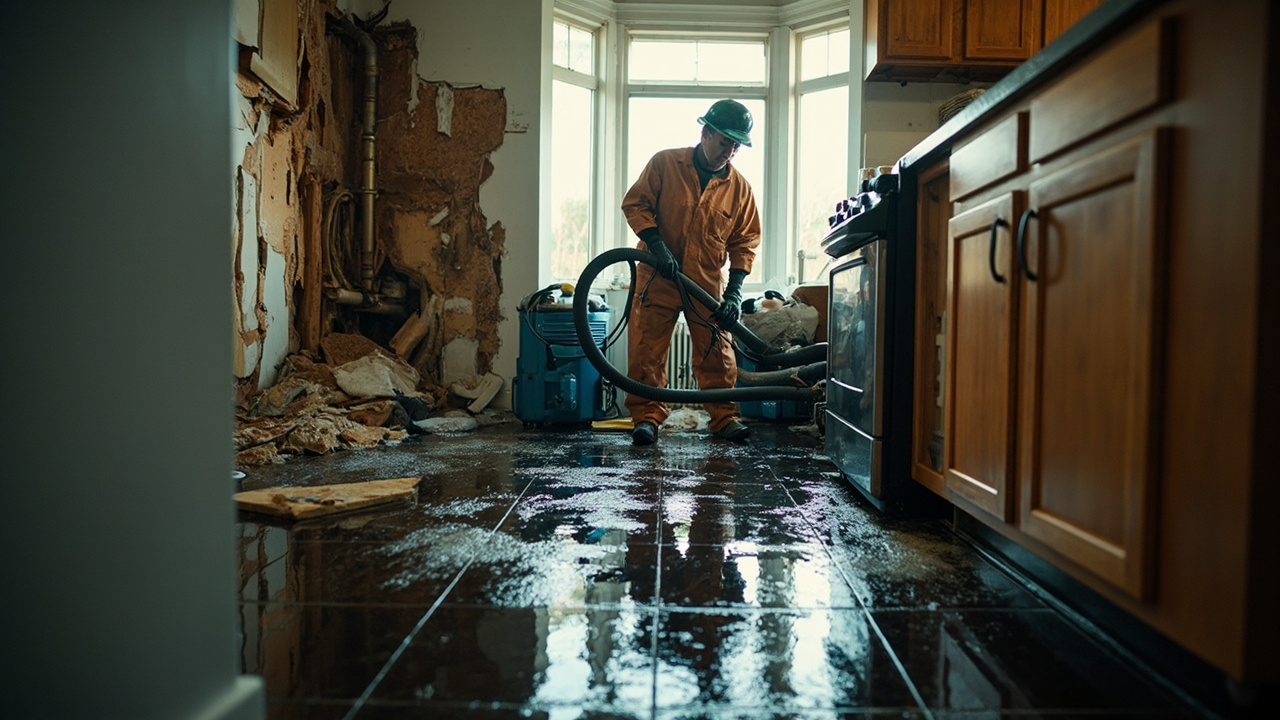
After extraction, we deploy air movers and commercial dehumidifiers. Air movers create convective airflow across wet surfaces. Dehumidifiers pull moisture from the air, lowering relative humidity below 50 percent to halt microbial growth. We monitor drying progress with daily moisture readings, adjusting equipment placement as materials dry.

We document everything. Photographs of the burst pipe location, moisture maps, equipment logs, and drying progress reports go to your insurance adjuster. Most claims require proof of mitigation efforts. We provide that documentation to streamline your claim and prevent disputes over coverage.

This is not mopping and fans. This is controlled, measured drying using psychrometric principles and commercial-grade equipment. The difference is whether you face mold remediation six weeks later.

What Happens During Emergency Burst Pipe Cleanup

Frozen Pipe Burst Cleanup in New Orleans – 24/7 Emergency Response Stops Flooding Fast
01

Immediate Water Shutoff

The first step is stopping the water source. We locate your main water shutoff valve and close it immediately. In older New Orleans homes, shutoff valves may be buried in crawl spaces or rusted in place. We carry valve keys and pipe wrenches to force closure if needed. Once water flow stops, we assess the burst location and determine whether temporary pipe repairs are needed to prevent reflooding when water is restored.
02

Water Extraction and Containment

We deploy truck-mounted extractors to remove standing water from floors, carpets, and subflooring. Weighted wands force extraction deep into carpet padding. We pull furniture and area rugs to dry separately. In multi-room flooding, we set containment barriers to prevent water migration into unaffected areas. Baseboards are removed to allow airflow behind walls. We extract until moisture readings approach acceptable levels for drying equipment deployment.
03

Drying and Monitoring

Commercial air movers and dehumidifiers run continuously for three to five days, depending on saturation levels. We monitor moisture content in structural materials twice daily using penetrating and non-invasive meters. Humidity levels are logged and compared to psychrometric targets. When materials reach dry standards, we remove equipment, clean affected areas with antimicrobial solutions, and provide a final moisture report for your insurance claim and records.

Why New Orleans Residents Choose Grand Water Damage Restoration for Burst Pipe Emergencies

When a pipe bursts at 2 a.m., you need a team that understands New Orleans construction. Homes in Bywater and the Marigny were built on pier-and-beam foundations with crawl spaces that trap moisture. Shotgun houses in Treme have limited attic ventilation, which slows drying. Commercial buildings in the CBD have complex HVAC and plumbing systems that require coordination with building engineers.

We know these structures. Our crews understand the difference between drying a slab-on-grade home in Lakeview and a raised Creole cottage in the French Quarter. We know where water hides in balloon-framed walls and how to dry tongue-and-groove subflooring without causing additional buckling.

We work directly with your insurance carrier. Most homeowners in Orleans Parish carry flood policies through the National Flood Insurance Program, but burst pipe damage falls under homeowners insurance, not flood coverage. We document the loss according to adjuster requirements and provide detailed scope-of-loss reports that separate covered water damage from pre-existing conditions.

You get straight answers. If drywall needs replacement, we tell you. If subflooring can dry in place, we tell you that too. We do not upsell demolition you do not need, and we do not hide damage to avoid conflict. Our reputation in New Orleans depends on honest assessments and quality work.

Our crews are background-checked and trained in IICRC water damage restoration standards. We carry commercial liability insurance and workers compensation coverage. You are not letting strangers into your home during a crisis. You are hiring professionals who treat your property with the same care we would expect for our own.

What to Expect During Frozen Pipe Burst Cleanup in New Orleans

24/7 Emergency Response Time

We answer emergency calls around the clock and dispatch crews within 60 minutes to locations throughout Orleans and Jefferson Parishes. When you call, you speak to a live dispatcher who logs your address and the nature of the damage. Our trucks carry extraction equipment, moisture detection tools, and initial drying equipment. We arrive ready to begin water removal immediately, not to schedule an estimate. Time-sensitive response prevents mold growth and limits structural damage. You do not wait until business hours while water spreads.

Comprehensive Damage Assessment

We perform a room-by-room moisture survey using thermal imaging cameras and calibrated moisture meters. Every wet surface is identified and measured. We check adjacent rooms, floors above and below, and concealed spaces like wall cavities and ceiling plenums. You receive a written moisture map that documents saturation levels and identifies materials requiring extraction, drying, or replacement. This assessment becomes the foundation of your insurance claim. We photograph all damage and provide detailed notes for adjuster review.

Complete Drying and Restoration

Drying is monitored and verified using industry-standard moisture thresholds. We track daily progress with moisture readings and psychrometric calculations. When materials meet dry standards, we remove equipment and clean all affected areas with antimicrobial agents to prevent mold. We coordinate with licensed plumbers to repair the burst pipe and with contractors to replace damaged drywall, insulation, or flooring. You receive a certificate of drying completion and a final moisture report showing all materials returned to normal levels.

Insurance Coordination and Documentation

We provide complete documentation for your insurance claim, including moisture maps, equipment logs, photographs, and scope-of-loss estimates. Our team communicates directly with adjusters to answer technical questions and justify mitigation costs. We help you understand coverage limits, deductibles, and the claims process. If your claim is disputed, we provide expert testimony and detailed records to support your position. Most claims close faster when professional documentation is provided upfront, reducing stress and speeding payment.

Frequently Asked Questions

You Have Questions,
We Have Answers

What to do when a pipe freezes and bursts? +

Shut off your main water supply immediately to stop flooding. Turn off electricity if water reaches outlets or appliances. Move valuables to dry areas and document damage with photos for insurance. Do not attempt to thaw pipes yourself. Call a 24/7 water damage restoration company serving New Orleans right away. They will extract standing water, dry affected areas, and prevent mold growth. Time is critical. Water spreads fast through drywall and subflooring. Professional crews arrive equipped with industrial pumps, dehumidifiers, and moisture meters to stop secondary damage before it compounds your loss.

How to clean up after a pipe burst? +

Start by extracting all standing water using pumps or wet vacuums. Remove soaked materials like carpeting, drywall, and insulation that cannot be salvaged. Set up commercial dehumidifiers and air movers to dry the structure completely. Monitor moisture levels in walls and floors with meters. Disinfect all affected surfaces to prevent bacterial growth. In New Orleans, high humidity makes drying harder, so professional equipment is essential. Do not skip the drying phase. Hidden moisture behind walls or under floors will cause mold within 48 hours and rot your framing over time.

How much do plumbers charge to unfreeze pipes? +

This question addresses plumbing repair costs, not water damage restoration. Plumbers typically charge service call fees plus hourly rates to thaw frozen pipes. Costs vary based on pipe location and access difficulty. However, once a pipe bursts, you need both a plumber to repair the break and a water damage restoration company to handle cleanup. Restoration focuses on water extraction, structural drying, and mold prevention. These are separate services. Always address water damage immediately, even while waiting for plumbing repairs. Delaying restoration increases your total loss and can void insurance coverage.

Does homeowners insurance cover water damage from frozen pipes? +

Most homeowners policies cover sudden and accidental water damage from burst pipes. However, coverage can be denied if the insurer determines you neglected maintenance or left the property unheated during freezing weather. Document the burst immediately with photos. Keep records of thermostat settings and maintenance. File your claim within 24 hours. Insurance adjusters in New Orleans often scrutinize freeze claims because hard freezes are less common here than up north. Work with a restoration company experienced in insurance claims. They document damage properly and communicate directly with adjusters to protect your settlement.

Should you leave your faucets open if your pipes are frozen? +

Yes. Leave faucets dripping slightly, both hot and cold taps. Moving water is harder to freeze than standing water. Open cabinet doors under sinks to let warm air circulate around pipes. Focus on faucets fed by pipes running through exterior walls or unheated crawl spaces. In New Orleans, most homes lack basements, so pay attention to pipes in attics or exterior walls. A slow drip wastes minimal water but prevents thousands in burst pipe damage. This is preventive action during a freeze warning. If pipes are already frozen solid, call a professional immediately.

What not to do if pipes are frozen? +

Never use open flames like blowtorches or propane heaters to thaw pipes. You will start a fire or crack the pipe from uneven heating. Do not ignore frozen pipes and hope they thaw on their own. Ice expands and will rupture the pipe, causing catastrophic flooding. Do not turn up your thermostat extremely high to speed thawing. Sudden temperature swings stress frozen pipes. Do not pour boiling water directly on pipes. Thermal shock causes splits. In New Orleans, most residents lack experience with freeze events. When temperatures drop below 32 degrees, take preventive action immediately or call professionals.

What kills mold after a water leak? +

Nothing kills mold. You remove it. EPA-registered antimicrobial solutions inhibit regrowth after physical removal, but the key is eliminating moisture. Mold needs water to grow. After a pipe burst, professionals use HEPA vacuums to remove mold spores, then apply antimicrobial treatments to cleaned surfaces. Porous materials like drywall and insulation cannot be saved once mold penetrates. They must be removed and replaced. In New Orleans, high ambient humidity accelerates mold growth. You have 24 to 48 hours after water intrusion to dry everything completely, or mold will colonize your walls and floors.

How much water should I run to keep pipes from freezing? +

Let faucets drip at a rate of five to ten drips per minute. This keeps water moving through pipes and prevents ice formation. Run both hot and cold taps on faucets connected to vulnerable pipes, especially those in exterior walls, attics, or unheated areas. In New Orleans, homes are not built for sustained freezing weather. When the forecast drops below 32 degrees, start dripping faucets the night before. This small water cost is nothing compared to burst pipe repair and water damage restoration bills. Combine this with opening cabinet doors and insulating exposed pipes.

How to dry out a house after burst pipe? +

Extract all standing water immediately using pumps or wet vacuums. Remove soaked materials that trap moisture, like carpeting and pad, damaged drywall, and wet insulation. Set up industrial dehumidifiers and high-velocity air movers to dry the structure. Monitor moisture levels daily with meters until readings return to normal. Focus airflow on wall cavities, subflooring, and hidden spaces. In New Orleans, the humid climate slows evaporation, so you need commercial equipment, not box fans. Incomplete drying leads to mold, wood rot, and structural failure. Professional restoration companies dry homes in three to five days.

Does insurance cover if a pipe bursts? +

Yes, if the burst is sudden and accidental. Standard homeowners policies cover water damage from plumbing failures, including burst pipes. However, insurers deny claims if they determine the damage resulted from neglect, lack of maintenance, or failure to heat the home during freezing weather. Report the burst immediately. Document the damage with photos before cleanup begins. Save receipts for emergency repairs. In New Orleans, freeze-related claims face extra scrutiny because cold snaps are rare. Work with a restoration company that handles insurance documentation. Proper claims handling protects your settlement and speeds reimbursement.

Why New Orleans Cold Snaps Cause Burst Pipe Emergencies in Unprepared Homes

New Orleans experiences freezing temperatures only a few days each winter, but those brief cold snaps cause disproportionate damage. Homes built for heat and humidity lack the insulation and pipe protection common in northern climates. Pipes in attics, crawl spaces, and exterior walls freeze quickly when temperatures drop. Older homes in neighborhoods like Broadmoor, Carrollton, and Algiers Point often have galvanized steel or copper pipes installed decades ago without foam insulation or heat tape. When water inside these pipes freezes, expansion cracks the pipe wall. Once temperatures rise, the ice thaws and water floods the home.

Choosing a local water damage restoration company in New Orleans means working with professionals who understand regional construction methods and insurance practices. We know which homes have crawl space plumbing vulnerable to freezing and which buildings have inadequate attic insulation. We understand how Orleans Parish building codes apply to water damage repairs and how local adjusters evaluate claims. Our crews live in the same neighborhoods you do. We respond faster, work smarter, and care about the outcome because our reputation depends on your referral to neighbors and friends.
Water Damage Restoration Services in The New Orleans Area

While Grand serves the wider region with our expert water damage restoration services, we invite you to view our central operational location on the map. This helps you visualize our base of operations and understand our commitment to providing swift, efficient service across our service areas. Our team is strategically positioned to ensure rapid deployment when you need us most, so don't hesitate to contact us regardless of your specific location within our service radius.

Address:
Grand Water Damage Restoration New Orleans, 201 St Charles Ave, New Orleans, LA, 70170

Additional Services We Offer

Our news updates

Latest Articles & News from The Blogs

Standing water in your Gretna home requires an immediate response to prevent permanent structural issues and mold growth. Residents living…

Fast Flood Restoration Strategies for Gretna Homeowners

Standing water in your Gretna home requires an immediate response to prevent permanent structural issues and mold growth. Residents living…

Resolving Ceiling Water Damage and Leaks in Mid-City Apartments

Dealing with Ceiling Water Damage Repair in Mid-City New OrleansA damp spot on your ceiling in a Mid-City apartment requires…

Removing that stubborn musty smell from historic plaster walls in Esplanade Ridge

Living in a historic home in the Esplanade Ridge neighborhood offers a unique charm that modern builds cannot replicate. Those…

Contact Us

Do not wait while water spreads. Call Grand Water Damage Restoration New Orleans at (504) 355-2332 for immediate frozen pipe burst cleanup. Our emergency crews are standing by 24/7 to stop flooding, extract water, and protect your property.