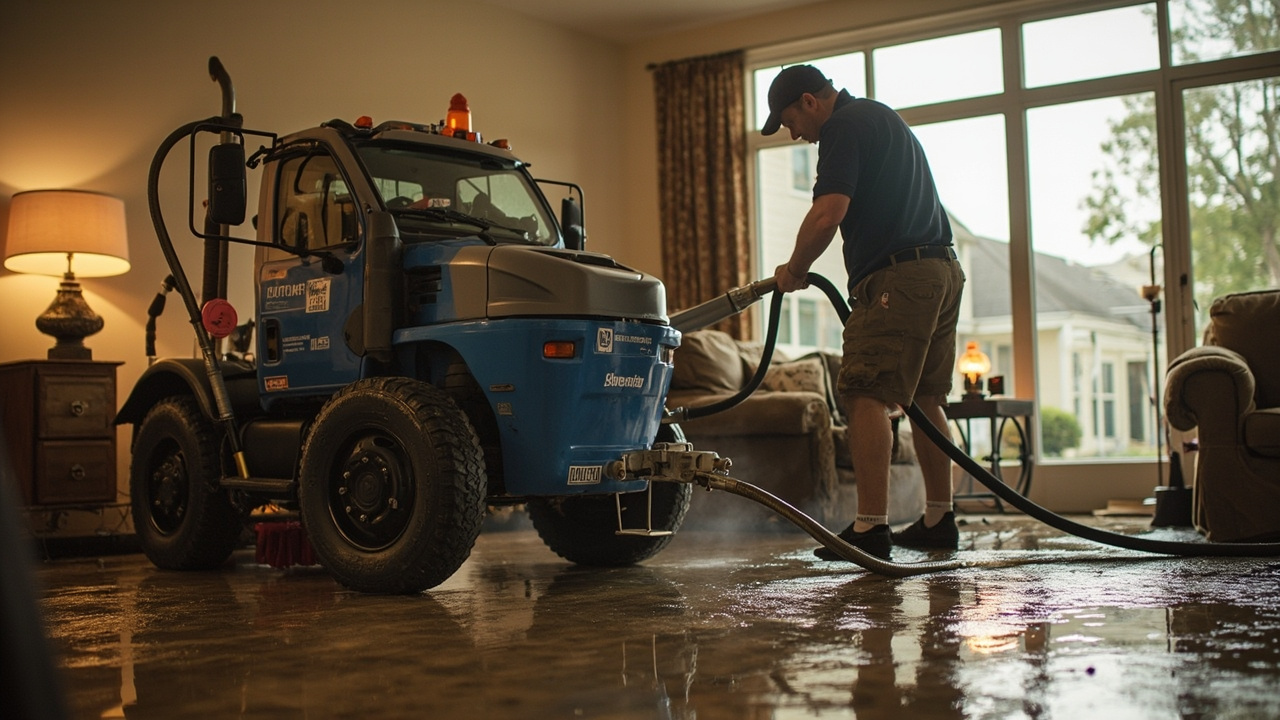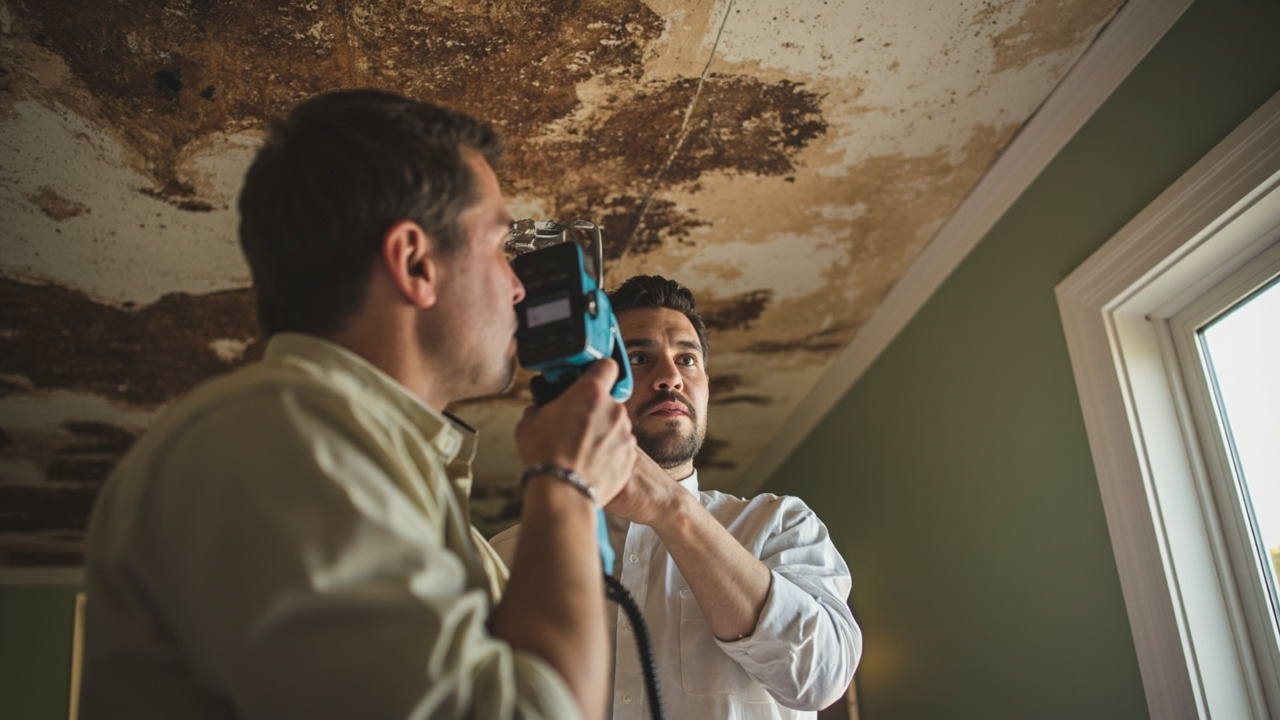




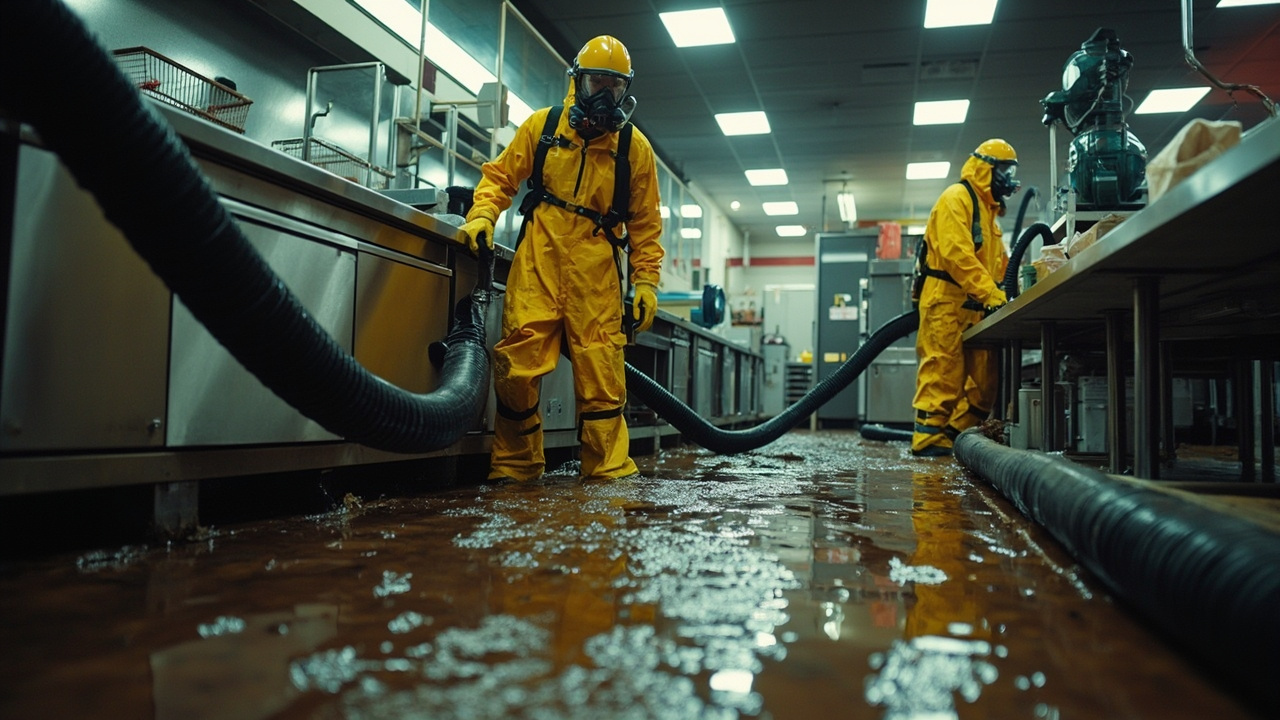


New Orleans sits in a bowl, with much of the commercial district below sea level and surrounded by levees, canals, and pump stations that manage stormwater and sewage separately. When heavy rainfall overwhelms the Sewerage and Water Board's pump capacity, combined sewer overflows push untreated sewage back into private laterals. This is not a design flaw you can fix. It is a geographic reality. Commercial properties in the CBD, Warehouse District, and along Magazine Street face higher sewage backup risk than facilities in Metairie or Kenner, which sit at higher elevations. Industrial sewage cleanup in New Orleans requires understanding this hydraulic pressure, not just mopping up water.
Louisiana Department of Health regulations require commercial facilities to document sewage remediation using licensed contractors and EPA-registered antimicrobials. This is not optional. If you attempt in-house cleanup and a tenant or employee gets sick, your liability exposure skyrockets. Grand Water Damage Restoration New Orleans holds the state and local permits required to transport and dispose of Category 3 waste, and we maintain relationships with local environmental labs for post-remediation air quality testing. Choosing a provider who understands Orleans Parish code enforcement and can produce compliant documentation is not about preference. It is about protecting your business from regulatory penalties and future lawsuits.