






menu

Understanding Mold Toxicity in New Orleans – Essential Health Information for Residents Living in High-Risk Environments

Discover how New Orleans's subtropical climate and post-flood conditions create perfect breeding grounds for toxic mold, and learn to recognize the critical warning signs of mycotoxin exposure before it impacts your family's health.

Slider Image 1
Slider Image 2
Slider Image 3
Slider Image 4
Slider Image 5
Slider Image 7
Slider Image 8
Slider Image 9
Slider Image 10
Slider Image 11

Why New Orleans Residents Face Higher Mold Toxicity Risks Than Most Americans

New Orleans sits an average of six feet below sea level, surrounded by water on three sides. This geography, combined with annual rainfall exceeding 60 inches and humidity levels that routinely spike above 90 percent, creates conditions where mold doesn't just grow, it thrives.

The city's history of flooding means many homes harbor hidden water damage in wall cavities, crawl spaces, and attics. These dark, damp spaces allow toxic black mold species like Stachybotrys chartarum to colonize and release mycotoxins into your breathing air.

Mold illness symptoms often start subtly. You might notice persistent headaches, brain fog, or respiratory issues you attribute to allergies. Signs of mold poisoning include chronic fatigue that doesn't improve with rest, unexplained skin rashes, and joint pain without clear cause. Black mold health risks extend beyond surface-level discomfort. Prolonged exposure can trigger severe immune responses, neurological problems, and respiratory conditions that require medical intervention.

The effects of mold exposure compound over time. What begins as occasional sniffling can progress to chronic sinusitis, asthma, or hypersensitivity pneumonitis. Children, elderly residents, and anyone with compromised immune systems face elevated risks.

Mycotoxin illness doesn't announce itself with obvious symptoms. The toxins accumulate in your body gradually, creating systemic inflammation that your doctor might misdiagnose as fibromyalgia, chronic fatigue syndrome, or depression. Understanding the connection between your home environment and these health complaints represents the first step toward recovery.

New Orleans's older housing stock, much of it built before modern moisture barriers and ventilation standards, makes this knowledge critical for every resident.

Why New Orleans Residents Face Higher Mold Toxicity Risks Than Most Americans
How Professional Mold Assessment Identifies Hidden Toxicity Sources

How Professional Mold Assessment Identifies Hidden Toxicity Sources

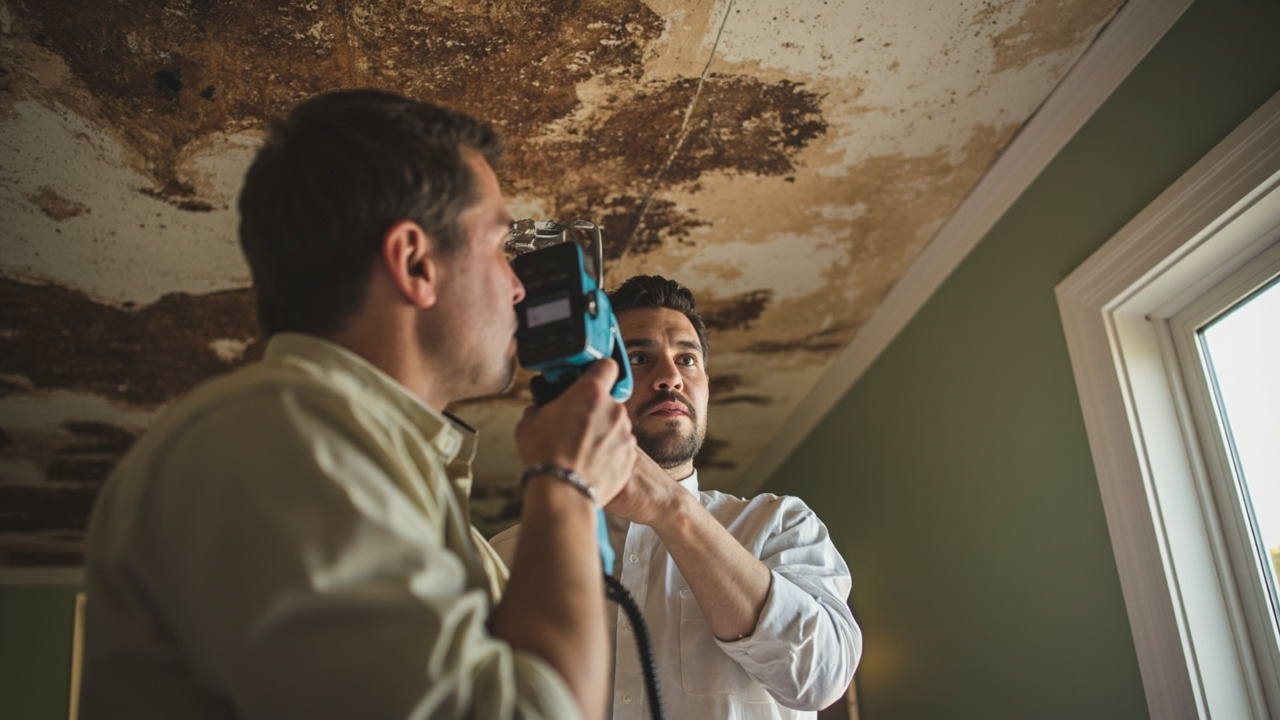
Identifying mold toxicity requires more than visual inspection. Toxic molds release mycotoxins that circulate through HVAC systems and settle on surfaces throughout your home, far from the original colonization site.

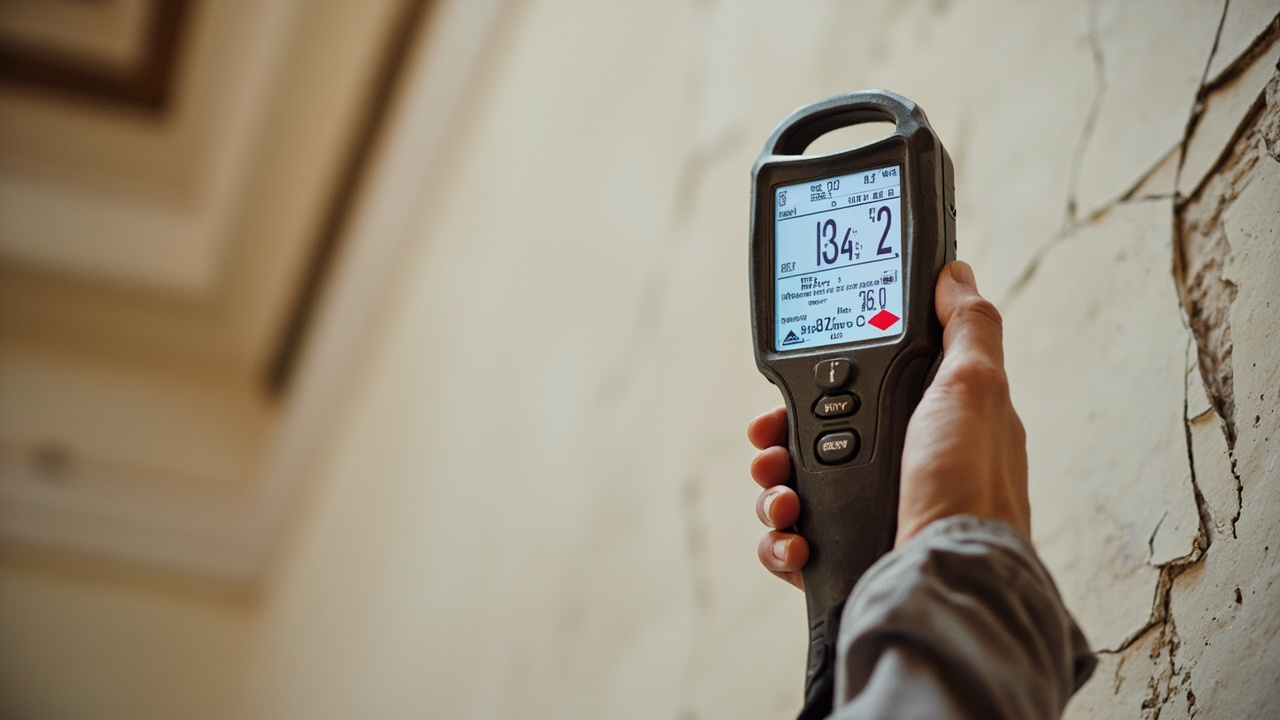
Professional assessment begins with moisture mapping using thermal imaging cameras and pin-type moisture meters. These tools detect elevated moisture levels inside walls, under flooring, and above ceilings where mold grows invisibly. Water intrusion from roof leaks, plumbing failures, or foundation seepage creates the conditions mold needs.

Air quality testing captures both viable spore counts and mycotoxin presence. Technicians collect air samples from multiple rooms and compare them against outdoor baseline readings. Elevated indoor spore concentrations, particularly of toxigenic species, indicate active contamination requiring remediation.

Surface sampling through tape lifts or swab tests identifies specific mold species present. This matters because not all molds produce dangerous mycotoxins. Stachybotrys, Aspergillus, and Penicillium species pose the greatest health threats and demand different remediation protocols than common household molds.

Post-flood homes in New Orleans require cavity inspection. Technicians create small inspection ports to examine wall interiors, checking insulation and sheathing for water staining and fungal growth. Hurricane damage often drives water into building assemblies where it remains trapped, feeding mold colonies for years.

Laboratory analysis of samples provides genus and species identification, plus mycotoxin quantification. This data guides remediation scope and helps medical professionals connect your symptoms to specific exposures.

The assessment process also evaluates your HVAC system, a common distribution pathway for mold spores. Contaminated ductwork and air handlers spread toxins throughout your home every time the system runs, maintaining your exposure even after visible mold removal.

What Happens During a Comprehensive Mold Toxicity Evaluation

Understanding Mold Toxicity in New Orleans – Essential Health Information for Residents Living in High-Risk Environments
01

Initial Health and Property Review

The evaluation starts with a detailed discussion of your health symptoms, their timeline, and any correlation with time spent at home. Specialists review your property's water damage history, recent flooding events, and areas where you've noticed musty odors or visible growth. This conversation establishes baseline information that guides the physical inspection and helps connect your symptoms to specific exposure sources within your home.
02

Environmental Testing and Sampling

Technicians deploy moisture meters, thermal cameras, and air sampling equipment throughout your home. They collect samples from suspected contamination areas and establish control samples from unaffected spaces. HVAC systems receive particular attention, with duct inspections and filter analysis. All samples receive laboratory analysis for species identification and mycotoxin quantification, creating a complete picture of your indoor air quality and contamination extent.
03

Results Interpretation and Action Planning

You receive a detailed report explaining laboratory findings, contamination locations, and severity levels. The report connects identified mold species to known health effects, helping you understand your symptoms. Recommendations include immediate actions to reduce exposure, remediation scope and priorities, and guidance for medical professionals treating your symptoms. This documentation supports insurance claims and provides the roadmap for restoring your home to safe conditions.

Why New Orleans Homeowners Trust Local Mold Specialists Who Understand Regional Challenges

Mold toxicity assessment in New Orleans demands specialized knowledge that out-of-area companies simply don't possess. Local specialists understand how the city's unique construction methods, from pier and beam foundations to crawl space designs, create vulnerability to moisture intrusion and mold colonization.

Post-Katrina rebuilding introduced thousands of homes with inadequate moisture management. Many contractors prioritized speed over proper vapor barrier installation and ventilation design. Specialists familiar with this construction era recognize the common failure points and know where to look for hidden contamination.

New Orleans's climate means your home never truly dries out. Outdoor humidity feeds indoor moisture levels year-round, creating conditions where minor water intrusion becomes major mold problems within days. Local professionals account for this reality when assessing your property and developing remediation strategies that work in subtropical conditions.

The city's elevation challenges create unique drainage issues. Street flooding, even from routine summer storms, can push water into foundations and slabs. Specialists who work exclusively in New Orleans recognize flood patterns by neighborhood and understand how water moves through local soil types.

Grand Water Damage Restoration New Orleans brings this specialized regional knowledge to every assessment. We've inspected hundreds of homes across every neighborhood, from the French Quarter's historic structures to Lakeview's post-flood rebuilds. This experience lets us identify contamination sources other companies miss.

Our technicians hold certifications from the Indoor Air Quality Association and Institute of Inspection, Cleaning and Restoration Certification. We follow protocols established by the Environmental Protection Agency for mold assessment and remediation, adapted for New Orleans's specific environmental conditions.

We work directly with local medical professionals who treat mold illness, providing the documentation they need to connect your symptoms to environmental exposures and guide your treatment plan.

What to Expect During Your Mold Toxicity Assessment

Rapid Response and Flexible Scheduling

We schedule assessments within 48 hours of your call because mold illness doesn't wait for convenient appointments. Evening and weekend availability ensures working professionals can be present during the evaluation. Most comprehensive assessments take three to four hours, depending on your home's size and complexity. We provide same-day preliminary findings and complete laboratory results within five to seven business days. Emergency assessments for acute health situations receive priority processing, with air quality results available within 24 hours when needed.

Thorough Property Evaluation Process

Your assessment includes visual inspection of all accessible areas, moisture mapping with professional-grade equipment, and air quality sampling from multiple zones. We inspect attics, crawl spaces, and HVAC systems, areas where contamination hides from casual observation. Thermal imaging reveals moisture patterns inside walls without destructive investigation. We photograph all findings and create detailed documentation showing exact contamination locations. You receive a comprehensive report explaining what we found, where we found it, and what it means for your health and property value.

Actionable Results and Clear Recommendations

Your assessment report includes laboratory analysis of all samples, species identification, and mycotoxin quantification when present. We explain results in plain language, connecting identified contaminants to known health effects. You receive prioritized remediation recommendations based on contamination severity and health risk levels. The report includes scope estimates for remediation work, helping you budget and plan. We provide guidance for temporary exposure reduction while you arrange professional remediation. All documentation meets requirements for insurance claims, real estate disclosures, and medical treatment support.

Post-Assessment Support and Verification

We remain available to answer questions as you review your report and plan next steps. If remediation becomes necessary, we provide protocol development ensuring contractors address all contamination sources. Post-remediation verification testing confirms successful cleanup and safe reoccupancy. We conduct clearance air sampling and surface testing, comparing results against industry safety standards. You receive final documentation proving your home meets indoor air quality guidelines. Ongoing monitoring plans help you maintain safe conditions in New Orleans's challenging climate, with annual or post-storm assessments available.

Frequently Asked Questions

You Have Questions,
We Have Answers

What are the 10 warning signs of mold toxicity? +

Common warning signs include persistent coughing, sneezing, and sinus congestion that worsens indoors. You may experience chronic fatigue, brain fog, or memory problems. Skin rashes, itchy eyes, and respiratory issues like wheezing are frequent indicators. Headaches that improve when you leave your home suggest mold exposure. In New Orleans' humid climate, watch for unexplained joint pain, digestive issues, and mood changes. Sensitivity to light, numbness or tingling, and difficulty concentrating round out the top warning signs. If you notice multiple symptoms appearing together, especially in older homes or post-flood properties common throughout the metro area, professional mold testing is recommended.

How do you know if you have mold toxicity in your body? +

Your body shows mold toxicity through persistent symptoms that conventional medicine cannot explain. Notice if respiratory issues, headaches, or fatigue improve when you leave your home or workplace. Track symptom patterns in a journal for two weeks. Blood tests can measure mycotoxin levels, though not all doctors offer this screening. Urine mycotoxin tests detect mold metabolites your body is processing. Given New Orleans' year-round humidity and aging housing stock, environmental exposure is common. A qualified physician experienced in environmental medicine can order appropriate lab work. Visual confirmation requires professional mold inspection, particularly in crawl spaces and attics where moisture accumulates.

Can mold cause heartburn? +

Yes, mold exposure can trigger heartburn and acid reflux symptoms. Mycotoxins irritate your digestive tract lining, causing inflammation that weakens the lower esophageal sphincter. This allows stomach acid to flow backward into your esophagus. Mold also disrupts your gut microbiome, affecting digestion and increasing acid production. In New Orleans homes, hidden mold growth behind walls or under flooring creates chronic exposure. The inflammation response can mimic gastroesophageal reflux disease. If your heartburn worsens at home and improves elsewhere, consider mold as a possible trigger. Address the source through professional remediation rather than just treating symptoms with medication.

Can mold cause migraines? +

Mold exposure frequently causes migraines and severe headaches. Mycotoxins trigger inflammatory responses in your nervous system, affecting blood vessels in your brain. Volatile organic compounds released by mold colonies irritate your sinuses, creating pressure that leads to headaches. In New Orleans' damp climate, mold thrives year-round in poorly ventilated spaces. Many residents experience headaches that mysteriously improve when away from home. The trigeminal nerve, which controls facial sensation, becomes hypersensitive to mold toxins. If you notice headache patterns correlating with time spent indoors, especially in basements or bathrooms, mold may be the culprit. Professional inspection can identify hidden growth areas.

How to flush mold out of your system? +

Start by eliminating ongoing exposure through professional mold remediation. Your body cannot detoxify while you continue breathing contaminated air. Increase water intake to help flush mycotoxins through your kidneys. Consume fiber-rich foods and consider activated charcoal to bind toxins in your digestive system. Sweating through exercise or sauna sessions helps eliminate toxins through skin. Support your liver with cruciferous vegetables and antioxidants. A physician specializing in environmental medicine can recommend binders like cholestyramine or specific supplements. In New Orleans' climate, dehumidifiers prevent future growth. Complete detoxification takes weeks to months depending on exposure severity. Address the source first before attempting any detox protocol.

Can air purifiers remove mold spores? +

Air purifiers with HEPA filters capture airborne mold spores but cannot solve an active infestation. They remove particles as small as 0.3 microns, which includes most mold spores circulating in your home. However, they do not address mold colonies growing on surfaces or hidden behind walls. In New Orleans' humid environment, air purifiers work as supplemental protection, not primary remediation. Choose units with activated carbon filters to reduce musty odors. Place them in bedrooms and high-traffic areas for best results. Running a purifier while professionals remediate helps reduce cross-contamination. Remember that purifiers treat symptoms while professional remediation eliminates the source.

What kills mold permanently? +

Permanent mold elimination requires removing the moisture source and contaminated materials. Cleaning visible mold only addresses surface growth while roots penetrate porous materials like drywall and wood. Professional remediation includes removing affected materials, treating structural components with antimicrobial solutions, and fixing water intrusion points. In New Orleans, this often means addressing foundation drainage, roof leaks, and HVAC condensation issues. Encapsulation products seal porous surfaces after treatment. Maintaining indoor humidity below 60 percent prevents regrowth. Bleach kills surface mold temporarily but does not penetrate porous materials. Without fixing the underlying moisture problem common in our climate, mold returns within weeks.

How do I test myself for mold toxicity? +

Start with a home inspection to confirm mold presence before testing your body. Environmental testing identifies the mold types in your living space. For personal testing, request a urine mycotoxin panel from a physician experienced in environmental medicine. This test detects mold metabolites your body is processing. Blood tests can measure antibodies and inflammatory markers associated with mold exposure. Some practitioners use visual contrast sensitivity tests to assess neurological impact. In New Orleans, where mold exposure is common due to climate, baseline testing helps establish severity. Document your symptoms before testing. Most insurance plans do not cover these specialized tests, so expect out-of-pocket costs.

What does mold in a house make you feel like? +

Living with mold creates a persistent feeling of being unwell without obvious cause. You wake up tired despite sleeping eight hours. Brain fog makes concentrating difficult at work or home. Your nose stays stuffy, and you clear your throat constantly. Skin feels itchy or irritated without visible rashes. Many New Orleans residents describe feeling better when they leave their home for vacation. Your energy drops when you enter certain rooms, particularly basements or bathrooms. Respiratory irritation worsens at night. You might feel anxious or depressed without knowing why. These symptoms intensify during humid months when mold growth accelerates in poorly ventilated spaces.

Can mold affect your bowel movements? +

Mold exposure disrupts your digestive system and affects bowel movements. Mycotoxins damage your intestinal lining, causing inflammation that leads to diarrhea, constipation, or alternating patterns. Your gut microbiome becomes imbalanced, affecting nutrient absorption and waste elimination. Many people experience increased urgency, cramping, or mucus in stools. In New Orleans' moldy housing stock, chronic digestive issues often improve after remediation. Mold toxicity triggers inflammatory bowel responses that mimic conditions like irritable bowel syndrome. If digestive problems coincide with respiratory symptoms or worsen at home, consider environmental mold testing. Your gastroenterologist may miss this connection without considering your living environment.

How New Orleans's Post-Katrina Building Practices Complicate Mold Toxicity Assessment

The massive rebuilding effort following Hurricane Katrina introduced widespread construction quality issues that continue affecting New Orleans homes today. Rushed renovation work often sealed water-damaged materials inside wall cavities without proper drying or mold remediation. Contractors unfamiliar with subtropical climate requirements installed inadequate vapor barriers and ventilation systems. Many homes received cosmetic repairs that concealed serious mold problems behind fresh drywall and paint. These hidden contamination sources release mycotoxins for years while remaining invisible to homeowners. Professional assessment must account for this construction era, using advanced detection methods to identify concealed damage that visual inspection alone cannot reveal.

Local building codes evolved significantly after Katrina, but enforcement varied widely across parishes and municipalities. Experienced New Orleans mold specialists understand these regulatory inconsistencies and know which construction periods introduced the highest risk factors. We work with local building officials, insurance adjusters, and medical professionals who treat mold illness throughout the greater New Orleans metro. This network ensures your assessment meets all requirements for insurance claims, legal proceedings, and medical treatment documentation. Our familiarity with neighborhood-specific flooding patterns, drainage issues, and water table depths provides context that generic mold inspectors cannot match. We know New Orleans construction from the foundation up.
Water Damage Restoration Services in The New Orleans Area

While Grand serves the wider region with our expert water damage restoration services, we invite you to view our central operational location on the map. This helps you visualize our base of operations and understand our commitment to providing swift, efficient service across our service areas. Our team is strategically positioned to ensure rapid deployment when you need us most, so don't hesitate to contact us regardless of your specific location within our service radius.

Address:
Grand Water Damage Restoration New Orleans, 201 St Charles Ave, New Orleans, LA, 70170

Additional Services We Offer

Our news updates

Latest Articles & News from The Blogs

Living in a historic home in the Esplanade Ridge neighborhood offers a unique charm that modern builds cannot replicate. Those…

Removing that stubborn musty smell from historic plaster walls in Esplanade Ridge

Living in a historic home in the Esplanade Ridge neighborhood offers a unique charm that modern builds cannot replicate. Those…

Why your Westbank home might have a hidden shower pan leak and the best next steps

Westbank homeowners in Gretna and Marrero face specific plumbing challenges due to the local environment. High humidity levels and shifting…

Why ignoring a slow water heater leak in Carrollton destroys your home

A tiny puddle under your water heater in the 70118 zip code might look like a minor inconvenience. In the…

Contact Us

Your symptoms are real and your concerns are valid. Call Grand Water Damage Restoration New Orleans at (504) 355-2332 right now for a comprehensive mold toxicity assessment. We provide same-week scheduling, complete laboratory analysis, and actionable results that protect your health and property value.