



menu

School & University Restoration in New Orleans – Minimizing Academic Downtime and Protecting Educational Facilities

Grand Water Damage Restoration New Orleans delivers rapid-response school disaster recovery services and college campus water remediation that protect student safety, preserve academic operations, and meet institutional compliance requirements across New Orleans educational facilities.

Slider Image 1
Slider Image 2
Slider Image 3
Slider Image 4
Slider Image 5
Slider Image 7
Slider Image 8
Slider Image 9
Slider Image 10
Slider Image 11

Why New Orleans Schools and Universities Face Unique Water Damage Risks

Educational facilities across New Orleans operate under constant threat from water intrusion. The city's position below sea level, combined with aging infrastructure in historic university districts like Uptown and the Garden District, creates perfect conditions for catastrophic flooding and structural water damage.

New Orleans's subtropical climate delivers over 60 inches of annual rainfall. This persistent moisture stresses aging building envelopes, overwhelms inadequate drainage systems, and accelerates mold growth in poorly ventilated campus buildings. When tropical storms surge through the Gulf, educational facility water damage restoration becomes mission-critical for institutions serving thousands of students.

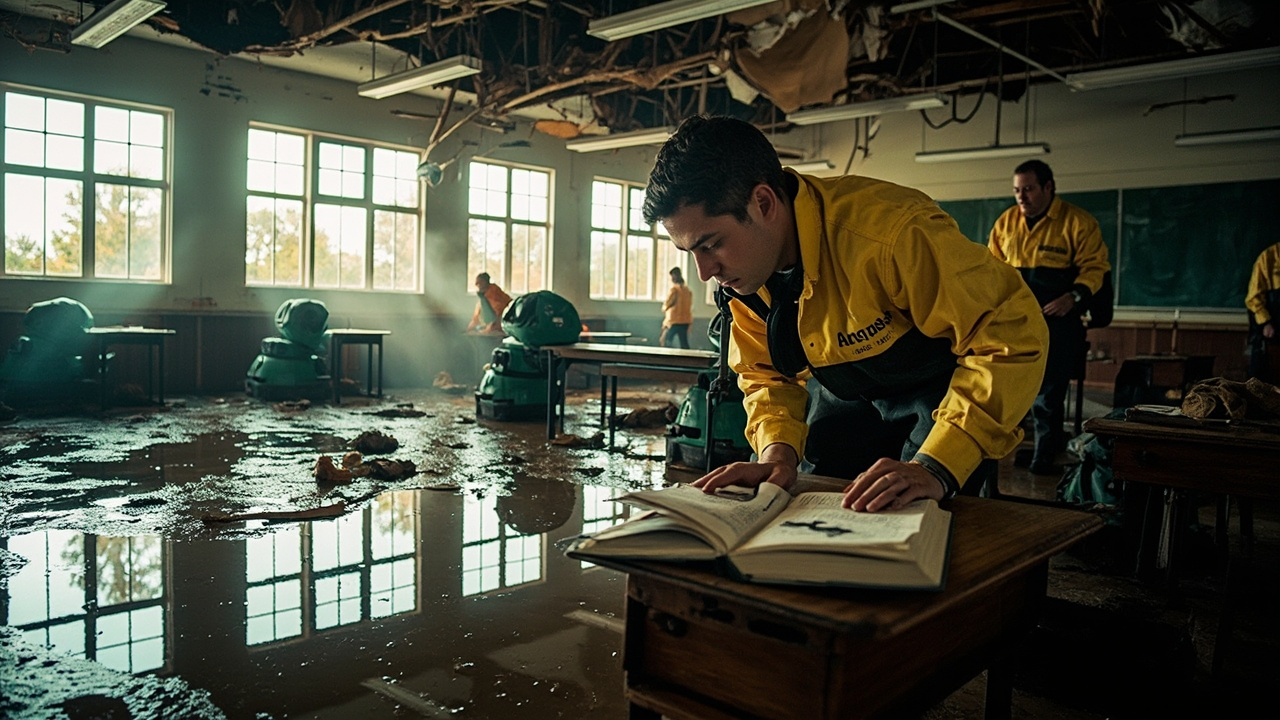
The consequences of delayed response compound rapidly. Water migrates through porous brick common in older campus buildings. It saturates drywall, buckles hardwood flooring in auditoriums, and destroys specialized equipment in science labs and computer centers. Mold colonies establish within 48 hours, triggering indoor air quality violations that force building closures.

Most educational institutions lack the internal resources to manage large-scale water events. Maintenance teams can mop floors and set up fans, but university flood cleanup services require industrial extraction equipment, thermal imaging to detect hidden moisture, and EPA-registered antimicrobials for proper decontamination.

Academic building water damage repair also demands understanding of institutional constraints. You cannot shut down residence halls mid-semester without housing contingencies. Laboratory spaces contain sensitive research that requires controlled environments. Historic campus structures near the French Quarter require restoration techniques that preserve architectural integrity while meeting modern building codes.

The financial exposure runs beyond repair costs. Business interruption insurance requires documented mitigation efforts. Title IX mandates safe housing. Accreditation bodies scrutinize facility conditions. Every hour of delay increases liability and extends recovery timelines.

Why New Orleans Schools and Universities Face Unique Water Damage Risks
How Professional School Disaster Recovery Services Protect Educational Operations

How Professional School Disaster Recovery Services Protect Educational Operations

Effective college campus water remediation follows structured protocols designed to minimize academic disruption while ensuring complete moisture removal and contamination control.

Initial response begins with building triage. Restoration technicians assess structural stability, identify active water sources, and establish containment zones using polyethylene barriers and negative air pressure systems. This isolation prevents cross-contamination to unaffected wings and allows partial facility operations to continue.

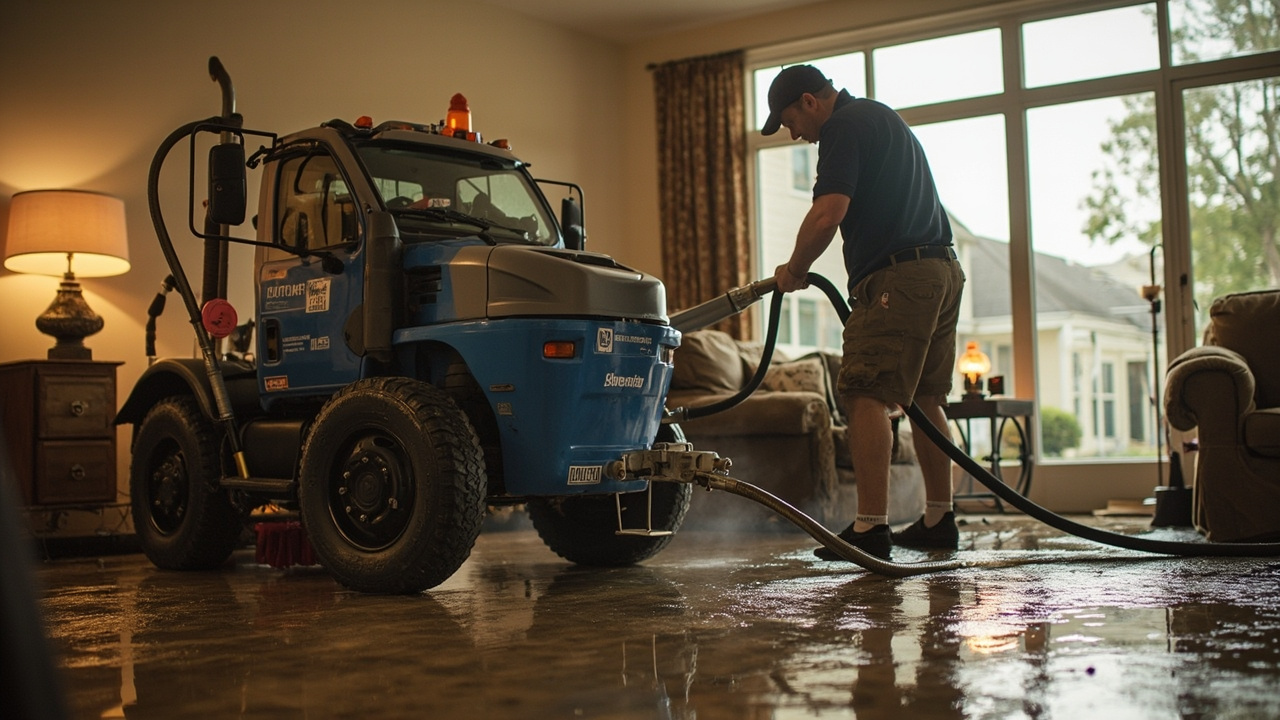
Water extraction uses truck-mounted pumps capable of removing thousands of gallons per hour from flooded basements and ground-floor classrooms. Specialized low-profile extraction tools access water trapped under fixed seating in lecture halls and beneath raised flooring in computer labs.

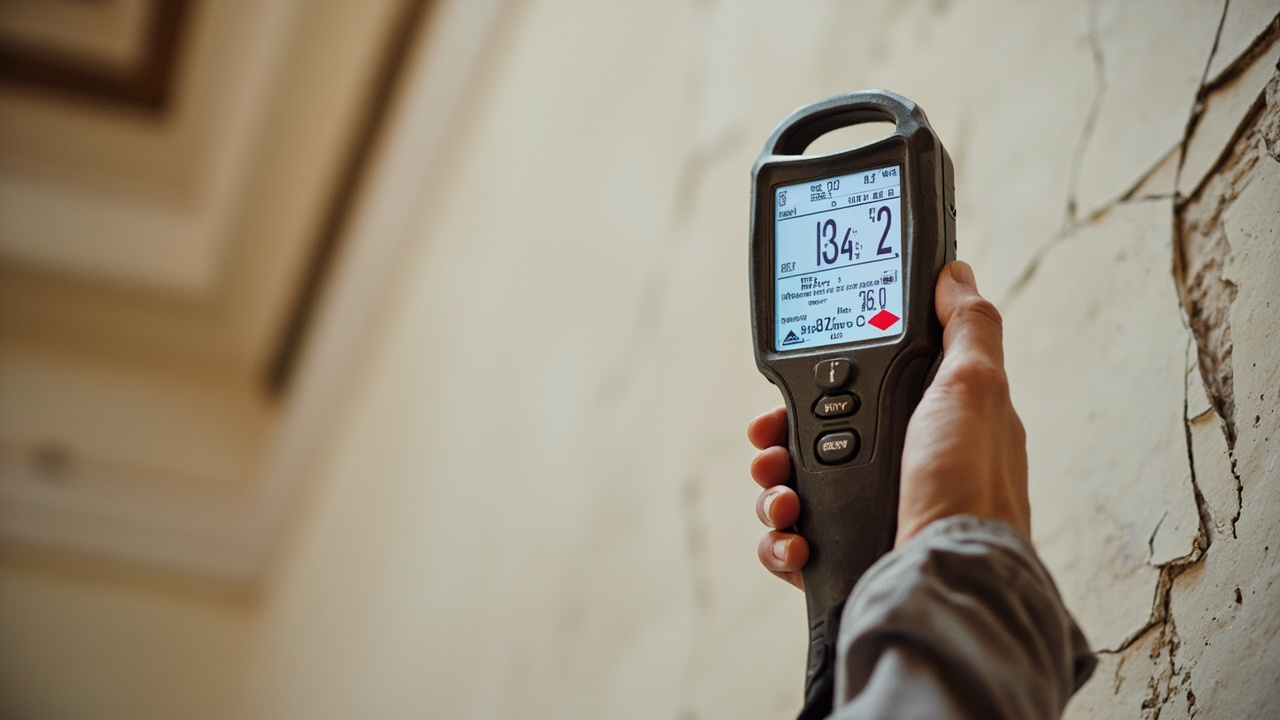
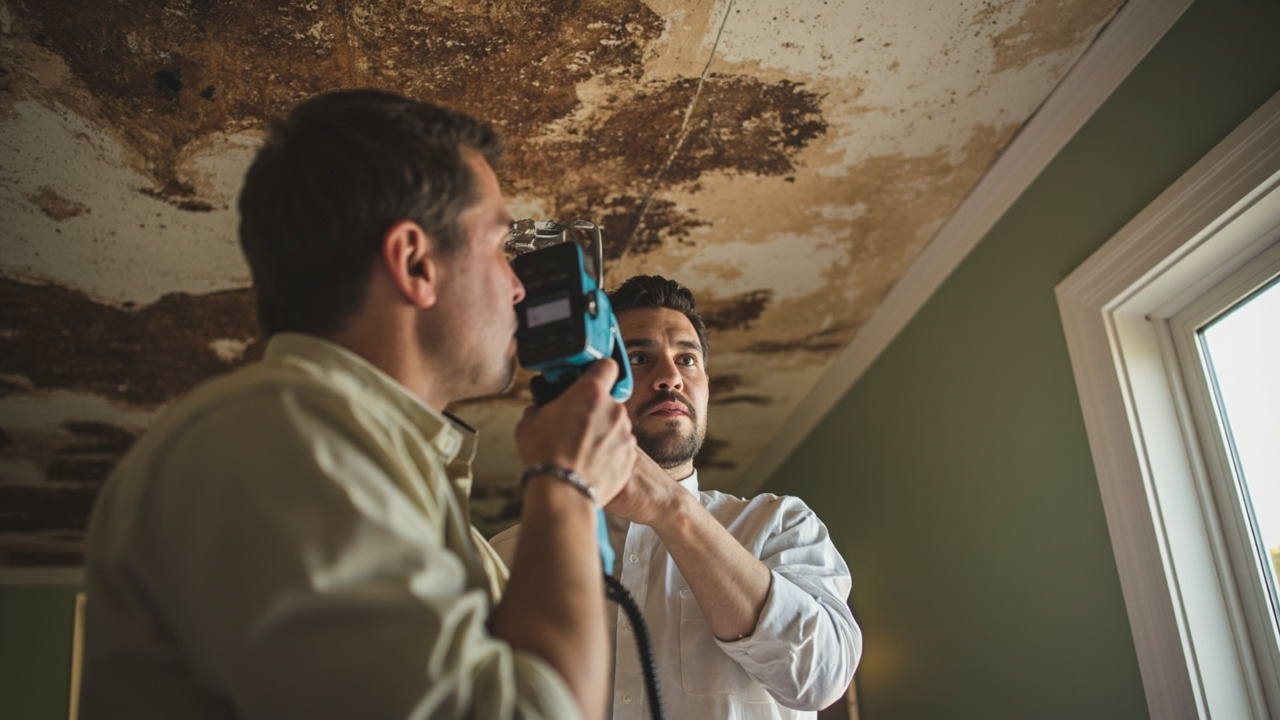
Moisture mapping with thermal imaging and pin-type meters identifies hidden saturation behind wall cavities and above ceiling tiles. This documentation proves essential for insurance claims and guides demolition decisions. Load-bearing walls in multi-story academic buildings require careful evaluation before any structural removal.

Dehumidification and air movement follow precise psychrometric calculations. Commercial-grade desiccant dehumidifiers pull moisture from the air while axial air movers create circulation patterns that accelerate evaporation from building materials. Temperature and humidity levels require continuous monitoring using data loggers to ensure drying progresses on schedule.

Antimicrobial application addresses biological contamination. Category 2 and Category 3 water events introduce bacteria, sewage, and other pathogens that require EPA-registered disinfectants applied through ULV foggers or direct surface treatment. This step protects student health and satisfies institutional safety requirements.

Content restoration salvages furniture, textbooks, and equipment when possible. Pack-out services move salvageable items to climate-controlled facilities for specialized cleaning and drying. This reduces replacement costs and accelerates return to normal operations.

Grand Water Damage Restoration New Orleans coordinates with university administrators to schedule work during low-occupancy periods, maintains clear communication protocols for facility updates, and provides detailed documentation required for insurance settlements and regulatory compliance.

Our Academic Facility Restoration Workflow

School & University Restoration in New Orleans – Minimizing Academic Downtime and Protecting Educational Facilities
01

Emergency Response and Assessment

We dispatch crews within two hours of your call to evaluate damage scope, identify safety hazards, and establish containment zones. Our technicians document conditions with photo evidence and moisture readings, then present a detailed mitigation plan that accounts for academic schedules, dormitory occupancy, and specialized equipment protection. This initial assessment drives insurance approval and gives administrators clear timeline expectations for building reopening.
02

Water Extraction and Structural Drying

Industrial extraction equipment removes standing water while thermal imaging locates hidden moisture in walls, ceilings, and floor assemblies. We position commercial dehumidifiers and air movers based on building layout and affected materials, then monitor drying progress through daily moisture readings. Drying typically requires three to five days depending on saturation levels, building materials, and environmental conditions. We coordinate access schedules to minimize impact on classes and student housing.
03

Restoration and Clearance Testing

After structures reach acceptable moisture levels, we complete antimicrobial treatment, remove damaged materials, and coordinate rebuild work with qualified contractors. Final clearance testing verifies moisture levels meet industry standards and confirms no mold growth or air quality issues remain. We provide comprehensive documentation including drying logs, equipment placement diagrams, and post-remediation verification reports required for insurance claims and institutional records. Your facility returns to safe operation with full regulatory compliance.

Why New Orleans Educational Institutions Choose Grand Water Damage Restoration

Educational facility water damage restoration requires more than equipment and technical skill. It demands understanding of institutional operations, regulatory requirements, and community impact.

Grand Water Damage Restoration New Orleans has managed water events at schools, universities, and educational facilities throughout the metro area. We understand the urgency when residence halls flood and students need immediate housing alternatives. We recognize the liability when mold growth threatens indoor air quality in occupied buildings. We know the financial pressure when insurance deadlines and semester schedules create competing demands.

Our familiarity with New Orleans building stock matters. Many local educational facilities occupy structures built before modern waterproofing standards. Historic campus buildings in areas like Audubon and Mid-City feature solid masonry walls, wood-framed floor systems, and plaster finishes that require specialized drying techniques. We adapt restoration protocols to building age and construction type rather than applying generic procedures.

We maintain relationships with local building inspectors, industrial hygienists, and environmental consultants who understand Orleans Parish requirements. When water damage triggers permit requirements or environmental testing, we coordinate these third-party services to keep projects moving forward without delays.

Capacity matters for large-scale campus emergencies. We maintain equipment inventory sufficient to handle multi-building events. When tropical weather threatens, we pre-position resources and maintain crews on standby to ensure immediate response regardless of regional demand.

Our documentation standards satisfy institutional requirements. University risk managers and insurance carriers expect detailed project files including moisture mapping, equipment logs, daily progress reports, and post-remediation verification. We produce this documentation as standard practice, not special request.

Communication protocols respect institutional hierarchy. We establish clear points of contact, provide regular status updates to facilities directors and administrators, and adjust work schedules to accommodate academic calendars and special events. This coordination minimizes disruption and maintains institutional operations during restoration work.

What Educational Administrators Should Expect from Professional Water Damage Restoration

Rapid Response and Resource Deployment

Educational facility emergencies demand immediate action. We maintain 24-hour dispatch and deploy crews within two hours of your call. Our equipment inventory includes truck-mounted extraction systems, commercial dehumidifiers, thermal imaging cameras, and containment supplies sufficient to handle multi-building events. We coordinate with your facilities team to establish work zones, secure building access, and implement safety protocols before beginning water removal. Emergency response includes immediate moisture documentation required to start insurance claims and temporary measures to prevent additional damage while comprehensive mitigation plans are developed and approved.

Comprehensive Damage Assessment and Project Planning

Initial evaluation identifies all affected areas, documents pre-existing conditions, and determines contamination category based on water source. We use moisture meters and thermal imaging to locate hidden saturation in wall cavities, above ceilings, and beneath flooring. Assessment includes building materials testing, air quality evaluation when mold is suspected, and structural review when load-bearing elements show damage. You receive detailed scope documents with photo evidence, moisture mapping, equipment placement plans, and timeline projections. This documentation satisfies insurance requirements and gives administrators clear information for decision-making about building closures, class relocations, and student housing alternatives.

Professional Execution with Minimal Academic Disruption

We coordinate work schedules around academic calendars, adjust crew hours to minimize noise during class times, and maintain containment barriers that allow unaffected building areas to remain operational. Equipment placement considers student traffic patterns and accessibility requirements. Our technicians carry identification, follow campus security protocols, and maintain professional conduct in educational environments. Daily monitoring tracks drying progress through moisture readings logged in project management software. You receive regular updates on completion percentages, timeline adjustments, and any conditions discovered during restoration work. Buildings return to service only after moisture levels meet industry standards and final clearance testing confirms safe occupancy.

Complete Documentation and Post-Restoration Support

Institutional compliance requires thorough project records. We provide comprehensive documentation including initial assessment reports, daily moisture logs, equipment placement diagrams, photo documentation of all work phases, antimicrobial application records, and final clearance certificates. This package satisfies insurance carriers, risk managers, and regulatory agencies. Post-restoration support includes recommendations for building envelope improvements, moisture intrusion prevention, and emergency response planning. We remain available to address questions from administrators, provide additional documentation for audits or investigations, and respond to any concerns that emerge after project completion. Our goal extends beyond moisture removal to long-term facility protection and institutional confidence.

Frequently Asked Questions

You Have Questions,
We Have Answers

What is school beautification? +

School beautification refers to organized efforts to improve the physical appearance and functionality of a school campus. This includes landscaping upgrades, exterior painting, cleaning graffiti, repairing walkways, and improving outdoor spaces. In New Orleans educational facilities, beautification projects often address hurricane damage, address weathered facades from high humidity, and restore historic architectural details. These initiatives create safer, more inviting learning environments while demonstrating community investment. For schools dealing with water damage, mold growth, or storm impacts, beautification extends to restoration work that protects building integrity and student health. Well-maintained facilities improve morale and support better educational outcomes.

Which school is better, college or university? +

The terms relate to institutional structure, not quality. Colleges typically offer undergraduate degrees in focused academic areas or specific professional fields. Universities comprise multiple colleges and schools, offering undergraduate, graduate, and doctoral programs with broader research facilities. In New Orleans, institutions like Tulane University contain multiple colleges within one system, while Loyola University New Orleans also operates as a comprehensive university. For facility managers, universities generally require more complex restoration planning due to multiple buildings, laboratories, dormitories, and specialized spaces. Both face identical challenges from Louisiana's humidity, storm exposure, and aging infrastructure requiring professional water damage mitigation and environmental control.

What is restoration in science? +

Restoration in science refers to returning an ecosystem, habitat, or biological system to its original, undamaged condition. This involves removing pollutants, reintroducing native species, repairing physical damage, and reestablishing natural processes. Louisiana coastal restoration projects exemplify this work, rebuilding wetlands and barrier islands. In building science and water damage restoration, the term applies similarly: returning structures to pre-loss condition through systematic water extraction, drying, decontamination, and reconstruction. For New Orleans schools and universities, restoration often addresses flood damage, mold remediation, and structural repairs following storms. The goal remains the same across disciplines: functional recovery and long-term stability.

What is the difference between the school and college? +

Schools represent broad educational institutions at any level. Colleges specifically denote post-secondary institutions offering undergraduate degrees, associate degrees, or specialized training in focused fields. Universities contain multiple colleges and offer graduate programs. In common usage, Americans say "going to college" regardless of university attendance. For facility operations in New Orleans, the distinction matters less than building type and use. Educational facilities share common restoration challenges: high occupancy density, strict health codes, limited downtime windows, and public scrutiny. Whether K-12 schools, community colleges, or universities, water damage requires rapid response to prevent mold growth in Louisiana's humid climate and minimize instructional disruption.

What is the 10 rule for school? +

The 10 rule typically refers to the "10-minute rule" in classroom management: students can maintain focused attention for roughly 10 minutes before needing a teaching approach change or mental break. Educators use this guideline to structure lessons with varied activities, maintaining engagement. This concept does not relate to facility restoration or building operations. For school administrators managing restoration projects in New Orleans, a different rule applies: the "48-hour rule" for water damage. Wet materials must be dried within 48 hours to prevent mold colonization in Louisiana's humid conditions. This timeline determines emergency response protocols and contractor selection for educational facilities.

What are the benefits of renovating a school? +

Renovating schools delivers measurable operational benefits. Updated HVAC systems reduce energy costs and improve indoor air quality, critical in humid New Orleans conditions where mold growth threatens occupant health. Modern restrooms and cafeterias meet current health codes while reducing maintenance demands. Renovated spaces increase student attendance and performance by providing comfortable, safe learning environments. For administrators, renovations address deferred maintenance, preventing catastrophic failures and emergency closures. Updated building envelopes protect against hurricane wind and water intrusion. Accessibility improvements ensure ADA compliance. Renovations also increase property values and community pride, demonstrating fiscal responsibility while extending facility lifespan and reducing total ownership costs.

Where do the 1% go to college? +

High-net-worth families typically send students to Ivy League institutions like Harvard, Yale, and Princeton, elite liberal arts colleges such as Williams and Amherst, and select private universities with strong alumni networks. Geographic concentrations include Northeastern institutions and selective West Coast schools like Stanford. In Louisiana, Tulane University attracts affluent students regionally. This question does not relate to facility restoration or building operations. Educational facilities serving any demographic face identical water damage risks from New Orleans' subtropical climate, aging infrastructure, and storm exposure. Proper restoration planning protects institutional assets regardless of student population, maintaining operational continuity and safeguarding long-term property values.

Did Taylor Swift go to college? +

Taylor Swift did not attend college. She moved to Nashville at age 14 to pursue her music career, completing high school through homeschooling and correspondence courses while recording her first album. This question does not relate to educational facility restoration or building operations. New Orleans schools and universities face significant restoration challenges regardless of celebrity attendance history. High humidity, hurricane exposure, aging buildings, and dense occupancy create water damage risks requiring professional mitigation. Educational administrators must prioritize rapid response protocols, proper drying techniques, and mold prevention to maintain healthy learning environments and minimize instructional disruption following water intrusion events.

What is the #1 university in the world? +

University rankings vary by methodology and criteria. Publications like Times Higher Education, QS World University Rankings, and U.S. News measure different factors including research output, faculty credentials, international diversity, and reputation. Massachusetts Institute of Technology, Oxford, Stanford, and Cambridge frequently rank highest globally. This question does not relate to facility restoration. Educational institutions worldwide face water damage risks requiring professional response. In New Orleans, universities deal with hurricane threats, high humidity, and aging infrastructure. Rankings depend on maintaining operational facilities. Water intrusion, mold growth, and structural damage threaten institutional reputation and accreditation status, making rapid, professional restoration essential for competitive positioning.

What are the 5 components of restoration? +

The five components of water damage restoration are inspection and assessment, water removal and extraction, drying and dehumidification, cleaning and sanitizing, and restoration and reconstruction. Technicians first evaluate damage extent and contamination category. Industrial pumps and vacuums remove standing water. Commercial dehumidifiers and air movers dry structural materials within 48 hours to prevent mold. Antimicrobial treatments address contamination. Final restoration replaces damaged materials and returns facilities to pre-loss condition. For New Orleans schools and universities, these steps must happen rapidly during breaks or after hours to minimize disruption. Louisiana's humidity requires aggressive drying protocols and moisture monitoring to ensure complete remediation.

How New Orleans's Below-Sea-Level Geography Makes University Flood Cleanup Services Essential

New Orleans sits at an average of six feet below sea level, relying on an extensive pump system to manage rainwater and prevent flooding. When tropical storms overwhelm pump capacity or power outages disable drainage infrastructure, educational facilities across the metro area face rapid water accumulation. Campus buildings in low-lying areas near Lake Pontchartrain and along the Mississippi River corridor experience the highest risk. This geographical vulnerability means university flood cleanup services require specialized expertise in managing large-volume water events, understanding local drainage patterns, and coordinating with municipal authorities during widespread flooding. Educational institutions cannot rely on standard restoration approaches designed for conventional building sites. The scale and speed of water intrusion in below-sea-level areas demand industrial capacity and rapid mobilization capabilities.

Orleans Parish building codes and educational facility regulations have evolved significantly since Hurricane Katrina exposed infrastructure vulnerabilities. Academic building water damage repair must now satisfy stricter moisture control requirements, mold prevention standards, and structural resilience specifications. Grand Water Damage Restoration New Orleans maintains current knowledge of these local requirements and coordinates with city inspectors to ensure restoration work meets code. Our familiarity with local universities, community colleges, and private schools across neighborhoods like Lakeview, Gentilly, and downtown gives us insight into building-specific challenges and institutional procedures. This local expertise reduces project timelines, prevents code violations, and ensures educational facilities return to service with full regulatory compliance. When you choose a restoration partner, local knowledge translates directly to faster recovery and better outcomes.
Water Damage Restoration Services in The New Orleans Area

While Grand serves the wider region with our expert water damage restoration services, we invite you to view our central operational location on the map. This helps you visualize our base of operations and understand our commitment to providing swift, efficient service across our service areas. Our team is strategically positioned to ensure rapid deployment when you need us most, so don't hesitate to contact us regardless of your specific location within our service radius.

Address:
Grand Water Damage Restoration New Orleans, 201 St Charles Ave, New Orleans, LA, 70170

Additional Services We Offer

Our news updates

Latest Articles & News from The Blogs

Living in a historic home in the Esplanade Ridge neighborhood offers a unique charm that modern builds cannot replicate. Those…

Removing that stubborn musty smell from historic plaster walls in Esplanade Ridge

Living in a historic home in the Esplanade Ridge neighborhood offers a unique charm that modern builds cannot replicate. Those…

Why your Westbank home might have a hidden shower pan leak and the best next steps

Westbank homeowners in Gretna and Marrero face specific plumbing challenges due to the local environment. High humidity levels and shifting…

Why ignoring a slow water heater leak in Carrollton destroys your home

A tiny puddle under your water heater in the 70118 zip code might look like a minor inconvenience. In the…

Contact Us

Water damage escalates rapidly in educational buildings. Call Grand Water Damage Restoration New Orleans at (504) 355-2332 for immediate dispatch. We provide 24-hour emergency response, complete documentation for insurance claims, and restoration services that minimize academic disruption across the New Orleans metro area.