


menu

24/7 Washing Machine Overflow Cleanup in New Orleans – Emergency Response in 60 Minutes or Less

When your washer floods your home, you need immediate washing machine overflow cleanup to stop hidden water damage in your walls and subflooring before mold takes root in New Orleans's humid climate.

Slider Image 1
Slider Image 2
Slider Image 3
Slider Image 4
Slider Image 5
Slider Image 7
Slider Image 8
Slider Image 9
Slider Image 10
Slider Image 11

Why Washing Machine Overflows Cause Catastrophic Damage in New Orleans Homes

A washing machine overflow releases 10 to 20 gallons of water per minute. In New Orleans, where humidity stays above 70 percent year-round, that water does not just sit on your floor. It seeps into your pier and beam foundation, saturates your cypress subflooring, and creates the perfect breeding ground for mold within 24 to 48 hours.

Most homeowners do not realize that washing machine flood cleanup services go far beyond mopping up surface water. The real danger hides in your wall cavities and beneath your floors. New Orleans homes, particularly in Uptown, the Garden District, and Mid-City, feature older plaster walls and wood framing that absorb water like a sponge. When a washer hose bursts or the drain line backs up, you are not just dealing with a puddle. You are facing structural rot, electrical hazards, and black mold contamination.

The subtropical climate accelerates every phase of water damage. What takes a week to develop in a dry climate happens in 48 hours here. Your drywall wicks moisture upward. Your baseboards swell and buckle. Your hardwood floors cup and warp. If you wait even a few hours to call for emergency washer flood remediation, you are looking at a five-figure insurance claim instead of a manageable extraction job.

Grand Water Damage Restoration New Orleans responds to laundry machine overflow water removal calls across Orleans Parish every single day. We see the same pattern: homeowners who tried to handle it themselves, waited for their regular plumber, or assumed the water would dry on its own. By the time we arrive, the damage has spread from a single room to multiple floors.

Why Washing Machine Overflows Cause Catastrophic Damage in New Orleans Homes
How Professional Washer Water Damage Restoration Stops the Spread

How Professional Washer Water Damage Restoration Stops the Spread

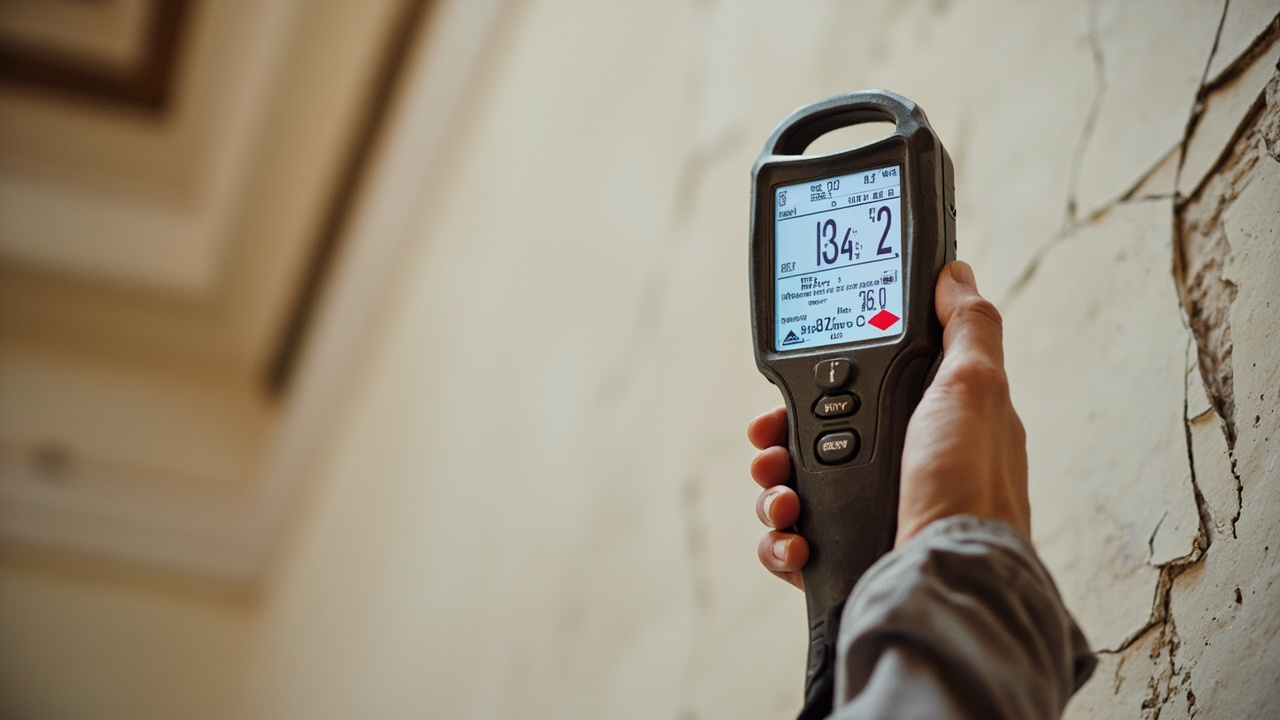
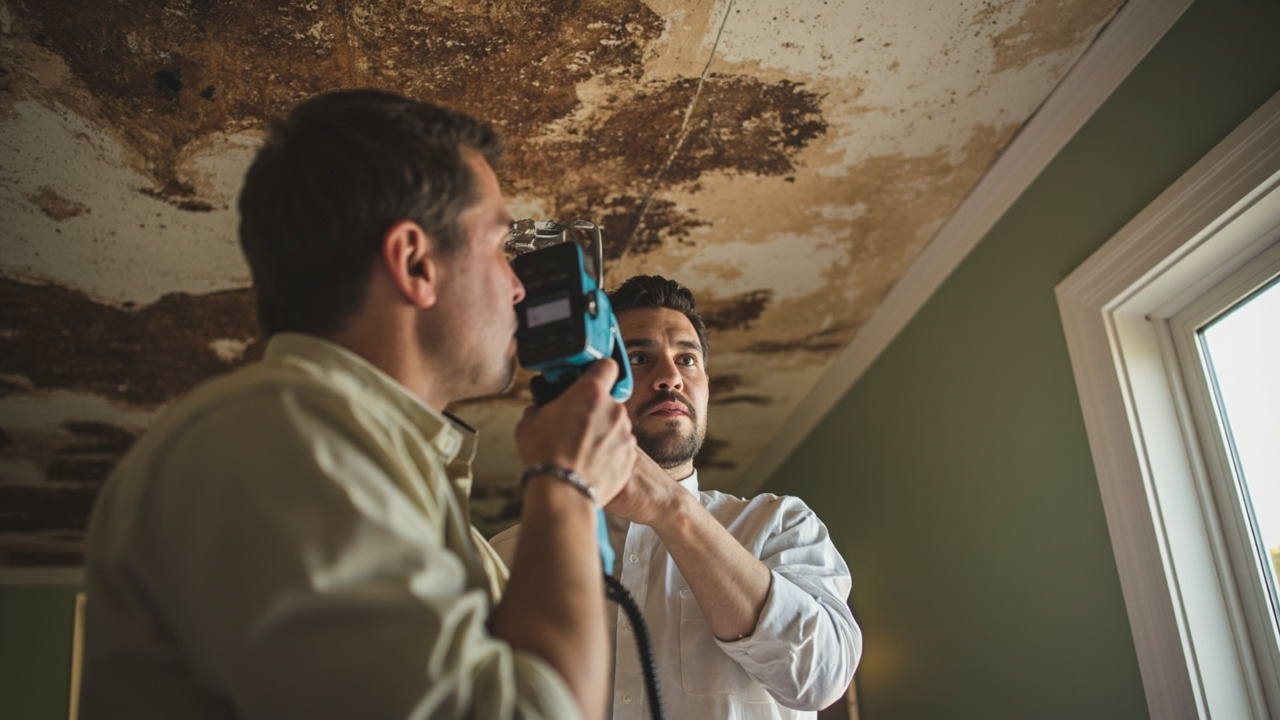
Effective washing machine leak water extraction requires infrared thermal imaging to map the full spread of moisture. We do not guess where the water traveled. We scan your walls, floors, and ceilings to identify every saturated area, including spaces you cannot see.

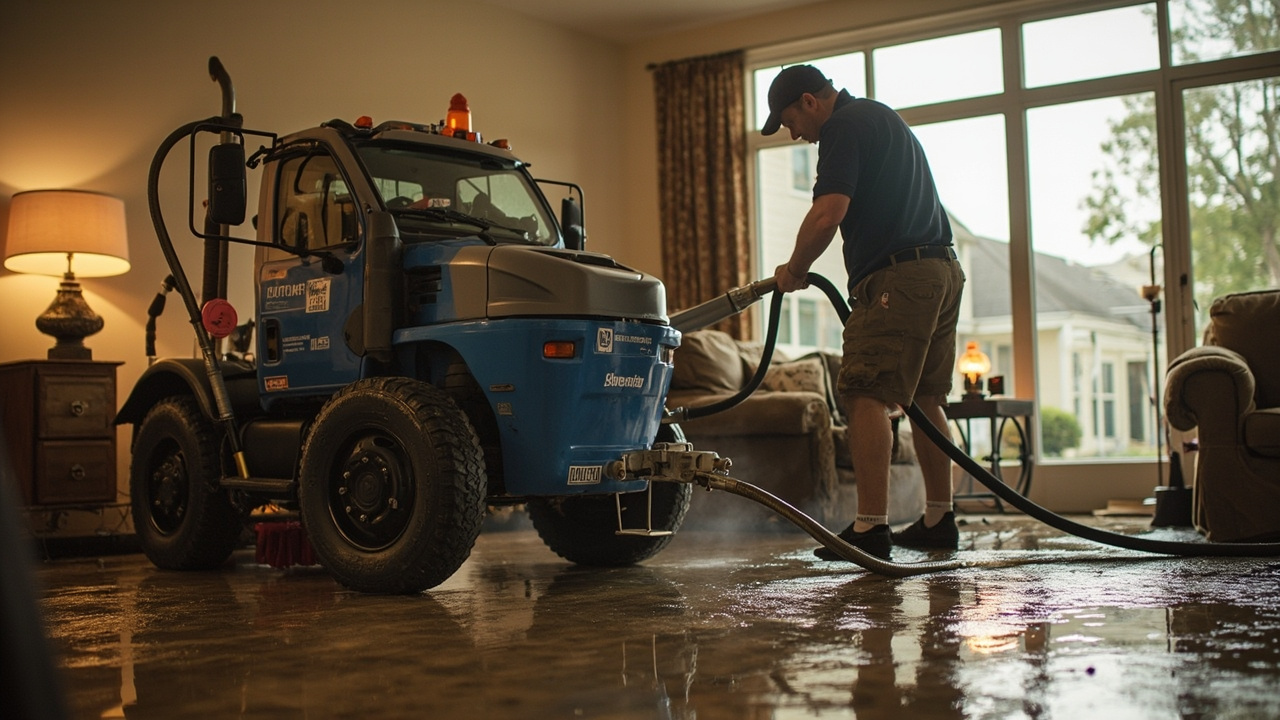
Our extraction process uses truck-mounted vacuum systems that pull water from carpet padding, subflooring, and wall cavities. Portable shop vacuums cannot generate the suction required to remove water trapped in porous materials. We deploy industrial extractors that remove 95 percent of standing water in the first hour, then use low-grain refrigerant dehumidifiers to pull residual moisture from the air and building materials.

Temperature control matters in New Orleans. We do not just run fans and hope for the best. We create negative air pressure environments that force moisture out of your home instead of deeper into your structure. Our air movers are positioned based on psychrometric calculations, not guesswork. We measure temperature, humidity, and dew point every four hours to track drying progress and adjust equipment placement.

Washer water damage restoration also means addressing contamination. If your overflow came from a clogged drain line, that water contains detergent residue, lint, and organic matter. We apply antimicrobial treatments to all affected surfaces before drying begins. This prevents bacterial growth and eliminates odors that develop when organic materials decompose in enclosed spaces.

We document everything with moisture meters and photo evidence for your insurance claim. Most homeowners do not realize their policy covers emergency washer flood remediation, but you need detailed documentation to maximize your payout and avoid out-of-pocket expenses.

What Happens During Emergency Washing Machine Flood Cleanup

24/7 Washing Machine Overflow Cleanup in New Orleans – Emergency Response in 60 Minutes or Less
01

Immediate Water Extraction

We arrive within 60 minutes and begin truck-mounted extraction immediately. Our technicians locate the source, stop the flow, and remove standing water from all affected rooms. We pull up soaked carpet padding and extract water from subflooring using weighted extraction tools. You will see visible results in the first 30 minutes as we clear hundreds of gallons from your home.
02

Thermal Imaging Assessment

Once surface water is removed, we use FLIR thermal cameras to scan your walls and floors. Wet building materials show up as cold spots on the infrared display. This reveals hidden saturation in wall cavities, under cabinets, and behind baseboards. We mark every affected area and measure moisture content with penetrating pin meters to establish a baseline for tracking the drying process.
03

Controlled Structural Drying

We position air movers and dehumidifiers based on the thermal scan results. Equipment runs 24/7 for three to five days, depending on saturation levels. We return daily to take new moisture readings and adjust airflow patterns. Drying is complete when moisture levels return to pre-loss conditions. We provide a certificate of drying for your insurance company and remove all equipment once your home is structurally sound.

Why New Orleans Homeowners Trust Grand Water Damage Restoration for Laundry Machine Overflow Water Removal

New Orleans homes require specialized knowledge. You cannot apply the same restoration methods used in dry climates to a city built on reclaimed swampland. Our technicians understand how water behaves in pier and beam foundations, how humidity affects drying times, and how to prevent mold in homes that were built before modern vapor barriers existed.

We work in every neighborhood across Orleans Parish. We know the difference between a shotgun double in the Bywater and a raised Creole cottage in Gentilly. We understand that Uptown homes often have original hardwood floors that require careful extraction techniques to prevent cupping. We know that Mid-City homes built in the 1940s and 1950s feature slab foundations that trap water beneath tile and vinyl flooring.

Our response time matters when mold can colonize in 48 hours. We dispatch crews from our location in New Orleans, not from Baton Rouge or the North Shore. When you call at 2:00 AM because your washer hose ruptured, we are on-site before most companies even answer the phone.

We also navigate insurance claims for you. Louisiana homeowners policies vary widely in their coverage of washing machine overflow cleanup. Some policies cover sudden and accidental discharge. Others exclude gradual leaks or maintenance-related failures. We document everything according to insurance industry standards and work directly with your adjuster to maximize your claim.

You do not pay out of pocket while waiting for insurance approval. We bill your carrier directly in most cases, and we provide financing options for any uncovered expenses. Our goal is to get your home dry and safe without adding financial stress to an already difficult situation.

What to Expect When You Call for Emergency Washing Machine Overflow Cleanup

60-Minute Emergency Response

We dispatch a crew to your location within 60 minutes of your call, 24 hours a day, seven days a week. Our trucks are pre-loaded with extraction equipment, air movers, and dehumidifiers. We do not need to stop at a warehouse or wait for equipment to arrive. When you call, we roll. Most jobs begin water extraction within 90 minutes of the initial overflow, which is critical for preventing secondary damage and mold growth in New Orleans's climate.

Comprehensive Moisture Mapping

Our initial assessment includes thermal imaging and moisture meter readings across all potentially affected areas. We create a detailed moisture map that shows exactly where water traveled, how deep it penetrated, and what materials are saturated. This diagnostic process takes 30 to 45 minutes and gives you a clear picture of the scope of damage. We explain our findings in plain language and provide a written estimate for insurance purposes before we begin the drying process.

Complete Structural Drying

Drying is not complete when your floor looks dry. We monitor moisture levels in your subflooring, wall studs, and baseboards until they return to normal levels, which typically takes three to five days. You will receive daily updates with new moisture readings and photo documentation. We do not remove equipment until your home meets IICRC S500 drying standards. The result is a completely dry structure with no hidden moisture that could cause mold or rot in the coming weeks.

Post-Drying Verification and Prevention

Once drying is complete, we perform a final thermal scan to verify that no hidden moisture remains. We provide a certificate of drying for your records and insurance company. If your overflow was caused by a failed hose or faulty appliance connection, we can coordinate with a licensed plumber to address the root cause. We also offer recommendations for flood sensors and automatic shutoff valves that can prevent future washing machine overflows and protect your home while you are away.

Frequently Asked Questions

You Have Questions,
We Have Answers

What to do if the washing machine overflows? +

Stop the water immediately. Turn off the washing machine, then shut off the water supply valves behind the unit. If water keeps flowing, cut power at the breaker. Remove standing water fast with towels or a wet vac. Move furniture and belongings away from the affected area. New Orleans humidity makes mold growth rapid, so act within 24 hours. Contact a water damage restoration professional if water has spread beyond the laundry area or soaked into walls and subfloors. Document everything with photos for insurance claims before cleanup begins.

How to clean up a washing machine flood? +

Extract standing water using a wet vac or mop and bucket. Pull back rugs and move wet items outside to dry. In New Orleans, high moisture levels mean you need fans and dehumidifiers running immediately to prevent mold. Wipe down walls and baseboards. Remove wet insulation if the overflow reached crawl spaces or adjoining rooms. Disinfect hard surfaces with a bleach solution. If water has been sitting longer than 48 hours or penetrated drywall, professional extraction and structural drying prevent hidden mold growth common in our climate.

How to clean a washing machine overflow pipe? +

Locate the overflow pipe, usually a standpipe behind the washer where the drain hose connects. Disconnect the drain hose and inspect for debris or soap buildup. Use a plumbing snake or auger to clear blockages deep in the pipe. Flush with hot water to remove remaining residue. New Orleans hard water and sediment can create stubborn clogs, so chemical drain cleaners may help, but avoid overuse as they damage older pipes common in historic neighborhoods. If the clog persists or water backs up into other drains, call a plumber to check the main sewer line.

How can I force my washer to drain? +

First, unplug the washer for safety. Locate the drain hose at the back of the machine and lower it into a bucket or floor drain. Gravity will start the flow. If that fails, access the drain pump filter, usually behind a small panel at the front bottom. Place towels down, open the filter slowly, and let water drain into a shallow pan. Some models have a manual drain tube tucked near the filter. If the pump is broken or the machine is older, you may need to bail water manually before calling a repair technician.

How to drain an overfilled washing machine? +

Unplug the machine first. Use the drain cycle if the washer still powers on, but stop if water does not exit. Lower the drain hose into a bucket to use gravity. Open the drain pump filter at the front bottom panel and let excess water flow into a shallow container. Work slowly to avoid flooding your laundry room floor further. If the machine is completely unresponsive, manually remove water with a cup or wet vac. New Orleans homes with outdated plumbing may have slow drains, so check your standpipe is not clogged before restarting.

How do I know if my washer drain pipe is clogged? +

Watch for slow drainage during the spin cycle. Water pooling around the washer base or backing up into the standpipe signals a blockage. You may hear gurgling sounds from nearby drains when the washer drains, meaning air is trapped in the line. If multiple drains in your home are slow, the main sewer line may be clogged, a common issue in older New Orleans neighborhoods with tree roots invading pipes. Test by running water into the standpipe directly. If it drains slowly or overflows, the pipe is clogged and needs snaking or professional clearing.

Can you still use a flooded washing machine? +

Do not use a flooded washing machine until it dries completely and you inspect for damage. Water inside the motor, control panel, or electrical components creates shock and fire risks. Unplug the unit and let it air dry for at least 48 hours. Remove the back panel and check for standing water or rust. New Orleans humidity slows drying, so use fans. If water reached the control board or motor, call an appliance technician to test before restarting. Attempting to use a wet machine can cause total failure or electrical hazards.

What causes a washer to go into flood mode? +

A washer enters flood mode when its internal pressure sensor detects too much water inside the drum. Common causes include a stuck water inlet valve that will not shut off, a clogged drain pump preventing water from exiting, or a malfunctioning pressure switch sending false signals. Overloading the machine or using too much detergent can also trigger the sensor. In New Orleans, hard water buildup clogs inlet screens and drain hoses faster. The washer stops the cycle and may display an error code to prevent overflow and water damage to your home.

Does homeowners insurance cover washing machine flooding? +

Most homeowners policies cover sudden and accidental washing machine overflows, but not damage from long-term neglect or lack of maintenance. If a hose bursts or the machine malfunctions unexpectedly, you are likely covered for water damage to floors, walls, and belongings. Document the damage immediately with photos. In New Orleans, flood insurance through the National Flood Protection Program does not cover appliance failures. Review your policy exclusions and deductible. Contact your insurer quickly, as mold develops fast in our climate and delayed claims can be denied for preventable secondary damage.

How do you clean the overflow pipe? +

The overflow pipe is the standpipe behind your washer where the drain hose connects. Disconnect the hose and inspect the opening for lint, soap scum, or debris. Use a plumbing snake to break up clogs deeper in the pipe. Flush with hot water to clear residue. For stubborn blockages, a wet vac can pull debris out. New Orleans sediment and mineral deposits build up quickly, so clean the pipe every six months. If water still backs up after cleaning, tree roots or a sewer line clog may be the issue, requiring professional camera inspection and clearing.

How New Orleans's High Water Table and Hurricane-Prone Climate Complicate Washing Machine Overflow Cleanup

New Orleans sits below sea level with a water table that rises within inches of the surface during heavy rain. When a washing machine overflows in a raised home with a pier and beam foundation, water does not just drain away. It saturates the ground beneath your home and creates a moisture source that feeds upward into your floor joists and subflooring. This is why washing machine leak water extraction requires monitoring ground moisture levels, not just interior humidity. Homes in Lakeview, Gentilly, and the Lower Ninth Ward face additional challenges due to their proximity to Lake Pontchartrain and the Industrial Canal, where ground saturation stays high year-round.

Grand Water Damage Restoration New Orleans has worked in this city through multiple hurricane seasons and knows how to dry homes in extreme humidity. We understand Orleans Parish building codes and the specific construction methods used in different eras and neighborhoods. When you hire a local company for emergency washer flood remediation, you get technicians who understand how your home was built, how water moves through your foundation, and how to prevent the mold issues that plague this climate. We are not a franchise following a national playbook. We are your neighbors, and we know this city.
Water Damage Restoration Services in The New Orleans Area

While Grand serves the wider region with our expert water damage restoration services, we invite you to view our central operational location on the map. This helps you visualize our base of operations and understand our commitment to providing swift, efficient service across our service areas. Our team is strategically positioned to ensure rapid deployment when you need us most, so don't hesitate to contact us regardless of your specific location within our service radius.

Address:
Grand Water Damage Restoration New Orleans, 201 St Charles Ave, New Orleans, LA, 70170

Additional Services We Offer

Our news updates

Latest Articles & News from The Blogs

Standing water in your Gretna home requires an immediate response to prevent permanent structural issues and mold growth. Residents living…

Fast Flood Restoration Strategies for Gretna Homeowners

Standing water in your Gretna home requires an immediate response to prevent permanent structural issues and mold growth. Residents living…

Resolving Ceiling Water Damage and Leaks in Mid-City Apartments

Dealing with Ceiling Water Damage Repair in Mid-City New OrleansA damp spot on your ceiling in a Mid-City apartment requires…

Removing that stubborn musty smell from historic plaster walls in Esplanade Ridge

Living in a historic home in the Esplanade Ridge neighborhood offers a unique charm that modern builds cannot replicate. Those…

Contact Us

Every minute counts when water is saturating your floors and walls. Call Grand Water Damage Restoration New Orleans now at (504) 355-2332 for immediate dispatch. We are on-site in 60 minutes or less, ready to extract water and stop the damage.