




Estelle sits in the low-lying basin of Jefferson Parish, where elevation averages just 3 feet below sea level. This geography creates constant pressure on your property from groundwater intrusion, especially during the May through October hurricane season when rainfall averages 6-8 inches per month. The clay-heavy soils common throughout communities near the Harvey Canal and Barataria Boulevard trap water against foundations instead of absorbing it, forcing moisture through concrete pores and creating hydrostatic pressure that cracks slabs.
High humidity compounds every water event. At 75% average humidity year-round, saturated building materials in Estelle don't dry on their own. Drywall stays wet for weeks, wood framing swells and warps, and mold colonies establish within 48 hours. Burst pipes from aging galvanized plumbing in older Estelle homes near Lapalco Boulevard send 8-10 gallons per minute into wall cavities, and every minute of delay means another room flooded. Storm surge from nearby waterways can push brackish water into crawl spaces, leaving salt deposits that continue pulling moisture from the air long after visible water recedes.
We've extracted water from homes throughout Jefferson Parish for over a decade, and we understand what separates a complete restoration from a Band-Aid fix that fails in six months. Our crews don't just remove standing water. We trace moisture migration through wall cavities, test subfloor systems for saturation levels, and document every affected material for your insurance adjuster before removing a single baseoard.
Grand Water Damage Restoration New Orleans operates from our Westbank facility with three rapid response teams and backup crews available during weather events. When Hurricane Ida knocked out power to 90% of Jefferson Parish, our generator-powered equipment kept running in flooded Estelle homes while competitors waited for grid restoration. We maintained operations because we planned for worst-case scenarios.
Our technicians hold IICRC Water Damage Restoration certifications and complete annual training on extraction techniques, structural drying protocols, and antimicrobial treatments. This expertise matters when deciding whether to save or replace materials. We've restored hardwood floors that other companies declared total losses, and we've condemned carpet that looked salvageable but tested positive for category 3 contamination.
We work directly with every major insurance carrier servicing Louisiana. Our estimating software matches Xactimate pricing, our documentation meets adjuster requirements, and we handle supplement negotiations when carriers undervalue damage. You focus on your family while we manage the claim process, contractor coordination, and final walkthrough inspection.

Our dispatch center operates around the clock with crews stationed throughout Jefferson Parish. From the moment you call, we mobilize equipment and technicians to reach your Estelle property within one hour. Fast response prevents secondary damage that turns a $5,000 water event into a $30,000 reconstruction project. We arrive ready to extract, document, and stabilize immediately.

We photograph damage, document moisture readings, and prepare detailed estimates that match insurance carrier requirements before starting work. Our team communicates directly with your adjuster, handles supplement requests, and ensures every covered item appears in the final settlement. You don't navigate claim procedures alone or wait weeks for approval to begin critical drying.
Every crew member holds current certification from the Institute of Inspection Cleaning and Restoration Certification, the industry standard for water damage remediation training. This means proven competency in moisture detection, structural drying science, and microbial contamination protocols. Certification isn't optional in our company because improper technique leads to mold growth, structural failure, and denied insurance claims.
Operating from our Jefferson Parish facility means we understand Estelle construction methods, know which neighborhoods have cast iron drain systems prone to failure, and maintain relationships with local building inspectors. We're not a franchise routing calls to distant contractors. We're your neighbors, and we respond to the same weather events that flood your property because we live here too.
Water intrusion requires different responses based on contamination level, affected materials, and damage extent. A supply line leak demands rapid extraction and controlled drying to prevent mold. Sewage backup requires complete removal of contaminated materials and antimicrobial treatment. Storm flooding brings category 3 water containing chemicals, bacteria, and debris that can't simply be dried in place.
Grand Water Damage Restoration New Orleans provides the full spectrum of water removal services from initial emergency response through final reconstruction. Our crews assess contamination category, measure moisture content in structural materials, and create drying protocols specific to your damage pattern. We don't use one-size-fits-all approaches because every water event behaves differently based on source, duration, and building construction.
Our service structure divides into three core categories that address distinct damage scenarios. Emergency extraction stops active flooding and prevents migration. Structural drying removes moisture from materials that can be saved. Complete remediation handles contaminated materials, mold growth, and reconstruction. Understanding which services your situation requires determines timeline, cost, and final outcome quality.
When water actively floods your property, every minute increases damage scope. Our teams arrive with truck-mounted extraction units that remove up to 200 gallons per minute from floors, carpets, and crawl spaces. We contain water migration using temporary barriers, shut off affected supply lines, and document damage extent for insurance purposes. Emergency extraction includes furniture relocation, content inventory, and initial moisture mapping to identify hidden saturation in wall cavities and subfloor systems. This service stabilizes your property and prevents the secondary damage that occurs when water sits for hours.
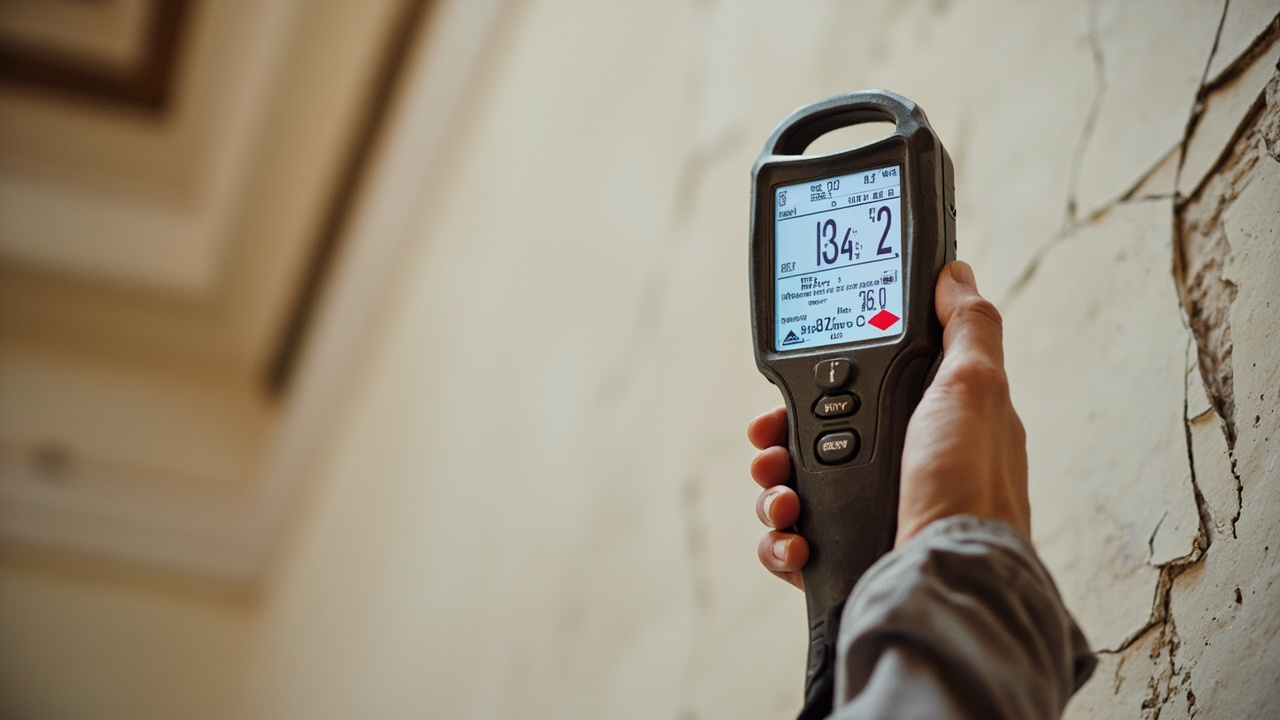
After extraction removes standing water, structural materials remain saturated. Our technicians use thermal imaging cameras to map moisture in drywall, insulation, framing, and concrete, then position industrial dehumidifiers and air movers to create controlled drying environments. We monitor progress with daily moisture readings, adjusting equipment placement until materials return to normal levels. Proper structural drying prevents mold growth, preserves salvageable materials like hardwood floors, and maintains building integrity. This process typically runs 3-7 days depending on saturation levels and affected square footage throughout your Estelle property.
Sewage backups, storm flooding, and long-term leaks require removal of contaminated materials and treatment of affected surfaces. We perform controlled demolition of unsalvageable drywall, insulation, and flooring, then apply antimicrobial treatments to framing and concrete. Our remediation protocols follow IICRC S500 standards for category 2 and 3 water contamination. After treatment and verification testing, we reconstruct affected areas using materials that match your existing finishes. Complete remediation addresses the health hazards and structural damage that simple drying can't fix, returning your Estelle home or business to pre-loss condition.
Jefferson Parish's low elevation and aging infrastructure create specific vulnerability patterns across Estelle neighborhoods. Homes built in the 1960s and 70s near Lapalco Boulevard and Destrehan Avenue contain original cast iron drain systems that corrode from the inside, causing sudden failures that flood bathrooms and kitchens without warning. Properties in the Harvey Canal watershed deal with groundwater intrusion during heavy rainfall when drainage pumps can't keep pace with 3-inch-per-hour downpours.
The region's construction methods compound water problems. Slab-on-grade foundations common throughout Estelle provide no crawl space access, trapping water under living areas where it saturates insulation and creates mold growth you can't see until it spreads into wall cavities. Brick veneer homes with inadequate weep hole spacing allow water to collect behind exterior walls, rotting wood framing while the damage remains invisible.
Hurricane preparedness gaps leave properties vulnerable during storm season. Missing or damaged roof flashings let wind-driven rain enter attics. Inadequate yard grading directs rainwater toward foundations instead of away. These conditions exist across Estelle until a weather event exposes them, often causing damage that exceeds insurance deductibles and requires extensive remediation.
Cast iron drain pipes installed before 1980 corrode from decades of chemical exposure and water flow. The deterioration happens inside the pipe where you can't inspect it, then fails suddenly when a section collapses. A broken drain under your slab foundation can leak for weeks before you notice wet floors or smell sewage, causing extensive hidden damage that requires concrete removal to access and repair.
Estelle's proximity to the Harvey Canal and Barataria waterways means storm surge can push water into low-lying areas during hurricanes and tropical storms. Even without surge, drainage systems overwhelmed by 5-8 inch rainfall events back up into streets and yards. Water finds entry points through foundation cracks, garage doors, and HVAC penetrations, flooding finished living spaces with contaminated category 3 water that requires complete material removal.
Water trapped under concrete slabs creates ongoing moisture problems that standard extraction can't reach. Hydrostatic pressure forces groundwater through concrete pores, saturating insulation and subfloor materials. This moisture feeds mold growth in wall cavities and creates musty odors that persist despite visible drying. Proper remediation requires drilling access points and using specialized injection drying systems to remove trapped moisture.
Louisiana's year-round humidity means wet building materials never dry naturally. Mold spores colonize drywall, insulation, and wood framing within 48 hours of water exposure. Once established, colonies spread through wall cavities and HVAC systems, contaminating areas far from the original leak. Incomplete drying or delayed response turns a simple water cleanup into a mold remediation project that costs three times more than proper initial treatment.
Water damage creates chaos and panic. You need immediate answers about what happens next, how long repairs take, and what your insurance covers. Our process eliminates uncertainty with clear communication at every step from first contact through final walkthrough.
When you call our emergency line, a live person answers 24/7. No voicemail, no automated systems, no waiting until morning. We gather essential information about your water source, affected areas, and safety concerns, then dispatch the nearest crew while you're still on the phone. You receive a text with technician names, estimated arrival time, and direct contact numbers.
Our teams arrive in marked vehicles with all necessary equipment already loaded. We don't need to leave for supplies or make return trips. The initial visit includes damage assessment, emergency extraction, moisture documentation, and insurance claim initiation. You understand the full scope, timeline, and next steps before our crew leaves your property. Transparency eliminates surprise costs and scheduling confusion that plague other restoration companies.
Our dispatch center answers your emergency call within three rings any time day or night. We ask specific questions about water source, affected rooms, and whether your electricity is safe, then immediately send crews while documenting your information. You receive confirmation texts with crew arrival estimates and direct phone numbers to track progress. No waiting, no wondering when help arrives. We understand you need action now, not callbacks tomorrow morning.
Before extracting the first gallon, our technicians photograph damage, measure moisture levels, and inventory affected contents. This documentation protects your insurance claim from carrier disputes about damage extent or causation. We provide you with copies of all photos, moisture maps, and equipment logs within 24 hours. Our estimates use Xactimate software that matches insurance pricing databases, preventing delays from format incompatibility or pricing disagreements that slow claim approval.
Water damage restoration takes days or weeks depending on severity, and you deserve to know what's happening at your property every single day. Our project managers provide daily moisture readings, drying progress reports, and timeline updates via your preferred contact method. If we discover additional damage during demolition or detect moisture in unexpected areas, you learn about it immediately with photos and revised estimates. No surprises, no information gaps, no wondering what crews did while you were at work.
Every water event follows the same scientific restoration sequence regardless of source or size. This standardized process ensures complete moisture removal, prevents mold growth, and preserves maximum building materials.
Crews arrive within 60 minutes to assess damage category, identify water source, and stop active flooding. We extract standing water using truck-mounted pumps and portable units, remove saturated contents to prevent further damage, and take comprehensive photos documenting pre-mitigation conditions. Moisture meters and thermal cameras map water migration in walls, ceilings, and subfloors. This initial visit typically takes 2-4 hours depending on property size and establishes the foundation for all subsequent work.
After extraction, we position industrial dehumidifiers and air movers to create optimal drying conditions in affected rooms. Equipment placement follows IICRC guidelines for air flow patterns and dehumidification capacity based on your specific damage. Technicians visit daily to record moisture readings in floors, walls, and ceilings, adjusting equipment as materials dry. This phase continues until moisture levels return to normal standards, typically 3-7 days for clean water events. We never remove equipment early to save costs.
Once drying completes and final moisture verification confirms all materials reached acceptable levels, we remove unsalvageable items and treat affected surfaces with antimicrobial solutions. Reconstruction begins with subfloor repair, wall framing, and insulation replacement, then proceeds through drywall, painting, and finish work. Our crews match existing materials and textures so restored areas blend seamlessly. Final walkthrough inspection ensures every detail meets your approval before we collect payment and close your insurance claim.
Effective water damage remediation requires understanding how moisture behaves in building materials under specific environmental conditions. Louisiana's climate creates unique challenges that generic drying protocols don't address. At 75% average relative humidity, the ambient air already carries substantial moisture, reducing evaporation rates from saturated materials. This means dehumidification capacity matters more than air movement alone.
The IICRC S500 Standard guides our restoration protocols, establishing specific moisture content thresholds for different materials before they're considered dry. Wood framing must reach 15% moisture content or less. Concrete slabs require readings below 4% on the ASTM F2170 relative humidity scale. Gypsum drywall needs to match readings from unaffected reference areas in your home. These aren't arbitrary numbers but scientifically determined levels that prevent microbial growth and structural degradation.
Water damage falls into three contamination categories that dictate proper handling. Category 1 comes from sanitary sources like supply lines and contains no sewage or chemicals. Category 2 involves gray water from appliances, toilets without feces, or rainwater that contacted building materials. Category 3 includes sewage, storm surge, or any water sitting for more than 48 hours. Treatment protocols escalate with each category. Category 1 allows material salvage with proper drying. Category 3 requires removal of all porous materials that contacted the water.
Psychrometrics, the study of air and moisture relationships, determines equipment selection and placement. We calculate grain depression, the difference between ambient moisture and air leaving dehumidifiers, to verify equipment operates effectively. If grain depression falls below acceptable levels, we add capacity or modify airflow patterns. This scientific approach prevents the false drying that occurs when equipment runs but moisture levels don't actually decrease in building materials.
The Institute of Inspection Cleaning and Restoration Certification publishes the S500 Standard that defines proper water damage restoration procedures. This document specifies moisture measurement protocols, drying goals for different materials, contamination category handling, and antimicrobial treatment requirements. Our adherence to S500 standards ensures restoration quality that prevents mold growth, structural failure, and insurance claim disputes from improper technique.
Project costs depend on water category, affected square footage, material types, and drying duration. Category 3 contaminated water requires complete removal of drywall, insulation, and flooring rather than drying in place, significantly increasing costs. Hardwood floors can sometimes be saved with specialized drying mats but may require replacement if cupping exceeds industry thresholds. Insurance typically covers sudden water damage but excludes long-term leaks classified as maintenance issues.
Emergency extraction and equipment setup occurs within hours of our arrival. Structural drying requires 3-7 days for category 1 water in standard construction, longer for concrete slabs or if humidity remains high. Demolition and remediation adds 2-5 days. Reconstruction timelines vary by damage extent but typically span 1-3 weeks for complete restoration. Weather events that affect multiple properties may extend timelines due to material availability and contractor scheduling across Jefferson Parish.
Water damage restoration companies in Louisiana must maintain general liability insurance, workers compensation coverage, and proper business licensing through the Secretary of State. Mold remediation beyond 25 contiguous square feet requires Louisiana Department of Health mold remediation licensing. We carry all required credentials and maintain current insurance certificates that protect you from liability if injuries occur during restoration work at your Estelle property.
Grand Water Damage Restoration New Orleans maintains rapid response capabilities throughout Estelle and the greater Westbank region of Jefferson Parish. Our crews know every neighborhood from the residential areas along Lapalco Boulevard to the commercial properties near Barataria Boulevard and the established communities surrounding Destrehan Avenue.
We respond to water emergencies in the neighborhoods between the Harvey Canal and Bayou Barataria, areas particularly vulnerable to storm surge and groundwater intrusion due to low elevation and proximity to waterways. Properties in these sections of Estelle face unique flooding patterns during heavy rainfall when drainage systems become overwhelmed and water backs up into streets and yards. Our teams understand the topography and have restored dozens of homes in these flood-prone zones.
The older residential areas near Lapalco Boulevard contain homes built in the 1960s and 70s with original plumbing systems now reaching failure age. We've handled numerous cast iron drain failures and supply line ruptures in these neighborhoods where aging infrastructure creates sudden catastrophic water damage. These properties require specialized knowledge of vintage construction methods and material compatibility when performing restoration work.
Commercial properties along Barataria Boulevard and the business corridors throughout Estelle demand different response protocols than residential work. We've extracted water from retail spaces, office buildings, and warehouse facilities where business interruption costs escalate by the hour. Our commercial division coordinates after-hours emergency response to minimize operational disruption and maintain your ability to serve customers during restoration.
Communities south of Estelle toward Crown Point and north toward Marrero receive the same rapid response times and service quality as central Estelle addresses. Our Westbank facility location provides equal access across the region, and we maintain equipment staging that prevents delays during widespread weather events when multiple properties need simultaneous service. Whether your property sits near the Estelle Community Center or along the residential streets branching off major corridors, our response time stays consistent because we deploy based on geographic zones rather than routing calls to distant contractors.
We've built relationships with Jefferson Parish building inspectors, insurance adjusters working this region, and local suppliers who stock materials compatible with Westbank construction standards. This local knowledge network speeds permitting, claim processing, and material acquisition during your restoration project, reducing delays that extend timelines and increase your displacement duration.
Water damage restoration costs in Estelle vary based on the extent of damage, water category, and affected square footage. Minor leaks might run a few hundred dollars, while major flooding from hurricanes or burst pipes can reach several thousand. Class 1 damage (minimal absorption) costs less than Class 4 (deep saturation in hardwood or plaster). Extraction, drying equipment, antimicrobial treatment, and reconstruction all factor into pricing. Most Estelle homeowners pay between $1,500 and $5,000 for standard jobs. Document everything for your insurance adjuster to maximize coverage and reduce out-of-pocket expenses.
Yes. Water damage restoration in Estelle prevents mold growth, structural decay, and long-term health risks. Louisiana's high humidity accelerates deterioration. Untreated water damage weakens floor joists, drywall, and insulation, leading to expensive repairs later. Professional drying and dehumidification stop secondary damage that DIY methods miss. Your home is your biggest investment. Restoration protects property value and keeps your family safe from mold spores and bacteria. Waiting turns a $3,000 problem into a $15,000 nightmare. Fast response matters in our climate.
Water damage restoration in Estelle typically takes three to seven days for standard residential jobs. Emergency water extraction happens within hours. Drying and dehumidification require 48 to 72 hours, depending on humidity levels and material saturation. Estelle's subtropical climate can extend drying time if air movers and dehumidifiers are not properly staged. Reconstruction (drywall replacement, flooring) adds one to two weeks. Severe flooding from storm surge or sewer backups may take longer. Crews monitor moisture levels daily with hygrometers to confirm complete dryness before closing walls.
Water damage restoration costs in Estelle vary based on the extent of damage, water category, and affected square footage. Minor leaks might run a few hundred dollars, while major flooding from hurricanes or burst pipes can reach several thousand. Class 1 damage (minimal absorption) costs less than Class 4 (deep saturation in hardwood or plaster). Extraction, drying equipment, antimicrobial treatment, and reconstruction all factor into pricing. Most Estelle homeowners pay between $1,500 and $5,000 for standard jobs. Document everything for your insurance adjuster to maximize coverage and reduce out-of-pocket expenses.
Yes. Water damage restoration in Estelle prevents mold growth, structural decay, and long-term health risks. Louisiana's high humidity accelerates deterioration. Untreated water damage weakens floor joists, drywall, and insulation, leading to expensive repairs later. Professional drying and dehumidification stop secondary damage that DIY methods miss. Your home is your biggest investment. Restoration protects property value and keeps your family safe from mold spores and bacteria. Waiting turns a $3,000 problem into a $15,000 nightmare. Fast response matters in our climate.
Water damage restoration in Estelle typically takes three to seven days for standard residential jobs. Emergency water extraction happens within hours. Drying and dehumidification require 48 to 72 hours, depending on humidity levels and material saturation. Estelle's subtropical climate can extend drying time if air movers and dehumidifiers are not properly staged. Reconstruction (drywall replacement, flooring) adds one to two weeks. Severe flooding from storm surge or sewer backups may take longer. Crews monitor moisture levels daily with hygrometers to confirm complete dryness before closing walls.
Water damage restoration includes emergency water extraction, moisture detection, structural drying, dehumidification, antimicrobial treatment, and content restoration. Technicians use pumps and wet vacuums to remove standing water, then place air movers and dehumidifiers to dry framing, subfloors, and insulation. Infrared cameras detect hidden moisture in walls. Crews remove damaged drywall, flooring, and baseboards as needed. Contents are cleaned, packed out, or discarded. Final steps include odor control, mold remediation if necessary, and reconstruction to pre-loss condition. Every phase is documented with photos and moisture readings for insurance claims.
Most homeowner policies in Estelle cover sudden and accidental water damage like burst pipes, appliance leaks, or roof damage from storms. Flood damage from rising water requires separate flood insurance through FEMA. Gradual damage from slow leaks or lack of maintenance is usually excluded. Review your policy's water damage endorsements. File your claim immediately and document everything with photos. Restoration companies work directly with adjusters to streamline approvals. Deductibles apply, but mitigation costs are often fully covered to prevent further loss.
Servpro typically responds to water emergencies in Estelle within one to four hours and completes drying in three to five days for standard jobs. Their timeline depends on damage severity, crew availability, and equipment capacity. However, response times vary by franchise location. Local Estelle restoration companies often provide faster arrival and more personalized service because they are embedded in the community. Compare multiple companies on response guarantees, equipment quality, and IICRC certification. Speed matters, but thoroughness prevents callbacks for mold growth weeks later.
Mold can begin growing within 24 to 48 hours after water damage in Estelle's humid climate. Spores need moisture, oxygen, and organic material like drywall or wood. Louisiana humidity accelerates colonization. Visible mold appears in 72 hours if water is not fully extracted and materials are not dried below 15 percent moisture content. Hidden mold grows inside walls and under flooring. This is why immediate professional drying is critical. Dehumidifiers and air movers must run continuously to drop humidity below 50 percent and halt spore activation.
Red flags include no written estimate, pressure to pay upfront, vague diagnostic language, and quoting work without inspecting the damage. Legitimate water damage pros in Estelle provide itemized estimates, use moisture meters to document readings, and explain the scope clearly. Be wary of inflated line items or unnecessary demolition. Ask for proof of IICRC certification and liability insurance. Compare multiple bids. A professional will never rush you or discourage getting a second opinion. Trust companies with local references and transparent pricing structures.
The average water damage insurance claim in the U.S. ranges from $7,000 to $11,000, but Estelle claims vary widely. Minor supply line leaks may settle under $3,000, while major storm flooding or sewer backups exceed $20,000. Louisiana's hurricane exposure and aging plumbing systems drive higher averages. Mitigation costs (extraction, drying) are usually lower than reconstruction (flooring, cabinets). Adjusters calculate based on affected square footage, water category, and material replacement costs. Document everything to justify your claim and avoid undervaluation.
Do not delay calling a restoration company. Do not use household vacuums on standing water (electrocution risk). Do not leave wet materials in place hoping they will air dry. Estelle's humidity prevents natural evaporation. Do not turn off HVAC systems, drying requires airflow. Do not use bleach on mold without proper containment. Do not discard damaged items before photographing them for insurance. Do not ignore safety hazards like sagging ceilings or electrical exposure. Fast, professional intervention prevents mold, structural collapse, and claim denials.
Water damage restoration includes emergency water extraction, moisture detection, structural drying, dehumidification, antimicrobial treatment, and content restoration. Technicians use pumps and wet vacuums to remove standing water, then place air movers and dehumidifiers to dry framing, subfloors, and insulation. Infrared cameras detect hidden moisture in walls. Crews remove damaged drywall, flooring, and baseboards as needed. Contents are cleaned, packed out, or discarded. Final steps include odor control, mold remediation if necessary, and reconstruction to pre-loss condition. Every phase is documented with photos and moisture readings for insurance claims.
Most homeowner policies in Estelle cover sudden and accidental water damage like burst pipes, appliance leaks, or roof damage from storms. Flood damage from rising water requires separate flood insurance through FEMA. Gradual damage from slow leaks or lack of maintenance is usually excluded. Review your policy's water damage endorsements. File your claim immediately and document everything with photos. Restoration companies work directly with adjusters to streamline approvals. Deductibles apply, but mitigation costs are often fully covered to prevent further loss.
Servpro typically responds to water emergencies in Estelle within one to four hours and completes drying in three to five days for standard jobs. Their timeline depends on damage severity, crew availability, and equipment capacity. However, response times vary by franchise location. Local Estelle restoration companies often provide faster arrival and more personalized service because they are embedded in the community. Compare multiple companies on response guarantees, equipment quality, and IICRC certification. Speed matters, but thoroughness prevents callbacks for mold growth weeks later.
Mold can begin growing within 24 to 48 hours after water damage in Estelle's humid climate. Spores need moisture, oxygen, and organic material like drywall or wood. Louisiana humidity accelerates colonization. Visible mold appears in 72 hours if water is not fully extracted and materials are not dried below 15 percent moisture content. Hidden mold grows inside walls and under flooring. This is why immediate professional drying is critical. Dehumidifiers and air movers must run continuously to drop humidity below 50 percent and halt spore activation.
Red flags include no written estimate, pressure to pay upfront, vague diagnostic language, and quoting work without inspecting the damage. Legitimate water damage pros in Estelle provide itemized estimates, use moisture meters to document readings, and explain the scope clearly. Be wary of inflated line items or unnecessary demolition. Ask for proof of IICRC certification and liability insurance. Compare multiple bids. A professional will never rush you or discourage getting a second opinion. Trust companies with local references and transparent pricing structures.
The average water damage insurance claim in the U.S. ranges from $7,000 to $11,000, but Estelle claims vary widely. Minor supply line leaks may settle under $3,000, while major storm flooding or sewer backups exceed $20,000. Louisiana's hurricane exposure and aging plumbing systems drive higher averages. Mitigation costs (extraction, drying) are usually lower than reconstruction (flooring, cabinets). Adjusters calculate based on affected square footage, water category, and material replacement costs. Document everything to justify your claim and avoid undervaluation.
Do not delay calling a restoration company. Do not use household vacuums on standing water (electrocution risk). Do not leave wet materials in place hoping they will air dry. Estelle's humidity prevents natural evaporation. Do not turn off HVAC systems, drying requires airflow. Do not use bleach on mold without proper containment. Do not discard damaged items before photographing them for insurance. Do not ignore safety hazards like sagging ceilings or electrical exposure. Fast, professional intervention prevents mold, structural collapse, and claim denials.
While Grand serves the wider region with our expert water damage restoration services, we invite you to view our central operational location on the map. This helps you visualize our base of operations and understand our commitment to providing swift, efficient service across our service areas. Our team is strategically positioned to ensure rapid deployment when you need us most, so don't hesitate to contact us regardless of your specific location within our service radius.
Address:
Estelle, LA, 70072
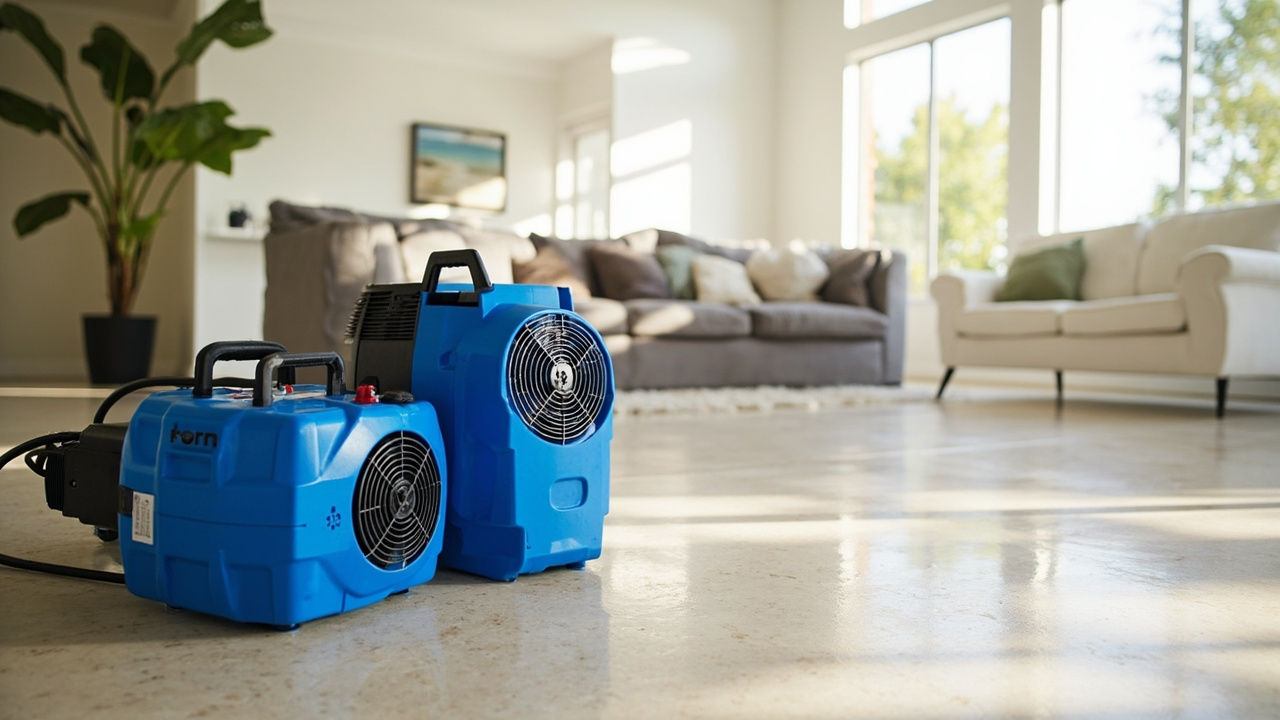
Emergency Burst Pipe Repair in Kenner Louisiana A burst pipe in your Kenner home creates an immediate crisis that requires more than just a mop and a bucket. When a main line fails near the…
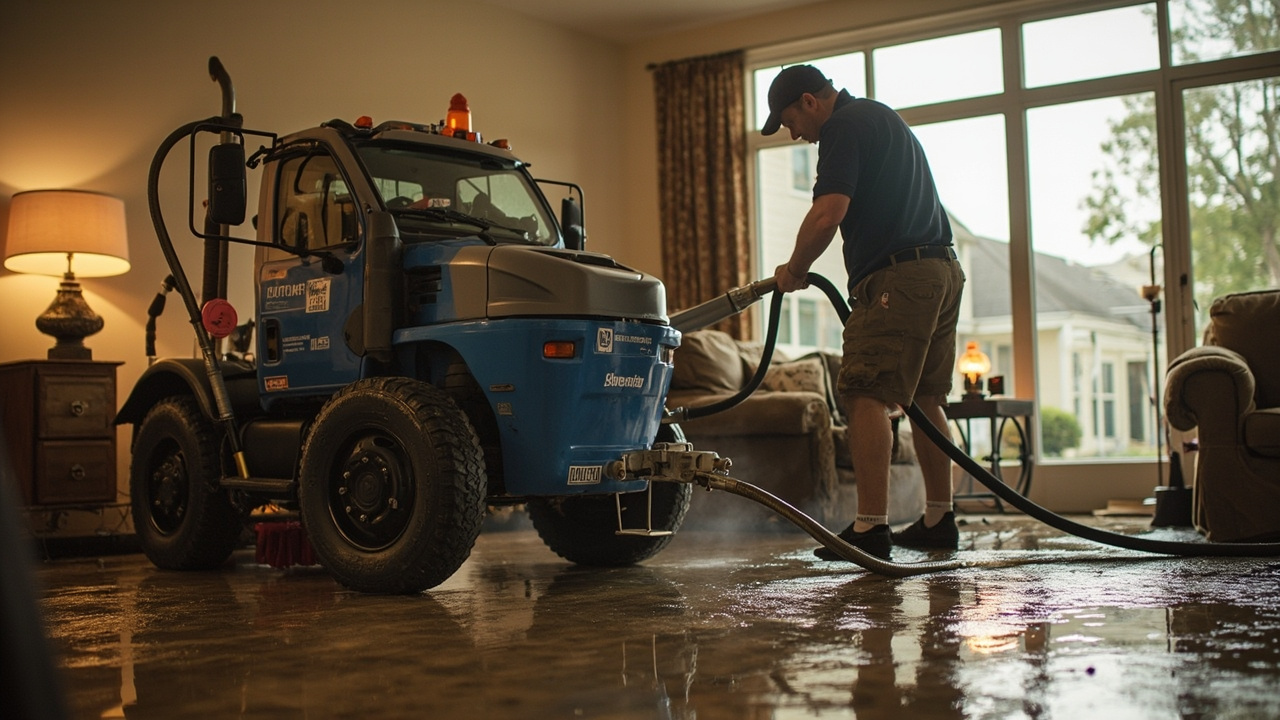
Standing water in your Gretna home requires an immediate response to prevent permanent structural issues…
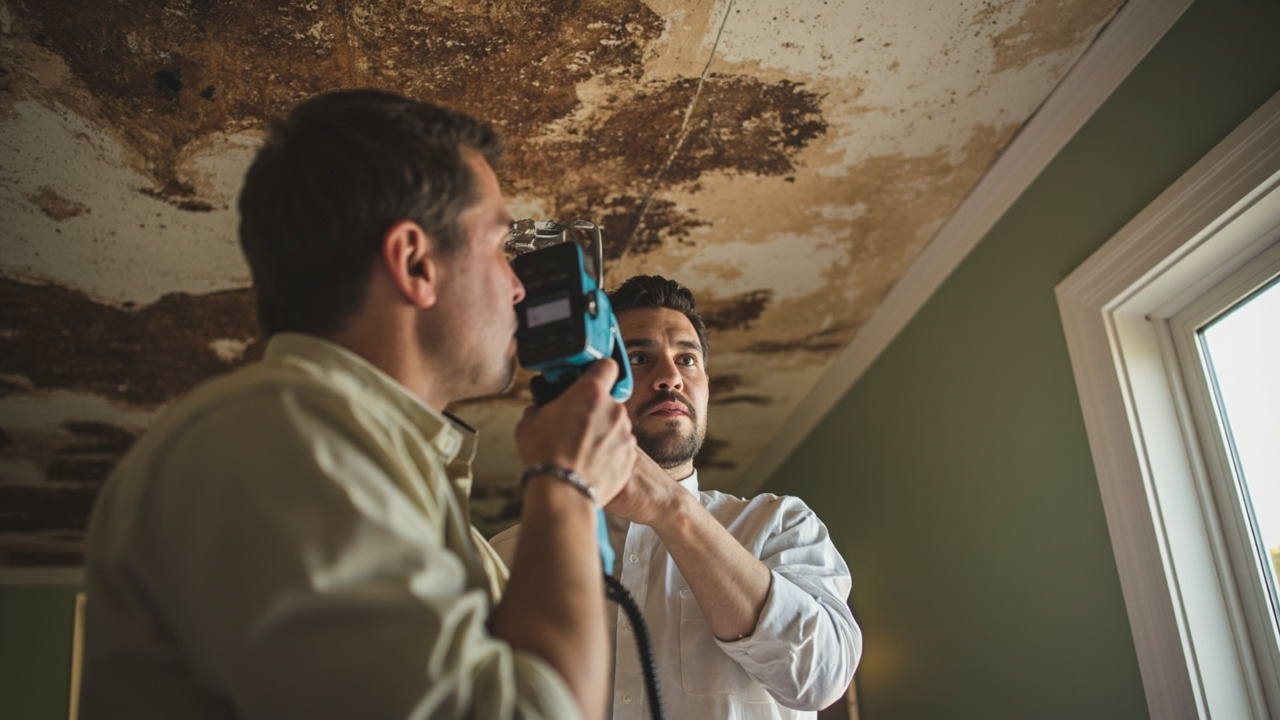
Dealing with Ceiling Water Damage Repair in Mid-City New OrleansA damp spot on your ceiling…
Living in a historic home in the Esplanade Ridge neighborhood offers a unique charm that…
Every hour of delay multiplies damage and increases restoration costs. Our crews are standing by 24/7 to stop water migration and protect your Estelle property. Call Grand Water Damage Restoration New Orleans at (504) 355-2332 for emergency dispatch within 60 minutes.