




Chalmette sits at an average elevation of just three feet above sea level in St. Bernard Parish, surrounded by the Mississippi River Gulf Outlet, Bayou Bienvenue, and the Intracoastal Waterway. This geography creates constant water intrusion risk. When Hurricane Katrina devastated the area in 2005, nearly every structure in Chalmette flooded. The rebuilt community now faces different threats from aging levee systems, intense thunderstorms dumping three inches of rain per hour, and the highest water table in Louisiana.
Your foundation sits in saturated soil year-round. Homes built on concrete slabs experience hydrostatic pressure pushing groundwater through microscopic cracks. Properties with crawl spaces battle standing water accumulation that breeds mold within 48 hours. Summer humidity averaging 76 percent prevents proper drying without commercial dehumidification equipment.
The Parish rebuilt after Katrina using elevated construction standards, but plumbing systems age and fail. Polybutylene pipes installed in 1980s homes now rupture without warning. Water heaters corrode faster in our humid climate. Washing machine supply lines burst. Air conditioning condensate drains clog and overflow into walls.
St. Bernard Parish requires specific flood mitigation measures, but water damage restoration falls outside standard building codes. You need a crew that understands both the structural requirements and the urgent response protocols necessary in our vulnerable location.
We rebuilt alongside Chalmette after Katrina. Our crews dried out hundreds of homes in St. Bernard Parish when the levees failed, and we stayed to help this community recover. That experience taught us exactly what works in your unique environment and what fails.
Other restoration companies treat Chalmette like any other service area. They follow generic protocols designed for different climates and building types. We know those protocols fail here. Your homes sit in saturated soil with constant moisture pressure. Your buildings use construction methods specific to South Louisiana. Your insurance claims require documentation that satisfies Louisiana Department of Insurance requirements, not generic federal standards.
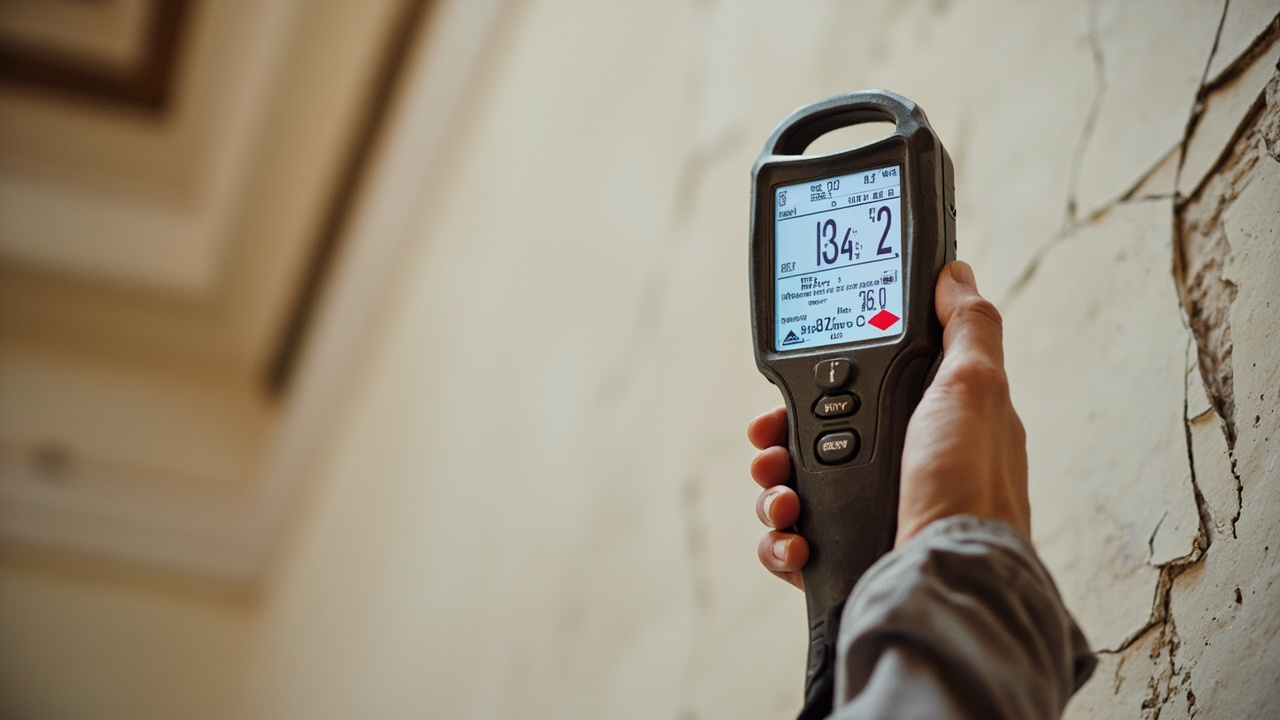
Our equipment inventory includes industrial-grade dehumidifiers rated for 95 percent humidity environments. We stock thermal imaging cameras that detect hidden moisture in walls and ceilings where standard moisture meters give false readings. Our crews train specifically on crawl space water extraction in high water table conditions, a skill set unnecessary in most markets but critical in Chalmette.
We maintain direct relationships with every major insurance carrier operating in St. Bernard Parish. When your adjuster requests documentation, we provide exactly what they need in the format they require. This eliminates claim denials and speeds payment, getting you back to normal faster.
Most restoration companies dispatch from New Orleans or further, arriving 90 minutes after your call. We stage equipment in St. Bernard Parish, cutting response time to 30 minutes or less for most Chalmette locations. When water enters your property, every minute of delay increases damage exponentially. Fast response saves your belongings and reduces total restoration costs.

We stage extraction equipment and drying tools in St. Bernard Parish, not across the river in Orleans. When you call, our crews arrive in 30 to 45 minutes, not two hours. This speed stops water migration into additional rooms, prevents subfloor saturation, and eliminates the conditions where mold colonies establish. Fast response directly reduces your total restoration cost.

We handle your claim from first call to final payment. Our documentation meets Louisiana Department of Insurance standards and satisfies every major carrier operating in St. Bernard Parish. You never pay out of pocket, then wait for reimbursement. We bill your insurance company directly, manage the adjuster relationship, and resolve disputes. Your only job is approving the work scope.
Chalmette's humidity creates mold growth within 48 hours of water intrusion. Our crews hold IICRC Applied Microbial Remediation certification, the industry standard for mold prevention protocols. We monitor moisture levels continuously during drying, treat affected surfaces with antimicrobial solutions, and verify complete dryness before closing walls. This prevents the secondary damage that doubles restoration costs.
We dried hundreds of Chalmette properties after the levees failed in 2005. This experience taught us how water behaves in your specific building types, how your soil conditions affect drying times, and which shortcuts fail in St. Bernard Parish. Other companies learned water restoration in textbooks. We learned it restoring your neighborhood when every building flooded.
Water enters your property from different sources and causes different damage patterns. A burst supply line floods rooms with clean water that requires extraction and drying. A sewage backup introduces contaminated water that demands biohazard protocols. Storm surge brings floodwater mixed with chemicals, sewage, and debris requiring specialized treatment.
Grand Water Damage Restoration New Orleans handles every category of water intrusion. We assess the contamination level, document the extent of damage, extract standing water, dry structural components, treat affected surfaces, and restore your property to pre-loss condition. Our service range covers emergency water removal, structural drying, content restoration, mold prevention, and complete reconstruction when necessary.
The scope of work depends on contamination category, affected materials, and exposure duration. Clean water from a supply line requires different treatment than gray water from an appliance discharge or black water from sewage backup. We follow IICRC S500 Water Damage Restoration standards, adjusting protocols to match your specific situation. Every project begins with moisture mapping to identify all affected areas, including hidden water trapped in wall cavities or under flooring.
When water floods your property, immediate extraction stops additional damage. Our truck-mounted pumps remove standing water at rates exceeding 200 gallons per minute. We extract water from carpets, padding, and subfloors before saturation reaches joists and studs. Portable extractors reach areas inaccessible to truck-mounted equipment, including crawl spaces and second floors. We remove saturated materials that cannot be saved, including drywall wicking water above four feet and insulation holding contaminated water.
Extracting standing water only removes visible moisture. Structural drying eliminates water absorbed into wood framing, concrete, and building materials. We position commercial air movers to maximize evaporation rates and place refrigerant or desiccant dehumidifiers rated for high humidity environments. Daily moisture readings track drying progress in walls, floors, and ceilings. Most structures require three to five days of continuous drying to reach acceptable moisture content levels below 15 percent. We monitor conditions 24/7 and adjust equipment placement as drying progresses.
Mold colonies establish within 48 hours in Chalmette's humid climate. Our crews apply EPA-registered antimicrobial treatments to all affected surfaces during the drying process. We remove materials with active mold growth, including drywall, insulation, and porous materials that cannot be adequately cleaned. HEPA filtration systems capture airborne spores during remediation. After drying completes, we verify moisture levels throughout the structure and treat surfaces with mold inhibitors that prevent future growth. This two-stage process eliminates existing contamination and prevents recurrence.
St. Bernard Parish properties face water intrusion threats year-round. The high water table creates hydrostatic pressure against foundations and slabs, forcing groundwater through cracks and joints. Summer thunderstorms overwhelm drainage systems designed for lower rainfall intensities. Aging plumbing systems fail without warning. These conditions combine to make water damage the most common property insurance claim in Chalmette.
Understanding the specific threats helps property owners recognize early warning signs and respond quickly when water intrusion occurs. Different water sources require different response protocols. Clean water from supply lines causes less damage than contaminated water from sewage backups, but both require immediate professional extraction and drying to prevent secondary damage.
The time between water intrusion and professional response directly determines total damage. Water migrates through building materials at predictable rates. Drywall wicks moisture vertically at roughly one inch per hour. Carpet padding saturates in minutes and transfers water to subfloors and tack strips. Wood framing begins swelling within hours, causing dimensional changes that crack finishes and misalign doors. Fast recognition and immediate response minimize these cascading effects.
Chalmette sits in a high-risk flood zone surrounded by water on three sides. Hurricane storm surge from the Gulf pushes water up the Mississippi River Gulf Outlet and into St. Bernard Parish. Wind-driven rain penetrates roof systems and window assemblies. After Katrina, building codes improved, but older homes remain vulnerable. Properties without flood insurance face catastrophic financial loss when storms hit.
Homes built in the 1970s and 1980s used polybutylene supply lines that deteriorate and burst without warning. Copper pipes corrode in our acidic soil conditions. Water heaters installed in attics flood ceilings and walls when tanks rupture. Washing machine supply hoses burst under constant pressure. Toilet supply lines loosen and leak. These failures dump clean water rapidly, flooding multiple rooms before discovery.
The water table in Chalmette sits just inches below ground level. Hydrostatic pressure forces groundwater through foundation cracks, cold joints, and utility penetrations. Slab foundations develop hairline cracks that seep water during heavy rain events. Crawl spaces accumulate standing water that evaporates into floor systems, creating ideal mold growth conditions. French drains and sump pumps reduce but do not eliminate this constant pressure.
Air conditioning systems remove humidity from indoor air, producing gallons of condensate water daily. Primary drain lines clog with algae growth, causing overflow into drain pans. When secondary drains also clog, water backs into air handlers and floods from ceiling vents. This problem intensifies during summer months when systems run continuously. The resulting damage affects ceilings, walls, and insulation in multiple rooms.
Water damage creates panic. You watch water spreading across floors, soaking into walls, and ruining belongings while wondering what to do first. When you call Grand Water Damage Restoration New Orleans, we take control immediately. Our intake specialist asks specific questions about water source, affected areas, and current conditions. This information determines equipment needs and crew size before dispatch.
You receive a confirmed arrival time within minutes of your initial call, usually 30 to 45 minutes for Chalmette locations. Our crew chief contacts you while en route, providing updates and answering questions. Upon arrival, we assess the situation, explain the necessary work, and begin water extraction immediately. No waiting for estimates or approval processes. We stop the damage first, then document everything for insurance purposes.
Throughout the restoration process, you receive daily updates on drying progress, moisture readings, and timeline adjustments. We explain what we're doing and why each step matters. When insurance adjusters visit, we walk them through the damage and justify every line item in our estimate. Our goal is complete transparency and zero surprises. You always know what's happening, what comes next, and when your property will return to normal.
Our crew arrives equipped with moisture meters, thermal imaging cameras, and extraction equipment. We locate all affected areas, including hidden water in wall cavities and under flooring. You receive a detailed explanation of the damage extent and required restoration scope. We photograph everything for insurance documentation, then begin extraction immediately. The assessment continues as we work, identifying additional damage as materials are removed and hidden areas exposed.
During the drying phase, our technicians visit daily to collect moisture readings, adjust equipment placement, and monitor progress. You receive text or call updates after each visit, including current moisture levels and estimated completion timeline. We explain what the numbers mean and how they relate to your specific building materials. If drying takes longer than expected, we explain why and adjust our approach. No surprises, no disappearing for days between visits.
When moisture levels reach acceptable ranges, we remove drying equipment and begin reconstruction. This includes replacing drywall, insulation, flooring, and trim materials removed during mitigation. We match existing finishes and textures. Before closing walls, we treat all surfaces with mold inhibitor and photograph the work for your records. Final walk-through confirms you are satisfied with completed work. Your insurance claim closes, and your property returns to pre-loss condition.
Every water damage project follows the same basic sequence regardless of source or severity. We extract standing water, dry structural components, and restore damaged materials. The timeline varies based on affected area size and material types, but the process remains consistent.
Our crew removes standing water using truck-mounted pumps and portable extractors. We pull saturated carpets, remove wet padding, and extract water from subfloors. Furniture moves to dry areas or climate-controlled storage. We remove baseboard trim to allow airflow behind walls and cut drywall horizontally above water lines to expose wall cavities. This aggressive approach prevents hidden moisture from causing secondary damage after visible water disappears.
Commercial air movers and dehumidifiers run continuously for three to seven days depending on building materials and moisture extent. We take daily moisture readings in floors, walls, and ceilings to track drying progress. Equipment repositions as readings change to focus drying power where moisture remains. Antimicrobial treatments apply to all affected surfaces during this phase. Drying completes when moisture content drops below 15 percent throughout all affected materials.
After drying verification, we rebuild removed materials. New drywall installs, matching existing textures. Insulation replaces at original R-values. Trim and baseboard reinstall. Flooring replaces to match existing materials as closely as possible. Paint matches using color-matching technology. The goal is making water damage invisible. When finished, your property looks exactly as it did before water intrusion occurred. No evidence of damage remains.
Water damage restoration follows scientific principles defined by the Institute of Inspection, Cleaning and Restoration Certification in their S500 Standard and Reference Guide for Professional Water Damage Restoration. These protocols establish the relationship between temperature, humidity, air movement, and evaporation rates. Effective drying requires controlling all four variables simultaneously.
In Chalmette's climate, outdoor humidity averages 76 percent year-round, reaching 90 percent during summer months. Standard residential dehumidifiers cannot overcome this ambient moisture load. Commercial refrigerant dehumidifiers remove up to 150 pints of water per day while maintaining indoor humidity below 50 percent. Desiccant dehumidifiers work even more aggressively, reducing humidity to 30 percent in sealed environments.
Air movement accelerates evaporation by replacing saturated air at wet surfaces with drier air. Axial air movers position at precise angles to maximize airflow across affected materials without causing spray patterns that spread contamination. The industry standard requires one air mover per 100 square feet of affected area, adjusted based on material porosity and saturation levels.
Temperature affects drying speed exponentially. Every 10-degree increase in temperature roughly doubles evaporation rate. We maintain indoor temperatures between 75 and 85 degrees during drying, using the building's HVAC system or supplemental heaters. However, excessive heat can damage materials or promote bacterial growth in contaminated water categories.
Water damage falls into three contamination categories defined by source and content. Category 1 clean water comes from supply lines and poses no immediate health risk. Category 2 gray water contains some contamination from appliances or fixtures. Category 3 black water comes from sewage or floodwater and contains harmful bacteria, requiring specialized treatment protocols and personal protective equipment.
Material porosity determines absorption rate and drying difficulty. Non-porous materials like metal and glass do not absorb water and dry quickly. Semi-porous materials like wood and concrete absorb limited water and require moderate drying time. Porous materials like drywall, insulation, and fabric absorb water readily and dry slowly. Heavily saturated porous materials often require removal because drying them completely becomes impractical.
Louisiana requires water damage restoration contractors to maintain general liability insurance and workers compensation coverage. Many insurance carriers prefer working with contractors holding IICRC certification, the industry's primary training credential. The certification program covers water damage restoration, applied structural drying, and applied microbial remediation through classroom instruction and examinations.
The S500 Standard defines acceptable moisture content levels for building materials and establishes protocols for achieving those levels. Wood framing must reach below 15 percent moisture content. Concrete slabs must read below 4 percent on calcium chloride tests. These standards prevent mold growth and structural damage from incomplete drying. We follow these protocols exactly, verifying final readings before equipment removal.
Water damage restoration costs depend on affected area size, water contamination category, exposure duration, and required reconstruction scope. Insurance typically covers sudden and accidental water damage from burst pipes or appliance failures but excludes gradual damage from slow leaks or maintenance issues. Flood damage requires separate flood insurance policies. Deductibles and policy limits significantly impact out-of-pocket costs for property owners.
Most water damage drying projects require three to seven days of continuous equipment operation. Factors affecting timeline include building material types, initial moisture levels, affected area size, and ambient humidity conditions. Concrete takes longer to dry than wood framing. Large areas require more equipment and longer run times. Chalmette's high humidity extends drying times compared to drier climates. Rushing the process leaves hidden moisture that causes future problems.
Louisiana law requires property owners to mitigate damage immediately after water intrusion. Failure to dry the property promptly can void insurance coverage for resulting mold damage or structural deterioration. Insurance carriers expect professional water damage restoration following industry standards. DIY drying attempts often fail to meet policy requirements, leaving property owners liable for secondary damage that develops from incomplete moisture removal.
Complete guide to water damage restoration services in Chalmette, Louisiana. This video explains the emergency water extraction process, structural drying protocols, mold prevention techniques, and insurance claim coordination. Grand Water Damage Restoration New Orleans demonstrates their three-phase restoration approach for residential and commercial properties in St. Bernard Parish. Topics include moisture detection, dehumidification equipment, antimicrobial treatment, and reconstruction services. Viewers learn what to expect during water damage emergencies and why Chalmette's geography creates unique restoration challenges requiring specialized equipment and local expertise.
Grand Water Damage Restoration New Orleans serves every neighborhood in Chalmette and throughout St. Bernard Parish. Our response area includes properties along East St. Bernard Highway from the Violet area through downtown Chalmette to Arabi. We serve residential and commercial properties in the Versailles neighborhood, rebuilt after Katrina with elevated construction standards. The Meraux area south of Chalmette receives the same rapid response times, with crews dispatching from our St. Bernard Parish staging location.
Properties near the St. Bernard Parish Government Complex and Courthouse on East St. Bernard Highway sit in our primary service zone. We respond quickly to water emergencies at homes along Paris Road, one of Chalmette's main commercial corridors. The residential areas north of Judge Perez Drive, including streets like Constellation Drive and Laroussini Street, receive priority dispatch during major storm events when multiple calls overwhelm our system.
Chalmette Refining sits at the north edge of our service area, near the Orleans Parish line. Industrial water damage requires specialized equipment and containment protocols different from residential work, but our crews train on both. The Docville area along the Mississippi River levee faces unique water damage threats from the combination of river proximity and low elevation, requiring aggressive moisture monitoring during restoration projects.
Properties closer to Bayou Road and the Violet Canal area experience different water intrusion patterns than homes in central Chalmette. The higher concentration of older homes means more cast iron plumbing failures and original wood framing that requires careful drying to prevent permanent warping. We adjust our protocols based on construction vintage and building materials, not just damage extent.
St. Bernard Parish extends beyond Chalmette to include Poydras, Delacroix, and Shell Beach along the coast. While these areas sit outside our sub-hour response zone, we serve them with slightly longer arrival times. The fishing communities along Highway 300 face constant moisture issues from their proximity to marsh and open water. Properties in these areas benefit from our experience with persistent humidity problems and saltwater contamination.
We maintain relationships with property managers throughout Chalmette's apartment complexes and rental properties. Multi-unit buildings require fast response when water damage affects multiple tenants. Our crews coordinate with building management to minimize resident displacement while completing thorough water damage remediation across affected units.
Water damage restoration costs in Chalmette typically range from a few hundred dollars for minor leaks to several thousand for major flooding. The price depends on the water category (clean, gray, or black), affected square footage, and structural damage. Homes near the Mississippi River or in low-lying areas often face additional costs due to extensive saturation. Extraction, drying, antimicrobial treatment, and reconstruction all factor into the final bill. Most homeowners insurance policies cover sudden damage like burst pipes, but gradual leaks are often excluded. Get a detailed estimate before work begins.
Water damage restoration is worth it when you consider the alternative. Untreated water damage in Chalmette's humid climate leads to mold growth within 24 to 48 hours, structural rot, and collapsing drywall. The cost of professional restoration is far less than rebuilding entire rooms or dealing with toxic mold remediation later. Restoration preserves your home's value and prevents health risks. If you have insurance coverage, the out-of-pocket expense is minimal. Ignoring water damage turns a manageable problem into a catastrophic one, especially in areas prone to flooding.
Water remediation stops the damage. It includes water extraction, drying, and antimicrobial treatment to prevent mold. Remediation returns your property to a safe, dry state. Water restoration goes further. It rebuilds what was damaged, replacing drywall, flooring, insulation, and baseboards. Think of remediation as emergency stabilization and restoration as the full repair. In Chalmette, many companies handle both phases. You need remediation first to halt deterioration, then restoration to make your home livable again. Both are critical after flooding or pipe bursts.
Water damage restoration costs in Chalmette typically range from a few hundred dollars for minor leaks to several thousand for major flooding. The price depends on the water category (clean, gray, or black), affected square footage, and structural damage. Homes near the Mississippi River or in low-lying areas often face additional costs due to extensive saturation. Extraction, drying, antimicrobial treatment, and reconstruction all factor into the final bill. Most homeowners insurance policies cover sudden damage like burst pipes, but gradual leaks are often excluded. Get a detailed estimate before work begins.
Water damage restoration is worth it when you consider the alternative. Untreated water damage in Chalmette's humid climate leads to mold growth within 24 to 48 hours, structural rot, and collapsing drywall. The cost of professional restoration is far less than rebuilding entire rooms or dealing with toxic mold remediation later. Restoration preserves your home's value and prevents health risks. If you have insurance coverage, the out-of-pocket expense is minimal. Ignoring water damage turns a manageable problem into a catastrophic one, especially in areas prone to flooding.
Water remediation stops the damage. It includes water extraction, drying, and antimicrobial treatment to prevent mold. Remediation returns your property to a safe, dry state. Water restoration goes further. It rebuilds what was damaged, replacing drywall, flooring, insulation, and baseboards. Think of remediation as emergency stabilization and restoration as the full repair. In Chalmette, many companies handle both phases. You need remediation first to halt deterioration, then restoration to make your home livable again. Both are critical after flooding or pipe bursts.
Water damage restoration includes inspection, water extraction, drying, dehumidification, cleaning, sanitizing, and reconstruction. Technicians use moisture meters and thermal imaging to find hidden water in walls and subfloors. Industrial fans and dehumidifiers dry the structure completely. Antimicrobial treatments prevent mold growth, which is critical in Chalmette's high humidity. After drying, damaged materials like drywall, insulation, and flooring are removed and replaced. The goal is to return your property to pre-loss condition. Comprehensive restoration addresses both visible and hidden damage to prevent long-term problems.
Insurance typically covers water restoration if the damage is sudden and accidental, like burst pipes, appliance malfunctions, or storm-related flooding. Gradual leaks, maintenance neglect, and groundwater seepage are usually excluded. In Chalmette, standard homeowners policies do not cover flood damage from the Mississippi River or heavy rain. You need separate flood insurance through FEMA for that. Document everything with photos, keep receipts, and notify your insurer immediately. A restoration company can help navigate the claims process and work directly with your adjuster to maximize coverage.
Response times for any water damage company, including national franchises, depend on availability and workload. During peak storm seasons or after widespread flooding in Chalmette, wait times can stretch to several days. Emergency extraction often happens within hours, but full drying and reconstruction take one to two weeks. The key is calling immediately. The longer water sits, the worse the damage becomes. Look for local companies with 24/7 availability and fast dispatch times. Speed matters more than brand name when you are dealing with active water intrusion.
The average water damage claim in the U.S. ranges from $7,000 to $12,000, but Chalmette claims can vary widely. Minor leaks may cost $2,000 to $4,000, while severe flooding or sewage backups can exceed $20,000. The claim amount depends on water category, affected area, and structural damage. Homes in flood-prone zones near the river or bayous often file higher claims. Flood insurance claims are separate and processed through FEMA. Always document damage thoroughly and hire a professional to provide a detailed estimate for your insurance adjuster.
Mold begins growing within 24 to 48 hours after water exposure in Chalmette's warm, humid climate. Porous materials like drywall, insulation, and carpet are especially vulnerable. Within a week, mold colonies spread and release spores that pose health risks. Quick action is critical. Start extraction and drying immediately to prevent mold from taking hold. If you see discoloration, smell musty odors, or notice peeling paint, mold is likely present. Professional drying equipment removes moisture faster than fans alone, reducing mold risk significantly.
Call a water restoration company immediately when you discover standing water, soaked carpets, or active leaks you cannot stop. Do not wait. Every hour delays mold growth and structural damage. If a pipe bursts, a roof leaks during a storm, or flooding enters your home, professionals have the equipment to extract water and dry your property fast. Also call if you smell mold, see water stains spreading, or notice warped floors. In Chalmette, high humidity accelerates damage, so speed is everything. Do not attempt major cleanup alone.
Plumbers fix the source of water damage, like broken pipes or faulty water heaters, but they do not perform full restoration. After a plumber stops the leak, you still need extraction, drying, mold prevention, and reconstruction. Water restoration companies handle the entire process from emergency response to rebuilding. Some plumbing companies partner with restoration specialists or offer limited cleanup, but comprehensive drying and reconstruction require specialized equipment and training. In Chalmette, hire a plumber to fix the problem, then hire a restoration company to repair the damage.
Water damage restoration includes inspection, water extraction, drying, dehumidification, cleaning, sanitizing, and reconstruction. Technicians use moisture meters and thermal imaging to find hidden water in walls and subfloors. Industrial fans and dehumidifiers dry the structure completely. Antimicrobial treatments prevent mold growth, which is critical in Chalmette's high humidity. After drying, damaged materials like drywall, insulation, and flooring are removed and replaced. The goal is to return your property to pre-loss condition. Comprehensive restoration addresses both visible and hidden damage to prevent long-term problems.
Insurance typically covers water restoration if the damage is sudden and accidental, like burst pipes, appliance malfunctions, or storm-related flooding. Gradual leaks, maintenance neglect, and groundwater seepage are usually excluded. In Chalmette, standard homeowners policies do not cover flood damage from the Mississippi River or heavy rain. You need separate flood insurance through FEMA for that. Document everything with photos, keep receipts, and notify your insurer immediately. A restoration company can help navigate the claims process and work directly with your adjuster to maximize coverage.
Response times for any water damage company, including national franchises, depend on availability and workload. During peak storm seasons or after widespread flooding in Chalmette, wait times can stretch to several days. Emergency extraction often happens within hours, but full drying and reconstruction take one to two weeks. The key is calling immediately. The longer water sits, the worse the damage becomes. Look for local companies with 24/7 availability and fast dispatch times. Speed matters more than brand name when you are dealing with active water intrusion.
The average water damage claim in the U.S. ranges from $7,000 to $12,000, but Chalmette claims can vary widely. Minor leaks may cost $2,000 to $4,000, while severe flooding or sewage backups can exceed $20,000. The claim amount depends on water category, affected area, and structural damage. Homes in flood-prone zones near the river or bayous often file higher claims. Flood insurance claims are separate and processed through FEMA. Always document damage thoroughly and hire a professional to provide a detailed estimate for your insurance adjuster.
Mold begins growing within 24 to 48 hours after water exposure in Chalmette's warm, humid climate. Porous materials like drywall, insulation, and carpet are especially vulnerable. Within a week, mold colonies spread and release spores that pose health risks. Quick action is critical. Start extraction and drying immediately to prevent mold from taking hold. If you see discoloration, smell musty odors, or notice peeling paint, mold is likely present. Professional drying equipment removes moisture faster than fans alone, reducing mold risk significantly.
Call a water restoration company immediately when you discover standing water, soaked carpets, or active leaks you cannot stop. Do not wait. Every hour delays mold growth and structural damage. If a pipe bursts, a roof leaks during a storm, or flooding enters your home, professionals have the equipment to extract water and dry your property fast. Also call if you smell mold, see water stains spreading, or notice warped floors. In Chalmette, high humidity accelerates damage, so speed is everything. Do not attempt major cleanup alone.
Plumbers fix the source of water damage, like broken pipes or faulty water heaters, but they do not perform full restoration. After a plumber stops the leak, you still need extraction, drying, mold prevention, and reconstruction. Water restoration companies handle the entire process from emergency response to rebuilding. Some plumbing companies partner with restoration specialists or offer limited cleanup, but comprehensive drying and reconstruction require specialized equipment and training. In Chalmette, hire a plumber to fix the problem, then hire a restoration company to repair the damage.
While Grand serves the wider region with our expert water damage restoration services, we invite you to view our central operational location on the map. This helps you visualize our base of operations and understand our commitment to providing swift, efficient service across our service areas. Our team is strategically positioned to ensure rapid deployment when you need us most, so don't hesitate to contact us regardless of your specific location within our service radius.
Address:
Chalmette, LA, 70043
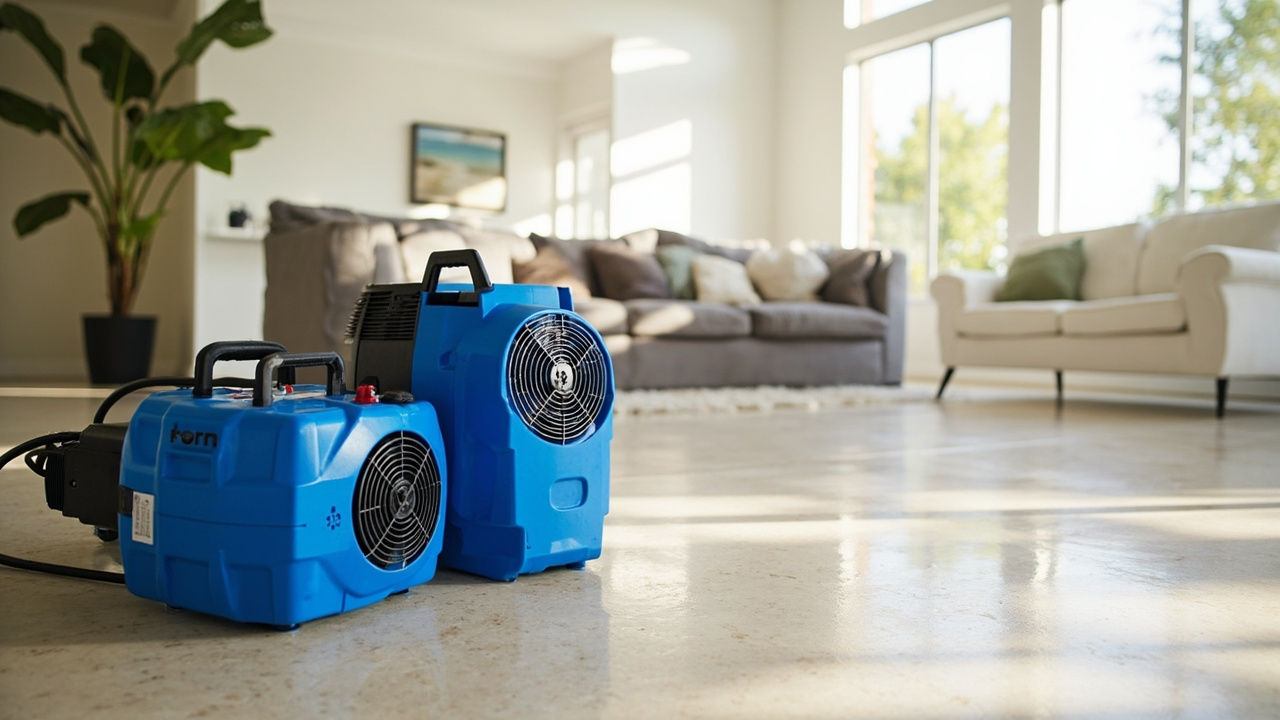
Emergency Burst Pipe Repair in Kenner Louisiana A burst pipe in your Kenner home creates an immediate crisis that requires more than just a mop and a bucket. When a main line fails near the…
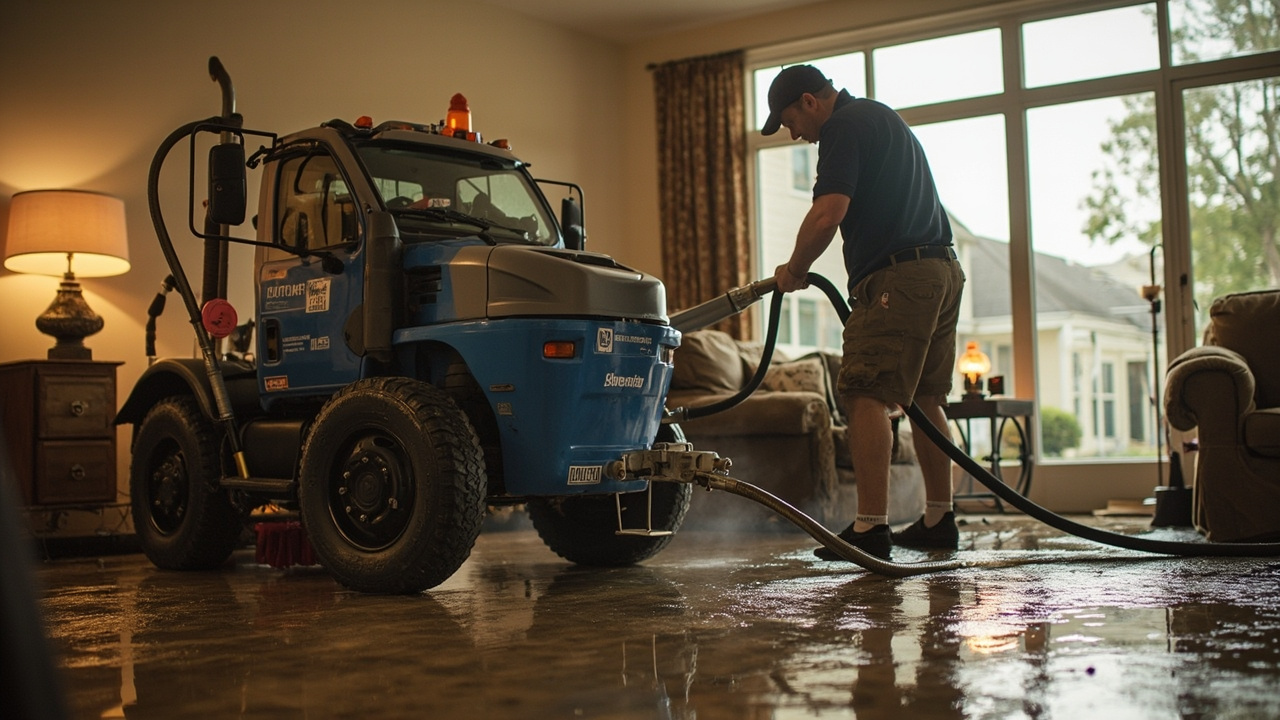
Standing water in your Gretna home requires an immediate response to prevent permanent structural issues…
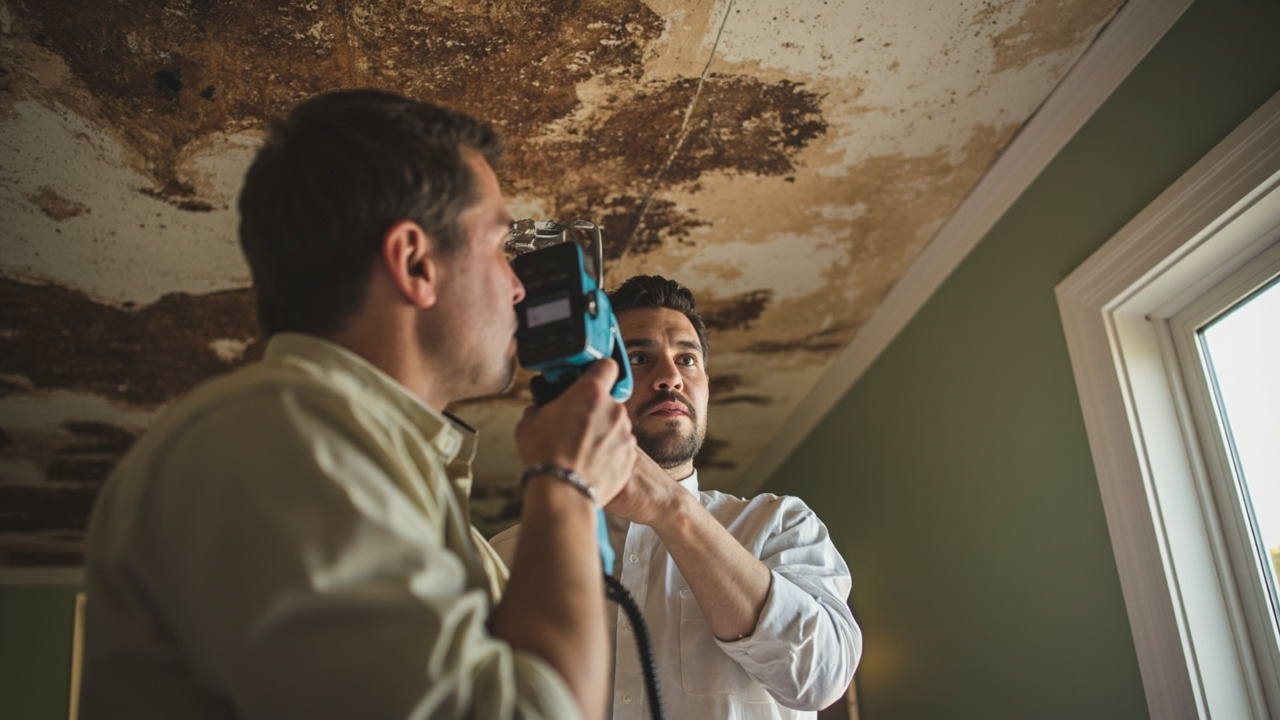
Dealing with Ceiling Water Damage Repair in Mid-City New OrleansA damp spot on your ceiling…
Living in a historic home in the Esplanade Ridge neighborhood offers a unique charm that…
Water damage spreads while you wait. Every minute increases total restoration cost and risk of permanent damage. Call Grand Water Damage Restoration New Orleans now at (504) 355-2332. Our crews dispatch immediately to Chalmette properties, arriving in 30 to 45 minutes. We handle everything from extraction to insurance claims to final reconstruction.