



menu

Emergency Mold Containment in New Orleans – 24/7 Dispatch Stops Spread in Under 60 Minutes

When mold threatens your property, immediate containment prevents respiratory exposure and structural damage. Our rapid response team deploys urgent mold isolation barriers and negative air pressure systems to protect your family and stop contamination before it spreads.

Slider Image 1
Slider Image 2
Slider Image 3
Slider Image 4
Slider Image 5
Slider Image 7
Slider Image 8
Slider Image 9
Slider Image 10
Slider Image 11

Why New Orleans Mold Emergencies Require Immediate Containment

You smell it before you see it. That earthy, musty odor signals active mold growth, and in New Orleans, our subtropical humidity creates the perfect breeding ground. When temperatures hover above 70 degrees and relative humidity exceeds 60 percent for days at a time, mold colonies can double in size every 24 to 48 hours.

The risk accelerates after water intrusion. A burst pipe in the French Quarter, roof damage in Lakeview after a summer storm, or flooding in Mid-City creates conditions where mold spores colonize within 48 hours. Once airborne, these spores travel through HVAC systems, contaminating rooms you have not even entered yet.

This is not a cosmetic problem. Active mold releases mycotoxins that trigger respiratory distress, aggravate asthma, and cause chronic sinus infections. Children and elderly residents face elevated risk. Property damage compounds as mold digests organic materials like drywall paper, wood framing, and insulation. What starts as a small patch behind your water heater can compromise structural integrity if left unchecked.

Emergency mold abatement requires immediate action. The moment you identify visible growth or smell that distinctive odor, the clock starts. Urgent mold isolation prevents cross-contamination. Immediate mold mitigation stops the spread. Waiting until Monday morning or after the holiday weekend allows the colony to expand geometrically, turning a contained problem into a whole-structure remediation that costs exponentially more.

New Orleans homes built on clay soil experience foundation shifts that crack slabs and stress plumbing connections. These hidden leaks feed mold growth in wall cavities and crawl spaces where you cannot see it until the damage is severe.

Why New Orleans Mold Emergencies Require Immediate Containment
How Professional Containment Stops Mold Spread

How Professional Containment Stops Mold Spread

Effective containment is not about spraying bleach on visible mold. That approach spreads spores and leaves the root system intact. Professional emergency mold containment follows a systematic protocol designed to isolate the affected zone, establish negative air pressure, and prevent cross-contamination during remediation.

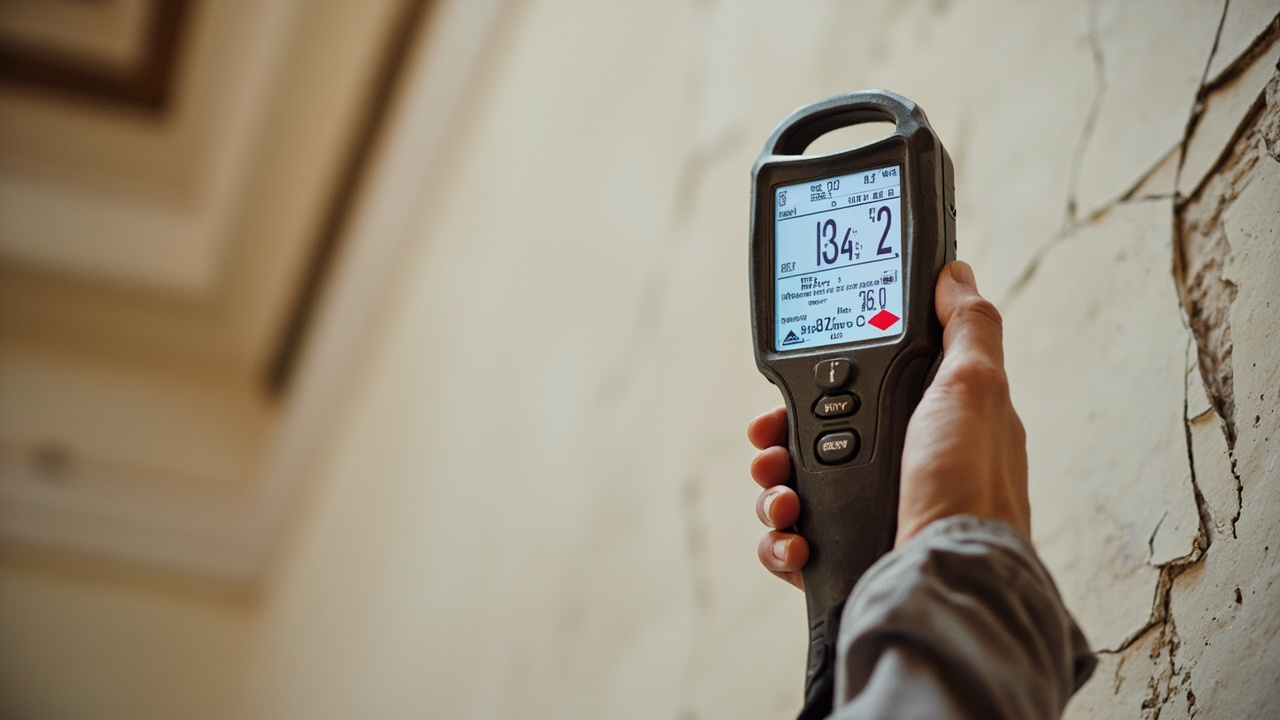
We begin with moisture mapping using thermal imaging cameras and pin-type moisture meters. Mold does not grow without a water source, so we identify the leak or humidity problem feeding the colony. In New Orleans, this often means tracing roof penetrations where flashing has failed, finding condensation on uninsulated ductwork in attics, or locating slab leaks hidden beneath tile floors.

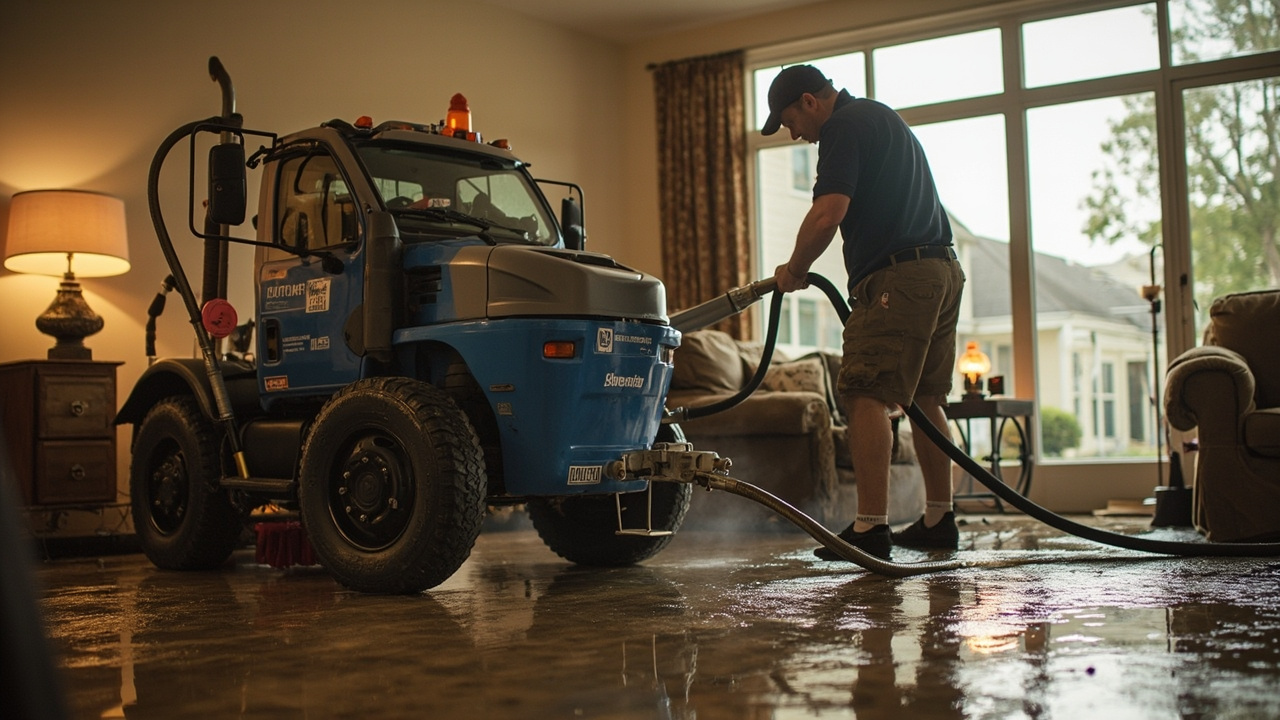
Once we map the contaminated area, we establish physical barriers using 6-mil polyethylene sheeting sealed with contractor-grade tape. These barriers create a contained work zone that prevents spore migration into clean areas. We install HEPA-filtered negative air machines that exhaust contaminated air outside while maintaining lower pressure inside the containment zone. This pressure differential ensures airflow moves from clean to dirty, never the reverse.

Air scrubbers with activated carbon filters remove airborne spores and volatile organic compounds released during remediation. We monitor pressure differentials with manometers to verify containment integrity throughout the process.

Rapid mold containment services include source elimination. We remove water-damaged materials like soaked insulation, mold-infested drywall, and contaminated carpeting. These materials cannot be salvaged. Attempting to dry moldy drywall simply bakes the spores into the surface, where they remain dormant until the next humidity spike reactivates growth.

Grand Water Damage Restoration New Orleans uses antimicrobial treatments on structural elements like studs and joists after removing contaminated materials. We verify remediation success with post-clearance air sampling before reconstructing affected areas.

What Happens During Emergency Mold Response

Emergency Mold Containment in New Orleans – 24/7 Dispatch Stops Spread in Under 60 Minutes
01

Immediate Site Assessment

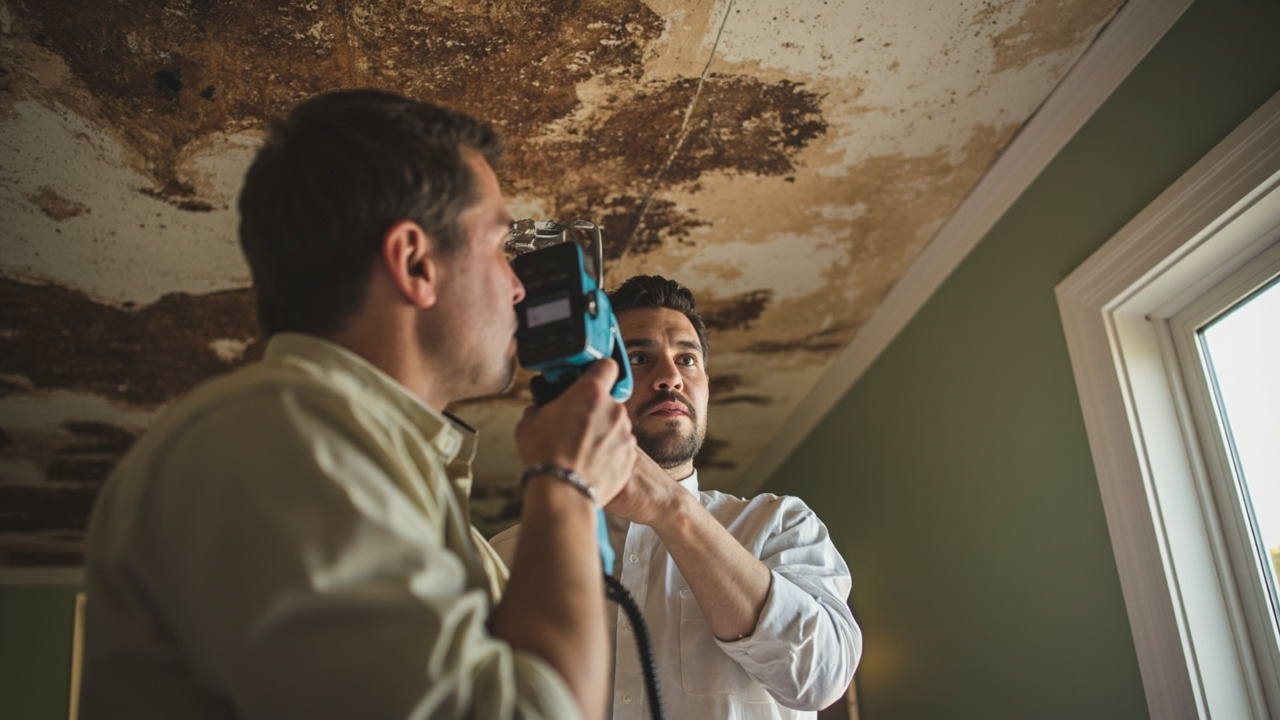
Our crew arrives with moisture detection equipment and PPE. We identify the contamination boundaries, locate the moisture source, and document conditions with thermal imaging. You receive a verbal briefing on the scope of contamination and the containment strategy. We answer questions about occupant safety, displacement needs, and timeline. This assessment takes 20 to 30 minutes and determines whether you need to relocate during remediation.
02

Containment Barrier Installation

We seal off the contaminated zone with polyethylene barriers, establishing negative air pressure using HEPA-filtered air movers. All HVAC registers in the work zone are sealed to prevent spore distribution through ductwork. We create a decontamination chamber at the entry point where technicians remove protective gear before exiting. This prevents tracking spores into clean areas. Containment setup typically takes 60 to 90 minutes depending on the affected square footage.
03

Contaminated Material Removal

Technicians wearing respirators remove mold-infested materials, bagging debris in 6-mil polyethylene before transport. We HEPA-vacuum all surfaces and apply antimicrobial treatments to remaining structural elements. Air scrubbers run continuously during this phase. Once remediation is complete, we conduct post-clearance testing to verify spore counts return to normal levels before removing containment barriers. Most emergency containment projects complete within 48 to 72 hours.

Why New Orleans Properties Need Local Mold Expertise

Mold remediation is not a DIY project, and national franchises often lack the local knowledge required for New Orleans conditions. Our crews understand how the city's unique architecture and climate affect mold growth patterns.

Homes in the Garden District feature crawl spaces with inadequate ventilation, creating humidity pockets that sustain mold growth year-round. Shotgun houses in Bywater have limited airflow and aging plumbing that leaks behind walls. Post-Katrina renovations in Gentilly sometimes trapped moisture behind new finishes, where it feeds hidden mold colonies.

We work with local building codes and understand permit requirements for structural repairs following remediation. When remediation exposes framing damage or requires electrical work, we coordinate with licensed contractors familiar with New Orleans building standards. This matters because code enforcement in Orleans Parish has specific requirements for vapor barriers, insulation R-values, and moisture management in below-grade spaces.

Insurance claims require documentation. We photograph every stage of remediation, maintain detailed moisture logs, and provide reports that satisfy adjuster requirements. Many national companies use generic templates that do not address Louisiana-specific policy language, leading to claim denials or payment delays.

Our response time matters during emergencies. We maintain equipment stockpiles in New Orleans, so we do not wait for corporate logistics to ship containment materials from another state. When you call at 2 AM because you discovered mold growth after a pipe burst, we dispatch immediately with everything needed to establish containment before sunrise.

Grand Water Damage Restoration New Orleans has relationships with local environmental testing labs that provide same-day spore analysis. Faster lab turnaround means faster clearance and faster return to occupancy. We also understand local humidity norms, so we calibrate post-remediation humidity control to New Orleans conditions, not generic standards that fail in our climate.

What to Expect During Emergency Mold Containment

Response Time and Availability

We maintain 24/7 emergency dispatch because mold does not wait for business hours. When you call our emergency line, you reach a live person who can deploy a crew immediately, not an answering service that takes messages. Most New Orleans properties receive on-site assessment within 60 minutes of your call. We understand that mold emergencies create anxiety and health risks, so we prioritize rapid deployment. Our crews work nights, weekends, and holidays because delaying containment by even 12 hours allows exponential spore proliferation. You receive a preliminary scope and containment plan during the initial visit, so you know exactly what happens next.

Initial Evaluation and Moisture Mapping

Every emergency response begins with moisture detection. We use thermal imaging cameras that reveal temperature differentials indicating hidden moisture behind walls, above ceilings, and beneath flooring. Pin-type and non-invasive moisture meters quantify water content in building materials, helping us map the full extent of contamination. You see the thermal images on-site, so you understand why certain areas require containment even if visible mold is not apparent. We document relative humidity levels and identify the moisture source, whether it is a plumbing leak, roof intrusion, or condensation problem. This diagnostic phase takes 20 to 45 minutes and determines the remediation strategy.

Containment Quality and Air Safety

Professional containment protects your family and preserves unaffected areas of your property. We establish engineered barriers using 6-mil polyethylene sealed at every seam, creating airtight isolation of the work zone. HEPA-filtered negative air machines exhaust contaminated air outside while maintaining lower pressure inside containment, verified with calibrated manometers. You breathe clean air in occupied spaces because our containment prevents spore migration. We place air scrubbers in adjoining rooms as an additional safety measure. Post-remediation, we conduct clearance testing using independent environmental labs. You receive documentation showing spore counts return to normal background levels before we remove barriers and release the space for reconstruction.

Post-Remediation Monitoring and Prevention

Emergency mold containment solves the immediate crisis, but preventing recurrence requires addressing the underlying moisture problem. We provide humidity monitoring recommendations specific to New Orleans conditions, including dehumidifier sizing for your square footage and climate zone. You receive a written report identifying the moisture source and corrective actions needed, whether that means repairing roof flashing, rerouting condensate drains, or improving crawl space ventilation. We offer follow-up moisture checks 30 days after remediation to verify conditions remain stable. If reconstruction is needed, we coordinate with contractors to ensure proper moisture barriers, insulation, and vapor retarders are installed according to Louisiana building codes, preventing future mold growth in remediated areas.

Frequently Asked Questions

You Have Questions,
We Have Answers

What is the proper containment for mold? +

Proper mold containment uses 6-mil polyethylene sheeting to seal off the affected area from uncontaminated spaces. This creates a physical barrier to prevent airborne spore migration. Negative air pressure machines with HEPA filtration pull air from the containment zone and exhaust it outside, ensuring spores do not escape. Air scrubbers filter particulates continuously. In New Orleans' high humidity climate, containment must be watertight and account for moisture intrusion from adjacent areas. All HVAC vents are sealed. Entry and exit points use zipper doors or airlock chambers. Professional containment protects your family and stops cross-contamination throughout your home.

What plant removes 78% of airborne mold? +

English ivy removes approximately 78% of airborne mold spores in controlled studies. This houseplant absorbs mold particles through its leaves and breaks them down. However, plants are not a solution for active mold infestations in New Orleans homes. High indoor humidity, common in our subtropical climate, can make plants ineffective or even worsen mold growth if overwatered. If you see visible mold or smell musty odors, you need professional containment and removal. English ivy may complement prevention efforts after remediation, but it cannot replace proper moisture control, dehumidification, and professional treatment.

Does FEMA pay for mold remediation? +

FEMA does not typically pay for mold remediation directly. FEMA disaster assistance covers immediate repairs from qualifying events like hurricanes or floods, but mold is considered a secondary issue caused by delayed mitigation. In New Orleans, where hurricane damage is frequent, FEMA may cover structural repairs that prevent future mold growth. Your homeowners insurance is the primary coverage source for mold remediation if it results from a covered peril like burst pipes. After storms, act fast. Mold begins growing within 24 to 48 hours in our humid climate. Document everything and contact your insurance provider immediately.

Is mold an OSHA violation? +

Mold can be an OSHA violation in workplace settings if exposure exceeds safe levels. OSHA does not have a specific mold standard, but it enforces general duty clauses requiring employers to provide safe working conditions. If employees report respiratory issues, skin irritation, or other mold-related symptoms, employers must investigate and remediate. In New Orleans commercial properties, post-hurricane or water damage mold exposure is a common concern. Businesses must address visible mold, conduct air quality testing, and provide PPE for workers in affected areas. Failure to act can result in citations, fines, and liability for worker health claims.

What kills mold spores instantly? +

No substance kills mold spores instantly in real-world applications. Bleach, hydrogen peroxide, and antimicrobial agents can kill surface mold quickly, but spores often survive in porous materials like drywall and wood. In New Orleans' humid environment, mold penetrates deep into building materials. Surface treatment is not enough. Professional remediation removes contaminated materials, treats surfaces with EPA-registered fungicides, and controls moisture to prevent regrowth. HEPA vacuuming captures airborne spores during removal. Speed matters. Contact a professional immediately to contain the spread. Quick action prevents structural damage and protects indoor air quality in your home.

What are the first signs of mold sickness? +

First signs of mold sickness include persistent coughing, sneezing, nasal congestion, and itchy or watery eyes. You may experience headaches, fatigue, or difficulty concentrating. Skin rashes and throat irritation are common. In New Orleans, where mold thrives year-round due to high humidity, symptoms often mimic seasonal allergies. If symptoms worsen indoors or improve when you leave your home, mold exposure is likely. Children, elderly residents, and those with asthma or compromised immune systems face higher risks. If you notice these symptoms alongside musty odors or visible mold, evacuate the area and call a professional immediately.

What pulls mold out of the air? +

HEPA air purifiers and negative air machines pull mold spores from the air. HEPA filters capture 99.97% of particles as small as 0.3 microns, including mold spores. Negative air machines create controlled airflow, exhausting contaminated air outside during remediation. Whole-home dehumidifiers reduce moisture, making the environment less hospitable for mold. In New Orleans, where indoor humidity often exceeds 60%, dehumidification is critical. Air scrubbers with HEPA filtration run continuously during containment to clean circulating air. These tools supplement professional mold removal but cannot replace source elimination. You must remove contaminated materials and fix moisture problems to stop mold permanently.

Is it true that English ivy absorbs mold? +

Yes, English ivy absorbs airborne mold spores and can reduce indoor mold levels in controlled environments. Research shows it captures mold particles on its leaves and breaks them down. However, this plant is not a remediation solution for New Orleans homes with active mold growth. Our humid subtropical climate creates conditions where houseplants can contribute to moisture problems if overwatered. English ivy works as a supplemental air-cleaning tool after professional mold removal and moisture control. If you have visible mold, musty odors, or water damage, you need containment and professional treatment. Plants cannot replace proper ventilation and dehumidification.

What plant does NASA use to clean air? +

NASA research identified several air-cleaning plants, including peace lilies, spider plants, and Boston ferns. These plants remove toxins like formaldehyde and benzene through their leaves and root systems. Some also absorb mold spores. However, NASA studied plants in sealed chambers, not real homes. In New Orleans' high humidity environment, houseplants require careful watering to avoid creating additional moisture problems that fuel mold growth. Plants complement good ventilation and dehumidification but cannot replace professional mold remediation. If you have an active mold problem, prioritize containment and removal first. Use plants afterward to support cleaner indoor air.

What to do if I can't afford mold removal? +

If you cannot afford professional mold removal, prioritize safety first. Evacuate vulnerable family members, especially children and those with respiratory conditions. Contact your homeowners insurance immediately. Many policies cover mold if it results from a covered event like burst pipes. In New Orleans, some community assistance programs offer help after disasters. Wear an N95 respirator, gloves, and eye protection if you attempt small-area cleanup yourself. Use fans and dehumidifiers to dry the area. Remove porous materials like drywall. However, DIY efforts risk incomplete removal and health exposure. Payment plans and insurance coordination make professional containment accessible. Call for a free assessment.

How New Orleans Humidity and Flooding History Make Emergency Mold Containment Critical

New Orleans averages 62 inches of rain annually, with humidity levels above 75 percent most of the year. This creates year-round mold risk that intensifies after tropical storms and summer thunderstorms dump several inches in hours. Properties in low-lying areas near Lake Pontchartrain, along the Industrial Canal, and in neighborhoods below sea level experience periodic flooding that saturates building materials. Even minor roof leaks or plumbing failures create conditions where mold colonizes within 48 hours. The city's aging housing stock, much of it built before modern moisture management codes, lacks adequate vapor barriers and ventilation. Immediate mold mitigation after water intrusion is not optional in this climate. It is the only way to prevent systemic contamination that requires whole-structure remediation.

Grand Water Damage Restoration New Orleans understands the city's unique mold challenges because we have worked in every neighborhood from Algiers to New Orleans East. We know which building types are most vulnerable, which insurance carriers operate in the region, and which environmental labs provide reliable testing. Our crews train specifically on Louisiana mold remediation standards and maintain certifications required by state regulators. When you choose local expertise for 24/7 mold damage containment, you get technicians who understand how New Orleans properties respond to moisture intrusion. We have contained mold in historic homes with pier-and-beam foundations, modern slab-on-grade construction in Lakeview, and commercial buildings in the Central Business District. That experience means faster, more effective containment tailored to your specific property type and the unique conditions that make New Orleans one of the most mold-prone cities in America.
Water Damage Restoration Services in The New Orleans Area

While Grand serves the wider region with our expert water damage restoration services, we invite you to view our central operational location on the map. This helps you visualize our base of operations and understand our commitment to providing swift, efficient service across our service areas. Our team is strategically positioned to ensure rapid deployment when you need us most, so don't hesitate to contact us regardless of your specific location within our service radius.

Address:
Grand Water Damage Restoration New Orleans, 201 St Charles Ave, New Orleans, LA, 70170

Additional Services We Offer

Our news updates

Latest Articles & News from The Blogs

Living in a historic home in the Esplanade Ridge neighborhood offers a unique charm that modern builds cannot replicate. Those…

Removing that stubborn musty smell from historic plaster walls in Esplanade Ridge

Living in a historic home in the Esplanade Ridge neighborhood offers a unique charm that modern builds cannot replicate. Those…

Why your Westbank home might have a hidden shower pan leak and the best next steps

Westbank homeowners in Gretna and Marrero face specific plumbing challenges due to the local environment. High humidity levels and shifting…

Why ignoring a slow water heater leak in Carrollton destroys your home

A tiny puddle under your water heater in the 70118 zip code might look like a minor inconvenience. In the…

Contact Us

Mold spreads every hour you wait. Call (504) 355-2332 now for emergency dispatch. Our crews arrive within 60 minutes with containment equipment and moisture detection tools. We establish isolation barriers, protect your family, and stop contamination before it spreads. Do not wait until morning. Call now.