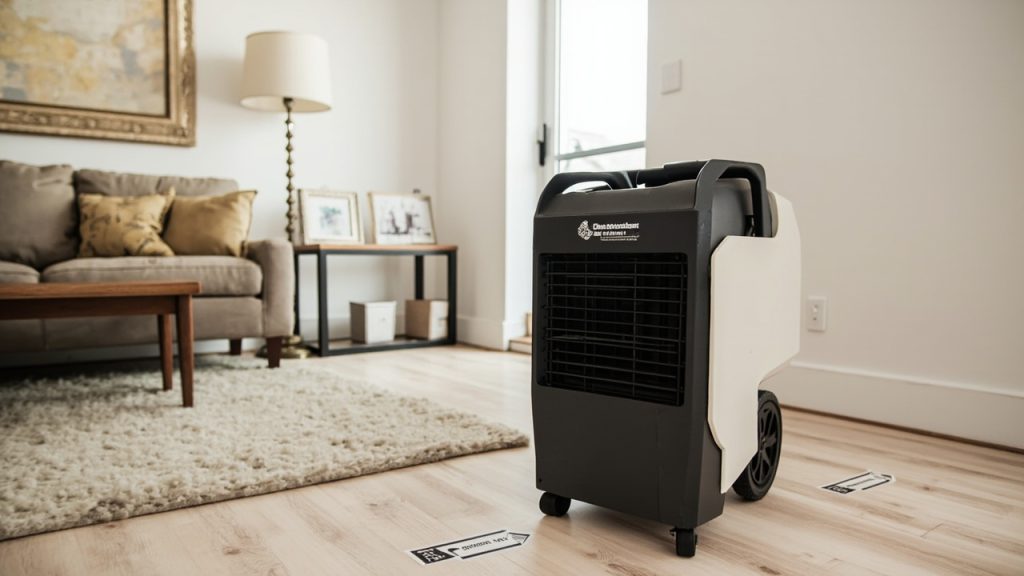
A flood in Pontchartrain Park presents a unique set of challenges that most homeowners in other parts of the country never have to face. When water enters a home near the Southern University at New Orleans campus or the historic golf course area, the clock starts ticking immediately. Many residents head straight to a local big box store in Gentilly to buy the largest dehumidifier they can find. While this shows a great deal of initiative, those portable residential units are simply not built to handle the massive moisture loads left behind after a New Orleans flood event. Living in a slab on grade home in a neighborhood surrounded by the high water table of the lakefront means that moisture is not just in the air, but deep inside your structural materials. Standard retail units are designed to keep a damp closet dry, but they cannot perform the deep structural drying required to save your home from permanent rot and microbial growth.
The humidity in New Orleans regularly stays above 90 percent during the summer and fall. This environmental factor makes it nearly impossible for small, consumer grade machines to make a dent in the drying process. When a house is flooded, every porous material including drywall, baseboards, and the wooden framing behind your walls acts like a sponge. This is where professional knowledge of psychrometrics becomes essential. Psychrometrics is the study of the thermodynamic properties of moist air. For a restoration professional in 2026, understanding how to manipulate these properties is the only way to ensure a home is truly dry. If you are dealing with a situation involving contaminated water, you should look into emergency sewage cleanup in Metairie to understand the risks of category three water before attempting to dry it yourself.
The Technical Difference in Water Removal Capacity
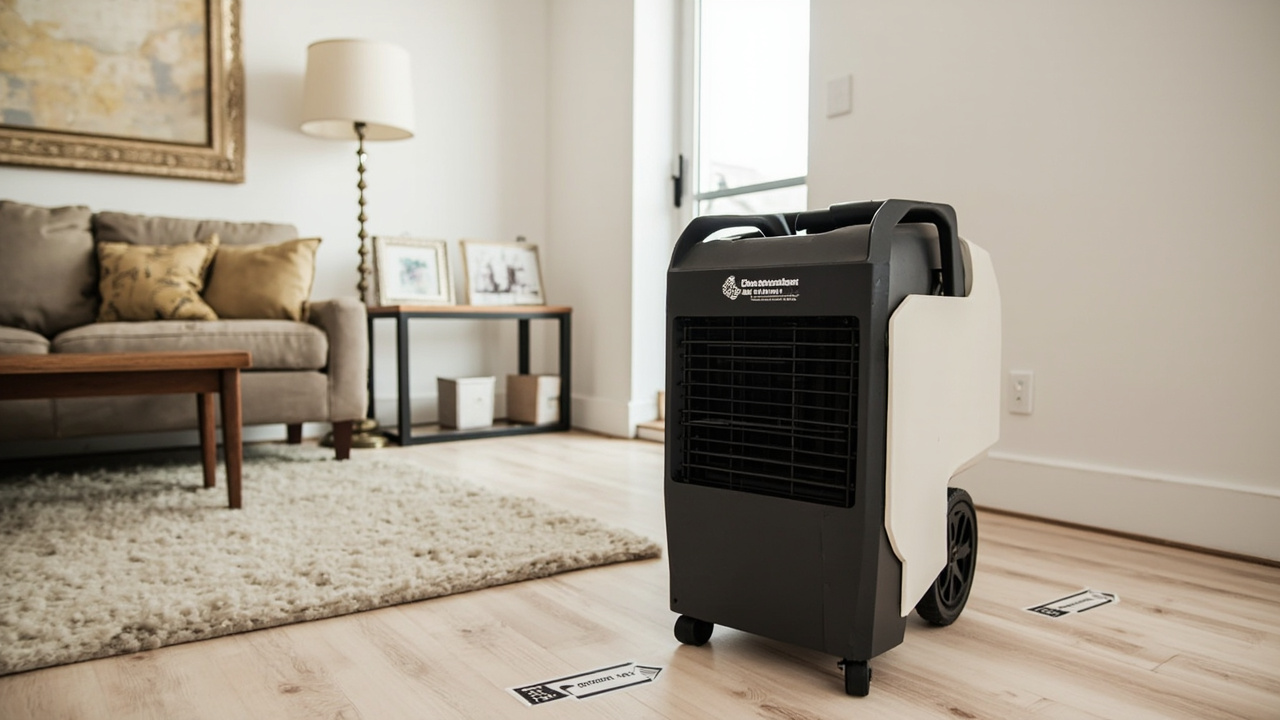
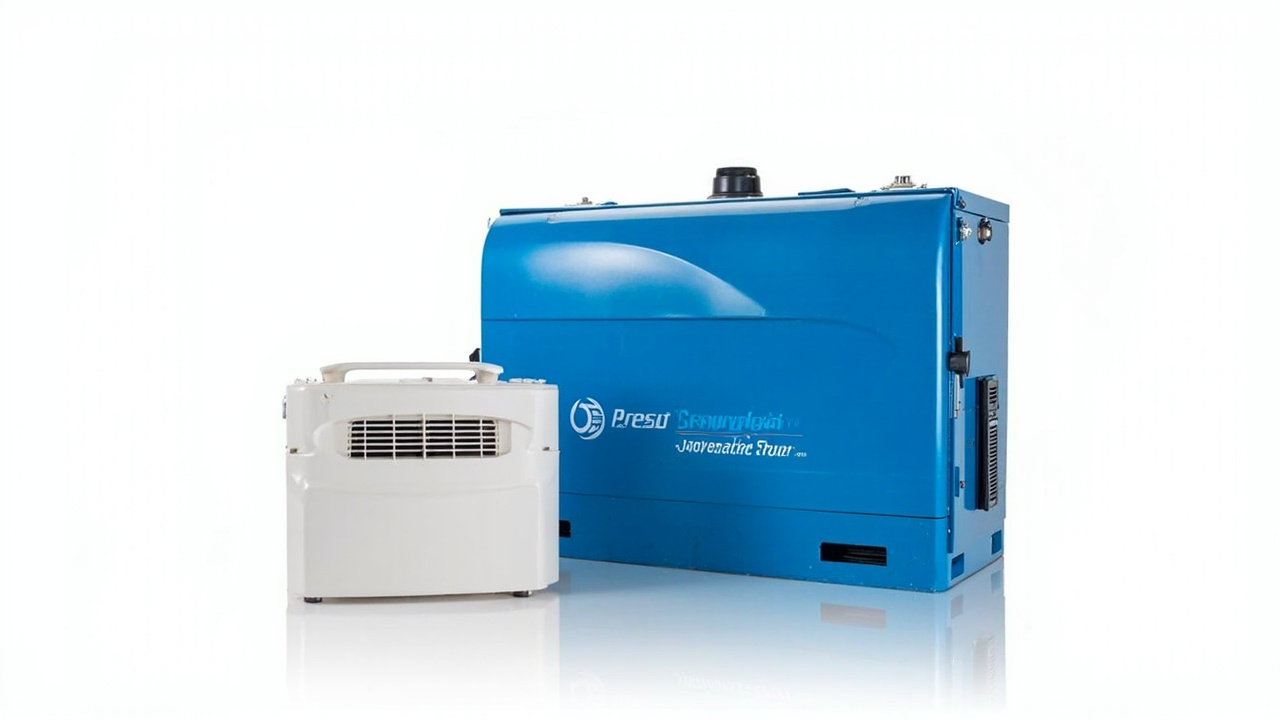
When you compare a residential dehumidifier to a commercial Low Grain Refrigerant unit, the first thing you notice is the Pints Per Day rating. Most high end store bought units are rated to remove about 50 pints of water per day. In a flood situation in Pontchartrain Park, a single room can contain hundreds of gallons of trapped moisture. A professional restoration company uses LGR dehumidifiers that can pull 100 to 200 pints per day even in extreme conditions. The technical gap goes beyond just volume. Residential units are tested at Association of Home Appliance Manufacturers conditions which assume a temperature of 80 degrees and 60 percent relative humidity. As the humidity drops, the efficiency of a store bought unit plummets. They often stop being effective entirely once the relative humidity reaches 50 percent, but mold can still grow in materials that are not fully dry even at that level.
Commercial LGR units are designed to continue removing moisture even when the air feels relatively dry. They use a pre cooling process that allows the moisture to condense more easily on the coils. This is vital for pulling the deeply embedded moisture out of the pine studs and subflooring common in New Orleans architecture. If you fail to reach these deep pockets of moisture, you risk the structural integrity of your home. This is especially true for those living in the Garden District historic mansions where antique woods require very specific drying protocols to prevent warping and splitting.
| Feature | Residential Dehumidifier | Commercial LGR Dehumidifier |
|---|---|---|
| Water Removal (PPD) | 20 to 50 Pints | 100 to 200+ Pints |
| Airflow (CFM) | 150 to 250 CFM | 400 to 650 CFM |
| Operating Range | 40 to 90 Degrees F | 33 to 120 Degrees F |
| Drainage System | Manual Bucket or Gravity | Integrated Condensate Pump |
The Science of Grains Per Pound and Vapor Pressure
To understand why professional gear is required in New Orleans, you have to look at vapor pressure. Water always moves from an area of high pressure to an area of low pressure. When we dry a home in Pontchartrain Park, we are trying to create an environment where the air is so dry that it literally sucks the water out of the walls. Restoration professionals measure this using Grains Per Pound. This is a more accurate measurement than relative humidity because it tells us the actual weight of the water vapor in the air. A residential dehumidifier might get the air down to 60 GPP, but many materials in a flood situation require the air to be below 40 GPP to continue the drying process. Commercial desiccant dehumidifiers or LGR units are the only tools capable of achieving these low levels in the humid Gulf Coast climate.
Without professional monitoring, a homeowner might think the house is dry because the air feels comfortable. However, the moisture meter might still show that the bottom plate of the wall studs is at 25 percent moisture content. Anything over 16 percent is a major concern for wood rot and mold development. For residents in nearby areas, getting a quick response for Lakeview homeowners is critical because the high concentration of moisture near the lake can lead to rapid secondary damage. Professionals follow the IICRC S500 standard for professional water damage restoration, which dictates the exact amount of dehumidification capacity needed based on the cubic footage of the space and the types of materials involved.
Air Movement and Evaporation Rates
Dehumidification is only half of the battle. To get the water out of the materials and into the air where the dehumidifier can catch it, you need massive air movement. A retail box fan does not have the static pressure required to push air across the surface of wet materials effectively. Professional air movers are designed to create high velocity airflow that breaks the boundary layer of saturated air sitting on the surface of your walls. This drastically increases the rate of evaporation. In a typical Pontchartrain Park restoration, we might use one air mover for every 10 to 14 linear feet of wall space. This creates a vortex effect that ensures no dead air pockets are left to fester. If you had an emergency kitchen flood response in Uptown New Orleans, you would see this same equipment used to dry out the difficult spaces under cabinets and behind appliances.
When you use professional grade air movers, you are also managing the temperature of the room. Evaporation is a cooling process. As water turns to vapor, it cools the surface it is leaving. If the surface gets too cold, evaporation slows down. Restoration experts use heat drying technology alongside dehumidifiers to keep the surface temperature of the materials at the optimal point for moisture release. This is a delicate balance that store bought machines simply cannot manage. If the balance is wrong, you end up with high humidity and high heat, which is the perfect recipe for a mold explosion. This is a common issue we see when homeowners try to tackle the job themselves, leading to a need for professional black mold removal for homes in Algiers and other surrounding neighborhoods.
Why Drainage and Continuous Operation Matter
One of the most overlooked problems with residential dehumidifiers is the drainage. Most of these units have a small bucket that holds about two gallons of water. In a flooded home, that bucket will fill up in less than two hours. Once the bucket is full, the machine shuts off. If you are at work or sleeping, the drying process stops completely. In the high humidity of New Orleans, even a few hours of downtime can allow mold spores to begin colonizing. Professional units feature built in condensate pumps and long drainage hoses. We can route these hoses into a sink, a floor drain, or even out a window, allowing the machine to run 24 hours a day without interruption. This continuous operation is what allows a professional crew to dry a home in three to five days, whereas a homeowner might struggle for weeks with substandard equipment.
Furthermore, commercial grade equipment is built to withstand the harsh environments of a flood site. Flood water is often contaminated with silt, debris, and microorganisms. Residential units have thin plastic filters that clog easily and can become breeding grounds for bacteria. Professional machines use high efficiency pleated filters that protect the internal components and help scrub the air while drying occurs. This is vital for maintaining indoor air quality during the restoration process. According to data from the National Oceanic and Atmospheric Administration, the atmospheric moisture content in the New Orleans area remains among the highest in the country, which means your equipment must be robust enough to handle constant heavy duty use without failing.
| Drying Phase | Professional Timeline | DIY Timeline |
|---|---|---|
| Surface Water Removal | 2 to 4 Hours | 1 to 2 Days |
| Drywall and Insulation | 3 to 5 Days | 7 to 14 Days (Risk of Mold) |
| Structural Framing (Studs) | 4 to 7 Days | Often never fully reaches dry standard |
| Hardwood Flooring | 7 to 10 Days (Specialty Drying) | Usually requires replacement |
Common Risks of Using Inadequate Drying Equipment
Choosing the wrong equipment is not just a matter of convenience, it is a matter of home safety. When moisture remains trapped in your walls, several things happen simultaneously. First, the structural integrity of your drywall and wood begins to degrade. Second, the environment becomes a breeding ground for pests and mold. Here are the most common issues we see when homeowners in Pontchartrain Park rely on store bought dehumidifiers after a flood.
- Secondary Damage: This refers to damage caused by high humidity rather than direct water contact. This includes peeling wallpaper, buckling hardwood floors in unaffected rooms, and mold growth on furniture and clothing.
- Wicking: Water can climb up drywall and studs far above the actual flood line. Without professional drying, this water remains trapped behind the baseboards and inside the wall cavity.
- Hidden Mold: Mold often grows on the backside of the drywall first. By the time you see it on the front, the infestation is already severe.
- Electrical Issues: Trapped moisture in outlets and wall cavities can cause corrosion and increase the risk of electrical shorts or fires.
- Odors: The musty smell associated with floods is caused by microbial volatile organic compounds. If the home is not dried quickly, these smells can become permanently embedded in your belongings.
The cost of hiring a professional restoration team is often covered by insurance, especially if you act quickly to mitigate the damage. In 2026, insurance adjusters look for documentation that the home was dried according to industry standards. Professional restoration companies provide moisture maps, drying logs, and atmospheric readings that prove the home is safe for reconstruction. If you try to do it yourself with a store bought machine, you may lack the proof needed to satisfy your insurance company that the job was done correctly, which can lead to complications during the claims process or when you eventually try to sell your home.
Determining if Your Home is Truly Dry
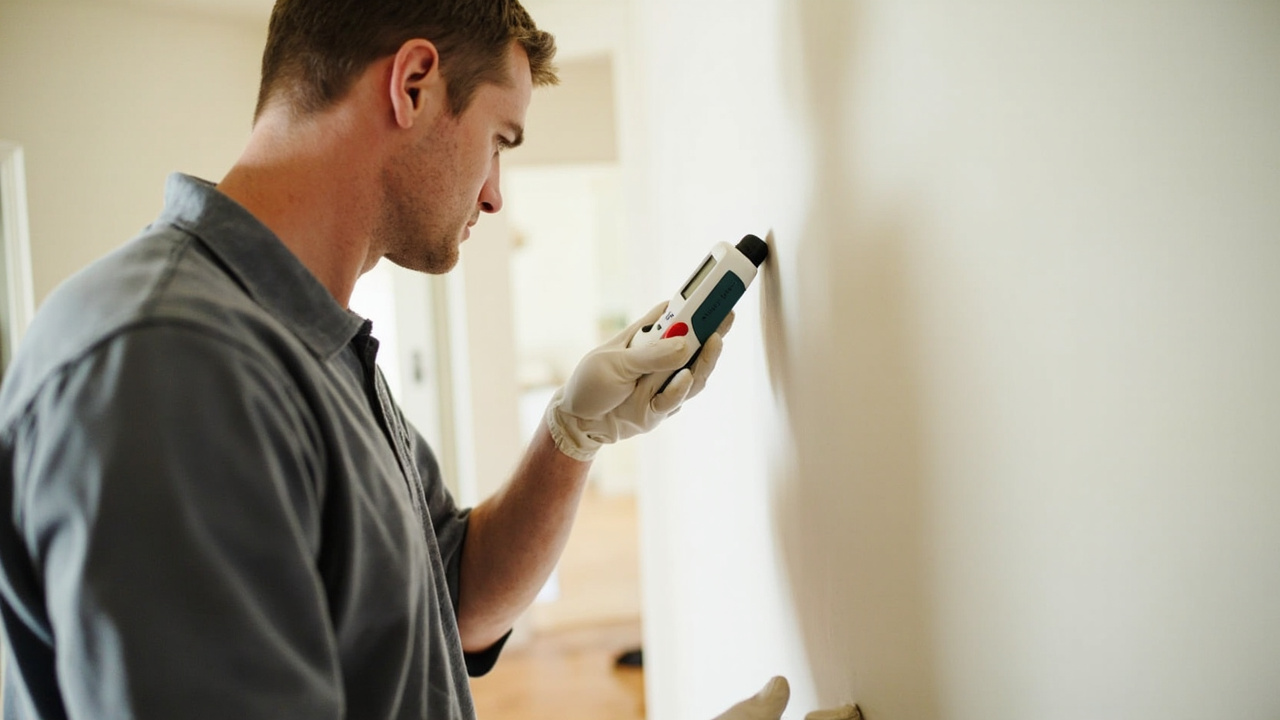
The most dangerous thing a homeowner can do is assume the home is dry because it looks dry. We use advanced thermal imaging cameras to see moisture behind walls that is invisible to the naked eye. We also use invasive and non invasive moisture meters to get actual percentage readings from your building materials. In the specific climate of New Orleans, where the air is naturally heavy with moisture, you cannot trust your senses. You need data. When we monitor a job in Pontchartrain Park, we are checking the dehumidifier intake and output, the ambient air, and the specific moisture points in the floor and walls every single day. We adjust the equipment layout based on how the house is responding. This level of precision is the only way to guarantee that your home will remain mold free and structurally sound for years to come. If you are facing water in your home, do not wait for the humidity to take over. Contact a professional who has the heavy duty equipment and the local experience to handle the unique challenges of a New Orleans flood recovery.