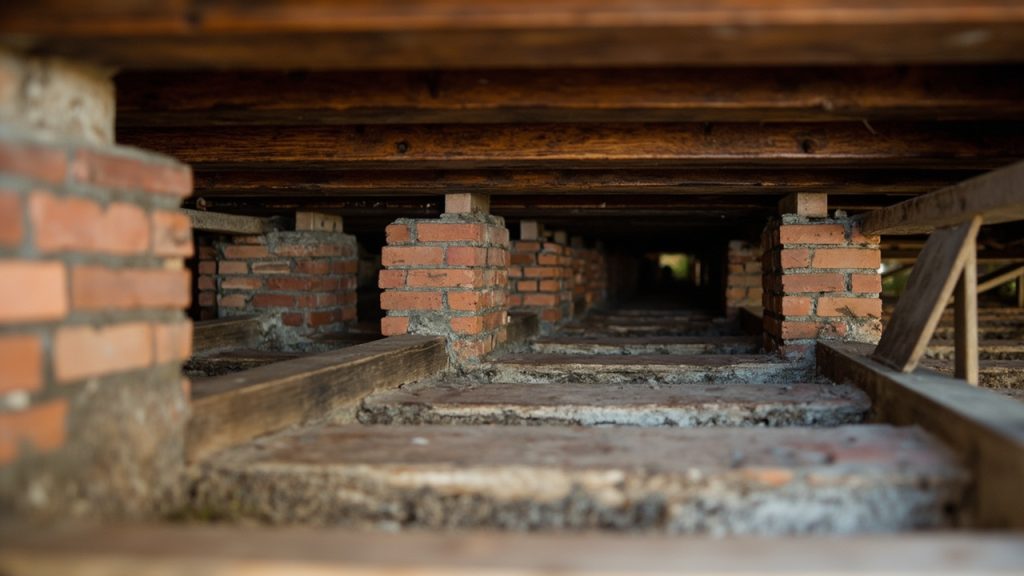
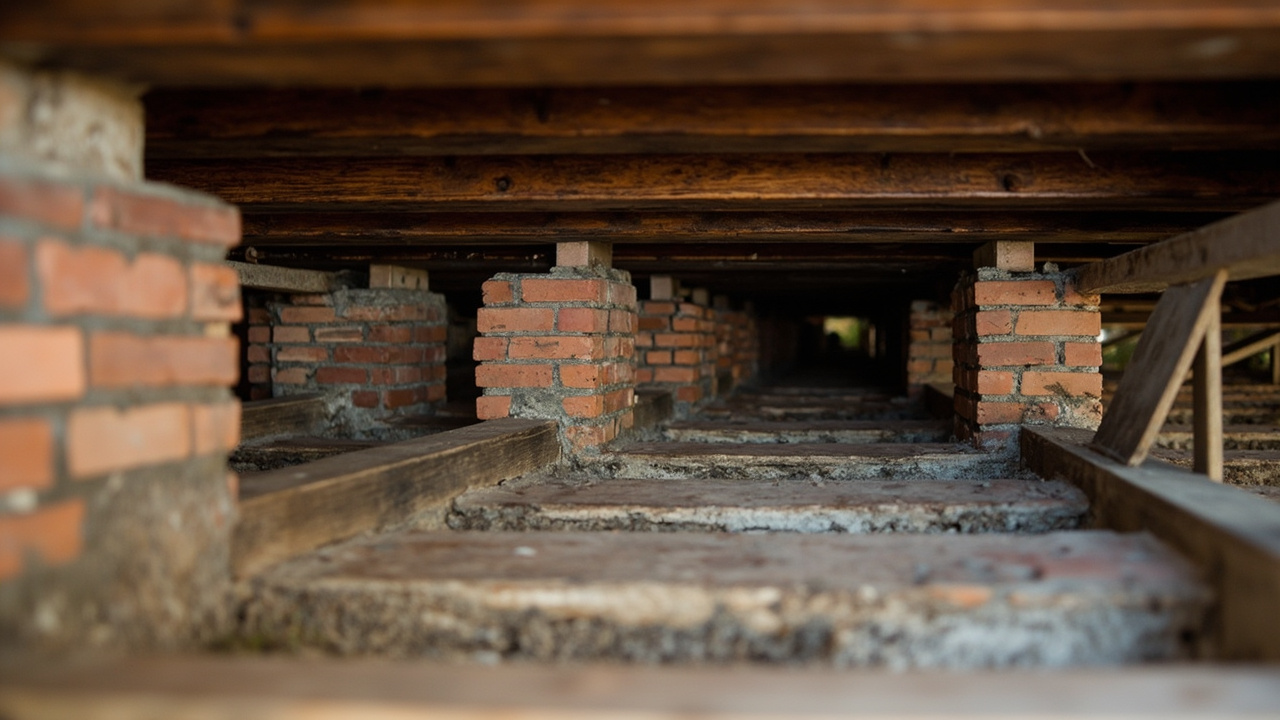
Holy Cross residents know that heavy rains in New Orleans often lead to water pooling against foundation piers. When street flooding reaches your property line, the risk to your pier and beam foundation increases significantly. You might not see standing water in your living room, but the structural components beneath your feet are likely absorbing moisture. This neighborhood sits in a unique position near the Mississippi River levee, where the water table remains high throughout 2026. Understanding how moisture interacts with historic building materials is the first step in protecting your home from long-term decay.
Street flooding in the Lower Ninth Ward frequently bypasses the main living area while saturating the crawl space. This creates a hidden environment for wood rot and mold growth. If your home sits on traditional brick or concrete piers, the porous nature of these materials allows water to wick upward into the wooden sill plates and floor joists. Identifying the damage early prevents the need for expensive structural leveling later in the year.
Identifying Immediate Symptoms of Crawl Space Water Damage
The most obvious signs of foundation trouble often manifest inside the home within days of a flood event. One of the first things you will notice is a change in how your floors feel. If you experience a bouncy or springy sensation when walking across a room, the wooden supports underneath have likely reached a high moisture content. Wood fibers soften when saturated, losing their ability to hold weight without flexing.
You should also look for cupping in your hardwood floors. Cupping occurs when the bottom of a floorboard is wetter than the top, causing the edges of the board to rise. This is a common sight in New Orleans homes after the high humidity of 2026 summer storms. If you see this, it means the vapor pressure in your crawl space is pushing moisture through the subfloor and into your living space. This is often the time when homeowners should consider quick response water damage restoration to stabilize the environment before the wood permanently warps.
Understanding the Stack Effect in New Orleans Homes
The stack effect is a physical phenomenon that governs how air moves through a raised home. Warm air rises and escapes through the attic, creating a vacuum that pulls air from the crawl space upward. If your crawl space is damp from street flooding, that moisture and any associated mold spores travel directly into your bedrooms and kitchen. This process is why a musty smell in your hallway often indicates a serious water problem under the house.
During the current 2026 climate cycle, New Orleans has seen an increase in atmospheric river events. These storms dump massive amounts of water that overwhelm the local drainage pumps. When the water sits under your Holy Cross home, it creates a constant source of humidity. Professional restorers use the IICRC S500 standards to calculate the exact amount of dehumidification needed to counteract this moisture load. Without mechanical drying, the natural airflow in New Orleans is rarely enough to dry out a saturated crawl space.
Comparison of Drying Timelines for Foundation Materials
Different materials in your pier and beam foundation respond to water at different rates. The following table outlines what you can expect during the restoration process in 2026.
| Material Type | Absorption Rate | Estimated Drying Time | Risk Factor |
|---|---|---|---|
| Old Growth Cypress Joists | Low | 10 to 14 days | Low (Rot Resistant) |
| Modern Pine Subflooring | High | 3 to 5 days | High (Warping) |
| Concrete Piers | Medium | 7 to 10 days | Medium (Wicking) |
| Brick Piers | Very High | 14+ days | High (Efflorescence) |
The Role of Hydrostatic Pressure and Soil Shifting
Holy Cross is built on a mixture of Mississippi River silt and clay. These soils expand and contract based on moisture levels. When street flooding occurs, the soil around your piers becomes hyper-saturated. This creates hydrostatic pressure, which is the force exerted by standing water against your foundation. This pressure can cause piers to tilt or sink deeper into the softened earth.
If you notice that doors are suddenly sticking in their frames or that new cracks have appeared in your plaster walls, the foundation has likely shifted due to soil saturation. This is a structural emergency that requires immediate attention. In some cases, street flooding can also introduce contaminants into the crawl space. If the floodwaters include runoff from the street, you may need a service similar to emergency sewage cleanup in Metairie to ensure the area is sanitary and safe for your family.

How Professional Restorers Dry a Holy Cross Crawl Space
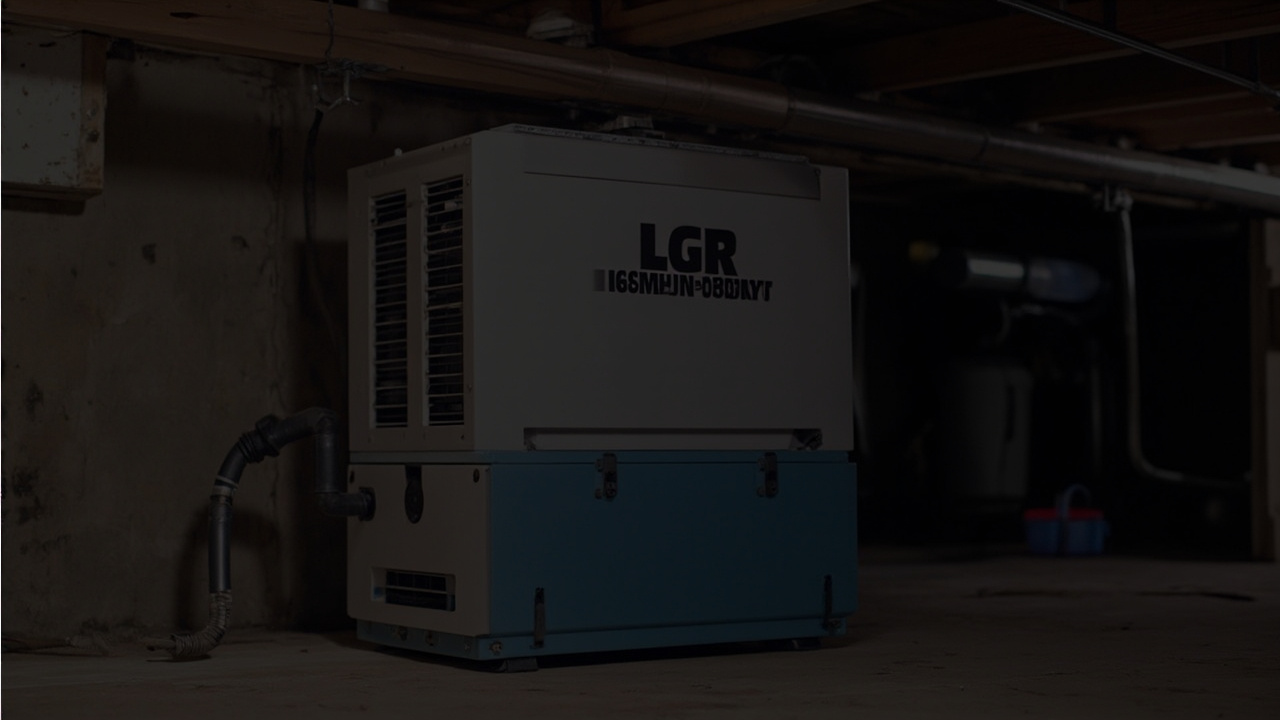
Restoring a pier and beam foundation involves more than just opening the vents. In fact, opening the vents in a New Orleans summer often makes the problem worse by letting in more humid air. Professional drying requires a closed system approach using high-capacity LGR (Low Grain Refrigerant) dehumidifiers. These machines are designed to pull moisture out of the air even in the extreme humidity found in the 2026 Gulf Coast region.
- Inspection and Moisture Mapping: Technicians use infrared cameras and moisture meters to find hidden pockets of wetness in the sills and joists.
- Water Extraction: Any standing water in the crawl space must be pumped out before drying begins.
- Debris Removal: Wet insulation or organic debris that holds moisture must be removed to prevent mold.
- Anti-microbial Treatment: A specialized solution is applied to the wood to prevent the growth of black mold and wood-destroying fungi.
- Structural Drying: Industrial air movers and dehumidifiers are placed to create high-velocity airflow across the wet surfaces.
This process is vital for maintaining the value of historic properties. For those living in areas with older architecture, the techniques used in professional mold remediation for Garden District historic mansions are often applied to Holy Cross homes to preserve original wood elements. Using the right technology in 2026 ensures that the structural integrity of your home remains intact for decades.
Secondary Damage and Long Term Consequences
Ignoring a damp crawl space after a street flood leads to secondary damage. The most common issue is the growth of wood-decay fungi. These organisms eat the cellulose in the wood, eventually turning your floor joists into a substance that resembles wet cardboard. By the time you see the damage from the top of the floor, the structural failure is already advanced. This is why residents in areas like Algiers often seek professional black mold removal after realizing their raised foundations have been damp for months.
Another issue is the attraction of pests. Termites and carpenter ants are drawn to wet wood. In the 2026 environment, Formosan termites remain a significant threat in New Orleans. A wet foundation is essentially an invitation for a colony to move into your home. Keeping your crawl space dry is your best defense against these wood-destroying insects.
Moisture Levels and Risk Thresholds
Monitoring the Wood Moisture Content (WMC) is the only way to know if your foundation is safe. The table below shows the risk levels based on current 2026 restoration industry data.
| WMC Percentage | Condition | Recommended Action |
|---|---|---|
| 10% – 12% | Dry / Normal | Continue Monitoring |
| 13% – 16% | At Risk | Increase Ventilation or Dehumidify |
| 17% – 20% | Fungal Growth Possible | Professional Structural Drying |
| 21% + | Active Decay / Rot | Immediate Extraction and Remediation |
Steps to Take After Street Flooding Hits Your Block
If you see water surrounding your piers, act quickly. Start by checking your floor for any new squeaks or soft spots. Check the perimeter of your home for efflorescence, which is a white, powdery substance on the brick piers. This is a sign that water is moving through the masonry and leaving salt deposits behind. It is a clear indicator of heavy moisture intrusion.
In many cases, the water damage is concentrated in specific areas, such as the kitchen where plumbing lines meet the floor. If you suspect a leak combined with flood damage, an emergency kitchen flood response can address both issues simultaneously. You should also ensure that your gutters are clear and downspouts are moving water at least six feet away from your foundation. This prevents roof runoff from adding to the street flooding already affecting your crawl space.
Homeowners should also consult FEMA resources to understand current flood maps and drainage improvements scheduled for the Holy Cross area in late 2026. Knowing the local infrastructure plans can help you decide if a permanent vapor barrier or a sump pump system is a wise investment for your property.
Long Term Protection for Pier and Beam Foundations
The best way to handle street flooding is to be prepared before the next storm hits. A vapor barrier is a thick plastic sheet that covers the ground in your crawl space. It prevents moisture from the soil from evaporating and rising into your floor joists. In the humid New Orleans climate of 2026, a vapor barrier is one of the most cost-effective ways to protect a raised home. It essentially disconnects the house from the damp earth below.
You might also consider installing a crawl space dehumidification system. These are permanent units that turn on automatically when humidity levels rise above a certain point. This is especially helpful in Holy Cross, where the proximity to the river keeps the air heavy and damp nearly year-round. When combined with proper drainage, these systems provide a comprehensive solution to the challenges of living in a flood-prone, historic neighborhood.
If you suspect your foundation has been compromised by recent street flooding, do not wait for the symptoms to get worse. A professional inspection can provide you with a clear picture of your home structural health. Taking action now ensures that your Holy Cross home remains a safe and stable environment for years to come. Our team understands the specific challenges of New Orleans architecture and is ready to help you dry out and restore your pier and beam foundation today.