Estimating the total cost of water damage repairs for River Ridge homes
Living in River Ridge offers a unique blend of suburban comfort and proximity to the Mississippi River. The geographic reality of Jefferson Parish means that water damage is a frequent concern for homeowners. When you find water standing in your living room or soaking into your baseboards your first thought is usually about the financial impact. Understanding the variables that go into a professional estimate can help you manage the restoration process without unnecessary stress. This guide breaks down the technical and local factors that determine the final bill for restoring a property in the New Orleans metro area in 2026.
The total cost of water damage repairs depends on the source of the water and the duration of the saturation. Professionals categorize water into three levels based on the potential health risks and the complexity of the cleanup. Category 1 water comes from clean sources like a broken supply line or a leaking faucet. Category 2 water contains some level of contamination such as dishwasher overflow. Category 3 water is highly contaminated and requires the most aggressive cleaning protocols. If you are dealing with a backup you may need to look into professional emergency sewage cleanup because black water poses immediate health threats to residents near Sauve Road and Hickory Avenue.
In the current 2026 market the typical price for a Category 1 clean water loss in a standard 2000 square foot River Ridge home ranges from 3500 dollars to 5500 dollars. This includes water extraction and three days of equipment rental. If the water reaches Category 2 status the price often climbs to between 6000 dollars and 9500 dollars because technicians must remove and replace carpet padding and perform antimicrobial treatments. For Category 3 events involving sewage or outdoor flooding the costs frequently exceed 15000 dollars due to the extensive demolition and hazardous waste disposal requirements. These figures represent the mitigation phase and do not include the reconstruction costs to replace drywall and flooring.
The impact of water categories on restoration pricing
In 2026 the industry uses standardized software to calculate costs based on regional labor rates and material prices. Clean water repairs are typically the most affordable because many materials can be dried in place using high-velocity air movers. Once the water sits for more than 48 hours or if it comes from a contaminated source the price increases. This is because we must remove porous materials like drywall and carpet padding rather than drying them. In River Ridge the high humidity levels often accelerate the transition from Category 1 to Category 2 if the drying process does not start immediately.
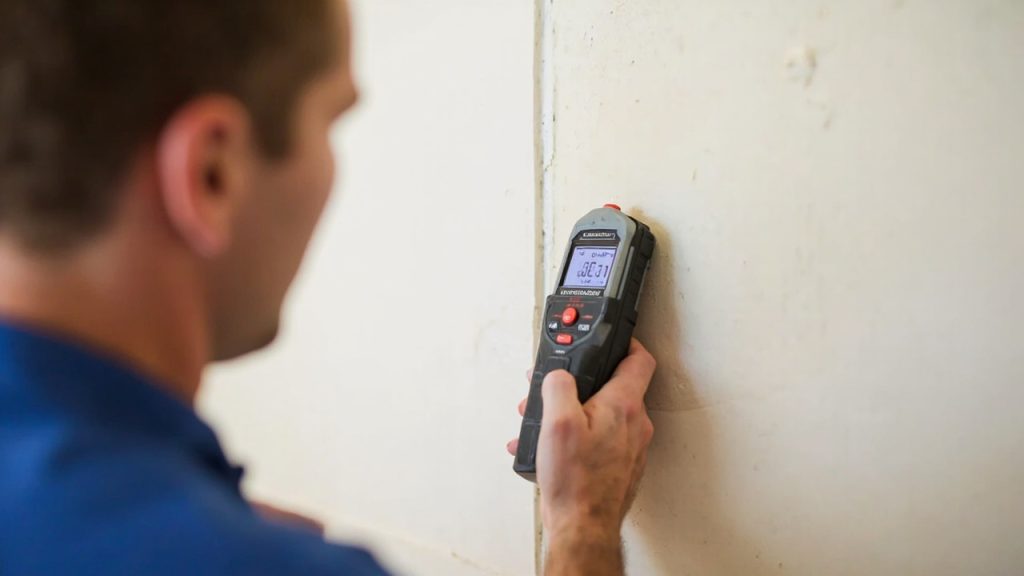
Louisiana contractors follow the IICRC S500 standards which dictate the specific steps for professional water damage restoration. These standards ensure that every technician uses the same science to determine if a structural element is salvageable. When a technician arrives at your home near Jefferson Highway or the Colonial Golf Course area they will use moisture meters to map the migration of water. This mapping determines the number of air movers and dehumidifiers required for the job. The more equipment needed the higher the daily cost of the project.
For homeowners in the Little Farms or Harahan border area the current daily rate for an LGR dehumidifier in 2026 is approximately 145 dollars per unit. A standard air mover costs about 45 dollars per day. A typical bedroom might require one dehumidifier and four air movers to achieve the necessary evaporation rates. If you have a larger open-concept home common in newer River Ridge developments the equipment requirements can double. This daily rental fee adds up quickly which is why immediate response is the best way to control your total expenditure.
2026 Average price ranges for water damage categories
| Water Category | Typical Scope of Work | Estimated 2026 Cost Range |
|---|---|---|
| Category 1 Clean | Extraction and structural drying with minimal demolition | 3500 to 5500 dollars |
| Category 2 Gray | Extraction and localized removal of contaminated padding | 6000 to 9500 dollars |
| Category 3 Black | Full removal of porous materials and antimicrobial treatment | 12000 to 25000 dollars |
Current labor and material price increases in the 2026 River Ridge market
As we move through 2026 the cost of restoration services in Jefferson Parish has seen a notable shift. Labor shortages in the specialized restoration trade have driven up hourly rates for certified technicians. The average hourly rate for a lead restoration technician in the New Orleans metro area is now 115 dollars per hour. For emergency calls after 6 PM or on weekends this rate often increases to 175 dollars per hour. These labor costs account for roughly 40 percent of the total mitigation bill.
Material costs for reconstruction have also changed. Drywall prices remain volatile in the New Orleans metro area while high-quality flooring materials like engineered hardwood and water-resistant laminate have seen steady price climbs. If your River Ridge home requires the replacement of moisture-resistant green board in a bathroom the material cost will be higher than standard gypsum. We also see higher costs for specialized equipment like HEPA air scrubbers which are now required more frequently to maintain indoor air quality during the demolition phase of a water loss.
The current cost for high-grade antimicrobial chemicals in 2026 is roughly 95 dollars per gallon. These solutions are vital for preventing mold growth in the humid River Ridge environment. If a technician needs to spray the entire subfloor and the wall studs of a 1500 square foot area they may use three to five gallons. This is a small but necessary cost to ensure the long-term safety of your home. You can check the latest local building requirements on the Jefferson Parish government website to see how these materials impact your compliance with local codes.
The technical science of psychrometry and structural drying
Structural drying is not just about blowing fans on a wet floor. It is a scientific process called psychrometry. This is the study of the thermodynamic properties of moist air. Our technicians use this science to manipulate the environment inside your River Ridge home. The goal is to create a vapor pressure differential that forces moisture out of solid materials like wood studs and into the air. Once the moisture is in the air the dehumidifier captures it and pumps it out of the house. If we do not control the temperature and humidity the drying process will fail even with twenty fans running.
Vapor pressure is the force exerted by water molecules as they try to escape from a surface. To dry a house quickly we need the vapor pressure in the wet materials to be higher than the vapor pressure in the air. We achieve this by increasing the temperature of the surface and lowering the relative humidity of the air. In 2026 we use advanced LGR or Low-Grain Refrigerant dehumidifiers that can pull moisture out of the air even when the grains per pound are very low. This is essential in the high-humidity environment of River Ridge where the ambient air often feels like a tropical rainforest. If the GPP or grains per pound in the air is too high the water will stay trapped in your walls and mold will grow.
Technicians monitoring your property will track the Specific Humidity which is the weight of water vapor in the air. In a typical River Ridge restoration project the goal is to get the indoor humidity below 30 percent. This creates a thirsty environment that pulls water out of the deep pores of your wood framing. If the drying logs show that the GPP is not dropping the technician will add more dehumidification capacity. This data-driven approach is the standard for IICRC certified professionals in 2026.
Slab versus raised foundation restoration techniques in Jefferson Parish
River Ridge features a mix of architectural styles from mid-century slab-on-grade homes to older raised cottages. The way we approach water damage depends heavily on your foundation type. For a slab foundation water often migrates under the sill plates and into the wall cavities. Because concrete is porous it can hold moisture for a long time. We often use specialized floor drying systems that create a vacuum to pull moisture through the pores of the concrete. This prevents the moisture from wicking up into the new drywall after the repairs are complete.
Raised foundations present a different set of challenges. In these homes water can seep through the floorboards and saturate the insulation in the crawlspace. If this insulation stays wet it will cause the floor joists to rot and encourage mold growth under the house. Technicians must enter the crawlspace to remove wet fiberglass or cellulose insulation and then set up drying equipment beneath the home. The cost for this is often higher due to the difficult labor conditions and the need for specialized PPE or personal protective equipment. We also have to monitor the equilibrium moisture content of the wood joists to ensure the structure is stable before we close up the flooring.
For a raised home in 2026 the cost of insulation removal and crawlspace drying typically starts at 4000 dollars. This assumes a standard footprint and manageable access. If the crawlspace is tight or has standing mud the labor costs will increase. Slab homes might avoid insulation costs but they often face higher costs for floor covering removal. Removing 1000 square feet of glue-down wood flooring on a slab can cost between 3.50 dollars and 5.00 dollars per square foot in current labor rates.
Foundation Restoration Comparison Table
| Foundation Type | Primary Drying Challenge | Average 2026 Mitigation Cost |
|---|---|---|
| Slab on Grade | Capillary action wicking moisture into walls | 4500 to 8000 dollars |
| Raised Crawlspace | Insulation saturation and joist mold risk | 5500 to 12000 dollars |
| Raised Basement | High vapor pressure and poor ventilation | 7000 to 15000 dollars |
The role of insurance and deductibles in 2026 water claims
Most homeowners in River Ridge carry some form of insurance that covers sudden and accidental water discharge. This includes things like a water heater failure or a burst pipe in the kitchen. In 2026 many policies in Jefferson Parish have moved toward percentage-based deductibles for certain types of losses. You must review your policy to see if you have a flat deductible or if it is tied to the total insured value of your home. This can make a significant difference in your out-of-pocket costs when a major leak occurs.
A major change in 2026 insurance policies for the New Orleans area is the implementation of the Louisiana Homeowner Stability Act. This legislation allows carriers to apply a mandatory 2 percent deductible for water damage if the home is located within a high-risk flood zone even if the water came from an internal pipe. For a home insured for 400000 dollars this means the homeowner pays the first 8000 dollars out of pocket. Many River Ridge residents are finding that their old 500 dollar or 1000 dollar flat deductibles are no longer available in current policy renewals.
It is important to document every step of the process for your insurance carrier. This includes taking photos of the standing water and the damaged materials before they are removed from the home. Professional restoration companies provide a full documentation package that includes moisture maps and equipment logs. This proof of work is the difference between a fully covered claim and a denied one. If you are in the planning stages for a home near the lakefront you should look at local response options to see how they handle similar insurance requirements for high-value properties.
Frequently Asked Questions regarding River Ridge water damage
How long will it take for my home to be completely dry?
In the 2026 River Ridge climate the typical drying time is between three and five days. This depends on the materials involved and the extent of the saturation. Hardwood floors and thick plaster walls may take longer while standard drywall and carpet can often be dried in 72 hours if the equipment is used correctly.
Will my insurance cover the cost of the drying equipment?
Yes most standard homeowners policies cover the cost of professional mitigation equipment as part of your duty to prevent further damage. Insurance companies prefer to pay for drying rather than paying for a total mold remediation project later. However coverage for the actual repair of the broken pipe itself is often excluded from the claim.
Can I stay in my house while the drying equipment is running?
While you can stay in the home the equipment is very loud and will significantly increase the temperature in the affected rooms. LGR dehumidifiers exhaust hot air as they pull out moisture. If the damage is in a bedroom or kitchen many residents choose to stay in a hotel for a few days. This cost is sometimes covered by the Additional Living Expenses or ALE portion of your policy.
What is the difference between a flood claim and a water damage claim?
A water damage claim usually involves water that originated from inside the house like a plumbing failure. A flood claim involves rising groundwater or surface water that enters from the outside. These are handled by different policies. Most River Ridge residents have their flood coverage through the NFIP or a private flood carrier which has different rules for deductibles and coverage limits.
Hidden costs of delayed water damage response
The most expensive water damage is the kind that you ignore. In our current 2026 environment labor and material costs have risen and specialized equipment is in high demand. If you wait even three days to call a professional the water will likely have migrated into the structural framing and the insulation. This turns a simple drying job into a major reconstruction project. Secondary damage like mold can also devalue your property and create health risks for your family.
- Emergency service fees for after-hours response starting at 250 dollars
- Antimicrobial treatments to prevent fungal growth costing 1.50 dollars per square foot
- Content manipulation and storage costs for furniture and electronics
- Reconstruction and painting after the drying is complete
- Duct cleaning to remove airborne spores if the HVAC system was running during the event
A technician who understands the specific challenges of a River Ridge slab foundation or a raised basement will save you money by preventing unnecessary demolition. We use thermal imaging cameras to find water that is hidden behind cabinets or under stairs. This allows us to target our drying efforts without tearing out materials that are still in good condition. Precision is the best way to keep your total costs under control during a water loss event.
The cost of content restoration and personal property in 2026
Water damage does not just affect the walls and floors. It also impacts your furniture and personal belongings. In 2026 the cost to clean and restore a water-damaged sofa ranges from 300 dollars to 600 dollars depending on the fabric and the category of water. If the items require off-site storage while the home is being dried you can expect to pay between 200 dollars and 400 dollars per month for a climate-controlled unit in the Jefferson Parish area. This is a critical expense because storing damp furniture in a non-climate-controlled environment in River Ridge will lead to mold growth within 48 hours.
Electronics restoration has also become more expensive. If a computer or television is exposed to high humidity for several days it may require professional decontamination to prevent circuit board corrosion. These services are specialized and can add 1000 dollars or more to your total claim. Always check if your policy includes replacement cost value or actual cash value for your contents. This determines if the insurance company pays for a new item or only for the depreciated value of your old one.
How to reduce your total water damage repair cost
While you cannot control when a pipe bursts you can control how you react to it. The best way to keep costs down is to act within the first hour of the event. Turn off the main water valve immediately to stop the flow of water. Move furniture and rugs out of the affected area to prevent staining on the flooring. If you have a shop vac you can start extracting water from the carpet to reduce the total saturation levels. These small steps can save thousands of dollars in professional drying time by limiting the migration of the liquid.
Remember that the goal of restoration is to return your home to a pre-loss condition. In 2026 we have better technology than ever before to detect hidden water and dry it out quickly. By working with a local River Ridge expert who knows the specific construction styles of our neighborhoods you can ensure that your home is safe and dry. For more information on local restoration options or to get a professional evaluation of your property contact our team today to start the recovery process.