Water damage in a Garden District mansion presents a unique crisis that standard homeowners insurance often fails to fully address without professional documentation. These historic homes house generations of history within their walls. When a pipe bursts or a heavy storm pushes water across your threshold, your 19th-century mahogany buffet or antique cypress armoire faces immediate destruction. Professional intervention becomes the only way to save these assets because the high humidity of New Orleans works against you every second. In 2026, the technology for saving these pieces has advanced, but the fundamental physics of moisture remain the same.
If you face a flood right now, your first priority is safety and then stabilization. Moving heavy, water-soaked antiques can cause structural failure in the furniture joinery. Old-growth wood absorbs water differently than modern materials. It expands with incredible force. This expansion leads to cracking, warping, and the permanent loss of original finishes. Our team has spent over 15 years navigating the specific challenges of historic properties in the 504 area code. We understand that a Greek Revival home on Prytania Street requires a different touch than a modern build in another parish.
Why immediate action saves your family heirlooms
The first 24 hours determine if an antique survives or becomes a loss. When wood sits in water, the fibers saturate and the glue bonds begin to dissolve. Many Garden District antiques use animal-based glues that are water-soluble. These glues were standard for furniture makers a century ago. If the piece remains wet, it will literally fall apart at the seams. You need to call for a Quick Response Water Damage Restoration for Lakeview Homeowners in New Orleans or surrounding areas to get drying equipment on site immediately.
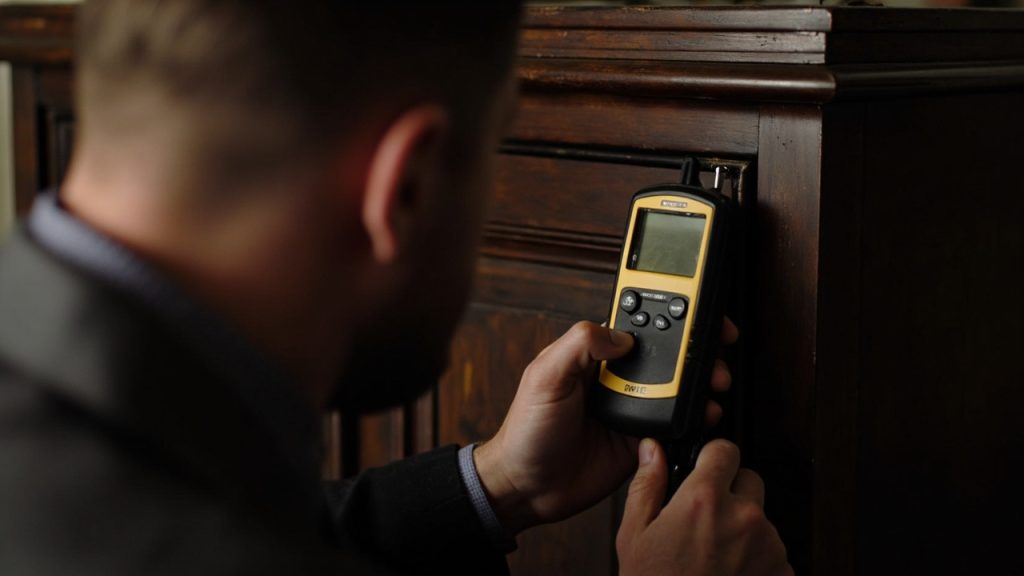
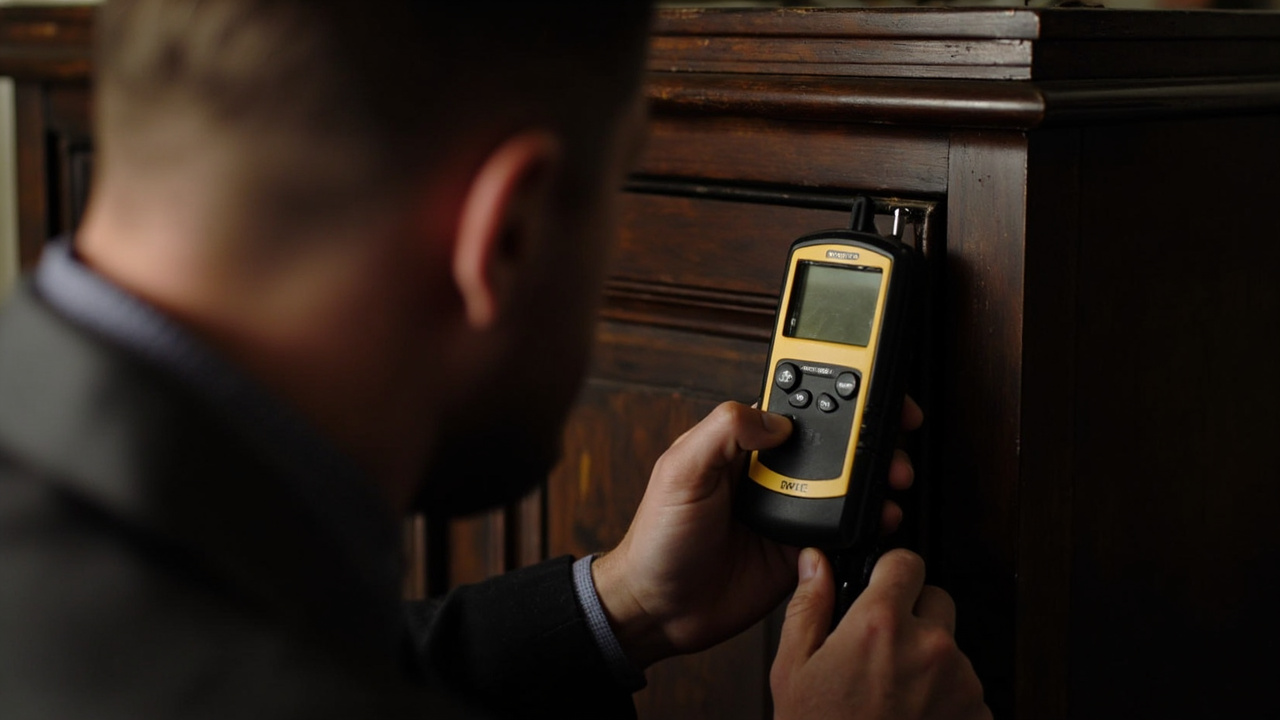
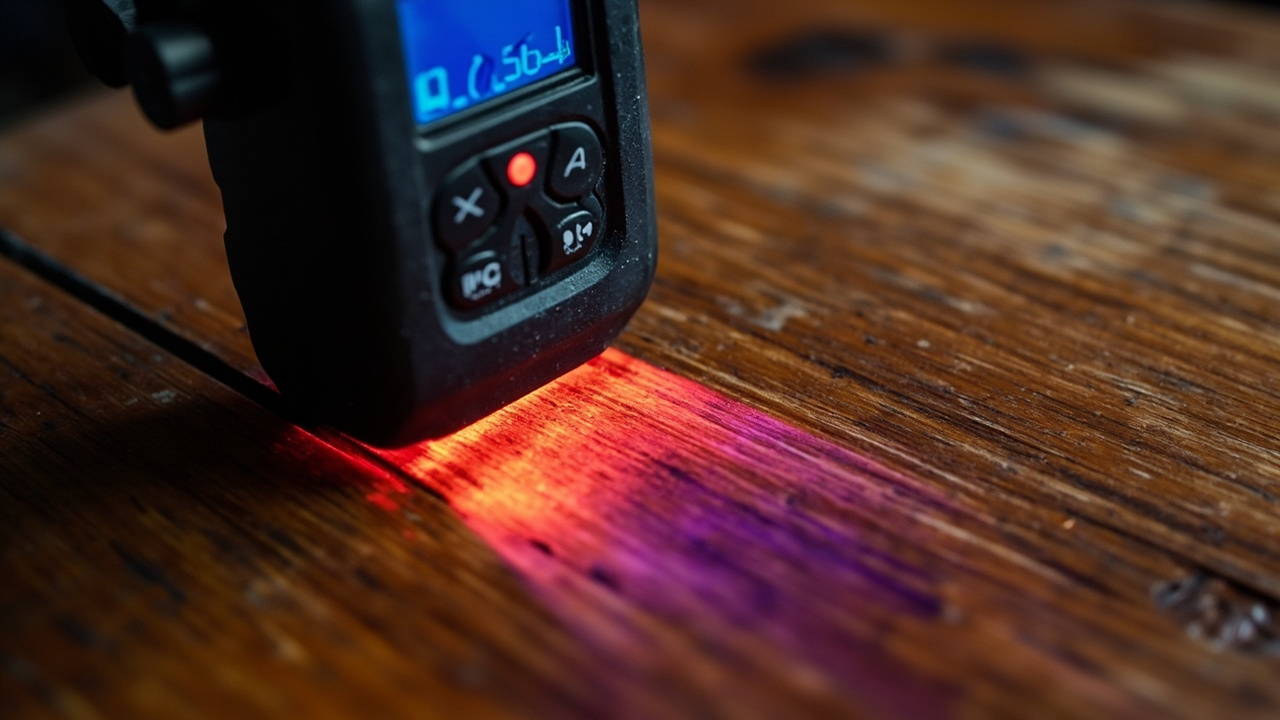
Professional restoration teams use moisture meters designed for deep readings. We do not just check if the surface feels dry. We check the core of the wood. In our current 2026 environment, we use non-invasive thermal imaging to find hidden pockets of moisture inside hollow legs or behind decorative carvings. This precision prevents the growth of mold which can start in as little as 48 hours in the New Orleans heat. If you see signs of fungal growth, you must seek Professional Mold Remediation and Preservation for Garden District Historic Mansions immediately to prevent the spores from spreading to other high-value items.
How New Orleans humidity impacts antique wood
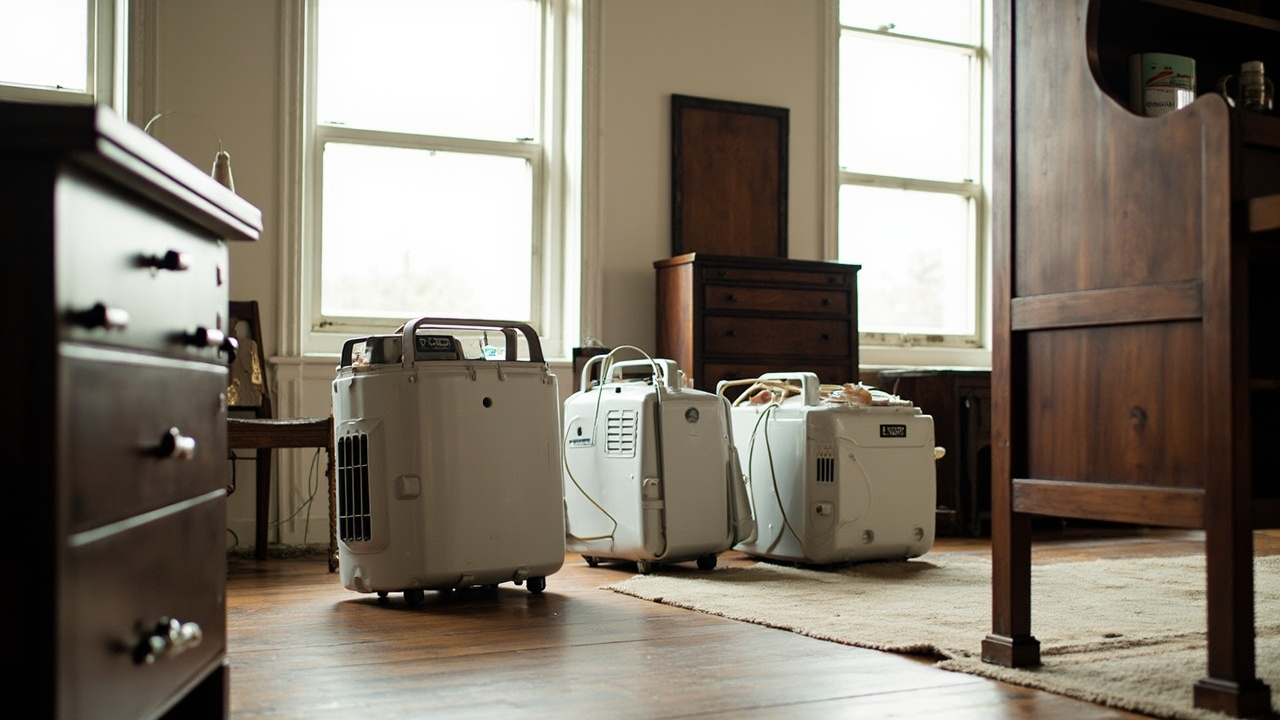
The air in New Orleans stays thick with moisture throughout the year. When your home floods, the relative humidity inside the structure spikes to 100 percent. This prevents the water inside your furniture from evaporating naturally. Instead, the wood continues to swell. Professional restorers use Low Grain Refrigerant dehumidifiers. These machines pull moisture out of the air even when the air is already cool. This creates a thirst in the air that pulls water out of the wood fibers at a controlled rate.
Controlled drying is the key phrase here. If you dry an antique too fast using high heat, the wood will shrink unevenly and crack. This is called checking. Our 2026 drying protocols follow the IICRC S500 standards to ensure we maintain the structural integrity of your property. We balance the temperature and airflow to remove moisture without damaging the delicate patina of the wood. This balance is especially hard to achieve in the large, high-ceilinged rooms common in the Garden District.
Drying timelines for common historic materials
Different materials require different approaches. Use this table to understand what to expect during the restoration process.
| Material Type | Drying Difficulty | Average Drying Time | Salvage Potential |
|---|---|---|---|
| Solid Cypress Wood | Moderate | 3 to 5 Days | High |
| Mahogany with Veneer | High | 5 to 8 Days | Moderate |
| Upholstered Silk Chairs | Extreme | 2 to 4 Days | Low to Moderate |
| Old Growth Pine Floors | Moderate | 4 to 7 Days | High |
| Modern Particle Board | Low | None | Zero |
Assessing salvageability of flood damaged furniture
Not every piece of furniture can be saved. You need to know where to spend your energy and insurance money. If a piece is made of solid wood, the chances of a full recovery are high. If the piece is made of modern pressed wood or particle board, it will likely swell and crumble once it gets wet. Most Garden District heirlooms are solid wood, which is why professional drying is a smart investment.
We look for signs of delamination. This happens when the thin layers of decorative wood on the surface begin to peel away from the frame. If we catch this early, we can press the veneers back into place during the drying process. If the water was contaminated, such as sewage from a backup, the restoration becomes much more difficult. In those cases, you need a team that handles Emergency Sewage Cleanup in Metairie and the surrounding metro area to ensure the pieces are sanitized correctly.
- Check for white spots on the finish which indicate moisture trapped in the wax or lacquer.
- Look for drawers that no longer open as this shows significant internal swelling.
- Identify any loose joints or wobbly legs before moving the piece.
- Document the water line with photos for your insurance adjuster.
- Avoid using a hair dryer or space heater as they cause uneven drying and permanent damage.
The professional drying process for high value items
Our process starts with a thorough inspection using current 2026 sensor technology. We map the moisture content in every part of the furniture. We then create a drying chamber if the home environment is too humid. This involves using heavy-duty plastic to seal off the antiques and placing dedicated dehumidifiers and air movers inside that small space. This allows us to control the environment around the antique without trying to dry the entire mansion at once.
We monitor these pieces daily. We adjust the equipment based on the moisture readings. Once the wood reaches its equilibrium moisture content, we can begin the cleaning and sanitization phase. This is vital if the water came from an Emergency Kitchen Flood Response in Uptown New Orleans where organic waste or detergents might be present. We use pH-balanced cleaners that remove contaminants without stripping the historic finish.
Understanding water categories and restoration paths
The type of water that touched your furniture dictates our cleaning method. We use the current industry standards to categorize the risk to your health and your furniture.
| Water Category | Source Examples | Restoration Strategy |
|---|---|---|
| Category 1 (Clean) | Broken supply line, bathtub overflow | Direct drying and light sanitization |
| Category 2 (Gray) | Dishwasher leak, washing machine surge | Aggressive cleaning and antimicrobial treatment |
| Category 3 (Black) | Rising flood water, sewage backup | Specialized decontamination or disposal |
Managing insurance claims for historic contents
Insurance companies often want to replace items rather than restore them. For a modern dresser, this makes sense. For a 150-year-old armoire from a shop on Royal Street, replacement is impossible. We provide the detailed reports you need to prove the value and the necessity of specialized restoration. We track the drying logs, the labor hours, and the material costs according to the latest NFIP guidelines for 2026. This documentation helps you get the full value of your claim.
When you work with a professional restoration firm, you get more than just drying equipment. You get an advocate who understands how to talk to adjusters. We explain why a standard cleaning crew cannot handle these pieces. We demonstrate the risk of mold and the specific needs of historic wood. This is especially important for residents who deal with recurring issues and might need Professional Black Mold Removal for Homes in Algiers or other low-lying areas of the city.
Protecting your investment after the drying is done
Once your antiques are dry and stable, the work does not stop. The wood will be thirsty. After the moisture is gone, we often recommend a high-quality paste wax or a specific oil treatment to replenish the surface. This protects the wood from the fluctuating humidity levels that define life in New Orleans. If the piece suffered structural damage, we can refer you to local master craftsmen who specialize in 19th-century joinery.
You should also consider the environment where the furniture lives. Keeping your home at a consistent temperature and humidity level prevents the wood from moving too much. In the Garden District, this often means upgrading your HVAC system to include whole-house dehumidification. This is a common upgrade we see in 2026 for homeowners who want to preserve their collections for the next generation.
If you have discovered water damage in your home, do not wait for the wood to start warping. The sooner we start the drying process, the more likely we are to save your pieces perfectly. We are available 24/7 to respond to emergencies across the Garden District and the greater New Orleans area. Our team arrives with the specialized equipment and the local experience needed to handle your most precious belongings. Call us today to start the restoration process and protect your family history.