Living in a city with relative humidity levels that often exceed eighty percent requires a constant battle against fungal growth. In the current 2026 rental market, the question of who must pay for remediation remains a primary concern for residents from the French Quarter to the West Bank. Determining liability for mold in a rental unit involves looking at the source of the moisture and the specific actions taken by both parties. Louisiana law and New Orleans municipal codes provide a framework for these disputes, but the outcome usually depends on professional documentation of the environmental conditions.
Louisiana Civil Code Article 2691 establishes the foundation for landlord responsibilities. Under this statute, a lessor is bound to maintain the thing in a condition suitable for the purpose of which it was leased. This is often referred to as the implied warranty of habitability. If a property in Mid-City or the 7th Ward develops a fungal colony due to a structural defect, the landlord is generally held liable. However, the legal landscape in 2026 also places specific burdens on the tenant to prevent damage through reasonable care and timely reporting.

Understanding the implied warranty of habitability in New Orleans
The warranty of habitability means your home must be safe and sanitary. In the context of the humid Orleans Parish climate, this includes a structure that remains weather-tight. If a roof leak during a summer thunderstorm leads to black mold in an attic, the landlord has failed to provide a habitable environment. This legal standard applies regardless of what the written lease says. Landlords cannot contract away their basic duty to keep the premises safe for human occupation.
In 2026, New Orleans tenants have stronger protections through the Department of Safety and Permits. The city now enforces strict moisture control standards under the Minimum Property Maintenance Standards. If you live in an apartment where the windows do not seal properly or the siding is rotting, the resulting mold is almost certainly the responsibility of the property owner. You can find more details on these requirements at the New Orleans Office of Code Enforcement website.
When the landlord must pay for mold remediation
Landlord responsibility is triggered when the mold results from issues beyond the control of the tenant. These are typically mechanical or structural failures. Common examples in local neighborhoods like Broadmoor or Gentilly include failing plumbing lines inside walls or aging HVAC systems that no longer dehumidify the air. If an evaporator coil freezes over and floods a hallway, the landlord must address the water damage and any subsequent fungal growth.
Specific landlord responsibilities include repairing roof leaks, fixing broken pipes, maintaining the exterior envelope of the building, and ensuring the HVAC system is sized correctly for the square footage. In historic areas like the Marigny, moisture often wicks up through old brick foundations. If the landlord has not installed proper vapor barriers or drainage, they are liable for the resulting dampness. For those living in the historic core, managing these issues requires specialized knowledge, such as the techniques used for professional mold remediation and preservation for Garden District historic mansions.
When the tenant is held liable for mold growth
Not every mold problem is the fault of the landlord. Tenants have a duty to use the property in a reasonable manner. In 2026, courts in Orleans Parish frequently look at whether the tenant contributed to the moisture problem through negligence. If a tenant consistently runs the shower without using the exhaust fan or keeps the windows open while the air conditioner is running, they may be creating the conditions for mold.
Tenant liability often stems from three main behaviors. First, failing to report a small leak until it becomes a major flood. Second, blocking airflow by stacking furniture against exterior walls. Third, failing to maintain a minimum temperature and humidity level inside the unit. If you notice a drip under your sink in your Algiers apartment and wait three months to tell the property manager, you might be responsible for the cleanup costs. This is why residents should seek professional black mold removal for homes in Algiers as soon as an issue is identified to minimize personal liability.
Moisture sources and responsibility breakdown
This table outlines common scenarios we see in the field and how liability is typically assigned based on current 2026 legal trends in Louisiana.
| Moisture Source | Typically Responsible | Legal Reasoning |
|---|---|---|
| Leaking roof or flashing | Landlord | Failure to maintain structural integrity |
| Burst pipe in wall | Landlord | Plumbing system maintenance duty |
| Clogged AC condensate line | Depends on lease | Maintenance schedule vs tenant neglect |
| Shower steam without fan use | Tenant | Improper use of facilities |
| Unreported sink leak | Tenant | Failure to mitigate and notify |
The importance of moisture mapping and professional testing
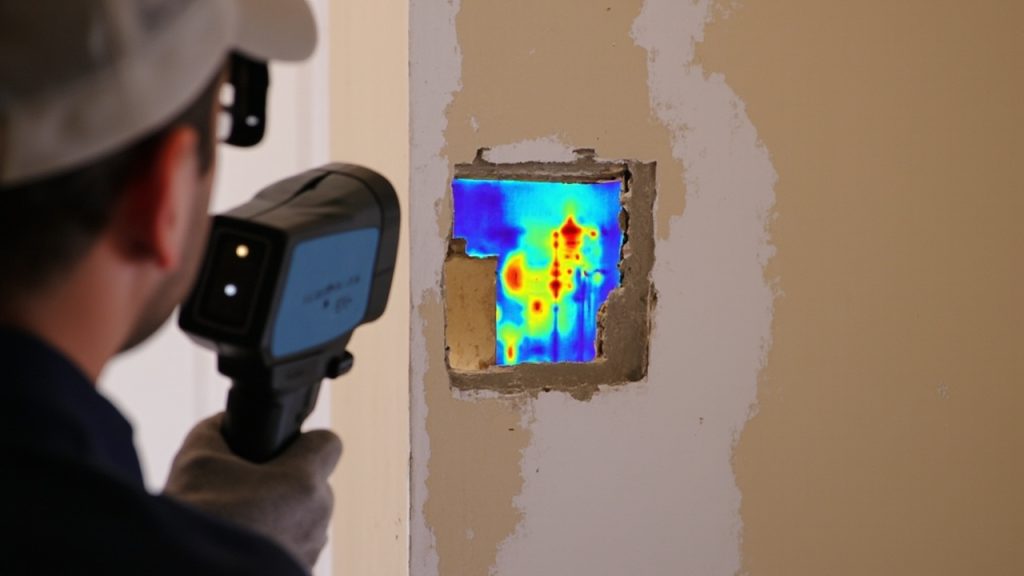
You cannot win a dispute over mold responsibility with photos alone. You need data. Restoration professionals in 2026 use advanced tools like infrared cameras and pinless moisture meters to find the hidden source of the problem. If the infrared camera shows a cold spot behind the drywall that matches a plumbing line, the landlord is likely at fault. If the moisture is only on the surface of the paint, it suggests a ventilation issue caused by the tenant.
Independent testing by a mold assessor provides an objective record that holds up in court. This report should include the species of mold found and the concentration of spores in the air. High levels of Stachybotrys or Aspergillus typically indicate a long term moisture problem that should have been addressed by the owner. For residents in specific areas, getting a local expert who understands the geography is vital, such as those providing quick response water damage restoration for Lakeview homeowners in New Orleans.
Steps to take if you find mold in your rental unit
If you discover mold, you must act quickly to protect your health and your legal rights. Following a specific protocol ensures that you have the documentation needed if the landlord refuses to pay for repairs.
- Take high resolution photos and videos of the mold and the surrounding area.
- Send a formal written notice to your landlord via certified mail with a return receipt requested.
- Keep a log of all communications including dates and times of phone calls.
- Contact the New Orleans Department of Safety and Permits for a code enforcement inspection.
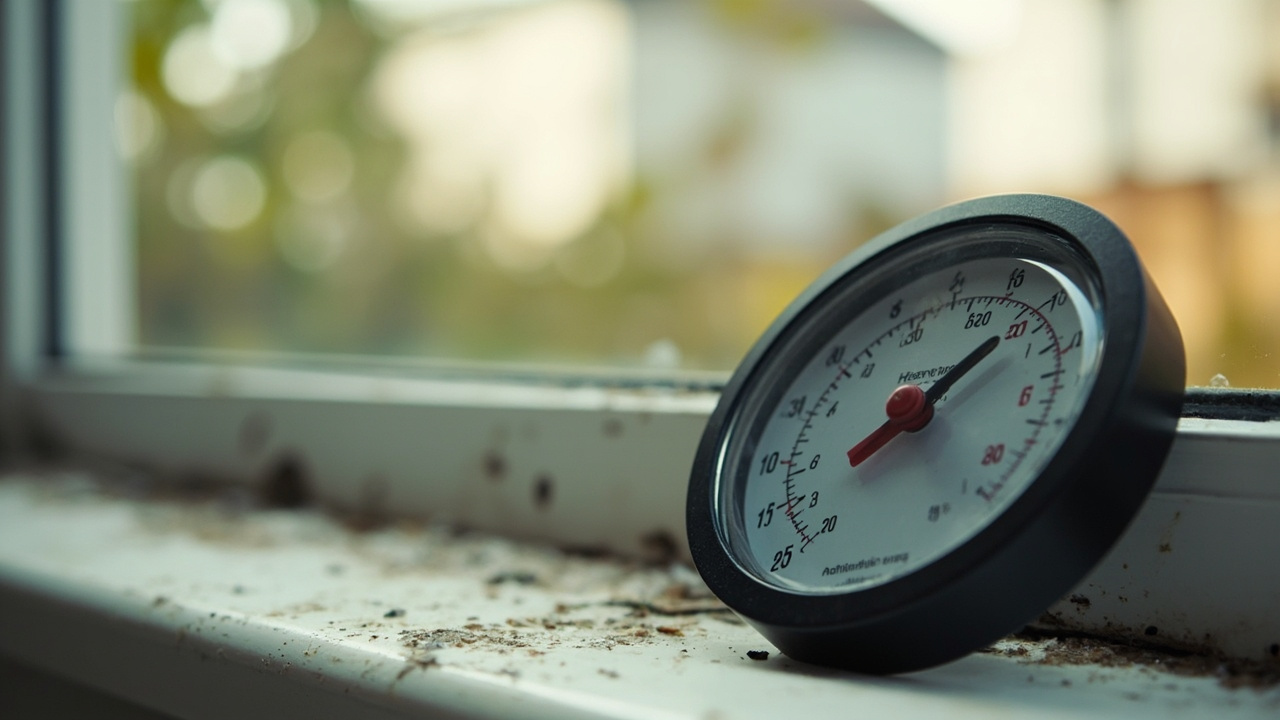
- Use a hygrometer to track the daily humidity levels inside your apartment.
- Avoid cleaning the mold yourself as this can spread spores and destroy evidence.
The repair and deduct option for Louisiana tenants
Under Louisiana Revised Statute 9:3221 and the accompanying civil codes, tenants have a limited right to repair and deduct. If a landlord fails to make necessary repairs after being notified, the tenant may perform the repairs and subtract the cost from the rent. However, this is a risky strategy. The repair must be considered a necessity for habitability, and the cost must be reasonable.
In 2026, it is highly recommended to consult with a legal professional before withholding any rent. If the mold is caused by an emergency like a sewage backup, the timeline for action is much shorter. You can learn more about handling these crises by reading about who to call for emergency sewage cleanup in Metairie and how to handle the damage now. For residents in other parts of the city, such as those facing an emergency kitchen flood response in Uptown New Orleans, documentation remains the best defense against liability disputes.
Timelines for mold notification and response
The following table shows the expected timelines for addressing moisture issues in a New Orleans rental property as of 2026.
| Action Item | Tenant Requirement | Landlord Requirement |
|---|---|---|
| Initial Discovery | Notify within 24 hours | Acknowledge within 48 hours |
| Emergency Leak | Immediate verbal notice | Repair within 24 to 48 hours |
| Standard Mold Growth | Written notice via mail | Remediation plan in 14 days |
| Post-Remediation Test | Review the results | Provide clearance report |

Health risks and species of concern in New Orleans
Mold is not just a cosmetic issue. In the high humidity of the Gulf South, certain species can trigger severe respiratory problems and neurological symptoms. The Environmental Protection Agency provides guidelines on the health impacts of indoor fungal growth. In New Orleans, we frequently see Chaetomium and Penicillium in homes that have suffered from water intrusion. These species thrive on organic materials like drywall and wooden floorboards common in local architecture.
Landlords have a duty to ensure that tenants are not exposed to toxic levels of these organisms. If a tenant develops health issues because a landlord refused to fix a leaking air conditioner, the liability could extend beyond simple remediation costs to include medical expenses. Professional moisture mapping and air sampling are the only ways to confirm if the air you are breathing is safe.
Final thoughts on resolving rental mold disputes
Resolving a mold dispute in New Orleans requires a calm approach and a focus on the facts. Most conflicts can be settled when a professional restoration company identifies the exact cause of the moisture. Whether it is a structural failure or a lifestyle issue, knowing the truth allows both parties to move forward. If you are currently dealing with a moisture problem in your rental property, start the documentation process today. Expert inspections provide the clarity needed to protect your home and your health in our unique coastal environment.