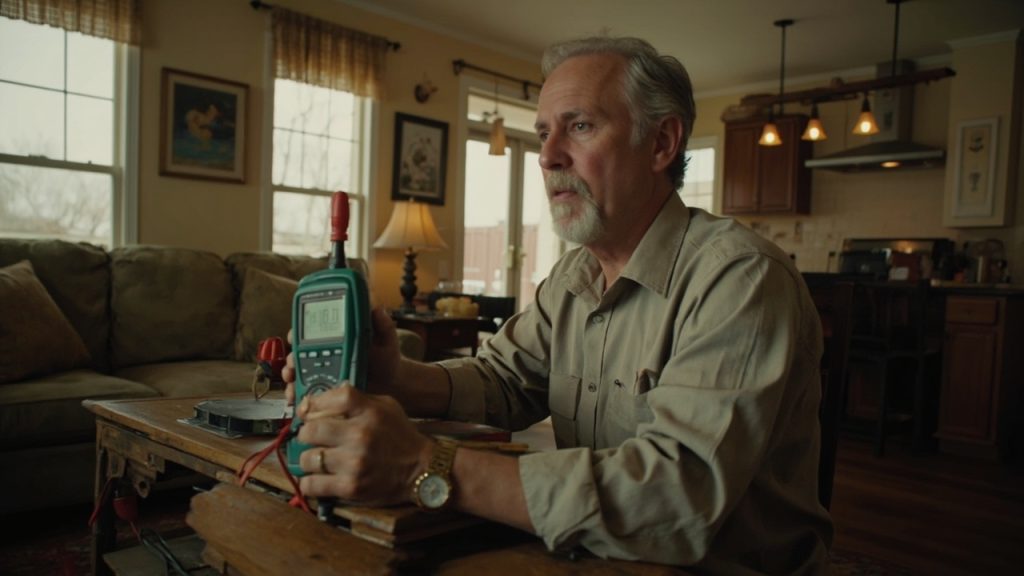
Keeping the Power Off in Your Flooded New Orleans East Home is a Life Saving Decision
Standing water in your New Orleans East home creates an immediate life safety hazard that you cannot see. If floodwater from a heavy rain event or a storm surge has entered your property, the electrical system is compromised. You must resist the urge to flip the breaker back on to start a pump or turn on a light. Electricity travels through water with ease. One step into a flooded room with an active electrical circuit can lead to a fatal shock. This danger remains even if the water looks clear or the depth is only a few inches.
New Orleans East sits in a low lying area protected by levees, but localized flooding often overwhelms drainage systems near Chef Menteur Highway and the Michoud area. When water enters a home, it saturates outlets, baseboard heaters, and floor-level wiring. This saturation creates a condition known as stray voltage. In 2026, many homes in the area have updated smart meters, but these devices do not protect you from a short circuit happening inside your walls. You need a professional assessment before you reintroduce power to any part of the structure.
The Hidden Physics of Electrical Shock in Floodwater
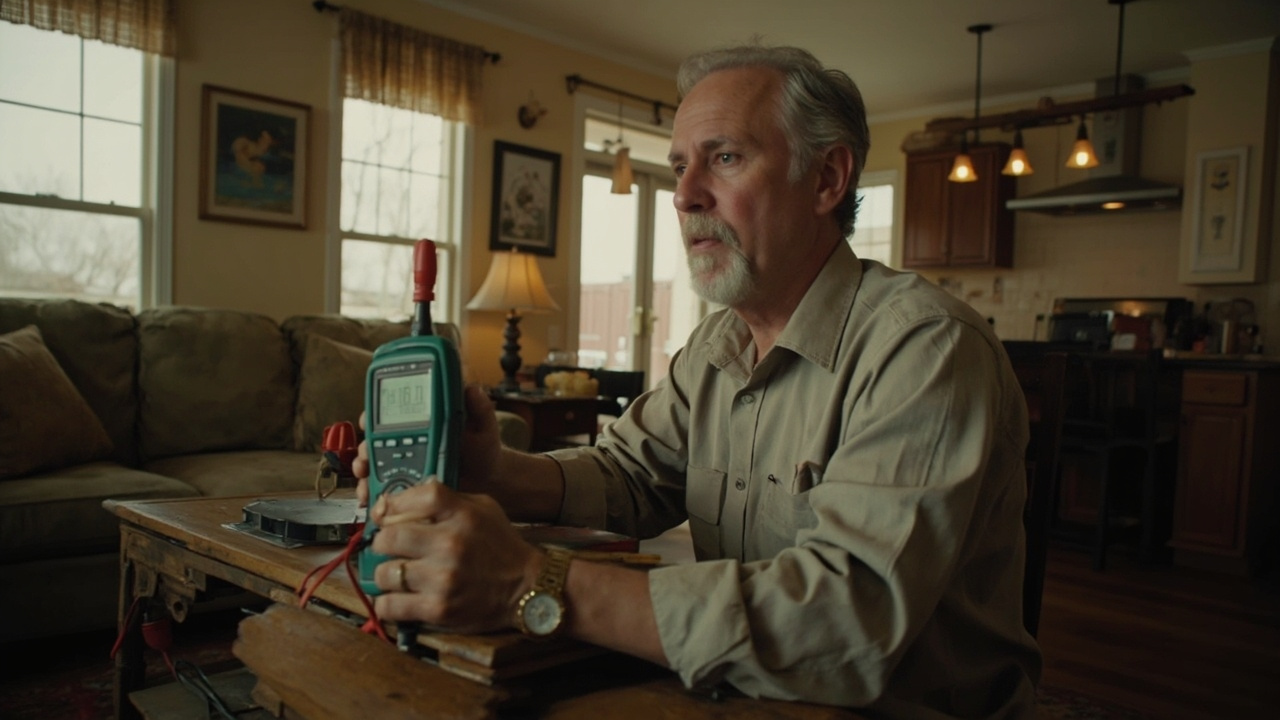
Floodwater is never pure water. In the GNO area, floodwater contains dissolved salts, sewage, and chemical runoff. These contaminants increase the conductivity of the water. If an energized wire or outlet is submerged, the entire body of water becomes a conductor. You do not need to touch the wire to get shocked. Just standing in the water while it is in contact with an energized source is enough to stop your heart or cause severe burns.
Ground Fault Circuit Interrupters or GFCIs are designed to trip when they detect a surge, but they are not infallible. Submersion in silty or brackish water often causes these safety devices to fail in the closed position. This means power continues to flow through a circuit that should have been cut off. Professional restoration experts use non-contact voltage testers to ensure an area is safe before they begin water extraction. If you are dealing with a sewer backup along with the flood, the risks increase. You can read more about emergency sewage cleanup in Metairie and surrounding areas to understand how contaminated water complicates the restoration process.
Comparing Water Types and Electrical Damage Risks
Not all floodwater impacts your electrical system in the same way. The source of the water determines how quickly your wires and breakers will corrode. In New Orleans East, we deal with both rainwater and brackish water from Lake Pontchartrain. Brackish water is far more destructive due to its salt content.
| Water Source | Conductivity Level | Corrosion Speed | Electrical Component Impact |
|---|---|---|---|
| Rainwater | Moderate | Days | Surface oxidation on terminals |
| Lake Water | High | Hours | Rapid pitting and circuit board failure |
| Sewage Water | Very High | Immediate | Complete replacement of wiring required |
| Rising Ground Water | Low to Moderate | Days | Insulation degradation and mold risk |
Saltwater acts as a catalyst for electrolysis. This process eats through copper wiring and aluminum connections in a matter of hours. Even if you dry the home, the salt residue stays behind. This residue attracts moisture from our 2026 humidity levels, leading to electrical fires weeks after the flood has passed. This is a different challenge than what owners face with historic mansions in the Garden District, where older knob and tube wiring presents unique fire risks when damp.
Immediate Safety Steps for New Orleans Homeowners
If you return to a flooded home, your priority is safety over property preservation. Follow these steps to minimize the risk of electrocution and fire.
- Do not enter any room where the water level has reached the height of electrical outlets.
- Locate your main breaker box only if it is in a completely dry area like a raised garage or an exterior wall.
- If the breaker box is in a flooded area, do not touch it. Call Entergy New Orleans to request a remote disconnect.
- Watch for humming sounds or sparks which indicate active arcing.
- Avoid using any electrical appliance that has been in contact with water until a technician clears it.
- Keep children and pets away from the property until the power is confirmed off.
Many homes in the Plum Orchard and Village de L’Est neighborhoods are built on slabs. This means the electrical conduits often run through the floor or very low in the walls. In contrast, Lakeview homeowners often deal with similar low elevation issues but different drainage patterns. Regardless of the neighborhood, the slab-on-grade design makes electrical systems vulnerable to even shallow flooding.
The Role of Entergy and Local Electricians
Entergy New Orleans is responsible for the power lines leading to your house, but they are not responsible for the wiring inside your home. In a flood event, Entergy may shut off power to an entire block to prevent fires. However, once they restore grid power, your internal hazards remain. You must hire a licensed electrician to inspect your panel and a restoration professional to dry the wall cavities.
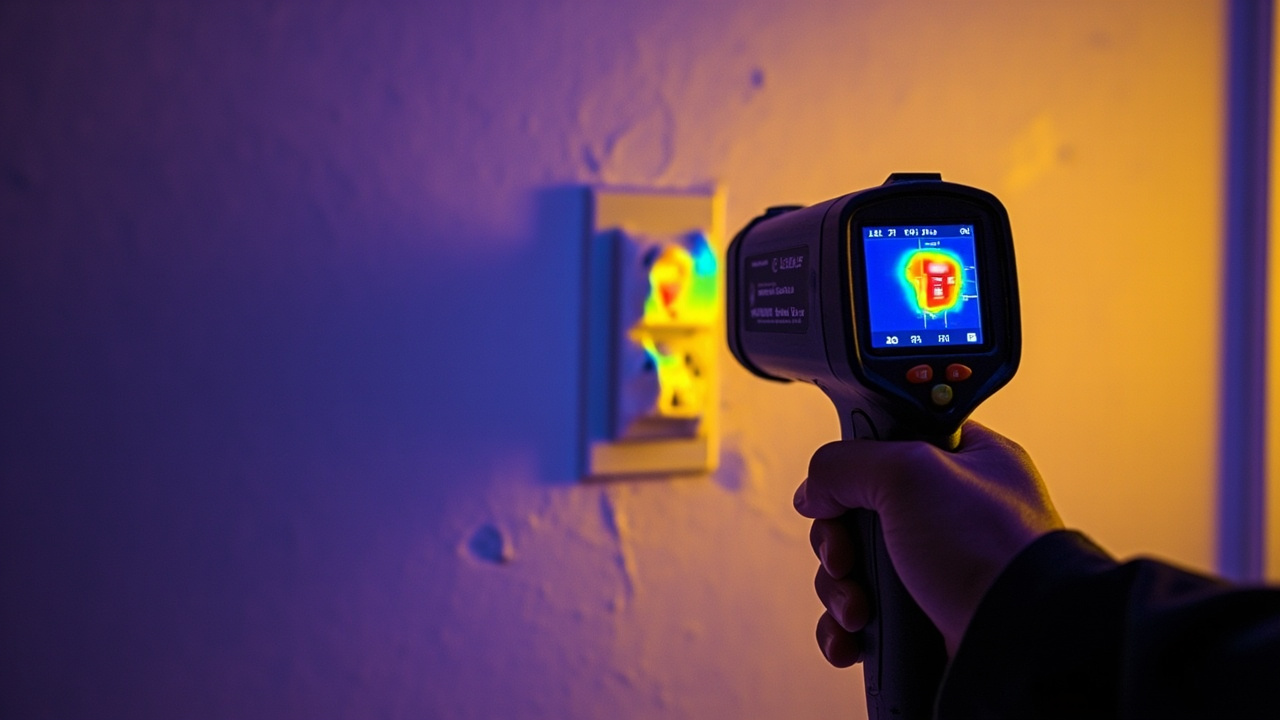
Restoration teams use thermal imaging cameras to find water trapped inside electrical conduits. This is a critical step because moisture trapped in a pipe can remain for months. If you turn the power on while moisture is in the conduit, the heat from the wires can cause the water to boil, melting the insulation and causing a house fire. This is especially dangerous in kitchens where high voltage appliances are common. If you have a localized issue, such as an emergency kitchen flood in Uptown New Orleans, the same safety protocols apply to your range and dishwasher circuits.
Restoration Timelines and Professional Equipment
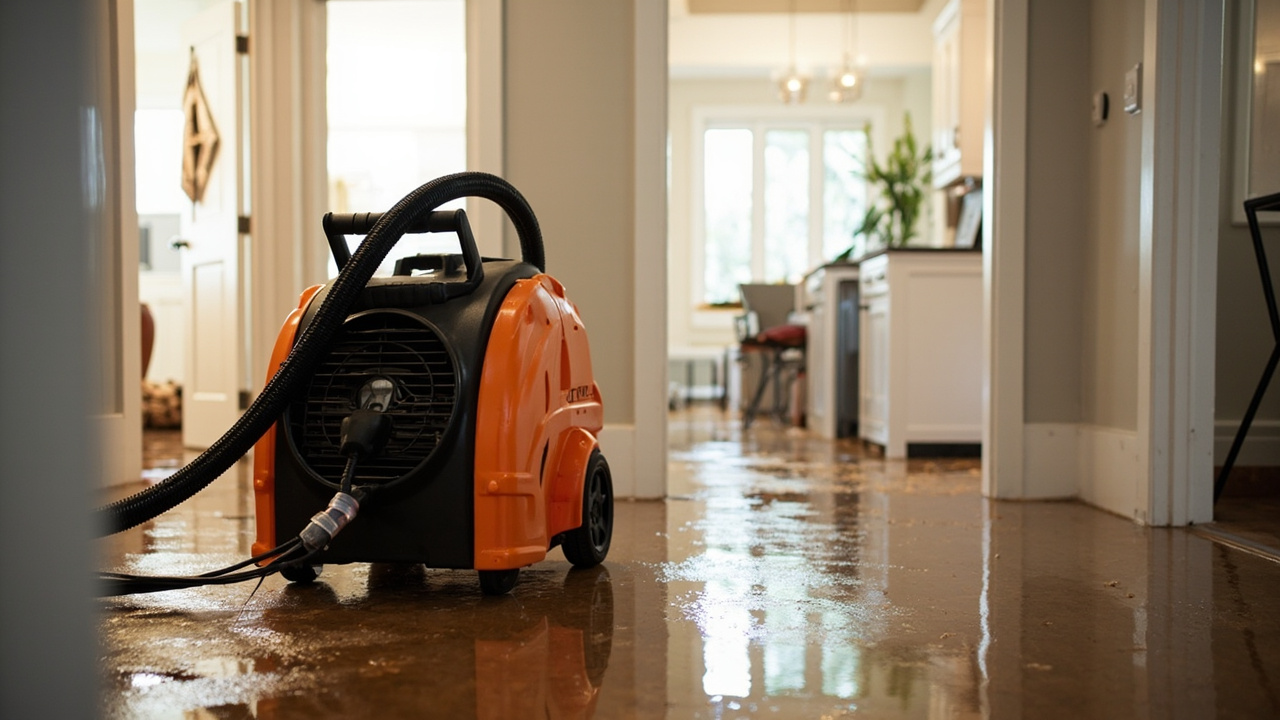
Drying out an electrical system is not as simple as opening the windows. The 2026 standards for water damage restoration require specific humidity controls to prevent secondary damage. We use industrial LGR dehumidifiers and high velocity air movers to pull moisture out of the building envelope. Without this equipment, you risk the growth of toxic pathogens. For those in the West Bank, black mold removal in Algiers is a common necessity when power is left off for too long without professional drying assistance.
| Restoration Phase | Typical Duration | Equipment Used | Safety Goal |
|---|---|---|---|
| Assessment | 2 to 4 Hours | Moisture Meters and IR Cameras | Identify energized zones |
| Water Extraction | 4 to 12 Hours | Submersible Pumps and Vacuums | Reduce standing water hazards |
| Structural Drying | 3 to 5 Days | LGR Dehumidifiers | Remove moisture from wall cavities |
| Electrical Testing | 1 to 2 Days | Megohmmeter | Verify insulation integrity |
| Final Clearance | 1 Day | Professional Certification | Confirm home is safe for occupancy |
A professional restoration company follows the IICRC S500 standards for professional water damage restoration. These guidelines dictate exactly how much air movement and dehumidification is needed based on the square footage and the class of water. Class 3 water, which includes overhead flooding or significant saturation, requires the most aggressive drying protocols. You can find more safety information on the Ready.gov flood safety page to help prepare for future events.
Dangers of Premature Power Restoration
The pressure to return to normal after a flood is high. You want your air conditioning back on to fight the Louisiana heat. You want your refrigerator to work so you do not lose hundreds of dollars in groceries. But turning the power on too early can lead to a catastrophic loss of the entire structure. If there is hidden moisture in a junction box, the moment you flip the switch, a spark can ignite the paper backing on your fiberglass insulation. These fires often start inside the walls where they are hard to detect until they have spread to the attic.
We have seen many cases in New Orleans East where homeowners thought the house was dry because the floors felt dry. They restored power, and a fire started three days later. This is why moisture mapping is vital. A professional uses specialized probes to check the moisture content of the wooden studs behind the drywall. If the wood is still holding more than fifteen percent moisture, it is too wet to safely cover or to keep energized circuits nearby.
Long Term Corrosion and Structural Integrity
Even if you avoid a fire, the long term effects of water on your electrical system can be expensive. Corrosion is a silent killer of electronics. The 2026 smart home systems are particularly sensitive to voltage fluctuations caused by corroded terminals. If you do not have the system professionally cleaned and dried, you will face a series of mysterious electrical failures over the next year. Lights will flicker, breakers will trip for no reason, and your smart home hubs will constantly disconnect.
This is why we emphasize the importance of a total system dry down. We use desiccants in some cases to pull every last drop of humidity from the air in the electrical closet. This protects your investment and ensures that your home remains insurable. Most insurance adjusters in 2026 will look for a certificate of professional drying before they approve claims for electrical repairs. Without that documentation, they may argue that the damage was caused by your negligence in turning the power back on too soon.
Staying Safe While Waiting for Restoration
While you wait for our team to arrive at your New Orleans East property, stay out of the water. Wear rubber soled shoes if you must enter the home to grab essentials, but never do so alone. Use a battery powered flashlight rather than a candle, as gas leaks are also a risk during floods. We are available 24/7 to provide emergency extraction and safety assessments. We understand the unique challenges of the East, from the soil conditions near Joe W. Brown Park to the commercial corridors along Read Boulevard. Your safety is the only thing that cannot be replaced. Let the professionals handle the high voltage risks while you focus on your family’s well being.