The Unique Geography of the Lower Ninth Ward and Water Risks
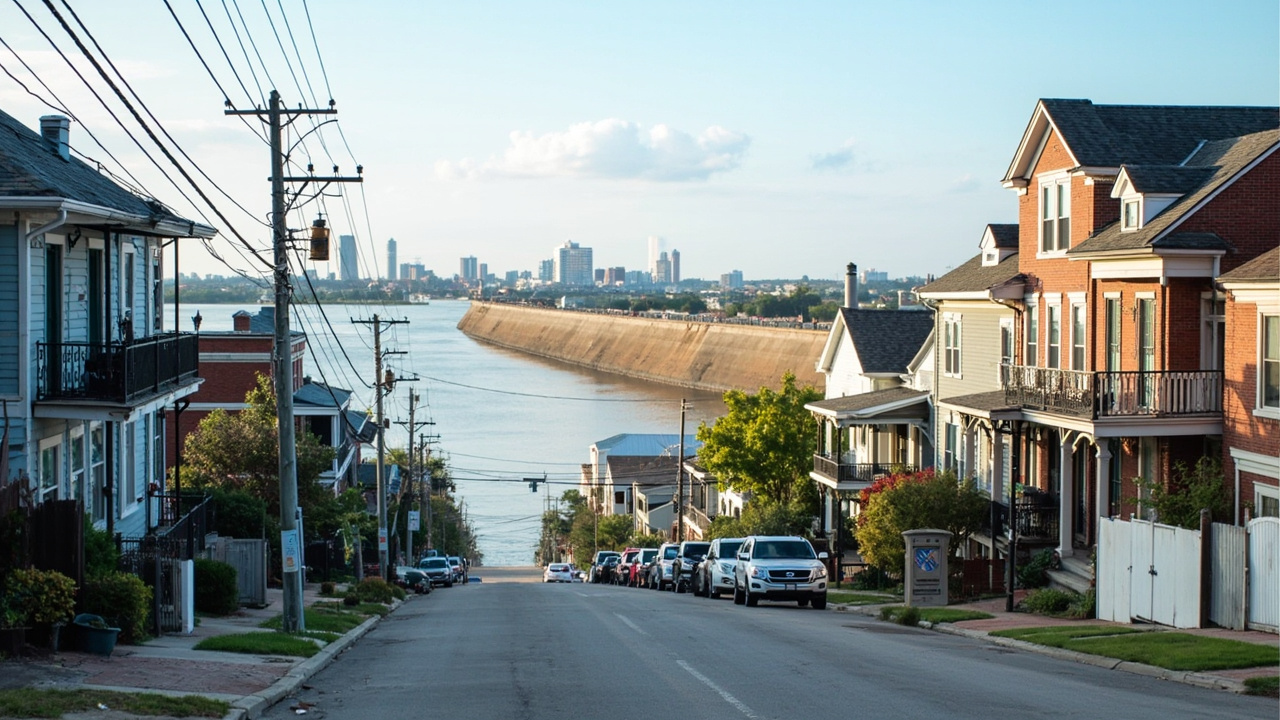
Living in the Lower Ninth Ward requires an understanding of how water moves through our specific landscape. This neighborhood sits in a geographical bowl. It is bordered by the Industrial Canal to the west and the Saint Bernard Parish line to the east. The land slopes away from the high ground of the Holy Cross neighborhood near the Mississippi River. As you move toward Florida Avenue, the elevation drops. This creates a trap for various types of water intrusion. In 2026, homeowners must distinguish between different water sources to handle insurance claims and restoration properly.
Groundwater and storm surge represent two separate threats to your property. Each requires a different response from professional restoration teams. Storm surge is an external force that pushes water over or through barriers. Groundwater is a subterranean force that rises from beneath the slab. Understanding these differences helps you identify the necessary cleanup category and the potential for long-term structural issues. Residents near the Claiborne Bridge face different risks than those living closer to the Saint Claude Avenue corridor. Every block in the 70117 zip code has a unique profile based on its proximity to the levee system and the subsurface drainage capacity.

Technical Dynamics of Storm Surge in the 70117 Zip Code
Storm surge occurs when atmospheric pressure and wind from tropical systems push Gulf water through Lake Borgne and into the Industrial Canal. This is a high-velocity event. When the water overspreads the floodwalls or enters through local breaches, it carries immense physical force. This force can shift a house off its foundation or collapse walls. Unlike a slow rising rain flood, storm surge is often violent and sudden. It carries massive amounts of sediment and debris from the canal floor into your living room.
In current restoration standards for 2026, surge water is always classified as Category 3 or black water. This is because it contains silt, organic matter, and various biological contaminants. When surge water enters a home in the Lower Ninth Ward, it saturates porous materials like drywall and insulation instantly. You cannot simply dry out these materials. They must be removed to prevent serious health risks. If your home in the Lower 9th takes on surge water, the protocol involves aggressive demolition of the lower four feet of wall space at a minimum. This ensures that no trapped contaminants remain behind the studs. For more information on handling contaminated water, see our guide on emergency sewage cleanup in Metairie which follows similar Category 3 protocols.
Understanding Groundwater Seepage and Hydrostatic Pressure
Groundwater flooding is a quieter but equally destructive problem. It happens when the water table rises due to heavy rainfall or sustained high levels in the Mississippi River. The soil in the Lower Ninth Ward consists of heavy clays and silts. When this soil becomes saturated, it exerts hydrostatic pressure against your home foundation. This pressure can force water through tiny cracks in the concrete slab or through the joints where the floor meets the wall. This is a common issue for slab-on-grade homes built in the northern sections of the neighborhood.
Groundwater intrusion often looks like clean water at first. It may seep into your closets or under your floorboards without any obvious storm event. Still, this water is not safe. As it passes through the soil and the concrete, it picks up minerals and microorganisms. Over time, consistent groundwater seepage leads to efflorescence, which is that white, powdery substance you see on brick or concrete. It also creates a perfect environment for mold growth. If you notice a damp smell in your home but do not see standing water, you likely have a groundwater issue. This is different from a sudden emergency kitchen flood in Uptown New Orleans where the source is a broken pipe. Groundwater is an environmental pressure issue that requires different mitigation strategies like French drains or sump pumps.
Comparison of Flood Characteristics in the Lower Ninth Ward
The following table outlines the technical differences between these two common water threats in the 70117 area.
| Feature | Storm Surge | Groundwater Flooding |
|---|---|---|
| Primary Source | Industrial Canal and Lake Borgne | Rising Water Table and Saturated Soil |
| Water Category | Category 3 (Black Water) | Category 2 or 3 (Grey or Black) |
| Physical Force | High Velocity and Debris Impact | Slow Seepage and Hydrostatic Pressure |
| Warning Time | Hours or Days (Storm Tracking) | Minimal to None (Gradual Rise) |
| Restoration Needs | Heavy Demo and Decontamination | Structural Drying and Foundation Repair |
Rainfall Capacity and the Sewerage and Water Board Systems
The drainage infrastructure in the Lower Ninth Ward relies on a complex system of catch basins and pipes that lead to local pumping stations. During intense rainfall, the volume of water often exceeds the capacity of the Sewerage and Water Board systems. When the pumps cannot keep up, the streets fill with water. This street flooding can eventually enter homes through low doorways or garage vents. This is technically a flash flood, but it often carries the same contaminants as storm surge because it mixes with street oil and overflowing sewer lines.
Current 2026 data shows that even with upgraded pumps, the Lower 9 remains vulnerable during rain events that exceed two inches per hour. This is a different risk profile than the water damage restoration needs for Lakeview homeowners who deal with a different set of canal pressures. In the Lower Ninth, the proximity to the Florida Avenue canal means that the back of the ward often sees water accumulate faster than the Holy Cross area. Homeowners need to maintain their own lateral lines and ensure that their gutters are directed away from the foundation to prevent localized pooling that contributes to groundwater issues.
Restoration Protocols for Saturated Lower Ninth Ward Homes
When water enters a home in this neighborhood, the clock starts immediately. Mold can begin to colonize in as little as twenty-four to forty-eight hours in the high humidity of New Orleans. The restoration process for a surge-damaged home is intensive. We follow the Institute of Inspection Cleaning and Restoration Certification S500 standards for all projects. This involves a multi-stage approach to ensure the home is safe for occupancy again.
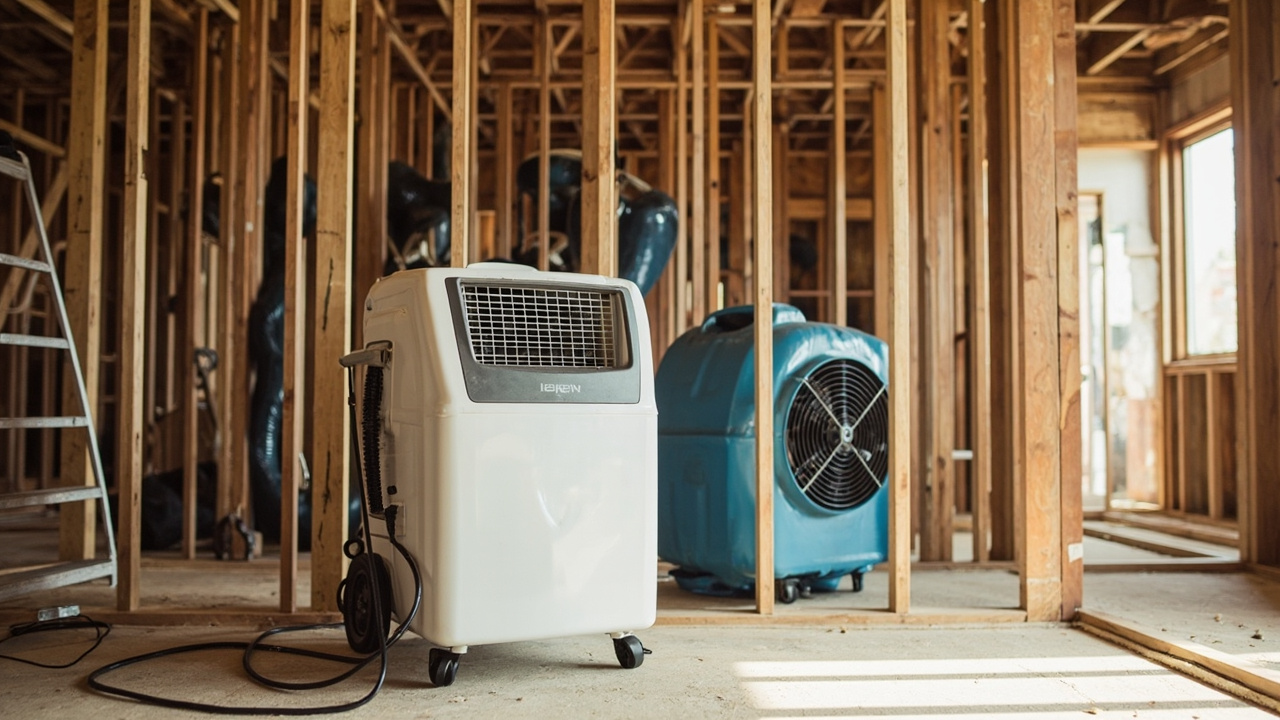
First, we must extract all standing water. Next, we remove all affected porous materials. This includes drywall, baseboards, and carpet. In many cases, hardwood floors in the Lower 9th are laid directly over subfloors that trap moisture. These often require specialized drying mats or complete removal if the water was Category 3. Once the demo is complete, we apply antimicrobial treatments to the wall studs and the slab. Only then do we begin the structural drying phase using industrial dehumidifiers and air movers. This process is essential for preventing long-term structural rot and maintaining the value of the property.
Homeowners in historical areas of the neighborhood must take extra care. Similar to mold remediation for Garden District historic mansions, older homes in the Lower Ninth Ward often have unique architectural features and materials that require specialized drying techniques. Plaster walls and heart-pine flooring react differently to moisture than modern drywall and laminate.
Typical Restoration Timelines for 70117 Properties
The duration of a restoration project depends on the water source and the extent of the saturation. Use this table as a general guide for 2026 project planning.
| Phase of Work | Groundwater Seepage (Minor) | Storm Surge (Major) |
|---|---|---|
| Water Extraction | 1 to 2 Hours | 4 to 8 Hours |
| Demolition and Mucking Out | 1 Day | 3 to 5 Days |
| Structural Drying | 2 to 3 Days | 5 to 7 Days |
| Antimicrobial Treatment | 1 Day | 2 Days |
| Final Inspection | 1 Day | 1 Day |
The Role of FEMA Flood Zones in the Lower Ninth Ward
Flood insurance is a requirement for most residents in the 70117 zip code. The neighborhood is divided into different flood zones by the Federal Emergency Management Agency. The VE zones are closest to the water and carry the highest risk for wave action and surge. The AE zones are also at high risk but are generally protected from the most violent waves. Understanding your zone helps you predict whether you will deal with groundwater or surge during a major storm.
In 2026, insurance adjusters look closely at the water line in your home to determine the source. Storm surge often leaves a clear debris line. Groundwater might only show up as warped floorboards or a damp foundation. You must document everything with photos and videos immediately. Do not wait for the adjuster to arrive before you start the cleanup process, but do keep samples of the flooring and drywall to prove the extent of the damage. This documentation is vital for getting the full value of your policy to cover the high cost of restoration.
Long Term Mold Prevention and Structural Integrity
The battle against water does not end when the floors are dry. The high humidity in New Orleans means that any residual moisture can lead to a mold outbreak weeks after the event. This is especially true in the Lower Ninth Ward where many homes have crawl spaces. These spaces often trap humid air and moisture from the soil, leading to wood rot in the floor joists. Encapsulation and the use of vapor barriers are becoming standard for homeowners looking to protect their investment in 2026.
If you have had water intrusion, you should watch for signs of black mold. This includes dark spotting on the walls or a persistent earthy smell. For residents in the 70117 area, professional help is often necessary to ensure the mold is removed safely. We provide similar services such as professional black mold removal for homes in Algiers and other surrounding neighborhoods. Proper containment and HEPA filtration are the only ways to ensure that mold spores do not spread through the rest of the house during the cleaning process.
Immediate Steps for Lower Ninth Ward Homeowners
- Turn off the main electrical breaker if you see standing water.
- Take photos of the water levels against the walls and any debris left behind.
- Contact your insurance agent to start a flood claim.
- Remove small items and furniture from the affected area.
- Place aluminum foil or wood blocks under furniture legs that you cannot move.
- Avoid contact with the water as it likely contains contaminants.
- Call a professional restoration team to begin extraction and drying.
The Lower Ninth Ward is a resilient community with a unique set of challenges. Whether you are dealing with a rising water table near the Florida Avenue canal or the aftermath of a surge event from the Industrial Canal, knowing the difference between these water sources is the first step toward a successful recovery. Proper restoration protects your health and your property value for years to come. In 2026, we have the tools and the technology to dry out even the most saturated homes, but speed remains the most important factor in the process. If your home has been affected by water, reach out for a professional assessment today to ensure your property is dried to the highest local standards.