
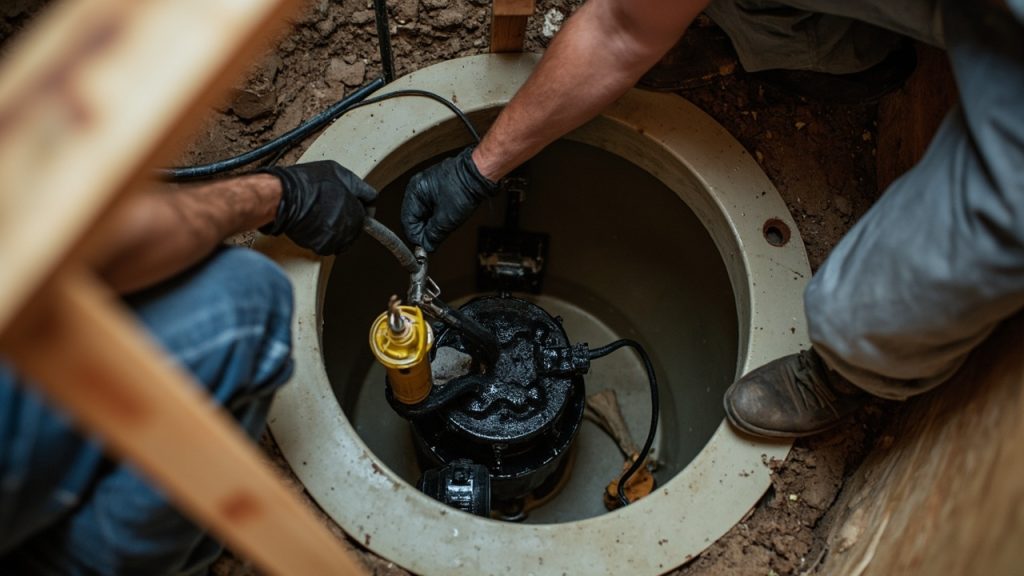
St. Claude homeowners face unique challenges when it comes to managing moisture under their houses. The neighborhood sits in a low area near the Industrial Canal and the Mississippi River. This means the water table is high and the soil stays saturated for much of the year. In 2026, we see more frequent heavy rain events that put immense pressure on local foundations. If you have a pier and beam house in St. Claude, you likely have a crawl space that traps water. This water leads to wood rot, mold growth, and structural shifting. A high quality sump pump is the most effective tool to combat these issues. Selecting the right pump requires an understanding of local soil conditions and drainage requirements.
Groundwater in New Orleans does not just sit still. It moves through the sandy and clay based soil layers. When heavy rain hits, the ground becomes a sponge. This creates hydrostatic pressure. This pressure pushes water up through the floor of your crawl space or through the foundation walls. Without a way to remove this water, it pools and creates a humid environment. This humidity travels upward into your living space. It can trigger the need for professional mold remediation and preservation for Garden District historic mansions or similar historic properties across the city. St. Claude shotgun houses are especially vulnerable because they often lack modern drainage systems.
Understanding Sump Pump Varieties for St. Claude Homes
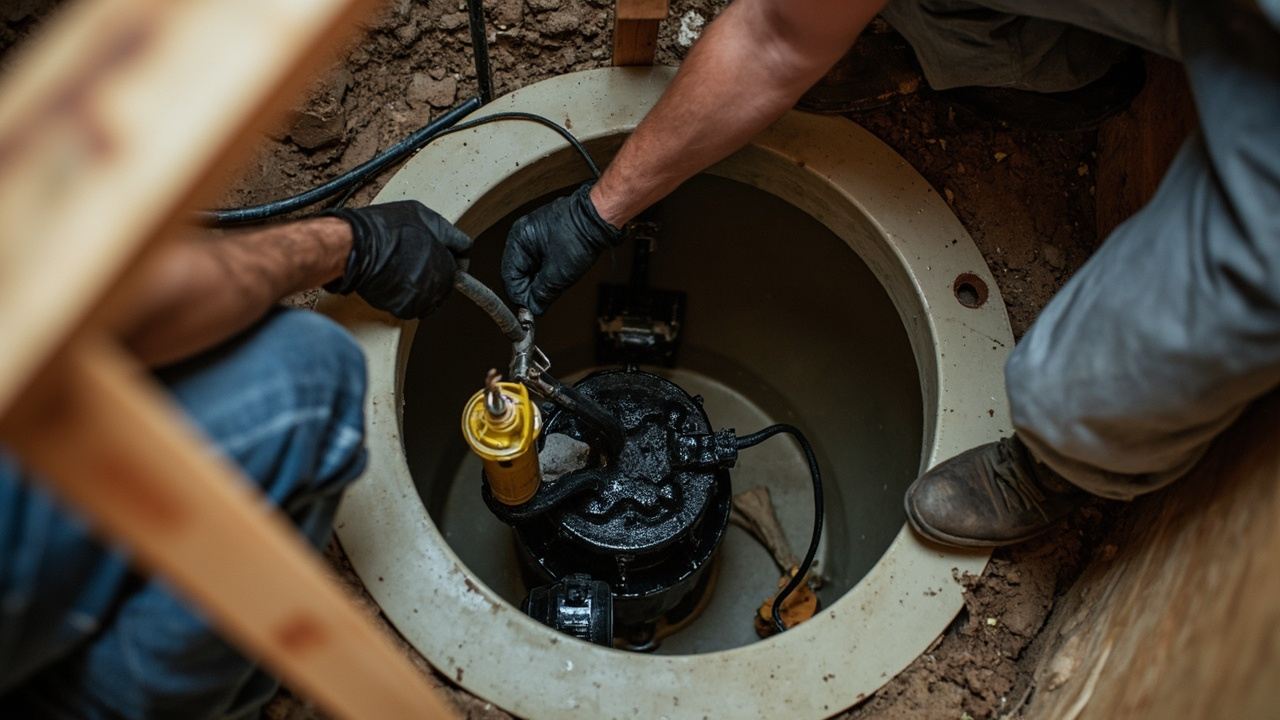
There are two primary types of sump pumps used in residential crawl spaces. These are submersible pumps and pedestal pumps. Each has specific benefits depending on the depth of your crawl space and how much water you need to move. In the tight confines of a St. Claude crawl space, the choice of pump often depends on the available vertical clearance. Many local homes were built with very little space between the ground and the floor joists. This makes the physical size of the pump a major factor in your decision.
Submersible pumps sit entirely inside the sump basin. The motor is sealed in a waterproof housing. These pumps are generally more powerful and can handle small debris like sand or silt. This is important in New Orleans because our groundwater often carries fine sediment. Submersible pumps are quieter because the water around them muffles the sound of the motor. They are the preferred choice for 2026 installations where the crawl space is deep enough to accommodate a standard basin. Because the motor is submerged, it stays cool during long periods of operation in the summer heat.
Pedestal pumps have a motor that sits on a tall shaft above the water level. Only the impeller is at the bottom of the basin. These pumps are easier to service because the motor is accessible. They are often less expensive but cannot handle the same volume of water as submersible models. If your crawl space is extremely shallow, a pedestal pump might be the only option. We often see these in older parts of the city where the ground has subsided over time. When dealing with saturated soil in different areas, we find that quick response water damage restoration for Lakeview homeowners in New Orleans often involves similar pump selection criteria due to comparable elevation issues.
| Feature | Submersible Pump | Pedestal Pump |
|---|---|---|
| Lifespan in NOLA Humidity | 10 to 15 Years | 20 to 25 Years |
| Debris Handling | High (Sand and Silt) | Low (Clean Water Only) |
| Horsepower Options | Up to 1.5 HP | Up to 0.5 HP |
| Operational Noise | Very Low | Moderate |
Horsepower and Lift Requirements for Local Drainage
The horsepower of your pump determines how much water it can move per hour. In St. Claude, we recommend at least a one half horsepower pump for most standard crawl spaces. If your home is near the canal or has a history of major flooding, a three quarter horsepower model is safer. You must also consider vertical lift or head pressure. This is the distance the pump must push the water upward to reach the discharge pipe. If the lift is too high for the pump, the flow rate will drop significantly. You could end up with a pump that runs constantly but never clears the basin.
The discharge line should be at least one and a half inches in diameter. We use PVC pipes to ensure the water moves quickly away from the foundation. It is vital to route this water to a location where it will not flow right back under the house. The Sewerage and Water Board of New Orleans regulates how and where water can be discharged into the city system. In many cases, we route the water to the street or a dedicated drainage ditch. Proper discharge prevents the cycle of water recycling back into the ground near your crawl space walls.
During the current 2026 storm season, we have seen rainfall totals that overwhelm smaller pumps. A pump with a higher flow rate is an insurance policy against flash flooding. If your pump fails during a heavy storm, you might face significant cleanup costs. This is similar to the urgency required for who to call for emergency sewage cleanup in Metairie and how to handle the damage now when drainage systems back up into residential areas. Speed and capacity are the two most important factors in protecting your home from rising water.
The Importance of Battery Backup Systems
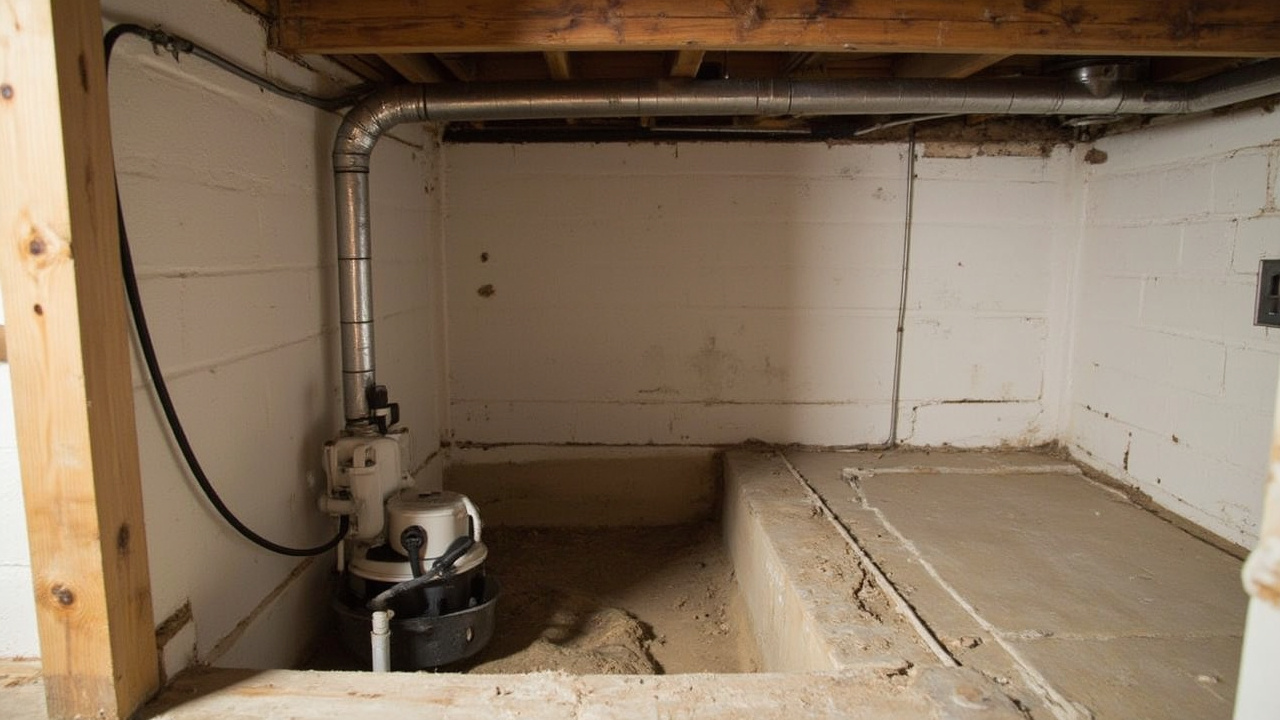
A sump pump that only runs on grid power is a liability in New Orleans. Power outages are common during summer thunderstorms and hurricanes. If the power goes out, the rain continues to fall, and your crawl space fills with water. Every sump pump installation in St. Claude should include a battery backup system. This system consists of a second, smaller pump and a dedicated battery. If the main pump loses power or fails, the backup pump takes over. This ensures your crawl space stays dry even when the neighborhood is in the dark.
Modern battery backups in 2026 feature smart technology. They can send alerts to your phone if the primary pump fails or if the battery level is low. This peace of mind is invaluable when you are away from home during a storm. Some systems use water powered backups that rely on municipal water pressure, but these are less common in New Orleans due to fluctuations in city water pressure. A high capacity deep cycle battery is usually the best choice. It can provide several hours of continuous pumping during an emergency. This is a critical component for any comprehensive water management strategy.
- Primary pump handles 95 percent of all water removal tasks.
- Battery backup pump activates during power failures.
- Dual float switches provide redundancy in case one switch gets stuck.
- Alarm systems notify homeowners of high water levels immediately.
- Check valves prevent water from flowing back into the basin after the pump stops.
Sump Basin Installation and Maintenance
The sump basin is the heart of the system. It is a perforated plastic or fiberglass container buried in the lowest point of the crawl space. We dig a hole deep enough so the rim of the basin is flush with the ground. In St. Claude, the soil is often wet and heavy, so we surround the basin with gravel. This gravel acts as a filter. It allows water to flow into the basin while keeping out the thick clay and mud that could clog the pump. A tight fitting lid is also necessary to keep moisture and soil gases like radon from entering the crawl space.
Maintenance is a non negotiable part of owning a sump pump. The humid environment under a St. Claude home causes corrosion and debris buildup. We recommend checking your pump at least twice a year. You should pour a bucket of water into the basin to ensure the float switch triggers the motor. Listen for any unusual grinding noises. You should also check the discharge pipe for obstructions. If a pump is neglected, it will likely fail when you need it most. This can lead to issues requiring emergency kitchen flood response in Uptown New Orleans if the water level rises high enough to reach the subfloor and cabinets.
| Maintenance Task | Frequency | Objective |
|---|---|---|
| Test Float Switch | Every 3 Months | Ensure motor activation |
| Clean Sump Basin | Annually | Remove silt and gravel |
| Check Discharge Pipe | After Major Storms | Clear blockages |
| Replace Backup Battery | Every 3 to 5 Years | Ensure emergency power |
Choosing Materials for the New Orleans Environment
Not all sump pumps are built to withstand the conditions in 2026. Cheap plastic pumps often crack or overheat. We prefer pumps with cast iron housings. Cast iron dissipates heat much better than plastic or aluminum. This extends the life of the motor during periods of heavy use. In our salty and humid air, corrosion is a constant threat. Stainless steel fasteners and components are essential to prevent the pump from seizing up. Spending more on quality materials upfront saves money on repairs and replacements later.
The type of float switch also matters. Vertical float switches are more reliable in tight spaces than tethered floats. A tethered float can get stuck against the side of the basin or on a pipe. A vertical switch moves up and down on a fixed rod, which reduces the risk of mechanical failure. For homeowners who want the most reliable technology available, electronic switches are now a great option. These use sensors to detect water levels and have no moving parts to get stuck. This level of reliability is important for preventing the damp conditions that lead to professional black mold removal for homes in Algiers and other riverfront communities.
The Connection Between Sump Pumps and Foundation Health
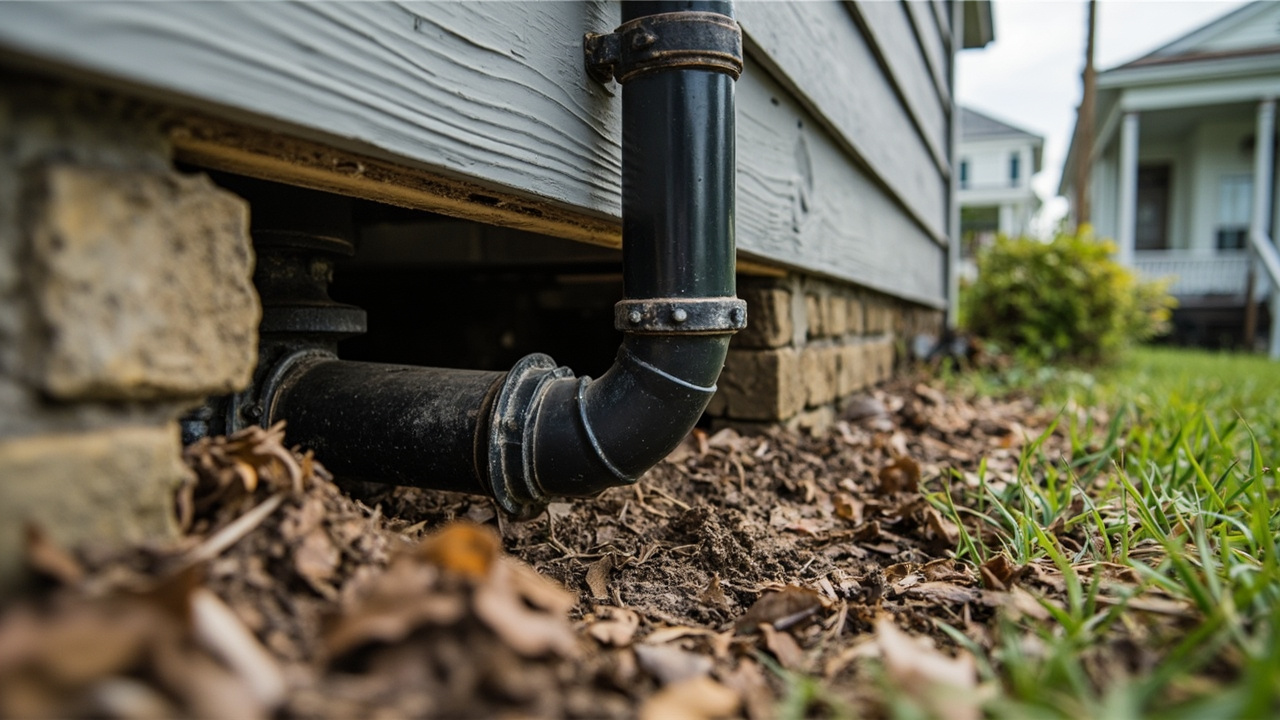
A dry crawl space protects your foundation. When the soil under your home constantly changes from wet to dry, it causes the ground to expand and contract. This movement leads to cracks in your piers and walls. It can also cause your floors to become uneven. By using a sump pump to maintain a consistent moisture level, you stabilize the soil. This is especially important for the older, historic structures found in St. Claude. These buildings were designed to breathe, but they were not built to sit in standing water for weeks at a time.
In addition to structural benefits, a sump pump reduces the risk of wood destroying insects. Termites and carpenter ants are attracted to damp wood. By removing the source of moisture, you make your home less inviting to these pests. The 2026 building codes in New Orleans increasingly recognize the importance of moisture control in crawl spaces. Installing a sump pump is often the first step in a complete crawl space encapsulation project. This involves sealing the ground with a heavy vapor barrier and closing off vents to create a conditioned space. The sump pump remains the primary defense against any water that manages to get behind the barrier.
For more information on flood risks and residential protection, the National Flood Insurance Program provides resources on how various mitigation efforts can impact your property safety and insurance rates. Protecting your St. Claude home starts from the ground up. If you notice standing water or a musty smell coming from your crawl space, it is time to act. A professional inspection can determine the best pump location and capacity for your specific needs. Do not wait for the next major storm to find out your drainage system is insufficient. Taking these steps now ensures your home remains safe, dry, and structurally sound for years to come.